
A two-minute front desk pause can prevent the small arrival problems that turn into an unpacking headache.
The first hour at a hotel is when small assumptions get expensive, annoying, or both. You are tired, the lobby is busy, and the key card feels like the finish line. That is exactly when the easiest details get missed.
Before you roll your suitcase to the elevator, ask a few focused questions. They do not need to sound demanding. They simply confirm what room you are getting, what you will be charged, and what is still open before your first hour disappears.
Is My Room Actually Ready?
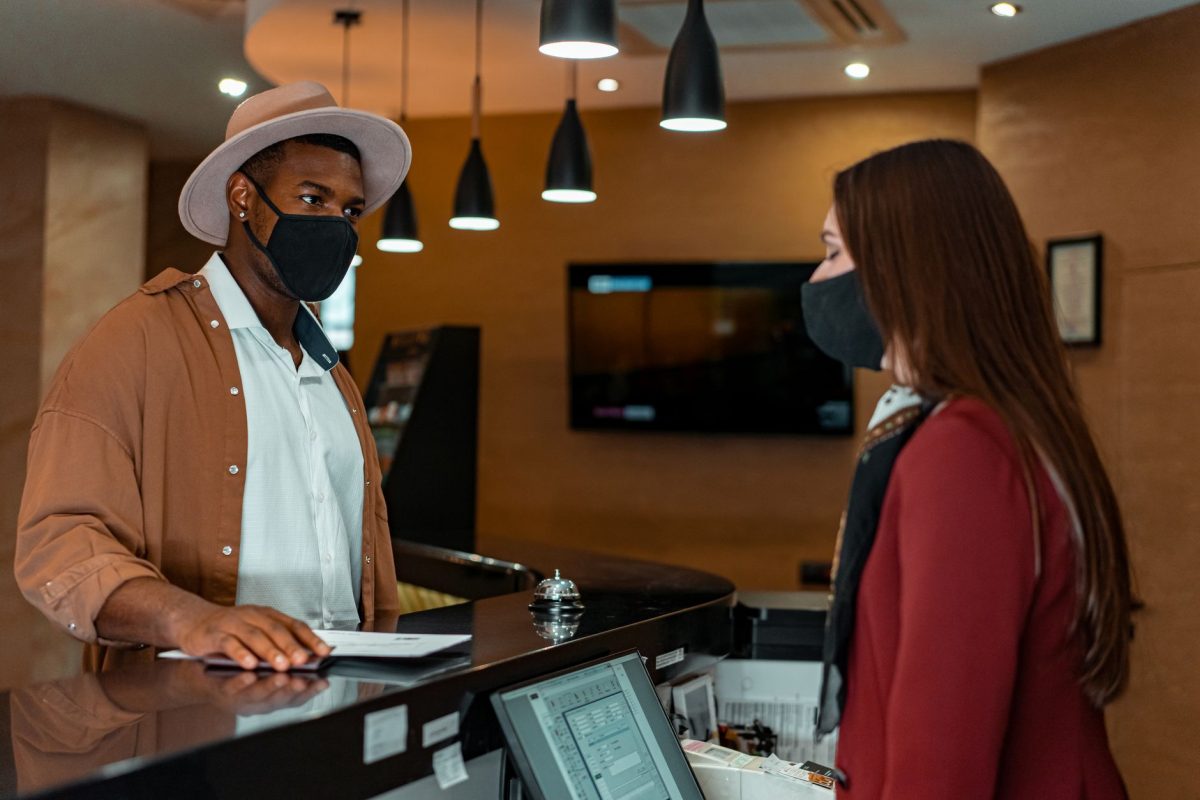
The most useful first question is whether the assigned room is fully ready right now. Not just available in the system, but cleaned, inspected, and clear for a guest to enter. That distinction matters when a hotel is turning rooms quickly after a busy checkout wave.
- Ask if housekeeping has released the room.
- Confirm the room type matches your booking before you leave the desk.
- If you requested adjoining rooms, accessibility features, or a crib, verify those now.
This helps families, late arrivals, and anyone traveling for an event with no time to lose. What can go wrong is simple: you reach the door, discover a problem, and have to drag everything back through the lobby. A calm check at the desk can save the first frustrating loop.
Where Is the Room Located?
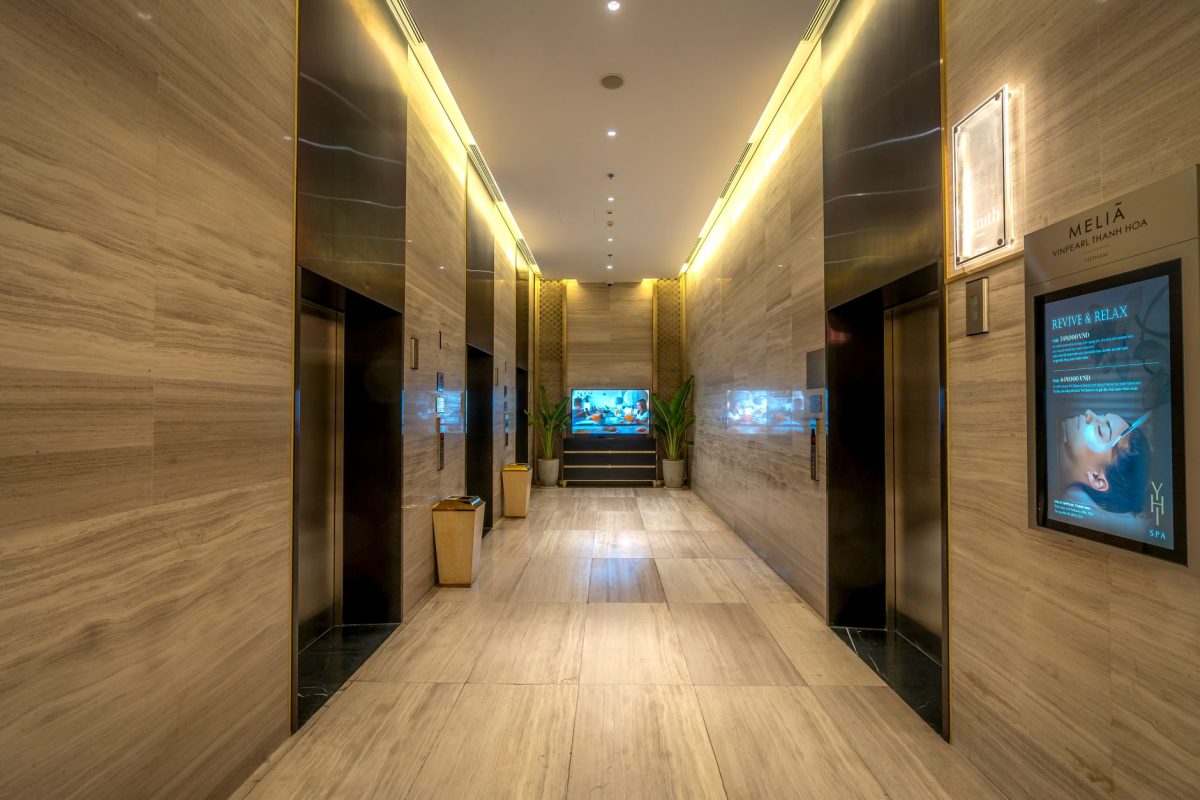
Room location affects more than the view. A room beside the elevator may be convenient for one guest and miserable for another. A room near the ice machine, service door, loading area, pool, or lobby bar can change how quiet your first night feels.
- Ask whether the room is near elevators, vending areas, or event spaces.
- If walking distance matters, ask how far it is from the lobby or parking.
- If noise matters, ask whether a quieter room is available before accepting the key.
This question is especially helpful for light sleepers, parents with young children, older travelers, and anyone arriving after a long travel day. The front desk may not be able to solve every preference, but it is much easier to switch before you unpack than after you have found the noisy spot firsthand.
How Does Parking Work?
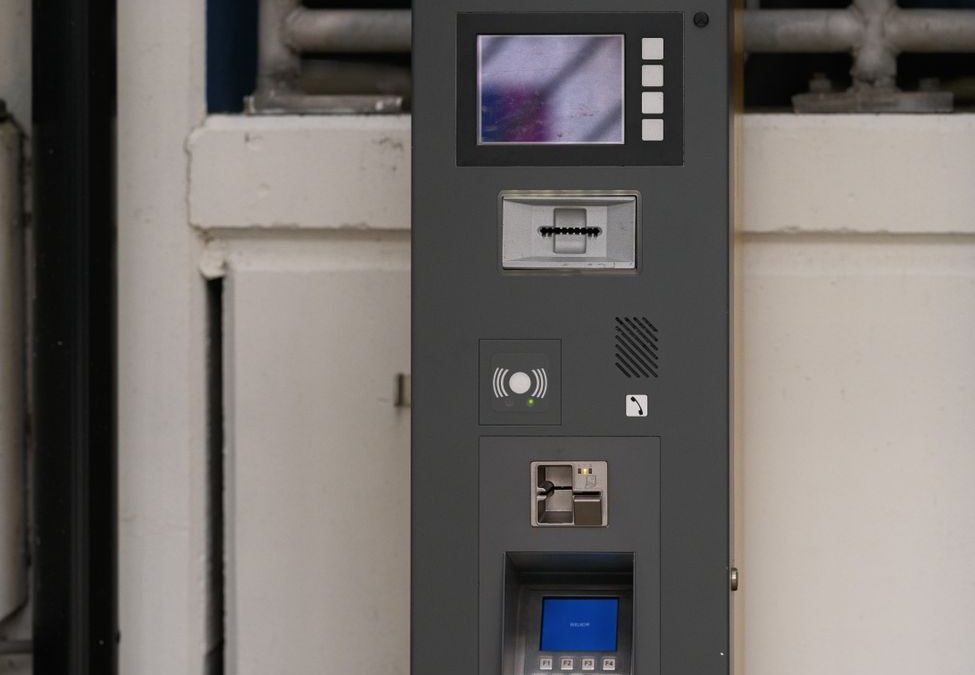
Parking is one of the quickest ways to turn a simple arrival into a billing or access problem. Hotels may use valet-only parking, shared garages, validation codes, license plate registration, app payments, or in-and-out rules that are not obvious from the lobby.
- Ask the nightly parking cost before you park for the evening.
- Confirm whether you need a dashboard pass, license plate entry, or room-key access.
- Ask if leaving and returning creates a new charge.
This matters for road trippers, rental car users, and anyone staying in a downtown, beach, airport, or resort area. The mistake to avoid is assuming parking is included or that the nearest garage belongs to the hotel. A one-minute explanation can prevent tickets, locked gates, and surprise charges at checkout.
What Fees Post Tonight?
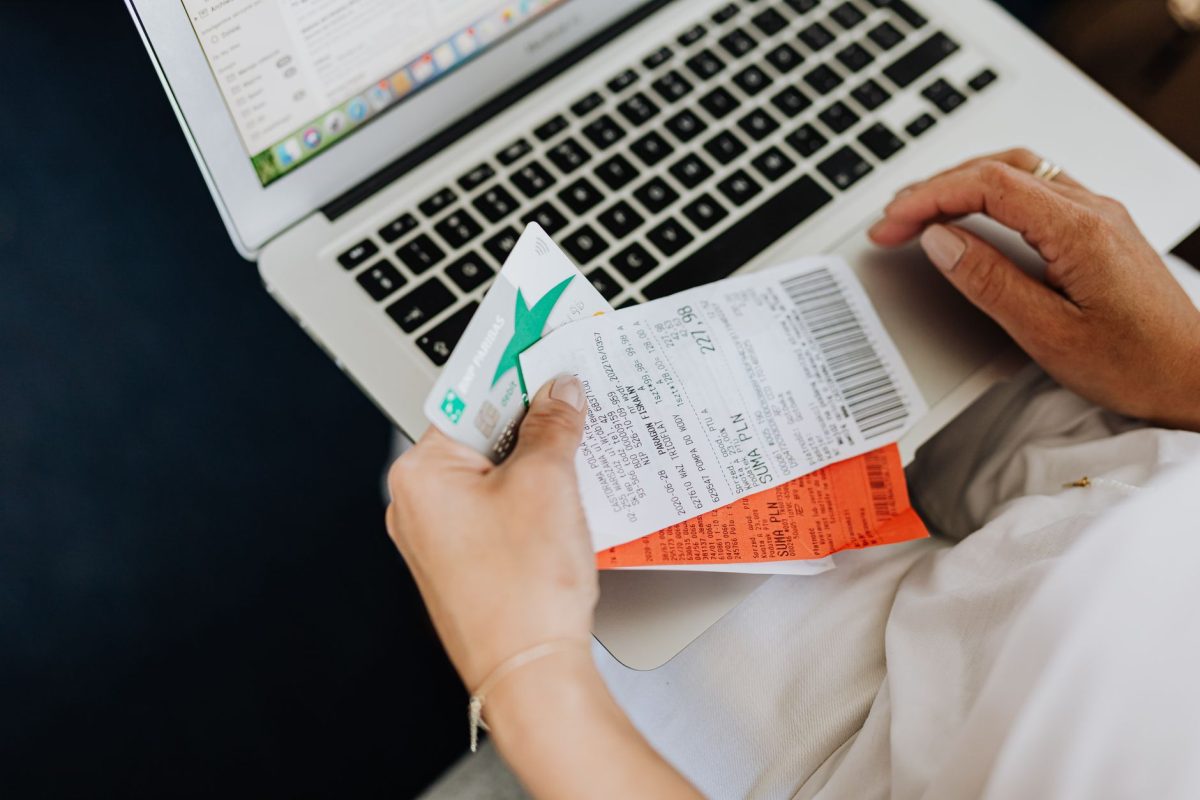
The rate you booked is not always the total amount that will appear on your card. At check-in, the hotel may place a hold for incidentals, add destination or resort fees, charge for parking, or apply taxes that were not obvious during the booking path.
- Ask what amount will be authorized on your card today.
- Ask which fees are mandatory and which are optional.
- Confirm whether breakfast, Wi-Fi, bottled water, gym access, or local calls are included.
This helps budget-conscious travelers and anyone using a debit card or shared family card. What can go wrong is discovering a larger hold after your bank balance changes or arguing about a charge when you are trying to leave. Ask early, and request a printed or emailed folio if anything sounds unclear.
What Closes Before I Unpack?
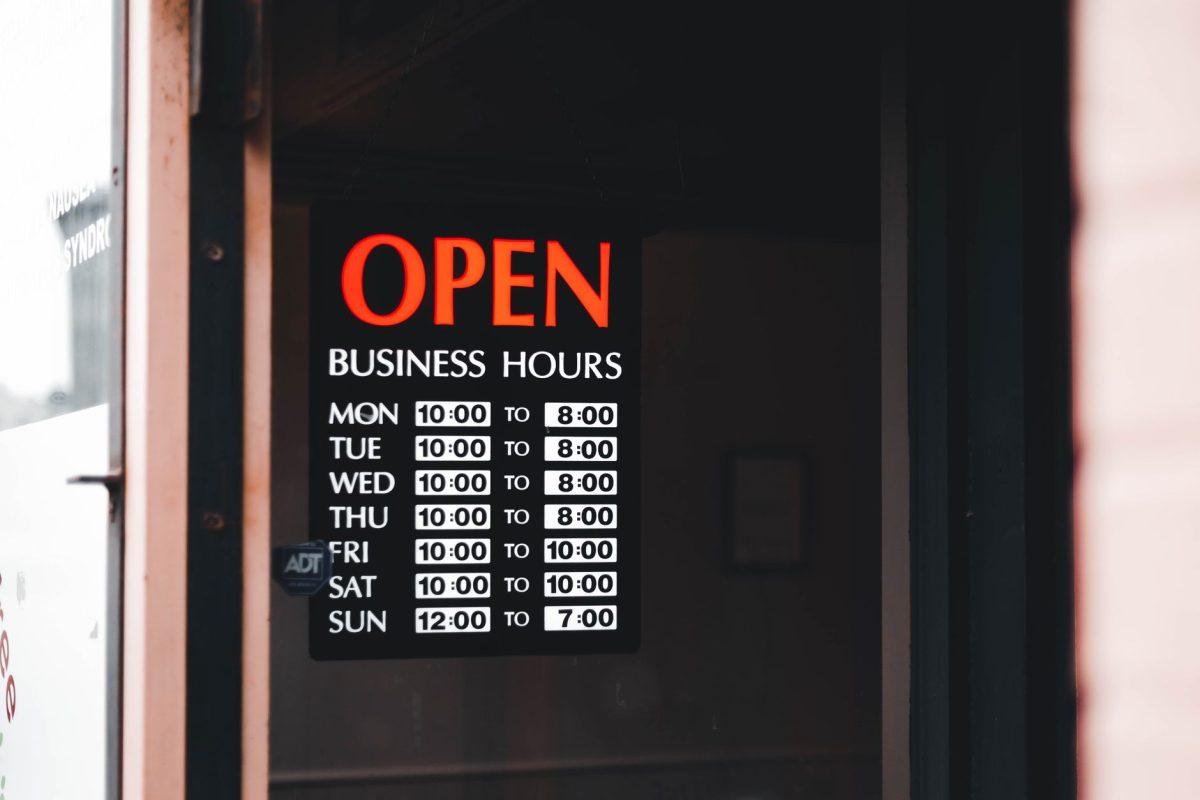
After travel, it is easy to assume the basics will still be open. But hotel restaurants, pools, spas, airport shuttles, market counters, and breakfast areas often run on tighter schedules than guests expect, especially on weeknights or in smaller properties.
- Ask what closes soon after you arrive.
- Ask whether breakfast requires a voucher, reservation, or room number.
- Ask how often the shuttle runs and where pickup happens.
This question helps late arrivals, families with hungry kids, and travelers without a car. The first-hour problem is usually not dramatic; it is finding out the kitchen closed ten minutes ago or the last shuttle left while you were unpacking. Get the timing first, then decide whether to head upstairs or handle food, transport, or supplies immediately.
A smooth check-in is not about asking for special treatment. It is about confirming the details that affect the next sixty minutes: the room, the location, the car, the card, and the clock.
If the lobby is crowded, keep the questions short and practical. The best time to fix a mismatch is before you open the room door, unload the car, or miss the last useful service of the night.
