
The Himalayas are home to many incredible trekking routes. From the popular Everest Base Camp to the well-known Annapurna Circuit, Nepal has long been a favorite destination for mountain enthusiasts. Yet, among these famous trails, one stands out as particularly rewarding: the Manaslu Circuit.
Though it may not be as widely known as some of Nepal’s most visited trekking areas, the Manaslu Circuit offers a rare and authentic experience in modern travel. This trek combines stunning mountain vistas, remote villages, rich cultural traditions, and a genuine sense of exploration.
For travelers wanting to escape the crowds, the Manaslu Circuit trekking provides an opportunity to experience the quieter, more untouched side of the Himalayas without sacrificing the beauty of world-class mountain landscapes.
So what makes this trek so special?
The journey itself is the key.
Why More Trekkers Are Discovering the Manaslu Circuit
For many years, the Manaslu region remained a relatively unknown trekking destination in Nepal. Restrictions on access helped preserve its natural beauty and cultural heritage, keeping the number of visitors low compared to more well-trodden paths.
Today, more and more trekkers are starting to recognize the unique advantages of this route. Unlike heavily crowded trails where large groups often share the same path, the Manaslu Circuit still offers moments of quiet solitude. It’s not unusual to spend hours walking through forests, valleys, and mountain landscapes with only a few fellow trekkers nearby.
This peaceful atmosphere allows visitors to connect more deeply with their surroundings and the local communities.
Rather than feeling like part of a tourist group, trekkers often feel like genuine explorers moving through a remote part of the Himalayas. The rising interest in the Manaslu Circuit reflects a growing trend among travelers seeking meaningful experiences instead of simply visiting popular destinations.
A Journey Through Constantly Changing Landscapes
One of the most remarkable features of the Manaslu Circuit is the variety of scenery it offers along the trail.
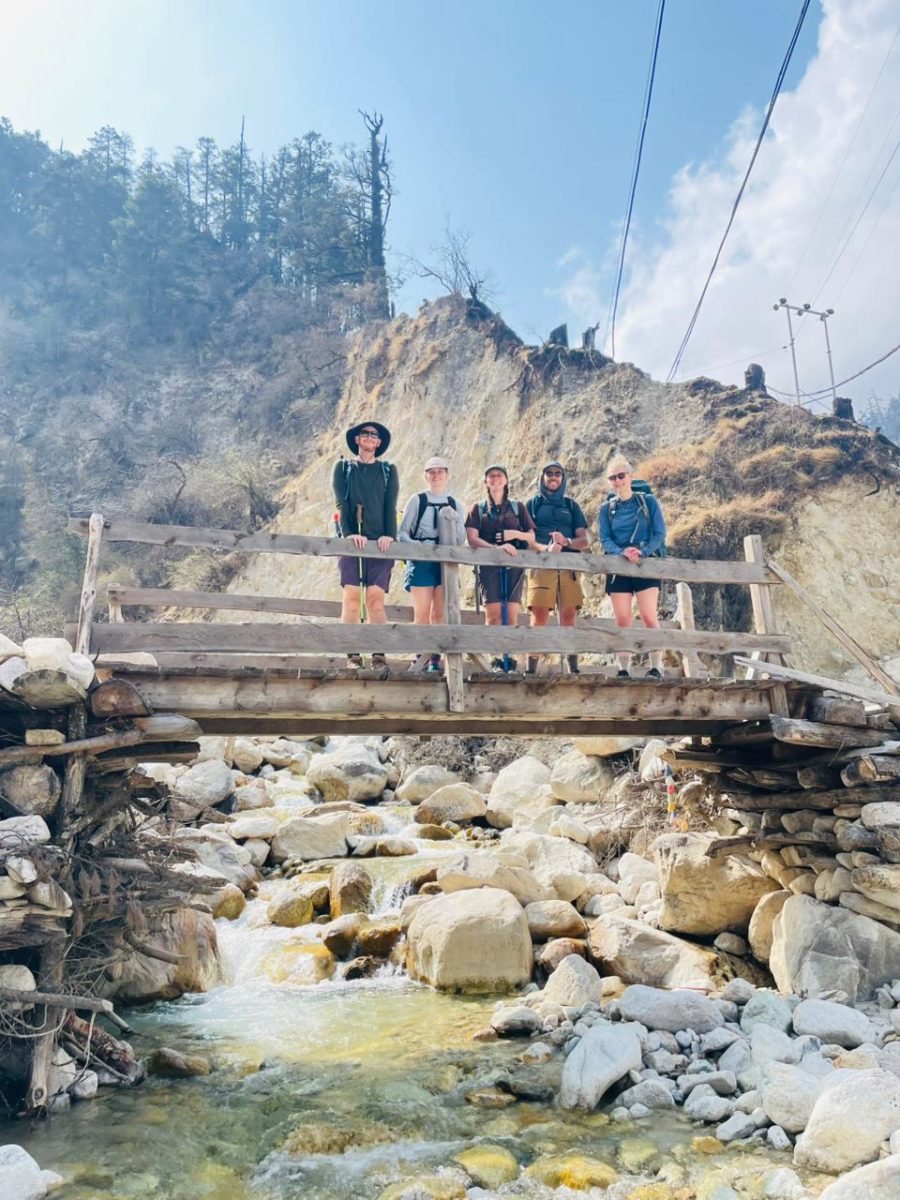
The trek starts in the lower Budhi Gandaki Valley, where lush forests, waterfalls, and suspension bridges dominate the landscape. The warm temperatures and thick vegetation feel worlds away from the snowy peaks that come later.
As the trail climbs higher, terraced farmland and traditional mountain villages appear.
Hillsides shaped by generations of farmers create striking patterns across the land, while distant mountains slowly come into view on the horizon.
At higher altitudes, the environment changes again. Forests become sparser, valleys expand, and snow-capped peaks dominate the skyline. Villages such as Namrung, Lho, and Samagaon offer breathtaking views of Mount Manaslu and the surrounding Himalayan giants.
Eventually, trekkers reach the high-altitude terrain near Larkya La Pass.
Here, glaciers, rocky outcrops, and vast alpine landscapes take the place of the greenery found in the lower valleys. Few treks in Nepal offer such a dramatic transition between different ecosystems and climate zones. Each day feels like stepping into a completely new world.
An Authentic Cultural Experience
The Manaslu Circuit is not just a trek through changing landscapes but also through diverse cultural traditions.
The lower parts of the trail reflect the customs and lifestyles found throughout Nepal’s middle hills.
However, as trekkers move north, Tibetan influences become more apparent.
Prayer flags flutter above mountain passes. Mani walls, filled with Buddhist prayers, line the trails. Ancient monasteries stand on hilltops overlooking remote villages.
Communities such as Samagaon and Samdo maintain traditions that have been passed down for generations. The architecture, language, clothing, and religious practices reflect strong cultural ties to neighboring Tibet.
Unlike some popular trekking routes where tourism has significantly influenced local life, many villages along the Manaslu Circuit continue to function much as they have for decades.
This authenticity creates meaningful opportunities for cultural exchange. Conversations with local families, visits to monasteries, and observations of daily life often become among the most memorable parts of the journey.
The Sense of Adventure That Many Popular Treks Have Lost
Modern trekking has become more accessible than ever before. While this has made the Himalayas more accessible to a wider audience, it has also turned some trekking routes into highly developed travel corridors. The Manaslu Circuit still retains a sense of adventure.
Its status as a restricted area means trekkers must travel with a licensed guide and obtain special permits. These requirements help control visitor numbers while preserving the region’s unique character.
The infrastructure along the route remains simple in comparison to more commercialized trekking areas. Teahouses offer basic comforts, but the overall experience feels closer to traditional Himalayan trekking.
Throughout much of the route, there is a genuine sense of remoteness.
Mobile signals are limited in certain areas, roads remain sparse, and the mountains often feel untouched by modern development.
For many trekkers, this sense of wilderness is exactly what makes the journey so rewarding.
Wildlife and Natural Beauty in the Manaslu Conservation Area
The Manaslu Circuit passes through the Manaslu Conservation Area, one of Nepal’s most significant protected regions.
This conservation area supports a wide range of ecosystems, from subtropical forests to alpine habitats. The diversity of environments allows numerous plant and animal species to thrive.
Trekkers may encounter Himalayan birds, blue sheep, marmots, and other wildlife throughout the journey. While sightings of rare species such as snow leopards are extremely uncommon, their presence highlights the ecological importance of the region.
The conservation area also protects valuable forests, watersheds, and fragile mountain ecosystems that support local communities.
Responsible tourism plays an important role in preserving these natural resources.
By following Leave No Trace principles and respecting local regulations, trekkers help ensure the long-term protection of the area.
Reaching Larkya La Pass: The Highlight of the Trek
Every great trek has a defining moment, and for the Manaslu Circuit, that moment is crossing Larkya La Pass.
At 5,106 metres above sea level, the pass represents both the highest point of the trek and one of its greatest rewards.
The ascent begins before sunrise. As trekkers climb steadily through the cold mountain air, the surrounding peaks gradually emerge in the morning light. Reaching the top delivers a sense of accomplishment that is hard to describe.
The panoramic views stretch across glaciers, snowfields, and some of Nepal’s most impressive mountains. Peaks such as Himlung Himal, Cheo Himal, Kang Guru, and Annapurna II dominate the skyline, creating one of the most memorable viewpoints in the Himalayas.
The challenge of reaching the pass makes the experience even more rewarding.
Every step taken through forests, villages, and high-altitude valleys leads to this unforgettable moment.
Why the Manaslu Circuit Leaves a Lasting Impression
Many treks offer stunning natural scenery. Some focus on cultural experiences, while others test your physical strength.
The Manaslu Circuit successfully blends all three elements. It offers breathtaking mountain views without the hassle of large crowds.
It allows trekkers to experience real Himalayan communities while maintaining a feeling of isolation. It challenges both the body and the mind, offering unforgettable rewards for those who put in the effort.
Perhaps most importantly, the trek fosters a deeper understanding and respect for the landscapes and cultures that shape Nepal’s mountain regions.
Even after the journey is over, memories such as prayer flags dancing in the wind, the towering Himalayas, and warm interactions with local villagers remain with those who have walked the trail.
This lasting effect is what truly makes the Manaslu Circuit one of Nepal’s most fulfilling treks.
Conclusion
The Manaslu Circuit remains one of Nepal’s most remarkable trekking adventures.
Its combination of diverse landscapes, authentic cultural encounters, rich biodiversity, and high-altitude challenges creates an experience that few trekking routes can match.
For travelers seeking more than just famous landmarks, the trail offers something increasingly rare: a genuine sense of discovery.
From subtropical forests and traditional villages to glaciers and Himalayan passes, every stage of the journey reveals a different side of Nepal.
If your idea of a rewarding trek includes breathtaking scenery, meaningful cultural experiences, and a true mountain adventure, the Manaslu Circuit deserves a place on your bucket list.
