
Europe is often linked with rich cities, strong economies, and high living standards. But not every country in Europe has the same level of income.
Some countries in Eastern and Southeastern Europe still face economic struggles. Some were affected by old political systems, slow reforms, small markets, wars, or financial crises.
This does not mean these places are not worth visiting. In fact, many of them offer beautiful cities, rich culture, nature, and lower travel costs than Western Europe.
Here are some of Europe’s lower-income countries, based on GDP per person and purchasing power data from the source.
1. Croatia
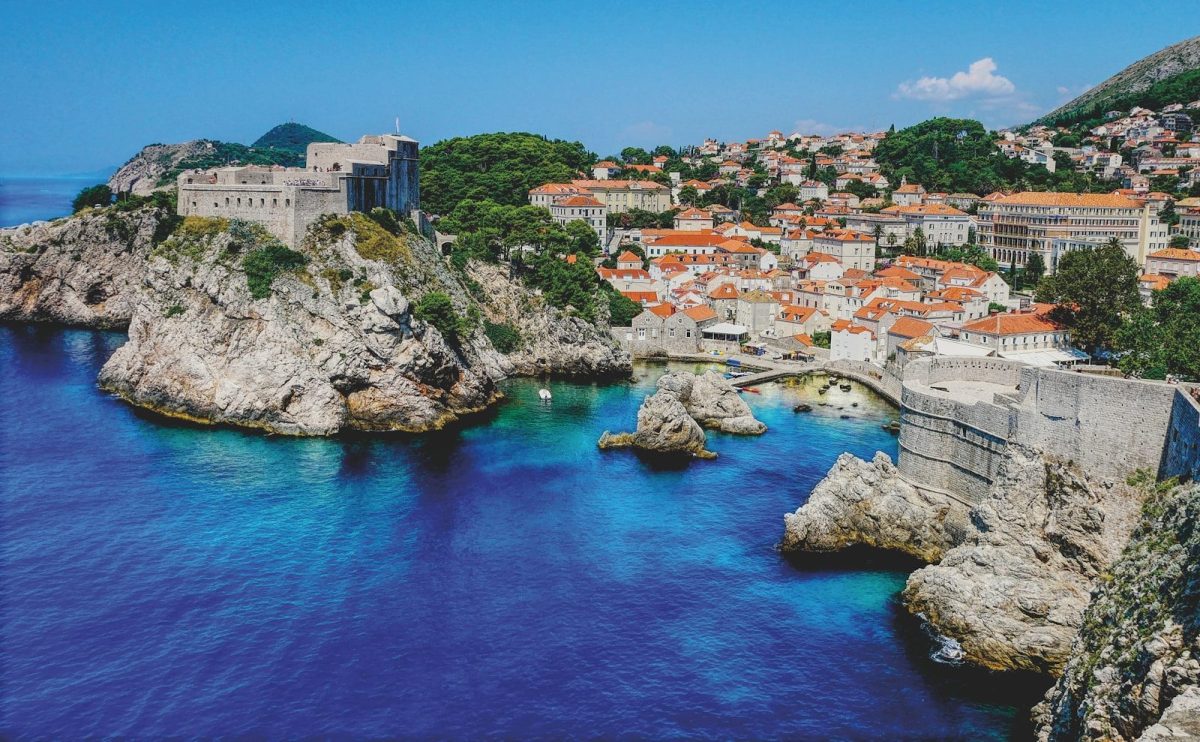
Croatia is part of the European Union, but it is still among the less wealthy EU countries.
Its GDP per person is listed at $22,888, while its purchasing power parity is $40,740.
For travelers, Croatia is still one of Europe’s most attractive places. It has a long coastline, old towns, islands, clear water, and historic cities like Dubrovnik and Split.
It may be less wealthy than some Western European countries, but tourism plays a big role in its economy.
2. Hungary
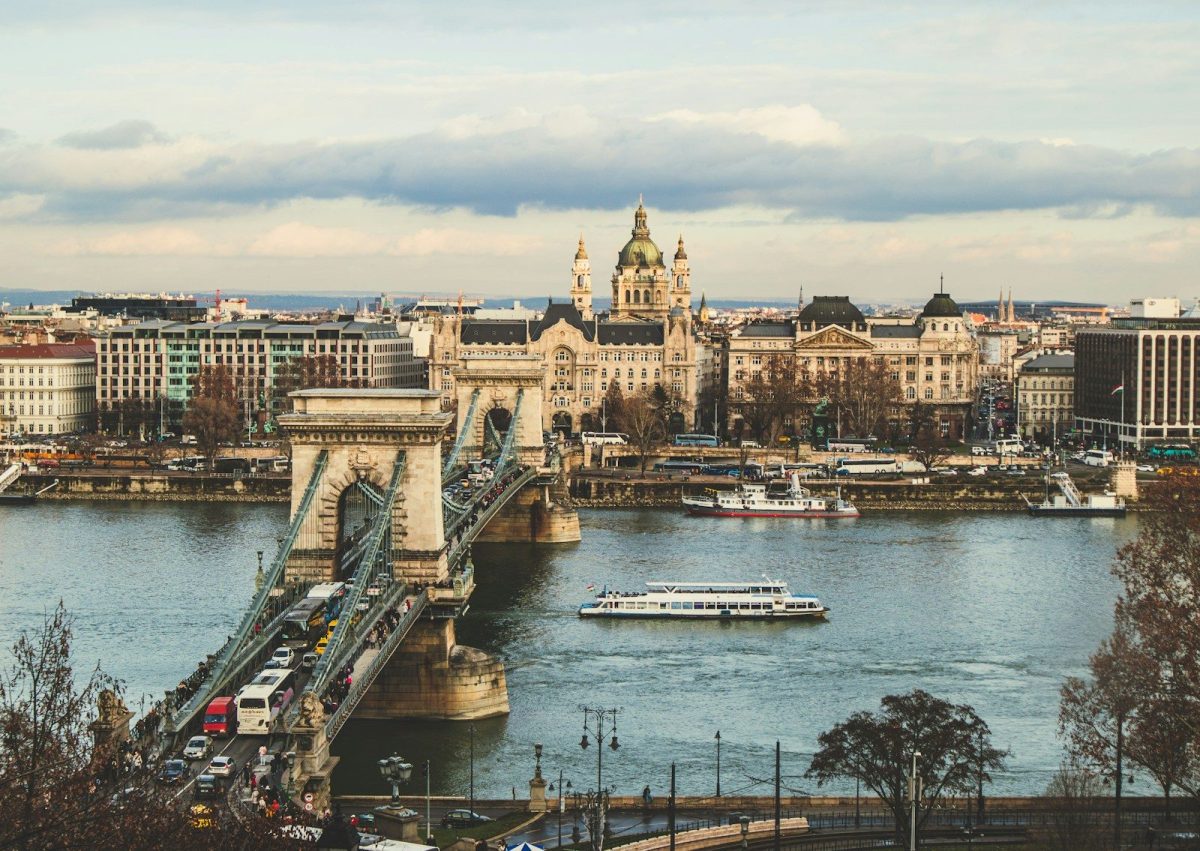
Hungary is not the poorest country in Europe, but it has faced problems with low income and high inflation.
Its GDP per person is listed at $23,194, while its purchasing power parity is $40,620.
For visitors, Hungary is often seen as a good-value destination. Budapest is famous for its river views, thermal baths, grand buildings, and cafés.
Travelers may find it more affordable than cities like Paris, London, or Amsterdam.
3. Romania
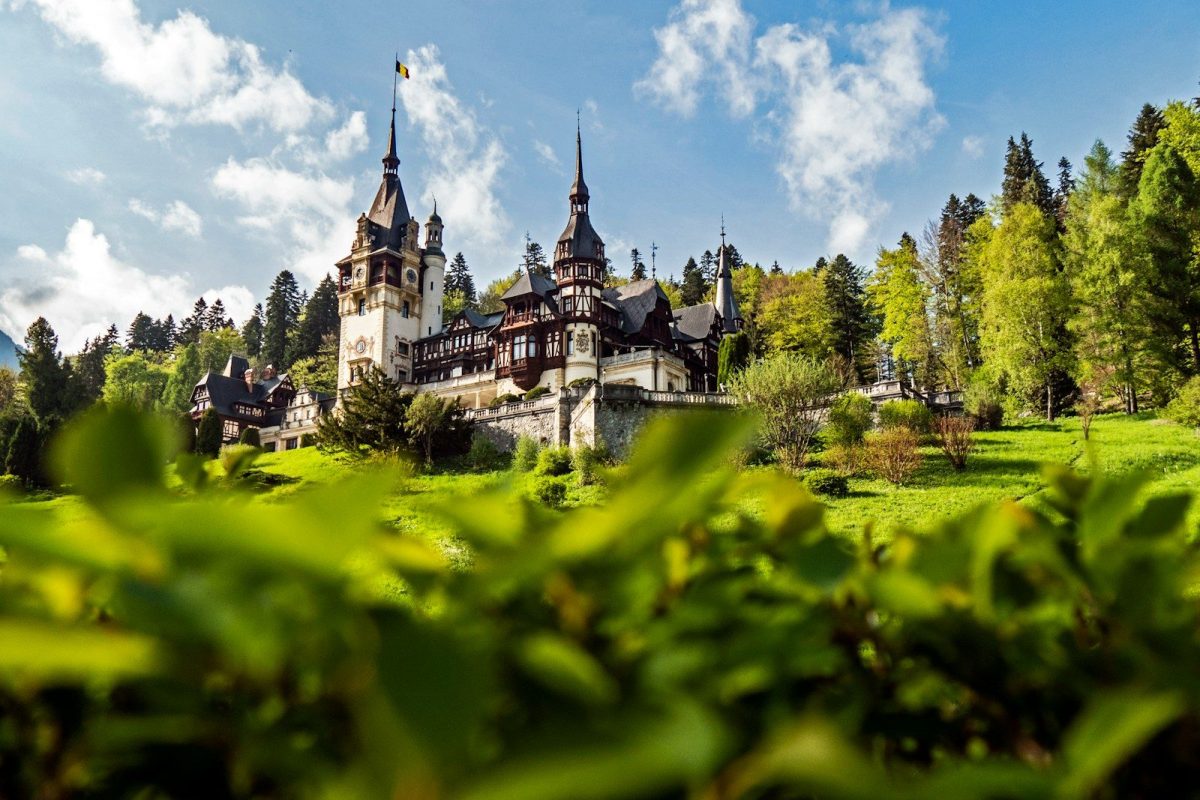
Romania has improved over the years and is no longer seen as one of Europe’s poorest countries.
Still, compared with many EU members, it remains in the lower-income group. Its GDP per person is listed at $19,566, while its purchasing power parity is $40,600.
Romania is a strong choice for travelers who enjoy castles, mountains, old towns, and countryside views.
Places like Transylvania, Bucharest, and the Carpathian Mountains give visitors a mix of history and nature.
4. Latvia
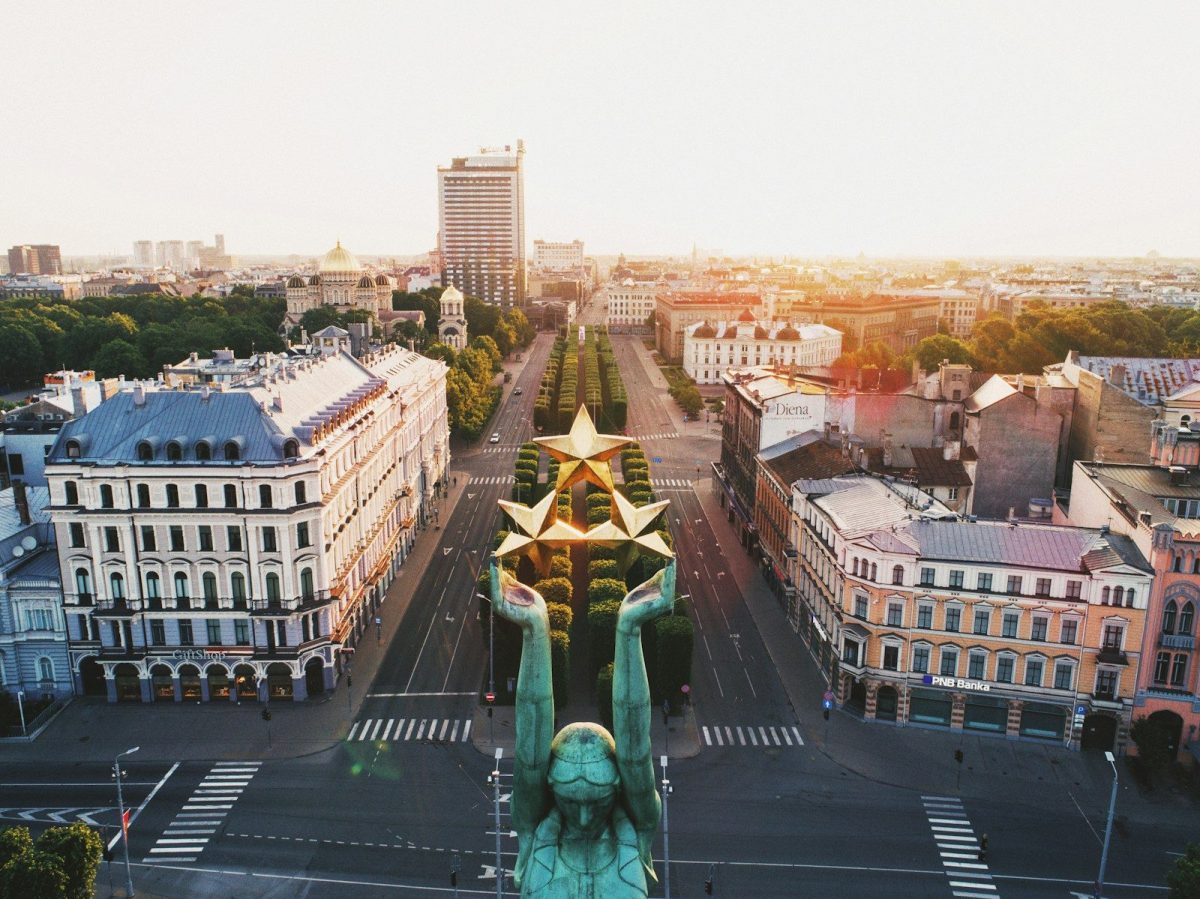
Latvia has lower income and economic development compared with many Western and Central European countries.
Its GDP per person is listed at $24,529, while its purchasing power parity is $39,260.
The country has faced several economic crises in recent decades. Some eastern areas still deal with poverty and high unemployment.
For travelers, Latvia can still be a peaceful and interesting place to visit. Riga, the capital, has old streets, art nouveau buildings, markets, and a calm Baltic feel.
5. Slovakia
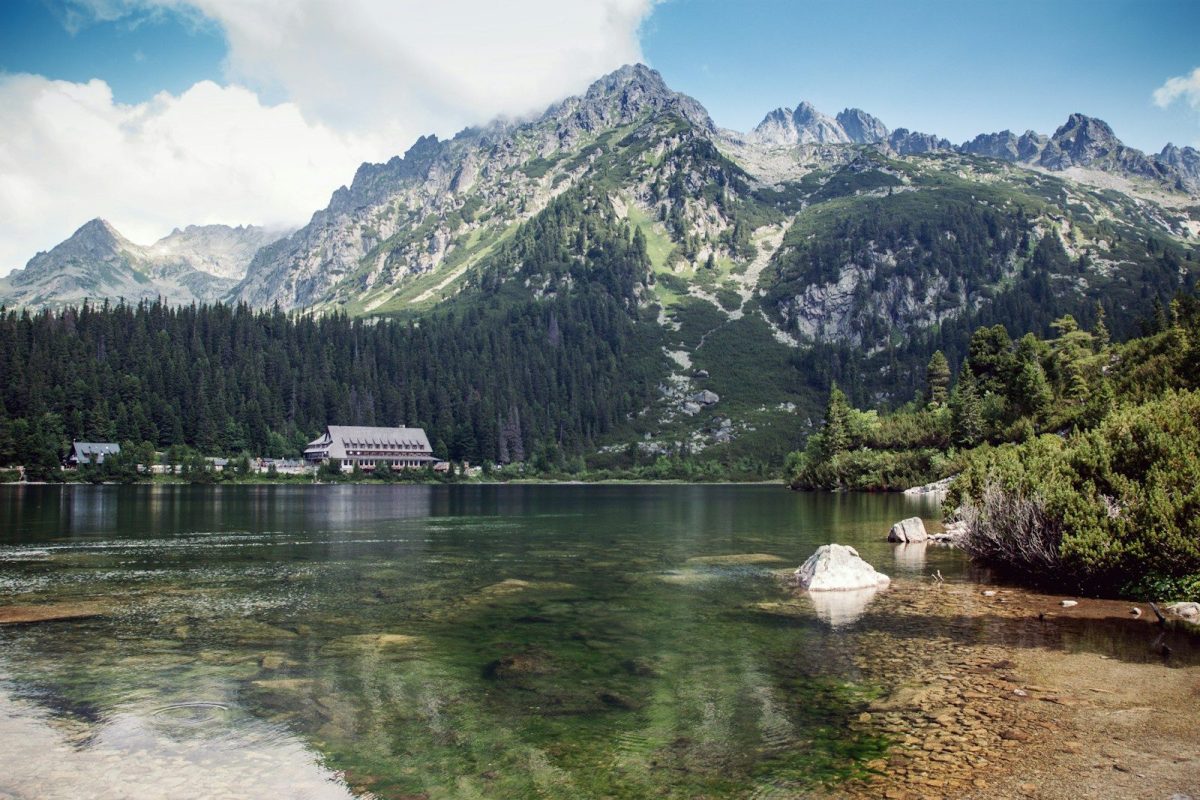
Slovakia is not usually called a poor country, but some areas and communities still face poverty.
Its GDP per person is listed at $25,719, while its purchasing power parity is $36,840.
For travelers, Slovakia offers a lot in a small space. It has castles, mountains, caves, old towns, and nature parks.
Bratislava is easy to explore, and the High Tatras are a strong choice for hiking and mountain views.
6. Greece
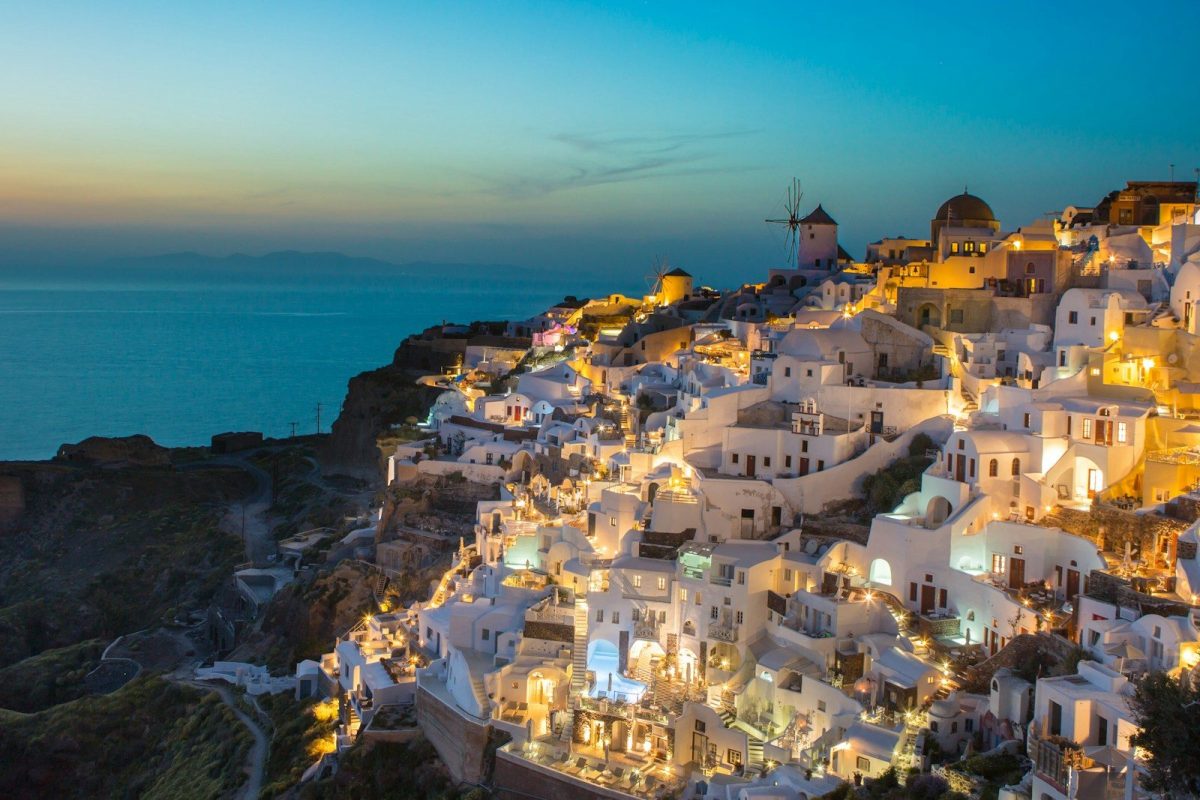
Greece has faced serious money problems over the last decade.
The source says its debt is 158.3% of its GDP. Its GDP per person is listed at $25,182, while its purchasing power parity is $36,600.
Even with these challenges, Greece remains one of the world’s most loved travel destinations.
Visitors come for islands, beaches, ancient ruins, food, and warm weather. Athens, Santorini, Crete, and many smaller islands continue to attract travelers from around the world.
7. Russia
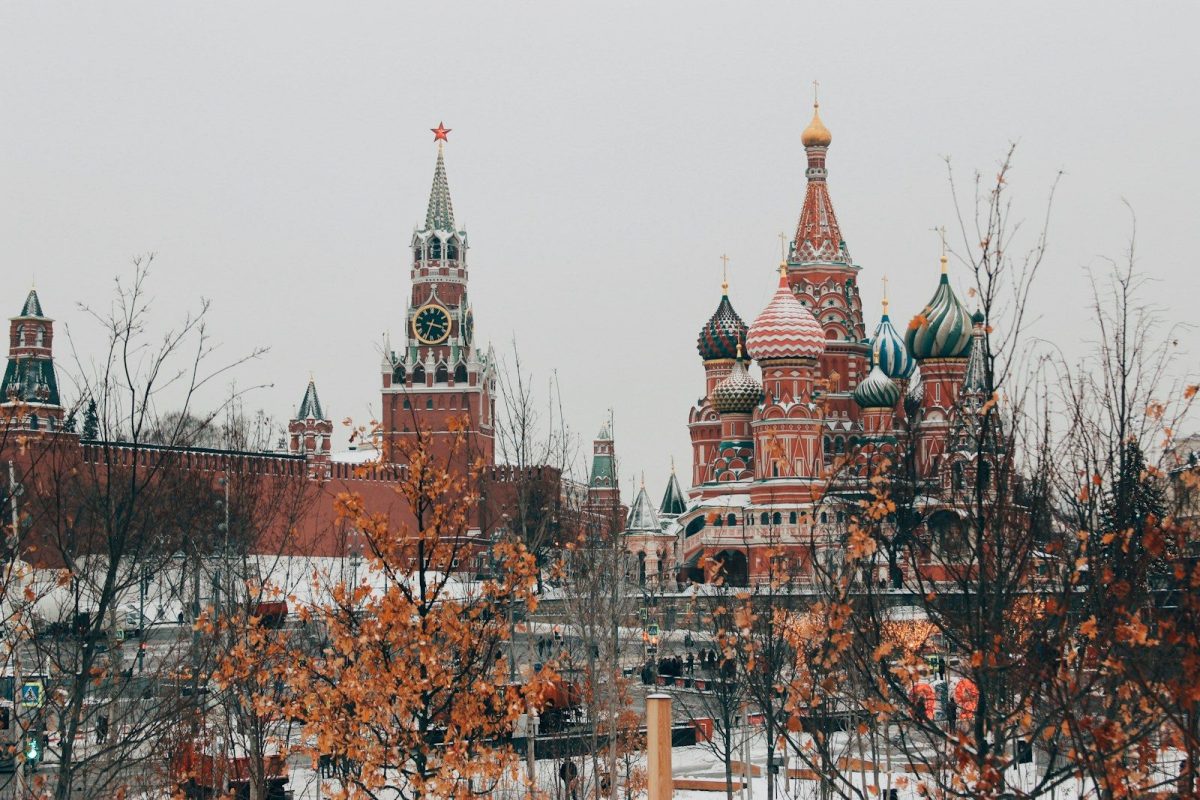
Russia is one of the world’s biggest economies, but income is not spread evenly.
The source says the country still faces poverty, underdevelopment, and inequality. Its GDP per person is listed at $14,284, while its purchasing power parity is $35,770.
Russia is huge, with many different regions, climates, and cultures. Major cities like Moscow and Saint Petersburg are very different from remote rural areas.
For travelers, Russia has famous museums, churches, palaces, train routes, and historic sites. But travel plans can depend on safety, rules, and current conditions.
8. Montenegro
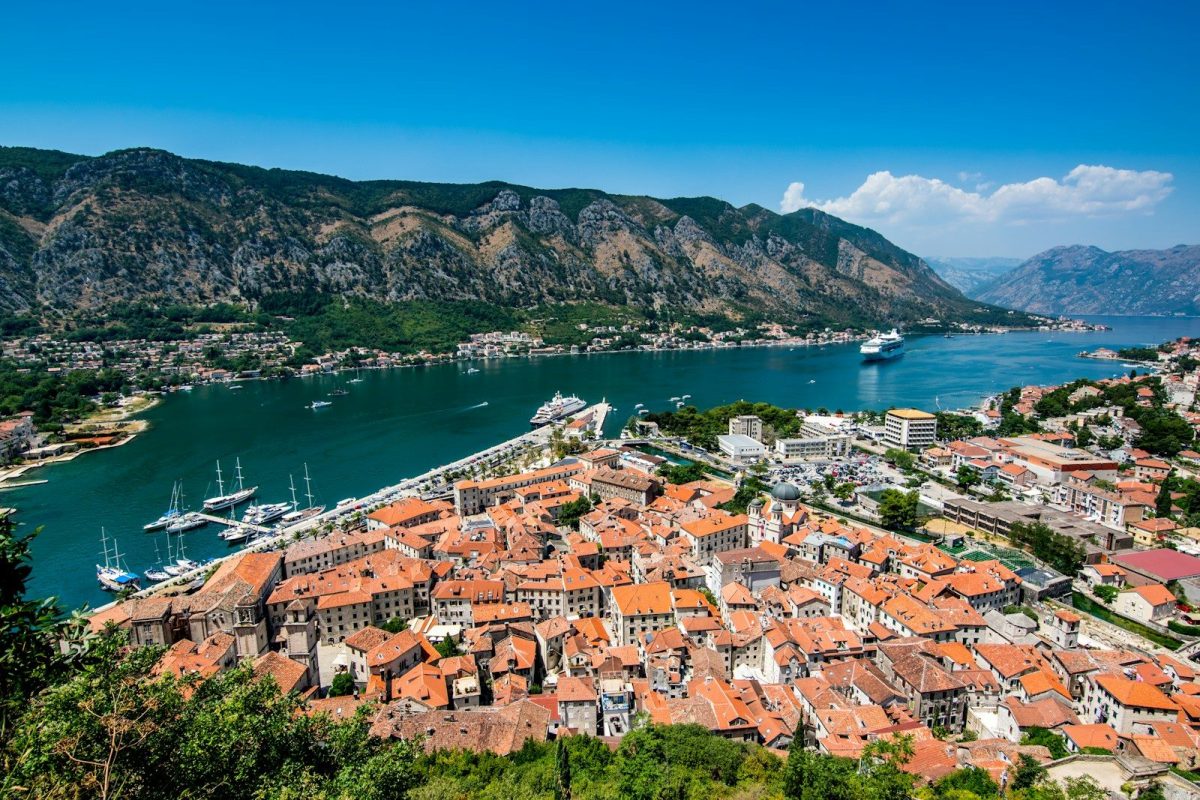
Montenegro has a small domestic market, which limits the size and strength of its economy.
Its GDP per person is listed at $12,661, while its purchasing power parity is $27,530.
For visitors, Montenegro can feel like a hidden gem. It has mountains, old coastal towns, clear water, and places like Kotor and Budva.
It is smaller and less wealthy than many European countries, but its natural beauty makes it very appealing for travel.
9. Serbia
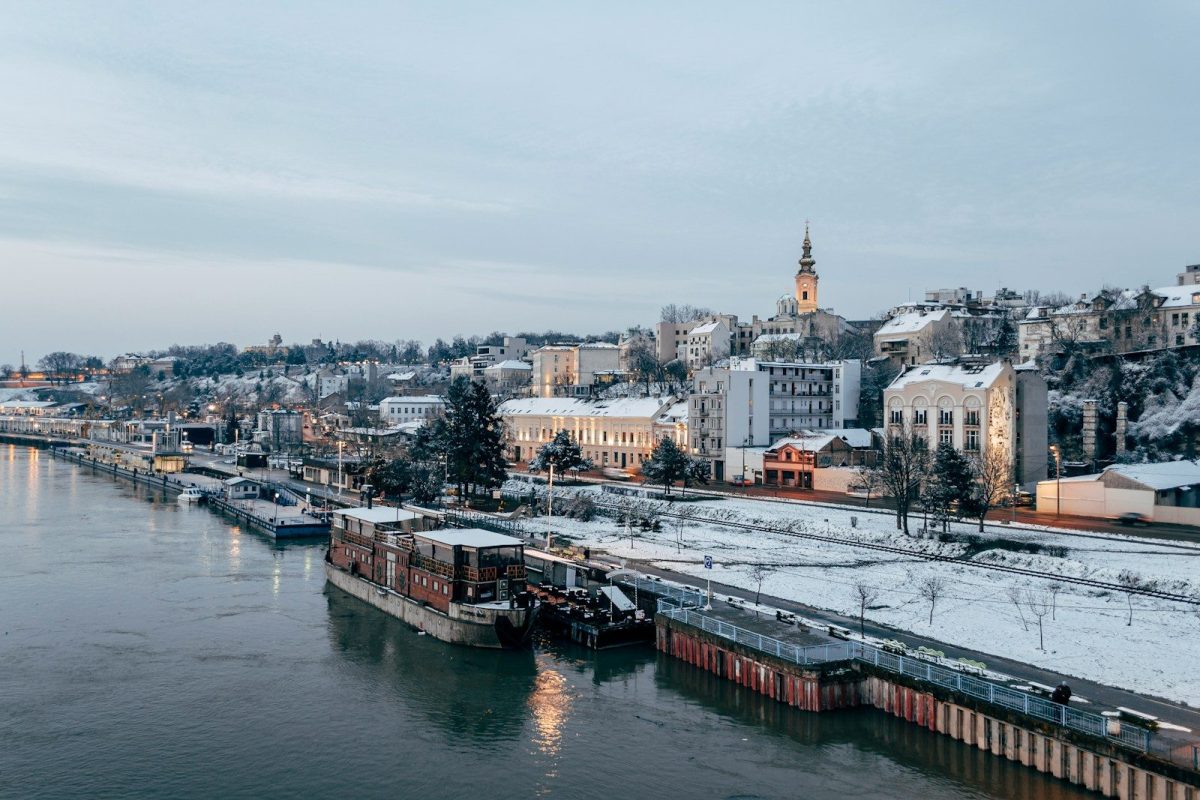
Serbia’s economy has grown over the last decade, according to the source. Still, it remains on the lower-income side in Europe.
Its GDP per person is listed at $12,240, while its purchasing power parity is $22,720.
For travelers, Serbia can be a good-value destination. Belgrade has nightlife, riverside areas, cafés, historic sites, and a strong local food scene.
The country also offers monasteries, mountains, small towns, and cultural festivals.
A country’s income level does not tell the full story.
Some of Europe’s lower-income countries are also full of history, culture, nature, and warm local life. Many are more affordable for travelers than richer parts of Europe.
Croatia has beaches. Hungary has grand city views. Romania has castles and mountains. Latvia has Baltic charm. Greece has islands. Montenegro has dramatic coastlines. Serbia has energy and culture.
For travelers, these places can offer rich experiences without the high prices found in some of Europe’s wealthiest destinations.
