
Not every country sees American tourists the same way. In many places, Americans are welcomed warmly. In others, people may have mixed feelings because of history, politics, or cultural differences.
This does not always mean American travelers are unsafe or unwanted. It often means visitors should be more thoughtful, quiet, and respectful.
A good traveler learns before they go. Here are 11 countries where American tourists may want to be extra aware of local views and behavior.
1. Austria
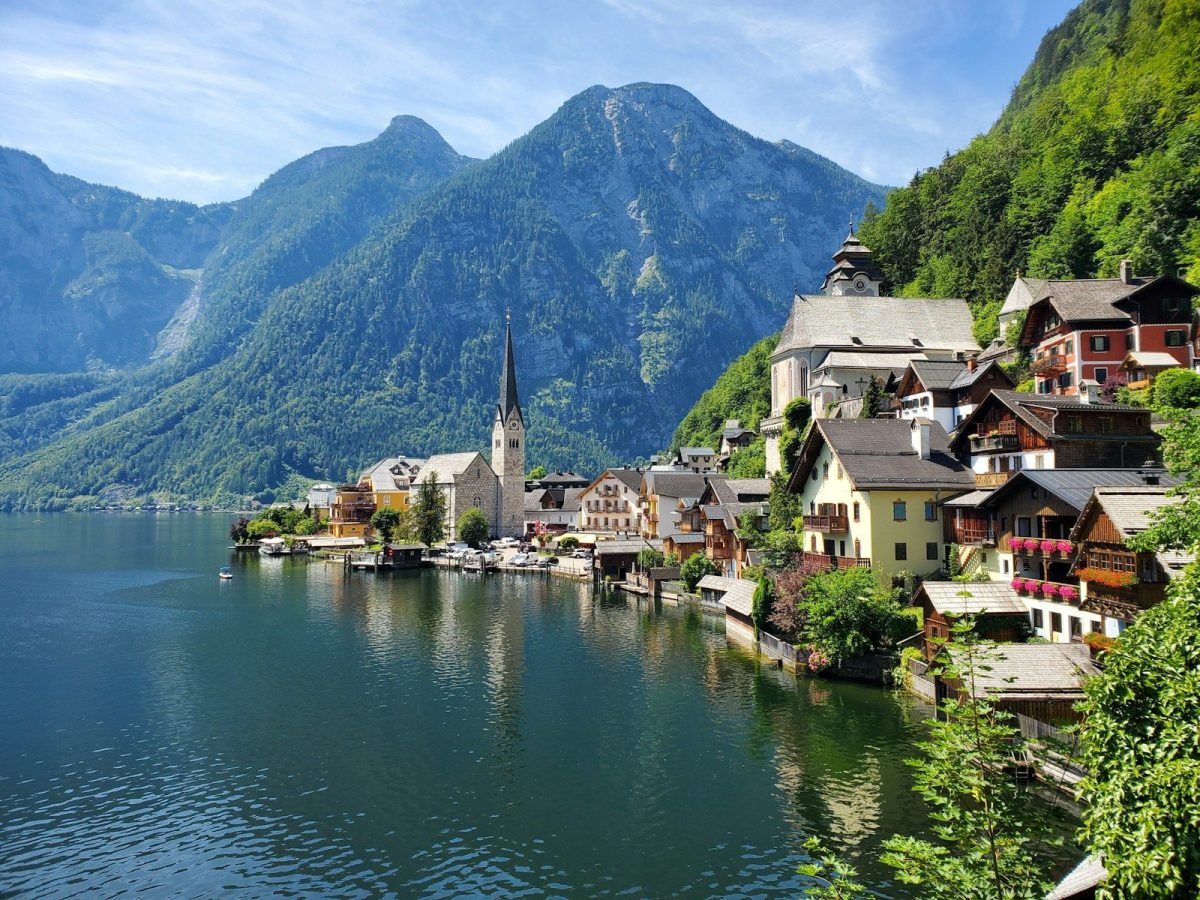
Austria is known for its calm cities, clean streets, classical music, and mountain views.
People in Austria can be more private and reserved in public. Loud behavior may stand out quickly.
Some Austrians may see Americans as too noisy or too casual. This is mostly a cultural difference.
American travelers can make a better impression by speaking softly, respecting quiet spaces, and following local manners.
2. Norway
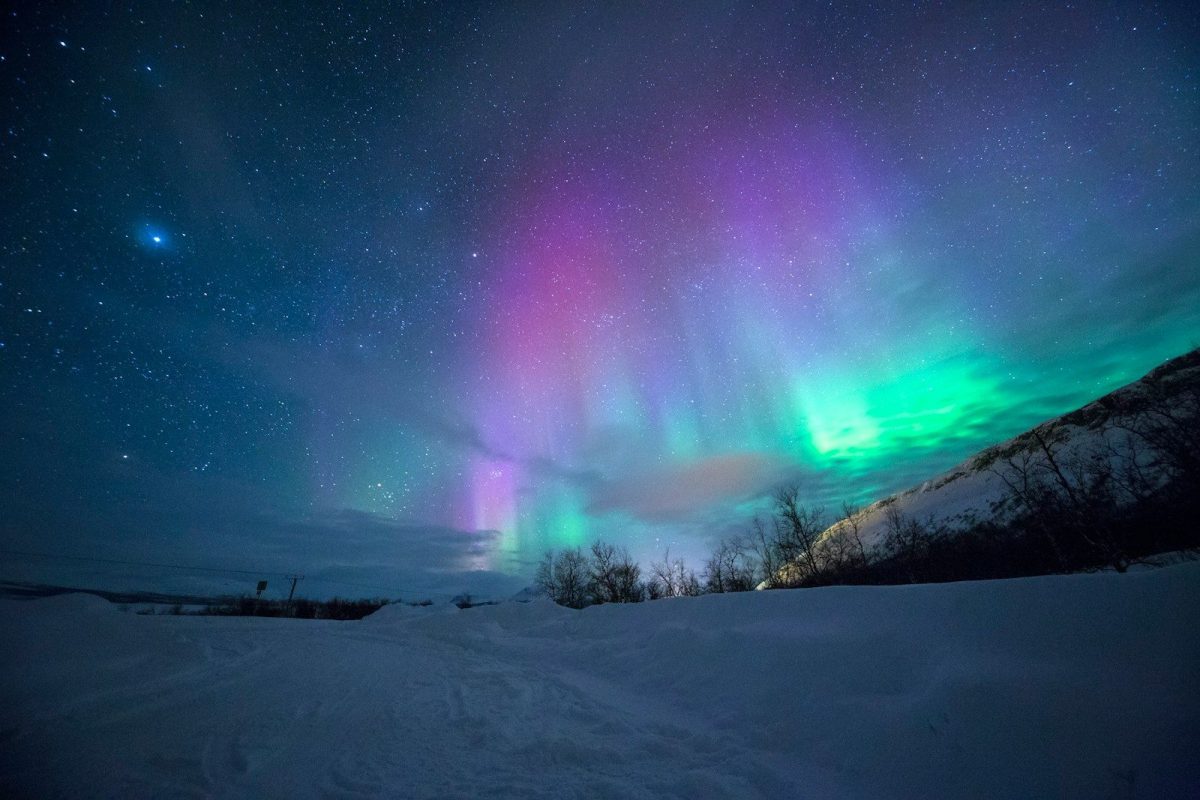
Norway is peaceful, clean, and full of natural beauty.
It is famous for fjords, mountains, northern lights, and small coastal towns. But Norwegians are often private and do not always enjoy large tourist crowds.
This does not only apply to Americans. Some research suggests Norwegians can be cautious about tourists in general.
For American visitors, the best approach is simple. Be polite, do not be loud in public, and respect nature rules.
3. Serbia
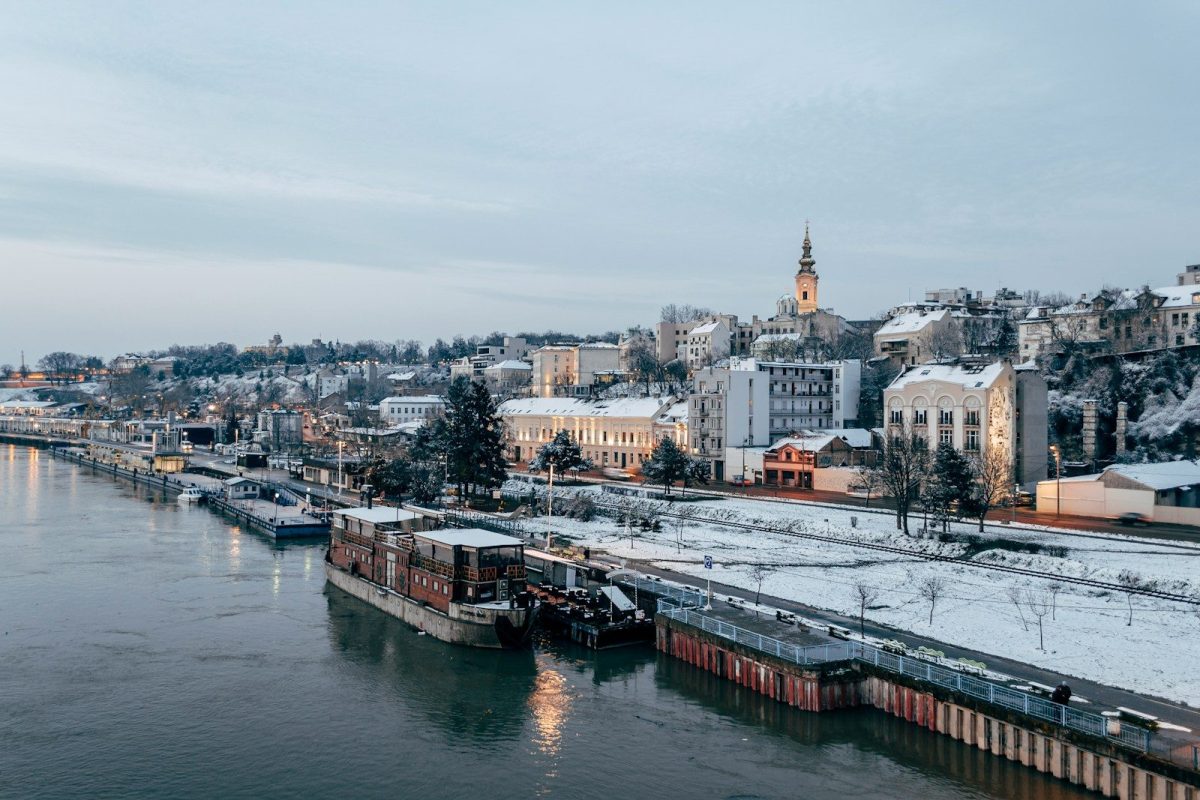
Serbia has a deep and complex history.
Some views of the United States are shaped by past conflicts in the Balkans, including the Bosnian War and the Kosovo War.
Because of this, some Serbian people may have negative feelings toward U.S. foreign policy. Those feelings may affect how they see American visitors.
Still, many travelers visit Serbia and enjoy Belgrade, local food, nightlife, and historic sites. It is best to avoid heated political debates unless invited into a respectful conversation.
4. Cuba
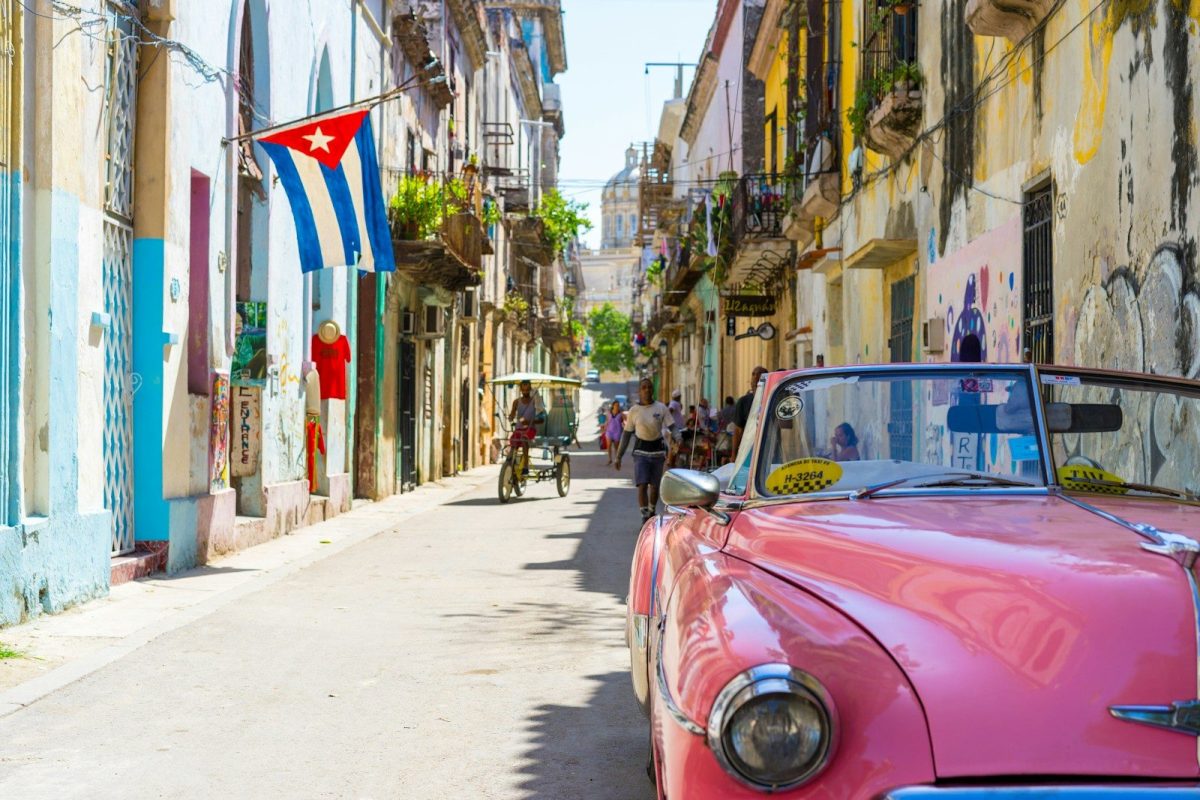
Cuba and the United States have a long and difficult political history.
The U.S. embargo on Cuba has lasted for many years and has affected the country’s development. This history can shape how some Cubans view Americans.
At the same time, many Cubans are friendly to visitors on a personal level.
American travelers should learn the rules before visiting, respect local life, and avoid acting like the country is only a vacation backdrop.
5. Slovenia
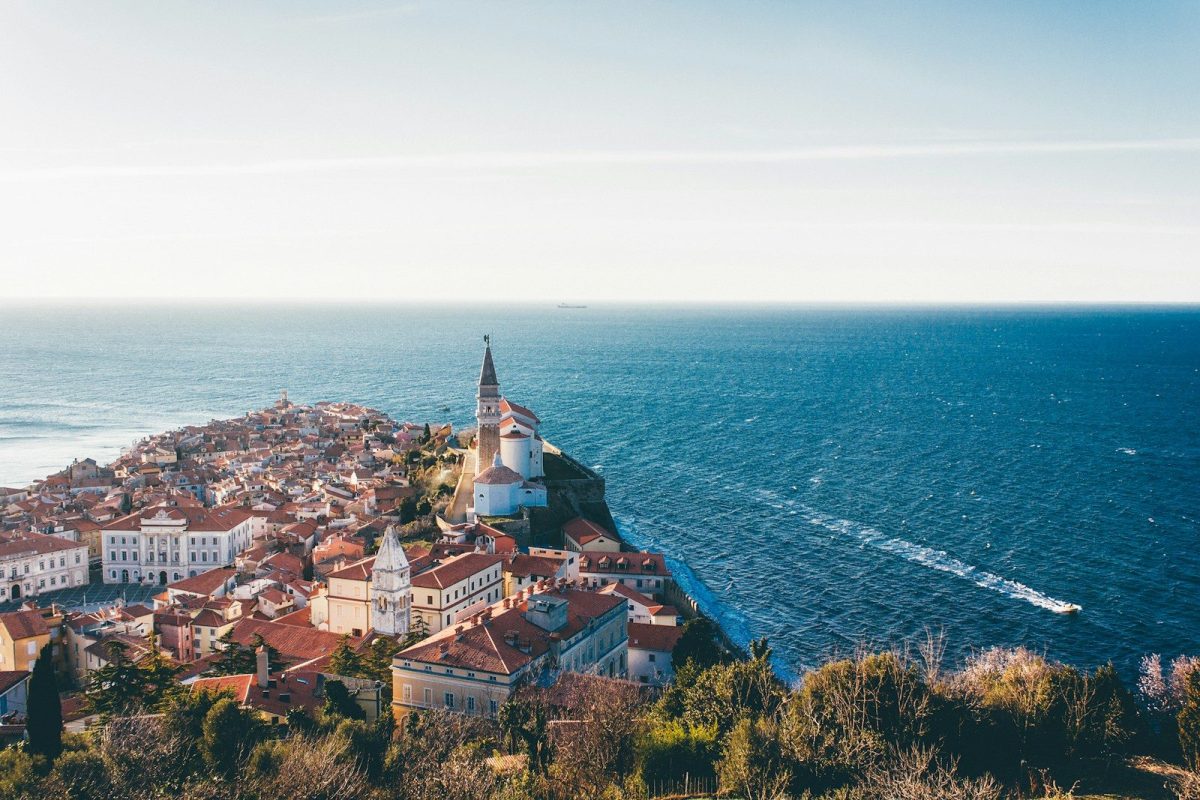
Slovenia is a small European country with lakes, mountains, caves, and charming towns.
Some people there have been unsure about American politics and cultural values in the past. The source says opinions have improved, but they can still be mixed.
For travelers, Slovenia is usually calm and welcoming. Places like Ljubljana and Lake Bled are popular with visitors.
Americans can help by being respectful, learning a few local words, and not assuming every place works like the United States.
6. Belarus
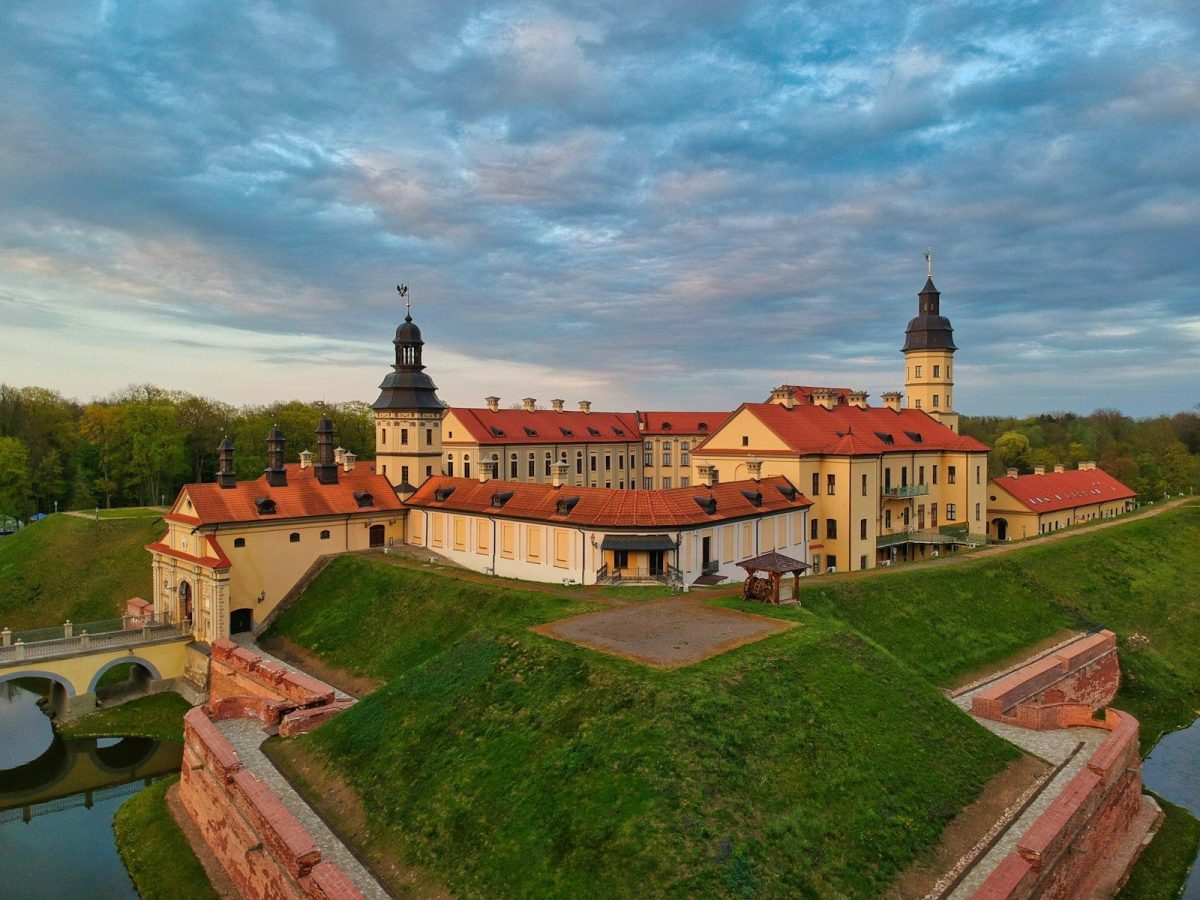
Belarus has strong historical ties to the former Soviet world.
In countries with Cold War history, views of America can be shaped by politics, media, and economic struggles.
Some people may connect their country’s problems with U.S. influence. This can affect views of American visitors.
Travelers should be careful with political comments and check current travel rules before planning a trip.
7. Chile
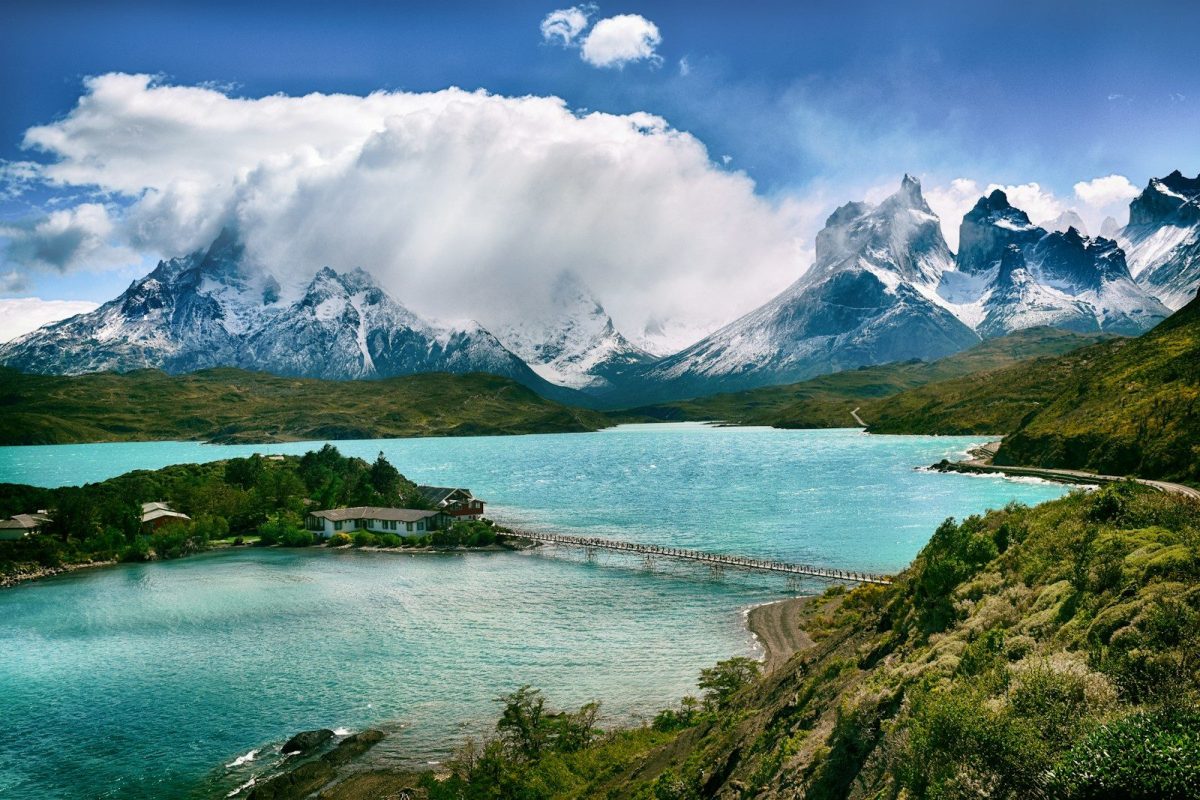
Chile is one of South America’s most beautiful travel destinations.
It has deserts, mountains, wine regions, cities, and wild southern landscapes.
But the country also has a painful political history. The source mentions U.S. support connected to Chile’s 1973 military coup and the rule of Augusto Pinochet.
Because of this history, some Chileans may have strong views about U.S. foreign policy.
American travelers should listen more than they speak when history comes up. Respect goes a long way.
8. Singapore
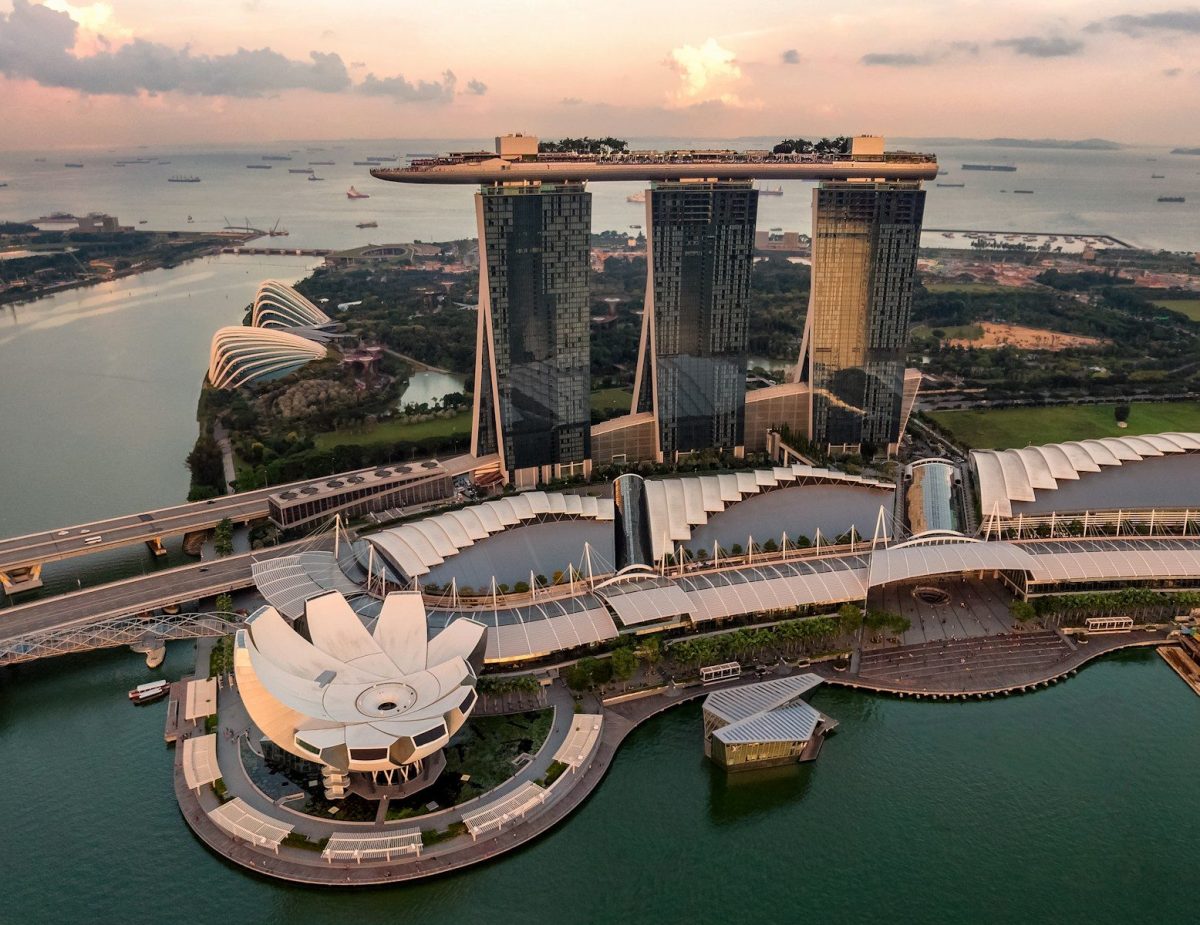
Singapore is modern, clean, safe, and easy to travel around.
Some views of Americans may be linked to wider opinions about U.S. foreign policy and past wars in Southeast Asia, including the Vietnam War.
Singapore is still a major global travel hub, and many Americans visit without problems.
The key is to follow local rules. Singapore is strict about public behavior, cleanliness, and laws. Travelers should read the rules before arriving.
9. Pakistan
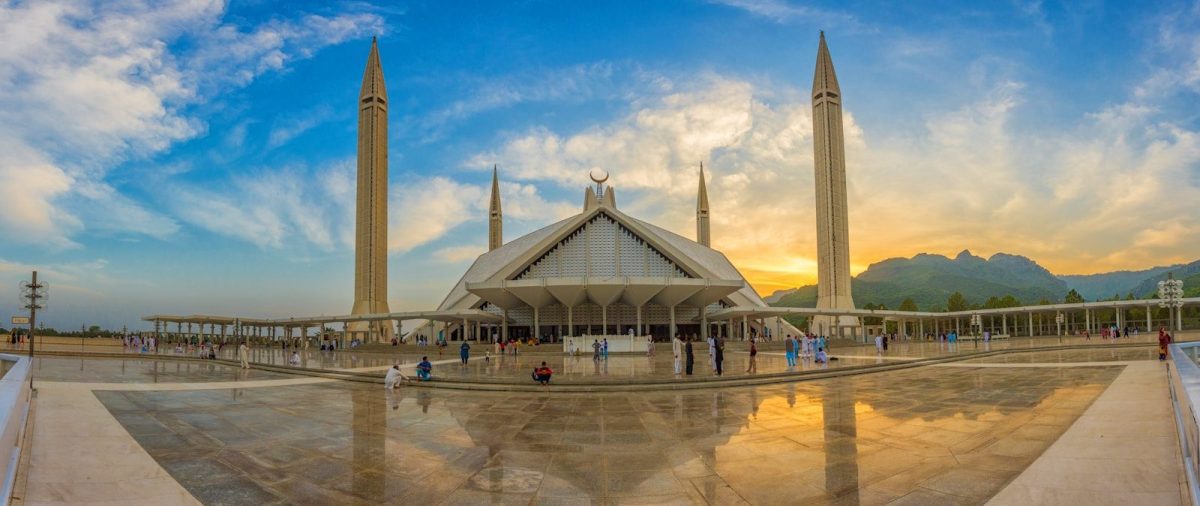
Pakistan has mountains, historic cities, rich food, and warm hospitality.
But views of the United States can be affected by politics. The source mentions U.S. ties with India, post-9/11 actions, and conflicts in nearby countries as reasons some Pakistanis may have negative feelings about America.
Still, many Pakistanis separate people from politics. American travelers may find locals welcoming, curious, and generous.
It helps to dress modestly, respect religious spaces, and avoid strong political arguments.
10. New Zealand
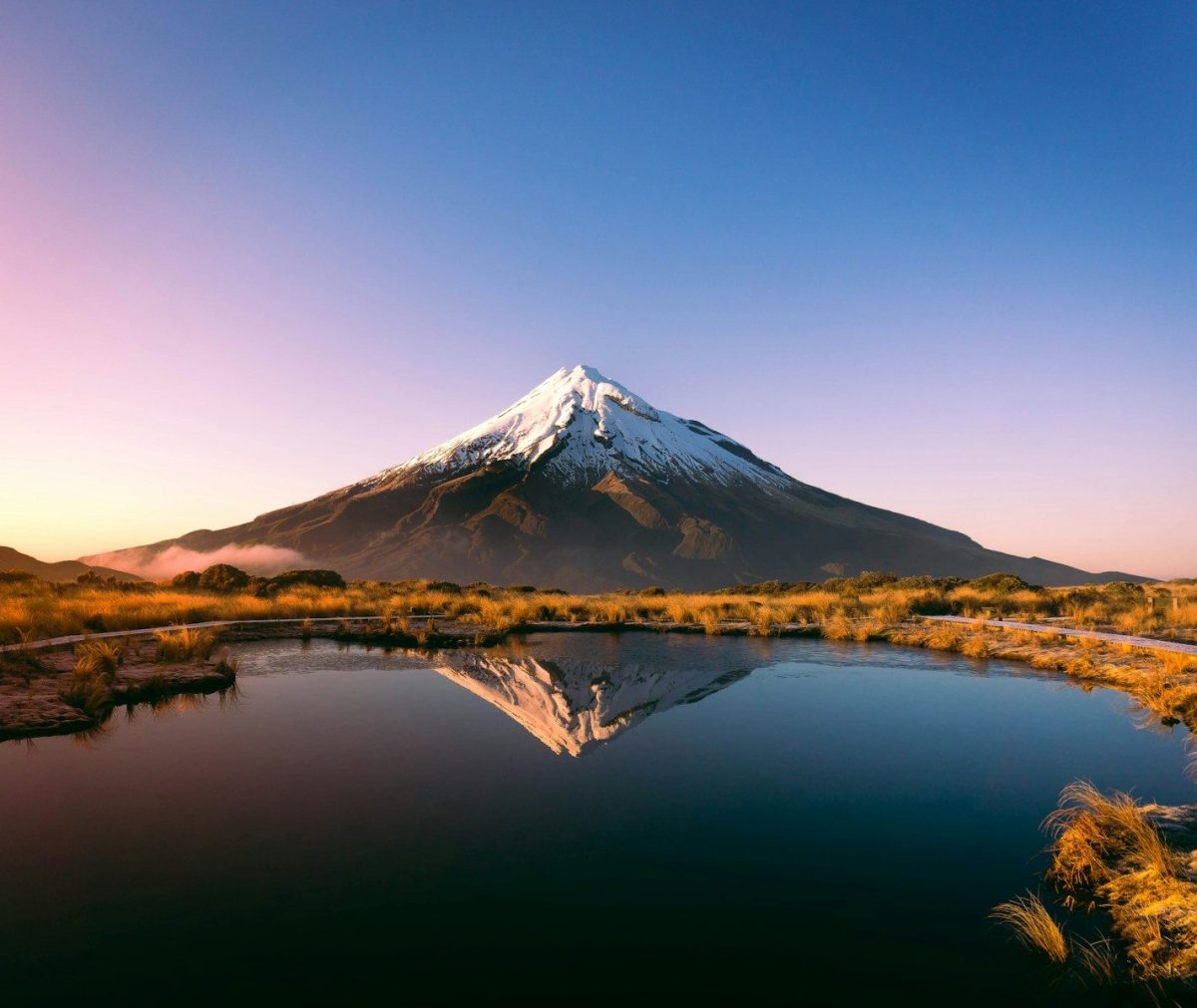
New Zealand is known for its natural beauty, outdoor adventure, and relaxed way of life.
Some locals may find American tourists loud or too direct. Others may feel that some visitors do not adjust to local customs.
This is mostly about behavior, not nationality alone.
American travelers can do well by being humble, respecting Māori culture, following nature rules, and keeping public behavior calm.
11. Mexico
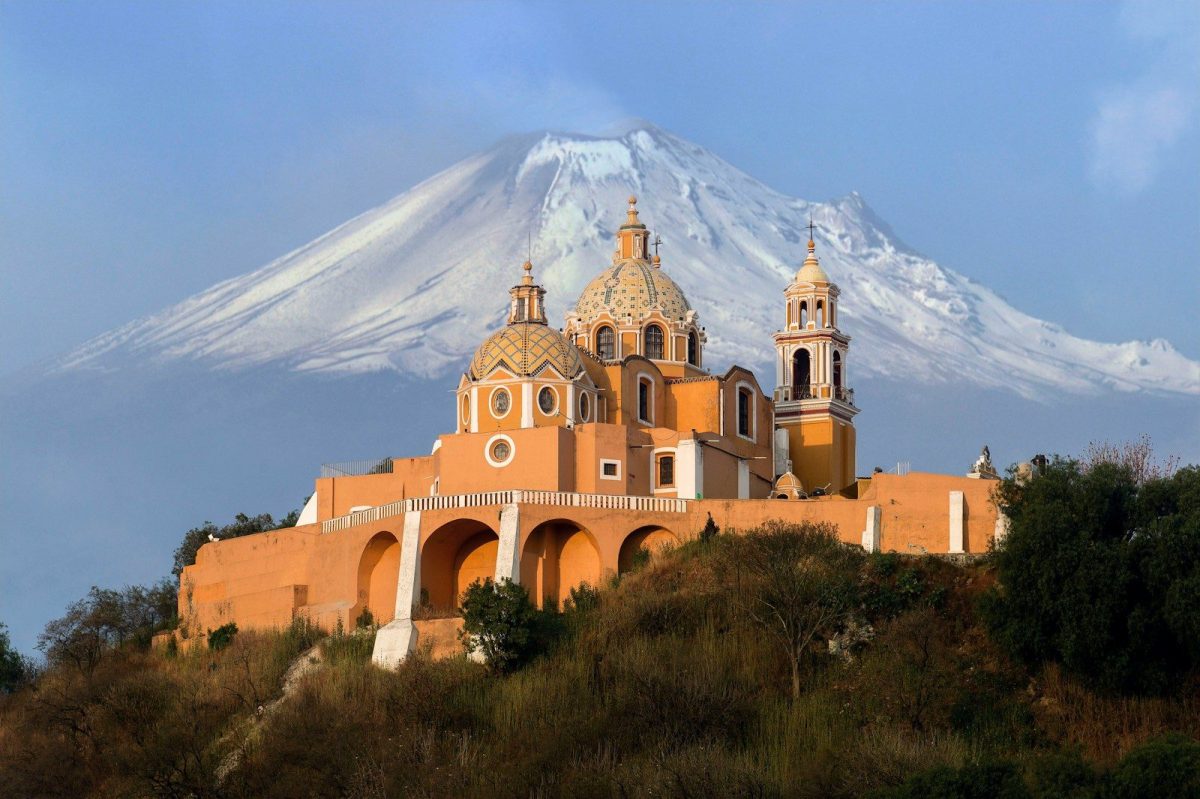
Mexico is one of the most visited countries by American travelers.
It has beaches, cities, food, ruins, art, and deep culture. But views of Americans can be complicated.
Some Mexicans feel their country is shown unfairly in U.S. media. Others are affected by border politics, stereotypes, and past tensions.
American travelers should avoid jokes or comments that reduce Mexico to crime, resorts, or clichés.
Learning a little Spanish and supporting local businesses can help visitors show respect.
Mixed feelings about American tourists often come from history, politics, or behavior.
In many places, local people may dislike U.S. policies but still be kind to American visitors. That is an important difference.
The best way to travel is with respect. Keep your voice down, learn local rules, avoid acting superior, and listen when people share their views.
Good travel is not just about seeing new places. It is also about understanding them.
