
Air travel security rules are constantly being updated, but many changes happen quietly and catch travelers off guard at the airport. In 2026, several new procedures and technology upgrades are reshaping how passengers move through security checkpoints.
These updates are designed to speed up screening while improving safety, but they also mean travelers need to be more aware than ever. Knowing the latest rules before arriving at the airport can help avoid delays, stress, and unexpected issues.
Digital IDs are becoming more widely accepted

More airports are now allowing digital identification through mobile wallets and government-approved apps. This means some travelers can use a phone instead of carrying a physical ID at security checkpoints.
However, not all airports or airlines accept digital IDs yet, so passengers still need to carry a backup form of identification. The rollout is expanding gradually, especially in major U.S. airports.
Laptop and electronics screening is getting faster but stricter
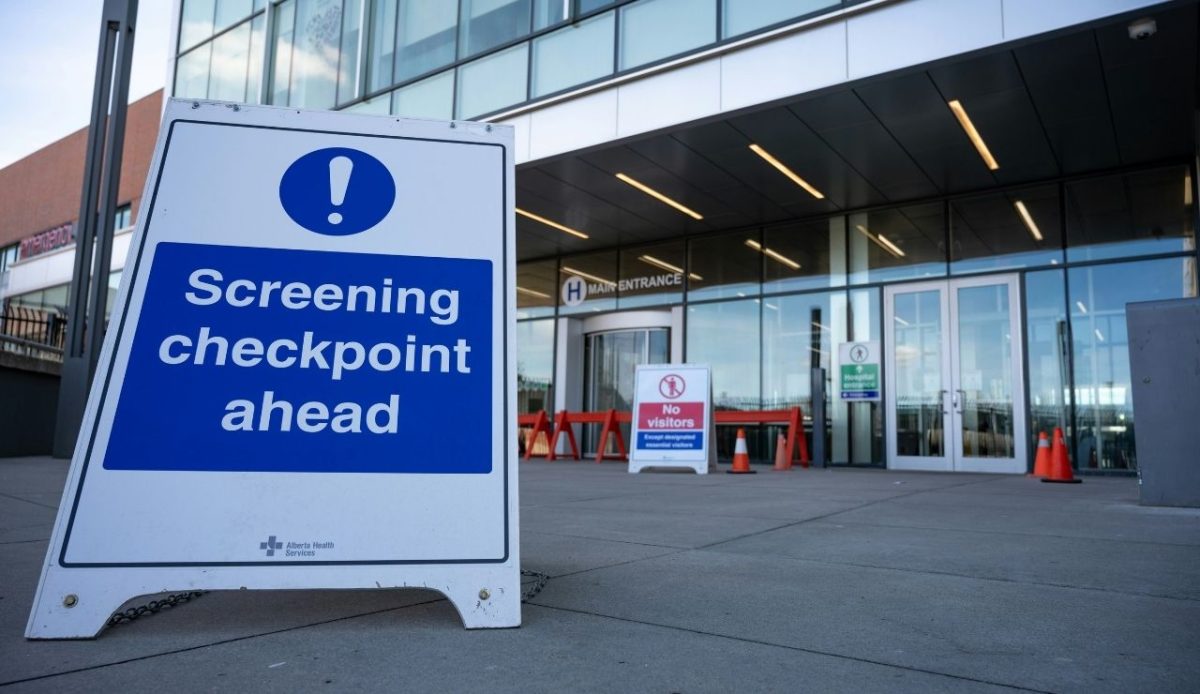
Advanced scanning machines are being introduced at more airports, allowing laptops and larger electronics to stay in bags in many lanes. This helps speed up the security line, especially during peak travel times.
At the same time, random secondary checks are becoming more common for certain items. Travelers may still be asked to remove electronics depending on the security lane and airport technology.
Liquids rules remain the same but enforcement is tighter

The 3-1-1 liquid rule is still in place, but enforcement is becoming more strict in busy airports. Officers are paying closer attention to container sizes and improperly packed liquids.
Some airports are testing new screening technology that may eventually reduce liquid restrictions in the future. Until then, travelers still need to carefully follow standard packing rules.
Shoes and clothing screening varies more by airport

In some airports, passengers may be allowed to keep shoes on due to upgraded scanning systems. However, other locations still require shoe removal depending on the security setup.
This inconsistency can confuse travelers, especially those flying through multiple airports. It is always safest to prepare for traditional screening procedures just in case.
Biometric scanning is expanding at major airports

Facial recognition and biometric scanning are being used more frequently at check-in and boarding gates. These systems help speed up identity verification and reduce the need for repeated document checks.
While convenient, some travelers are still offered the option to opt out. Privacy rules vary depending on the airport and country, so policies are not fully uniform yet.
Why travelers need to stay updated before flying
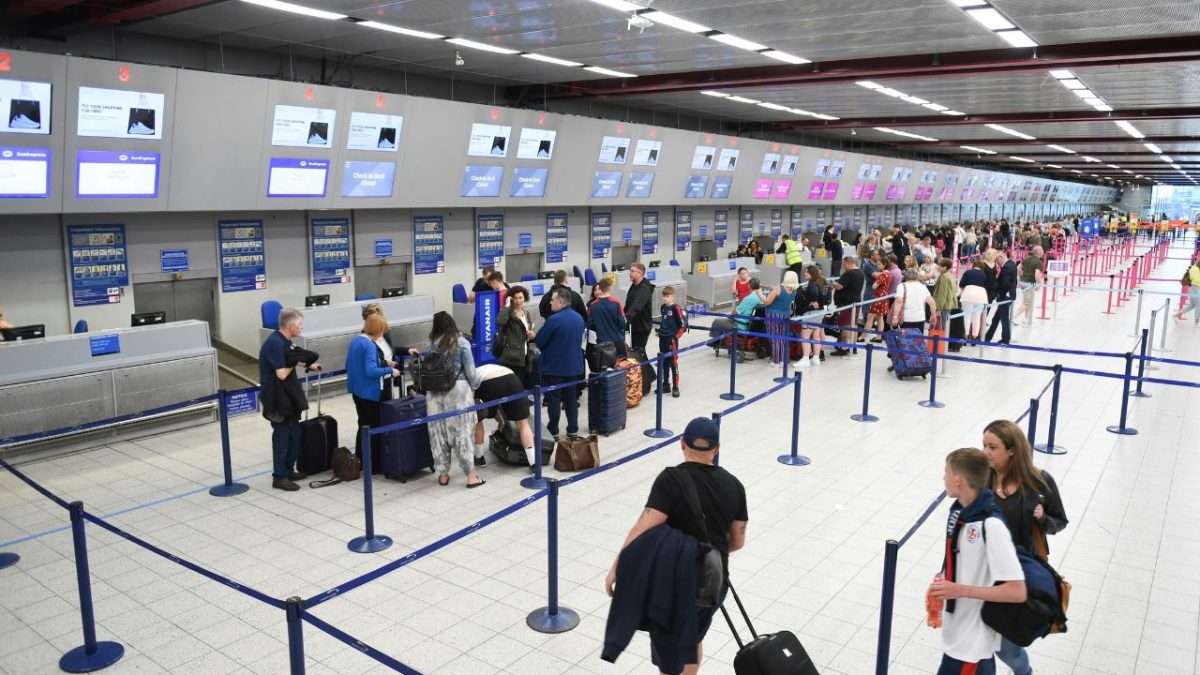
Airport security rules are changing faster than most travelers realize, especially with new technology being introduced. Even small updates can affect how long it takes to get through security.
Checking airline and airport guidelines before travel can prevent delays and confusion. As air travel continues to modernize, staying informed is becoming part of the journey itself.
