
A short grocery stop near your hotel can keep beach days, park visits, road trips, and late-night cravings from turning into a string of pricey snack purchases.
Snack costs rarely feel dramatic one purchase at a time. A bottle of water here, a bag of chips there, a hungry kid at the hotel desk after dinner. The surprise comes when those small tourist-district stops become a daily habit. The smartest grocery buys are not complicated meal-prep projects. They are simple, portable items that cover the moments when travelers are tired, thirsty, rushed, or stuck between reservations.
Multipack Water Bottles
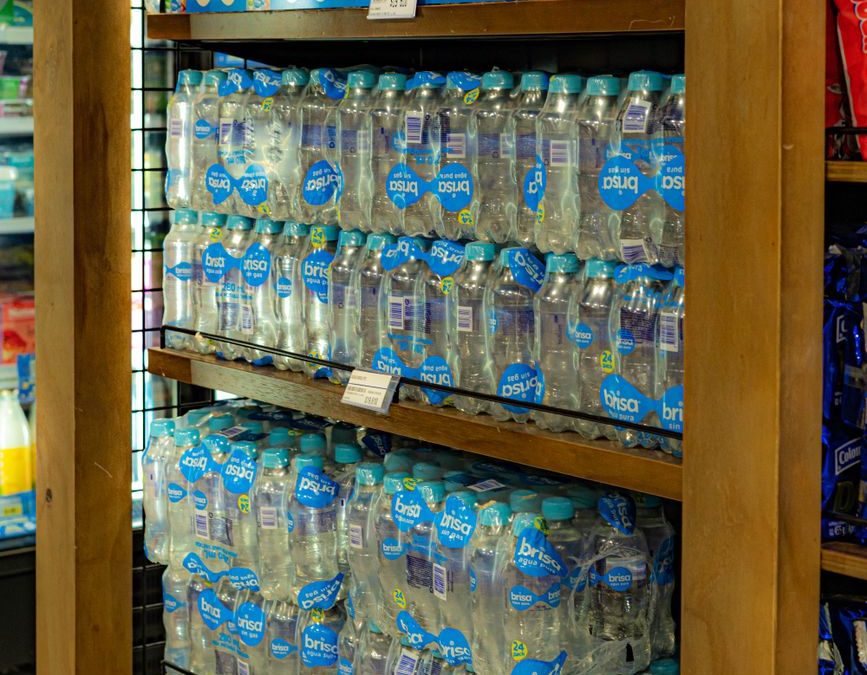
Multipack water bottles are not glamorous, but they are one of the fastest ways to stop repeated convenience-counter purchases. In a tourist district, single drinks near attractions, parking lots, beach access points, or hotel lobbies can add up before lunch. A grocery-store case gives families a base supply for backpacks, strollers, rental cars, and hotel mini-fridges.
- Who it helps: families, road trippers, theme-park visitors, and anyone walking in hot weather.
- What can go wrong: buying too much if your room has no fridge, no storage space, or strict luggage limits.
- Check next: whether your hotel offers refill stations, ice machines, or free filtered water.
Best move: chill a few overnight, then rotate them into your day bag before you leave the room.
Bakery Rolls and Bagels
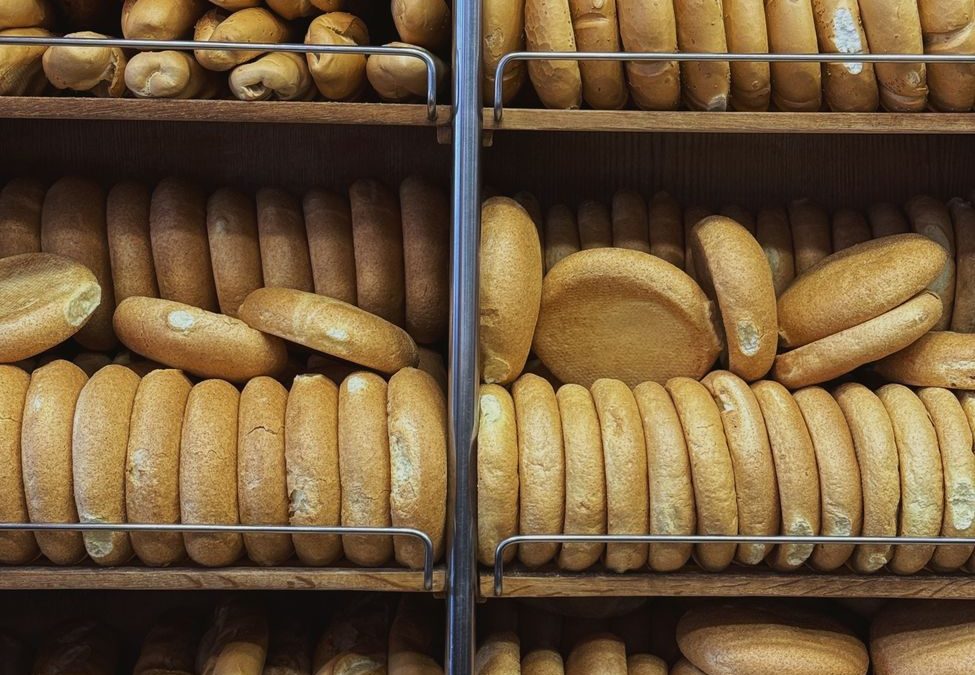
Bakery rolls and bagels turn a snack budget into something more flexible because they work for breakfast, picnic lunches, and late-night bites. A small bag from the grocery bakery can cover the gap between checkout and dinner, especially when cafes near a main square or boardwalk have long lines. Add peanut butter, cream cheese, or sliced cheese and you have a filling option that travels better than many fragile snacks.
- Who it helps: travelers with kids, early tours, road-trip mornings, or hotel rooms without a full kitchen.
- What can go wrong: buying specialty bakery items that are just as pricey as cafe snacks.
- Check next: whether your room has plates, napkins, a toaster, or a small refrigerator.
Best move: choose plain, sturdy items instead of frosted or filled pastries that melt, crumble, or need careful storage.
Yogurt Cups and Granola
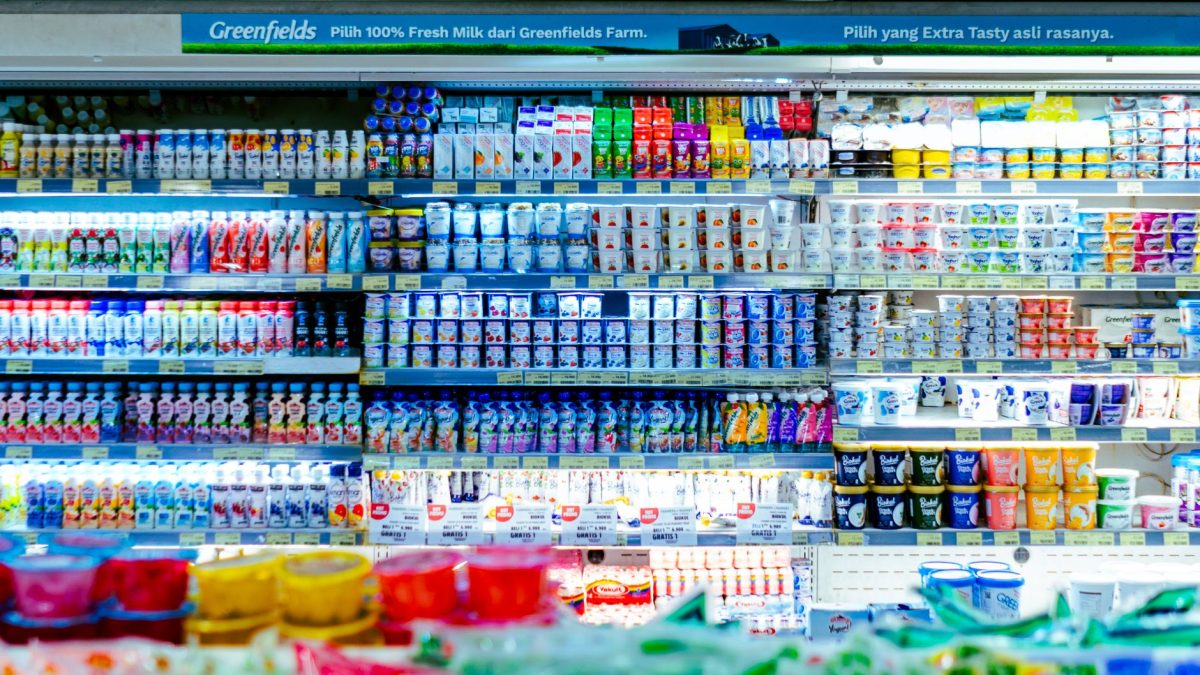
Yogurt cups and granola are useful because they solve two vacation problems at once: quick breakfast and emergency snack. They are easy to divide among travelers, simple to eat in a hotel room, and helpful when a planned brunch turns into a forty-minute wait. Compared with grabbing individual parfaits near a landmark, buying the pieces at a grocery store usually gives you more servings and more control.
- Who it helps: travelers who want something fast before airport transfers, hikes, beach mornings, or museum reservations.
- What can go wrong: buying refrigerated items when your room has no fridge or your cooler is already full.
- Check next: whether you need disposable spoons, resealable bags, or a small insulated tote.
Best move: keep granola separate until eating so it stays crunchy instead of turning soft in the container.
Rotisserie Chicken and Crackers
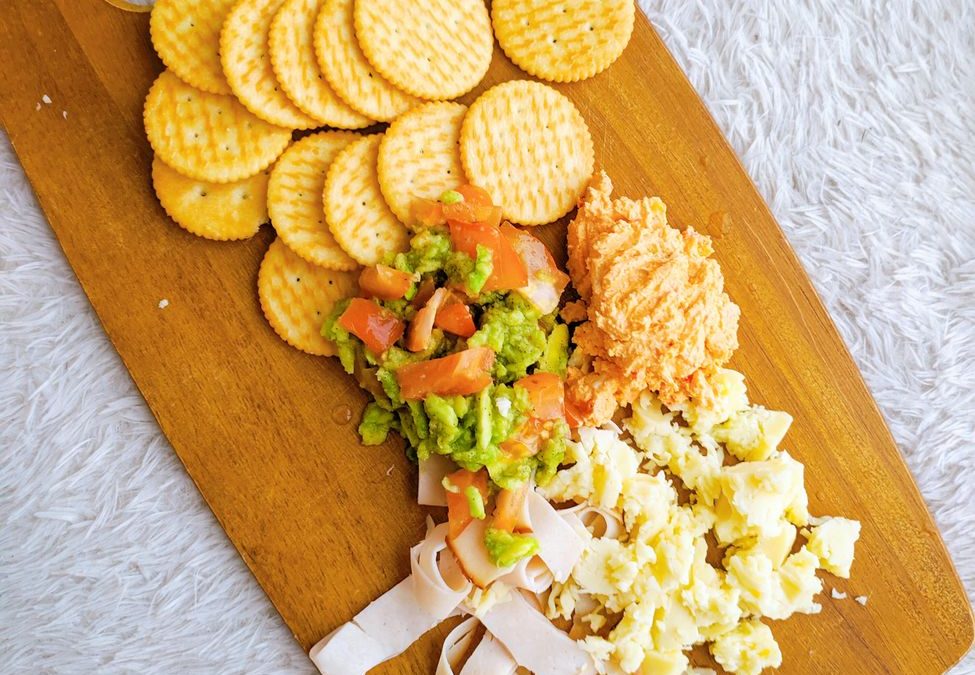
Rotisserie chicken and crackers can rescue a day when snack spending is really hunger in disguise. Travelers often overbuy chips, candy, and drinks because no one has had enough real food between activities. A prepared chicken, crackers, and sliced cheese can become a hotel-room picnic, a rental-house lunch, or a quick dinner before everyone heads back out.
- Who it helps: groups staying near beaches, resorts, sports tournaments, amusement parks, or road-trip stops.
- What can go wrong: leftovers become a waste if you have no refrigerator, utensils, napkins, or way to reheat safely.
- Check next: local park rules if you plan to eat outside, plus whether your lodging has a trash area.
Best move: buy this only when you know you can eat most of it the same day or store it properly.
Apples and Baby Carrots
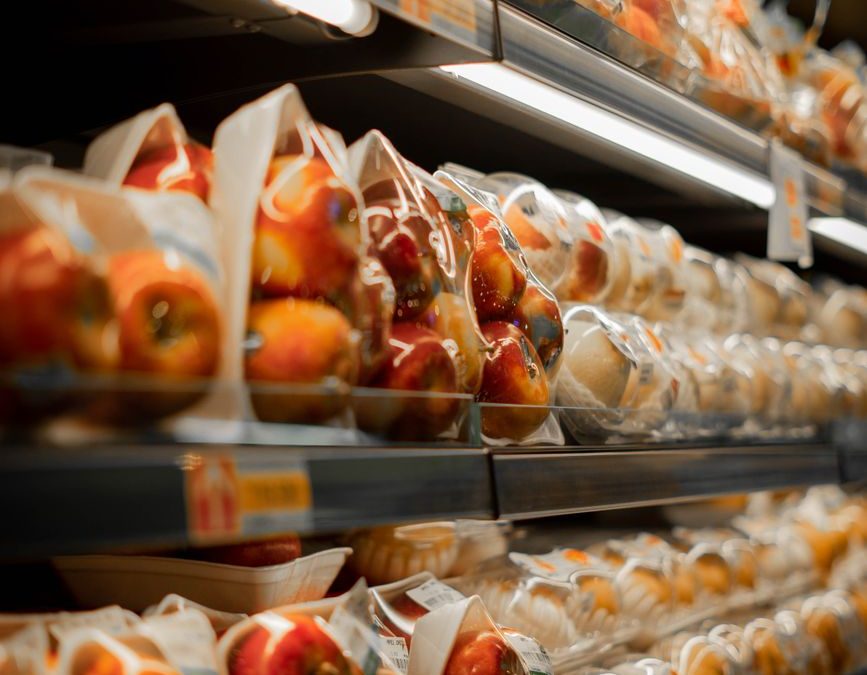
Apples and baby carrots are the quiet workhorses of vacation snacking. They are less messy than many soft fruits, do not crush as easily as chips, and can sit in a day bag for a while without becoming a problem. In tourist areas where sweet treats are everywhere, having a crisp snack on hand can keep travelers from buying something just because they are bored in line.
- Who it helps: parents, drivers, hikers, beachgoers, and travelers trying to avoid constant impulse snacks.
- What can go wrong: buying too much produce and watching it bruise, dry out, or get forgotten in the room.
- Check next: whether you have a small knife, resealable container, or cooler if you add dips.
Best move: buy smaller packs early in the trip, then restock only if people actually eat them.
The best vacation grocery stop is not about replacing every restaurant meal. It is about covering the predictable snack traps: thirst, tired kids, delayed reservations, long lines, and late returns to the hotel. Before you shop, check your room storage, fridge space, transportation plans, and how many full days remain. A short list beats an overstuffed cart, especially in a tourist district where wasted groceries can erase the savings fast.
This article was created with AI assistance and reviewed for clarity, sourcing, and editorial quality.
