
A park pass, a full tank, and a scenic route are not always enough. The smallest entry detail can decide whether your first hour feels easy or chaotic.
National parks reward planning, but they can be surprisingly unforgiving at the entrance gate. A family can drive for hours, see the sign, and still get stuck because one reservation, pass, road, or phone screen was not ready. The frustrating part is that many entry problems are preventable with a five-minute check before departure.
These are the national park entry mistakes that road trippers most often underestimate, especially on popular routes, summer weekends, and multi-park itineraries.
The Missing Timed-Entry Ticket
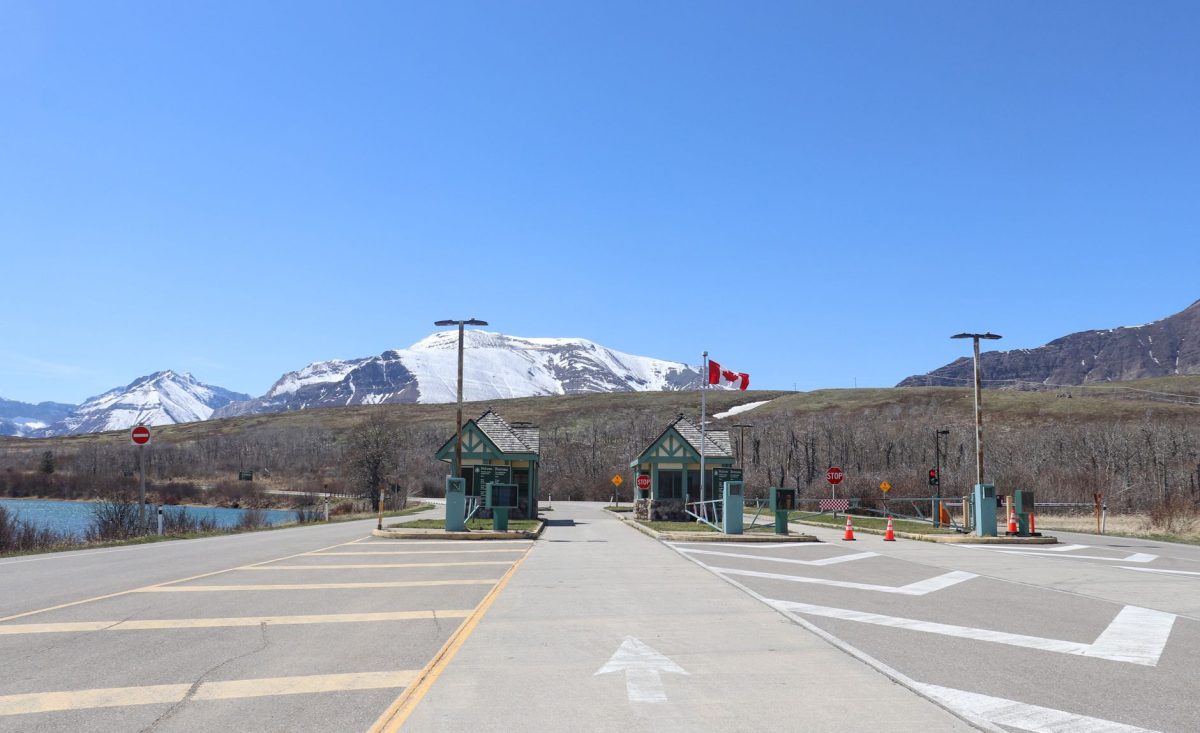
A park entrance fee or annual pass does not always mean you can drive in whenever you want. Some high-demand parks and popular corridors use timed-entry or vehicle reservation systems during certain dates and hours. The painful mistake is realizing at the gate that the reservation was separate from the entrance fee.
Before you build the day around sunrise hikes or a scenic drive, check the specific park page and Recreation.gov listing. Look for these details:
- Whether reservations apply to the whole park or only one road or area
- The exact entry window and time zone
- Whether a campground, tour, or permit changes the requirement
- Whether you need both a ticket and an entrance pass
This helps families, first-time visitors, and anyone linking multiple parks in one road trip avoid a gate delay that throws off the entire day.
The Annual Pass Mix-Up
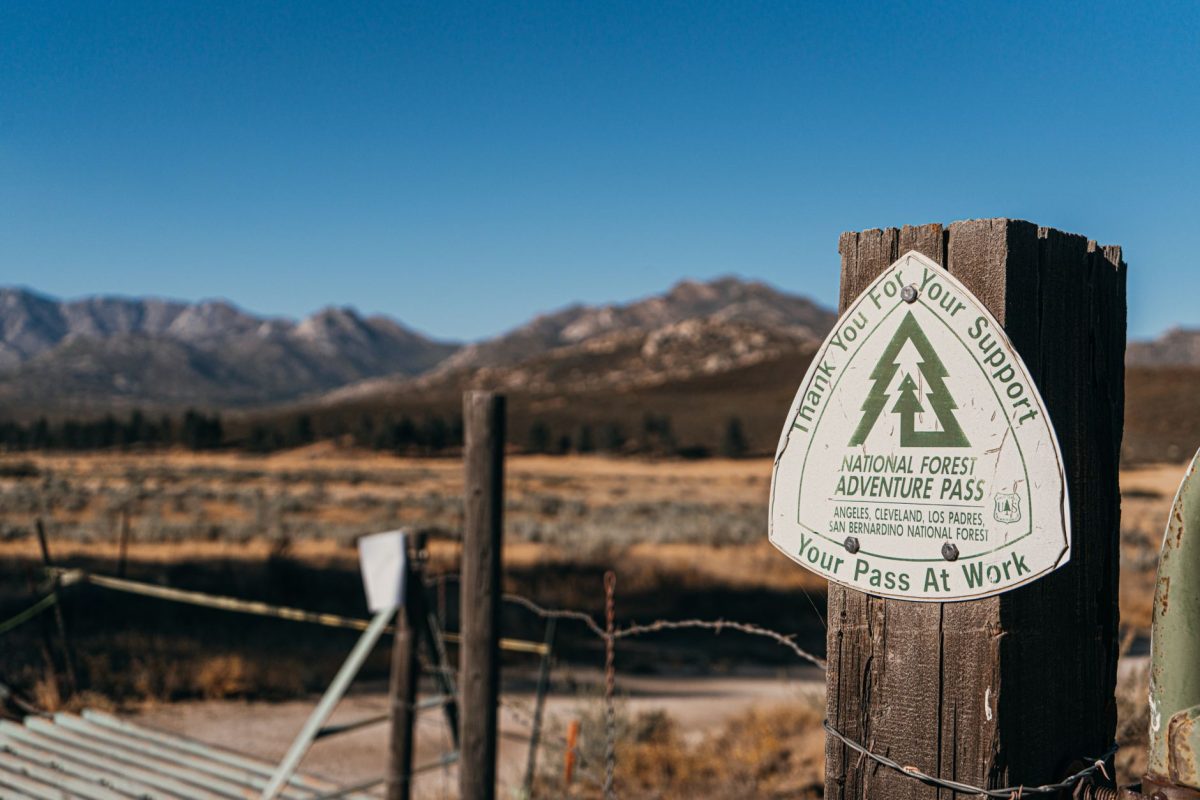
An annual park pass is useful, but it is not a magic key for every entry requirement. It generally covers the entrance fee at many federal recreation sites, but it may not replace timed-entry reservations, parking reservations, shuttle tickets, special permits, or guided activity bookings. That distinction is where many road trippers get surprised.
Check what the pass actually covers for the exact park and date you plan to visit. If you ordered a pass by mail, confirm whether you need the physical card in hand before the trip. If several adults are driving separate vehicles, check how the pass applies to each vehicle. The next best step is simple: keep the pass, ID, reservation confirmations, and any fee receipts together so the gate stop does not become a glove-box search.
The Wrong Entrance Gate

Many parks have more than one entrance, and those entrances are not always equal. One gate may be closest to your hotel but farthest from your hike. Another may be seasonal, affected by weather, closed for construction, or connected to a road that is slow for trailers and large RVs. GPS can make this worse by choosing the shortest route instead of the most practical one.
Before leaving town, compare your map app with the park’s official road status page. Confirm the entrance name, not just the park name. This matters most for late arrivals, families with timed tours, and drivers pulling into remote areas with limited fuel or cell service. If something has changed overnight, you want to know before the turnoff, not after a long backtrack.
The Peak-Hour Car Line
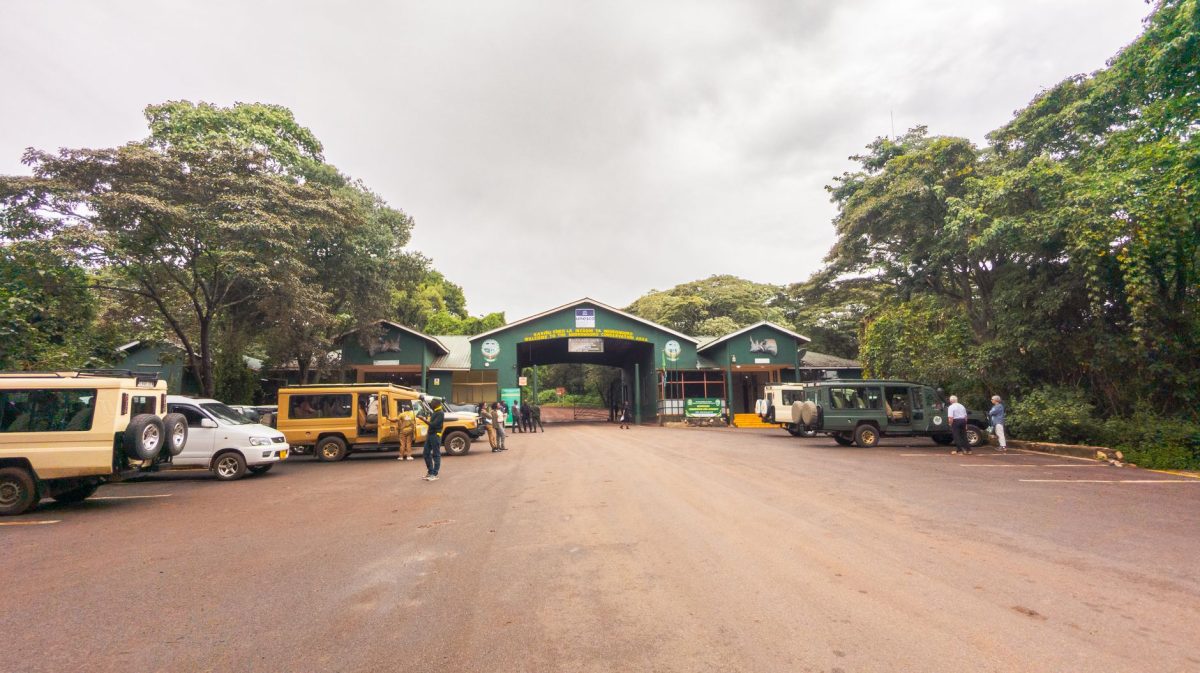
Arriving at midmorning can feel logical: breakfast is done, the car is packed, and everyone is awake. Unfortunately, that is also when many other visitors reach the gate. Even if you have the right pass and reservation, a long car line can eat into a timed hike, lunch plan, or hotel check-in later that night.
The fix is not always to arrive before dawn. It is to match your entry time to the park’s busiest pattern. Check official alerts, parking guidance, shuttle notes, and recent visitor updates before choosing your first stop. If your schedule is flexible, consider entering earlier or later, visiting a less crowded area first, or building a buffer before any paid tour. This helps road trippers avoid turning a scenic day into a rolling wait.
The No-Service Phone Screen
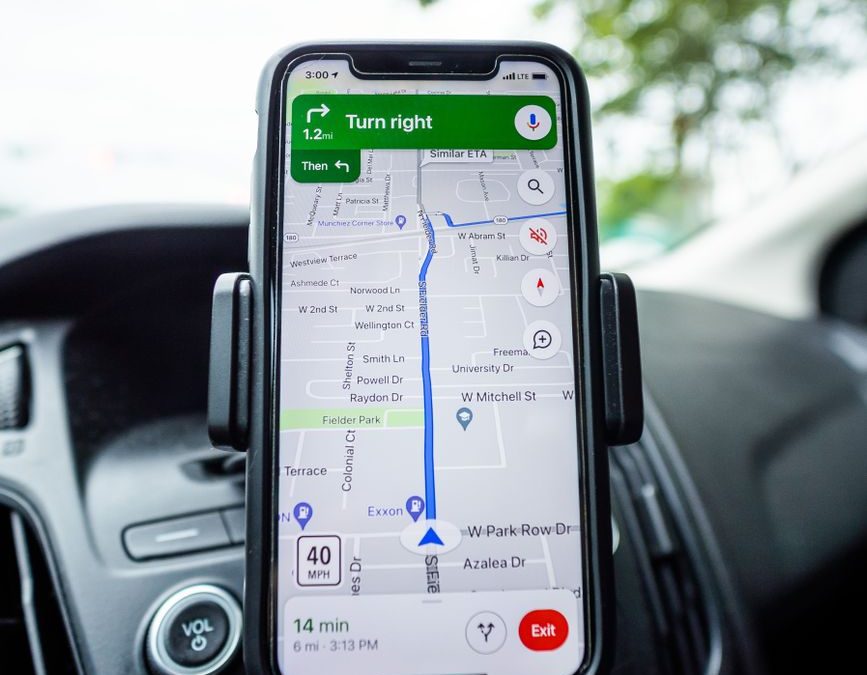
Cell service often fades right when you need it most: near the entrance road, at a remote ranger station, or in a canyon where a confirmation email refuses to load. If your ticket, pass number, campground booking, or shuttle confirmation lives only in an app, a weak signal can turn an easy entry into a stressful scramble.
Before the drive, download, screenshot, or print the essentials. Include the timed-entry confirmation, QR code, campground reservation, ID details, park pass information, and directions to the correct entrance. Keep a charging cable within reach, not buried under luggage. This small habit helps solo drivers, parents managing kids in the back seat, and anyone traveling through low-service rural routes keep the gate stop short and calm.
The best national park road trips leave room for overlooks, wildlife stops, and unplanned detours. They should not lose the first hour to a missing ticket or a wrong gate. Before you leave reliable service, check the park’s official alerts, reservation rules, entrance roads, and proof of payment. Then save the key documents somewhere you can reach in seconds.
A little entry planning will not make the park less adventurous. It just makes the adventure start on the right side of the gate.
