
The room number matters more than many travelers realize. These five hotel room locations can help reduce hallway noise, late-night surprises, and morning scramble.
A hotel room can look perfect in the app and still feel wrong the moment the elevator dings outside the door or the pool crowd gathers below the window. The fix is not always a pricier room. Sometimes it is a smarter spot on the property.
Before you accept the first key card, a quick location request can change how rested your stay feels. These are the room placements worth asking about when quiet, easier mornings, and fewer small annoyances matter.
The Mid-Hallway Room
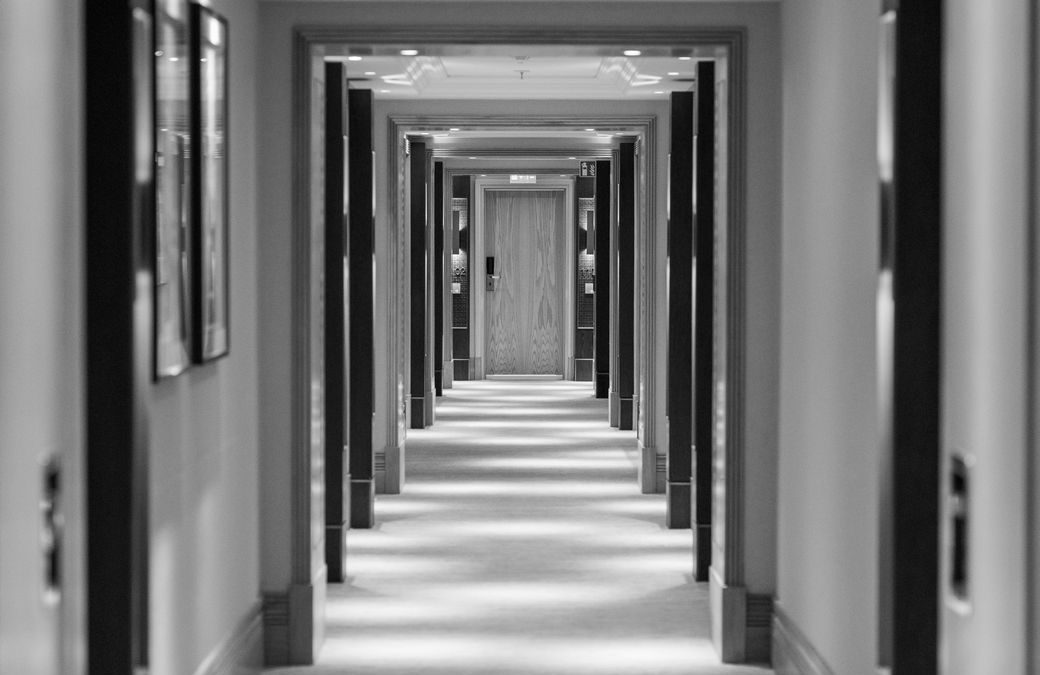
A room in the middle of the hallway is often a practical request because it puts distance between you and several common noise points. Elevator banks, ice machines, vending areas, stairwell doors, and housekeeping closets tend to sit closer to the ends or central service areas of a floor. You may still hear passing guests, but you are less likely to be next to the places where people stop, talk, roll luggage, or grab ice late at night.
- Ask for: a room midway down the hall, not beside service rooms.
- Check next: whether your floor has laundry, vending, or meeting-room access.
This helps light sleepers, families with early plans, and business travelers who need predictable rest. The tradeoff is a slightly longer walk from the elevator, but that small walk can feel worth it when the hallway stays calmer after dark.
The Courtyard-Facing Room
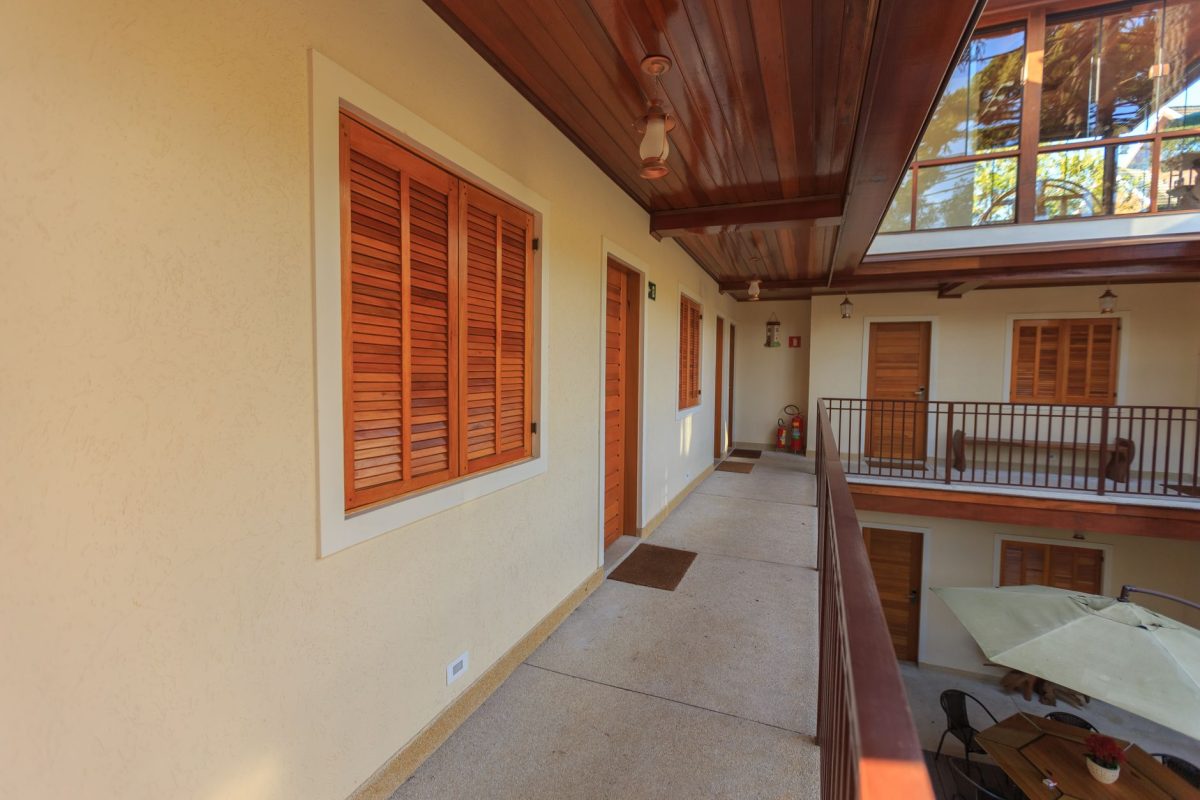
A courtyard-facing room can be a smart pick when the hotel sits on a busy road, near nightlife, or close to a transit stop. Instead of looking toward traffic, delivery trucks, sirens, and sidewalk crowds, the room faces inward. That can soften the feeling of being right in the middle of a noisy district, especially in older city hotels where street-facing windows may not block as much sound as guests expect.
- Ask for: an interior-facing room or courtyard side when booking.
- Watch for: courtyards used for restaurants, events, or late seating.
This choice matters most for travelers who want a central location without the full street soundtrack. It is not automatically silent, so ask what the courtyard is used for at night. A peaceful view at noon can become less peaceful if it doubles as a patio bar.
The Upper Floor Away From Elevators
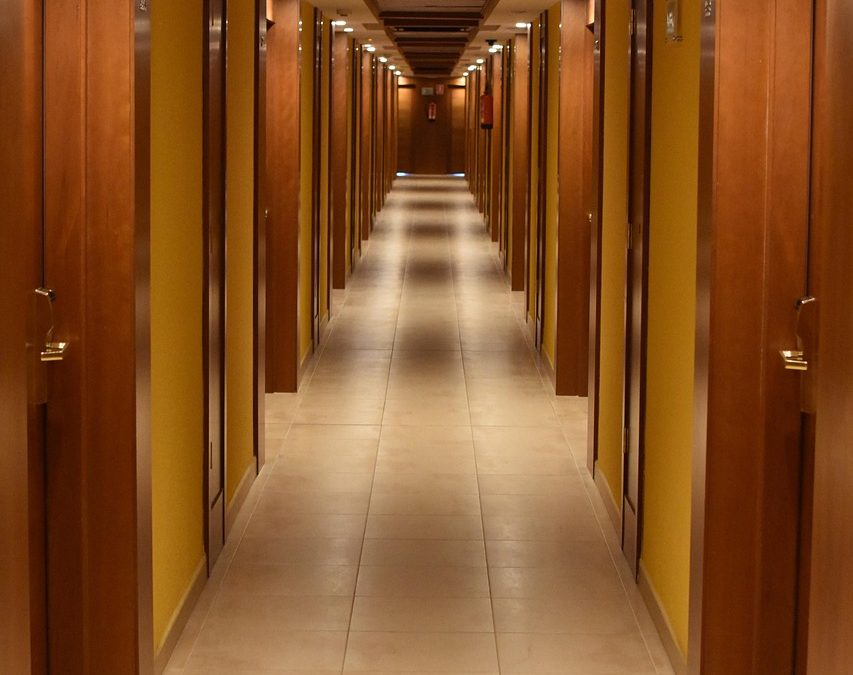
Upper floors can help reduce noise from lobby traffic, street activity, and groups moving in and out of the hotel. The key detail is not just going higher; it is staying away from the elevator bank. Rooms directly beside elevators can pick up dings, conversations, rolling bags, and guests gathering while they wait. That noise is most noticeable late at night and early in the morning, exactly when a rushed travel day can start badly.
- Ask for: a higher floor, away from elevator doors and ice machines.
- Confirm: whether your room shares a wall with the elevator shaft.
This helps people who are sensitive to hallway noise but still want a convenient hotel layout. If mobility or time is a concern, you do not need the farthest room on the floor. The sweet spot is usually higher up, but not directly beside the busiest vertical traffic point.
The Room Two Floors Above the Bar
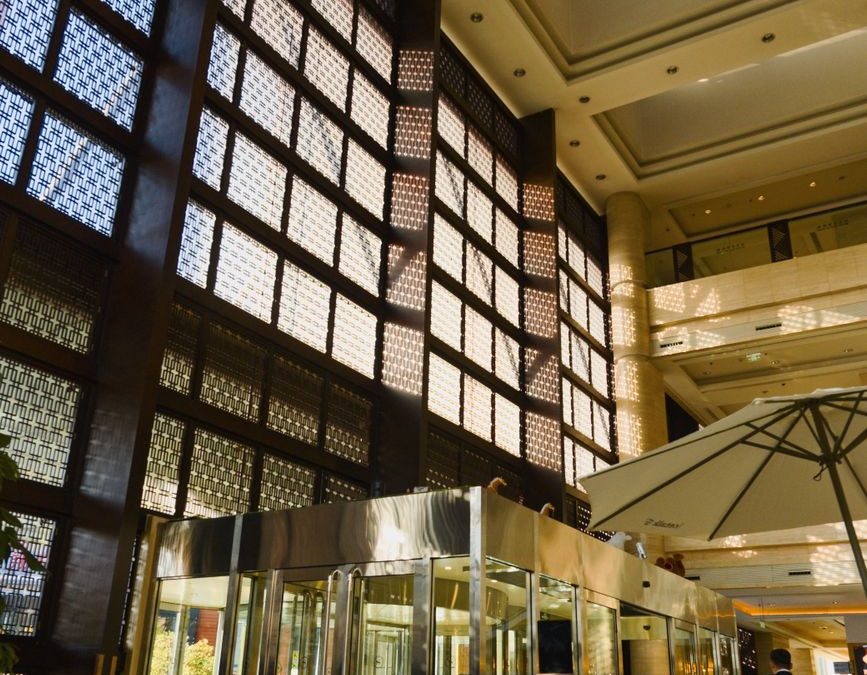
Rooms above bars, banquet rooms, restaurants, and event spaces can surprise guests because sound travels through floors and walls, not just through doors. Bass, chair movement, cleaning carts, and post-event chatter may continue after the official party is over. If the hotel hosts weddings, conferences, or holiday events, being one floor above the action can turn an ordinary night into a long one.
- Ask for: a room at least a couple of floors above public event spaces.
- Check next: whether any banquets, receptions, or live music are scheduled.
This room choice helps couples on a weekend trip, parents traveling with children, and anyone facing an early checkout. It also prevents the awkward moment when you learn too late that your room is technically upstairs from the loudest part of the property.
The Back-Side Low-Rise Room
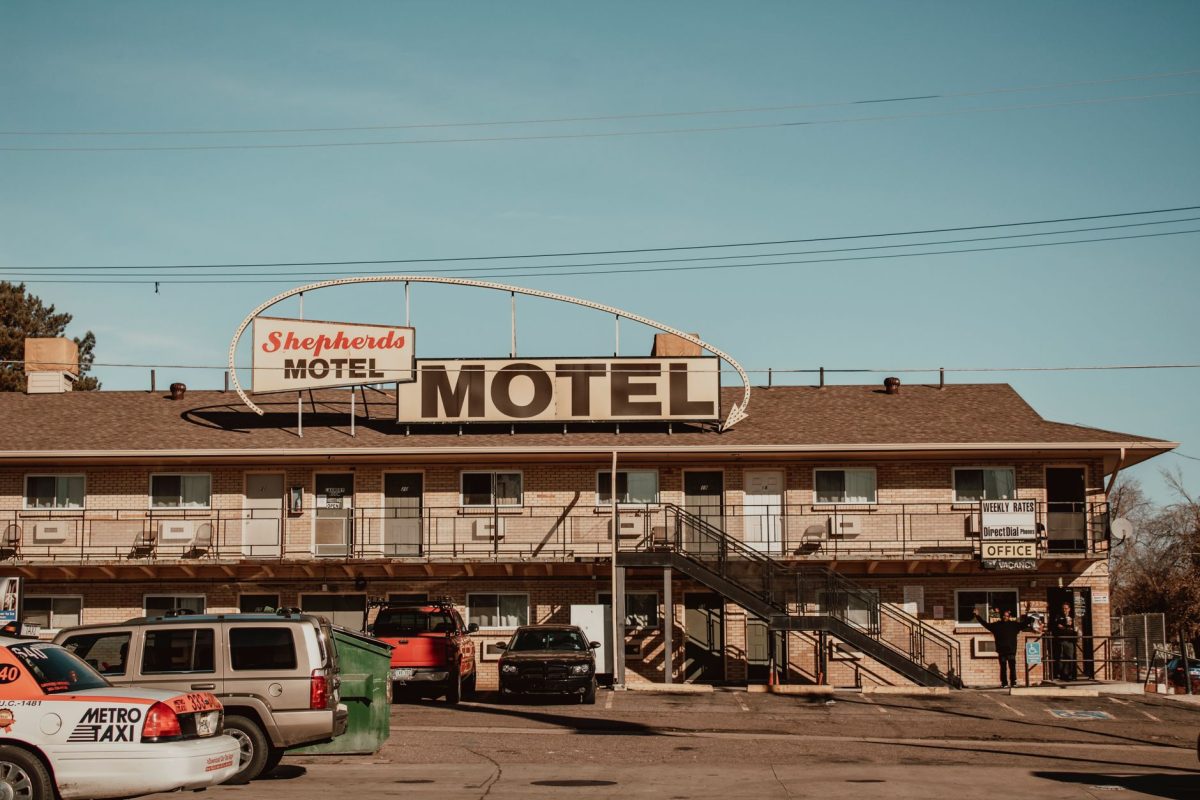
At a low-rise hotel or roadside property, the quietest room may not have the prettiest view. A back-side room can put you farther from the front entrance, main road, headlights, rideshare pickups, and guests pulling luggage through the lobby doors. For road trips, sports tournaments, and overnight stops, that quieter position can matter more than seeing the sign or parking lot from your window.
- Ask for: the back side or a side wing away from the road.
- Avoid: rooms facing dumpsters, loading zones, or morning delivery areas.
This helps travelers who need to sleep quickly and leave early without feeling battered by parking-lot noise. The important follow-up is asking what is behind the building. A back room near trash collection or a service driveway may trade one problem for another.
The best hotel room location depends on the property, not a universal room number. Before arrival, add a short request to the reservation, then politely repeat it at check-in: quiet floor, away from elevators, away from service areas, and not directly above event spaces.
If the first room feels wrong, check immediately before unpacking. It is much easier for the front desk to move you while rooms are still available than after you have settled in and the hotel has filled for the night.
