
The longest wait on public transit often happens after the first ride, not before it. These five habits help visitors move through unfamiliar systems with less guessing.
Public transit can be the fastest way across a city until one small transfer mistake turns a quick ride into a sidewalk wait. Visitors are especially vulnerable because they may not know which exit matters, which platform is shared, or whether the next bus is actually coming soon. These habits are not complicated, but they can change the entire feel of a travel day.
The Two-App Arrival Check

One arrival screen can be enough when you know the system. In an unfamiliar city, it is safer to compare the official transit app with a map app before committing to a transfer. Real-time predictions can lag, routes can be detoured, and some apps are better at showing walking time than platform time. This habit helps visitors who are trying to make dinner reservations, museum entry windows, airport trains, or timed tours without turning every connection into a gamble.
- Check the next two departures, not just the first one.
- Look for service alerts before you leave the platform or stop.
- Compare walking time to the transfer point, especially in large stations.
If both apps disagree wildly, treat that as a warning sign. A slightly longer route with a visible, frequent service may beat a perfect-looking connection that depends on one disappearing bus.
The Same-Platform Transfer
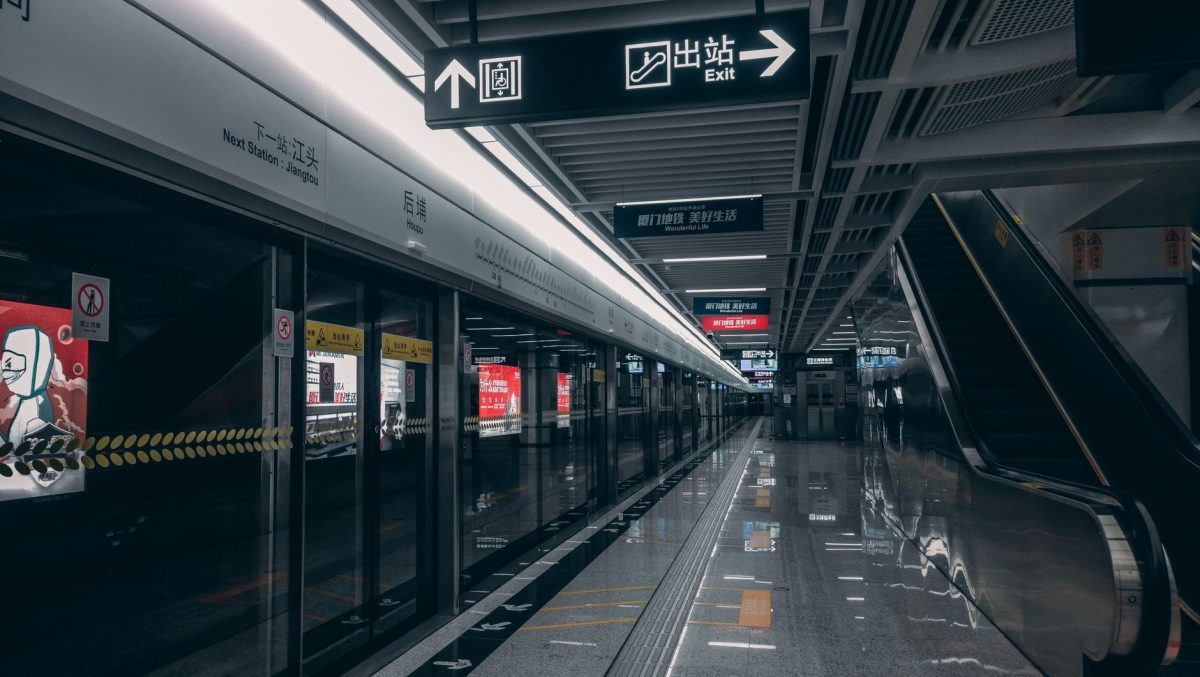
A transfer that stays on the same platform or inside the paid area can save more than the posted travel time suggests. Visitors often focus on the line color or route number and miss the physical layout. A five-minute connection that requires stairs, gates, street crossings, and another platform can become a slow puzzle with luggage or kids. A seven-minute ride that changes across the platform may feel easier and be less likely to collapse if the first train runs late.
- Favor cross-platform changes when route planners offer similar options.
- Notice direction labels before boarding the first train.
- Avoid unnecessary exits that force another fare tap or street crossing.
This matters most during rush hour, rain, late evenings, or after an event. The less distance you create between rides, the fewer chances you have to miss the next one.
The Correct Exit Stair
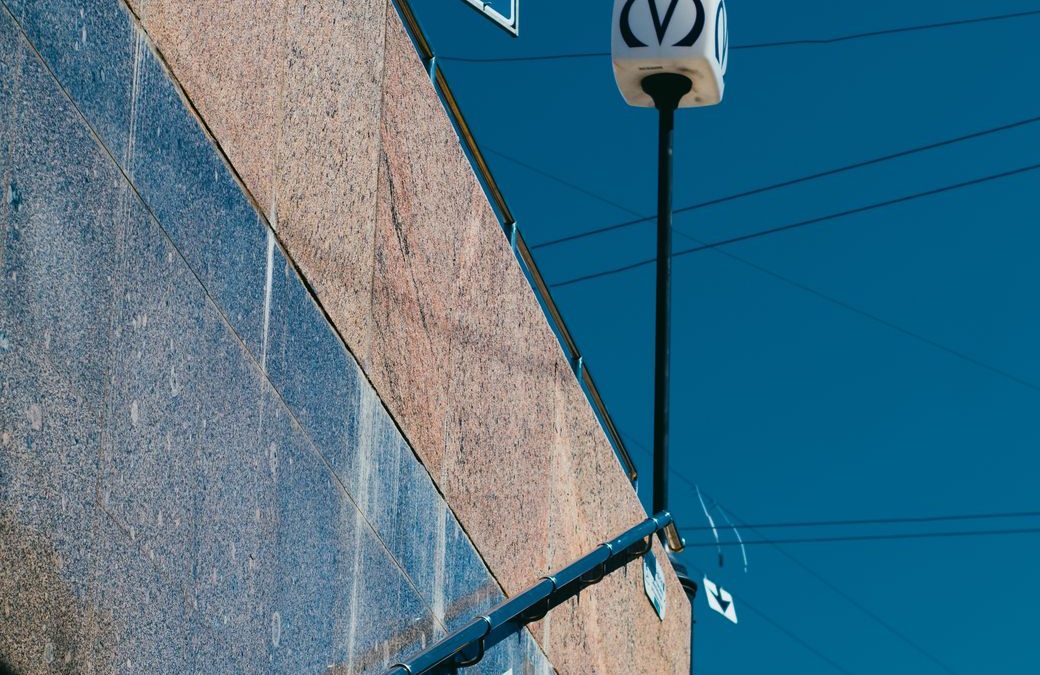
In big stations, the wrong exit can be its own delay. Visitors may surface on the opposite side of a boulevard, behind a construction fence, or several blocks from the bus stop they need next. The transfer is not finished when the train doors open; it is finished when you reach the correct street corner or platform. Before walking up, pause long enough to match the exit sign with the next stop, landmark, or direction in your route.
- Check exit letters or numbers in the station before following the crowd.
- Match the street name to the next bus stop or attraction.
- Use landmarks such as a museum, plaza, stadium, or avenue when signs are confusing.
This habit especially helps travelers with strollers, rolling bags, mobility concerns, or tight schedules. A one-minute pause underground can prevent a ten-minute correction above ground.
The Less-Crowded Door
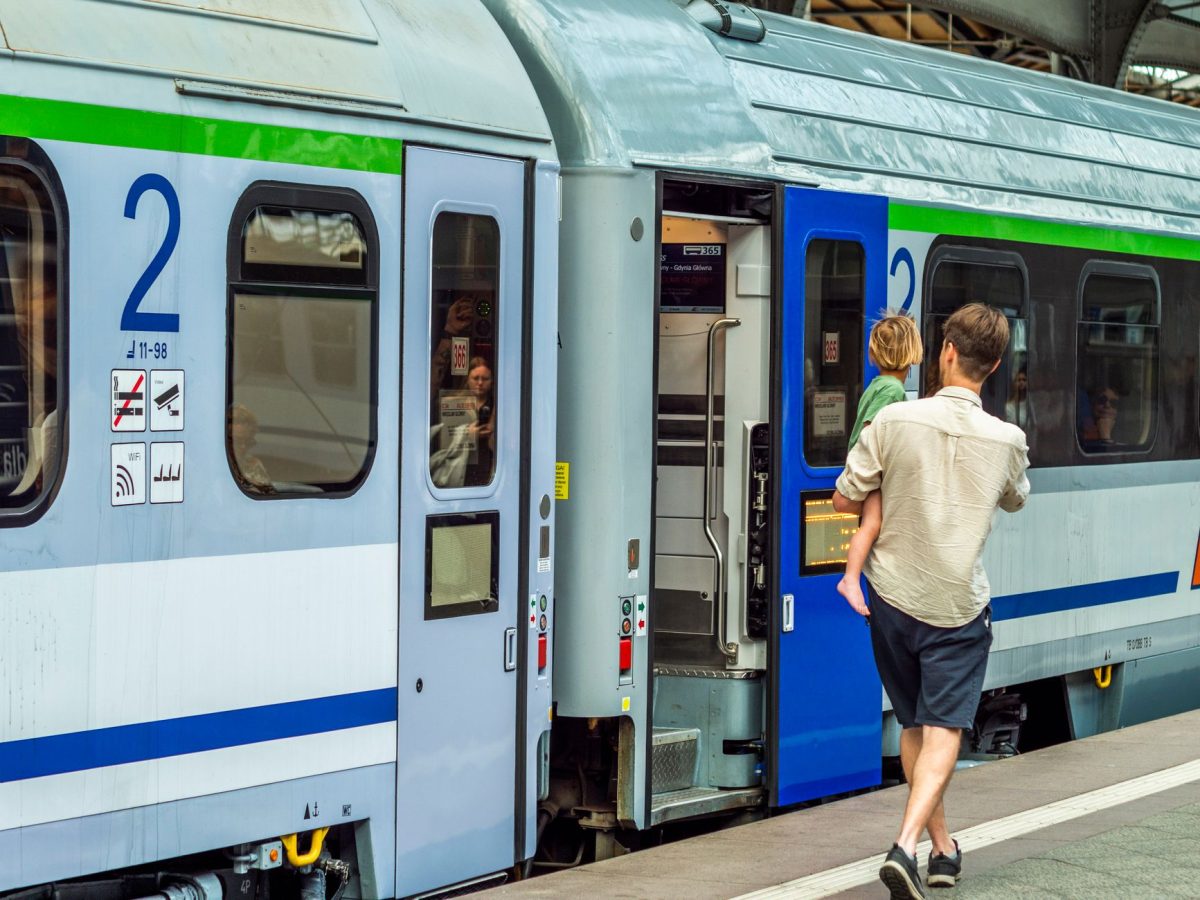
Transfer delays are not always about schedules. Sometimes the ride arrives, but the nearest door is packed and you cannot board quickly. Visitors often stand where the stairs deposit them, which is usually where everyone else stands too. Moving a car length down the platform, or choosing a less crowded bus door where local rules allow it, can be the difference between making the connection and watching it leave without you.
- Step away from the stairwell if the platform has room.
- Board where people can exit instead of blocking the doorway.
- Keep bags close so you can move without tangling other riders.
This helps groups, families, and anyone carrying luggage. It also keeps the transfer calmer because you are not depending on a last-second squeeze through the busiest door on the vehicle.
The Backup Stop Pin
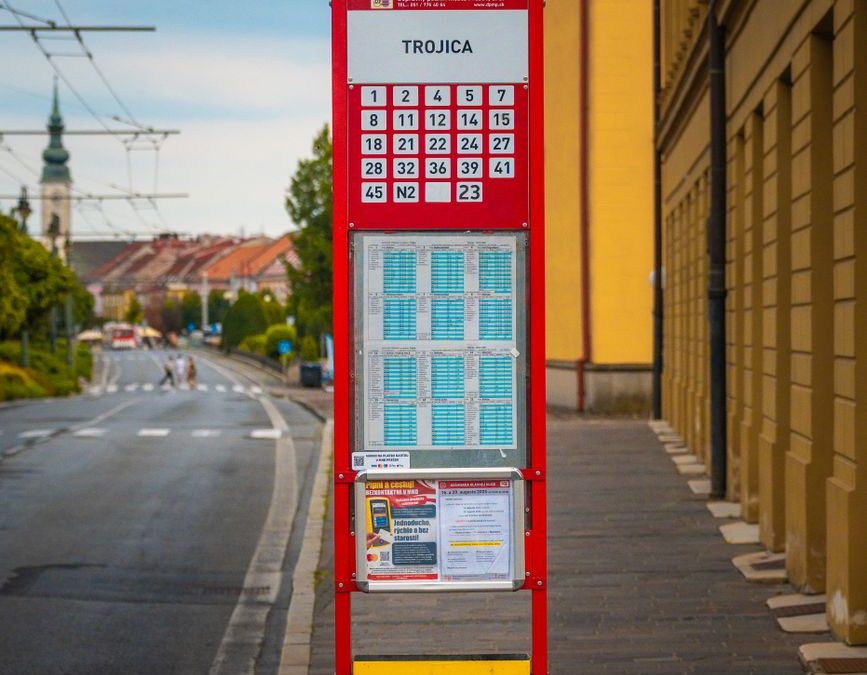
The best time to find a backup stop is before the first plan fails. When a connection depends on a bus that runs infrequently, pin one nearby alternative before you leave the train or station. That could be a parallel bus route, a tram stop around the corner, a bike-share dock, or a safe walking route to the destination. Visitors who wait until the countdown resets are often doing research while tired, hungry, or standing in the wrong weather.
- Save one alternate stop within a reasonable walk.
- Check the frequency so the backup is not worse than waiting.
- Know the safe walking path before heading down an unfamiliar street.
This habit is most useful after dark, during weekend schedules, or near attractions that empty out all at once. A backup pin does not mean you are pessimistic; it means you are not trapped by one missed connection.
Good transit transfers are less about rushing and more about removing surprises. Check the next departure in more than one place, choose simpler station moves when possible, confirm the right exit, spread out before boarding, and keep one backup stop ready. Those small habits give city visitors a better chance of spending their trip at the destination, not waiting between rides.
This article was created with AI assistance and reviewed for clarity, sourcing, and editorial quality.
