
A few small moves before boarding can save you from missed lanes, dead phones, misplaced tickets, and frantic dockside decisions.
Ferry terminals look simple until the clock starts working against you. One wrong lane, a ticket buried in email, or a bag left in the car can turn an easy crossing into a sweaty scramble. The good news: most ferry stress comes from small details you can control before the boarding call. These five habits help you move through the terminal with less guessing and fewer rushed decisions.
The Arrival Buffer

Arriving early is not just about being polite to the schedule. Ferry terminals often have steps that do not show up on a simple travel map: finding the right entrance, paying or validating a fare, getting directed into a holding lane, and waiting for boarding instructions. If you cut it close, every tiny delay feels bigger than it should.
- Check the operator recommendation for arrival time, especially with a vehicle.
- Add extra minutes for weekends, holidays, weather, and unfamiliar terminals.
- Do not assume the last car in line is going to the same sailing.
This habit helps families, drivers, and first-time riders most because it creates room for corrections. If you arrive too late, you may still see the ferry at the dock but be unable to board once loading rules or capacity limits kick in.
The Offline Ticket
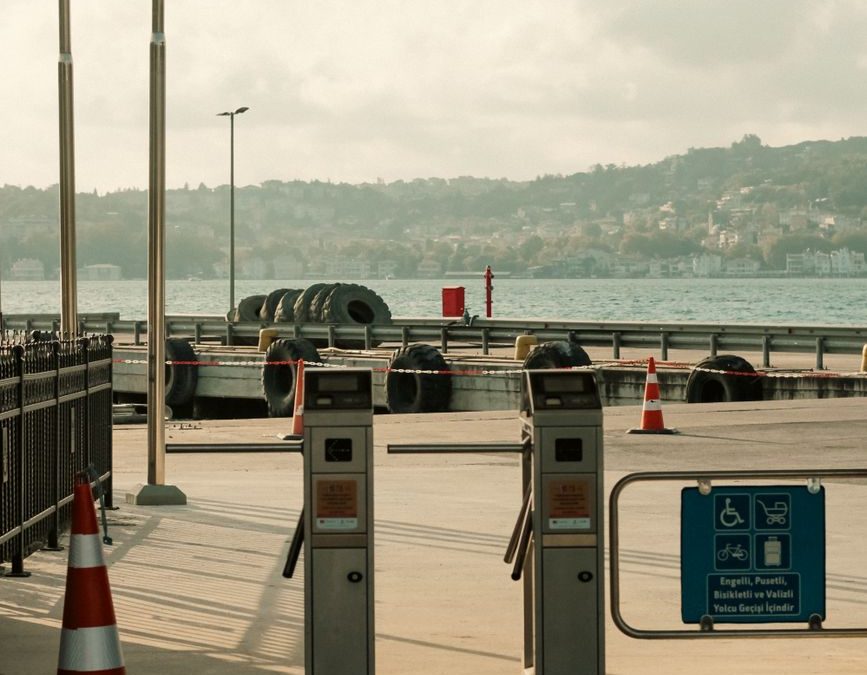
A ferry ticket that lives only in a weak mobile signal is a fragile plan. Terminals can be busy, remote, crowded with passengers using the same network, or built with signal dead zones. If your confirmation email refuses to load at the booth, the delay is suddenly yours to solve while the line waits behind you.
- Save the ticket to your phone wallet or take a clear screenshot.
- Keep the confirmation number somewhere separate from the email app.
- Bring a printed copy if the route, fare type, or operator suggests it.
This matters most when you are traveling with a group, a rental car, or a tight connection on the other side. A quick ticket scan keeps the interaction short and reduces the chance of being sent aside to search for proof you already paid for.
The Vehicle Lane Check
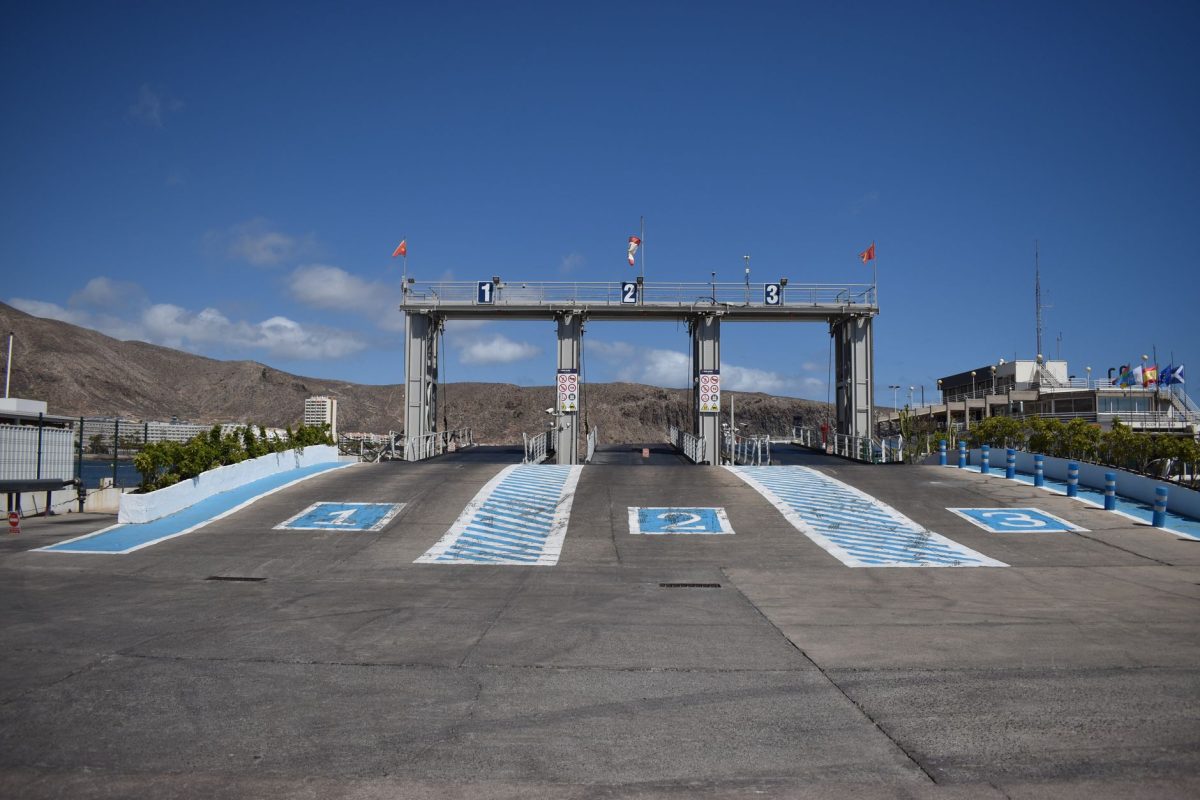
At a vehicle ferry terminal, the right lane can matter as much as the right ticket. Some lanes separate reservations, standby vehicles, oversized vehicles, bicycles, priority boarding, or different destinations. Pulling into the first open line can feel efficient until a staff member waves you out and you have to rejoin traffic at the worst possible moment.
- Slow down before the entrance and read the lane signs completely.
- Tell the attendant your destination, sailing time, and vehicle type if asked.
- Watch for separate markings for motorcycles, bikes, trailers, or tall vehicles.
This helps drivers avoid awkward lane changes, missed staging areas, and tense moments with people behind them. It also helps terminal staff load the vessel safely and in the order they need, which can be more complex than it looks from the car window.
The One-Bag Deck Kit

Once your car is parked on board, getting back to it may not be simple or allowed during parts of the trip. Rules vary by vessel and route, but many riders regret leaving a jacket, medication, charger, snack, or child item behind the moment they walk upstairs. The fix is a small deck kit packed before boarding starts.
- Move essentials into one bag while you are still in the holding lane.
- Include layers, glasses, medication, chargers, water, and kid supplies.
- Keep tickets, IDs, and car keys with the person responsible for them.
This habit helps anyone traveling with children, older relatives, pets, or a long crossing ahead. It prevents repeated trips, rushed searches, and the uncomfortable realization that the one thing you need is locked below while the ferry is already underway.
The Boarding Call Watch

Ferry terminals can change rhythm quickly when loading begins. A waiting room that feels relaxed can turn into a moving line with little warning, especially if the crew is trying to keep a sailing on schedule. Travelers who wander too far for coffee, bathrooms, or photos may miss an announcement, a lane movement, or a final instruction.
- Stay close enough to hear announcements or see the departure board.
- Confirm the destination, sailing time, and gate before settling in.
- Ask staff where foot passengers or drivers should wait if signage is unclear.
This habit affects groups more than solo travelers because one person missing from the car or gate can stall everyone. It also protects you from boarding the wrong vessel or lining up with passengers headed to a different destination from the same terminal.
Ferry boarding feels easier when the small decisions are made before the terminal gets busy. Build in a buffer, keep proof of travel ready, choose the correct lane, carry essentials with you, and stay alert for boarding instructions. Those habits will not control weather, capacity, or delays, but they can keep a normal ferry day from becoming a dockside dash.
This article was created with AI assistance and reviewed for clarity, sourcing, and editorial quality.
