
The seat map can look harmless until you are stuck there for six hours. These are the choices frequent rail travelers tend to check first.
A long train ride can feel calm, scenic, and roomy, or it can turn into hours of door traffic, glare, luggage stress, and a seat that faces the wrong way. The difference often starts before boarding, when the seat map still gives you options. These five choices are easy to overlook, but they can affect sleep, comfort, movement, and how relaxed you feel when you finally arrive.
Forward-Facing Seat
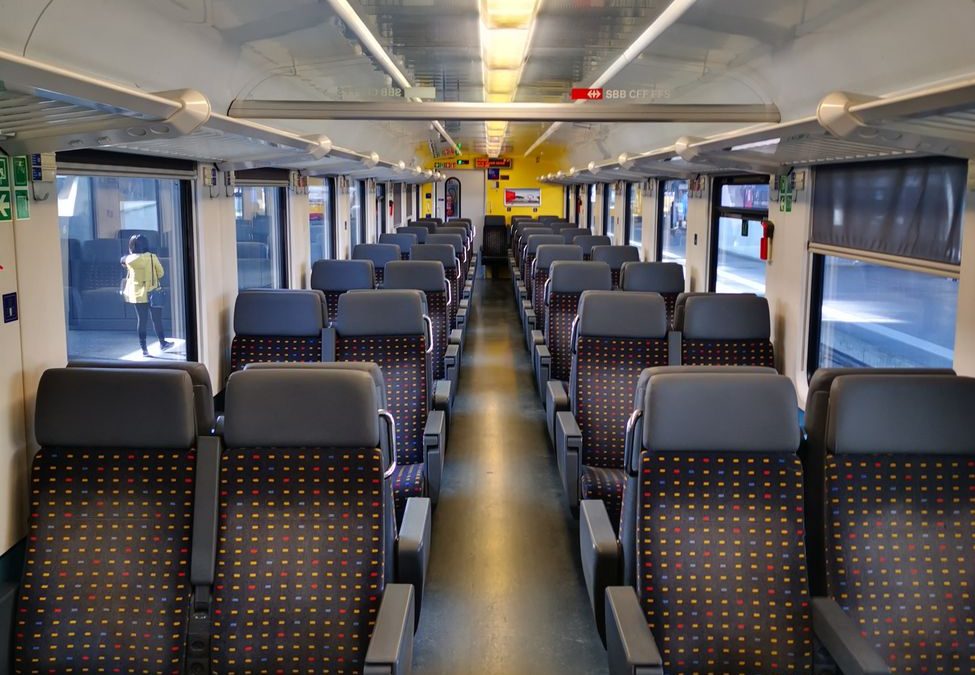
A forward-facing seat is one of the simplest comfort checks, especially if you are prone to motion sickness or plan to read, work, or watch the scenery. Some trains have a mix of forward-facing and rear-facing seats, while others reverse direction during the journey, so the perfect choice is not always obvious from a small map. It matters most on curving routes, mountain lines, and trips where you will be seated for several hours.
- Who it helps: travelers who get queasy, families with kids, and anyone using a laptop or tablet.
- What can go wrong: a backward-facing seat can make screen time, snacks, or even simple conversation feel less comfortable.
- What to check next: look for arrows, coach diagrams, or route notes before confirming the seat.
Window Seat on the Scenic Side
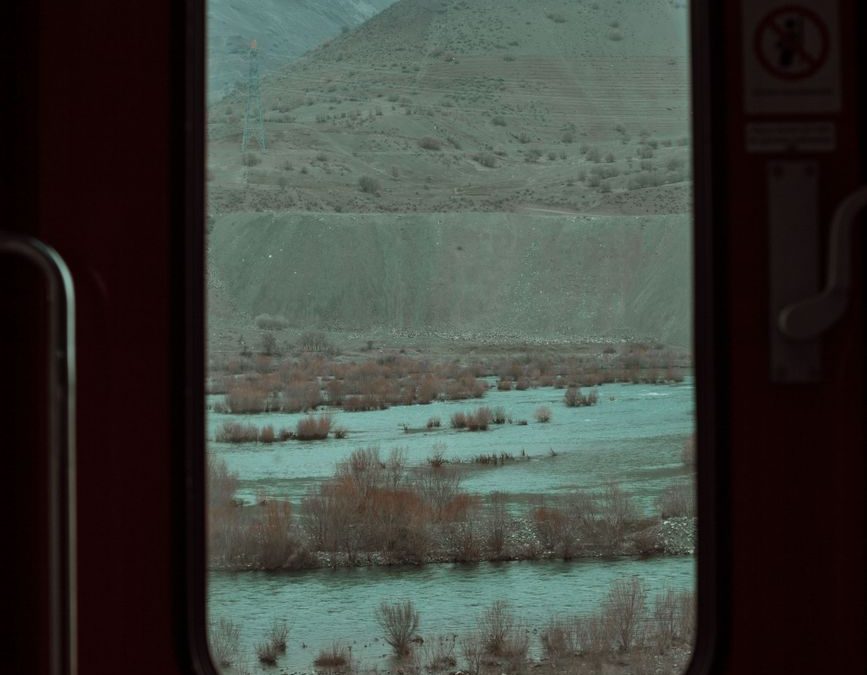
A window seat is not automatically the best one unless it is on the side with something worth seeing. On coastal, river, canyon, or mountain routes, one side of the train may deliver most of the view while the other looks at embankments, service roads, or passing platforms. This choice helps travelers who treat the ride as part of the trip, not just transportation. It can also make a long daytime ride feel shorter because the view keeps changing.
- Who it helps: sightseers, photographers, couples, and travelers who want a calmer ride.
- What can go wrong: picking randomly can leave you staring at sun glare or trackside fencing for hours.
- What to check next: search the route direction, major landmarks, and whether assigned seats match the train layout.
Aisle Seat Near the Luggage Rack
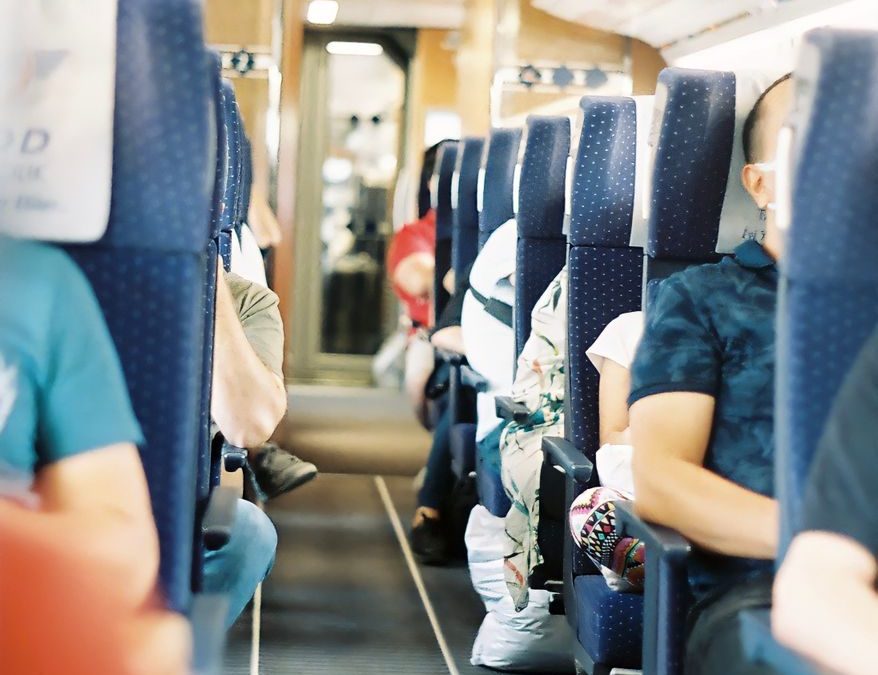
An aisle seat near a luggage rack can be a practical win if you are carrying more than a small backpack. On many trains, larger bags may need to go at the end of the car or in shared racks, not directly above your seat. Being close enough to see your suitcase can reduce stress during station stops, when people are boarding, leaving, and shifting bags around. It also saves you from squeezing past knees every time you need a charger, medicine, or jacket.
- Who it helps: solo travelers, older passengers, and anyone bringing a roller bag or valuable gear.
- What can go wrong: sitting far away can make you worry about bags during busy intermediate stops.
- What to check next: find the luggage symbols on the seat map and avoid blocking aisles with personal items.
Seat Away From the Doors
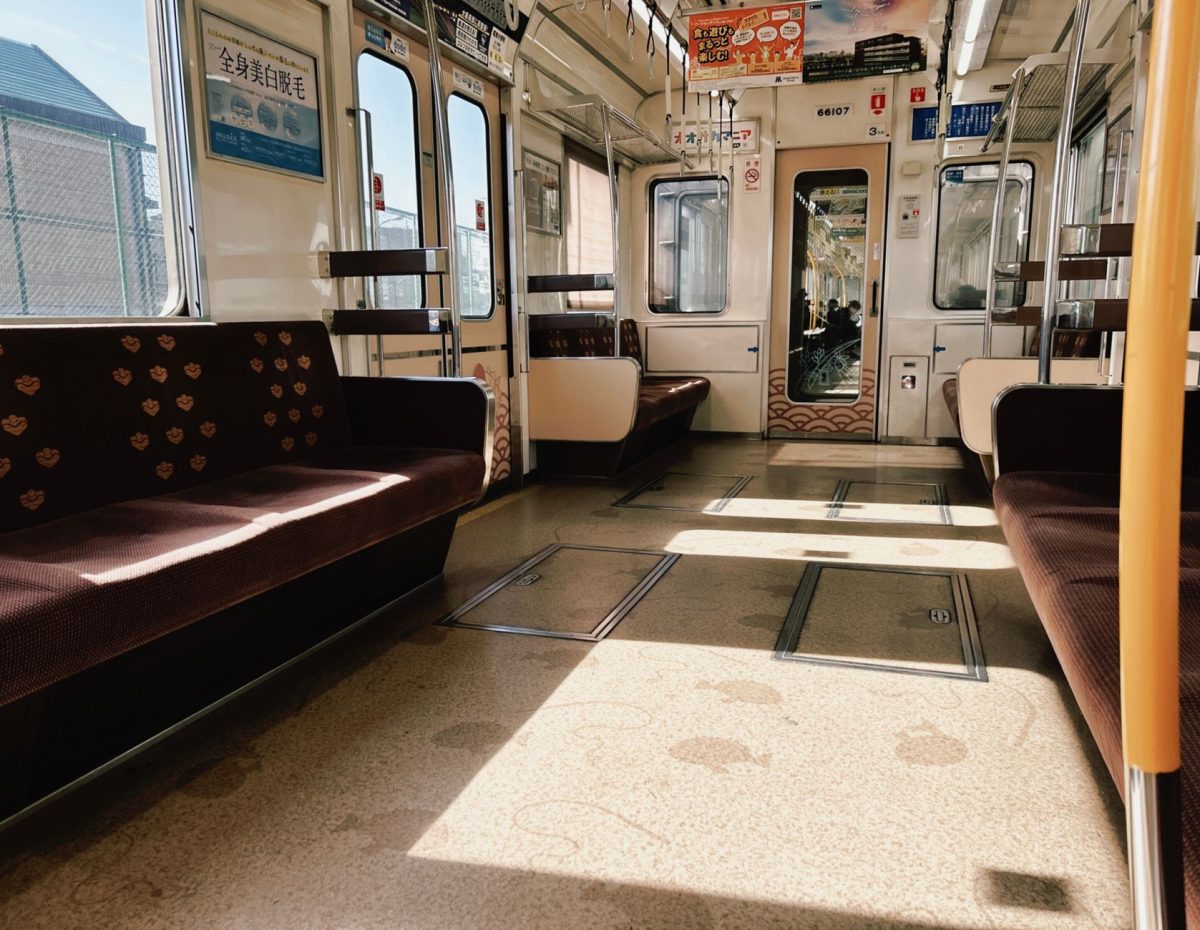
Seats beside the doors can look convenient, but they often come with the most foot traffic. Every station stop brings boarding passengers, rolling bags, announcements, cold drafts, and people waiting in the vestibule before the train arrives. On a short hop, that may not matter. On a long ride, the repeated interruptions can make it harder to nap, eat, or settle in. A seat a few rows deeper into the carriage is often quieter without feeling trapped.
- Who it helps: light sleepers, remote workers, and travelers who want fewer bumps from passing bags.
- What can go wrong: door-area seats can become unofficial waiting zones during crowded stops.
- What to check next: compare seat numbers with door icons, toilets, cafe cars, and bike storage areas.
Quiet Car Seat
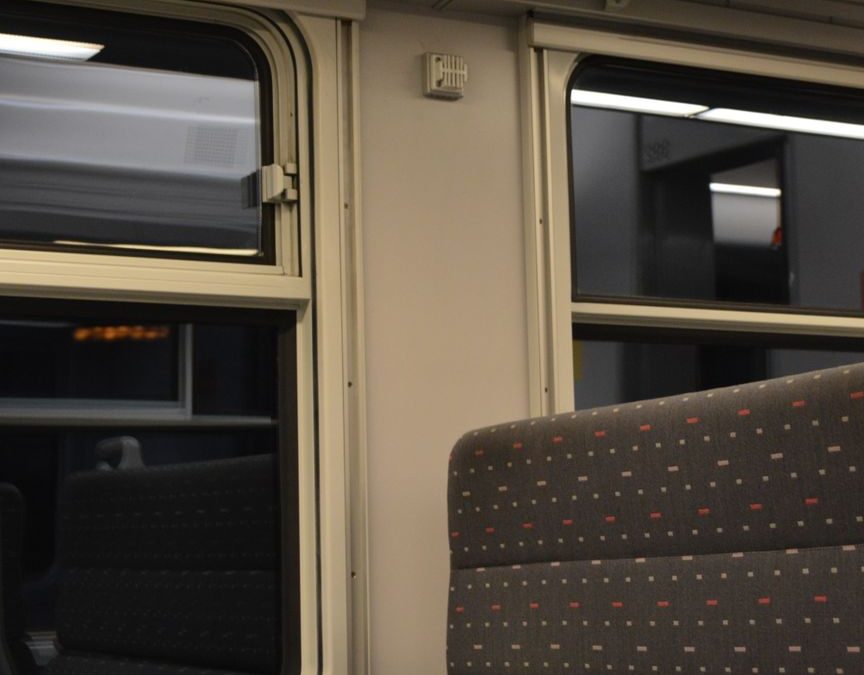
If the train offers a quiet car, choosing it can change the entire mood of a long ride. These cars are usually meant for low conversation, muted devices, and fewer phone calls, though exact rules vary by rail operator. It is not the right pick for a chatty group or parents who know their kids need space to talk and move. But for solo travelers, commuters extending a trip, or anyone hoping to nap, the quiet car can be the closest thing to buying calm.
- Who it helps: readers, business travelers, tired vacationers, and passengers sensitive to noise.
- What can go wrong: choosing it with a talkative group can create awkward reminders from other passengers.
- What to check next: confirm whether the quiet car is reserved seating, first come first served, or unavailable on your route.
The best train seat is not the same for every traveler. Before you book, decide what would bother you most: motion, noise, luggage distance, door traffic, or missing the view. Then use the seat map like a planning tool, not a formality. A two-minute check can make the next few hours feel noticeably easier.
This article was created with AI assistance and reviewed for clarity, sourcing, and editorial quality.
