
A missed sign, a bad exit, or one wrong assumption can make a short rail connection feel much harder than it should.
Train transfers often fail in boring, avoidable ways. The train is on time, the ticket is valid, and the station is open, but one small detail sends travelers to the wrong stairs, the wrong gate, or the wrong side of the concourse. These are the station mistakes worth checking before your next connection.
The Platform Number Trap
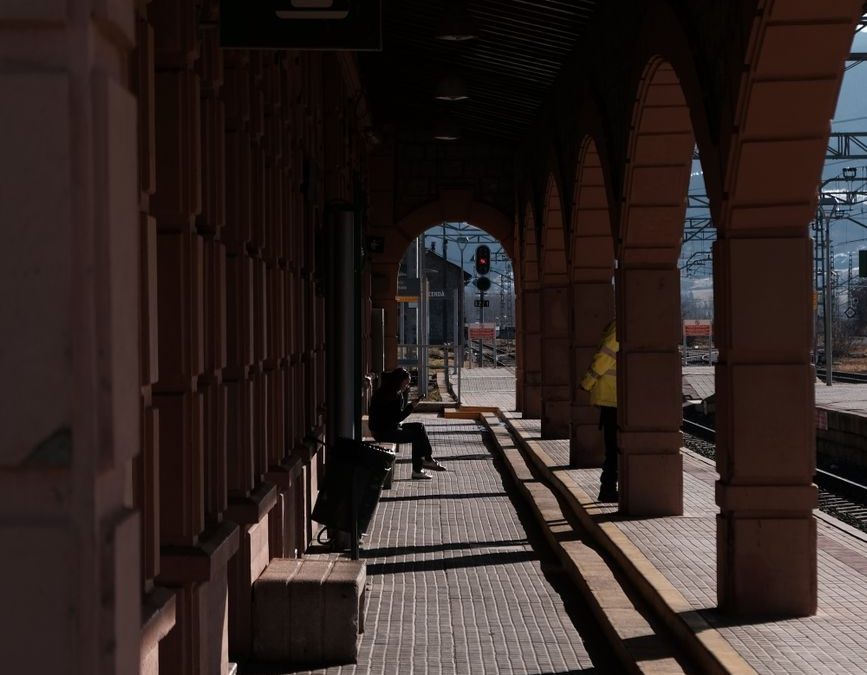
A platform number can feel like the final answer, but many stations do not post the exact track until shortly before departure. In large hubs, two platforms with similar numbers may sit in different wings, on different levels, or beyond separate ticket barriers. The mistake is walking too far too early, then having to reverse course when the board changes. This especially affects travelers with luggage, older relatives, children, or a tight onward connection.
- Check next: Look for the train number and final destination, not just the platform.
- Watch for: last-minute track changes on station boards and app alerts.
- Best move: wait near a central board until the platform is confirmed.
The Tight Ticket Window
Buying or collecting a ticket at the station can look quick until every machine has a line, a card reader fails, or the language menu slows you down. Some mobile tickets also need activation before boarding, while others require a printed pass or a seat reservation. The real risk is not the ticket price; it is losing the minutes you expected to use for finding the correct platform. This mistake hits occasional rail travelers hardest because the process varies by country, operator, and station.
- Check next: whether your ticket is mobile, printable, or machine collection only.
- Watch for: reservation requirements on longer or faster trains.
- Best move: handle ticket steps before entering the transfer station whenever possible.
The Fare Gate Re-Entry
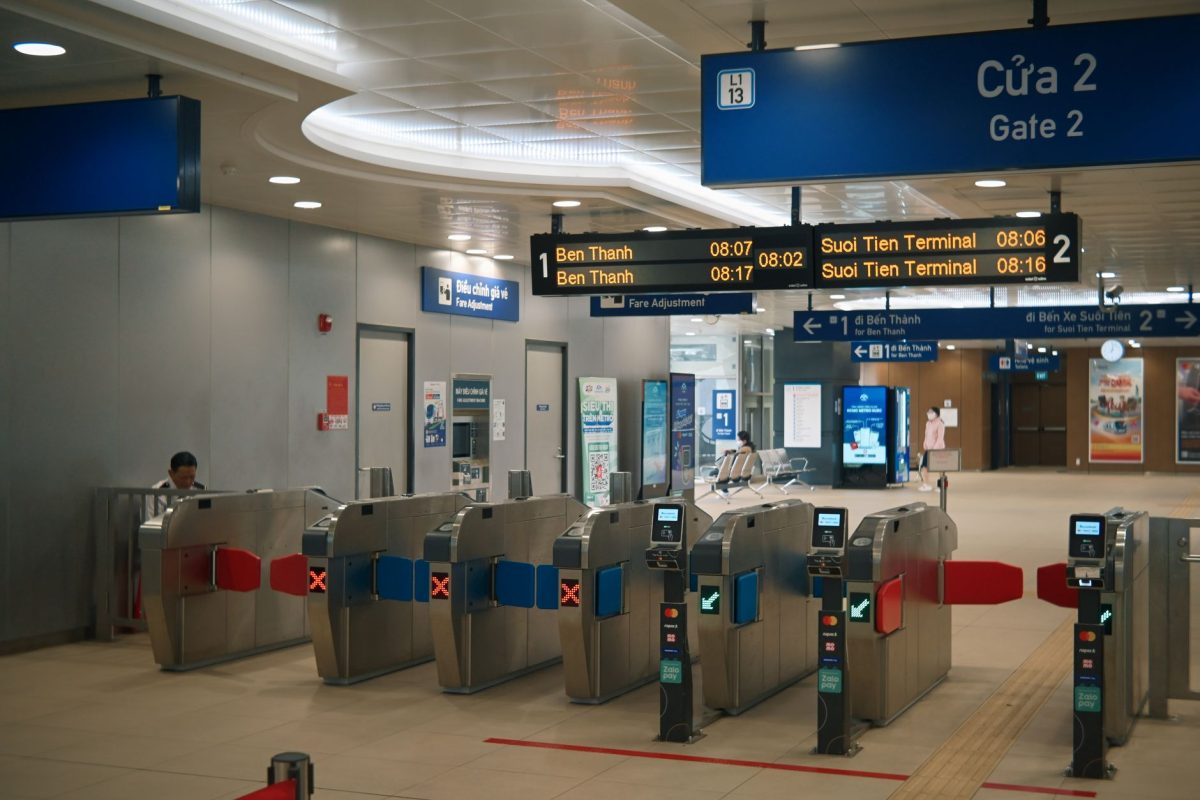
Some transfers keep you inside the paid area, while others make you exit and re-enter through fare gates. That detail can affect both time and cost. If your connection involves a nearby station, a separate rail operator, or a walking transfer through street level, the system may treat the next tap as a continuation only within a time limit. Missing that window can mean a higher fare or a confusing error at the gate. It is a small rule that matters most when you are rushing.
- Check next: whether the route requires leaving the paid area.
- Watch for: transfer time limits posted by the local transit system.
- Best move: keep your ticket, card, or phone ready before reaching the gate.
The Elevator Detour
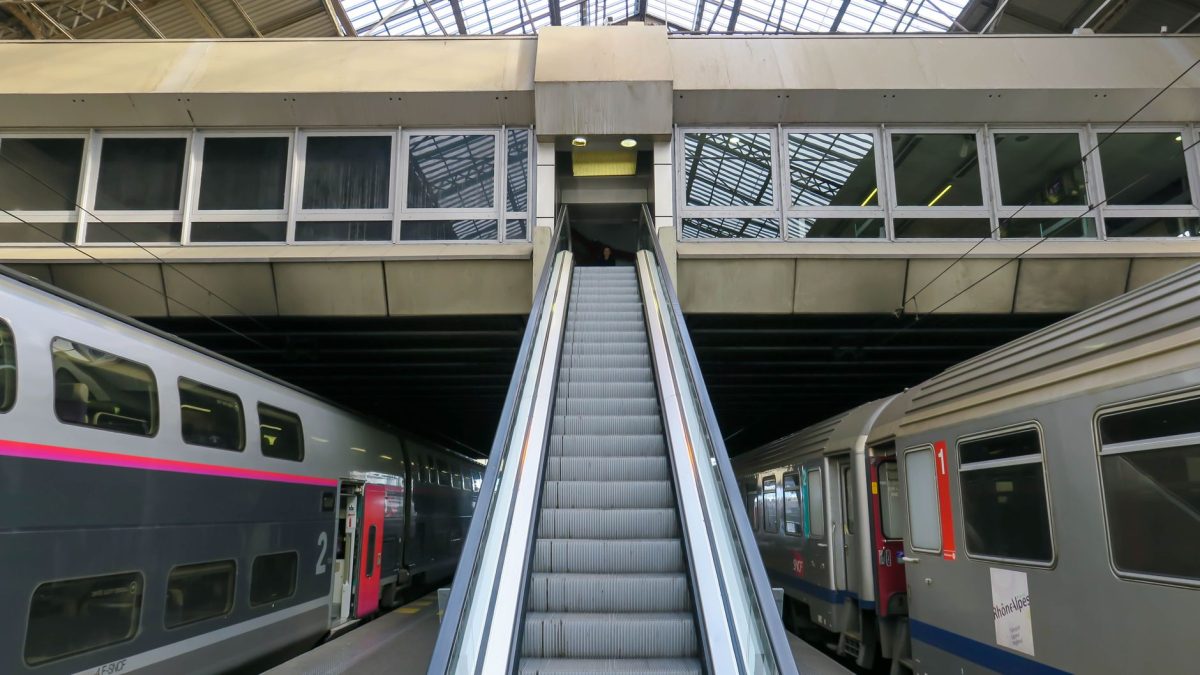
Maps often show platforms as if they are easy to reach, but stairs, broken elevators, long ramps, and crowded escalators can turn a five-minute transfer into a slow detour. This is not just a comfort issue. Heavy bags, strollers, mobility needs, and packed rush-hour platforms can all change the route you should take through the station. The fastest path for a commuter with a backpack may be the worst path for a traveler pulling two suitcases and trying not to block the stairs.
- Check next: station accessibility maps before choosing a short connection.
- Watch for: closed lifts, construction corridors, and one-way crowd control.
- Best move: allow extra time when luggage or mobility needs are part of the trip.
The Wrong Station Exit
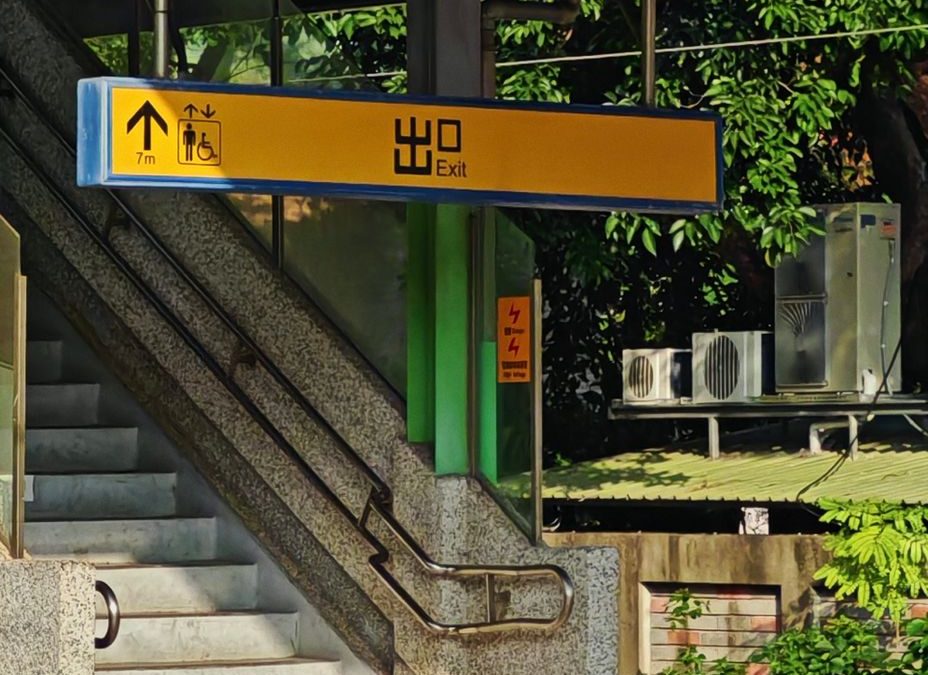
At major stations, the wrong exit can drop you several blocks from the tram stop, taxi stand, hotel shuttle, or connecting platform you actually need. The station name may be right, but the side of the building is wrong. This is a common problem in older city stations where exits lead to different streets, neighborhoods, or transport modes. It matters because backtracking through crowds can eat up the exact buffer you planned for coffee, a restroom stop, or your next departure.
- Check next: the named exit, street, or gate in your directions.
- Watch for: signs for buses, taxis, metro, and regional rail pointing different ways.
- Best move: confirm the exit before leaving the platform area.
The safest train transfer is not always the one with the shortest scheduled gap. It is the one where you know the platform logic, ticket process, gates, vertical routes, and exit before the clock starts working against you. A two-minute check can save a long walk, an extra fare, or a missed train.
This article was created with AI assistance and reviewed for clarity, sourcing, and editorial quality.
