
The ferry line often starts forming before travelers realize they have already made the slow choice.
Ferry travel looks simple from the outside: buy a ticket, join the line, roll or walk aboard. The slowdowns usually come from smaller details travelers miss until they are already boxed in by traffic cones, ticket booths, and closing gates. A few checks before arrival can mean the difference between catching the sailing you planned and watching it leave from the wrong side of the rope.
Vehicle Lane Signs
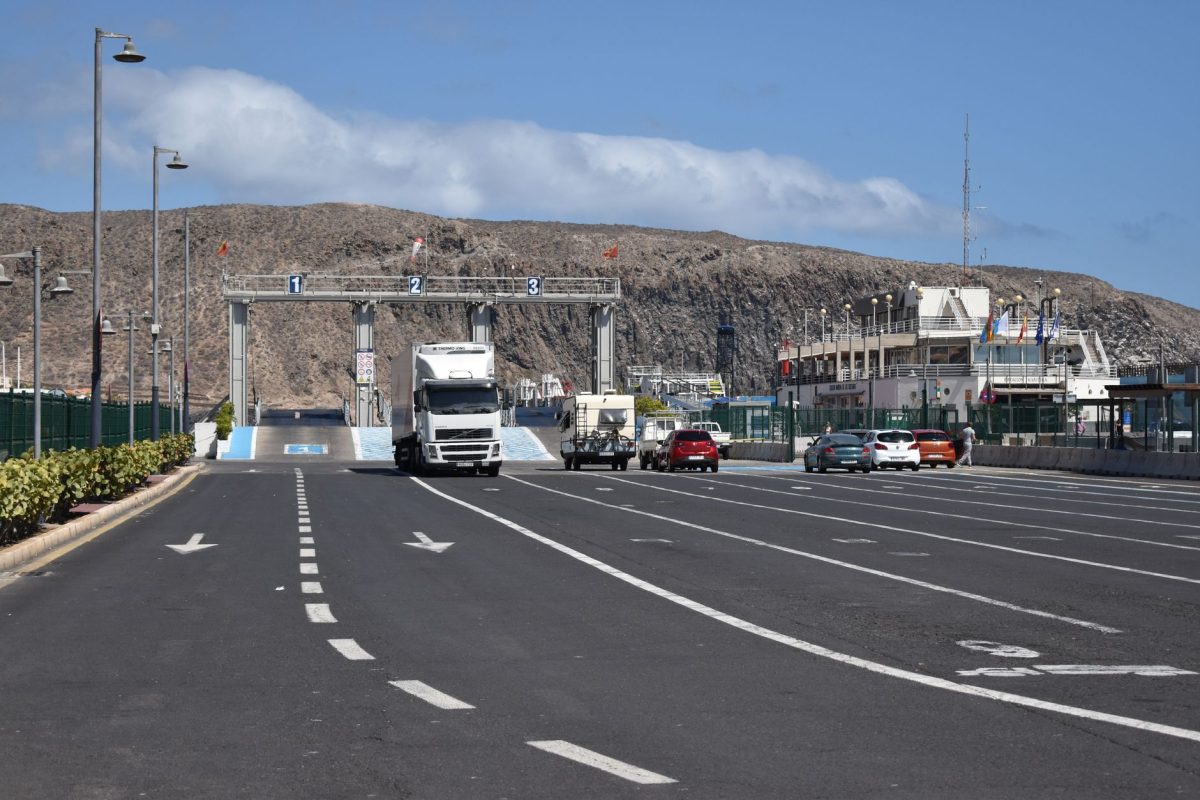
Vehicle lane signs are one of the easiest ferry details to miss because drivers often follow the car ahead instead of reading the boards. That can put a reservation holder in a standby lane, a regular car in a commercial lane, or a cashless-ticket traveler at the wrong booth. Once lanes are packed, switching may require an attendant and several minutes of awkward maneuvering.
- Check whether signs separate reservations, standby, oversized vehicles, commercial vehicles, and local traffic.
- Look for cones and pavement arrows before committing to a queue.
- If a staff member is directing traffic, confirm your destination and ticket type before rolling forward.
This helps families, road-trippers, and rental-car drivers who may not know the terminal layout. The right lane can matter as much as the right departure time.
Walk-On Passenger Gate
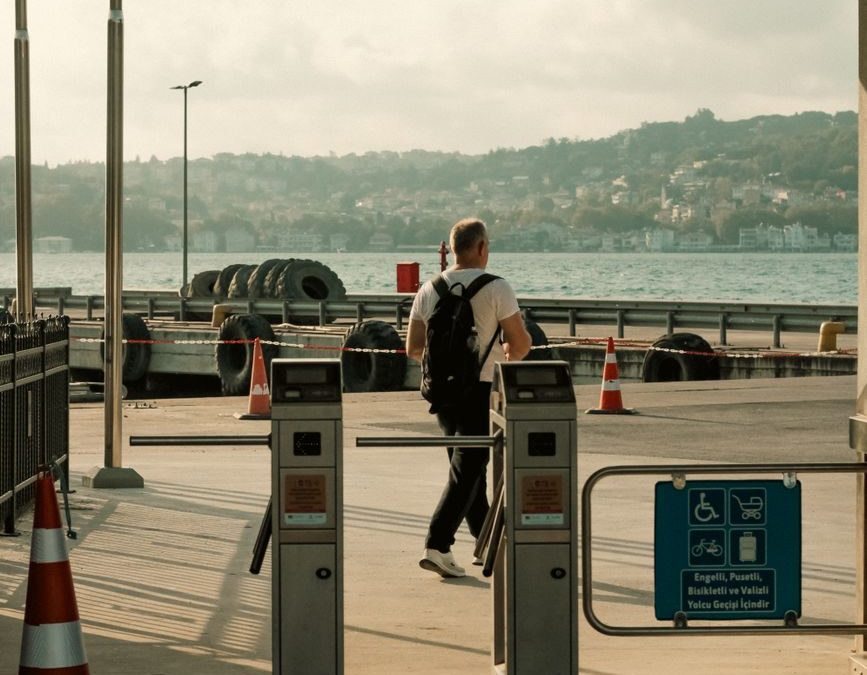
The walk-on passenger gate can be the quiet shortcut or the missed opportunity, depending on the route. Some ferries board foot passengers through a separate entrance from the vehicle queue, which means travelers without cars may not need to stand near idling traffic at all. The catch is that the pedestrian gate may close earlier than expected or sit on a different side of the terminal.
- Check whether walk-on passengers need a printed ticket, mobile ticket, or kiosk receipt.
- Find out if the gate closes before vehicle loading finishes.
- Confirm the pickup point if someone is meeting you at the other end.
This matters for day-trippers, cyclists, and travelers leaving a car in terminal parking. Choosing the walk-on route can save time, but only if you know where boarding actually begins.
Mobile Ticket QR Code
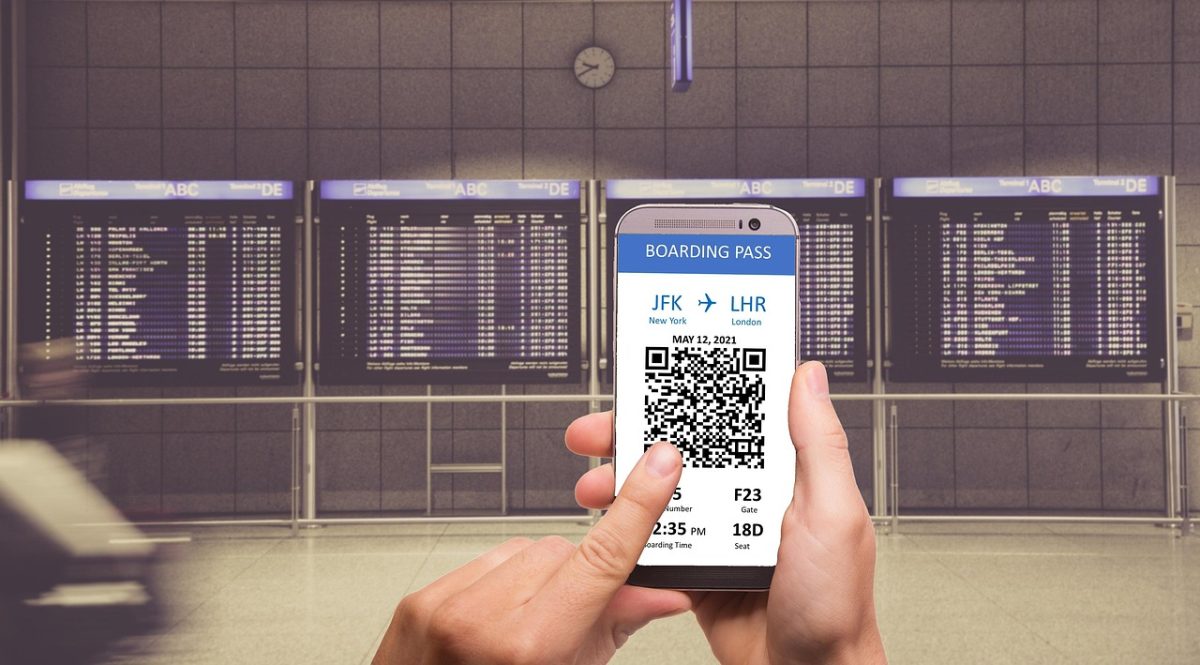
A mobile ticket QR code is convenient until weak service, a dim screen, or a dead battery turns it into the reason the line stops behind you. Ferry terminals can be windy, crowded, and spotty for reception, especially when everyone is trying to open the same confirmation email at once. The fastest travelers usually have the ticket ready before they reach the booth or scanner.
- Take a screenshot of the ticket while you still have reliable service.
- Turn up screen brightness before the scanner reads it.
- Keep tickets for all passengers in one easy-to-find place.
This helps groups and families most because one missing barcode can hold up the whole car. A saved ticket is not glamorous, but it can keep boarding from becoming a public scramble.
Oversize Vehicle Lane
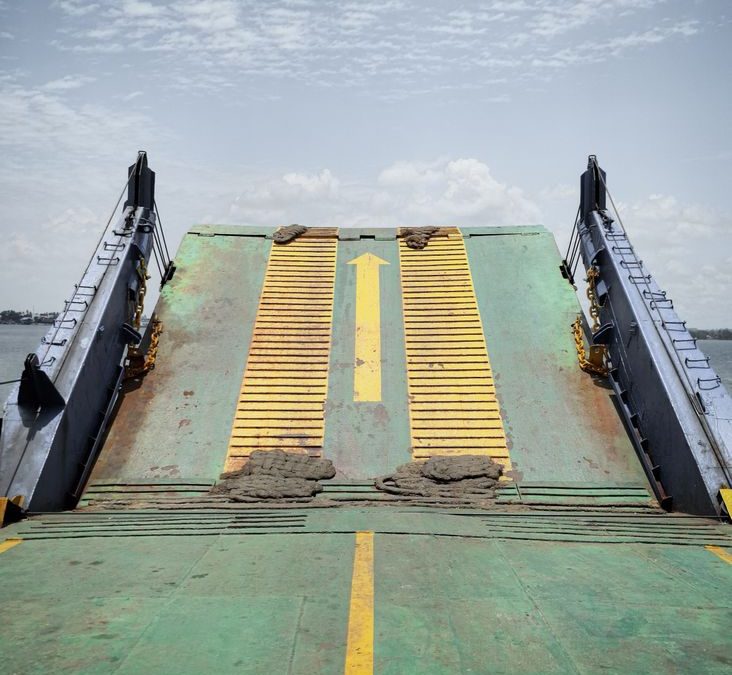
The oversize vehicle lane is not only for giant RVs. Roof boxes, bike racks, kayaks, trailers, camper vans, and even some rental SUVs with gear can change how a ferry crew loads the deck. If you arrive in the standard lane and staff later decide your vehicle needs different spacing, you may be pulled aside while smaller cars continue boarding.
- Check height, length, trailer, and roof-rack rules before buying or selecting a fare.
- Measure with cargo attached, not with the vehicle empty.
- Tell attendants about bikes, boats, or rear racks before you reach the ramp.
This detail affects vacationers carrying outdoor gear and anyone driving a vehicle they do not normally use. A few inches can decide whether you fit the planned loading pattern or wait for the next sailing.
Departure Cutoff Board
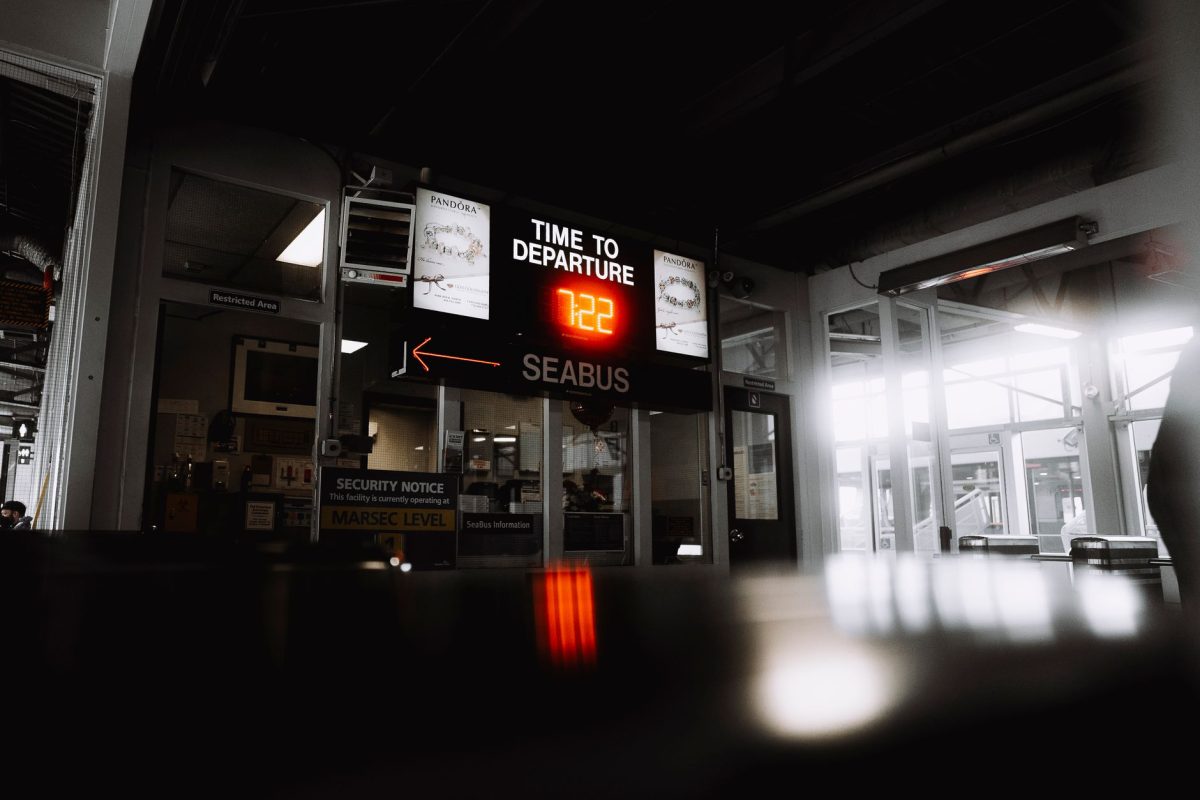
The departure cutoff board is where many travelers learn that the listed sailing time is not the same as the final boarding time. Some ferries stop accepting vehicles or walk-on passengers several minutes before departure so crews can balance the load, close gates, and clear the ramp. Arriving at the terminal at the posted departure time may mean you are already late.
- Look for wording such as final boarding, gate closes, vehicle cutoff, or last check-in.
- Check whether reservation holders lose priority after a certain time.
- Build in extra time for parking, ticket scanning, restrooms, and traffic at the terminal entrance.
This protects tight itineraries, dinner reservations, hotel check-ins, and return drives after a day trip. The most useful time on the board may be the cutoff, not the sailing.
The best ferry move is not always arriving absurdly early. It is arriving prepared for the exact line, gate, ticket, vehicle size, and cutoff that apply to your trip. Before you leave for the terminal, screenshot the ticket, confirm the lane rules, check your vehicle dimensions, and note the final boarding time. Those small checks can turn the busiest part of the day into the easiest.
This article was created with AI assistance and reviewed for clarity, sourcing, and editorial quality.
