
A front desk conversation can reveal the tiny details that decide whether your hotel stay feels smooth or frustrating.
The fastest part of a hotel stay can be the moment that matters most. At check-in, guests are usually tired, distracted, and ready to drop their bags. That is exactly when a few simple questions can prevent bad sleep, surprise charges, weak Wi-Fi, or a room that does not match the trip. These are the questions worth asking before the key card is in your hand.
The Room Location

Ask where the room sits before you accept the key. A room can be technically clean, available, and the right size while still being a poor fit for your stay. Rooms beside elevators, ice machines, vending areas, stairwells, or housekeeping closets can bring extra foot traffic and noise at the exact hours guests want quiet.
- Ask: Is this room near the elevator, ice machine, lobby, or service area?
- Check next: If you need sleep, request a quieter corridor before going upstairs.
- Who it helps: Light sleepers, families with children, and business travelers with early mornings.
The best time to switch rooms is before you unpack, not after midnight.
The Wi-Fi Signal
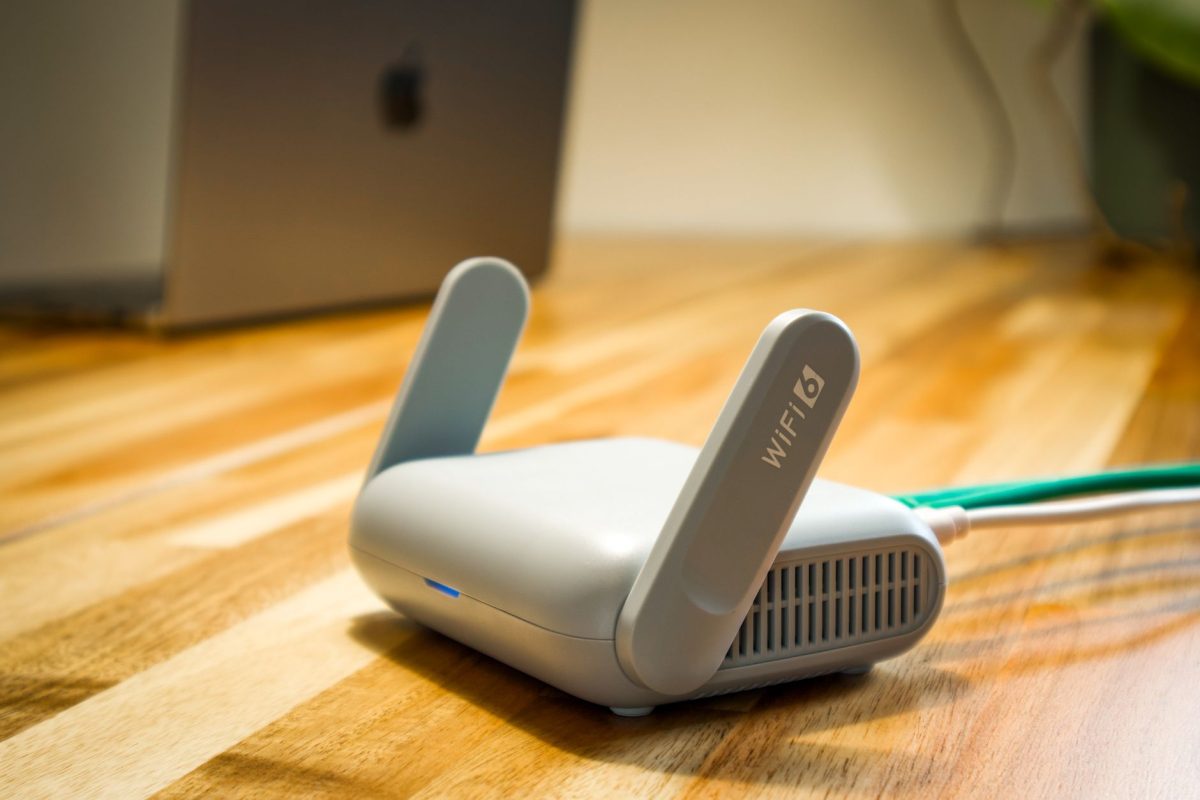
Hotel Wi-Fi can vary by floor, wing, and distance from access points. A room at the end of a hallway may feel private but still have a weaker connection than a room closer to the center of the property. If you plan to stream, work, take video calls, or use travel apps, this question is not a luxury detail.
- Ask: Is the Wi-Fi strong in this room, and is there a better area for connectivity?
- Check next: Confirm whether premium internet costs extra or is included.
- Who it helps: Remote workers, students, parents managing devices, and anyone relying on maps or bookings.
A five-second question can save an hour of troubleshooting later.
The Connecting Door
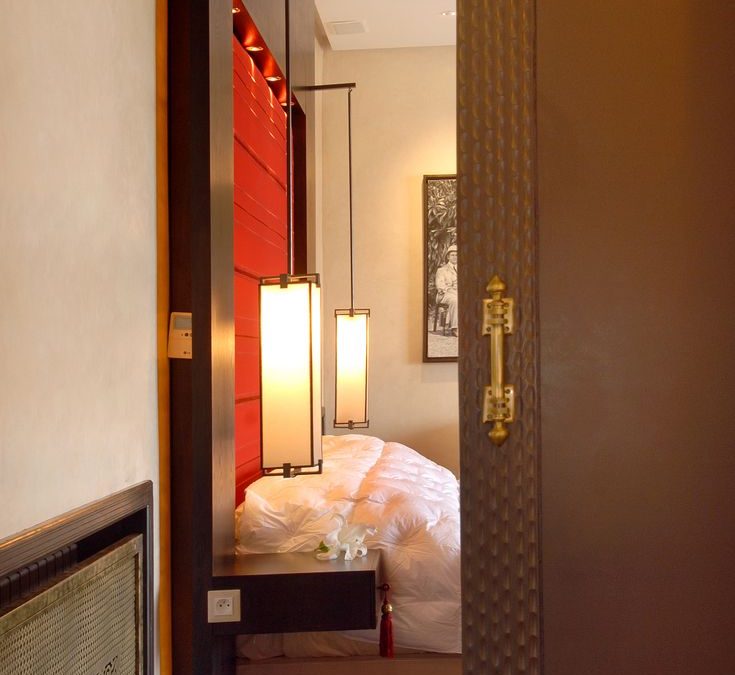
A connecting door is useful for families booking two rooms, but it can be frustrating for guests who did not ask for one. Even when locked, the extra doorway can let in more sound from the neighboring room. Televisions, conversations, crying babies, and early alarms may feel much closer than they would through a normal wall.
- Ask: Does this room have a connecting door to another room?
- Check next: If quiet matters, ask for a standard room without one.
- Who it helps: Couples, solo travelers, light sleepers, and guests staying several nights.
This is one of the easiest room details to miss until the neighbor turns on the TV.
The Renovation Floor
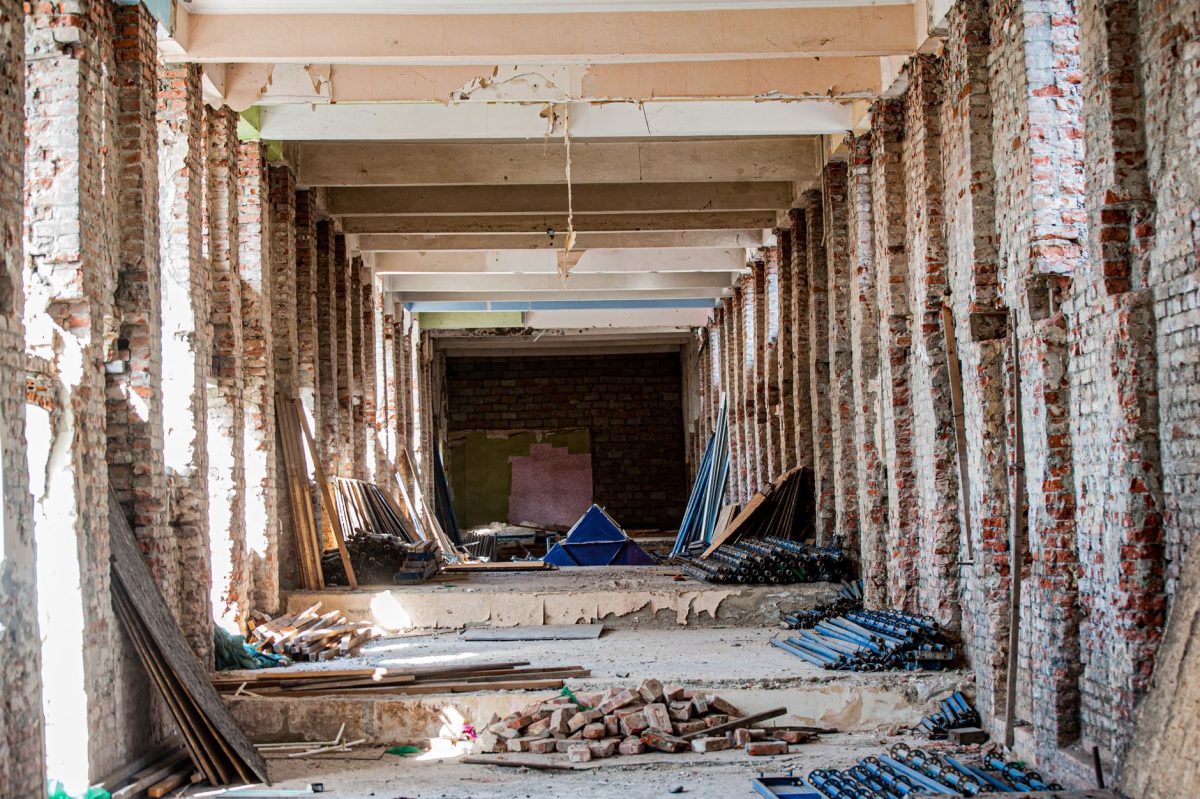
Many hotels renovate in sections rather than closing the whole property. That can mean one floor is polished and quiet while another is dealing with drills, paint smells, blocked corridors, or workers moving equipment. Guests rarely think to ask, but the answer can change which floor or wing they should accept.
- Ask: Is any renovation work happening near this room during my stay?
- Check next: Ask about work hours, elevator access, and whether breakfast or lobby areas are affected.
- Who it helps: Anyone sleeping late, traveling with pets, working from the room, or staying multiple nights.
A renovated room sounds great; a room under a renovation site does not.
The Card Hold

The nightly rate is not always the full amount your card will see at check-in. Many hotels place an incidental hold for possible charges such as minibar items, damage, room service, parking, or resort fees. That hold can reduce available credit or debit funds until it is released, which may matter during a longer trip.
- Ask: How much will be held on my card, and when is it usually released?
- Check next: Confirm parking, resort, destination, pet, and late checkout fees in writing.
- Who it helps: Budget travelers, debit card users, families, and anyone changing hotels mid-trip.
The uncomfortable surprise is not always the fee; sometimes it is the temporary hold.
Hotel check-in is not just paperwork. It is the last easy moment to adjust the stay before bags are unpacked and plans are in motion. Ask calmly, be specific, and let the front desk know what matters most: quiet, connection, cost, accessibility, or location. A better room is not always available, but a better-informed choice often is.
This article was created with AI assistance and reviewed for clarity, sourcing, and editorial quality.
