
A smooth hotel stay often comes down to tiny choices guests barely notice until the lobby line, hallway, or front desk makes them obvious.
Hotels have a way of exposing travel routines. The guest who looked organized at the airport can suddenly be digging through bags at the front desk, blocking a hallway with trays, or discovering a checkout rule too late. None of these habits are dramatic on their own, but they can make a stay feel messier than it needs to be.
The good news is that most of them are easy to fix. A little planning before arrival, a quick read of the hotel details, and a few small etiquette checks can make guests look calmer, kinder, and far more prepared.
The Lobby Suitcase Explosion
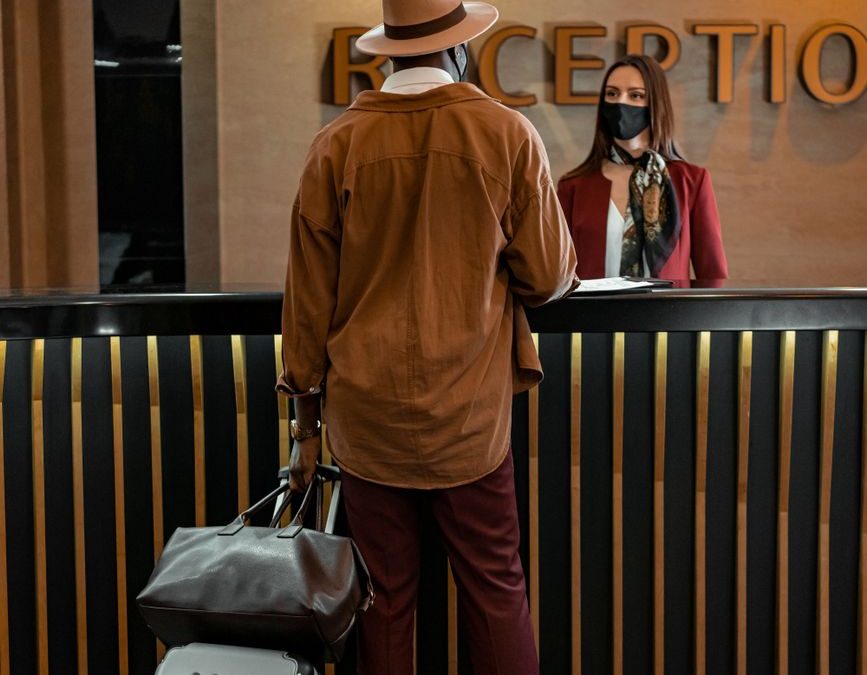
Few things make a guest look less ready than opening a suitcase in the middle of the lobby to find a charger, confirmation number, sweater, or wallet. It usually happens because the items needed on arrival were packed deep instead of kept in a small personal bag. The problem is not just appearance; it can slow down check-in, block walkways, and raise the stress level before the stay even begins.
- Keep essentials separate: ID, payment card, reservation details, medication, and phone charger should be easy to reach.
- Use one arrival pouch: A slim pouch or outer pocket prevents the frantic dig.
- Check before entering: Pause near the entrance or curb if something must be moved.
This habit affects solo travelers, families, and business guests alike because the lobby is a transition zone. Arriving with the basics at hand makes the front desk interaction faster and gives staff fewer obstacles to work around.
The Front Desk Document Scramble
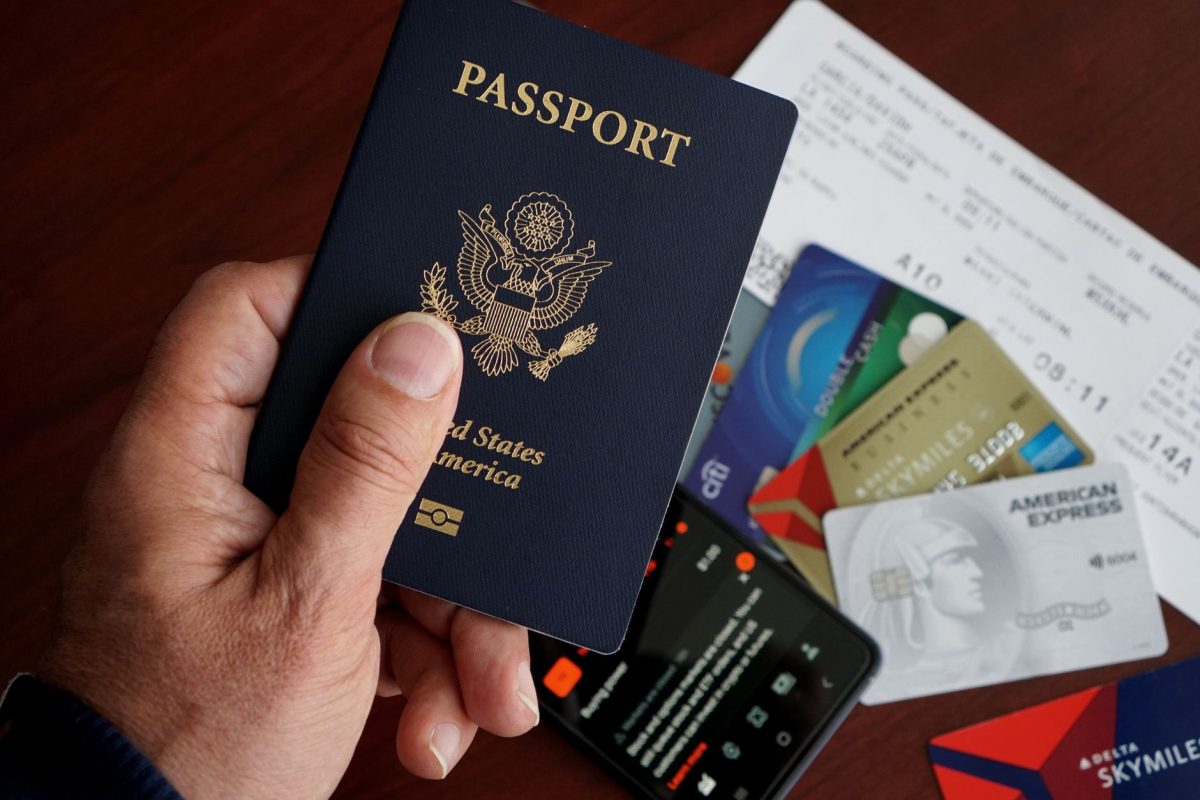
The front desk is where unprepared habits become visible fast. Guests often reach the counter without a matching ID, payment card, confirmation email, loyalty number, parking details, or the name used on the booking. Even when the issue is simple, the scramble can hold up the line and make the guest feel flustered before they have seen the room.
- Match the reservation: Know the exact name on the booking, especially for shared rooms or third-party reservations.
- Have payment ready: Many hotels need a card for incidentals even if the room was prepaid.
- Screenshot key details: Confirmation numbers and addresses should be available without reliable Wi-Fi.
This matters most during busy arrival windows, late-night check-ins, and international trips where documents may be checked more carefully. A prepared guest can still ask questions, but they are not searching for the basics while everyone waits.
The Hallway Room Service Tray
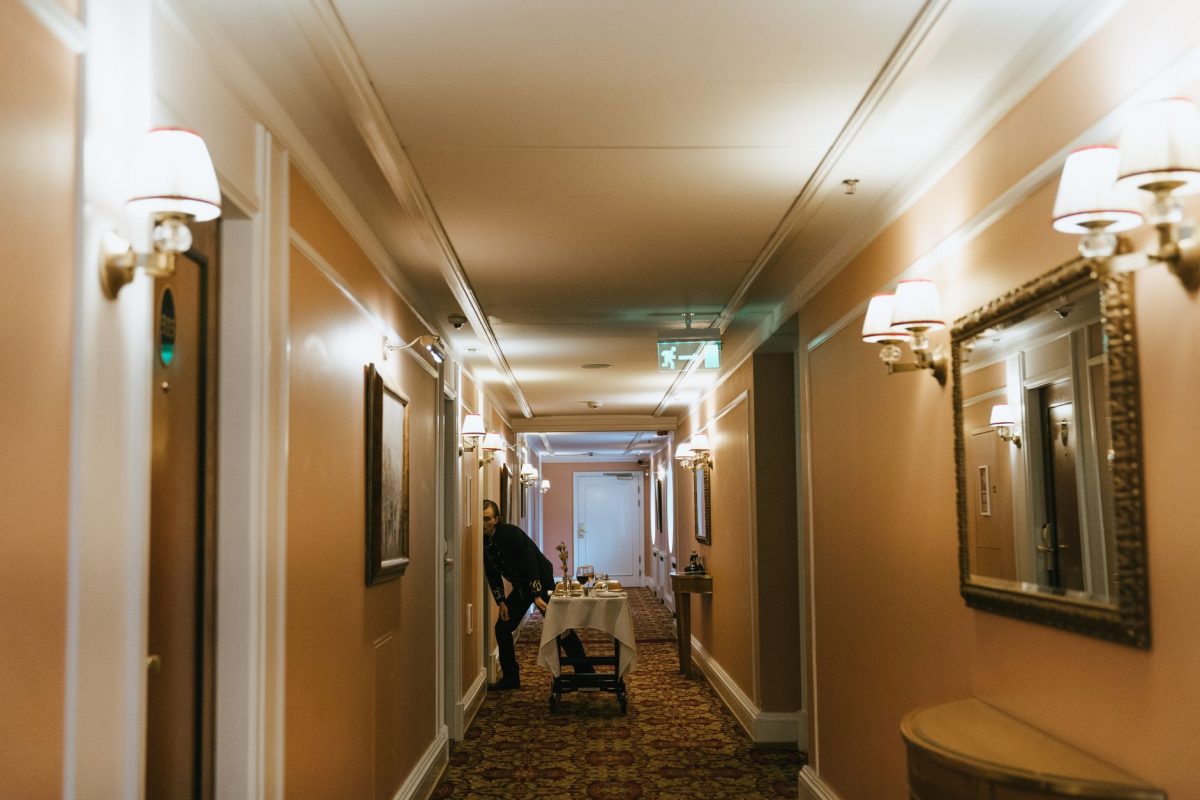
Leaving a room service tray in the hallway can seem harmless, especially if other guests have done it. But unless the hotel specifically asks guests to place trays outside, it can create odor, clutter, and a tripping risk in a narrow corridor. It also signals that the guest did not check the property’s process for pickup.
- Call before leaving it out: Room service, housekeeping, or the front desk can explain the preferred pickup method.
- Keep hallways clear: Corridors are shared space for guests, staff carts, and emergency access.
- Look for instructions: Some menus, apps, or in-room tablets tell guests exactly what to do.
This habit affects housekeeping teams and nearby rooms more than the person who ordered the food. A quick call keeps the floor cleaner and avoids turning dinner into someone else’s obstacle.
The Robe in the Lobby
A robe, swimsuit, or bare feet may feel normal near the pool, spa, or guest room, but it can look out of place in the lobby, restaurant, elevator bank, or breakfast area. The issue is not formality for its own sake. Shared hotel spaces mix families, business travelers, diners, staff, and arriving guests, so clothing that works at the pool can feel careless somewhere else.
- Pack a cover-up: A light shirt, dress, sandals, or wrap makes the walk from pool to room easier.
- Check the route: Some resorts have spa corridors, while city hotels may route everyone through the lobby.
- Plan for breakfast: Sleepwear and robes are rarely the best choice for buffet areas.
This habit matters because it can make a guest appear as if they did not understand the layout or tone of the property. A small clothing layer solves the problem without making the stay feel stiff.
The Checkout Time Surprise
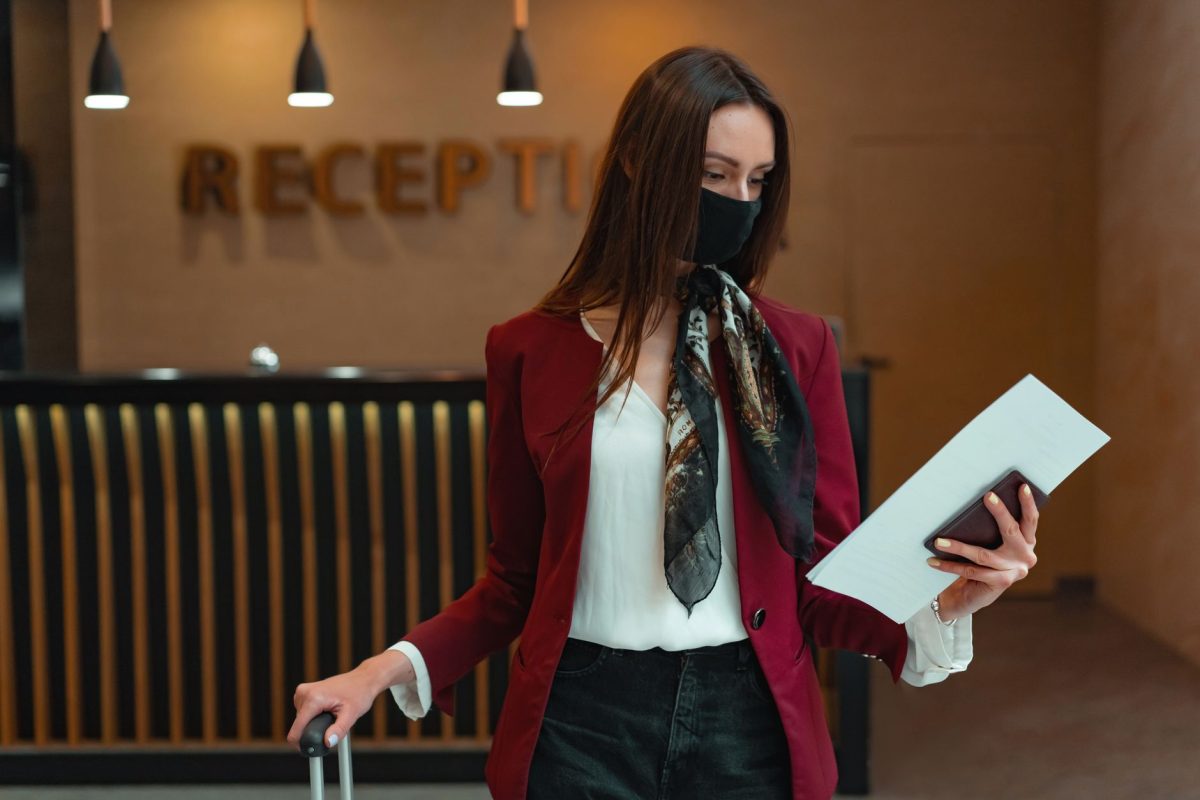
Checkout problems often start the night before, when guests assume the time, bill, parking charge, breakfast policy, or late checkout option will be obvious in the morning. Then the elevator is crowded, the front desk line is long, and a charge needs to be reviewed while transportation is waiting outside. That is when a normal departure starts to look unplanned.
- Check the bill early: Review charges through the app, TV, email, or front desk before the final rush.
- Ask about late checkout: It is not guaranteed, and availability can change by occupancy.
- Set a room sweep: Look for chargers, passports, toiletries, and items in the safe before handing over keys.
This habit affects anyone with a flight, meeting, train, or family schedule after departure. Knowing the checkout time and reviewing the bill early gives guests room to solve issues before they become lobby drama.
The most prepared hotel guests are not necessarily the ones with the fanciest luggage or the biggest travel budget. They are the ones who keep arrival essentials close, read the room and property rules, respect shared spaces, and handle checkout before time runs tight. A smoother stay often comes from small moves made ten minutes earlier.
This article was created with AI assistance and reviewed for clarity, sourcing, and editorial quality.
