
The items that feel optional at home often become the ones travelers miss first at the airport, hotel, or train station.
The most annoying packing mistakes are rarely about the big stuff. Most travelers remember shoes, passports, and chargers. The regrets start with the small items that seem too boring to pack, then suddenly matter at a gate, in a cab, or in a hotel room with one useless outlet. These five are not glamorous, but they can quietly save a trip from becoming harder than it needs to be.
Portable Charger
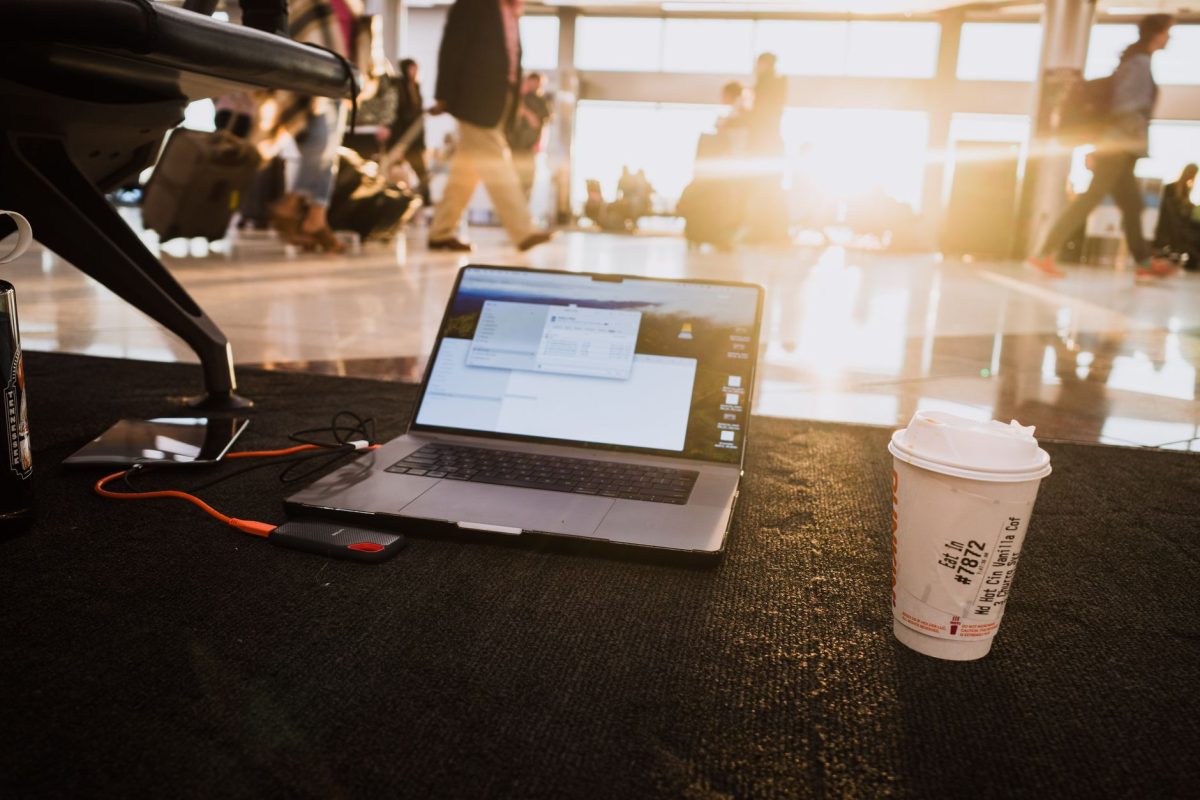
A portable charger feels unnecessary until the phone hits 12 percent. That is usually when the boarding pass, hotel address, map, rideshare app, translation tool, and family group chat are all needed at once. This helps solo travelers, parents, and anyone with a long connection because outlets are not always open, working, or near your seat. What can go wrong is simple: a delayed flight turns a half-full battery into a problem.
- Pack a charged power bank in your carry-on, not buried in checked luggage.
- Bring the correct cable for your phone and any earbuds or tablets.
- Check airline and security rules for battery size before flying.
Empty Water Bottle

An empty reusable bottle can become the cheapest comfort item in the bag. Travelers often skip it because they do not want trouble at security, then end up buying overpriced drinks or going hours without an easy refill. The key is packing it empty before screening and filling it afterward where refill stations are available. It helps on flights, bus rides, sightseeing days, and hotel nights when the nearest shop is closed.
- Choose a leak-resistant bottle that fits in a backpack pocket.
- Empty it before airport screening to avoid delays.
- Rinse it whenever possible, especially after using flavored drinks.
Medication Pouch
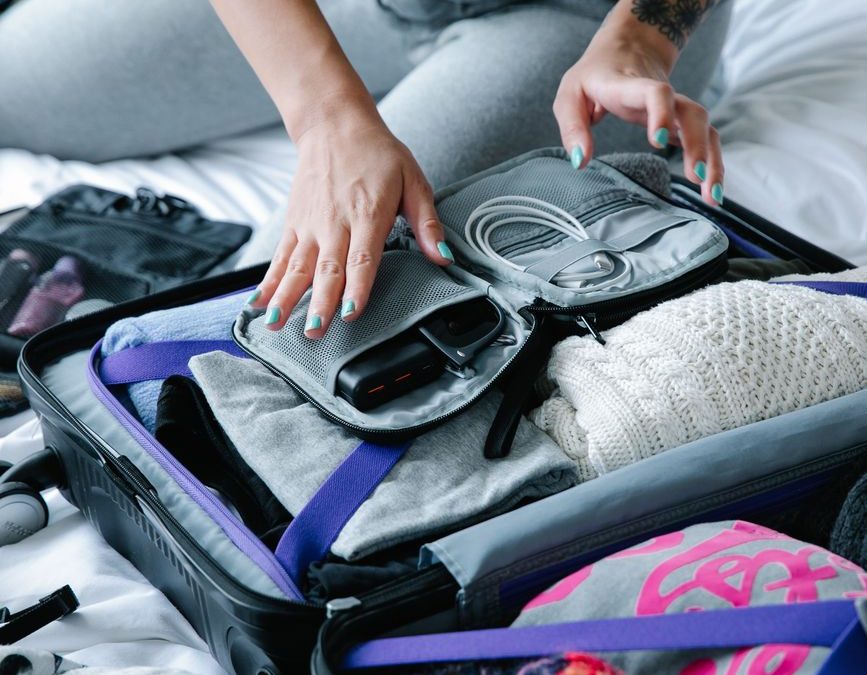
A small medication pouch is easy to forget because it is not exciting packing. The regret arrives when a headache, allergy, blister, or upset stomach interrupts a carefully planned day and the nearest store is unfamiliar, closed, or expensive. This is especially useful for travelers with routines, families with children, and anyone visiting a place where product names may differ. Pack items you already know and use, and keep personal prescriptions in a sensible, accessible place.
- Use original labels for prescription items when practical.
- Keep the pouch in a carry-on during flights and long transfers.
- Check destination rules for medications before international trips.
Universal Plug Adapter
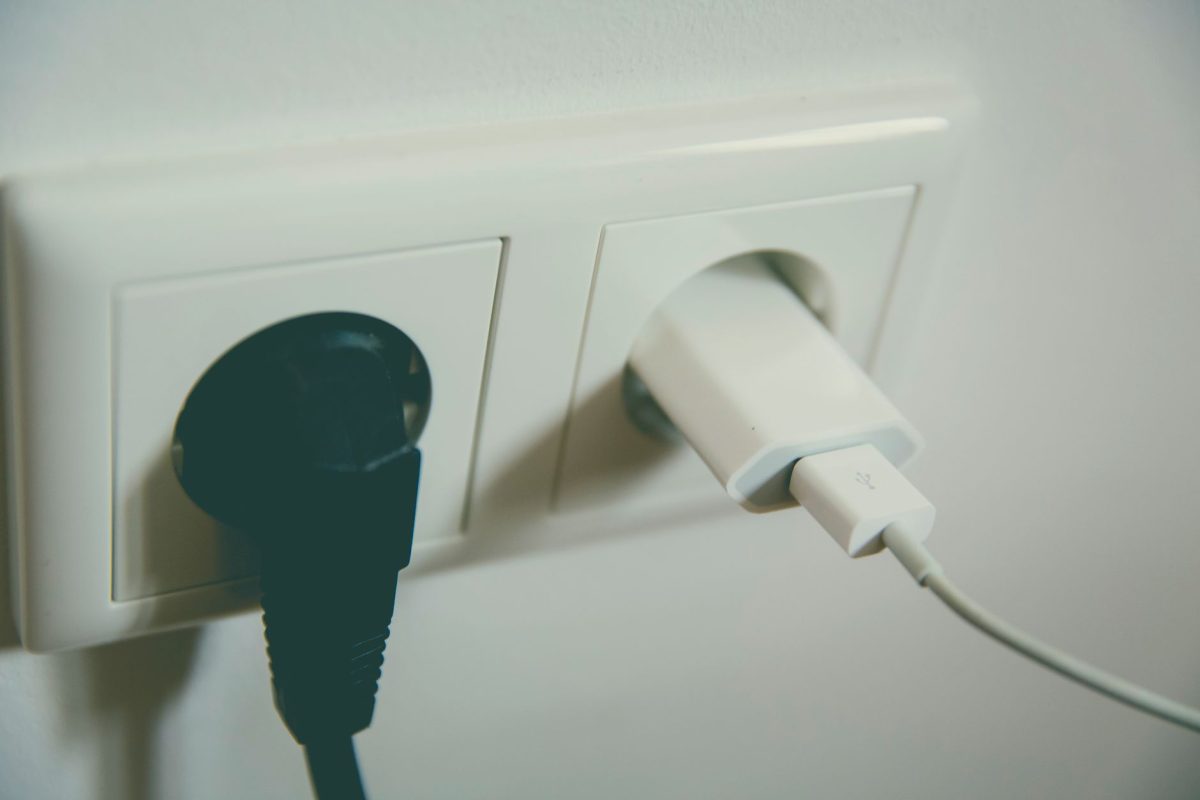
A plug adapter is the item many travelers remember only after seeing the wall outlet. International trips make this obvious, but even domestic travel can expose the limits of old hotels, cruise cabins, and rental rooms with awkwardly placed sockets. An adapter does not replace checking voltage needs for certain devices, but it can keep phones, cameras, and tablets usable. It helps business travelers, photographers, and anyone relying on digital tickets or maps.
- Check the plug type for every country on the itinerary, including layovers if needed.
- Bring a small USB hub if several devices charge overnight.
- Do not assume one hotel room will have enough convenient outlets.
TSA-Recognized Luggage Lock
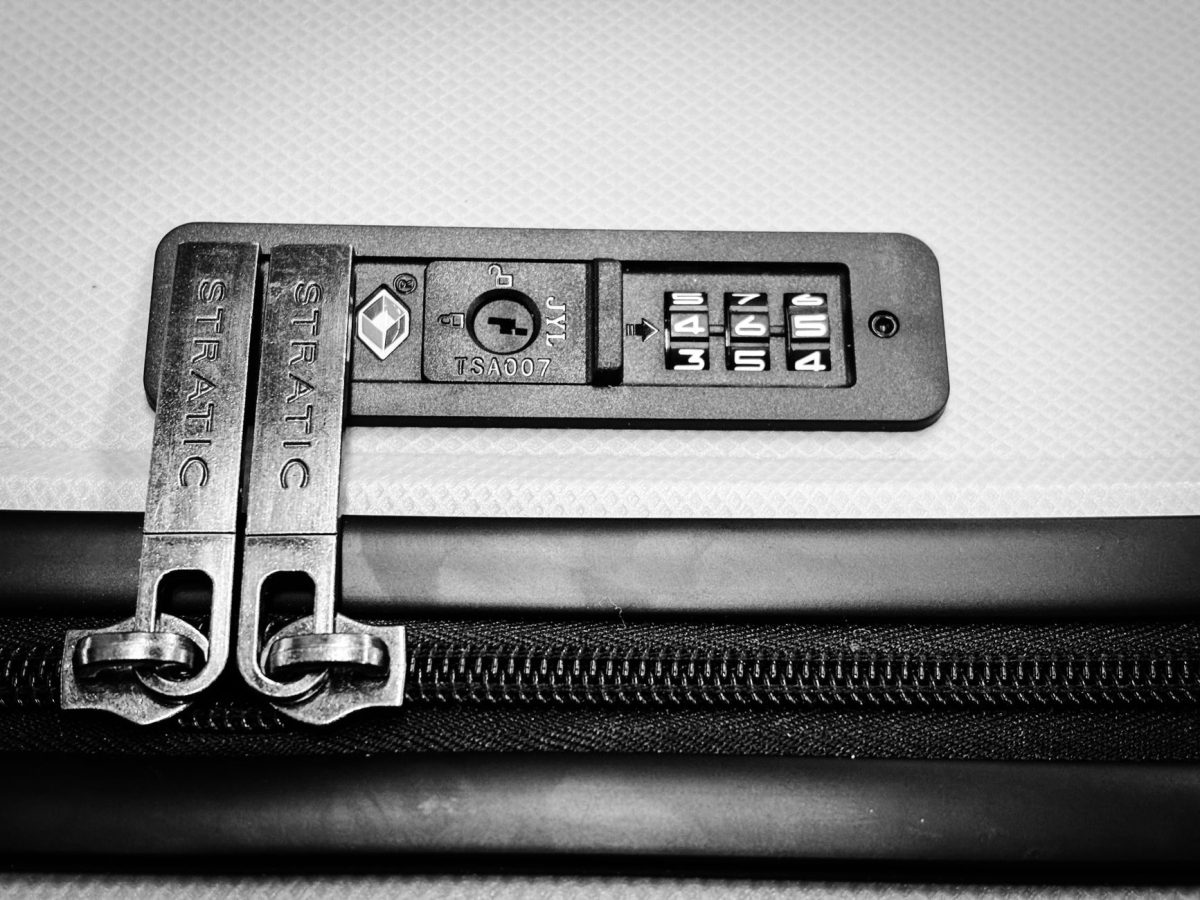
A TSA-recognized luggage lock is small, cheap, and easy to overlook until a checked bag leaves your sight. The Transportation Security Administration notes that officers may need to inspect baggage, and recognized locks are designed so they can be opened with approved tools when necessary. Ordinary locks may be cut if they cannot be opened during inspection. This matters most for checked bags, shared transfers, hotel storage rooms, and travelers carrying items they simply do not want spilling open.
- Look for packaging that says the lock is TSA recognized.
- Add a luggage tag and a contact card inside the bag.
- Do not use a lock as a reason to pack valuables in checked luggage.
The best packing list is not the longest one. It is the one that removes the most friction from the moments travelers cannot easily fix later. Before zipping the bag, check battery, water, medication, charging, and luggage security. Those five small checks can prevent some of the most common travel regrets before the trip even starts.
This article was created with AI assistance and reviewed for clarity, sourcing, and editorial quality.
