
Some places look pretty through a windshield. These five are better when you park once and let the sidewalks do the work.
A charming town can lose half its magic when every stop turns into a parking search. The best walkable escapes work differently: the views, shops, waterfronts, courtyards, and side streets sit close enough together that the trip feels richer at a slower pace.
These five towns are not car-free fantasies. You may still drive to reach them. But once you arrive, the smartest move is often to stash the keys, wear comfortable shoes, and let the small details come to you.
Savannah Historic District

Savannah is built for wandering because its historic district is stitched together by leafy squares, shaded sidewalks, and blocks where the next pretty view is usually closer than the next parking spot. Driving through can make the city feel like a sequence of one-way streets and quick glimpses. Walking turns it into a slow reveal of iron balconies, garden gates, brick lanes, and quiet corners.
- Why it works: The squares break up the route and give walkers natural pauses.
- Who it helps: First-time visitors, couples, history fans, and anyone who likes browsing without a strict plan.
- Check next: Summer heat can be intense, so start early and plan shade breaks.
Best move: Park once near the historic district and build your day around short loops rather than long crossings.
Annapolis City Dock

Annapolis rewards the person who gets out of the car and follows the waterfront on foot. Around City Dock, the appeal is packed tightly: sailboats, brick streets, old storefronts, taverns, and views that change every few steps. By car, the narrow streets can feel more like a puzzle than a pleasure, especially when traffic bunches up near the water.
- Why it works: The harbor, shopping streets, and historic core sit close together.
- Who it helps: Day-trippers, sailing fans, families, and visitors who want a compact itinerary.
- What can go wrong: Weekend parking can eat into your visit if you do not plan ahead.
Best move: Use a garage or outer lot, then let Main Street and the dock guide the afternoon.
Portland Old Port
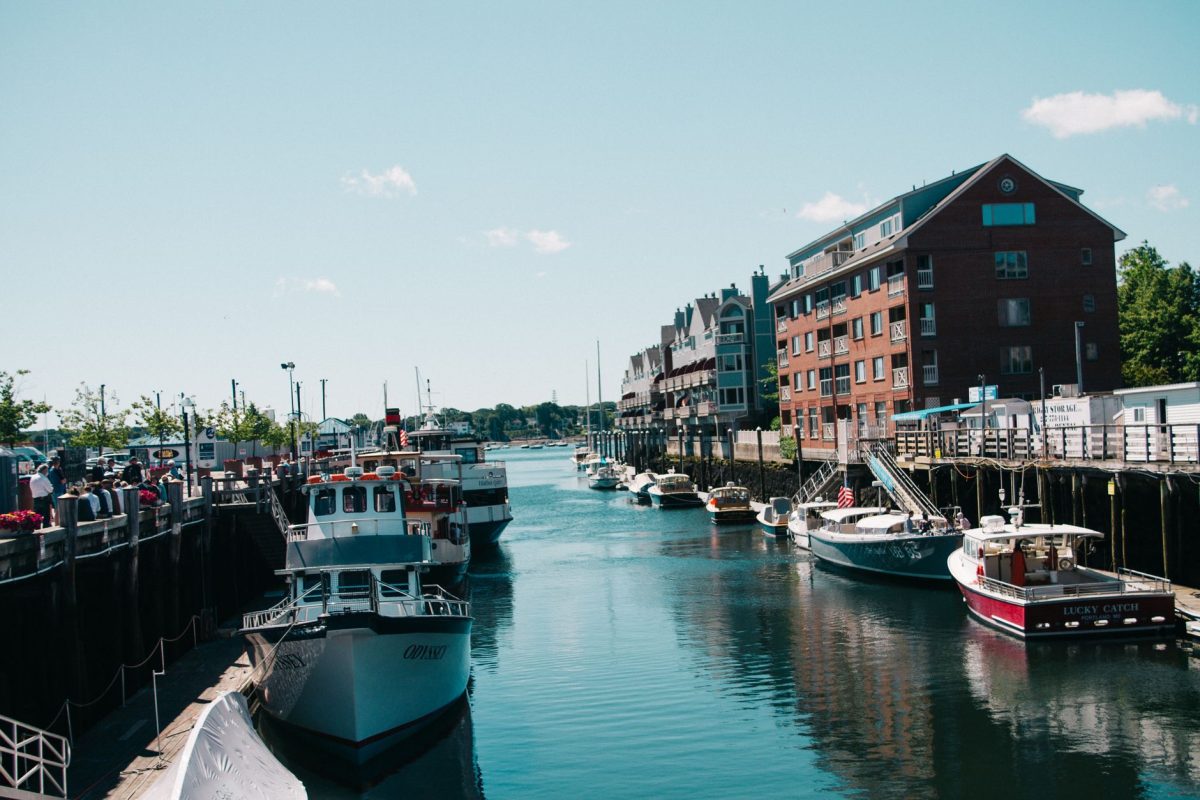
Portland, Maine has plenty to explore by car outside the center, but the Old Port is a place where the better trip happens at shoe level. Its cobblestone streets, brick warehouses, seafood spots, galleries, and harbor edges are clustered close enough that driving between them feels unnecessary. Walking also makes it easier to notice the mix of working waterfront grit and polished weekend energy.
- Why it works: Food, shops, water views, and historic streets are packed into a compact area.
- Who it helps: Food travelers, photographers, couples, and anyone planning a relaxed coastal stop.
- Check next: Cobblestones can be uneven, so comfortable shoes matter more than cute ones.
Best move: Save the car for lighthouse detours and keep the Old Port itself on foot.
Eureka Springs Hillside Streets
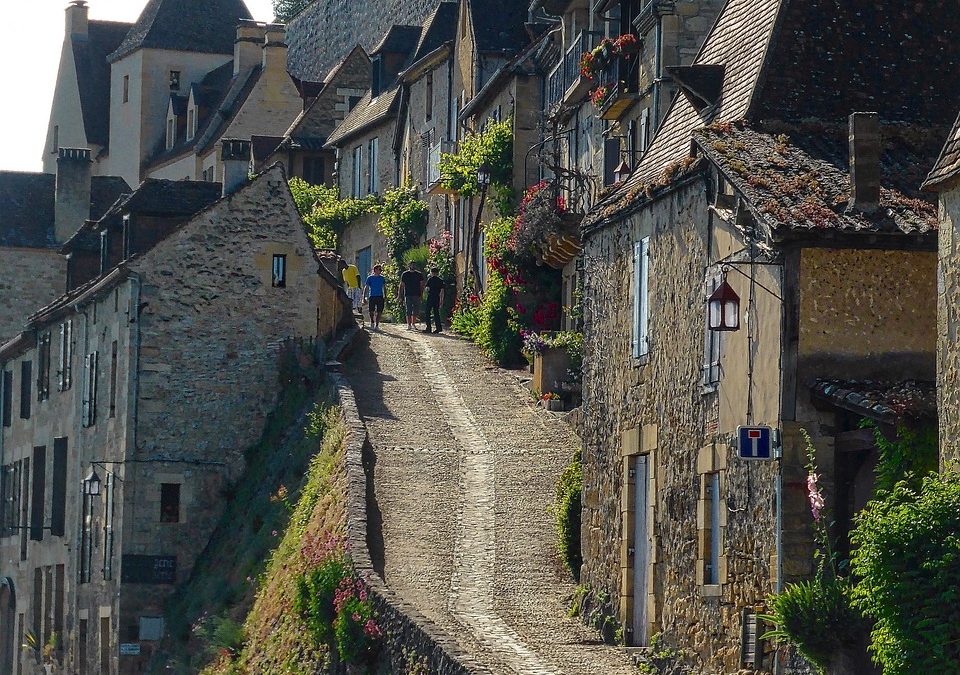
Eureka Springs is one of those towns where the geography is part of the personality. Streets twist, stairways connect odd levels, and Victorian buildings seem tucked into the Ozark hillside. Driving can get you to the area, but it does not explain the place very well. Walking lets you understand how the town stacks, curves, and surprises visitors with unexpected storefronts and overlooks.
- Why it works: The hills create short but memorable routes with lots of visual payoff.
- Who it helps: Curious walkers, architecture fans, weekend couples, and travelers who enjoy quirky downtowns.
- What can go wrong: The grades can be tiring, so pace the route and check accessibility needs.
Best move: Treat the hills as part of the attraction, not an obstacle to rush past.
Coronado Village

Coronado often looks like a beach escape, but its village rhythm is what makes it especially friendly on foot. Shops, cafes, tidy streets, beach access, and bay views are close enough that a car can feel like extra luggage once you are there. Walking or biking also keeps the pace in line with the setting: sunny, low-key, and built around small discoveries rather than big transfers.
- Why it works: The village core, shoreline, and classic resort views are easy to link without constant driving.
- Who it helps: Families, beach walkers, cyclists, and San Diego visitors looking for a slower side trip.
- Check next: Peak beach days can make parking tight, so arriving early helps.
Best move: Park once, then split your time between Orange Avenue, the beach, and the bayfront.
The trick with walkable towns is not avoiding cars completely. It is knowing when the car has done its job. In these places, the best moments tend to happen between the official stops: a shaded square, a harbor bench, a crooked staircase, a cobblestone corner, or a beach-town block you almost drove past.
Before you go, check parking options, weather, hilliness, and walking distance between your must-see stops. Then leave space for the detours. That is usually where these towns start to feel like more than a pretty address.
This article was created with AI assistance and reviewed for clarity, sourcing, and editorial quality.
