
Retirement used to mean staying put. A house, a routine, maybe a warmer zip code. That calculus has shifted. In 2026, a stronger dollar against several major currencies, improved international healthcare access, and remote pension management tools have made living abroad genuinely practical for millions of Americans.
These seven cities are not just affordable. They offer something harder to quantify: a daily life that feels worth showing up for.
1. Lisbon, Portugal

Lisbon keeps showing up on these lists because it keeps earning it. The city offers a Non-Habitual Resident tax regime that benefits foreign pensioners, reliable public transit, and an international airport with direct U.S. routes.
Healthcare quality is high by European standards, and English is widely spoken in most neighborhoods. Príncipe Real and Cascais are popular choices for retirees who want a slower pace without giving up access to culture and restaurants.
2. Medellín, Colombia

Once defined entirely by its troubled past, Medellín has spent two decades rebuilding its reputation, and the results are hard to argue with. The city sits at about 5,000 feet elevation, which gives it what locals call “eternal spring,” averaging around 72 degrees Fahrenheit year-round. Cost of living is low.
A retiree can live comfortably on $1,500 to $2,000 per month, including rent in neighborhoods like El Poblado or Laureles. Colombia’s pensionado visa program is straightforward for Americans with documented retirement income.
3. Chiang Mai, Thailand

Southeast Asia has drawn retirees for decades, but Chiang Mai holds up better than most alternatives as a long-term base. It has a well-developed expat infrastructure, excellent private hospitals, and a food scene that makes eating out three times a day feel reasonable on any budget.
Thailand’s retirement visa requires proof of income or a deposit in a Thai bank. The city’s size, around 1.5 million people in the metro area, means it offers genuine amenities without the chaos of Bangkok.
4. Valencia, Spain

Madrid and Barcelona get more attention, but Valencia makes more sense for retirees on a practical level. Housing costs are noticeably lower than the two larger Spanish cities. The city sits on the Mediterranean coast, has a functioning metro, and hosts a large international community.
Spain’s Non-Lucrative Visa allows retirees to reside with proof of sufficient passive income, typically around $2,500 per month. The public healthcare system extends to legal residents, which matters considerably over a multi-year retirement.
5. George Town, Malaysia
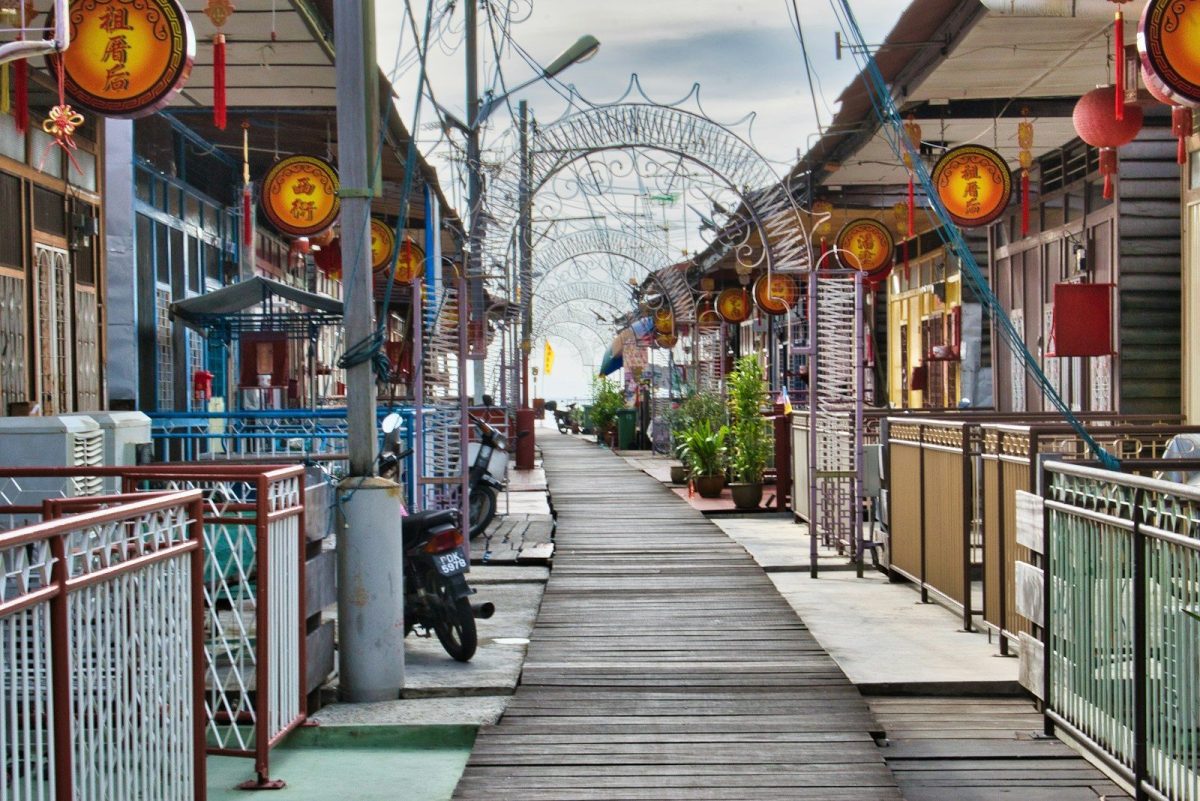
George Town, on the island of Penang, has a UNESCO-designated historic core, strong English-language proficiency across generations, and one of the most respected private healthcare systems in Southeast Asia.
Malaysia’s MM2H (Malaysia My Second Home) program was restructured in recent years and is now more selective, but it remains accessible for retirees with documented assets. The food culture here is genuinely exceptional, blending Malay, Chinese, and Indian influences in ways that have made Penang famous far beyond its size.
6. Porto, Portugal

A second Portuguese entry, because the country has earned it. Porto attracts retirees who find Lisbon too busy or too expensive. The city is smaller, grittier in places, and more authentically Portuguese in character. Real estate remains below Lisbon prices, though the gap has narrowed.
The Douro Valley wine country sits less than an hour east by car. Internet infrastructure across Portugal has improved dramatically, which matters for retirees managing finances or staying connected to family back home.
7. Oaxaca, Mexico
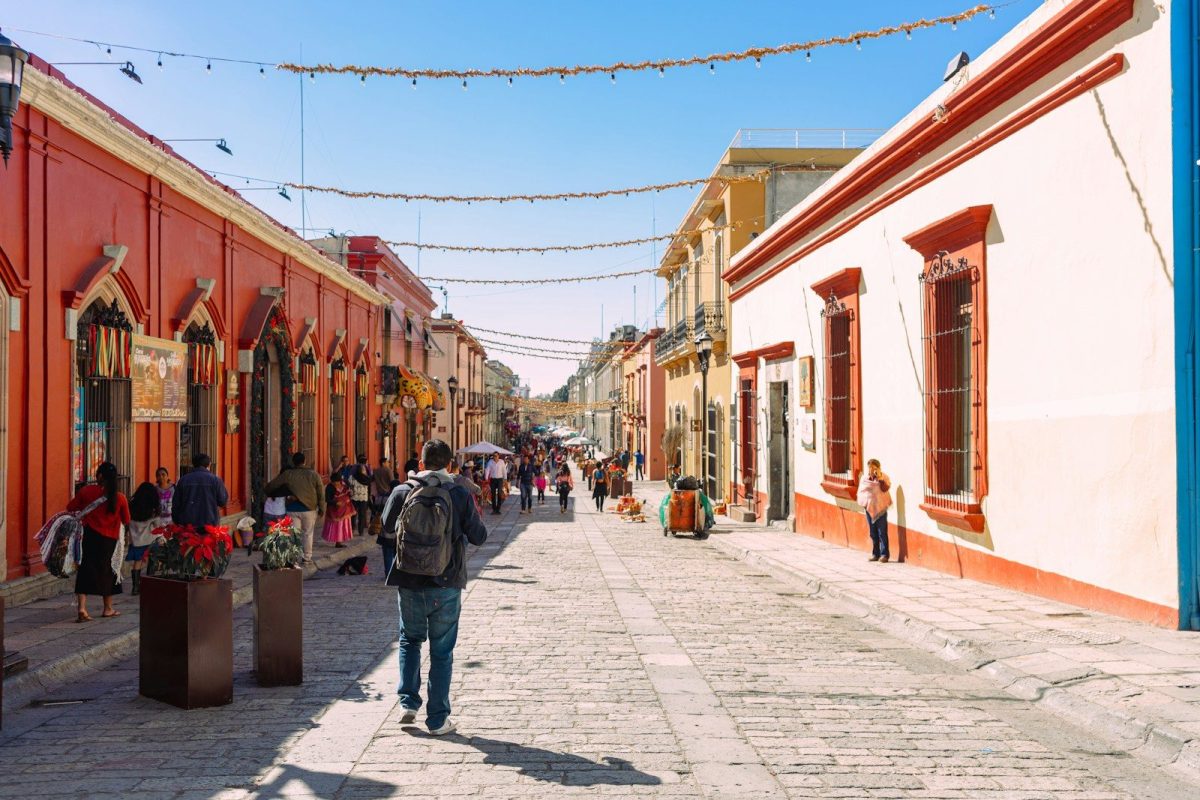
Mexico tends to get reduced to Los Cabos or Puerto Vallarta in retirement conversations, which does a disservice to Oaxaca. The city is at altitude, roughly 5,000 feet, which moderates the heat. It has a serious arts scene, extraordinary food, and a growing community of American and Canadian retirees.
Healthcare costs are a fraction of U.S. prices. Temporary resident status is achievable with proof of monthly income around $1,600, and permanent residency follows after four years.
A Note on Healthcare

Every city on this list has access to quality private healthcare at costs far below the American average. That gap is real and consequential.
A specialist visit in Medellín or George Town often runs $30 to $60 out of pocket. International health insurance plans designed for expat retirees typically cost between $150 and $400 per month depending on age and coverage level. Researching country-specific coverage before relocating is essential, particularly for retirees managing chronic conditions.
What Actually Makes the Difference

None of these cities are perfect. Visa rules change. Infrastructure varies by neighborhood. Language barriers exist in some places more than others.
What separates a successful retirement abroad from a frustrating one usually comes down to preparation: visiting before committing, connecting with local expat communities online, and understanding the tax implications of living outside the U.S. while drawing Social Security or pension income. The cities listed here have track records. The rest is research.
