
Retirement is supposed to be the reward. Pack up, sell the house, move somewhere warm or cheap or peaceful, and finally exhale. Millions of Americans do exactly that every year. Some land perfectly. Others, a few years in, start doing the math and wondering what went wrong.
The states on this list are not bad places to live. Some are genuinely beautiful. But beauty does not pay property taxes, and scenery does not fix a broken health care system. Retirees have been vocal on forums, in surveys, and in interviews about which moves they wish they had thought through more carefully. These eight states keep coming up.
1. Florida
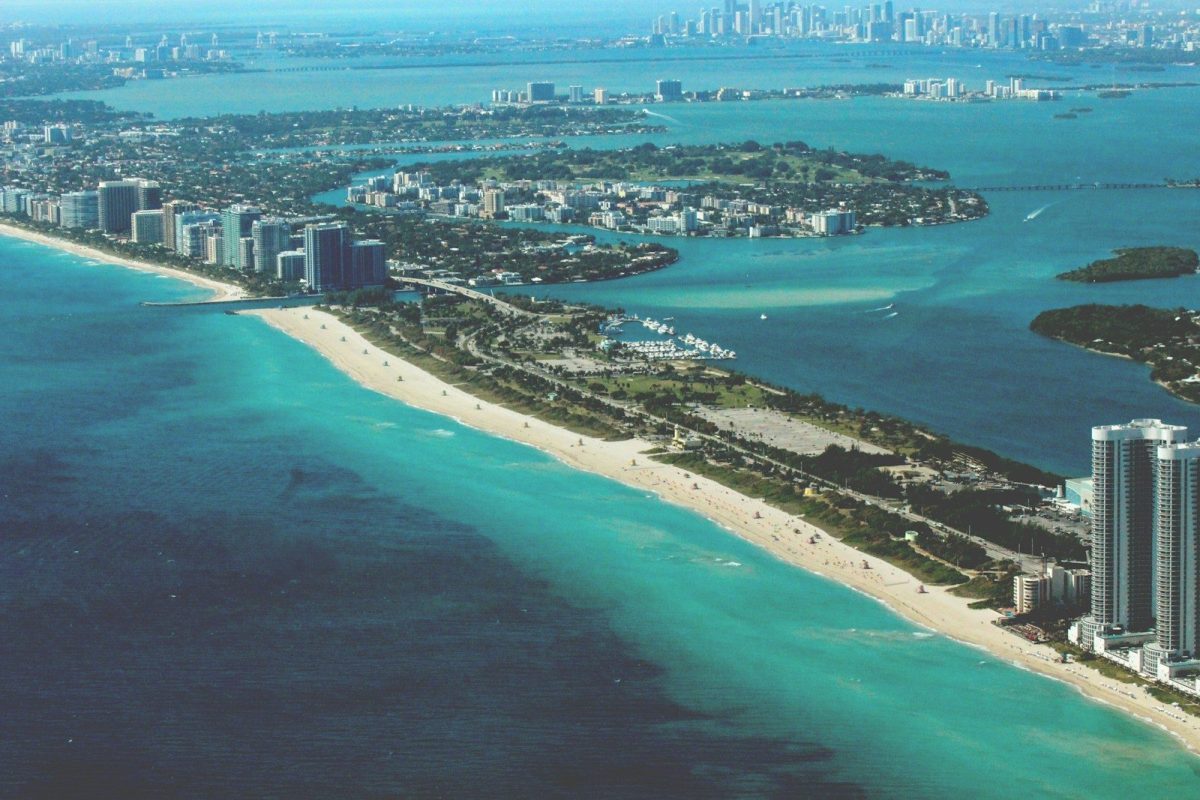
Florida has been the default retirement destination for so long that questioning it almost feels contrarian. But the complaints have gotten louder. Home insurance costs have exploded since the mid-2020s, with many retirees in coastal counties paying $6,000 to $10,000 annually for coverage, if they can get it at all. Some insurers have pulled out of the state entirely.
Then there is the heat. Climate patterns have pushed Florida summers into genuinely brutal territory, with heat index readings above 110°F becoming routine from June through September. Retirees who moved for the sunshine sometimes find themselves trapped indoors for months. And hurricane season, once a manageable concern, now carries more financial and physical risk than many budgeted for.
2. Arizona

Phoenix and Scottsdale attracted a massive wave of retirees throughout the 2010s and early 2020s. The dry heat was supposed to be easier on aging joints. The golf courses are world-class. The cost of living, at least compared to California, seemed reasonable.
The water situation has changed the calculus. The Colorado River has continued shrinking, and water restrictions in Arizona have tightened. Some communities have faced genuine supply concerns. Property taxes have also crept up as the state’s population boomed. Retirees on fixed incomes who bought in expecting stable costs have sometimes found the ground shifting under them, literally and figuratively.
3. California

California shows up on this list not because retirees regret the state itself, but because the finances tend to catch people off guard. State income tax is among the highest in the country. Social Security is not taxed at the state level, which helps, but pensions and retirement account distributions are fully taxable. A retiree pulling $80,000 a year from a 401(k) will feel that.
The cost of housing, even in smaller inland cities, has remained stubbornly high. Health care costs follow. Retirees who moved to be near family often find that the joy of proximity does not fully offset the financial strain.
4. New Mexico

New Mexico tends to surprise people on this list because it is not an obvious choice in the first place. But it has marketed itself aggressively as an affordable retirement destination, and it worked. The problem is that property crime rates in several New Mexico cities, including Albuquerque, rank among the highest in the country. Car thefts in particular have been a persistent problem. Some retirees who relocated for the low cost of living ended up spending significantly on security systems, storage units, or vehicles after thefts.
The health care access in rural parts of the state is also limited. For retirees who need specialist care, distances to quality facilities can be substantial.
5. Nevada

Las Vegas attracts retirees with no state income tax and relatively affordable housing, especially compared to neighboring California. But the desert climate is more punishing than many people expect, and Las Vegas in particular is one of the fastest-warming cities in the country. Summers regularly exceed 115°F now.
Water costs money in the desert, and so does cooling a home. Electric bills in Nevada summers can run $300 to $500 a month for a modest house. Retirees also mention that the entertainment-focused culture of Las Vegas wears thin as a daily living environment. It is an exceptional place to visit. Living there is a different experience.
6. Texas
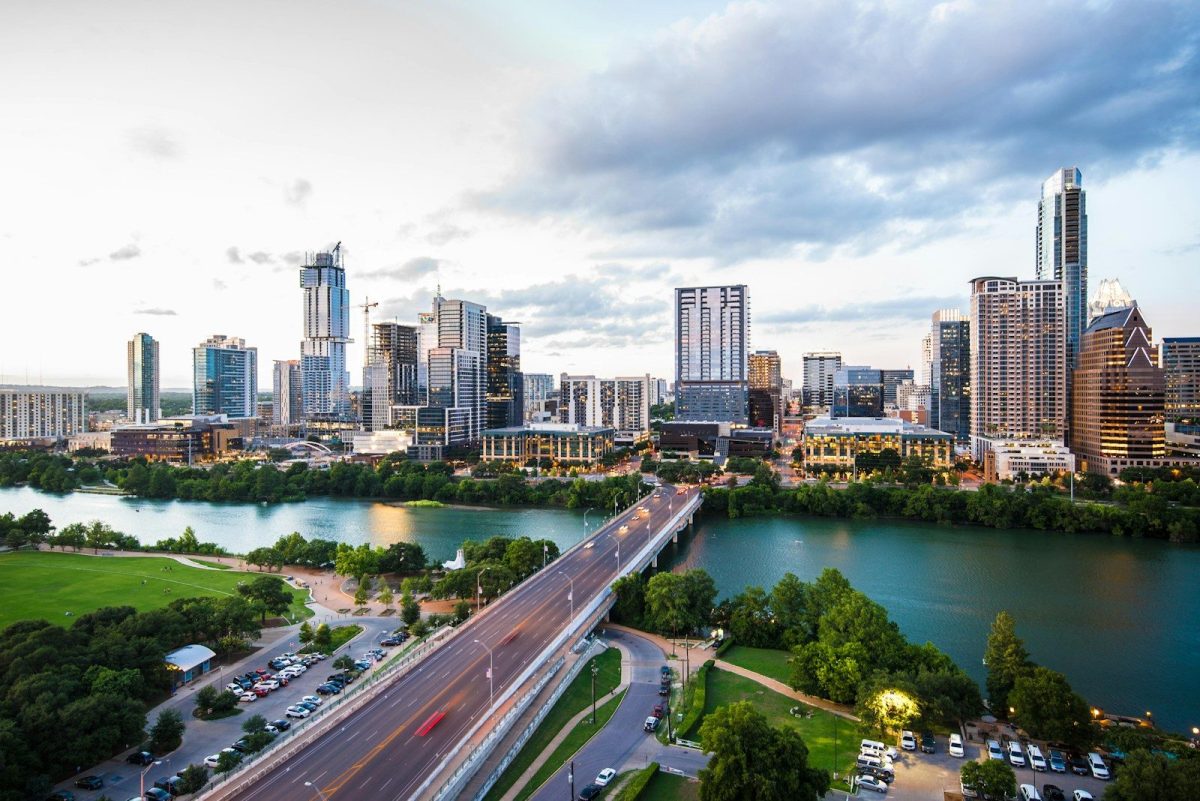
Texas has no state income tax, and that single fact has driven enormous retirement migration. The pitch is simple and real. But property taxes in Texas are some of the highest in the nation, and they have continued rising as home values increased. A retiree who owns a $400,000 home in the Dallas suburbs might pay $8,000 or more annually in property taxes alone.
The 2021 winter storm exposed deep infrastructure vulnerabilities, and while improvements have been made, confidence in the grid has not fully recovered. Summers are long and hot. Health insurance costs for early retirees, those under 65 who are not yet on Medicare, can be steep.
7. South Carolina
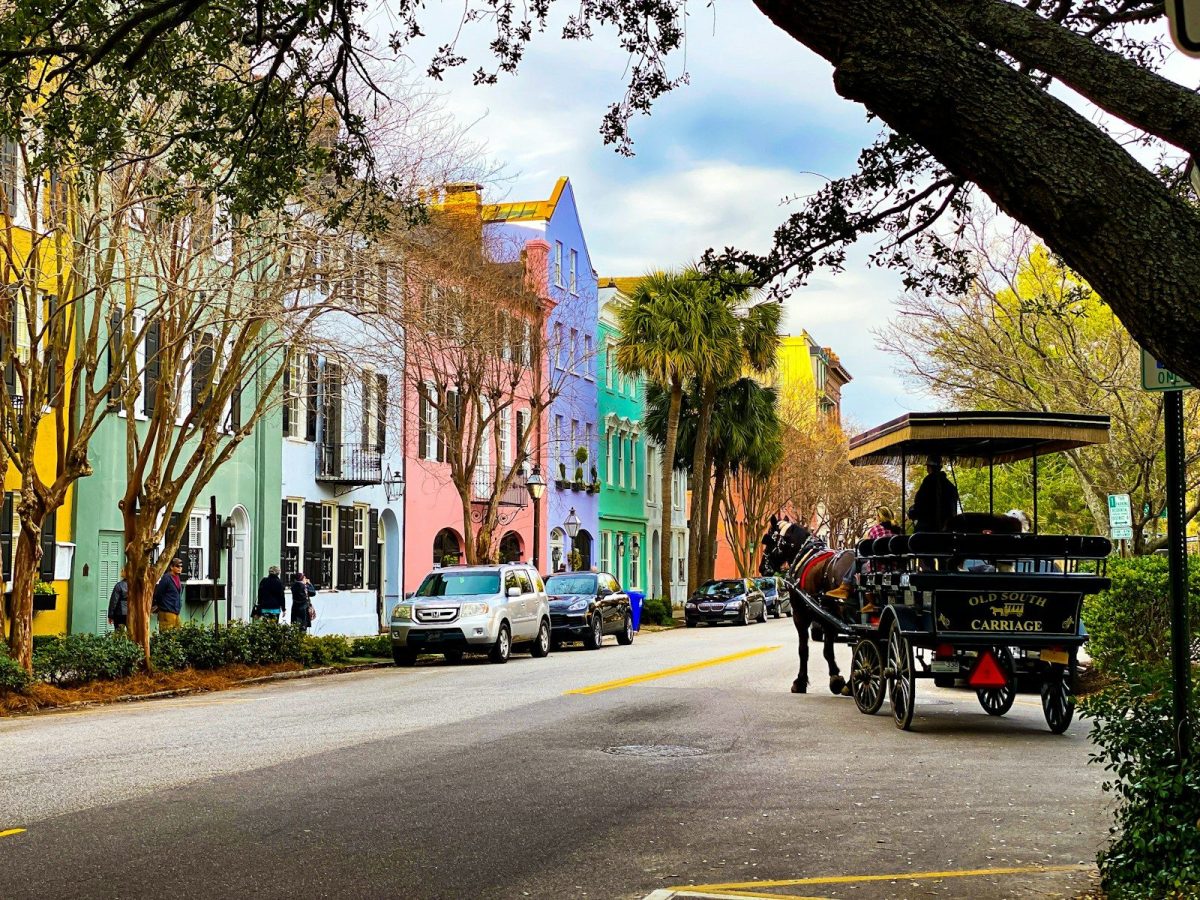
South Carolina has grown popular with retirees priced out of Florida, and on the surface it makes sense. Coastal towns like Hilton Head and Beaufort are genuinely pleasant. The cost of living is below the national average in most areas.
The frustrations tend to center on infrastructure and health care access outside the major metros. Roads in rural counties are poorly maintained. Broadband availability is uneven. Retirees who move to scenic but remote areas sometimes find themselves farther from quality medical care than they planned for. Humidity levels along the coast are also severe, and the mosquito and pest situation surprises people who did not grow up in the region.
8. Louisiana
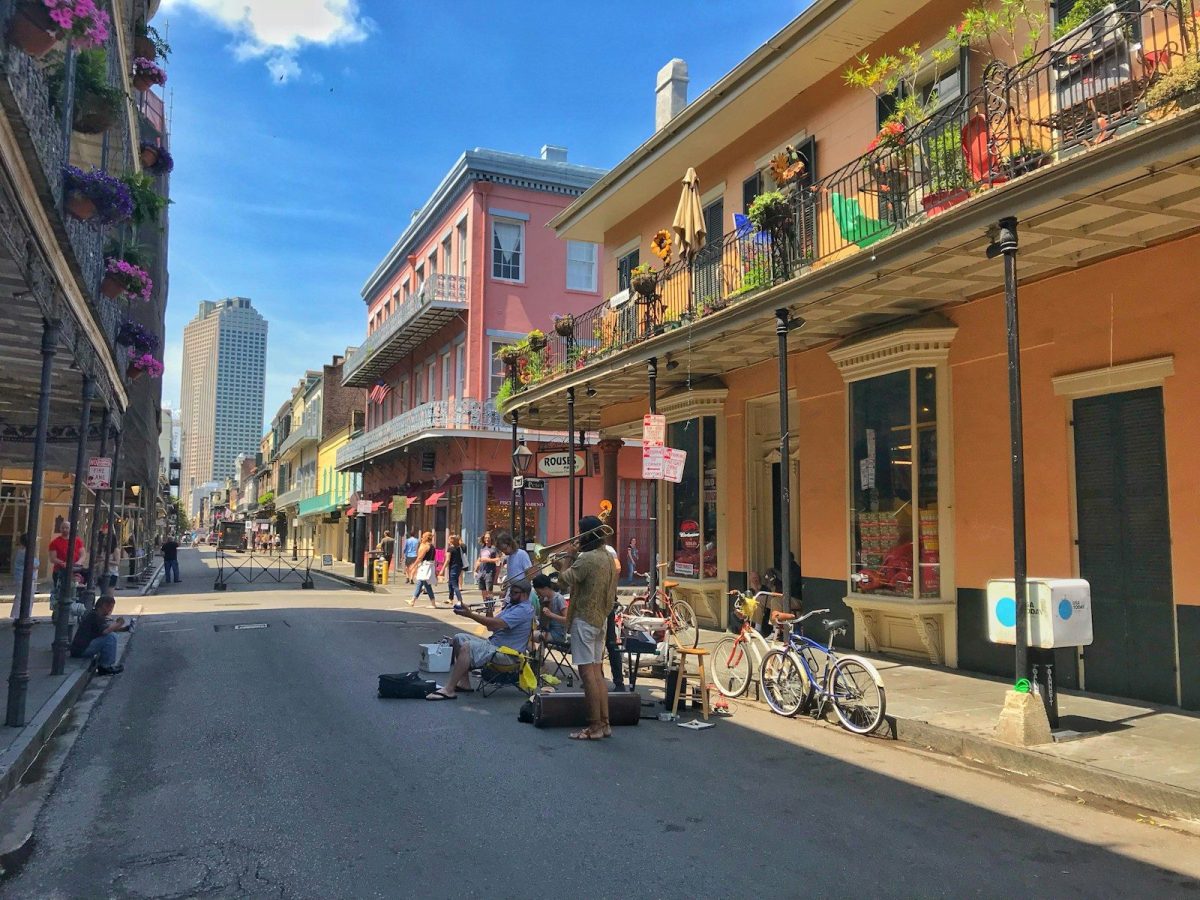
Louisiana offers something rare: genuine culture, extraordinary food, and relatively low home prices. But the insurance market has collapsed in ways that mirror Florida. Homeowners insurance in coastal and near-coastal parishes has become nearly unaffordable for many retirees, with some annual premiums exceeding the cost of the policies in any other state.
Flooding risk, even in areas not traditionally considered flood zones, has increased. FEMA flood map revisions have pulled more properties into mandatory insurance zones. Several retirees who bought homes with manageable insurance costs have seen those costs double or triple within a few years of moving.
What to Do Before You Commit

None of these states should be written off entirely. People retire happily in all of them. The regret tends to come from decisions made without accounting for insurance costs, climate trajectory, health care access, and local tax structures beyond just income tax.
Before signing anything, retirees in 2026 would do well to get actual insurance quotes for the specific property, not estimates. Check the distance to the nearest hospital that accepts Medicare Advantage plans. Look at the ten-year property tax history for the county, not just the current rate. Talk to people who have already made the move, and ask them what they did not expect.
The states that work best for retirement are rarely the most famous ones.
