
America’s national parks contain some of the most extraordinary hiking terrain on earth. The nine trails collected here were selected for the quality of their scenery, the variety of experience they offer, and the sense of wonder they tend to produce in the people who walk them. Some are famous. A couple are quietly underrated. All of them are worth the effort.
Permit systems have expanded across most of the parks on this list. Check individual park websites before heading out, carry more water than seems necessary, and follow Leave No Trace principles throughout.
1. Bright Angel trail Grand Canyon National Park, Arizona
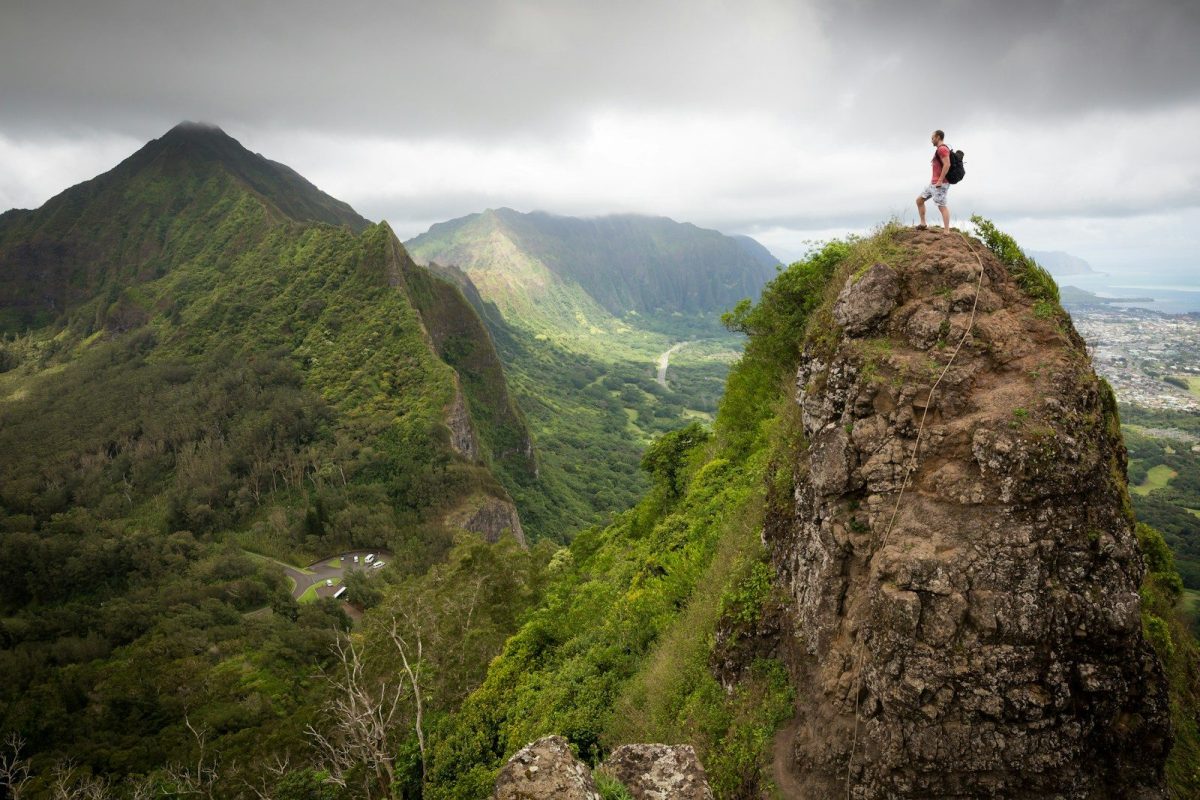
Bright Angel Trail descends the south wall of the Grand Canyon through nearly two billion years of exposed rock. Most day hikers target Havasupai Gardens, a creek-side rest stop shaded by cottonwood trees that feels improbably green against the surrounding desert. Those continuing to Plateau Point gain a direct vertical view into the inner gorge that ranks among the most striking panoramas in any American national park.
Summer temperatures at the canyon floor can exceed 110 degrees Fahrenheit. Starting before sunrise and turning around early is the right call.
2. Angels Landing – Zion National Park, Utah
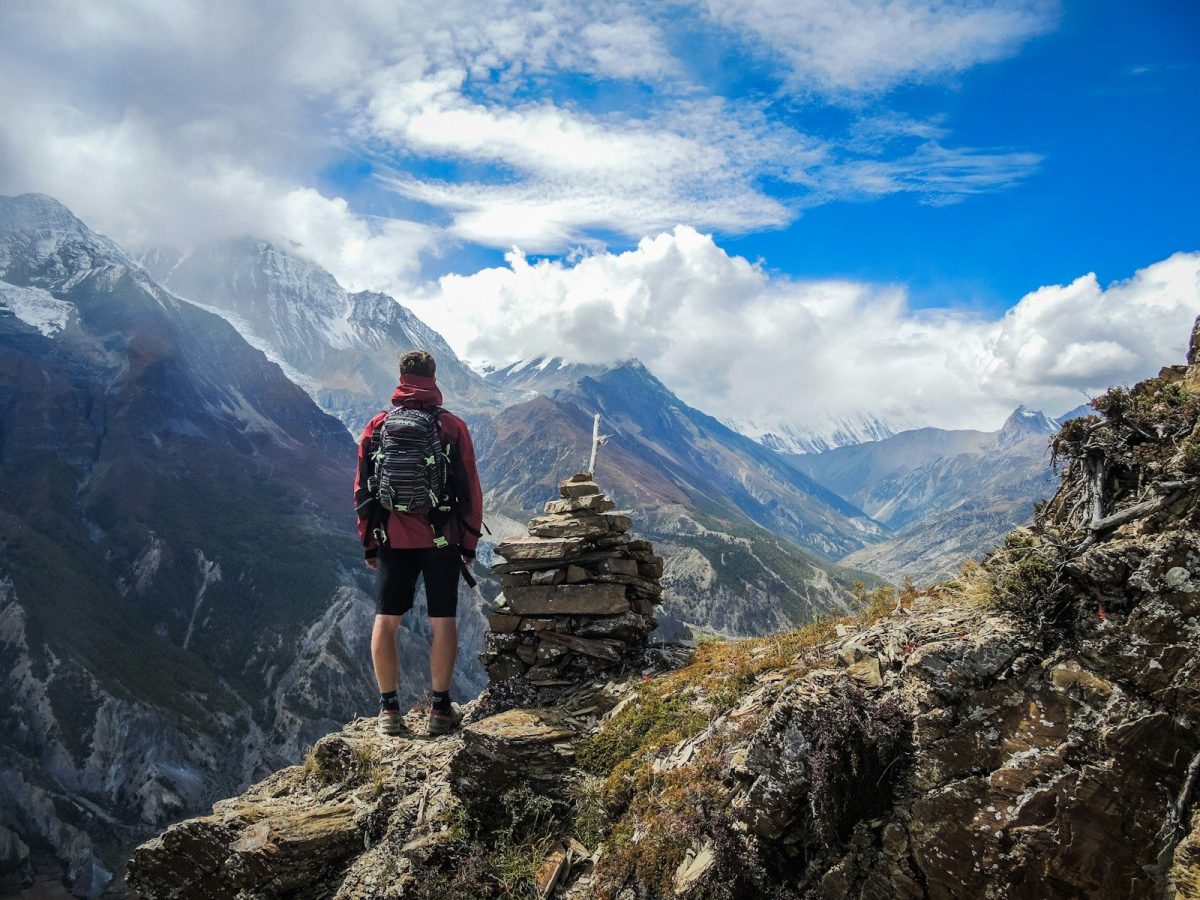
Angels Landing concludes with a half-mile ridge walk along a narrow sandstone fin, guided by fixed chains bolted into the rock face. Sheer drops fall away on both sides, and the permit lottery introduced in 2022 has meaningfully reduced crowding on the summit spine.
Permits are required year-round and cost $6 per person as of 2026. Applications open three months in advance through Recreation.gov.
3. Hoh Rain Forest to Blue Glacier – Olympic National Park, Washington
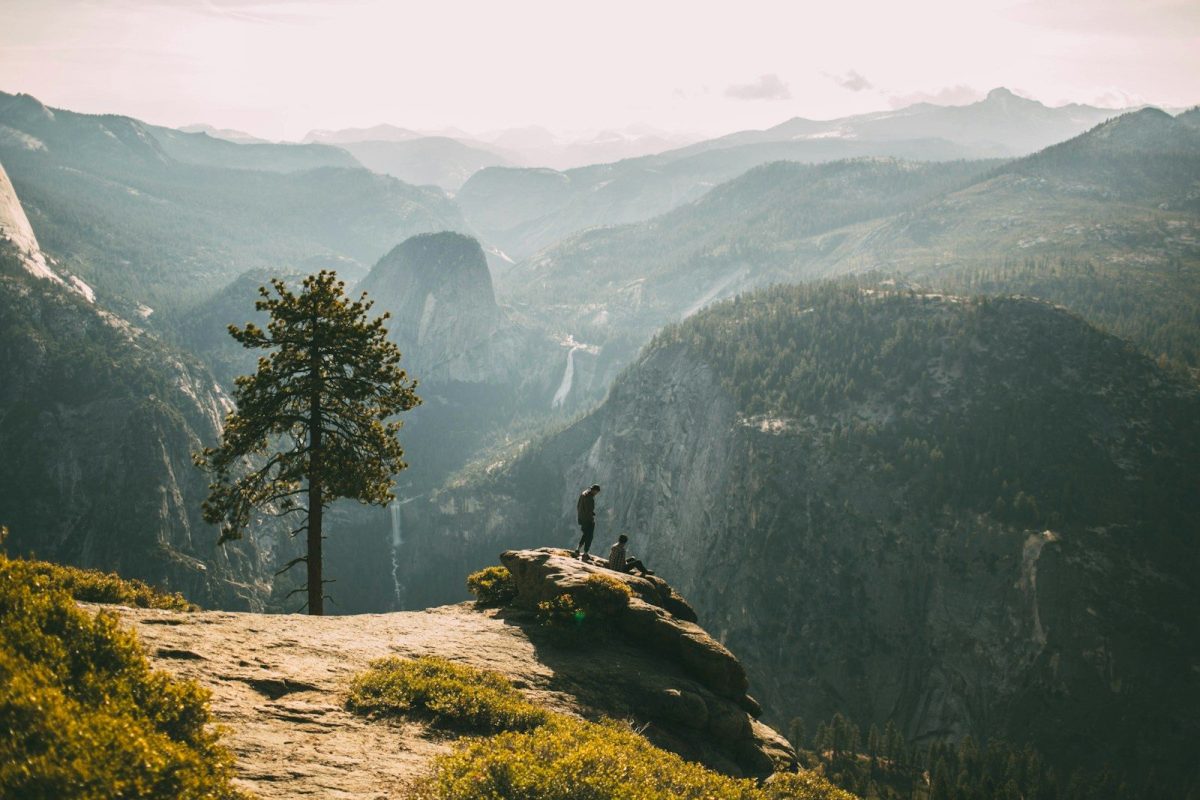
The Hoh River Trail begins in one of the most atmospheric forests in North America, old-growth Sitka spruce standing over a floor so thoroughly covered in moss that sound is absorbed before it travels far.
Over nearly 18 miles, the terrain shifts from rainforest to subalpine meadow to glacial moraines below Mount Olympus. Backcountry permits are required for overnight travel. Annual rainfall in the Hoh Valley averages more than 140 inches, so waterproof gear is a necessity even in midsummer.
4. Longs Peak, Keyhole Route – Rocky Mountain National Park, Colorado
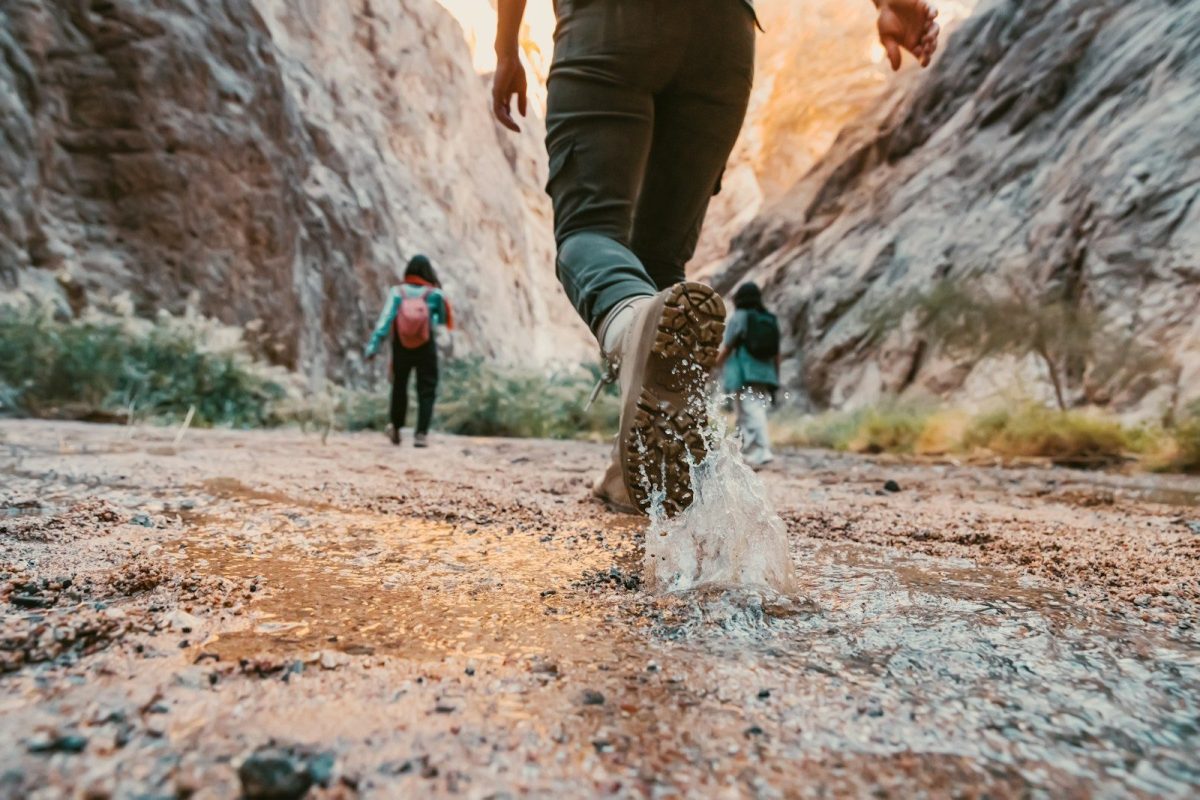
Longs Peak is the only fourteener contained within a national park. The Keyhole Route involves sustained boulder fields, a narrow ledge section, and an exposed final traverse to the summit plateau.
The vast majority of hikers begin at the trailhead by 3 a.m. to summit before afternoon thunderstorms build. Visitors arriving from lower elevations should spend at least one night near Estes Park first, as altitude sickness is common and unpredictable.
5. Precipice Trail – Acadia National Park, Maine
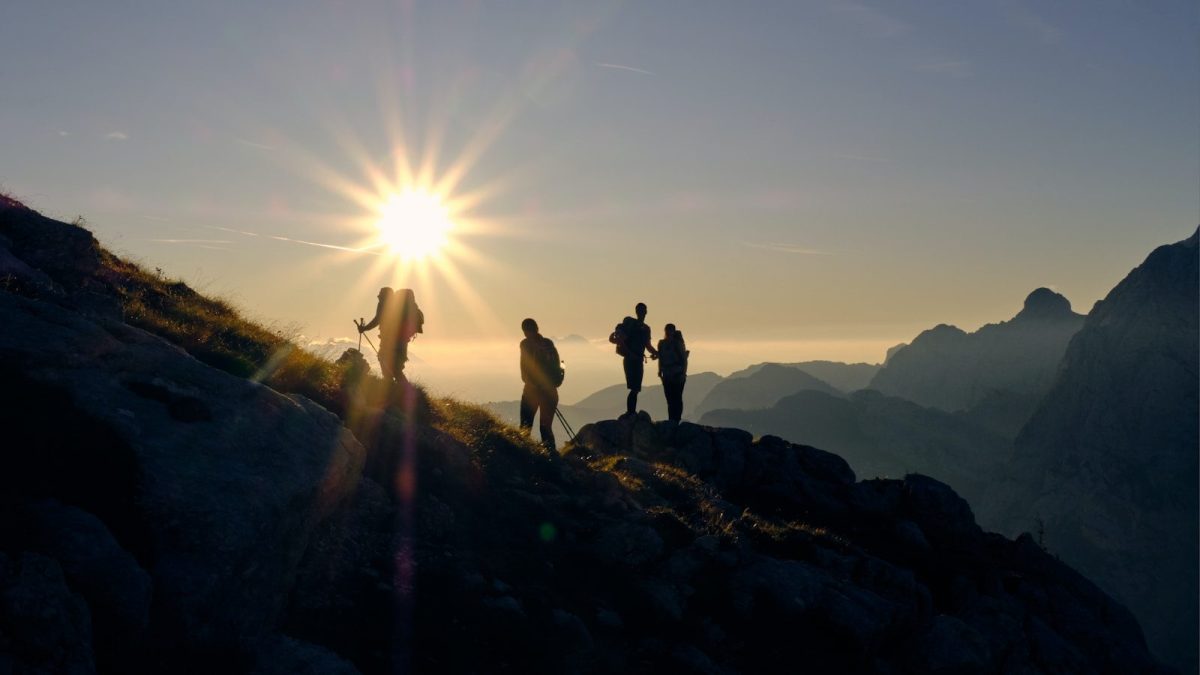
Precipice Trail ascends the eastern face of Champlain Mountain via iron rungs, ladders, and narrow rock ledges directly up an open cliff above the Maine coast.
The trail closes during peregrine falcon nesting season, typically late March through mid-August. Exact dates are posted on the Acadia National Park website. Descending via the Champlain North Ridge Trail creates a satisfying loop with broad ridgeline walking above Bar Harbor.
6. Alum Cave Trail to Mount LeConte – Great Smoky Mountains National Park, Tennessee and North Carolina
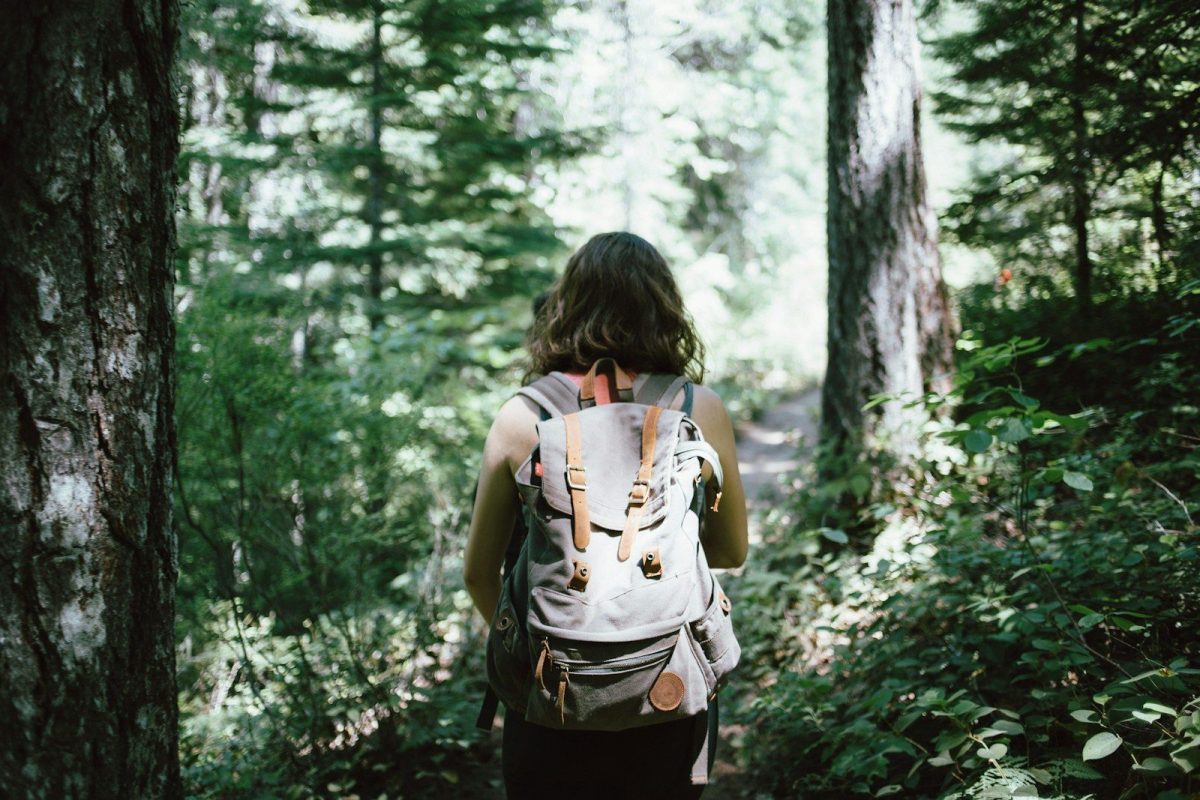
The Smokies receive more annual visitors than any other national park, and most never leave the valley floor. Mount LeConte sits above that crowded valley, offering ridge-top views across layered blue-green ridgelines receding toward the horizon.
The Alum Cave Trail passes through Arch Rock, a tunnel eroded through mossy cliff by a mountain stream, then up to the dramatic Alum Cave Bluffs before reaching the summit.
7. Highline Trail – Glacier National Park, Montana

The Highline Trail traverses the face of the Garden Wall from Logan Pass, crossing an opening ledge with a fixed cable before settling into a long subalpine traverse with unobstructed views in both directions.
Mountain goats graze the slopes throughout. Bear spray is considered essential equipment in this area. Glacier’s permanent ice fields continue to retreat, and that context adds weight to hiking here that few other parks carry.
8. Half Dome via the John Muir trail – Yosemite National Park, California
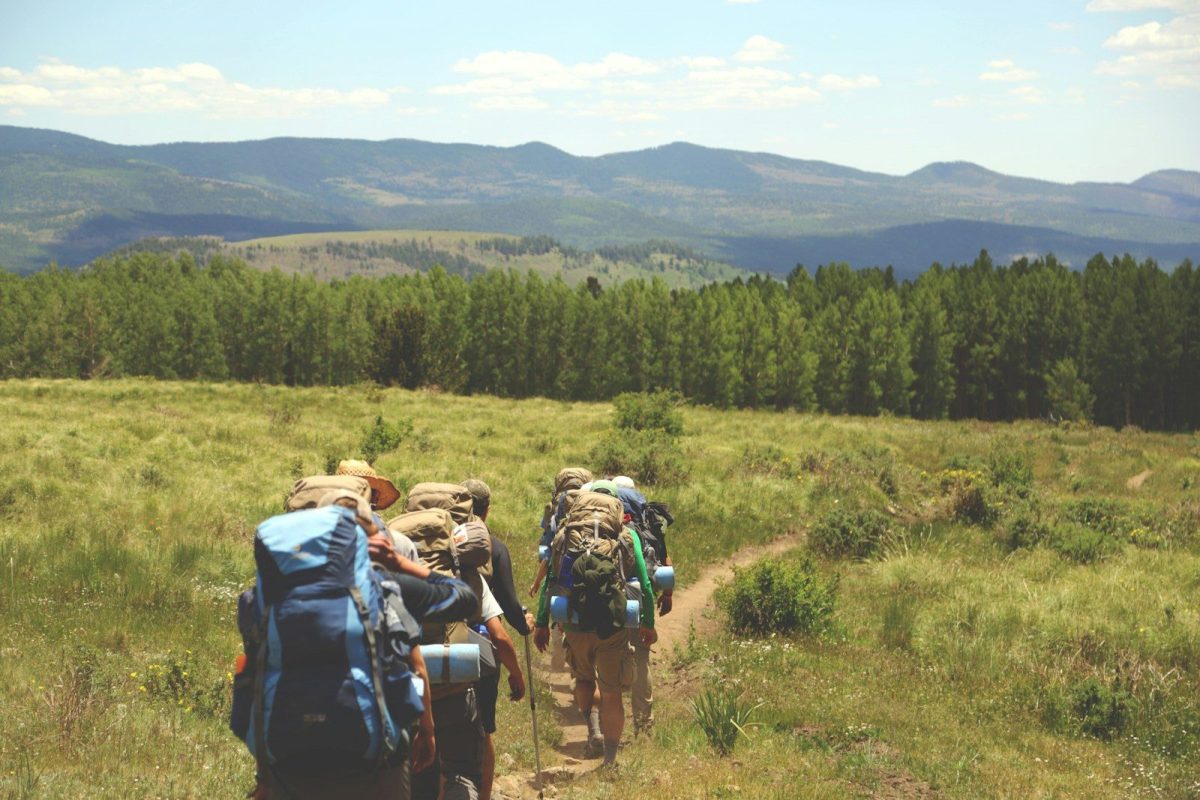
The trail to Half Dome’s summit follows the Mist Trail past two major waterfalls before climbing to the base of the dome. The final 400 feet are completed on two parallel steel cables bolted into the granite.
The summit plateau offers views across the High Sierra in every direction. Permits are distributed by lottery, with the main draw opening each March through Recreation.gov.
9. Lost Palms Oasis Trail – Joshua Tree National Park, California
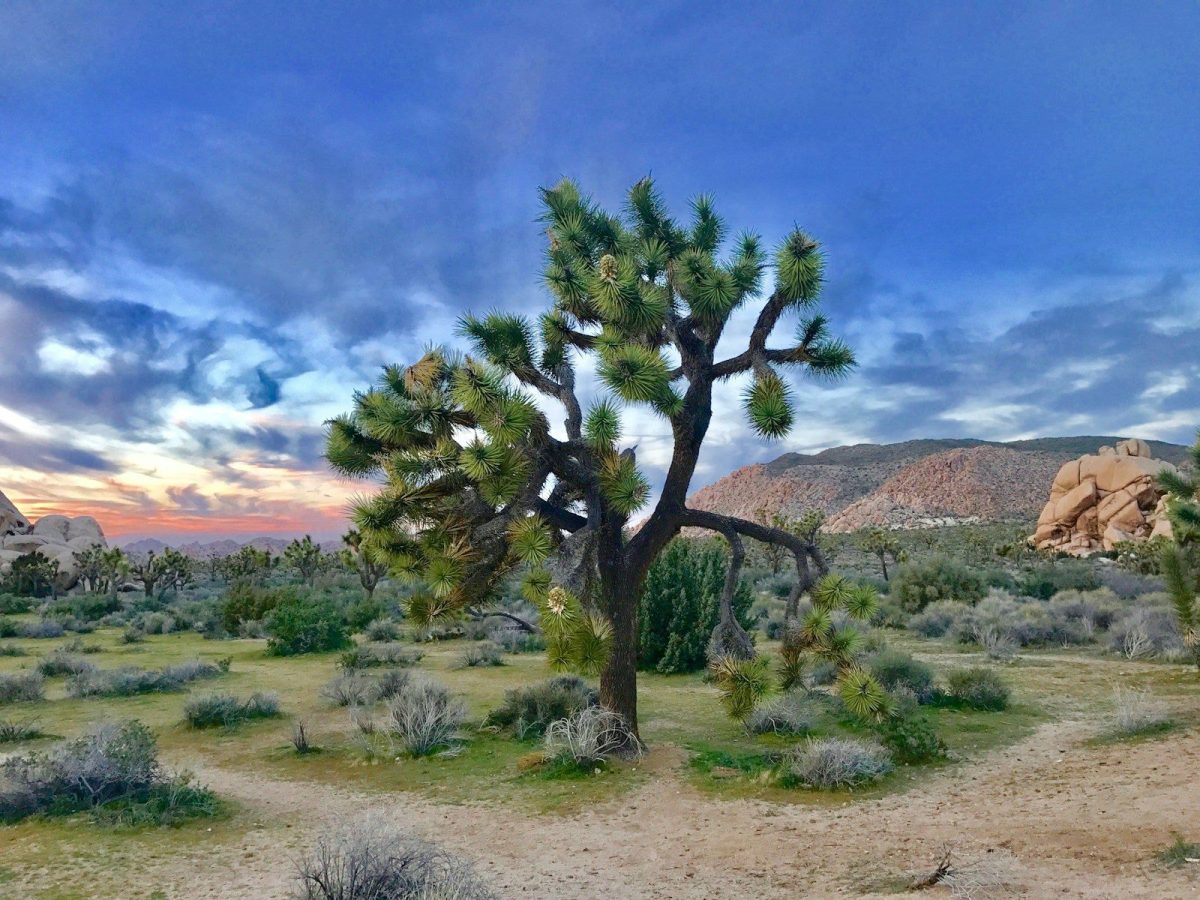
Lost Palms Oasis crosses open desert past cholla cactus and Joshua trees before arriving at a canyon overlook revealing a dense grove of California fan palms below, fed by a natural water source.
Bighorn sheep are regularly spotted near the water in the early morning. The trail is best visited between November and March. Midday summer temperatures regularly reach 110 degrees Fahrenheit, and shade along the route is almost nonexistent.
