
America has always had a complicated relationship with its parks. The country celebrates them, fights for them, and sometimes loses them to politics, economics, or simple neglect.
The parks on this list were once real, alive, and full of families making memories that lasted decades. Some were stripped of their federal status. Others burned, flooded, or went bankrupt. Each one left a mark on the people who had built their summers around them. These are eight American parks that no longer exist, and the stories behind why they disappeared.
1. Mackinac National Park, Michigan (1875–1895)
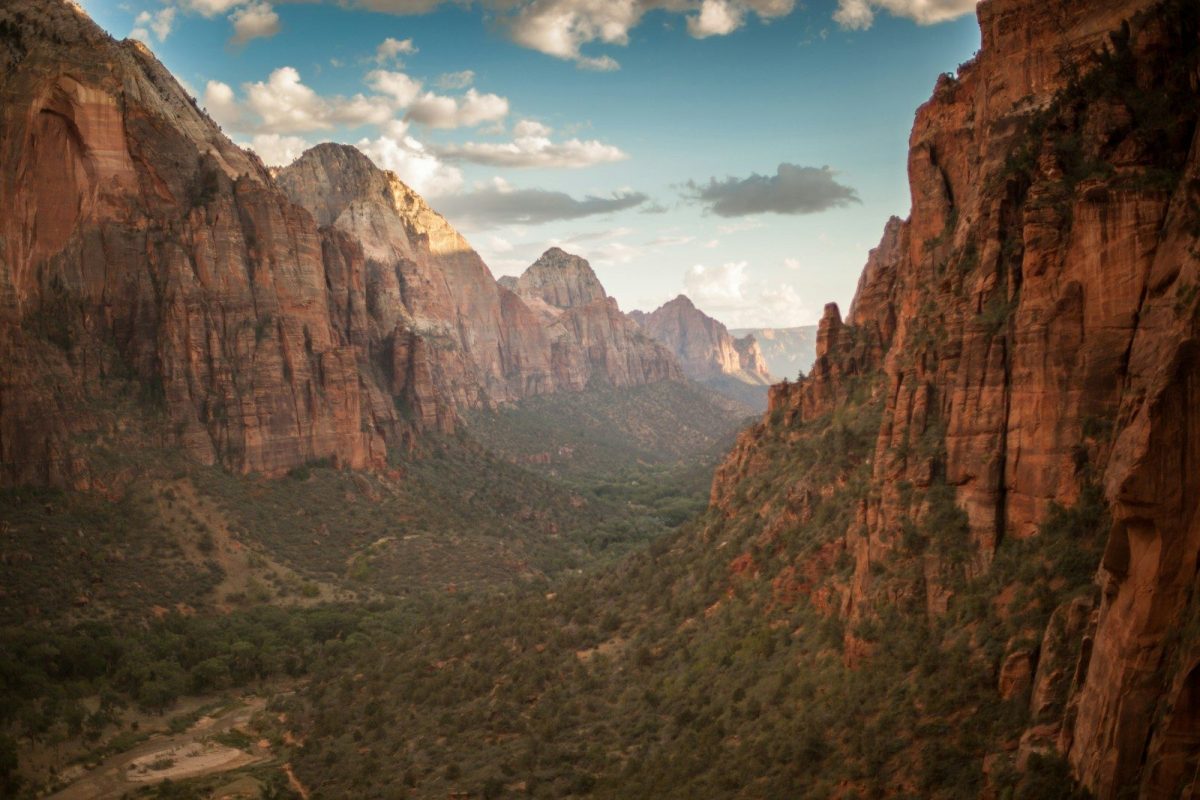
Most Americans know Yellowstone was the first national park. Far fewer know what came second. In 1875, President Ulysses S. Grant signed Mackinac National Park into law, creating the second national park in United States history and the first to be abolished.
The park sat on a 3.8-square-mile limestone island in the Straits of Mackinac. Its features included dramatic geological formations, old-growth forests, and centuries of history spanning Anishinaabe settlements and War of 1812 battles. By 1895, the federal government could no longer justify the costs. The land was transferred to Michigan, making it the state’s first state park. Today, 84 percent of the island remains protected, and motor vehicles have been banned since 1898.
2. Platt National Park, Oklahoma (1906–1976)
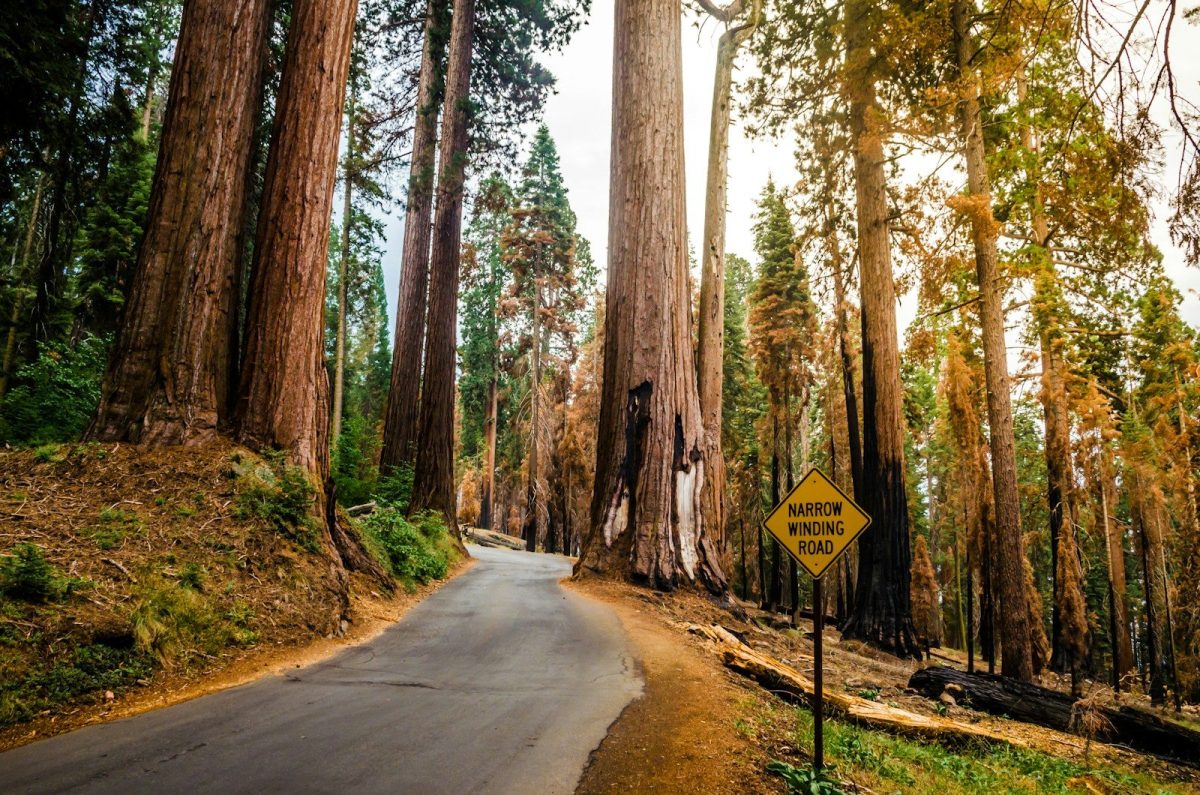
At its peak in the 1920s, Platt National Park drew more than a million visitors a year. Located in Sulphur, Oklahoma, the park was built around mineral springs that Americans believed could heal the body. The Civilian Conservation Corps transformed it during the New Deal, planting trees, carving trails, and piping spring water to stone pavilions still visible today.
Platt lacked the grandeur the conservation movement had come to expect from a national park. Congressional efforts to abolish it began as early as 1910. In 1976, Congress merged it with the nearby Lake of the Arbuckles and rebranded the area as Chickasaw National Recreation Area, making Platt the only American national park demoted since World War II.
3. Sullys Hill National Park, North Dakota (1904–1931)
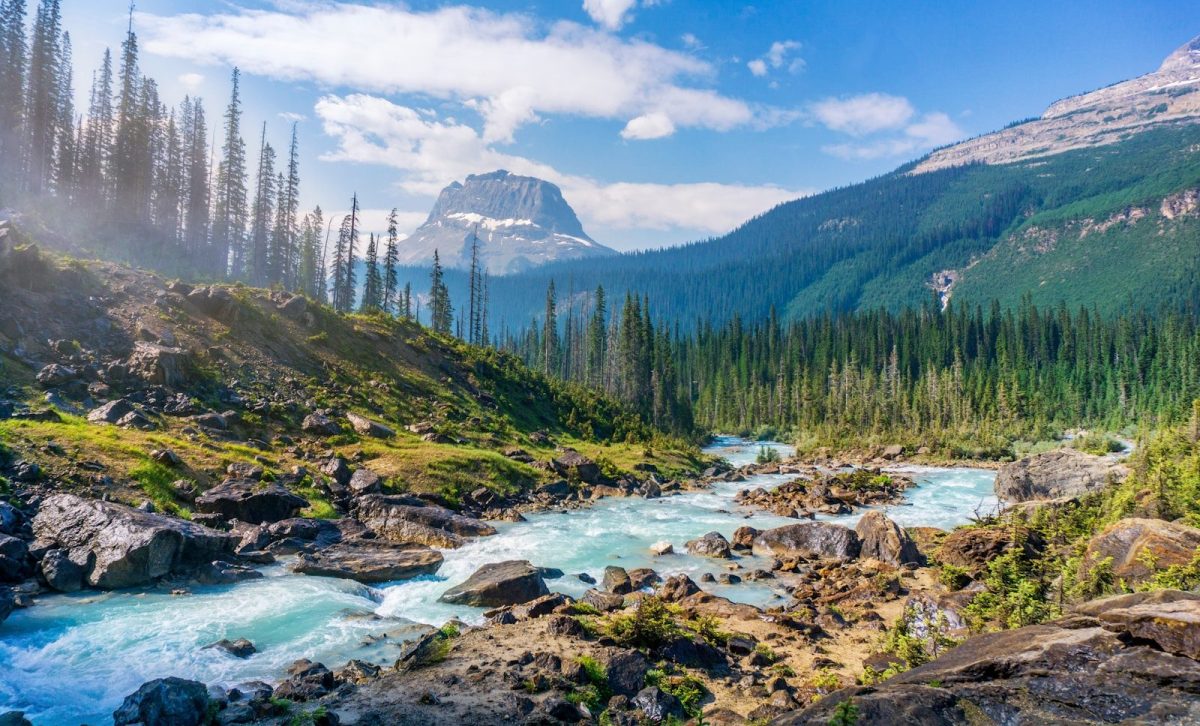
Established in 1904 near Fort Totten, North Dakota, Sullys Hill had no roads for its first five years and drew only a few hundred visitors annually. When the Depression arrived, it had no resources and no political support. It was redesignated a national game preserve in 1931.
The change suited the land well. The area now operates as a wildlife refuge, home to bison, elk, and prairie dogs, drawing around 70,000 visitors a year to its wildlife loop and surrounding forests.
4. Freedomland U.S.A., The Bronx, New York (1960–1964)
Freedomland opened in 1960 on 205 acres of marshy Bronx land, shaped like a map of the continental United States and marketed as the “Disneyland of the East.” Themed around American history, it featured a recreation of the Great Chicago Fire, a frontier town, a Civil War fort, and a Cape Cod fishing village. Millions of visitors came during its five seasons.
Financial trouble arrived from the start. The marshy ground had driven construction costs beyond projections, and the park never stabilized. Freedomland filed for bankruptcy in 1964. The land was later redeveloped as Co-op City, now one of the largest cooperative housing complexes in the country.
5. Pacific Ocean Park, Santa Monica, California (1958–1967)
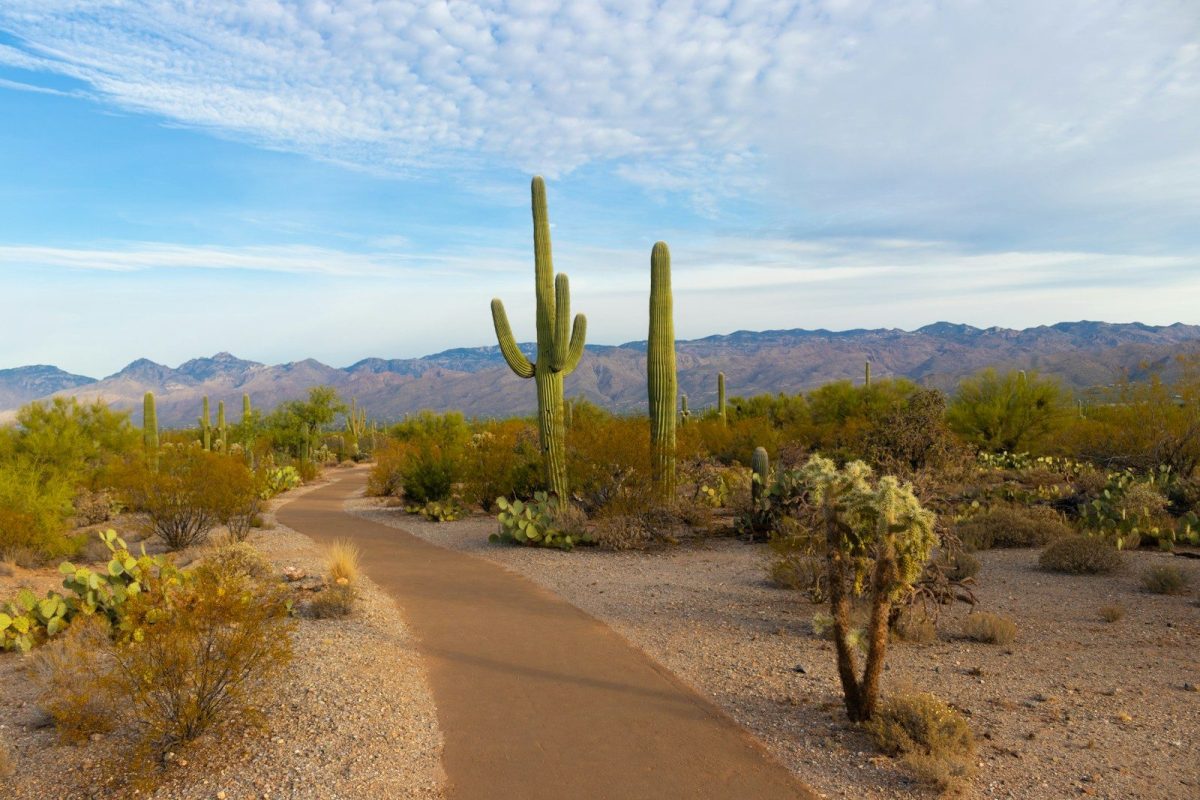
Pacific Ocean Park opened in 1958 on a pier above the Pacific, combining boardwalk charm with a Space Age aesthetic. Strong early attendance faded as Disneyland drew Southern California crowds away. The park closed in 1967 and was left standing above the water.
Salt air, storms, and neglect slowly destroyed the structures over the following decade, and the ruins became some of the most photographed images of American decline. By the late 1970s, the last remnants had collapsed into the sea.
6. Rose Island, Indiana (1923–1937)
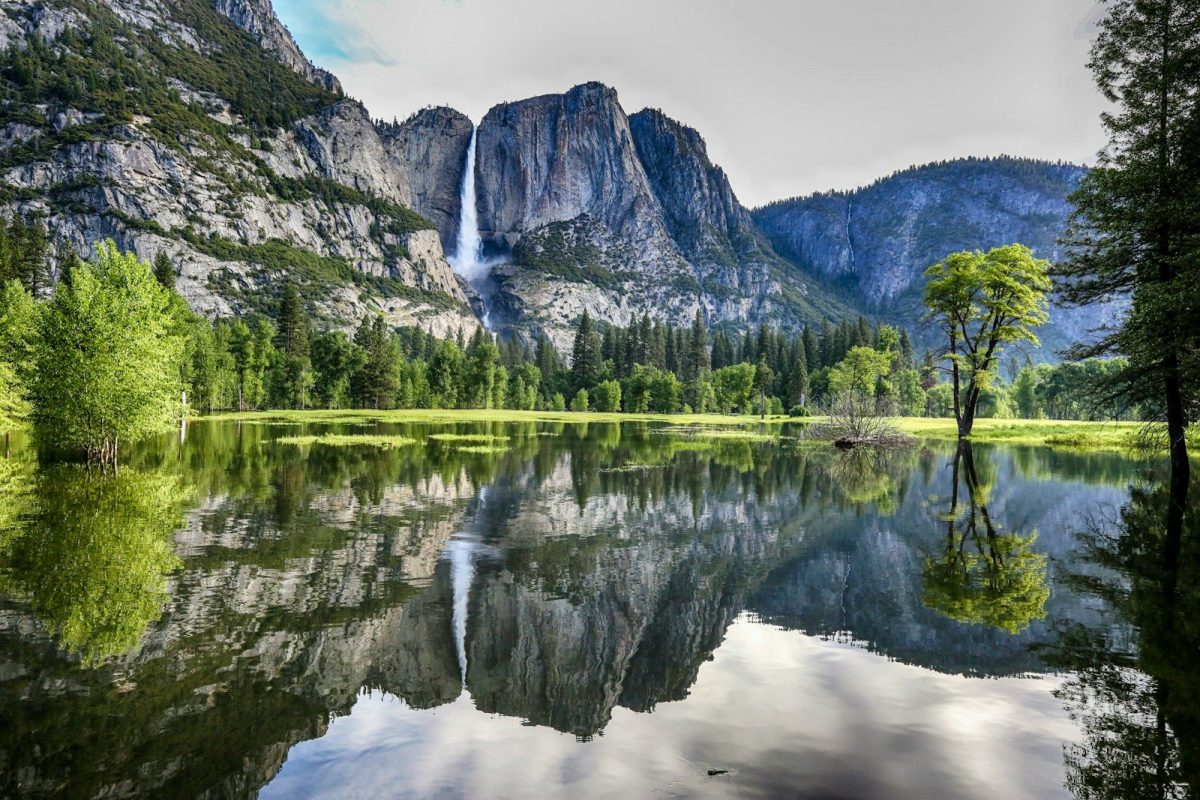
Rose Island opened in 1923 on a wooded bluff above the Ohio River near Charlestown, Indiana. Visitors arrived by excursion boat to a park with a wooden roller coaster, a spring-fed pool, a dance hall, and a hotel. It survived the Depression through local loyalty.
In January 1937, the Ohio River flooded to historic levels. Rose Island was completely submerged within days. The roller coaster, the hotel, and the pavilion were all destroyed. The park never reopened. Traces of its foundations are still visible inside what is now Charlestown State Park.
7. Joyland Amusement Park, Wichita, Kansas (1949–2004)
Joyland ran for 55 years as a locally owned, unpretentious park where generations of Kansas families spent their summers. By the early 2000s, maintaining aging rides had grown too costly, and the Nelson family closed the park in 2004.
Vandalism, fire, and neglect followed. Photographs of the rusting rides spread widely online, and Joyland became one of the most documented abandoned parks in the country. Major remnants were demolished by the mid-2010s. The land now sits empty.
8. Idora Park, Youngstown, Ohio (1899–1984)
Idora Park operated for 85 years, beginning as a trolley park in 1899 and growing into one of the most complete regional amusement parks in the Midwest. The Jack Rabbit wooden roller coaster became a landmark of national reputation. The park survived two World Wars and the Depression, then held on through Youngstown’s long industrial decline.
In April 1984, fire tore through the midway and destroyed the Jack Rabbit, the Wild Cat coaster, and several other structures. The damage was too severe to recover from. Idora closed that year and never reopened. As of 2026, the site remains vacant.
What Gets Lost
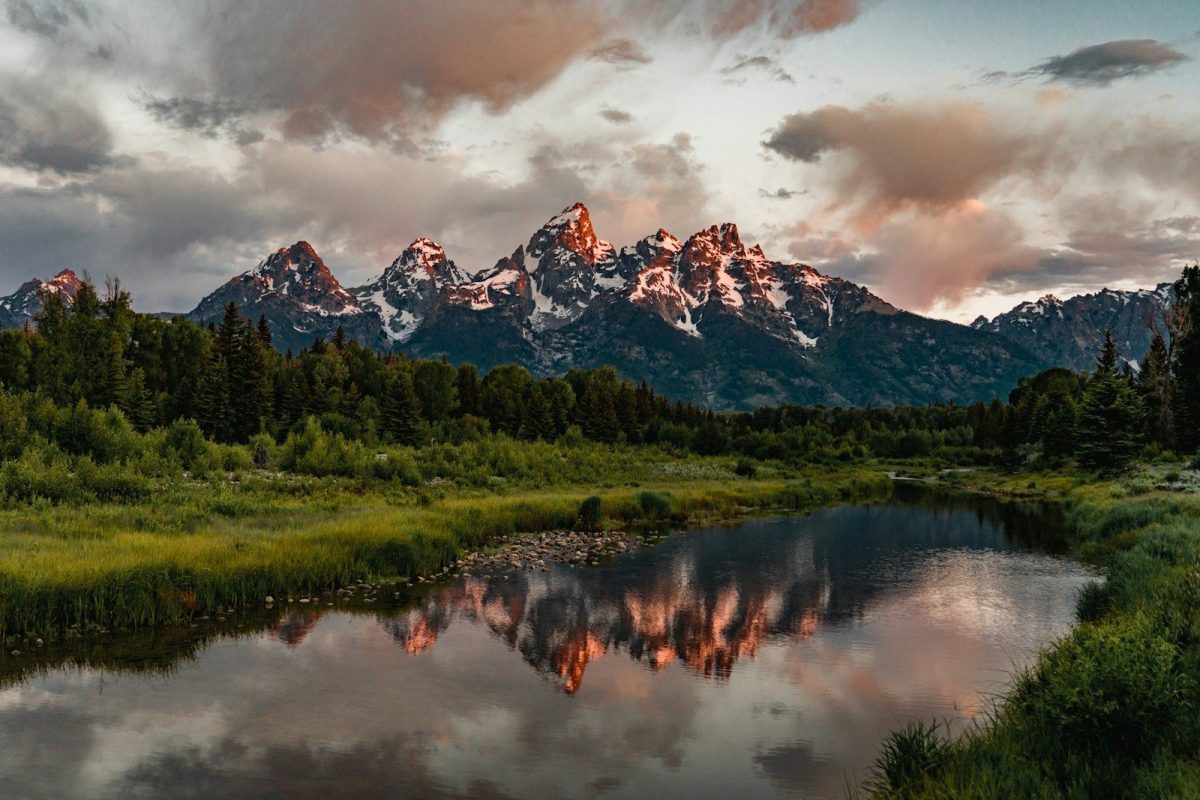
The eight parks on this list were taken by different forces. Politics ended Mackinac and Platt. A flood took Rose Island. Fire destroyed Idora. Financial collapse closed Freedomland and Pacific Ocean Park. Time wore down Joyland and Sullys Hill. Parks are where families return year after year until the returning becomes part of who they are. Losing one does not just remove a destination. It removes every experience that would have happened there.
Some of these places survive in altered form. Mackinac Island remains one of the most distinctive destinations in the Midwest. Chickasaw National Recreation Area still draws over a million visitors annually. The foundations of Rose Island are still findable along the Ohio River. Others exist only in photographs and in the memories of people who were there. The gates closed. The parks are gone. The people who loved them remember anyway.
