
Lions once lived across large parts of Africa, Asia, and Europe. By 2026, their natural range has become much smaller. A handful of protected regions still support healthy lion populations, giving travelers the chance to see these predators living freely in the wild.
Each destination offers a different experience. Some parks are known for open grasslands filled with prey animals. Others contain forests, wetlands, or dry plains where lions have adapted to difficult conditions. Conservation programs and tourism revenue continue to help protect these animals from habitat loss and illegal hunting.
1. Serengeti National Park, Tanzania
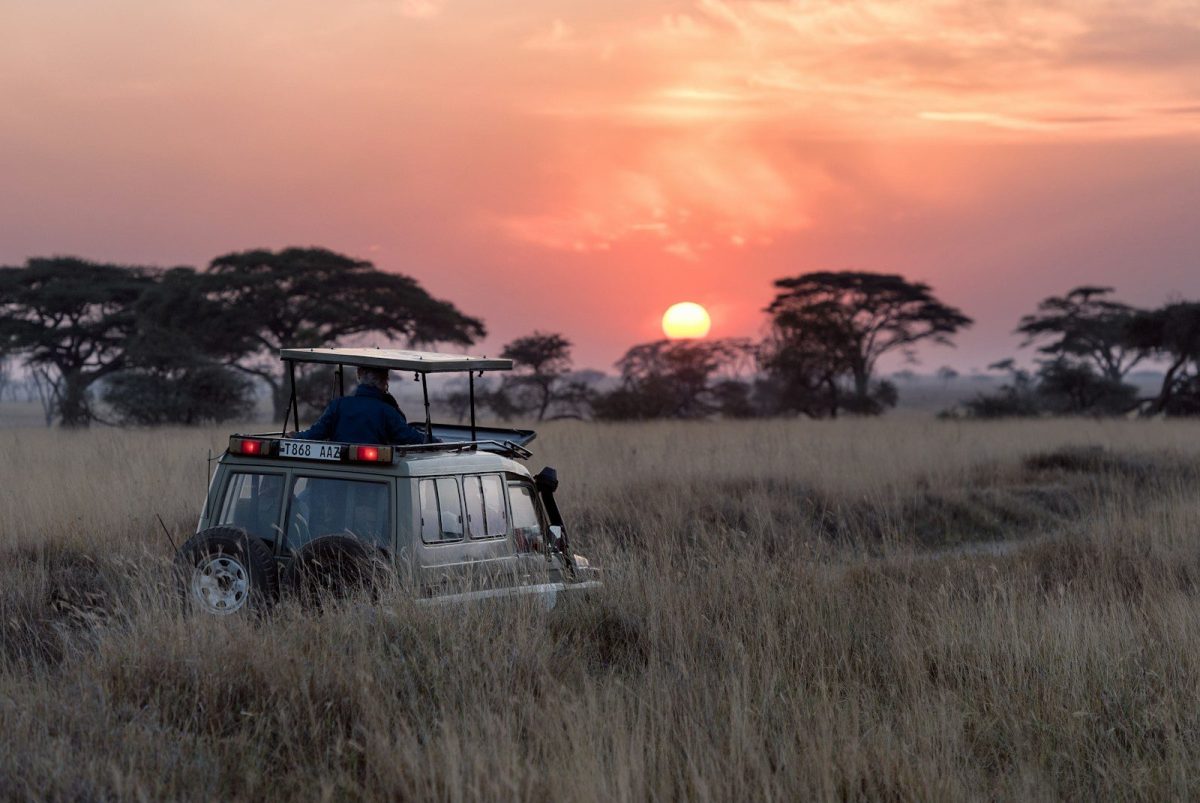
The Serengeti remains one of the most famous safari destinations in the world. Huge stretches of grassland support thousands of lions along with wildebeests, zebras, and antelope. Lions are often seen resting beneath trees during the hottest part of the day before becoming active again in the evening.
The annual migration attracts predators from across the region. Herds moving through the park create constant hunting opportunities for lion prides. Experienced safari guides know where prides tend to gather, which improves the chances of close wildlife sightings.
2. Maasai Mara National Reserve, Kenya
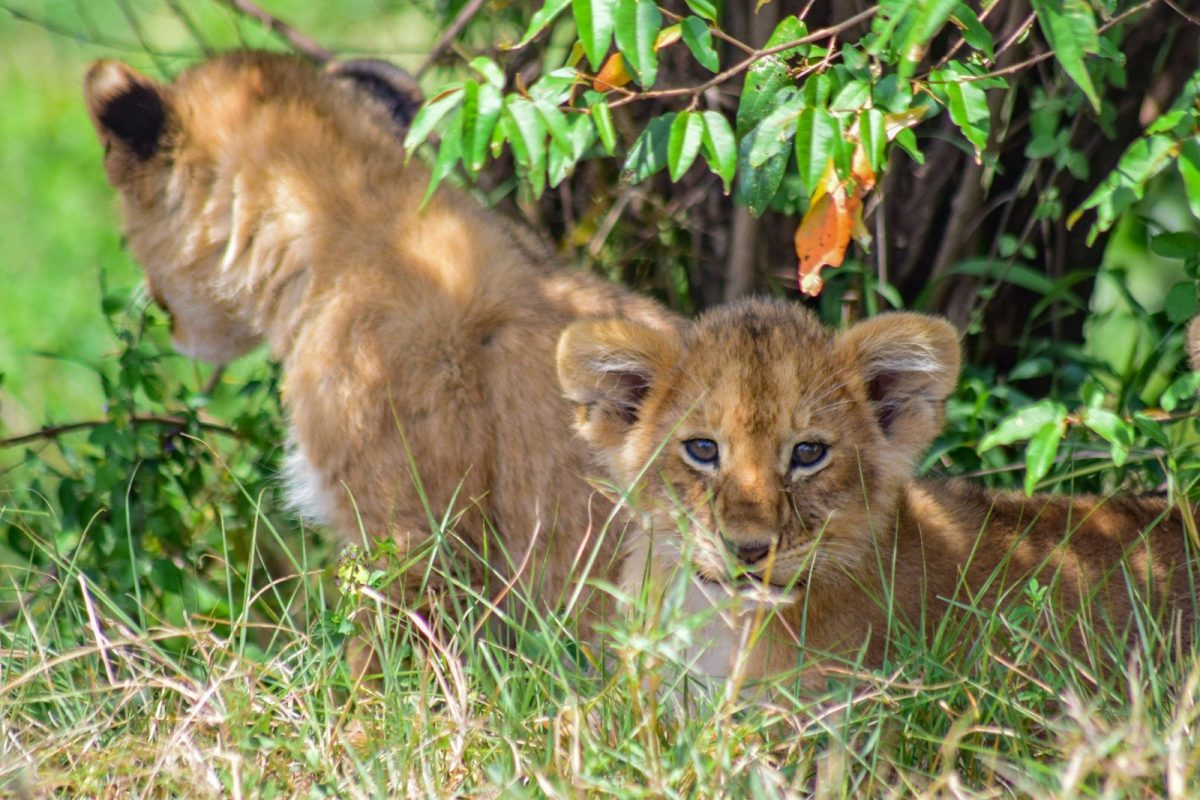
Kenya’s Maasai Mara connects directly to the Serengeti, creating one enormous wildlife region shared by both countries. Lions thrive here because prey animals remain abundant throughout much of the year.
Early morning game drives usually provide the best sightings. Cooler temperatures encourage lions to patrol territory, socialize, or search for food. The reserve also became widely known through wildlife documentaries filmed across the plains. Many safari camps work with local Maasai communities, adding cultural experiences to the trip.
3. Kruger National Park, South Africa
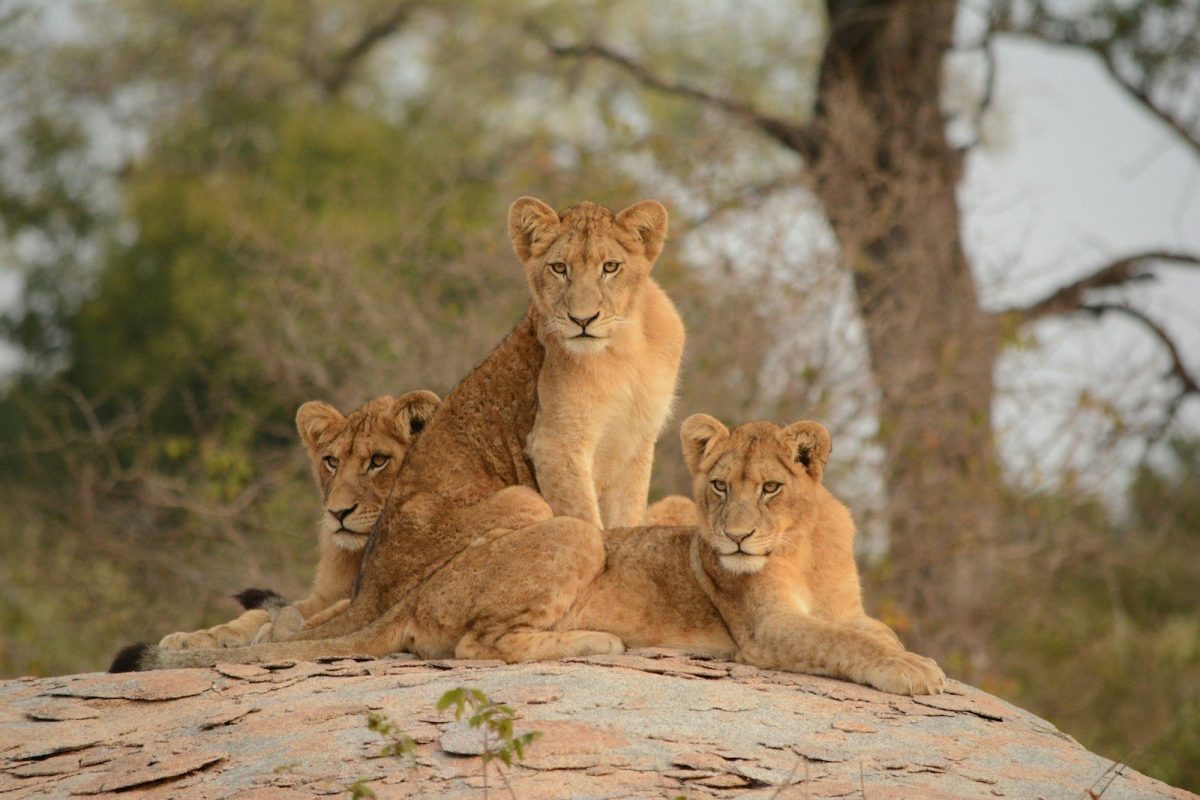
Kruger National Park attracts visitors from around the world because it combines strong wildlife viewing with reliable infrastructure. Travelers can join guided safaris or drive through many parts of the park independently.
Lions are regularly spotted near rivers, waterholes, and open savannas where prey animals gather. Some prides in Kruger are unusually large due to the steady supply of food across the reserve. Visitors often come hoping to see the Big Five, which includes lions, elephants, leopards, rhinos, and buffalo.
4. Okavango Delta, Botswana
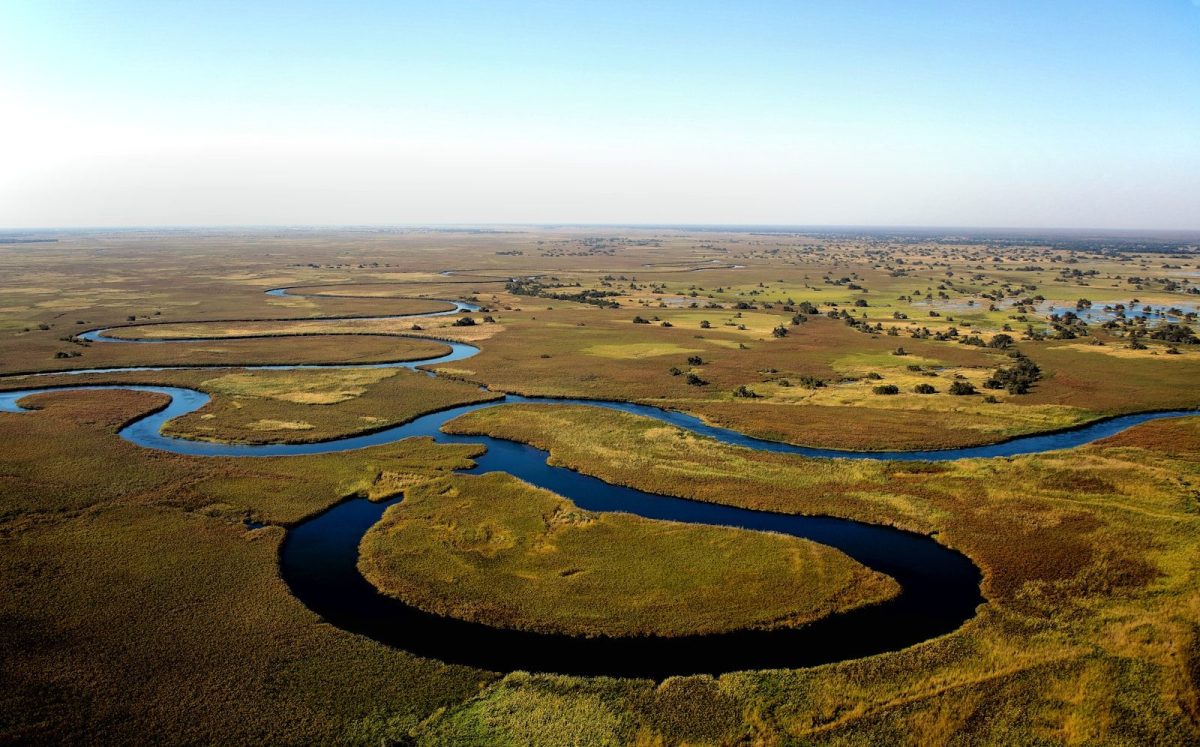
Botswana’s Okavango Delta offers one of Africa’s most unusual safari settings. Seasonal floodwaters spread across huge sections of the region, forming channels and islands filled with wildlife. Lions living here have adapted to wet conditions and are sometimes seen moving through shallow water.
Tourism rules in Botswana limit overcrowding in many safari areas. Smaller visitor numbers create quieter wildlife experiences and reduce pressure on the environment. The country has also invested heavily in conservation programs designed to protect wildlife populations over the long term.
5. Gir National Park, India
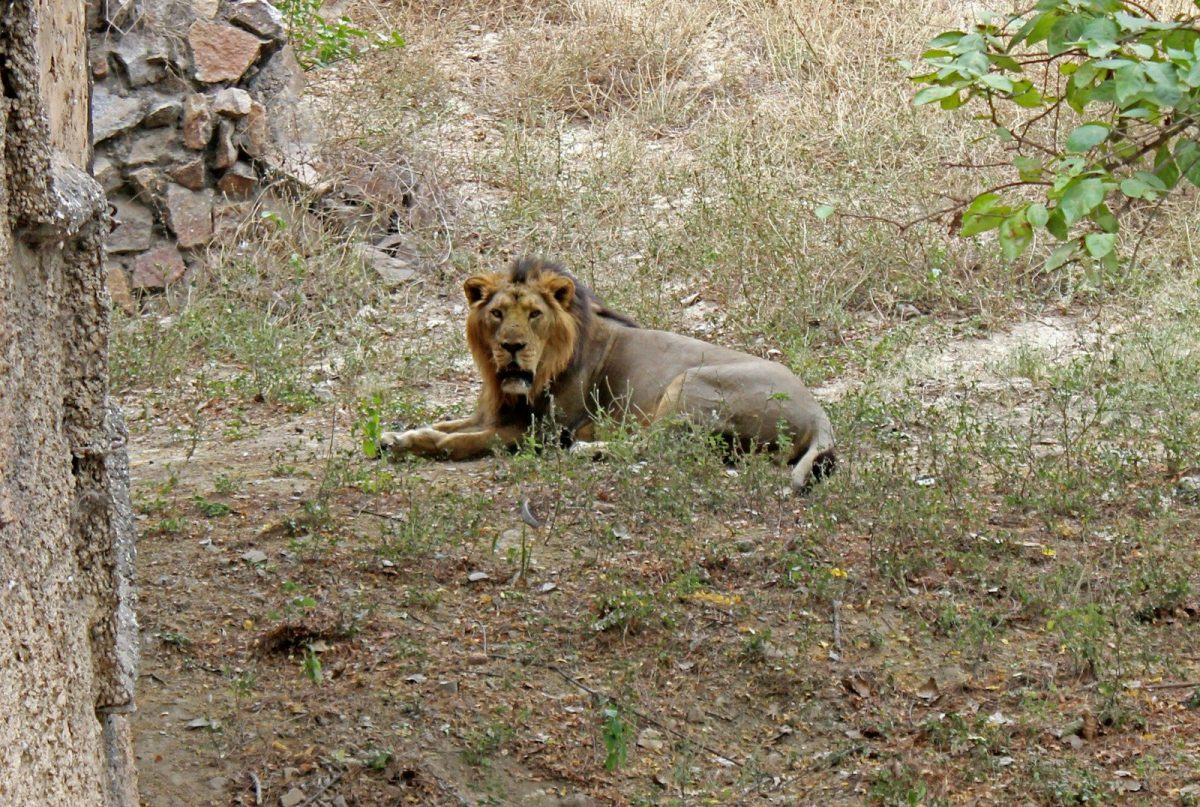
Gir National Park in western India protects the last remaining wild population of Asiatic lions. These lions differ slightly from African lions in appearance. They are generally smaller and have visible folds of skin along the stomach.
The species came close to extinction more than a century ago after heavy hunting reduced the population to dangerous levels. Conservation efforts helped the lions recover, and protected areas continue to support their survival in 2026. Visitors to Gir travel through dry forests and scrublands instead of open African-style plains.
6. Hwange National Park, Zimbabwe
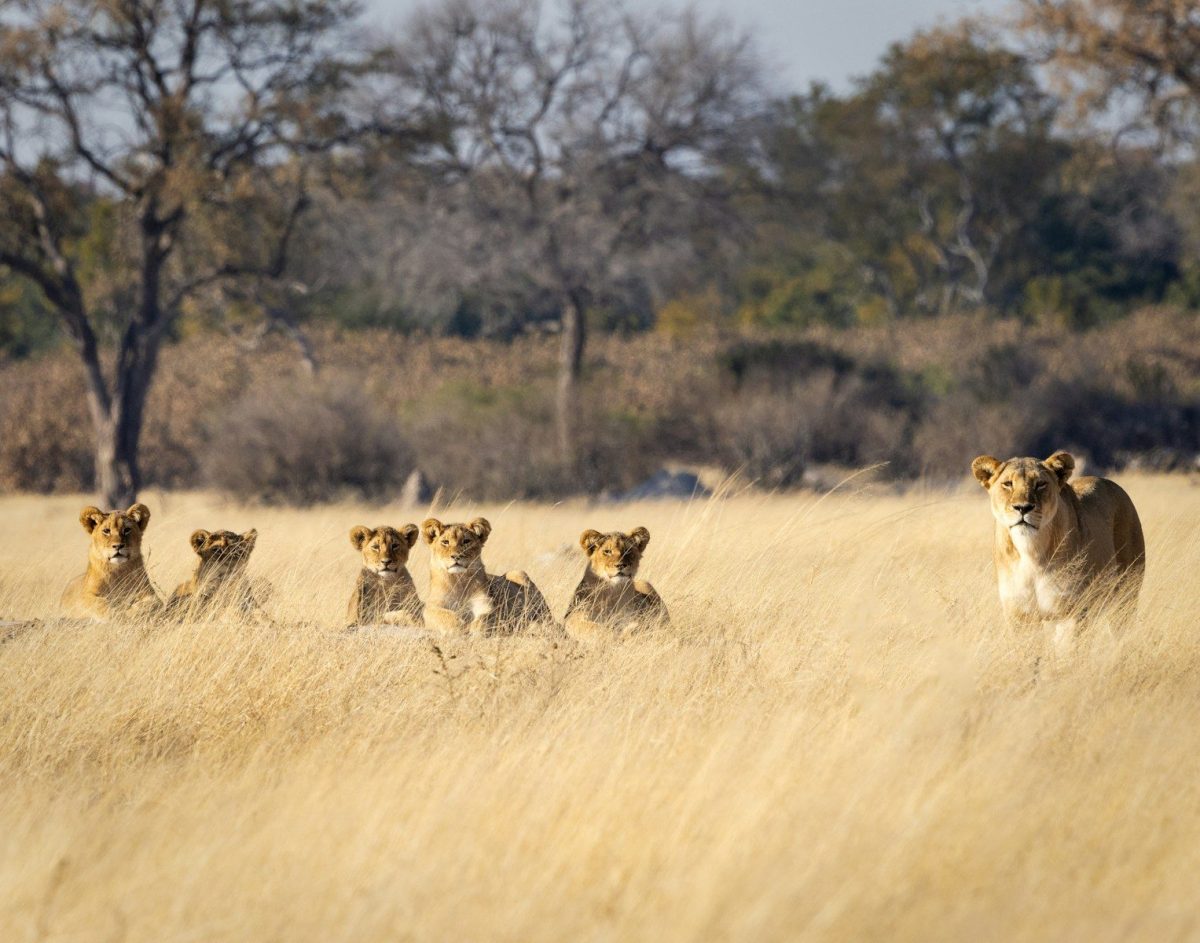
Hwange National Park is Zimbabwe’s largest protected wildlife area. The reserve supports strong lion populations thanks to large numbers of buffalo, antelope, and other prey animals.
Many travelers choose Hwange because it receives fewer visitors than some better-known safari destinations. During the dry season, wildlife gathers around pumped waterholes spread throughout the park. Lions frequently patrol these areas looking for hunting opportunities. Roaring lions can often be heard from safari camps after dark.
7. South Luangwa National Park, Zambia
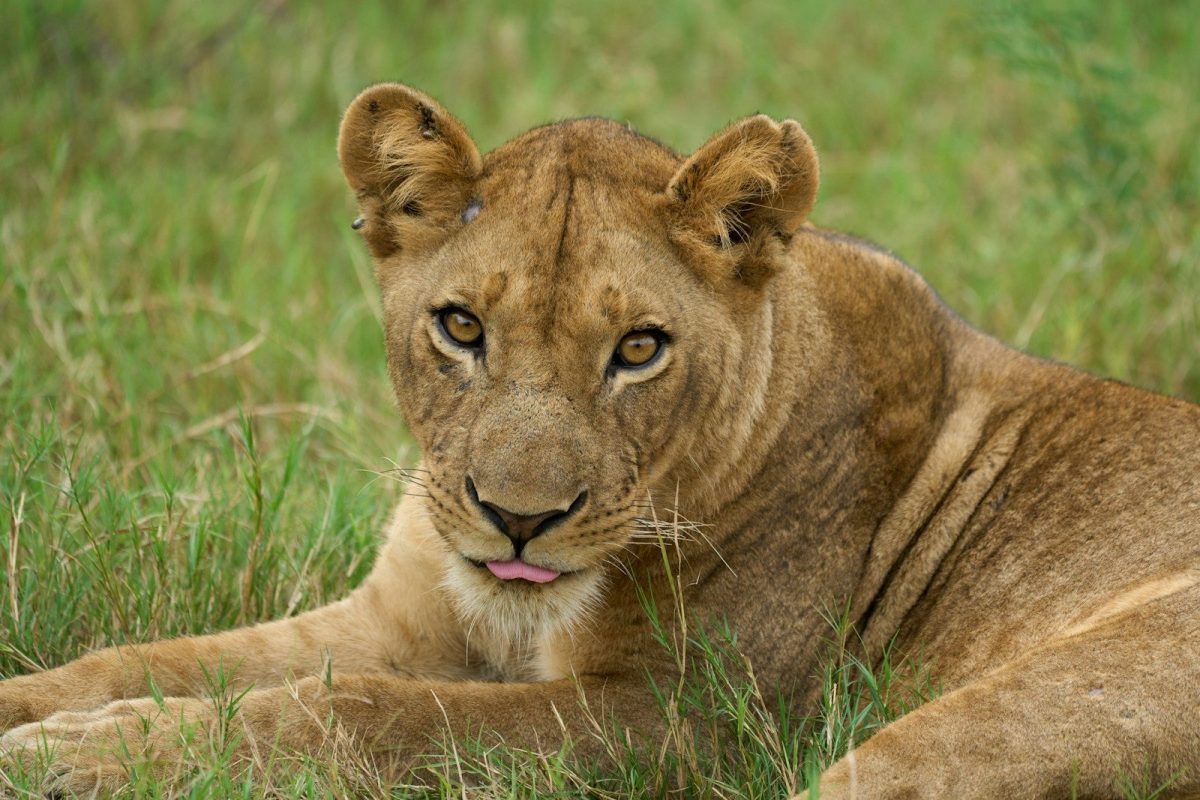
South Luangwa National Park has earned a reputation for excellent walking safaris and wildlife photography. Guides lead visitors through the bush on foot, creating a closer connection to the surrounding environment.
The Luangwa River attracts large numbers of animals, especially during the dry season when water becomes harder to find elsewhere. Lions benefit from the steady supply of prey near the riverbanks. Many safari visitors also appreciate the park’s remote atmosphere and lower tourist traffic.
8. Etosha National Park, Namibia
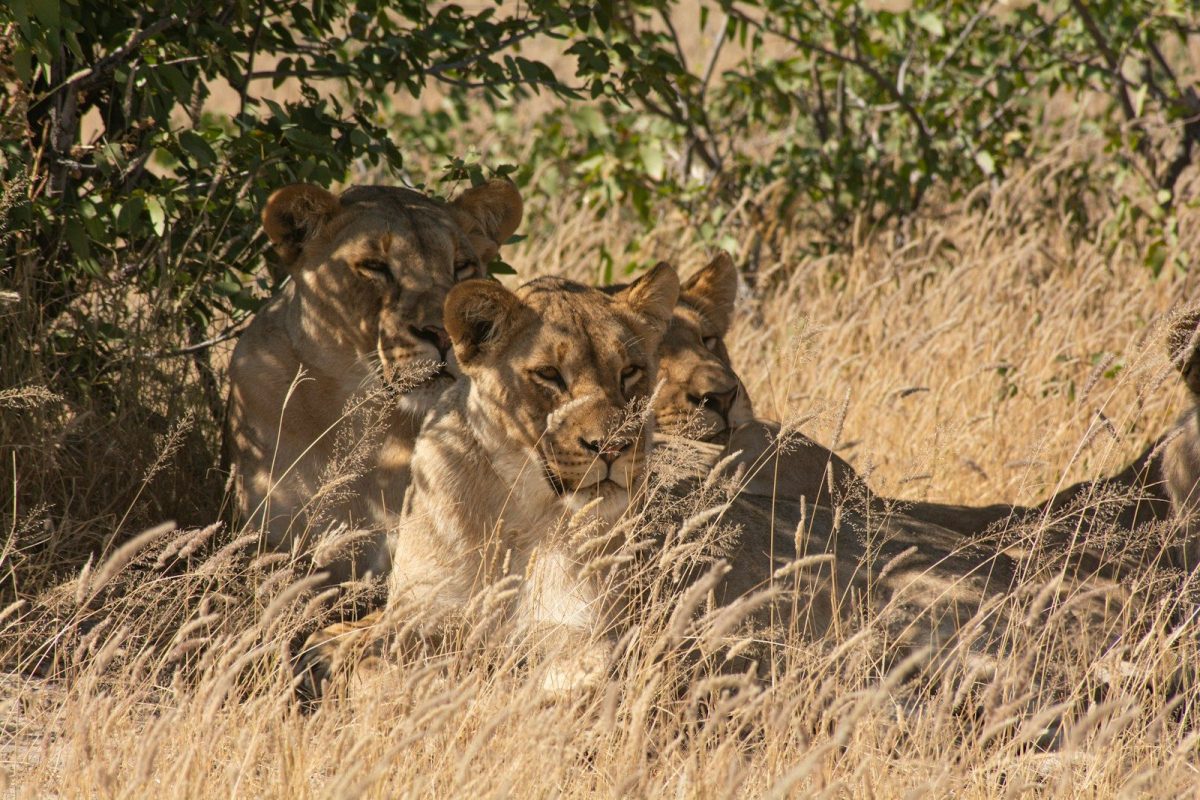
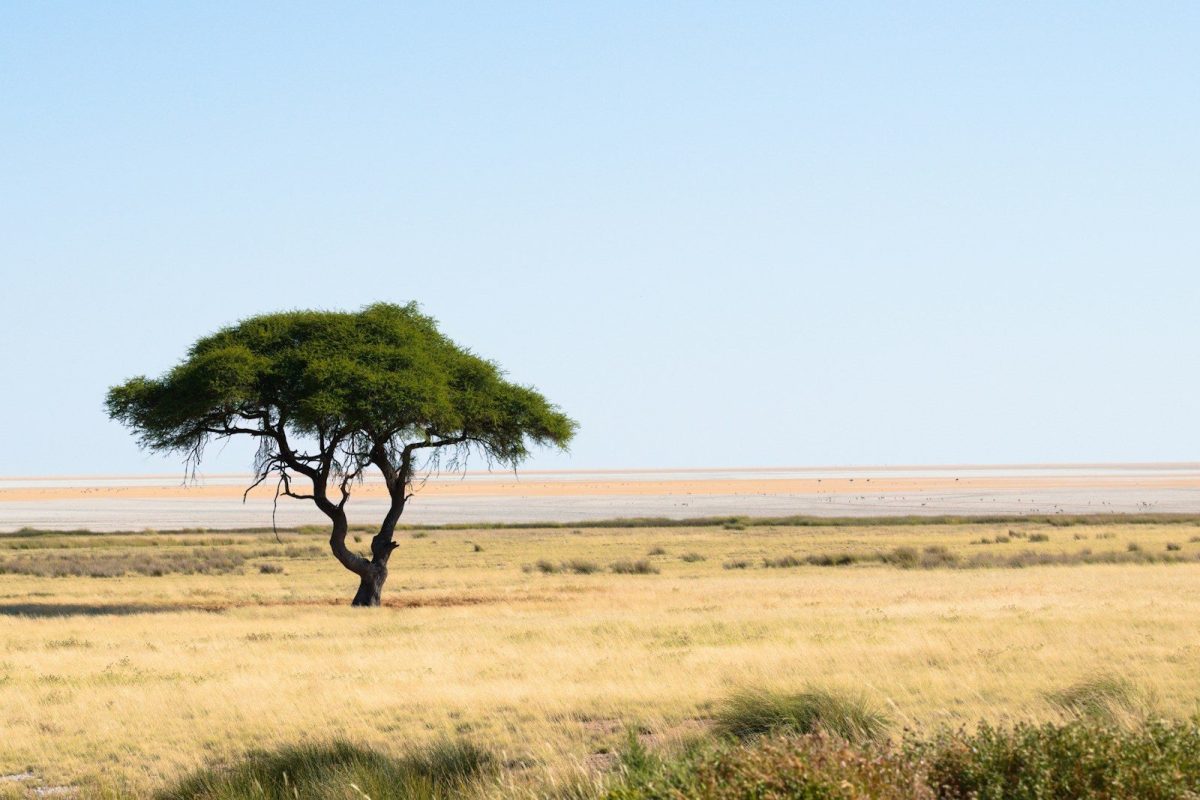
Etosha National Park stands out because of its massive salt pan, which stretches across much of northern Namibia. The pale surface becomes visible from space and creates a striking backdrop for wildlife photography.
Lions in Etosha survive in harsh, dry conditions where water remains limited for much of the year. Waterholes become gathering points for animals across the park, making predator sightings easier for visitors. Some lions in the region are known for taking down very large prey, including giraffes.
Why Lion Conservation Still Matters
Wild lions remain under pressure from habitat destruction, poaching, and conflict with humans. Protected parks and wildlife reserves continue to play a major role in keeping populations stable. Tourism also supports conservation by funding ranger patrols, research programs, and local jobs connected to wildlife protection.
Seeing lions in their natural habitat leaves a lasting impression on many travelers. These predators still represent strength and survival across some of the world’s remaining wild regions. Responsible tourism helps ensure future generations will continue to witness lions living freely in the wild.
