
Family life does not look the same in every country. In some places, most parents still marry before having children. In other places, couples often live together and start a family without a wedding.
This does not mean family is less important. It simply means people are choosing different paths. In many of these countries, the law protects children and parents even if the couple is not married.
For travelers, this is also an interesting way to understand local culture. It shows how people think about family, love, money, and daily life.
10. Sweden
In Sweden, about 57.5% of babies are born outside of marriage.
Sweden has strong support for families. Parents can get help with childcare, work leave, and social benefits. Because of this, marriage is not seen as something people must do before having children.
Many Swedish couples live together for years. They may buy homes, raise kids, and share a full family life without getting married.
9. France
In France, about 58.5% of babies are born outside of marriage.
France gives couples another choice besides marriage. It is called a civil solidarity pact. Many couples choose this because it gives them legal rights without a traditional wedding.
For many French families, love and commitment matter more than a formal ceremony. This is why many parents have children while living together.
8. Portugal
In Portugal, about 59.5% of babies are born outside of marriage.
Portugal has changed a lot over the years. It is now a modern country where many people make personal choices about family and marriage.
Unmarried couples have more rights than they once did. This makes it easier for people to build a family without feeling pressure to marry first.
7. Bulgaria
In Bulgaria, about 59.7% of babies are born outside of marriage.
Older views about marriage and family are not as strong as they used to be. Many people now see unmarried parenthood as normal.
Money can also play a role. Some couples may live together and raise children without spending money on a wedding. Others simply do not feel marriage is needed to prove commitment.
6. Norway

In Norway, about 61.2% of babies are born outside of marriage.
Norway gives strong legal rights to couples who live together. Unmarried parents can still build a stable home and raise children with support.
Like many Nordic countries, Norway has a relaxed view of marriage. Couples may live together, have children, and stay committed without signing marriage papers.
5. Iceland
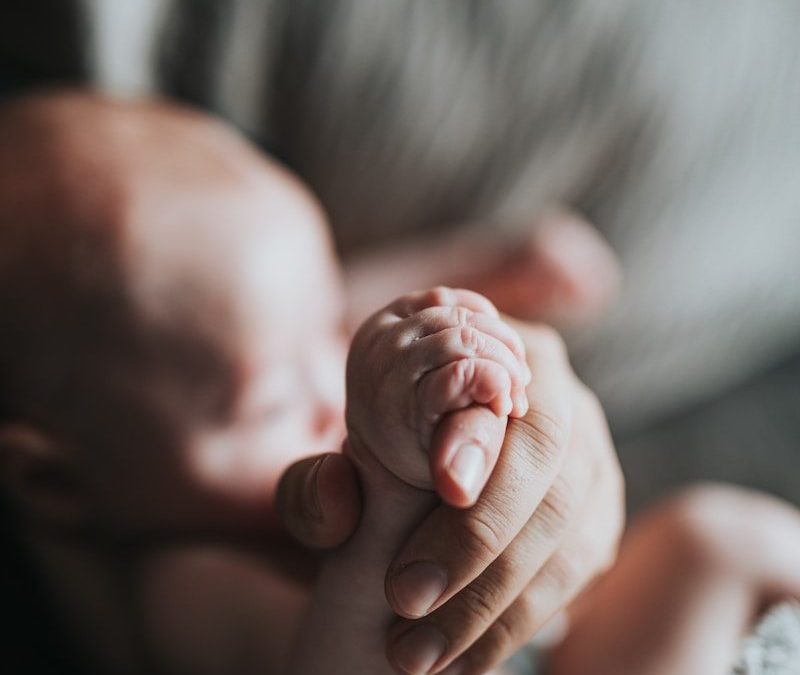
In Iceland, about 69.4% of babies are born outside of marriage.
Iceland gives support to parents no matter their marriage status. Single parents and unmarried couples can still receive help for children.
Because marriage does not bring many extra benefits, people treat it as a personal choice. Some couples marry later. Some never marry at all.
4. Mexico
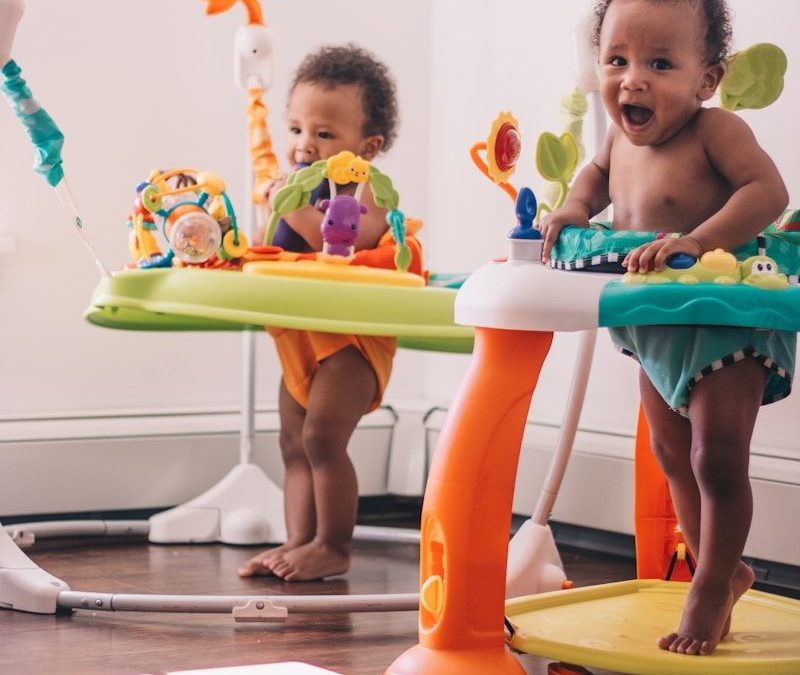
In Mexico, about 73.7% of babies are born outside of marriage.
Mexico has a legal idea known as concubinato. This means long-term couples who live together can get certain rights without being formally married.
This helps protect families and children. It also means couples may feel less need to marry before starting a family.
3. Costa Rica
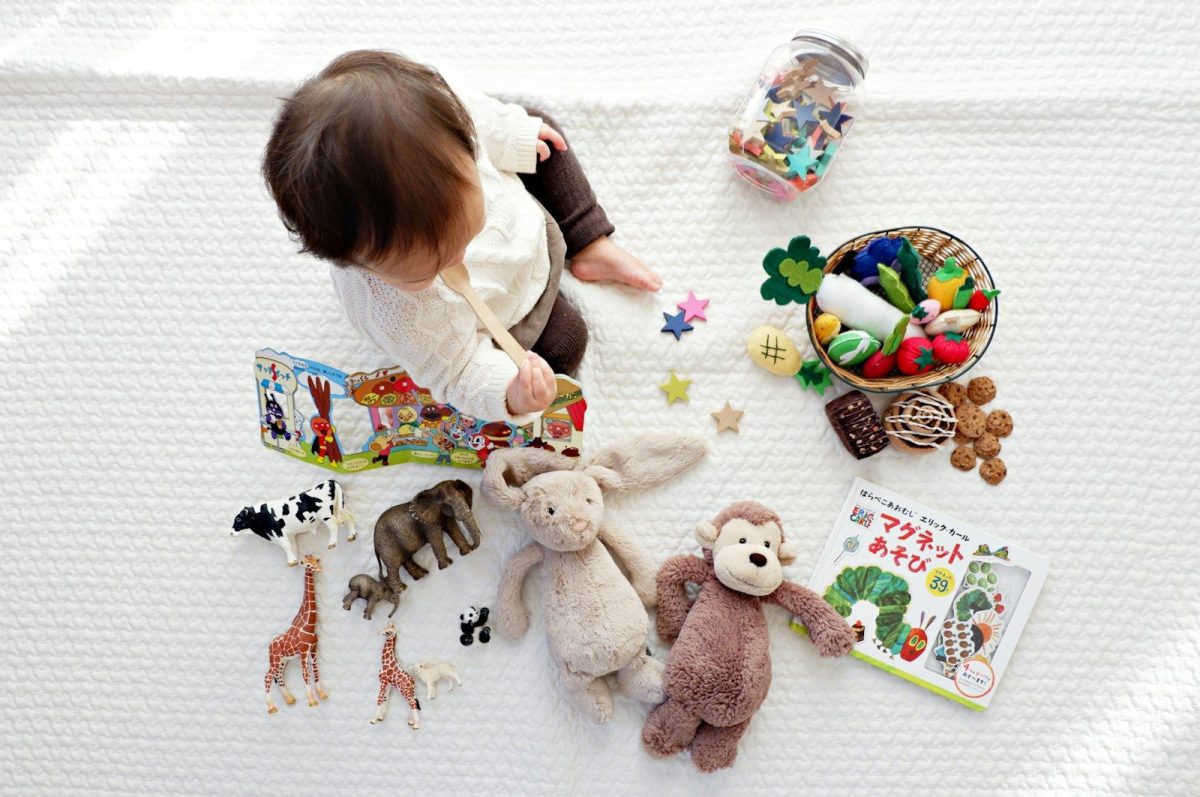
In Costa Rica, about 74% of babies are born outside of marriage.
For many couples in Costa Rica, marriage is seen as optional. Some people still enjoy big weddings, but others are happy to live together and raise children without one.
Family is still very important in the country. The difference is that a wedding is not always seen as the starting point of family life.
2. Chile

In Chile, about 78.1% of babies are born outside of marriage.
Chile has seen big changes in family life. Religion does not guide daily choices as strongly as it once did for many people.
More couples now choose to live together instead of marrying right away. For many parents, raising a child together matters more than having a formal wedding.
1. Colombia

Colombia has the highest rate on this list, with about 87% of babies born outside of marriage.
Living together without a wedding has deep roots in Colombian family life. It is not seen as unusual in many communities.
Colombian law also gives rights to many long-term couples who live together. This helps protect children and gives families more security.
What This Shows About Modern Families

These countries show that family life is changing around the world. Marriage is still important to many people, but it is no longer the only path to parenthood.
In some places, strong welfare systems make marriage less necessary for financial support. In others, local culture has long accepted couples living together before or instead of marriage.
For travelers, these numbers offer a small look into how people live. Every country has its own view of family, and each one tells a different story.
