
Travel is not only about beaches, food, and famous buildings. It is also about people and what they believe.
Religion shapes many parts of daily life. It can affect holidays, clothing, music, food, art, and even the way cities are built. When you visit a new country, you may see temples, churches, mosques, shrines, or sacred sites that tell a deeper story.
Here are 10 of the largest belief groups in the world, written in a simple travel-friendly way.
10. Sikhism
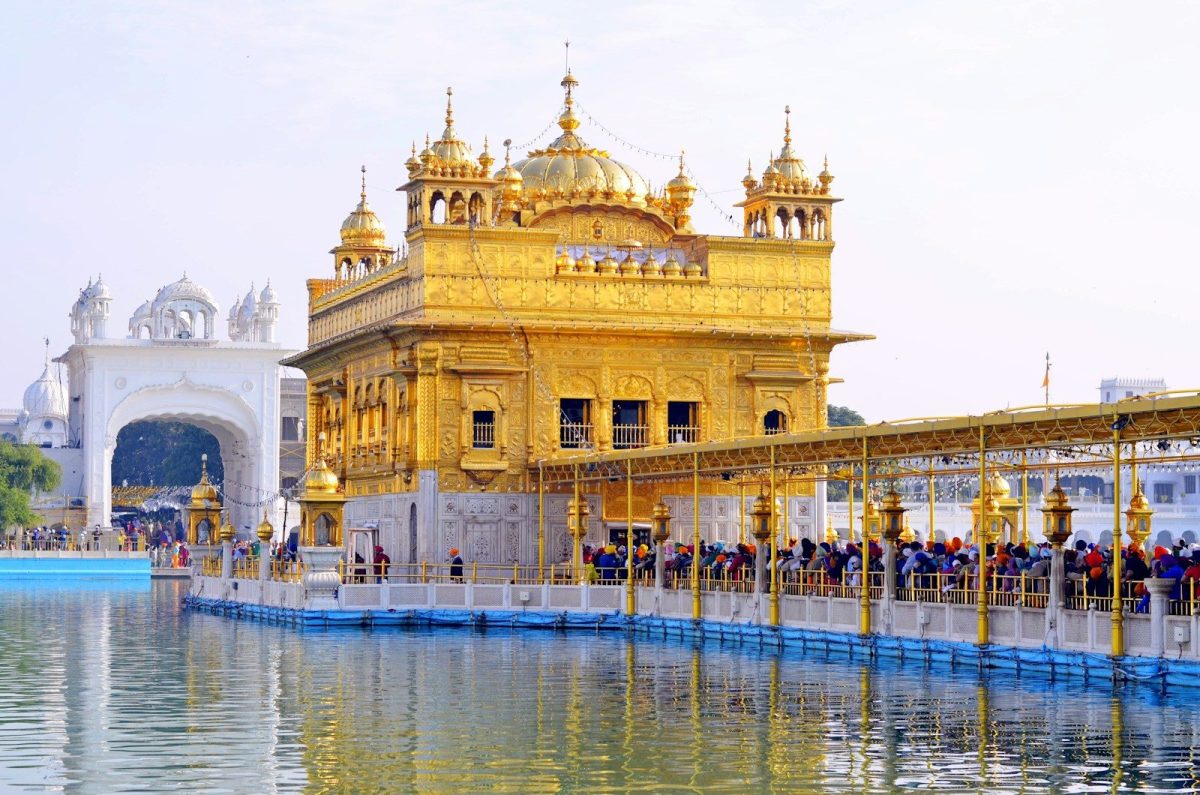
Sikhism began in the Punjab region of India. It started with Guru Nanak, a spiritual teacher from the 15th century.
Sikhs believe in one God. The faith teaches honest work, kindness, equality, and service to others.
Travelers may notice Sikh temples called gurdwaras. Many gurdwaras have a free community kitchen called langar. Anyone can eat there, no matter their religion or background.
This makes Sikhism easy to see through its strong focus on welcome and care.
9. New Religious Movements
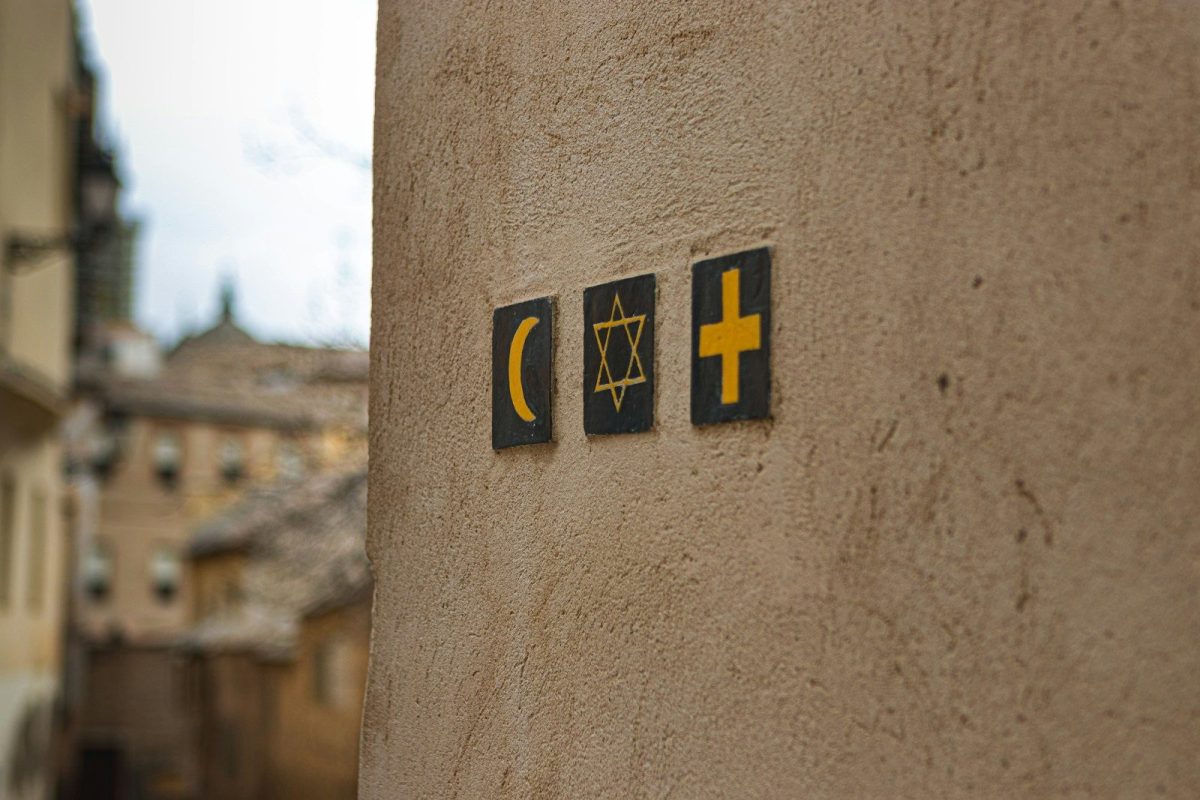
This is not one single religion. It is a group name for newer religious movements that grew in different parts of the world.
Many of these movements started in Asia after the mid-1800s. Some later spread to Europe, North America, and other regions.
For travelers, these groups can be seen in newer temples, meeting centers, or modern spiritual communities.
They show how religion is still changing and growing in today’s world.
8. Atheism
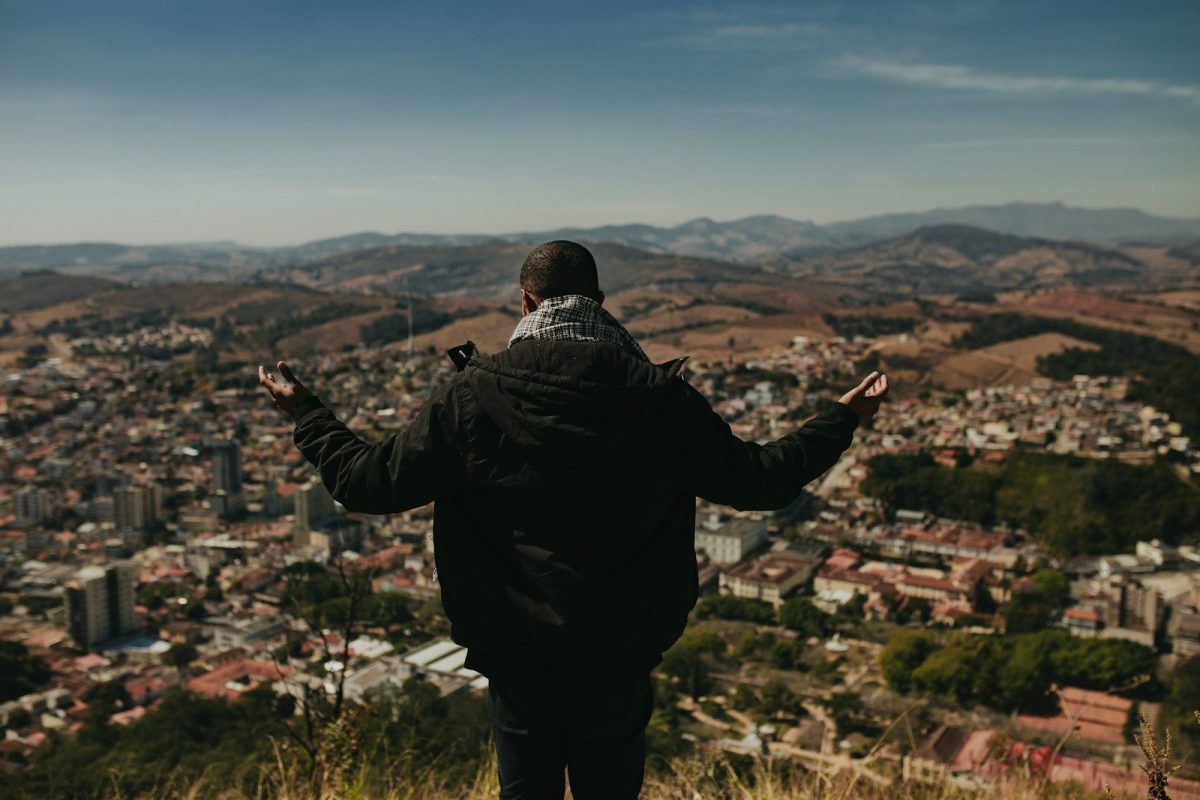
Atheism means a person does not believe in God or gods. It is not a religion, but it is often counted in world belief lists.
Some atheists are very open about their views. Others simply live without following any religion.
In many modern cities, travelers may meet people who are atheist or not religious. This is common in parts of Europe, East Asia, and some large urban areas.
It shows that beliefs can vary a lot, even inside one country.
7. Ethnic and Tribal Religions

Ethnic and tribal religions are closely linked to certain people, lands, and cultures.
Many of these beliefs are passed down through stories, songs, dances, and family traditions. They are often not written in one main holy book.
Examples include many African traditional faiths and Indigenous spiritual beliefs in the Americas and Australia.
For travelers, these traditions may appear in local festivals, sacred lands, masks, music, or healing practices. They are an important part of cultural identity.
6. Chinese Folk Religion
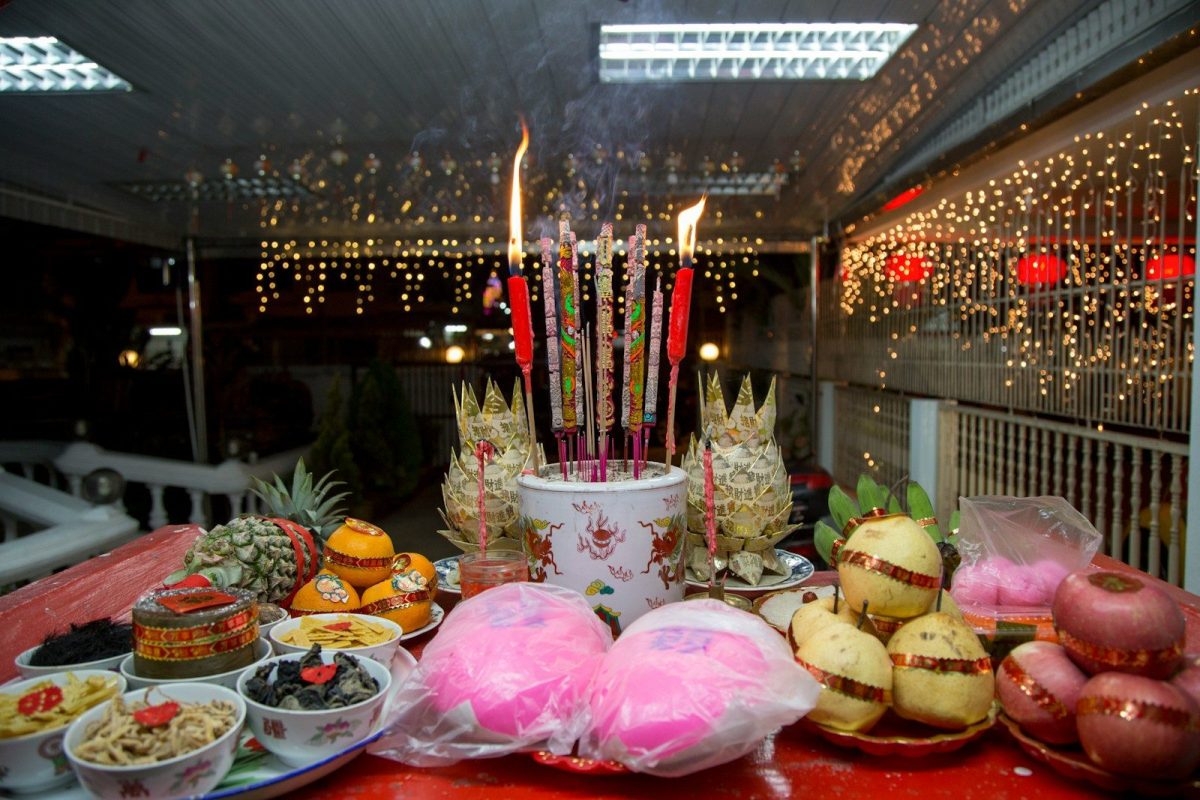
Chinese folk religion is a mix of many old beliefs. It includes respect for ancestors, nature spirits, local gods, heroes, and ideas from Buddhism and Daoism.
It does not work like one single church. It is more like a flexible way of honoring family, nature, and spiritual life.
Travelers may see small shrines in homes, shops, streets, or temples. Offerings, incense, and festival events are also common.
In China and many Chinese communities abroad, these practices are part of everyday life.
5. Buddhism
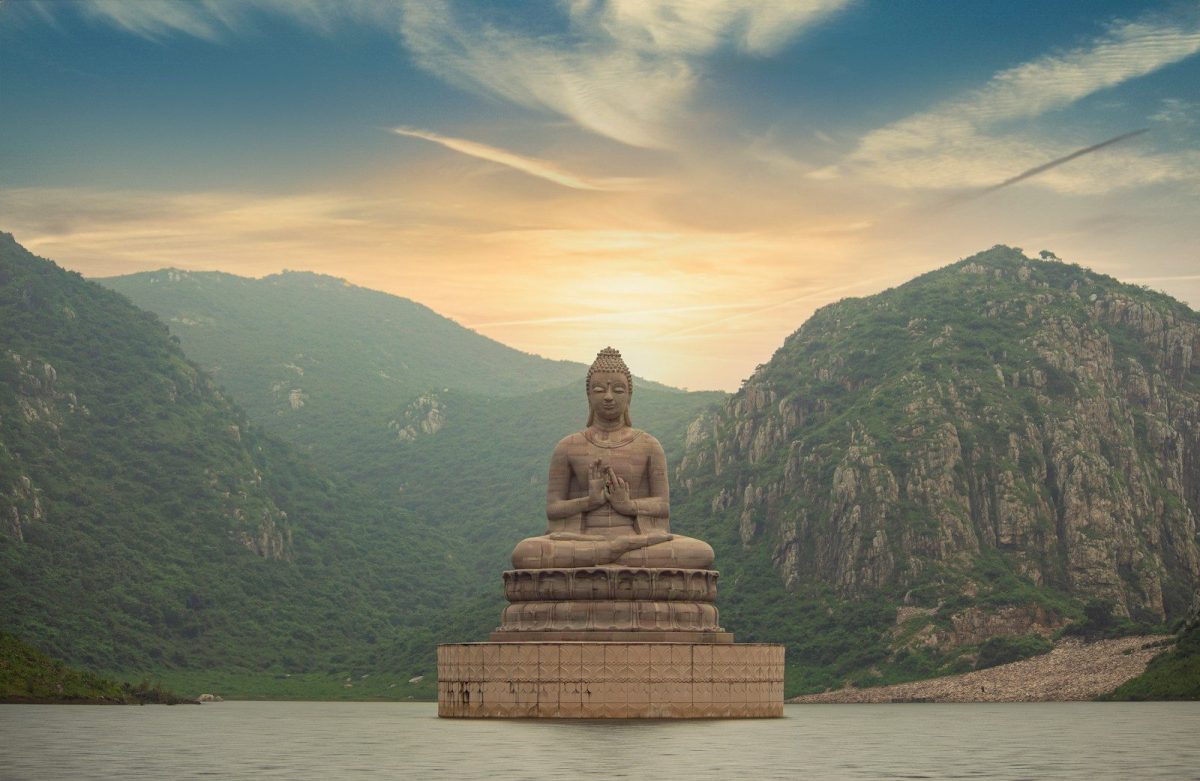
Buddhism began in ancient northern India. It was founded by Siddhartha Gautama, who became known as the Buddha.
Buddhism teaches that life has suffering, but people can find peace through wisdom, good actions, and meditation.
Today, Buddhism is common in many parts of Asia, including Thailand, Sri Lanka, Japan, Cambodia, Myanmar, and Tibet.
Travelers often see Buddhist temples, monks in robes, large Buddha statues, prayer flags, and quiet meditation spaces.
Many Buddhist sites are peaceful places to visit and learn.
4. Agnosticism

Agnosticism means a person does not claim to know if God or the supernatural exists.
Some agnostic people are unsure. Others believe that humans may never fully know the answer.
Like atheism, agnosticism is not a religion. But it is an important part of how many people think about faith and life.
Travelers may find this view common in countries where people are less tied to organized religion. It often appears in modern, mixed, and open societies.
3. Hinduism
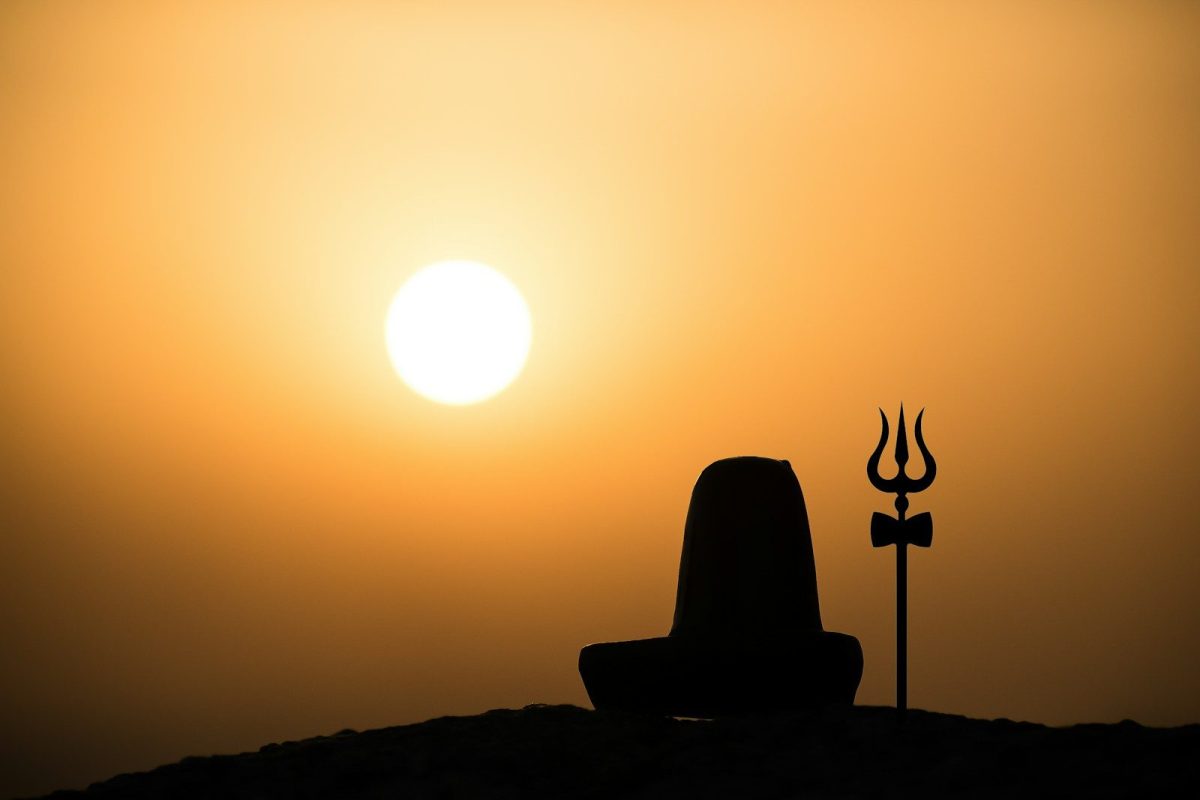
Hinduism began in the Indian subcontinent and is one of the oldest major religions in the world.
It is not based on one single founder. It includes many traditions, gods, stories, and ways of worship.
Important ideas include karma, rebirth, and moksha, which means freedom from the cycle of birth and death.
Travelers in India and Nepal may see Hindu temples, river rituals, colorful festivals, and sacred animals. Festivals like Diwali and Holi are famous around the world.
Hinduism has deeply shaped art, music, food, and daily life in South Asia.
2. Islam
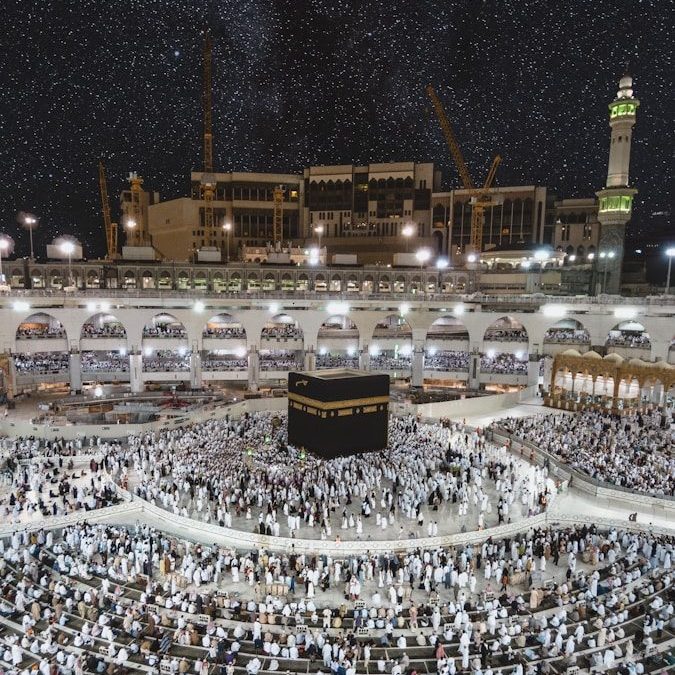
Islam is one of the largest religions in the world. Muslims believe in one God and follow the teachings of the Quran.
Muslims also believe that the Prophet Muhammad received God’s final message.
The faith is built around the Five Pillars. These include prayer, charity, fasting, faith, and pilgrimage.
Travelers may hear the call to prayer in Muslim-majority countries. They may also see mosques, Ramadan traditions, halal food, and beautiful Islamic art.
Islam has shaped many famous travel places, from Istanbul and Cairo to Mecca, Marrakech, Lahore, and Kuala Lumpur.
1. Christianity
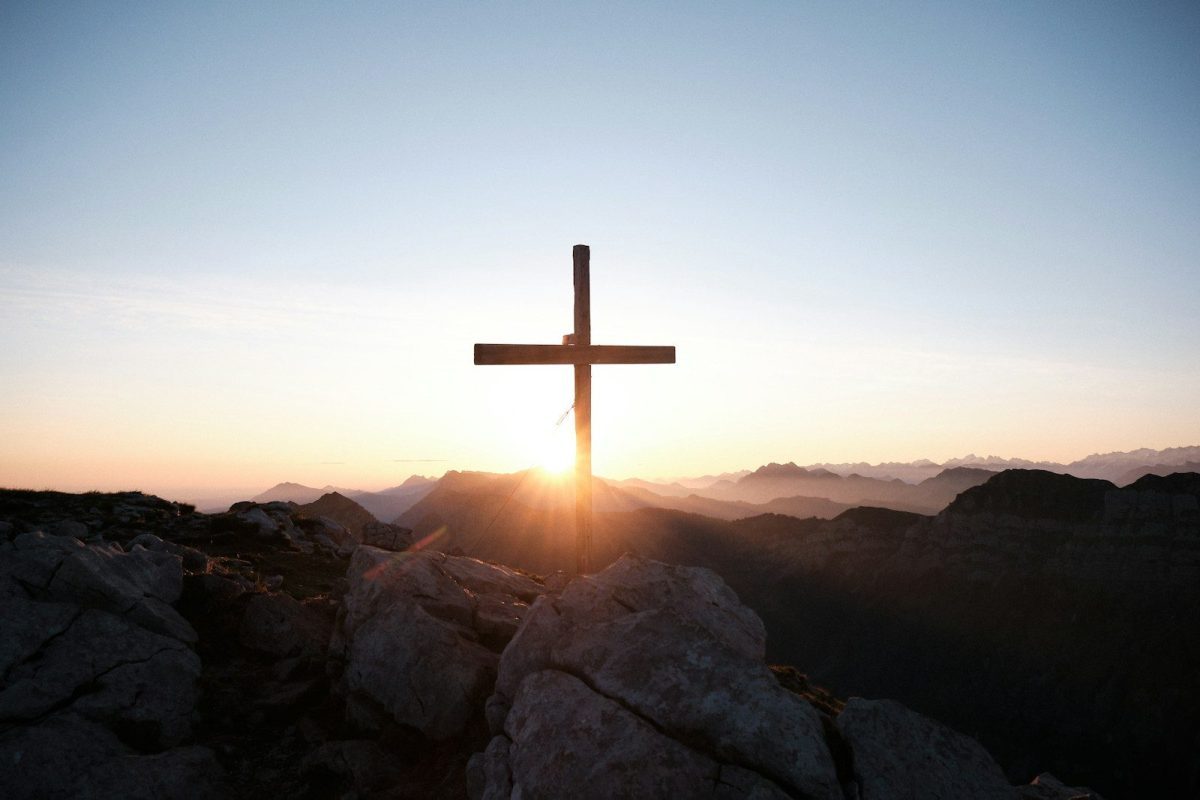
Christianity is the largest religion in the world, with around 2.5 billion followers.
Christians believe in Jesus Christ and his life, death, and resurrection. The faith has many branches, including Roman Catholicism, Protestantism, and Eastern Orthodoxy.
Travelers can see Christianity in many famous places. These include churches, cathedrals, monasteries, crosses, paintings, music, and Christmas traditions.
Some of the world’s most visited religious sites are Christian, such as the Vatican, Jerusalem, and major cathedrals across Europe.
Christianity has had a huge impact on world history, art, law, holidays, and culture.
Religion is one of the biggest parts of human culture. It tells us what people value, how they celebrate, and how they understand life.
For travelers, learning about local beliefs can make a trip feel richer. It helps you respect customs, understand sacred places, and connect with people in a better way.
No matter where you go, faith and belief are often part of the story waiting to be discovered.
