
Learning a few local words can make travel better. Even simple words like “hello,” “thank you,” and “please” can help you connect with people.
But some languages are much harder to learn than others, especially for English speakers. Some have new alphabets. Some have tricky grammar. Some are very different from English in almost every way.
That does not mean travelers should avoid them. It just means they may need more time and patience.
Here are 12 of the world’s harder languages to learn, and why they can be useful for travel.
1. Mandarin

Mandarin is one of the most spoken languages in the world.
It is widely used in China and by many Chinese communities around the world. For travelers, learning even a few Mandarin phrases can be very helpful.
But Mandarin can be hard for English speakers. It uses tones, which means the meaning of a word can change based on how you say it.
The writing system is also very different. Instead of an alphabet like English, Mandarin uses characters.
2. Cantonese
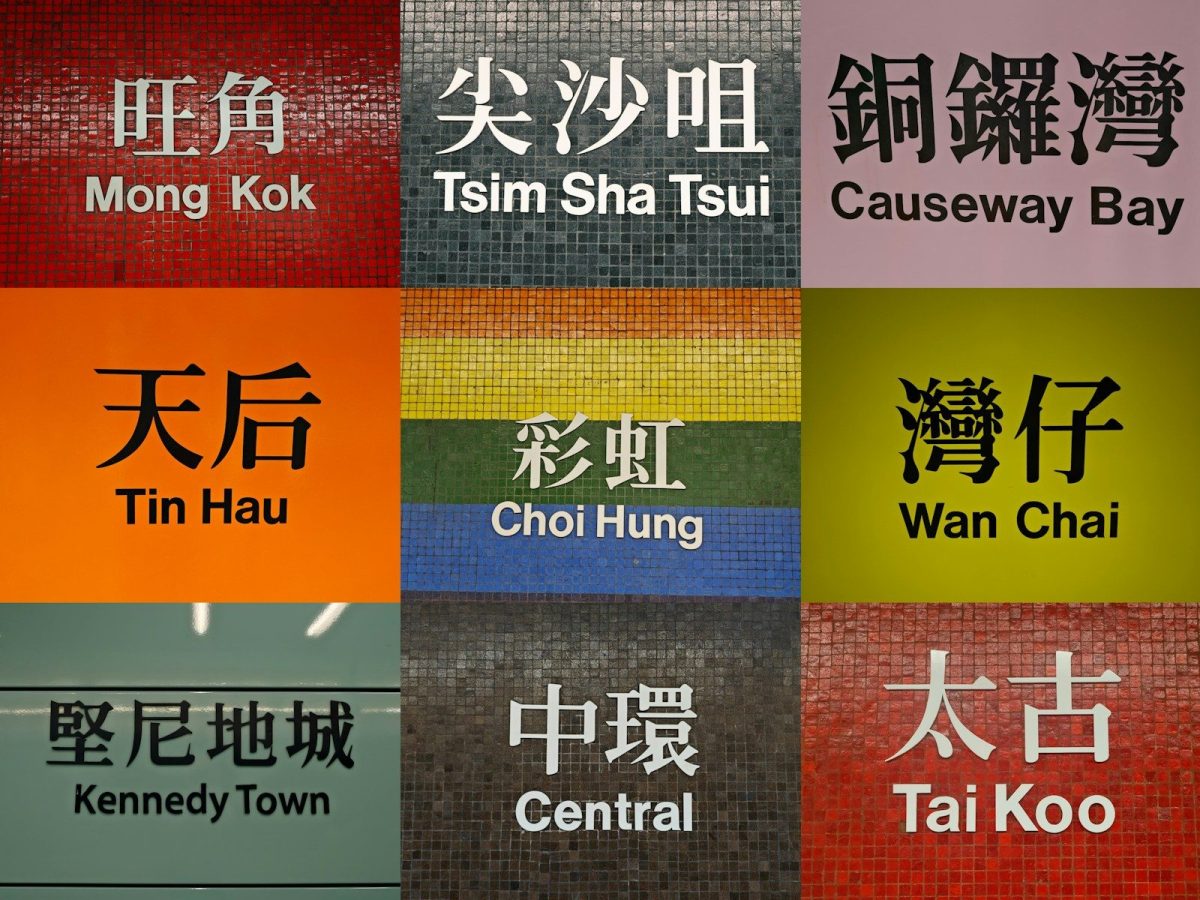
Cantonese is another Chinese language. It is spoken in places like Hong Kong, parts of southern China, and some Chinese communities abroad.
For travelers visiting Hong Kong, Cantonese can be useful in markets, restaurants, and local neighborhoods.
It is difficult because it also uses tones. The sound of a word matters a lot.
Like Mandarin, the writing system can also be hard for beginners.
3. Korean

Korean is the main language of South Korea and North Korea.
For travelers visiting Seoul, Busan, or Jeju, learning Korean can make the trip smoother and more personal.
Korean has its own writing system, called Hangul. Many people say Hangul is easy to learn compared with other scripts.
But the grammar can be hard for English speakers. Sentence order is different, and polite speech is very important in Korean culture.
4. Japanese

Japanese is not listed in the source text, but it is often seen as a hard language for English speakers and is useful for travel in Japan.
Travelers may enjoy learning Japanese before visiting Tokyo, Kyoto, Osaka, or smaller towns.
The language has different writing systems, including hiragana, katakana, and kanji. That can feel like a lot at first.
Japanese also has polite forms that change depending on who you are speaking to.
5. Thai
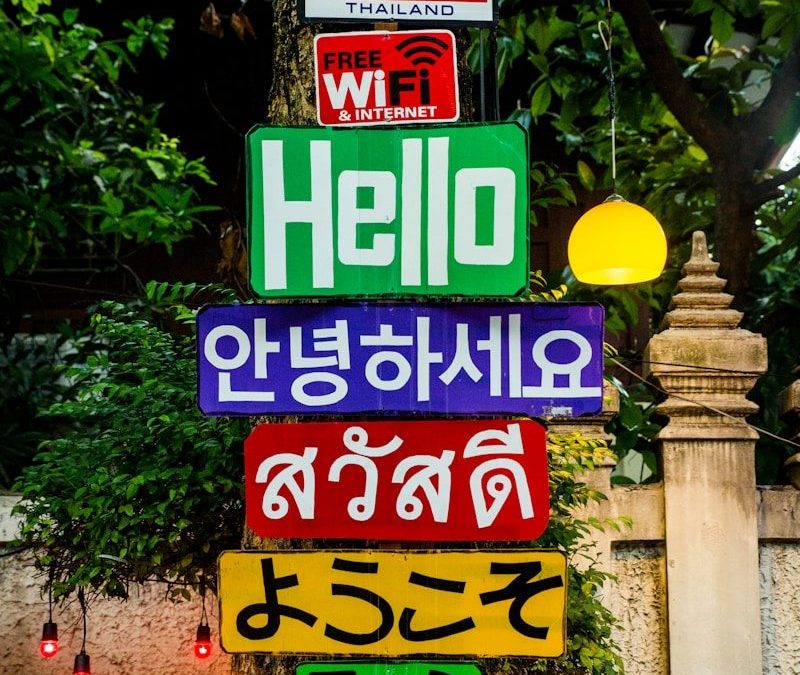
Thai is the main language of Thailand.
It is useful for travelers visiting Bangkok, Chiang Mai, Phuket, or the islands.
Thai can be hard because it has a different alphabet. It is also a tonal language, so pronunciation matters a lot.
Even learning basic travel words can help. A simple greeting or thank you can be warmly received.
6. Urdu

Urdu is one of the official languages of Pakistan.
For travelers visiting Lahore, Islamabad, Karachi, or northern areas of Pakistan, Urdu can be very useful.
It is written in a script that may be new to English speakers. Its grammar and sentence structure can also take time to understand.
But learning basic Urdu phrases can help travelers connect with local people and show respect for the culture.
7. Persian

Persian, also called Farsi, is spoken in Iran and some nearby regions.
For travelers interested in history, poetry, food, and old cities, Persian can open the door to a deeper experience.
The language uses a writing system that may be difficult for English speakers at first.
Still, Persian is known for its beauty and long literary history.
8. Arabic

Arabic is not listed in the source text, but it is also widely known as a difficult language for English speakers and is very useful for travel.
It is spoken in many countries across the Middle East and North Africa.
Arabic can be hard because it has a different script and many regional dialects. The Arabic spoken in Morocco may sound different from the Arabic spoken in Egypt or the Gulf.
For travelers, even basic Arabic greetings can be helpful in many countries.
9. Finnish
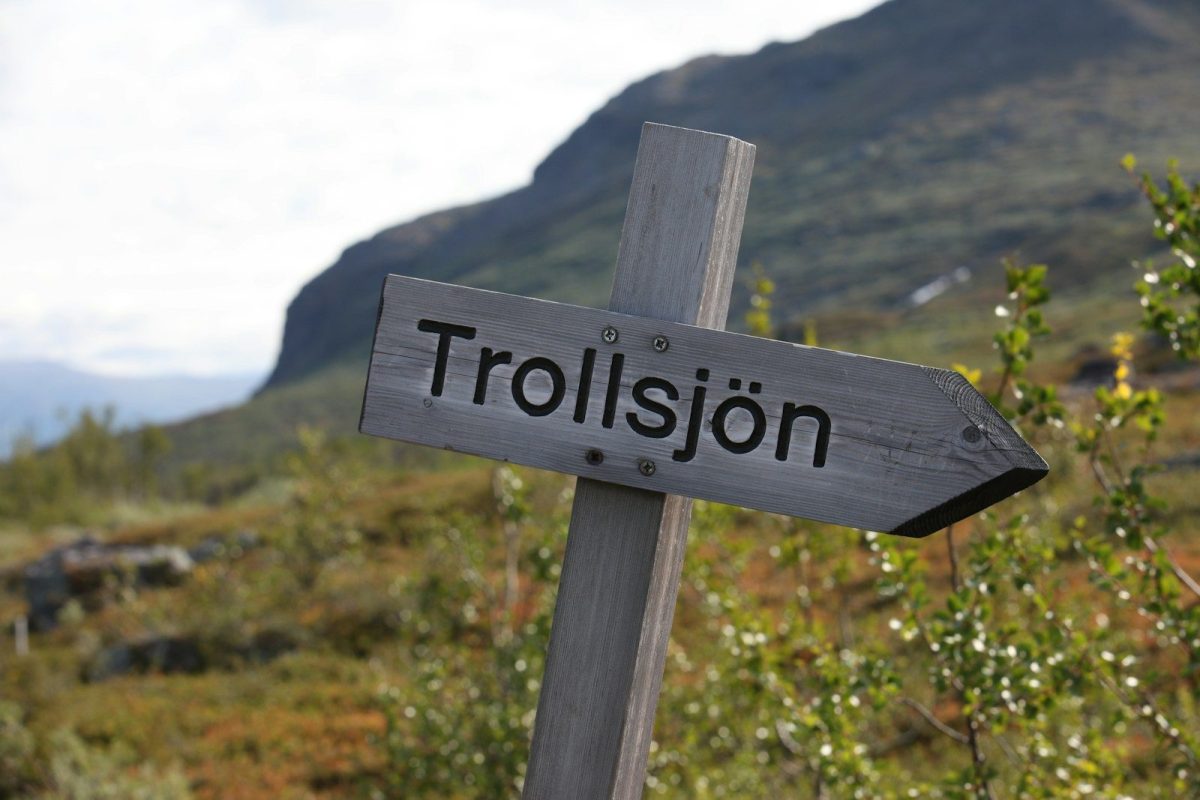
Finnish is spoken in Finland.
It is known for being difficult because its grammar is very different from English. Words can change form in many ways.
For travelers, learning Finnish is not always required because many people in Finland speak English.
But using a few Finnish words can still be a kind gesture. It can also make the trip feel more local.
10. Hungarian

Hungarian is spoken in Hungary and also by some people in nearby countries.
Travelers visiting Budapest may hear it everywhere, from public transport to cafés and local markets.
Hungarian is hard because it is not very close to English. Its grammar can feel unfamiliar, and words can be long.
Still, learning a few basic phrases can make everyday travel easier and more fun.
11. Polish

Polish is spoken in Poland.
For travelers visiting Warsaw, Kraków, Gdańsk, or smaller towns, basic Polish can be useful.
The language can be difficult because of its pronunciation, spelling, and grammar. Some sounds may be hard for English speakers to say at first.
But simple words like greetings and thank you are worth learning before a trip.
12. Basque

Basque is spoken in the Basque Country, which includes parts of northern Spain and southwestern France.
It is one of the most unique languages in Europe. It is considered a language isolate, which means it is not closely related to other languages.
That makes it hard to learn.
For travelers visiting places like Bilbao or San Sebastián, Spanish is also widely useful. But learning a few Basque words can show respect for local identity.
Hard languages can feel scary at first, but travelers do not need to become fluent before a trip.
Even a few words can help. They can make people smile, make small moments easier, and show that you care about the place you are visiting.
Some languages take years to learn well. But for travel, a small start is still meaningful.
Learning the local language, even just a little, can turn a normal trip into a richer one.
