
People love stories about lost cities and ancient ruins. Some places look so strange that they still leave experts with questions today. One of the most talked-about sites is a mysterious underwater area near Cuba that some people believe could be the remains of an ancient city.
Here are seven ancient places that continue to surprise travelers, historians, and archaeologists around the world.
1. The Mysterious Underwater Site Near Cuba
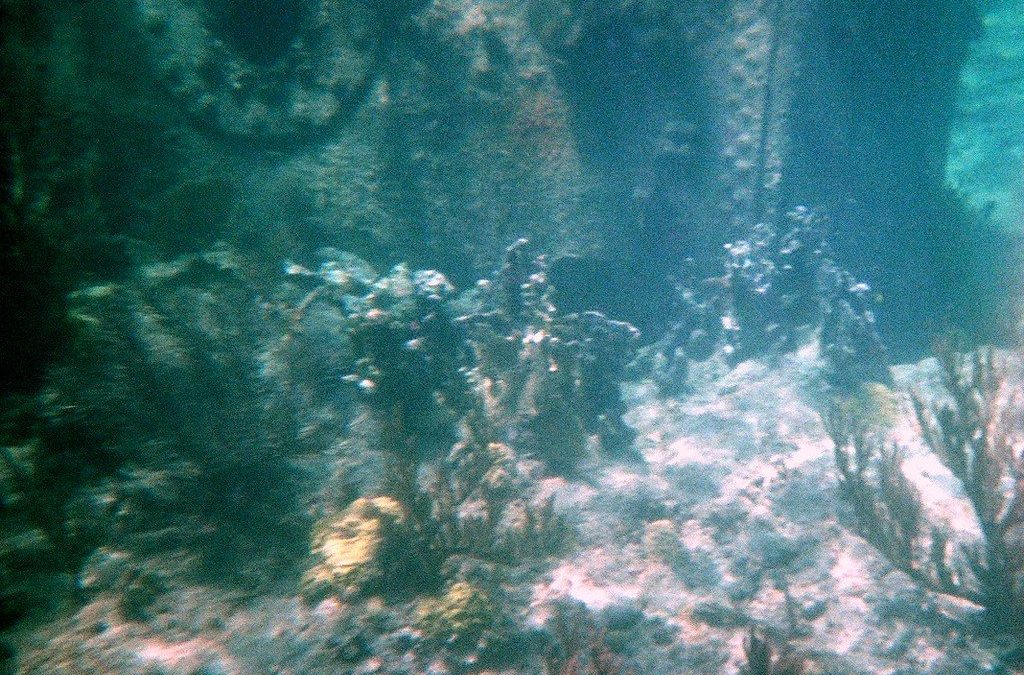
In 2001, marine engineer Paulina Zelitsky and her husband Paul Weinzweig said they found strange stone structures deep underwater near Cuba’s Guanahacabibes Peninsula.
Using sonar scans, the team spotted shapes that looked like pyramids, circles, and large buildings more than 2,000 feet below the sea. The discovery quickly caught worldwide attention because the structures appeared to resemble a lost city.
Some researchers suggested the site could be more than 6,000 years old. If true, it would be older than the famous Egyptian pyramids.
Still, many scientists remain doubtful. Some experts believe the formations are simply natural rocks shaped by the ocean over time. Others say it would have taken far longer than 6,000 years for a city to sink that deep underwater.
No major follow-up expedition ever took place, partly because of funding problems and scientific disagreement. Today, the site remains one of the Caribbean’s biggest underwater mysteries.
2. Göbekli Tepe in Turkey
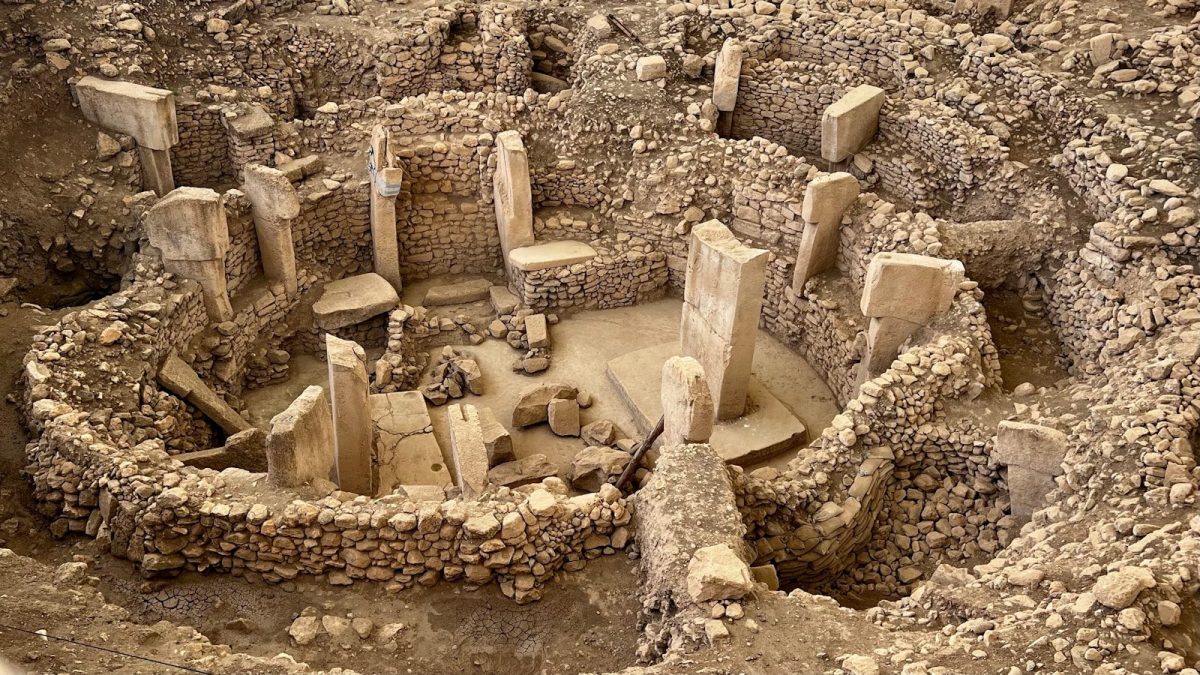
Göbekli Tepe is one of the oldest known temple sites in the world. It is located in southeastern Turkey and is believed to date back to around 9500 BC.
That makes it thousands of years older than both the Egyptian pyramids and Stonehenge.
The site has giant stone pillars carved with animals and symbols. Archaeologists believe ancient people gathered there long before large cities existed. Many travelers visit the area today to see how advanced early humans may have been.
3. Japan’s Yonaguni Monument
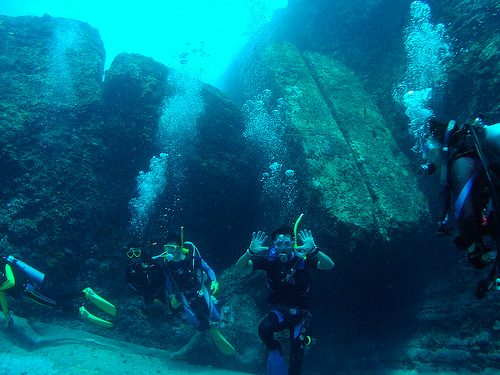
Near Japan’s Yonaguni Island lies another underwater mystery called the Yonaguni Monument.
The site has large stone steps and sharp angles that look almost man-made. Some people think it may be the remains of an ancient pyramid or temple hidden under the sea.
Scientists disagree about what it really is. Some say nature created the shapes naturally, while others believe humans may have carved parts of it long ago.
The monument has become a popular spot for divers and adventure travelers who want to explore one of the world’s strangest underwater landmarks.
4. Stonehenge in England
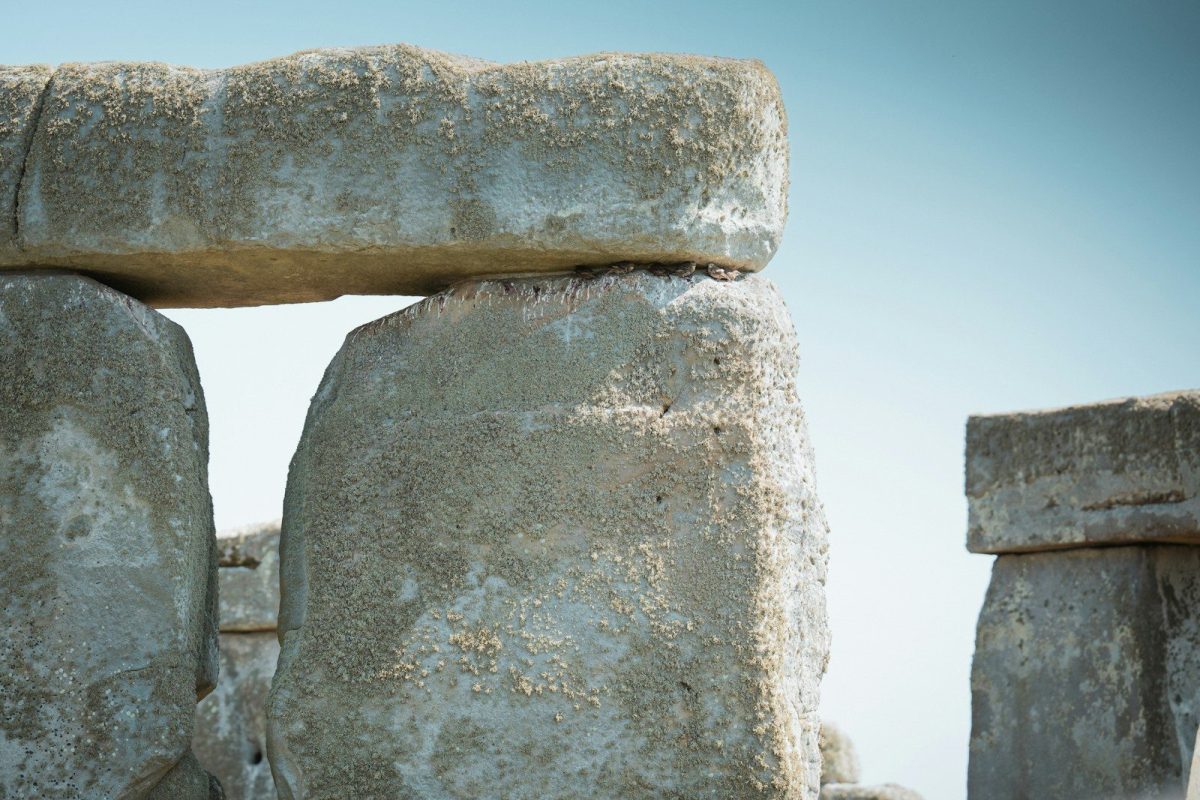
Stonehenge is one of the most famous ancient sites on Earth.
The giant standing stones were placed in southern England thousands of years ago. Even today, experts still debate exactly how ancient builders moved such heavy stones without modern tools.
Many people also wonder what Stonehenge was used for. Some believe it was linked to religion, while others think it helped track the movement of the sun and stars.
The site attracts millions of visitors every year, especially during sunrise events in summer.
5. The Great Pyramids of Egypt
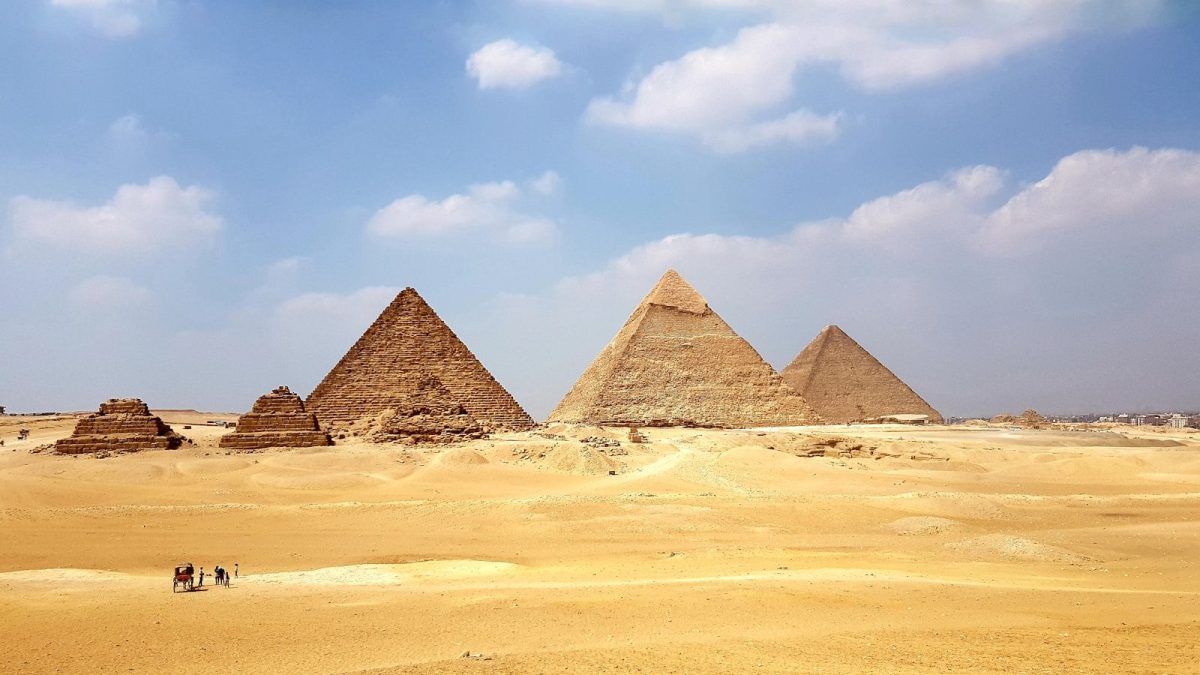
The Great Pyramid of Giza continues to amaze travelers with its size and design.
Built more than 4,500 years ago, the pyramids still stand as one of the greatest engineering achievements in history. Scientists continue to study hidden chambers and secret tunnels inside the structures.
Even with years of research, many details about how the pyramids were built remain unclear.
Visitors from around the world travel to Egypt to see these giant structures up close and learn about ancient Egyptian life.
6. Machu Picchu in Peru
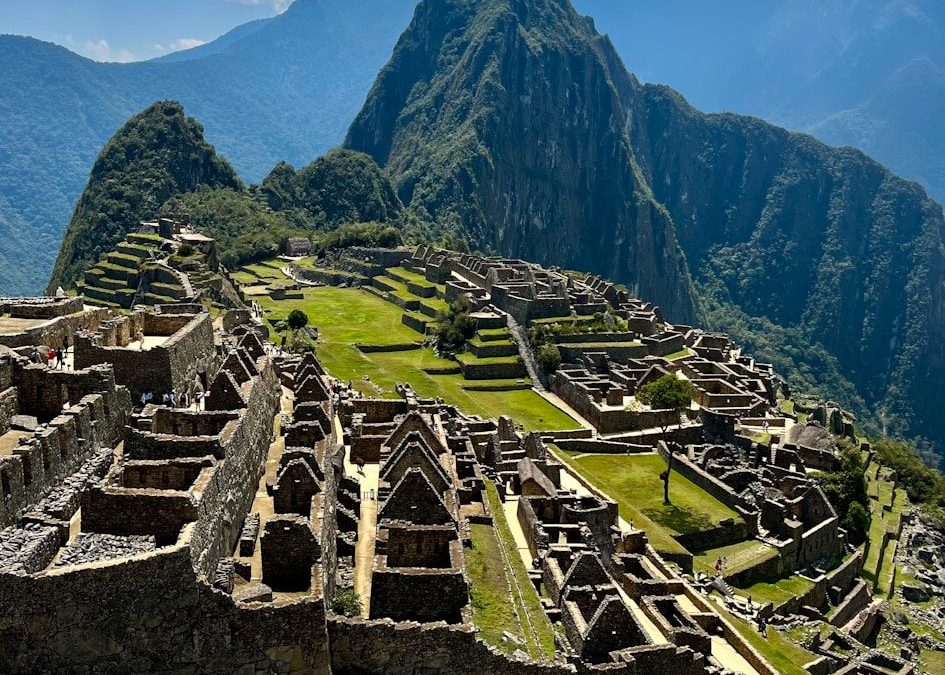
High in the Andes Mountains sits Machu Picchu, the famous Inca city often called the “Lost City of the Incas.”
The site was built in the 15th century and later abandoned. Spanish conquerors never found it, which helped preserve much of the ancient city.
Travelers visit Machu Picchu for its mountain views, stone buildings, and mysterious history. Experts still study how the Incas managed to build such detailed structures high above the clouds.
7. Petra in Jordan
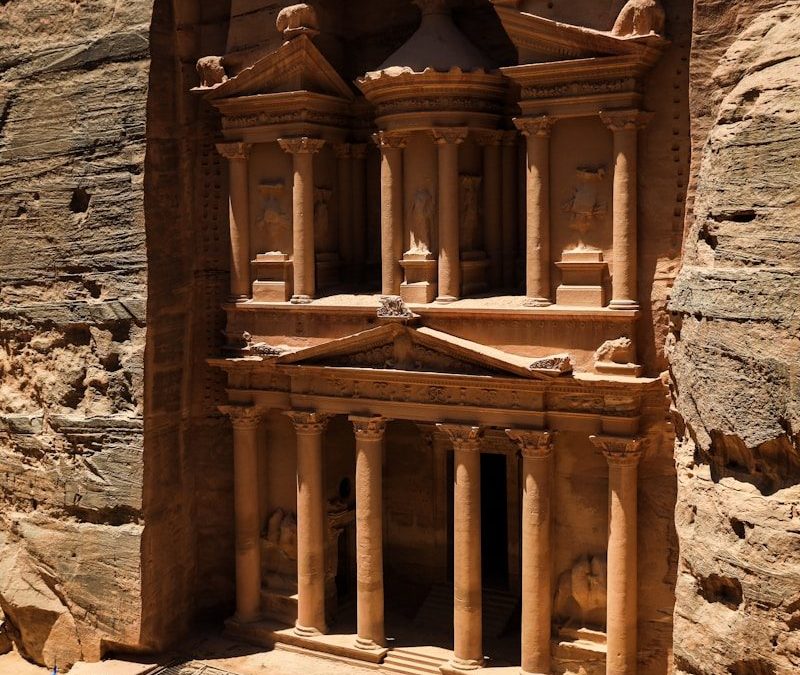
Petra is an ancient city carved directly into red rock cliffs.
The city was once an important trade center in the Middle East. Many buildings, tombs, and temples were cut by hand into the stone walls centuries ago.
Petra stayed hidden from much of the world for hundreds of years before it was rediscovered in the 1800s.
Today, travelers walk through narrow rock paths to explore one of the most beautiful archaeological sites in the world.
Ancient ruins give people a chance to step into the past. Some places tell clear stories about human history, while others still raise big questions.
The underwater site near Cuba remains especially mysterious because no one has fully explored it since the first discovery. Whether the structures are natural formations or something built by humans, the mystery continues to capture attention online and in the travel world.
For many travelers, these places are more than old stones. They are reminders that the world still holds secrets waiting to be understood.
