

Most travelers think the hard part is booking flights and packing bags. But according to travel experts, the real issues often come from the small things people forget before leaving. These are the details that seem minor at first but can quickly turn into major problems during a trip.
Even experienced travelers miss these steps more often than expected. It usually happens because the focus stays on packing and planning while practical checks get ignored. Here are eight commonly overlooked things that can make or break a trip.
Not checking entry and passport rules carefully
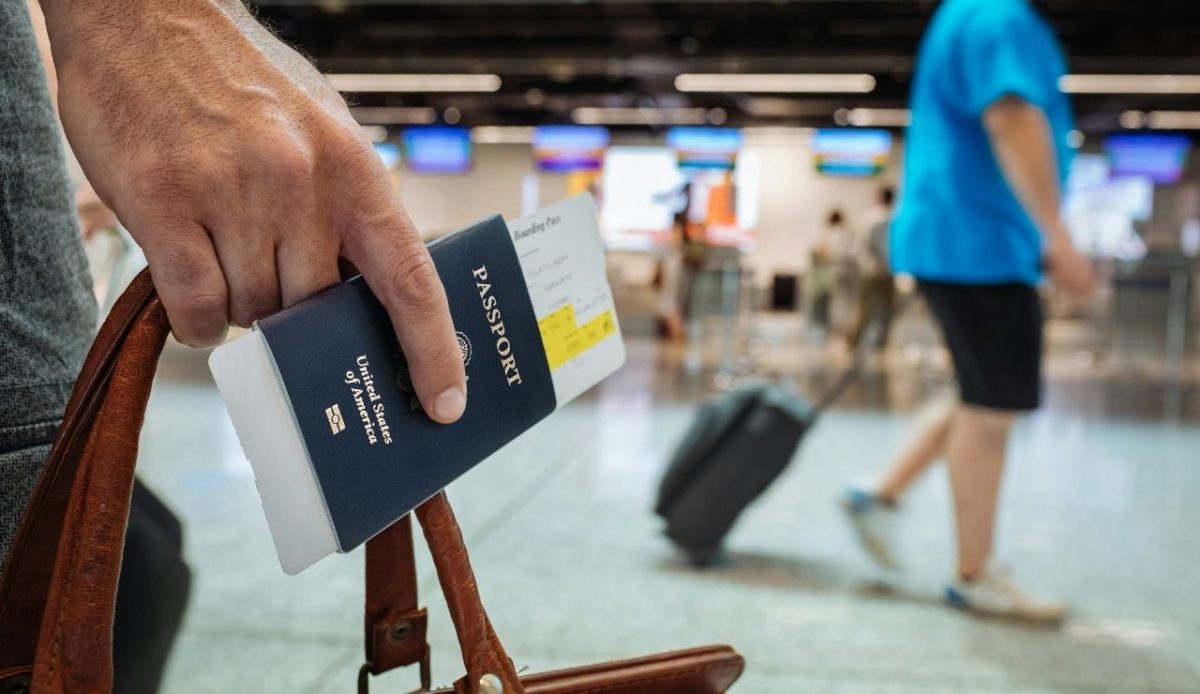
One of the most common mistakes is assuming a valid passport is enough. Many countries require at least six months of validity or extra blank pages, and some have additional entry rules. Even a short layover in another country can create issues if requirements are not checked properly.
Entry rules can also change frequently. Travelers who rely on old information risk being denied boarding or entry. A quick check before departure can prevent serious problems.
Not reviewing bookings after making them

Many travelers book flights and hotels and never look at them again. But schedules, prices, and availability can change between booking and departure. Experts suggest checking reservations regularly to avoid surprises.
Sometimes better deals or seat options become available. In other cases, airlines may change flight times without clear notice. A quick review can help travelers stay ahead of these changes.
Not saving copies of important documents
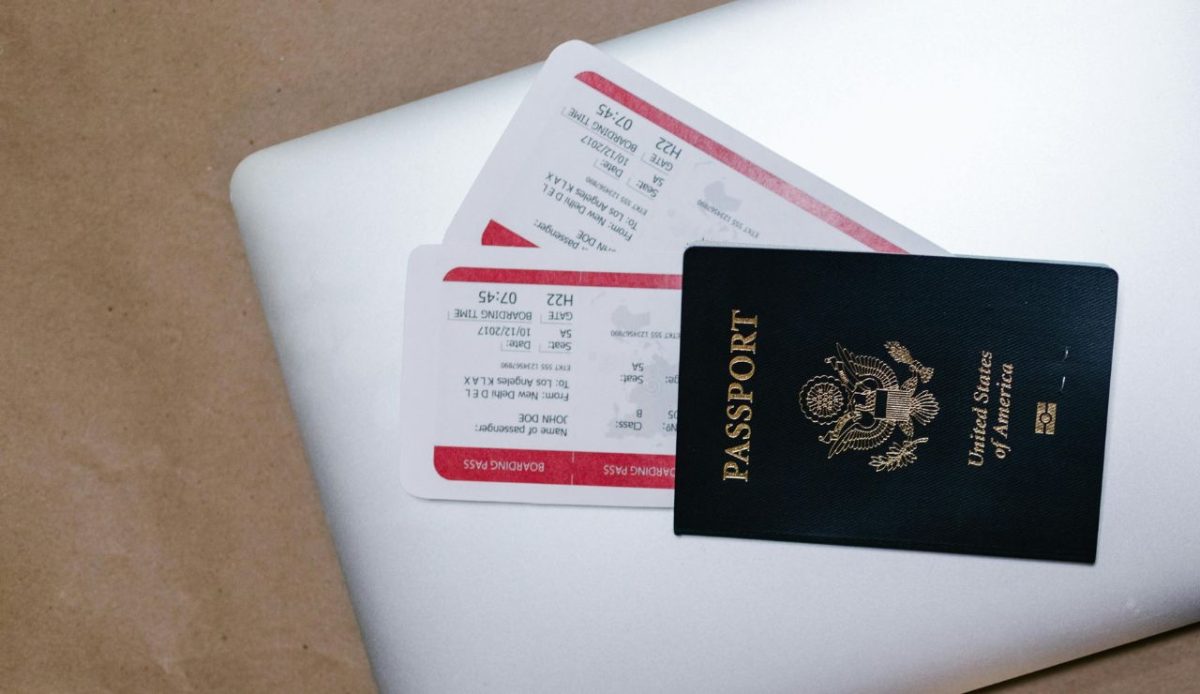
Losing a passport or wallet during a trip can be stressful. One simple way to reduce that stress is by saving digital copies of key documents. This includes passports, visas, and credit cards.
Having these saved in a secure cloud or phone app makes them easy to access. It can speed up replacements or identity checks if something goes wrong. It is a small step that can make a big difference.
Ignoring airline baggage rules

Baggage policies change more often than most people realize. This is especially true for basic economy tickets, which often have stricter limits. Many travelers only discover this at the airport.
Size and weight limits can vary between airlines. Not checking in advance can lead to extra fees or forced check-ins. Reviewing baggage rules before leaving helps avoid last-minute stress.
Forgetting to set up phone and internet access

Staying connected while traveling is often taken for granted. Many travelers only realize the issue after landing in a new country without service. Setting up an international plan or eSIM before departure avoids this problem.
Downloading offline maps is also useful. Navigation apps do not always work without internet, especially in unfamiliar places. Preparing this in advance saves time and confusion.
Not planning how to pay abroad
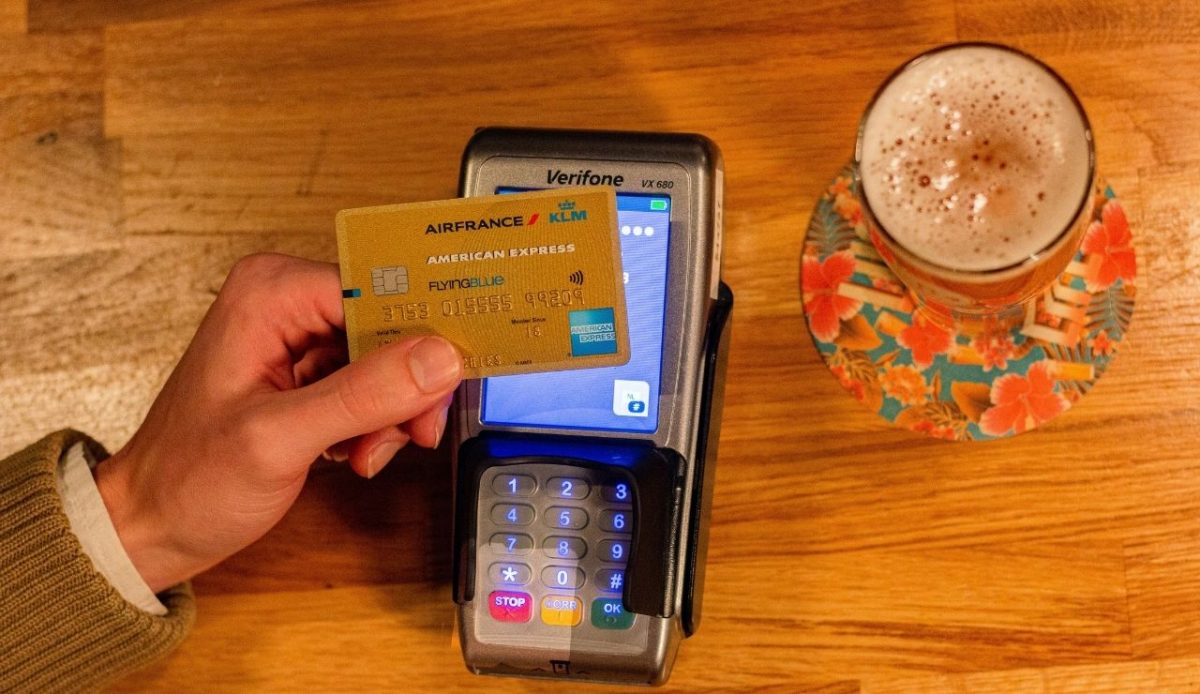
Payment methods can vary widely between destinations. While digital payments are common in many places, cash is still important in others. Travelers who rely only on cards can run into issues.
Ordering local currency before leaving is often cheaper than exchanging at airports. It also makes arrival smoother without needing to search for an ATM. Having multiple payment options is always safer.
Not checking medication rules

Many travelers pack medications without thinking twice. However, some countries have strict rules on certain drugs, including common prescriptions. What is normal in one country may be restricted in another.
Carrying medication in original packaging is important. A doctor’s note can also help if questions come up. This step is often overlooked but can prevent serious trouble.
Not preparing the home before leaving

Pre-trip planning should also include home preparation. Simple steps like taking out trash, adjusting the thermostat, and unplugging appliances can make a big difference. It helps avoid problems while away and makes returning home easier.
Letting a trusted neighbor or friend know about the trip is also helpful. They can keep an eye on things if needed. A few small actions can provide peace of mind throughout the journey.
