
Road trips promise freedom, but not every stop along the way is safe. Highways attract travelers, but they also draw scammers who look for quick chances to fool drivers. These schemes often appear harmless at first: a stranger’s smile, a tap on your bumper, or a plea for help. Once you stop, though, they can quickly turn into stressful and costly encounters. Teens learning to drive and families exploring new routes should know how these tricks work. Awareness can make the difference between a smooth trip and an expensive mistake.
1. Fake Car Crash Setup
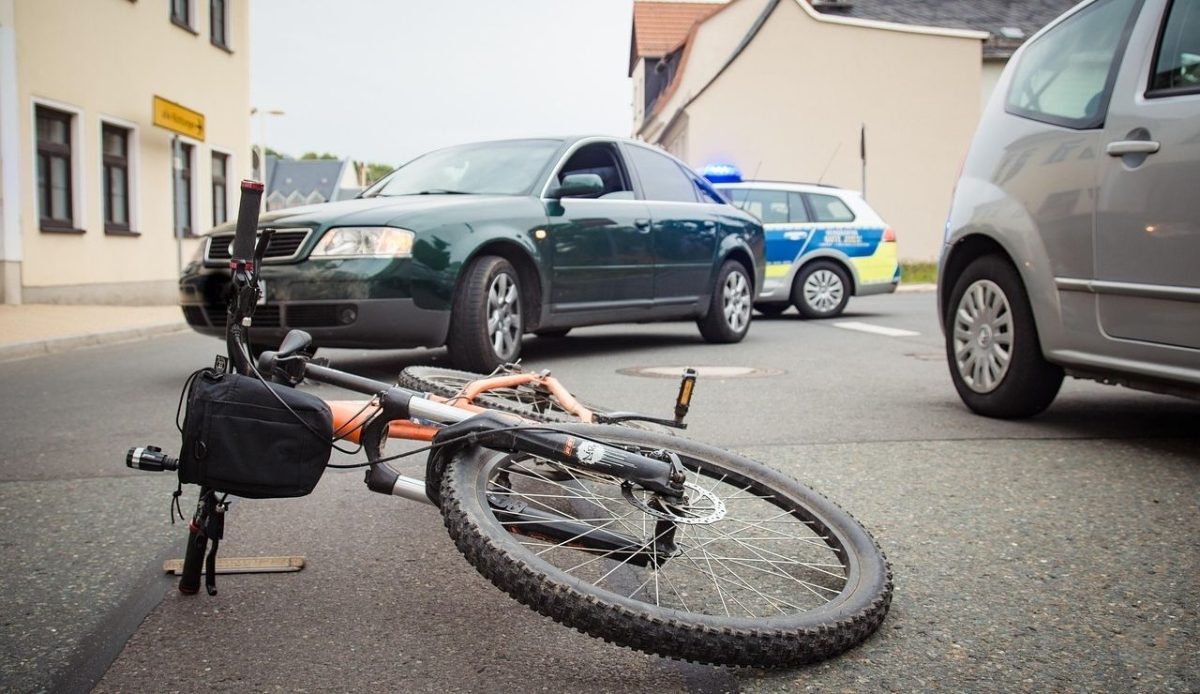
Scammers sometimes create accidents by swerving in front of another car and braking sharply, forcing a collision. Afterward, they claim injuries, demand cash, or threaten to call fake witnesses. Many drivers panic and agree to pay immediately, fearing insurance troubles. The safest move is to stay calm, take photos of the scene, and contact local police. Never hand over money directly, no matter how urgent the other driver makes it sound. Keeping a safe distance on the road and using a dashcam can make it harder for scammers to trap you.
2. False Roadside Help

Breaking down is stressful, and dishonest people know it. Some pose as good Samaritans, offering to tow or repair your car for cash. Others distract you with friendly conversation while quietly stealing items. In some cases, they even insist on expensive fixes that aren’t needed. Instead of trusting strangers, call your roadside service or insurance hotline. Keep emergency numbers handy and remain inside your locked vehicle until official help arrives. A true helper won’t demand payment on the spot, and taking precautions ensures both your car and belongings stay safe.
3. The Flat Tire Trick
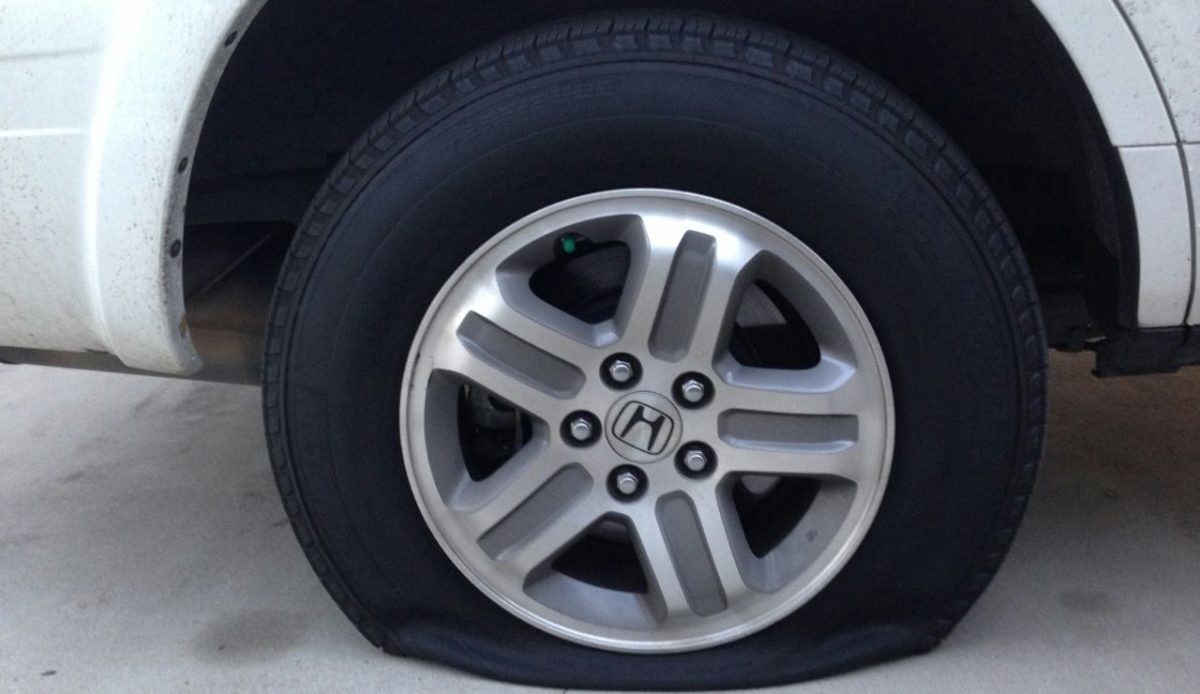
This scam often starts with someone waving you down to warn that a tire looks loose, ready to fall off. Out of concern, many drivers stop right away, giving scammers the chance to pressure them into costly fake repairs or steal valuables when their guard is down. The setup preys on a driver’s instinct to avoid danger. To prevent it, pull over only in a safe, well-lit area and check your car yourself. Doing routine tire inspections at home helps build confidence, so you won’t feel pressured to trust warnings from strangers on the road.
4. Small Bump, Big Scam
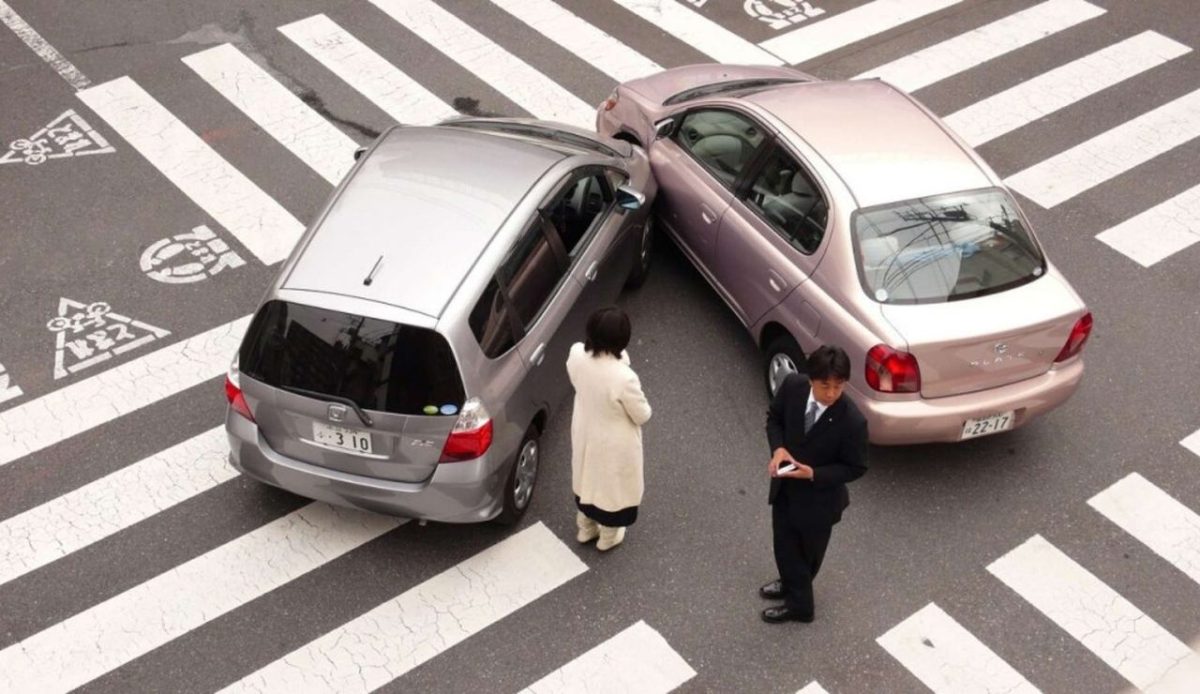
A gentle bump from another vehicle may seem like an accident, but it is sometimes staged. Once you exit to check the damage, an accomplice may grab belongings from inside your car, or the driver may demand quick payment for fake repairs. These encounters are designed to create panic and urgency. If it happens, stay inside with your doors locked and call the police to report the situation. Insurance can handle genuine claims later. By keeping calm and refusing to hand over cash, you protect both your safety and your wallet from a planned con.
5. The Distraction Steal
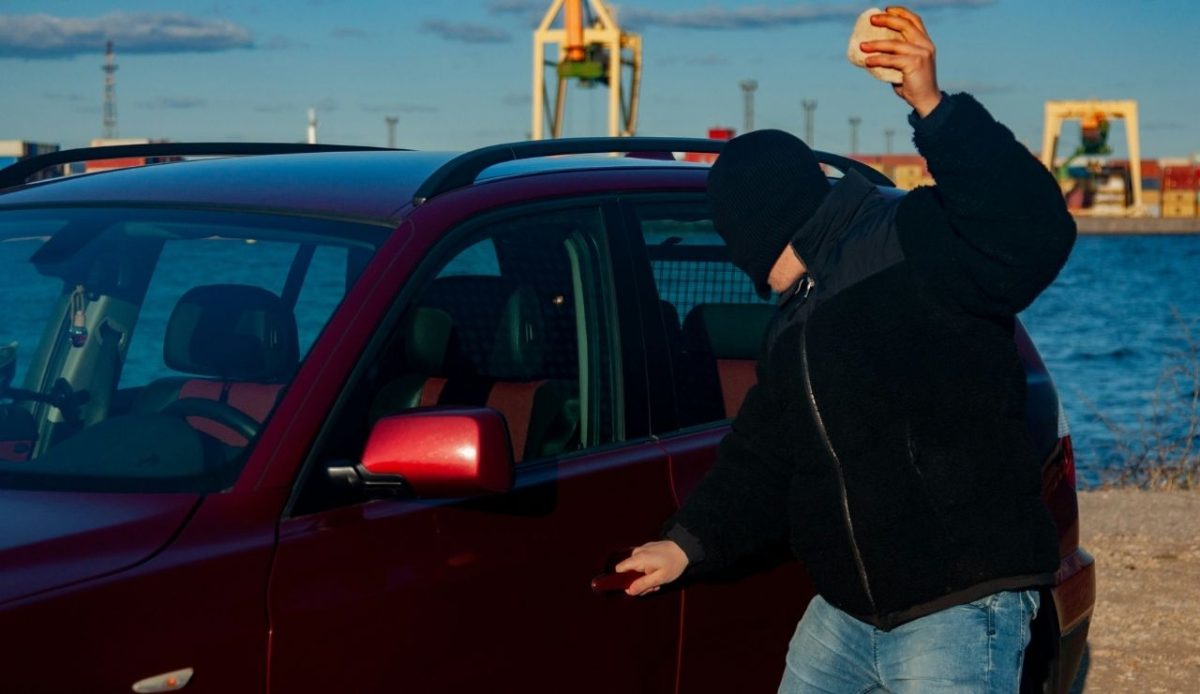
Scammers often work in pairs, creating distractions to keep your focus away from your vehicle. One person might ask for directions, spill something, or claim your car is damaged. While you’re distracted, an accomplice slips into the car to grab phones, bags, or wallets. Even short stops can be enough for this trick to succeed. To avoid it, always lock your doors and store belongings out of sight. If someone approaches strangely, remain cautious and limit your interaction. Staying alert to your surroundings is the simplest way to keep theft from happening.
6. Parking Lot Repair Scam

Scammers often target drivers in parking lots by pointing out a supposed problem with their car, such as a leak or loose part. They quickly offer to repair it for cash, creating urgency to pressure the driver. In reality, nothing is wrong, or their so-called repair may even damage the car. Many people fall for it because the scammer acts confident and convincing. To stay safe, always inspect your vehicle yourself or visit a trusted mechanic later. Never agree to fixes from strangers in a lot, no matter how urgent their warning sounds.
7. The Helpful Stranger Trick

Some scams disguise themselves as kindness. A stranger may offer to help change a tire, provide gas, or jump-start your battery. Once you accept, they might overcharge, damage your vehicle, or steal while distracting you. While genuine helpers exist, it’s safer to contact your own roadside service. Stay inside with doors locked until the service arrives, and politely refuse if the stranger insists. Real helpers respect your caution, but scammers push harder when refused. Trusting your instincts helps you avoid turning an already stressful situation into a costly one.
8. Gas Money Story at Stations
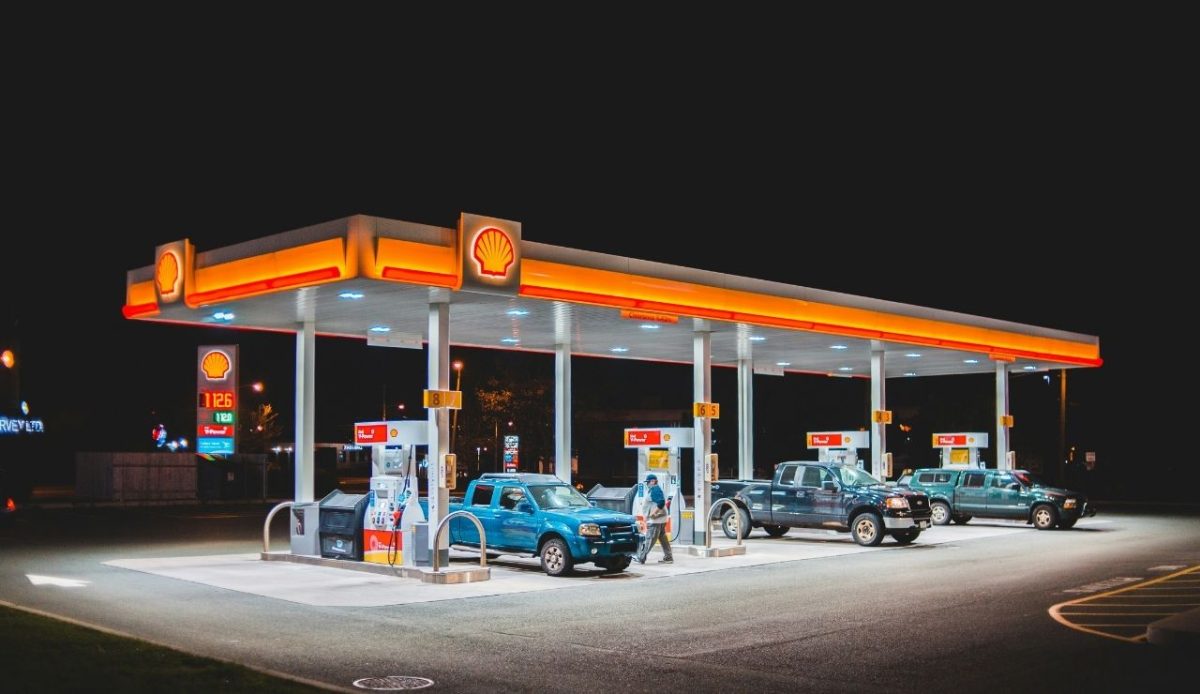
Gas stations are common places for scammers who rely on sympathy. Someone may approach, saying they need money for fuel to get home or to visit a relative. The story often feels urgent and personal, but it’s usually repeated with every new driver. Instead of handing over cash, consider offering to pay for gas directly at the pump. You can also suggest local services that assist travelers in need. By handling it this way, you protect yourself from being tricked while still ensuring that anyone truly in need has a chance to get real help.
9. Fake Police Pullovers
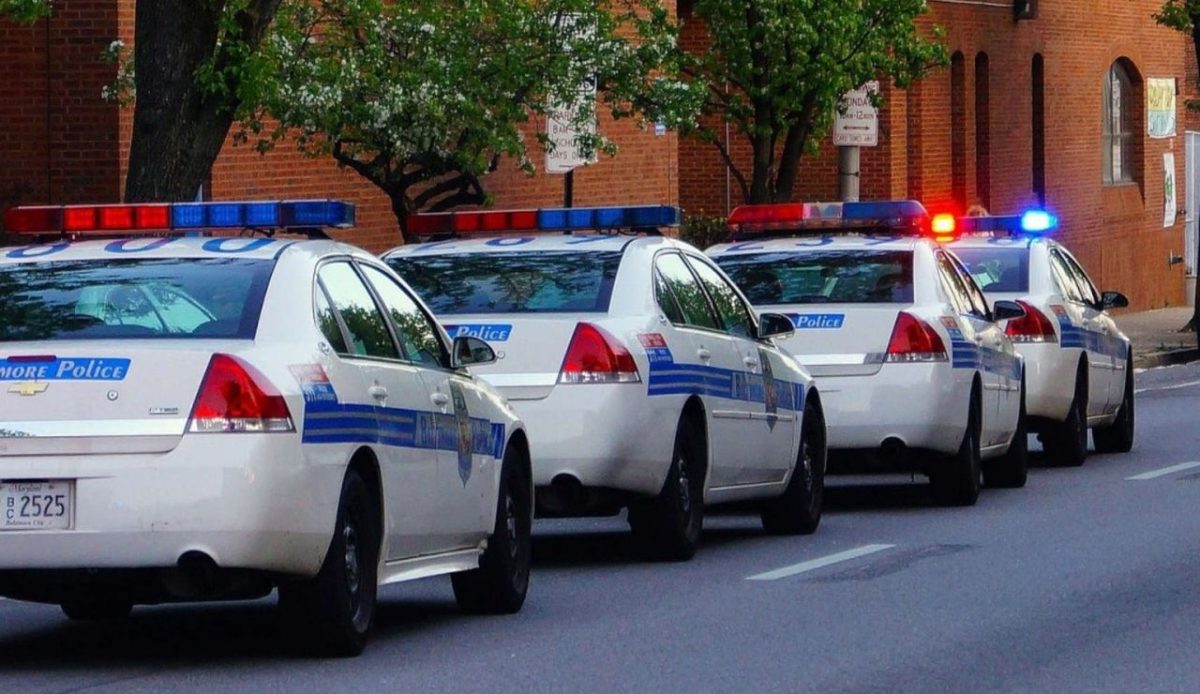
Impersonators sometimes use flashing lights or fake uniforms to pull drivers over. Once stopped, they demand money, personal details, or even access to the vehicle. Real officers carry identification and won’t ask for cash directly on the road. If you feel uncertain, keep your doors locked and call 911 to verify the stop. It’s safer to pull into a well-lit, busy location before lowering your window. Always trust your instincts if something seems unusual. Confirming identity and location with authorities can protect you from one of the most dangerous roadside scams.
10. Broken Glass Lie

A driver may wave you down and insist that glass is falling from your car, making you fear that it’s unsafe to continue. Concerned, many drivers pull over immediately, which is exactly what scammers want. They may then demand money for repairs or take advantage of the distraction to steal items. This scam works because it creates a sense of urgency and fear of further damage. The safest step is to check your vehicle only once you reach a secure place. Relying on a trusted mechanic keeps you safe from false alarms.
11. Fake Charity Collections
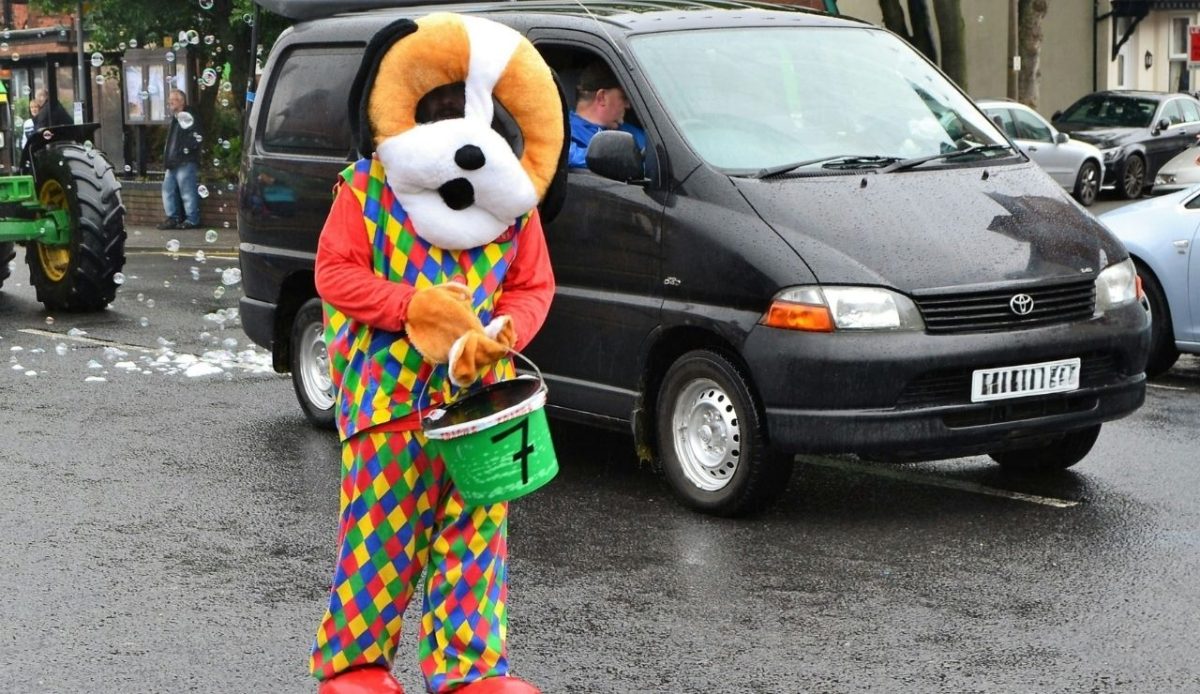
At stoplights or rest areas, someone may approach cars with a bucket or homemade sign, claiming to collect money for a cause. Their appeal can look convincing, but many of these so-called charities don’t exist. Drivers who give cash rarely see it reach any real organization. If you want to support good causes, do so through official websites or trusted groups. Rolling down your window for roadside collections carries both financial and personal risk. Keeping donations secure ensures your generosity truly helps those in need.
12. Fake Emergency Breakdown
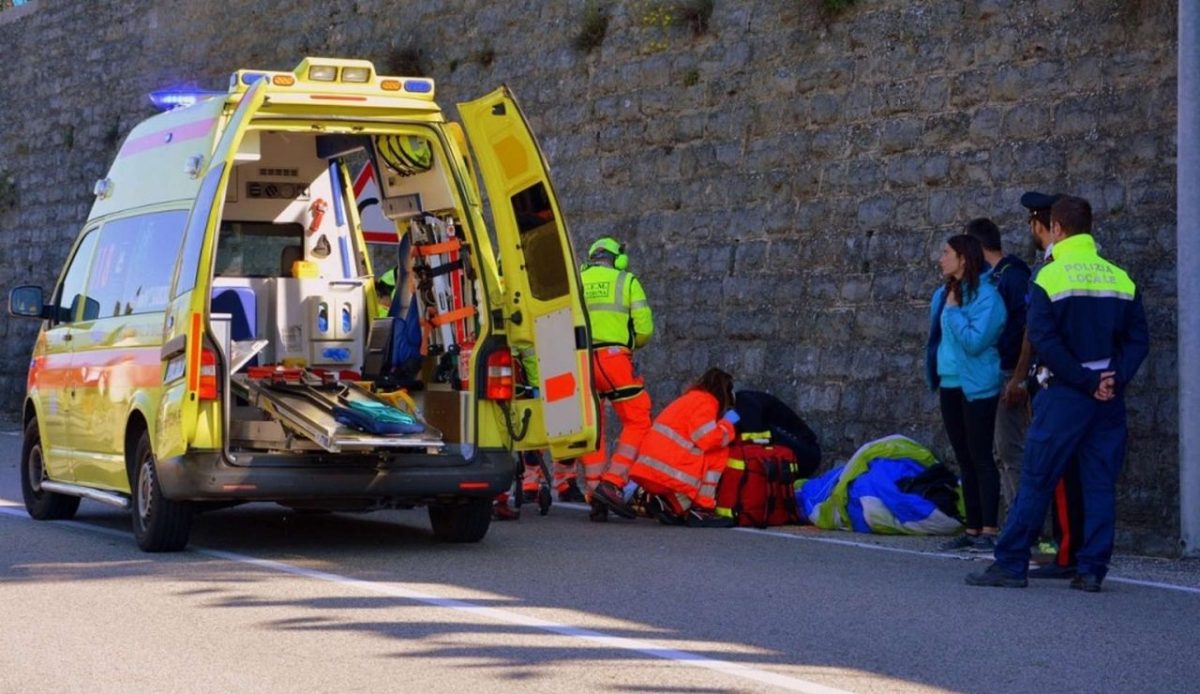
One of the oldest highway scams is the fake breakdown. A person waves desperately for help, claiming they need fuel or repairs. Once a driver pulls over, they may ask for money or attempt theft. Although it feels natural to help, this puts you at risk. A safer option is to call roadside assistance or police on their behalf. This way, true emergencies still get help while you remain safe. Protecting yourself and your passengers must always come before responding to a stranger’s urgent story.
