
Luxury travel can be genuinely special, but some famous “high-end” places run on pricing tricks that catch visitors off guard. The problem usually isn’t one big scam; it’s a stack of small charges that add up fast.
Think resort fees that appear at checkout, mandatory service added twice, and “exclusive” experiences that are just repackaged basics. In crowded hotspots, convenience becomes the product.
This guide flags ten luxury-leaning destinations where travelers commonly hit sticker shock, so you can plan smarter, compare options, and avoid paying premium prices for average value. A little homework upfront can save you hundreds without downgrading the trip.
1. Dubai
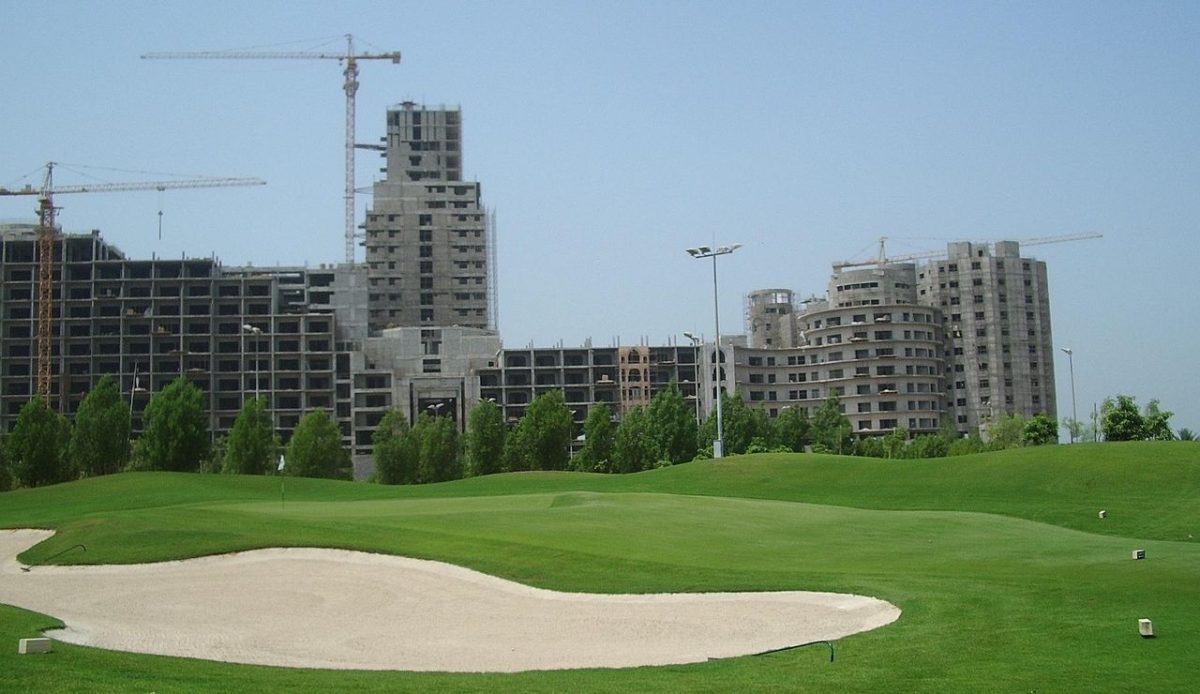
Dubai sells luxury as a lifestyle, and that branding can make basic logistics pricey. High-end hotels often bundle extras into “packages,” but add-on taxes, service charges, and tourism fees can still lift the final bill.
Dining in flashy districts frequently comes with premium pricing for the view, not the food, and brunches or beach clubs may require minimum spends that aren’t obvious until you arrive.
To keep it reasonable, read the fee breakdown before booking, confirm what’s included in transfers and breakfast, and compare prices for desert tours and attractions across multiple operators instead of buying the first hotel-offered option.
2. The Maldives
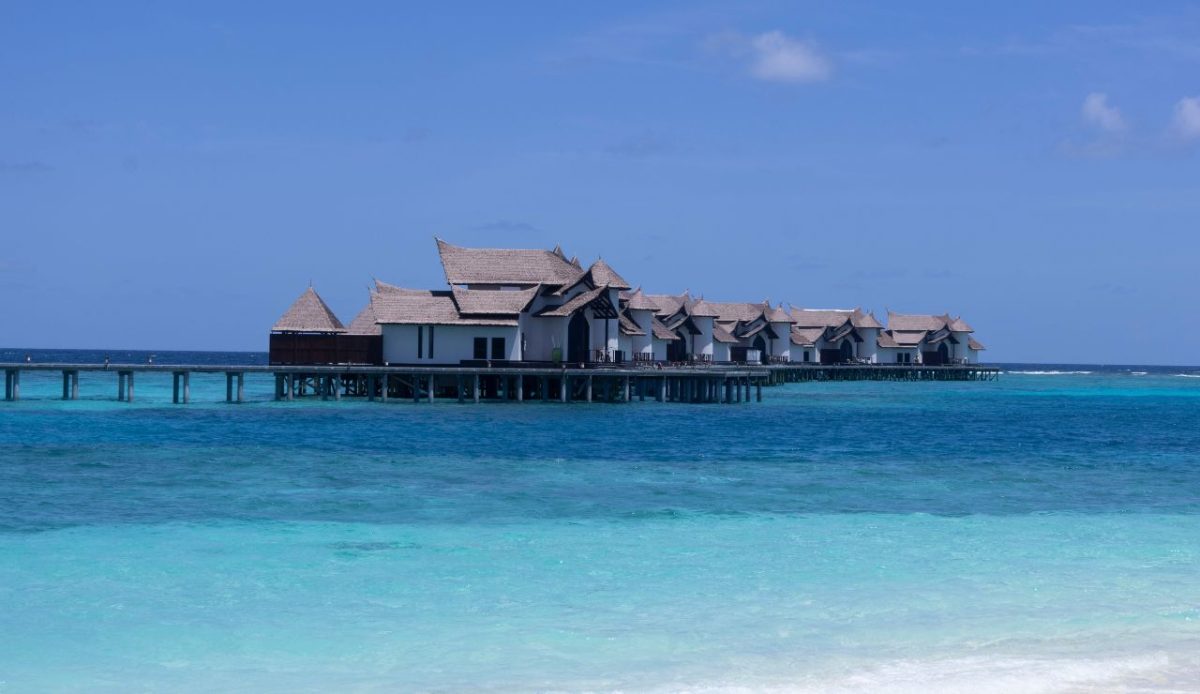
The Maldives looks like pure escape, but isolation is what drives the bill. Many resorts control the only practical transport, so seaplane or speedboat transfers can cost as much as a short vacation elsewhere.
On-island spending adds up quickly: bottled water, snorkeling gear, and “complimentary” activities may have limits, while set menus and private dining carry major markups.
Before you book, total the full trip cost, transfers, meal plan, taxes, and service, then compare islands and resort tiers. If you’ll eat and drink on property the whole time, an all-inclusive plan can be cheaper than paying à la carte. Ask for a sample invoice, not a quote.
3. Aspen, Colorado
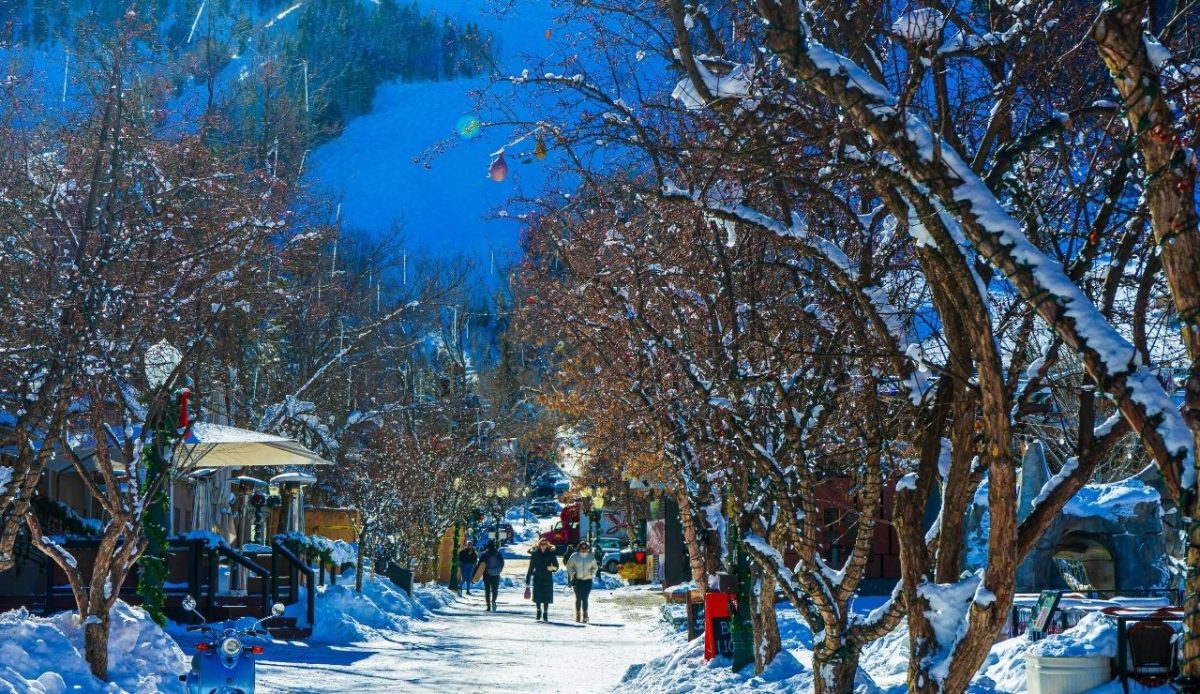
Aspen’s reputation for upscale skiing comes with predictable price pressure. Lodging can jump sharply around holidays and powder weeks, and some properties add resort fees on top of already high nightly rates.
On the mountain, lift tickets, lessons, rentals, and on-slope meals are premium-priced, and valet parking or short ride shares can feel like another line item rather than a convenience.
If you want the scene without the shock, lock in lodging early, price out rentals off-mountain, and look for multi-day ticket deals. Eating one meal away from the base area each day can also make a noticeable dent in total spend. Check shuttle options before paying for parking.
4. Monaco
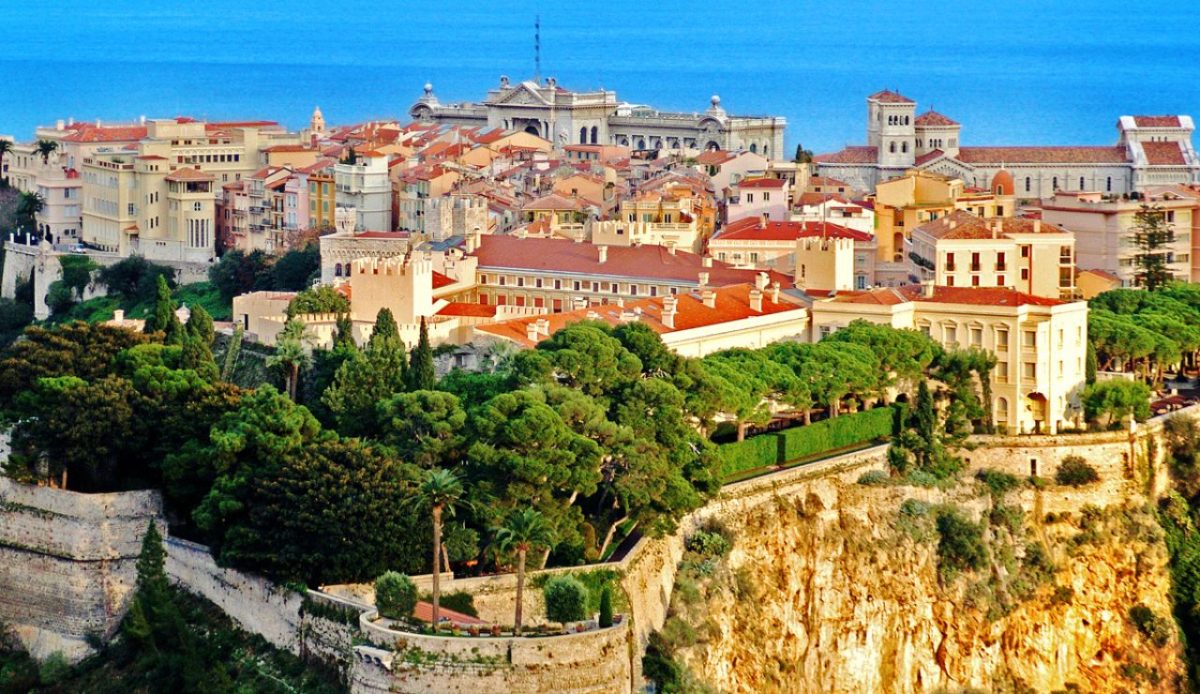
Monaco concentrates wealth in a tiny space, and visitors often pay for proximity more than substance. Hotels and restaurants price for the postcode, and even simple coffees can be eye-opening along the harbor.
Entertainment can be similarly structured: casino entry, dress codes, and nightlife all encourage spending, while parking and taxis in peak season can feel like luxury add-ons.
If you’re stopping by the Riviera, treat Monaco as a day trip, set a clear budget for one “splurge” moment, and base yourself in nearby towns where lodging and meals are more competitive. Walking the waterfront and viewpoints is still the main attraction for most people.
5. Santorini, Greece
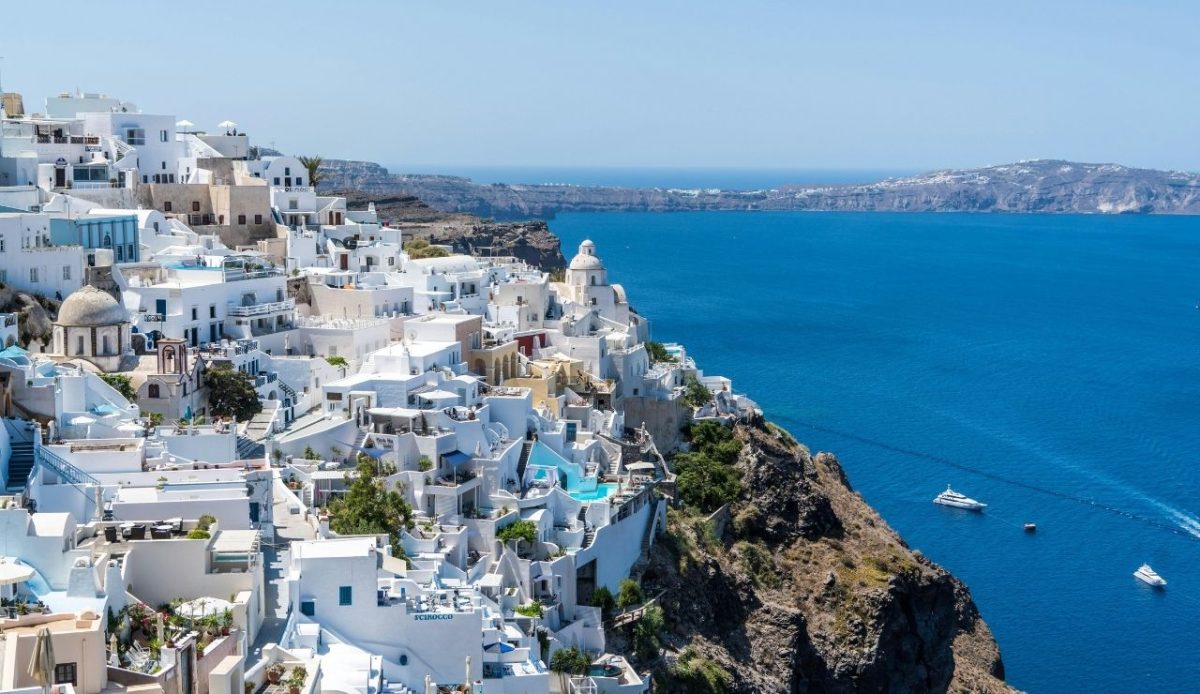
Santorini’s cliffside views are iconic, and that demand pushes prices hard in the most photographed villages. Rooms with caldera terraces can cost multiples of similar hotels elsewhere in Greece, especially at sunset-facing properties.
Meals and drinks often carry “view pricing,” and popular restaurants may require deposits or fixed menus. Add in crowded taxis, limited parking, and pricey transfers, and a simple day can run high.
To get better value, stay in less central towns, visit viewpoints outside the peak sunset window, and book transport early. Comparing boat tours by route and time, not by Instagram photos, helps you avoid paying extra for the same itinerary.
6. Venice, Italy
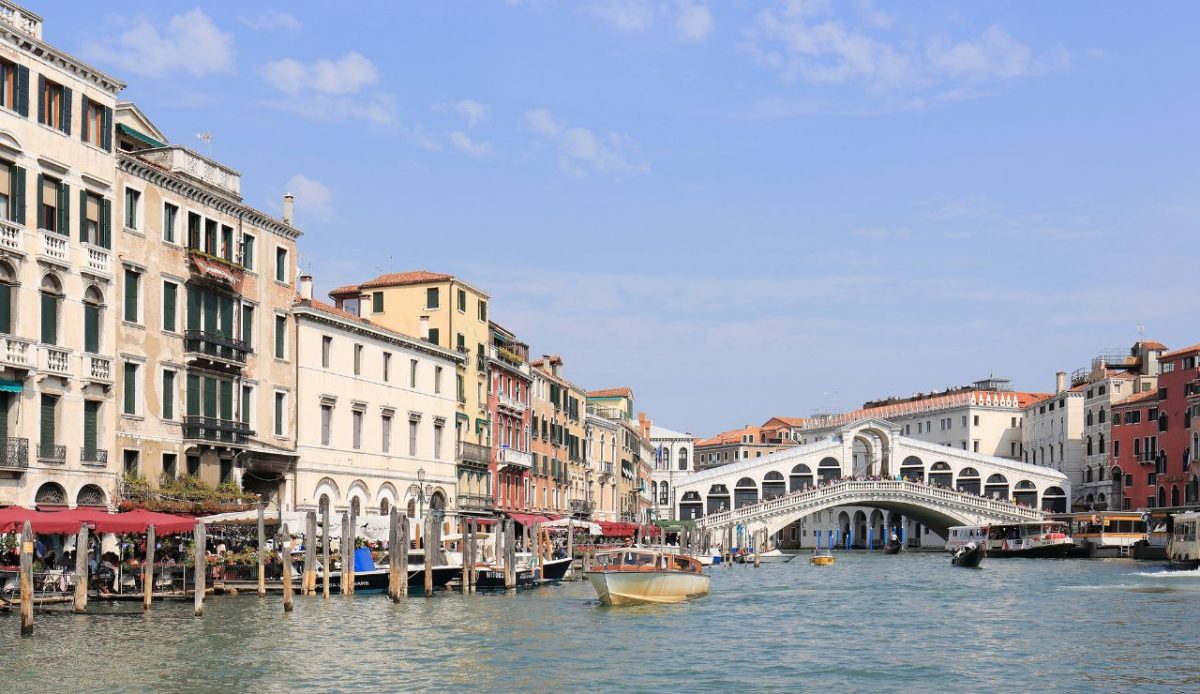
Venice can feel like a luxury purchase simply because it’s Venice. Hotels near major sights charge heavily for location, and smaller rooms are common even at high rates due to the city’s building limits.
Day-tripper crowds also shape pricing: sit-down meals in tourist corridors, gondola rides, and private water taxis can cost far more than most visitors expect, while some cafés add table service surcharges.
For a smoother budget, stay on the edges or on nearby islands, use public vaporetto routes instead of private boats, and choose restaurants a few blocks off the main flows. The canals and architecture don’t get better because the bill is bigger.
7. Bora Bora, French Polynesia
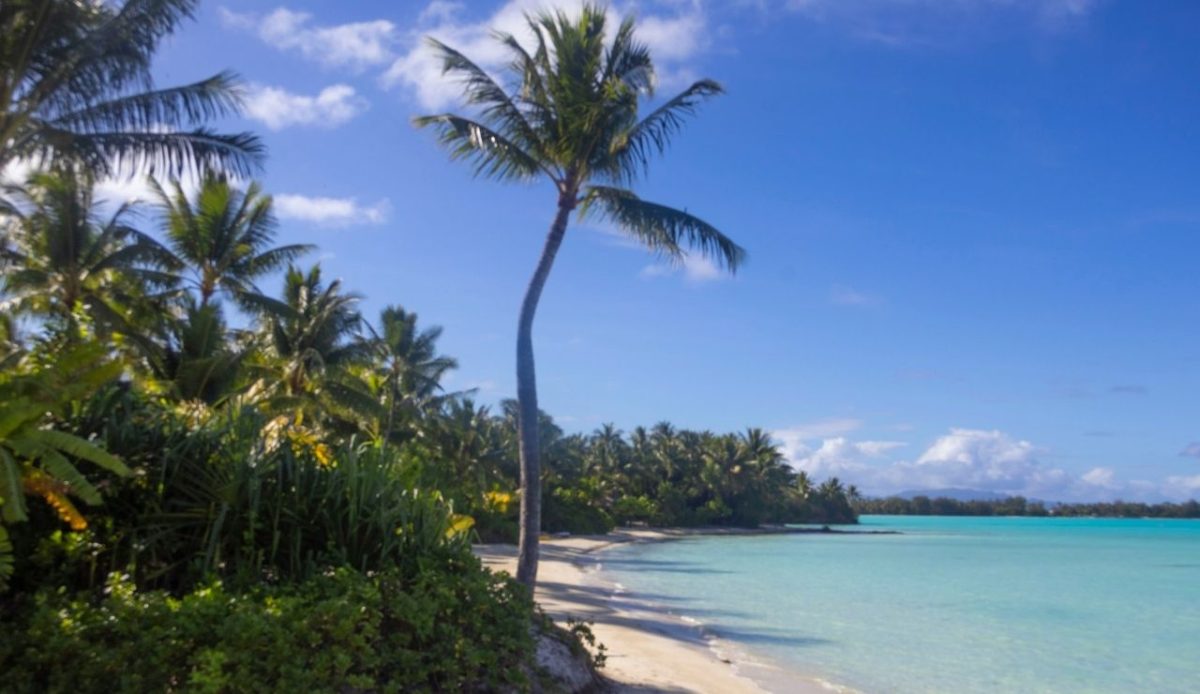
Bora Bora’s overwater bungalow image comes with a real-world cost structure. Most visitors are funneled through a small set of resorts, and limited competition keeps room rates, food, and excursions elevated.
Transfers by boat, spa services, and lagoon activities often have premium pricing, and “romantic” add-ons like private dinners can be marketed as must-do experiences.
To avoid overpaying, compare resort meal plans against realistic daily spend, ask what gear is included for lagoon time, and price tours through independent operators where available. Splitting time between a bungalow and a standard room can deliver the photos without the full-week cost.
8. Mykonos, Greece
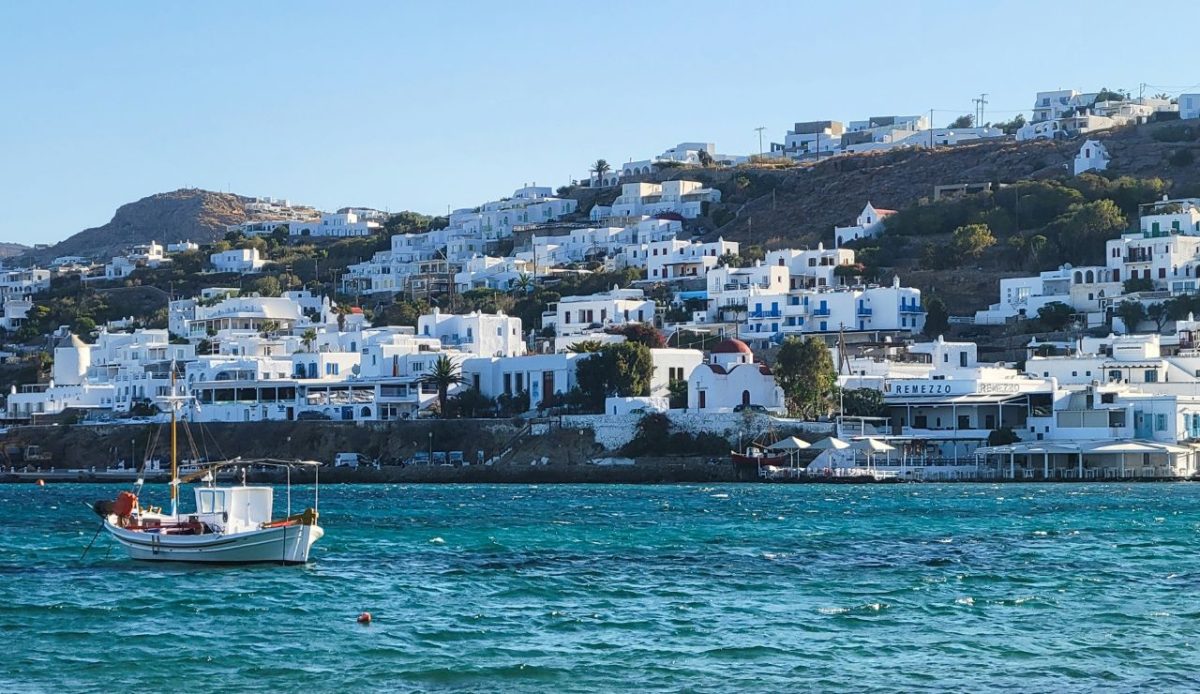
Mykonos runs on peak-season energy, and costs spike when the party calendar fills. Hotels and rentals can double or triple during summer weeks, and late booking often means paying more for less space.
Beach clubs commonly use minimum spends for loungers, and drinks can be priced like a nightclub even in daylight. Short taxi rides may cost surprisingly high amounts when demand outstrips supply.
If you want the island without the bill shock, travel in shoulder season, lock in lodging early, and check minimum-spend policies before you sit down. Mixing beach time with free town walks and cheaper local tavernas keeps the trip balanced. Pre-book ferries to avoid last-minute fares.
9. St. Barts
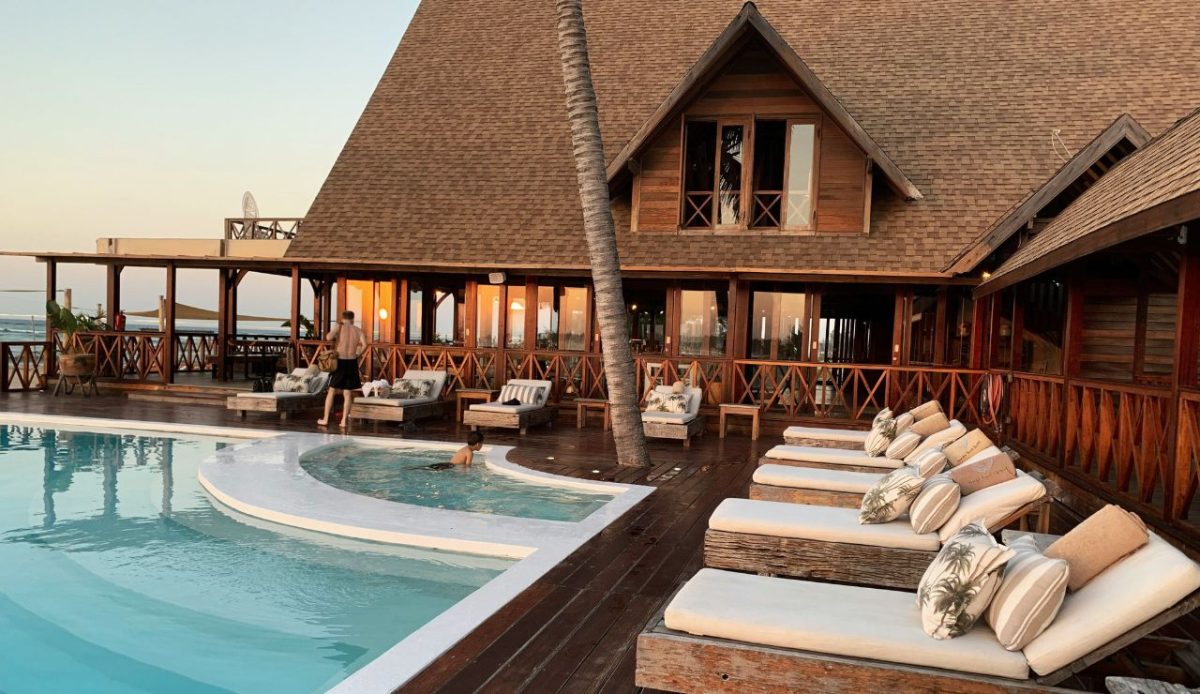
St. Barts is built for upscale escapes, and prices reflect that target audience. Flights often connect through nearby islands, and the final leg can be expensive or limited, which pushes up the overall trip cost before you even check in.
Once there, dining and shopping lean premium, and beach clubs and car rentals can come with high daily rates. In peak winter weeks, demand tightens and the “available now” option usually costs the most.
To manage costs, book transport and lodging far ahead, compare villas versus hotels with realistic service fees, and set a daily spend plan for meals and beach time. The beaches are public, so you can enjoy the coastline without paying for every sunbed.
10. Las Vegas Strip

The Las Vegas Strip can look like a deal until the add-ons arrive. Many hotels advertise low nightly rates, then layer on resort fees and taxes that change the true price of the stay.
Food, drinks, and shows can swing wildly depending on venue, and high-traffic weekends drive surge pricing for rooms, club entry, and even simple conveniences like bottled water. Parking fees are common at major properties.
To avoid paying luxury prices for routine basics, compare total costs at checkout, not the headline rate, and look for bundle offers that include show tickets or dining credit. Staying slightly off-Strip and using rideshare strategically can keep the trip fun without constant micro-charges.
