
AI trip planners can surface deals and itineraries fast, but hype can hide basic travel realities. Trips built from trending prompts often ignore weather windows, visas, local closures, and how long it actually takes to get around.
This guide covers common “AI-perfect” trip ideas that fail in real life when logistics, safety, and budgets meet the ground. It’s not about banning AI; it’s about using it as a starting point, then verifying details with official sites, maps, and on-the-ground schedules.
Use these examples as a checklist before you book, so your plan fits seasons, rules, transport gaps, and your own energy and risk tolerance every time.
1. The “Do-It-All Weekend” With No Buffer

AI loves tight itineraries: sunrise hike, museum, food crawl, nightlife, repeat. Real cities come with queues, sold-out time slots, weather shifts, and the classic “closed on Monday” surprise.
When every hour is booked, one delay cascades into missed reservations and higher transport costs. You also burn energy fast, and the trip turns into constant navigation instead of actually being present.
Make it work by planning two anchors per day and leaving the rest flexible. Add buffer time, check opening hours, and confirm commute times during your dates, not a generic weekday template, then stick to it.
2. The “Three Countries in Seven Days” Sprint

AI often optimizes for “more stamps” and suggests hopping borders every other day. It undercounts airport time, rail disruptions, and the mental load of constant packing and check-ins.
On paper, two-hour trains look easy. In practice, you lose half days to stations, baggage rules, passport control, and finding your next place. Costs rise because short stays mean higher nightly rates.
Choose one base and add day trips, or limit yourself to two stops max. If border crossings matter, verify schedules, entry rules, and last-train times, then build the itinerary around those hard limits for your dates.
3) The “Shoulder Season Deal” That’s Actually Storm Season

AI deal-finders may flag cheap weeks without explaining why prices dropped. Shoulder season can be great, but it can also overlap with heavy rain, hurricanes, heat advisories, or poor visibility.
That matters because cancellations spike, ferries stop running, and outdoor highlights become risky or simply closed. You might arrive for beaches and spend the week indoors, still paying for tours you can’t use.
Before booking, check historical weather patterns, local advisories, and whether key operators run full schedules. Price drops are a signal, not a victory; confirm what conditions you’re trading for the discount.
4. The “Hidden Gem” That Now Needs Permits and Queues

AI models learn from viral posts, so yesterday’s quiet spot becomes today’s crowded one. Many parks, trails, and historic sites now cap daily visitors, require timed entry, or restrict parking.
If you show up with an AI-generated plan and no reservation, you may get turned away or spend hours waiting. That can wreck a short trip, especially when the attraction sits far from your accommodation.
Search the official site for permit rules, reservation windows, and seasonal closures. Build a backup option nearby. If permits are competitive, set reminders and book the moment sales open, not the week before.
5. The “Cheapest Flight Stack” With Impossible Connections

AI can stitch separate tickets into a low headline price, mixing budget airlines and tight layovers. The catch: different terminals, baggage re-checks, and no protection if the first leg runs late.
When a self-transfer fails, you can lose the next flight, pay walk-up fares, and watch your hotel booking slide into no-show territory. Add visa rules for transiting countries and the risk climbs again.
Use minimum connection times as a floor, not a suggestion, and prefer one-ticket itineraries when possible. If you self-transfer, add hours of buffer, understand baggage rules, and keep an emergency plan and funds.
6. The “Road Trip Everywhere” Plan That Ignores Local Driving Reality

AI road routes look clean on a map, but they often skip real-world costs and rules: tolls, mountain passes that close, winter tire or chain requirements, and city systems like congestion charges or low-emission zones. A route that seems “easy” can become slow and expensive the moment you hit local restrictions.
Parking is the hidden time sink, especially in old-town areas where cars are limited or banned. Add fuel price swings, insurance add-ons, and one-way drop fees, and the “cheap freedom” pitch collapses fast.
Check road authority updates, seasonal closures, and whether your destination is truly car-friendly. Price out tolls, parking, and insurance early. Sometimes, trains plus a short rental works better than driving nonstop.
7. The “Easy Day Trip” That Depends on One Ferry

AI recommendations often label an island or remote town as a simple add-on. In reality, there may be only a few departures, reduced winter service, or cancellations due to wind and rough seas.
Miss the last boat and you’re buying an unplanned hotel night, or scrambling for expensive private transport. Even when ferries run, long boarding times and port transfers can eat most of your day.
Confirm timetables directly with the operator and check how early you must arrive. Keep a same-day backup activity on the mainland. If the destination is the point of the trip, stay overnight and remove the “last ferry” stress.
8. The “Cashless” Itinerary That Breaks When Cards Don’t Work
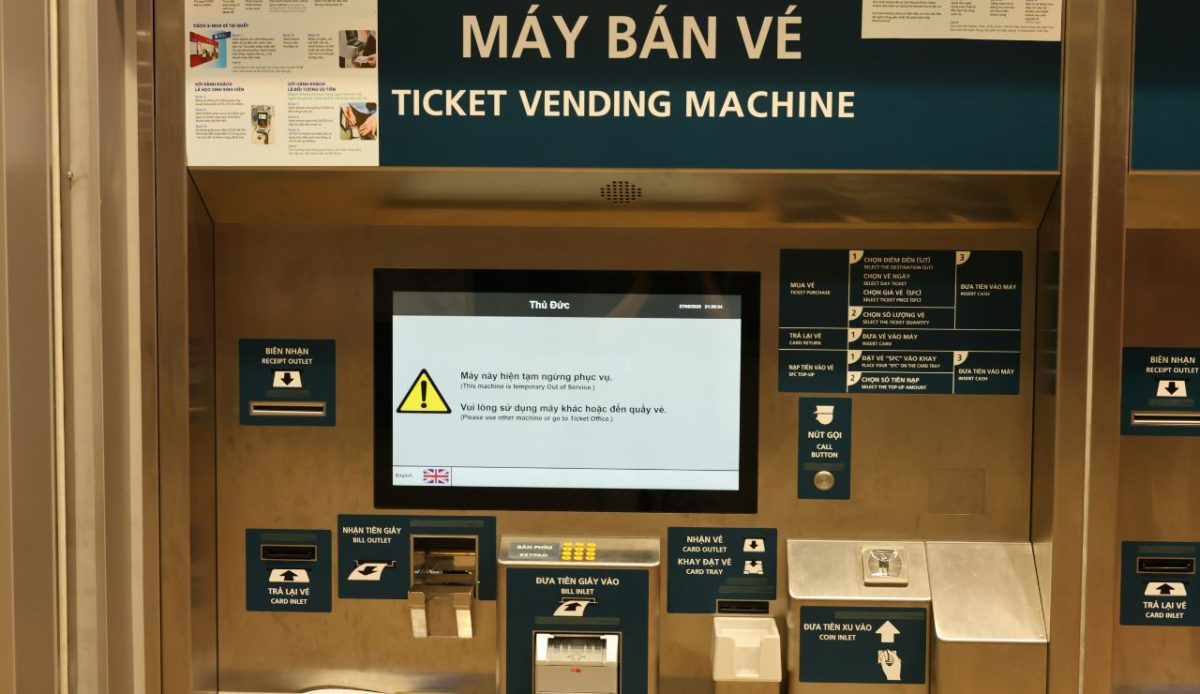
AI travel guides often assume tap-to-pay works everywhere, then you land in a place with unreliable card terminals, limited ATMs, or cash-only buses, markets, and small restaurants. Even in big cities, some neighborhoods still run on cash for everyday basics.
Payment gaps become real problems fast when you can’t buy a SIM, top up a transit card, pay a hotel deposit, or tip a guide the way locals expect. Add weekend bank closures or ATM outages and you can waste hours roaming just to access money.
Carry a small amount of local currency and a backup card stored separately. Check ATM density, card network acceptance, and local payment norms before arrival to avoid the day-one “I can’t pay for anything” spiral.
9. The “No Visa Needed” Claim That Fails at the Check-In Desk
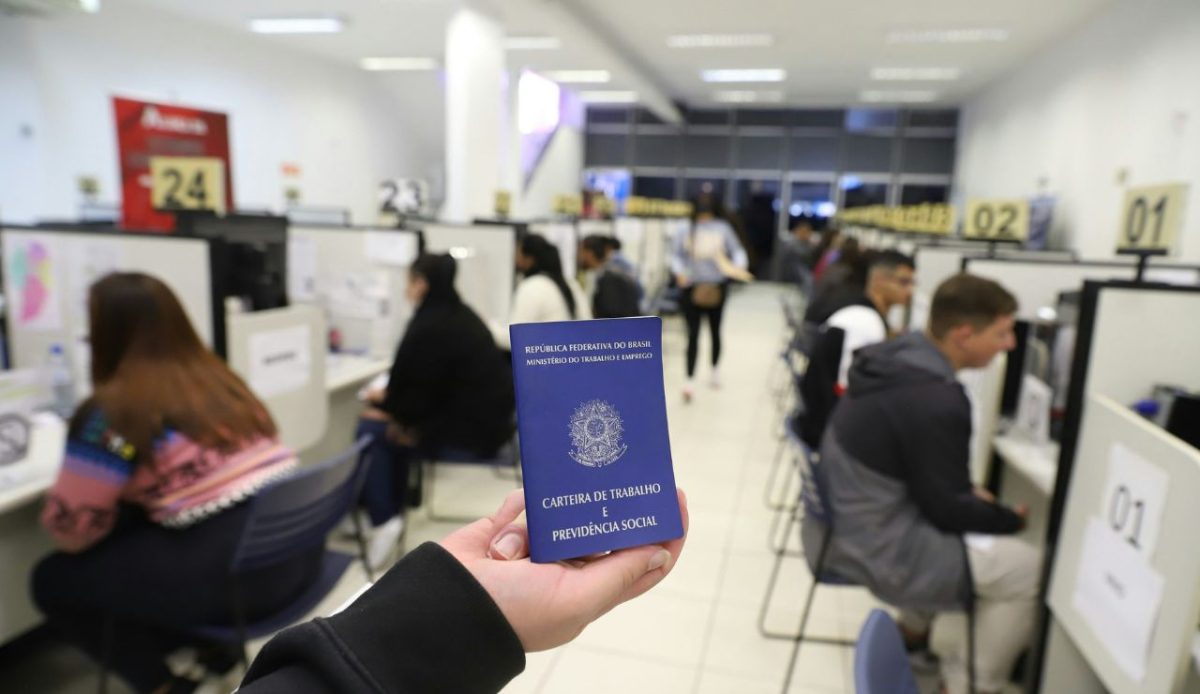
AI summaries can be outdated or too broad, especially for nationality-specific rules. Even visa-free entries may require passport validity windows, proof of funds, hotel details, or onward travel.
Airlines enforce these rules before you fly. If you can’t show the right documents, you may be denied boarding, losing money on flights and reservations. E-visas and entry forms also have processing times that AI may skip.
Verify entry requirements on official government and airport sources for your passport. Check transit-country rules too. Print or save confirmations offline, and keep documents organized so check-in stays quick and boring, in a good way.
10. The “One-Bag for Everything” Packing List That Doesn’t Match Conditions

AI packing lists often aim for minimalist aesthetics and ignore climate swings. A single “capsule” wardrobe can fail fast in cold rain, high heat, or activities that demand specific gear.
When you’re underdressed, you buy emergency clothing at tourist prices, or skip plans because you’re wet, cold, or uncomfortable. In some places, rental gear is limited, poor quality, or reserved in advance.
Pack for the hardest hour of the trip, not the average day. Check temperature ranges, precipitation, and dress expectations for sites. If you need specialty gear, reserve rentals early or confirm local shops before you rely on them.
11. The “Perfect Food Tour” Built on Outdated Menus and Closed Kitchens

AI can suggest restaurants from old reviews, reposted lists, or pre-pandemic hours. Places change chefs, shift concepts, go reservation-only, or close midweek, and models rarely reflect those updates.
The failure mode is simple: you arrive hungry, the door is locked, or the wait is two hours. Dietary needs also get mishandled when AI guesses ingredients or mislabels regional dishes.
Cross-check every “must-eat” spot with current hours and booking rules, then build a short list by neighborhood. Save two backup options nearby. If you have allergies, confirm directly with staff and carry translation notes for key ingredients.
