
Viral beaches can flip fast when sand mixes with rotting seaweed, storm runoff, or sewage and turns into slick, foul mud. On social media you see turquoise water; on the ground you might find brown foam, sulfur smells, and cloudy shallows that irritate skin or make people sick.
This list names 14 well-known beaches where these “mud days” are a real risk, based on common coastal triggers and documented advisories. Use it as a reality check before you book: if you notice warnings, discolored plumes, or heavy wrack lines, pick a different stretch of coast.
Every section explains the typical cause, what it looks like, and the simple call: when to avoid the waterline and when it’s safer after tides and cleanup.
1. Bondi Beach, Sydney
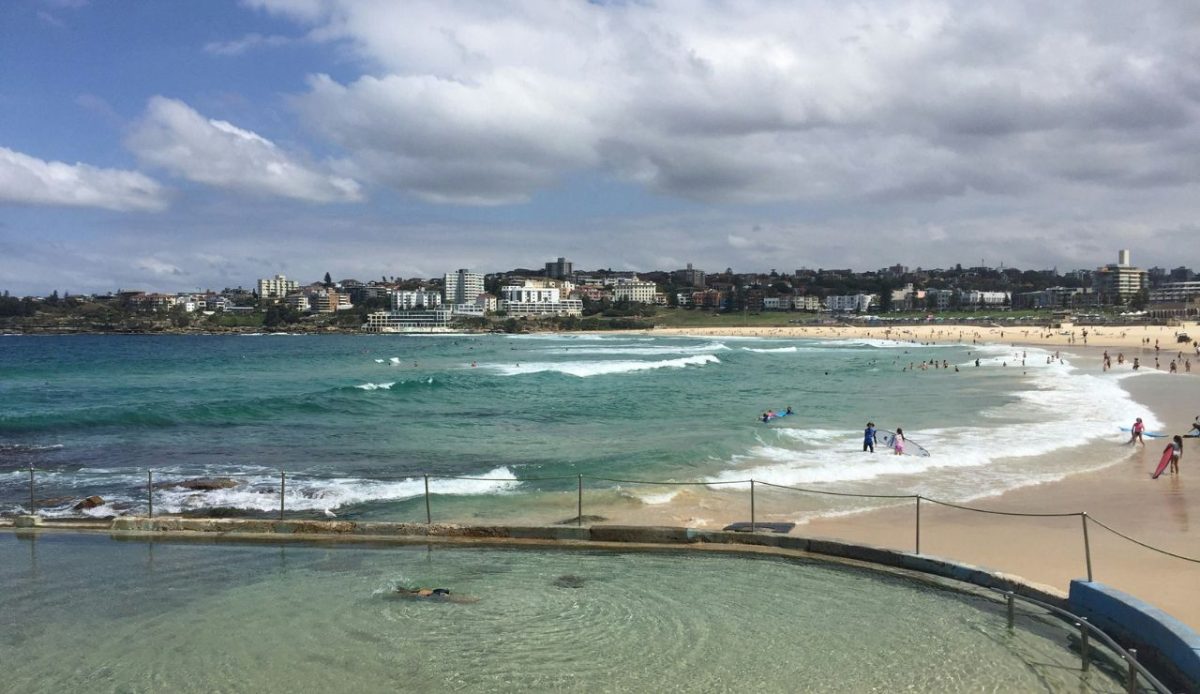
Bondi Beach can look flawless at sunrise, but Sydney has had episodes where strange “tar balls” turned out to be sewage-based debris washing ashore. When fats and waste break up in surf, they mix with sand and seaweed into grimy, sticky blobs that smear into mud along the high-tide line.
The red flags are the smell (not normal seaweed funk), oily sheen in puddles, and clumps that don’t rinse clean. Kids and dogs are the big risk because they touch everything, then touch faces.
If lifeguards post closures or cleanup crews are working, treat it as a no-sit, no-swim day. Wait for official clearance plus a full tide cycle before you go barefoot or let anyone dig in wet sand.
2. Coogee Beach, Sydney
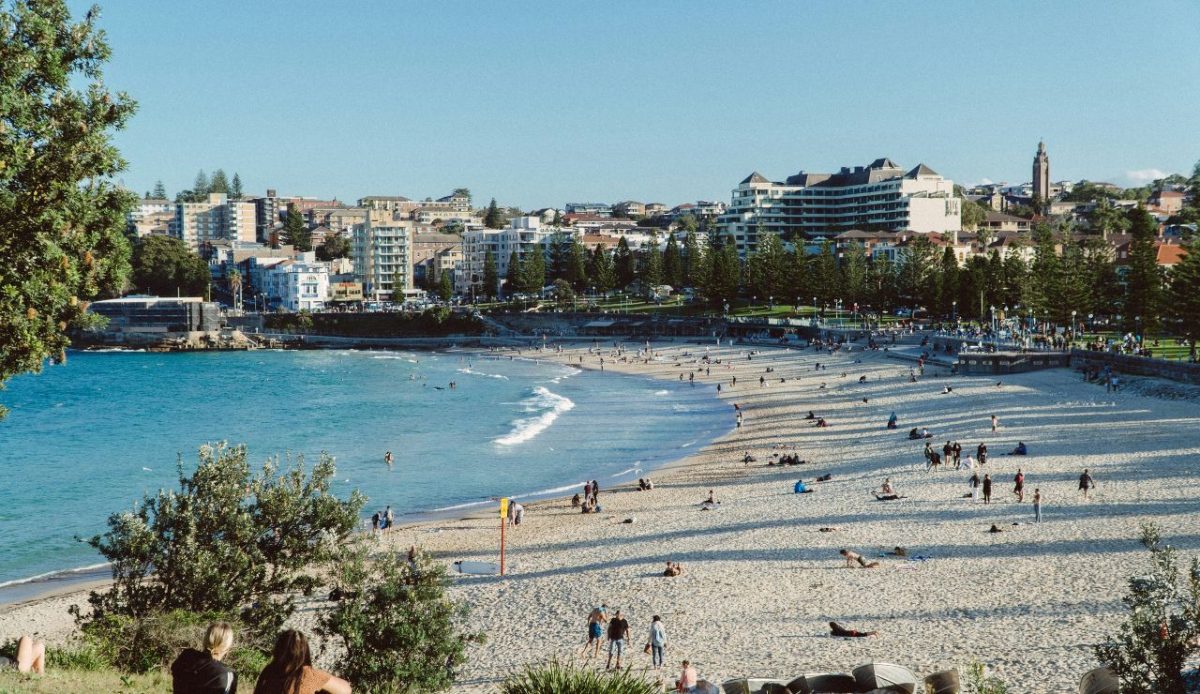
Coogee Beach sits in the same busy urban coastline, so it can get hit when wastewater systems send out contaminated material offshore. In these events, debris can fragment and blend with fine sediment, creating brown-gray sludge in the swash zone that feels slick and “soapy.”
Instead of clear foam that pops fast, you may see persistent dirty foam and clotted bits stuck in seaweed lines. After rain, runoff can add another layer, turning the edge into a soft paste that tracks everywhere.
Skip swimming if the water is discolored near the shore or if advisories mention bacteria. Rinse immediately after any contact, and keep snacks, towels, and toys away from wet wrack piles until conditions stabilize.
3. Malabar Beach, Sydney
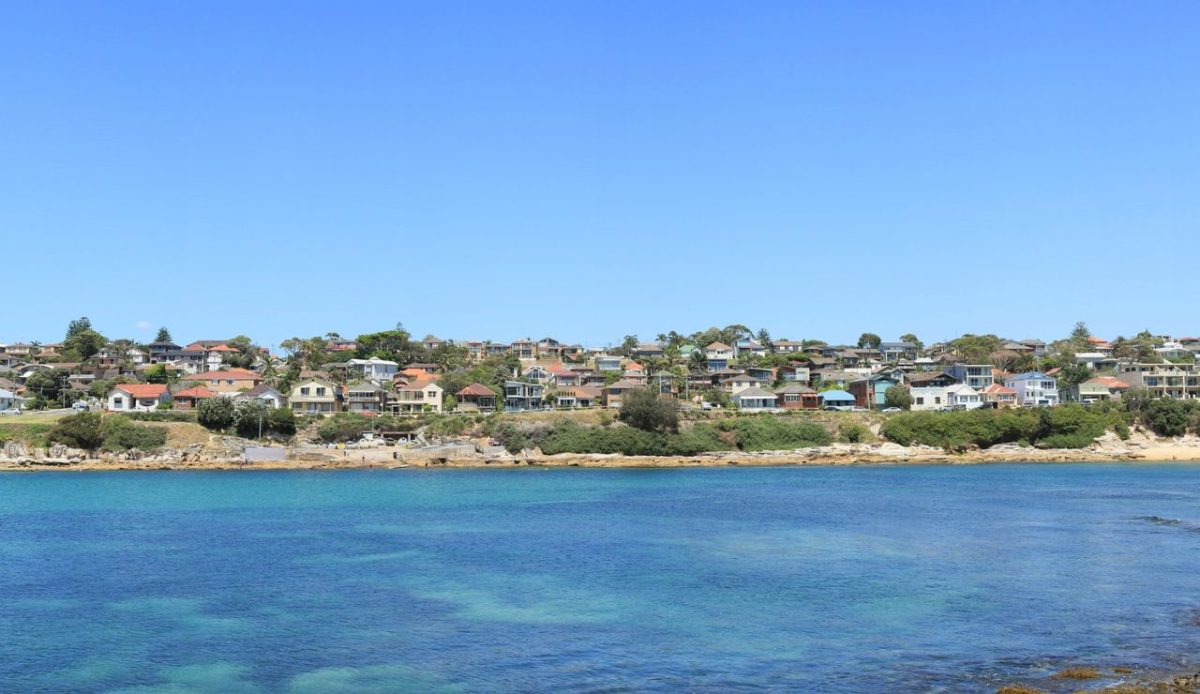
Malabar Beach is near major ocean outfalls, so when fats, oils, and grease build up and then break loose, the shoreline can get peppered with waste-like clumps. Once waves grind them down, they turn into muddy streaks that cling to rock pools and the sand’s edge.
This isn’t the cute “mud spa” kind of mud. It can carry bacteria, and the mix often traps plastics and sharp bits you won’t see until you step on them. Warm, calm days can make the smell and slime worse.
Treat any unusual balls, greasy patches, or sour odors as a hard pass. Stick to higher, dry sand, avoid rock pools, and follow any council or health-department warnings before letting anyone wade or snorkel.
4. Playa Delfines, Cancún
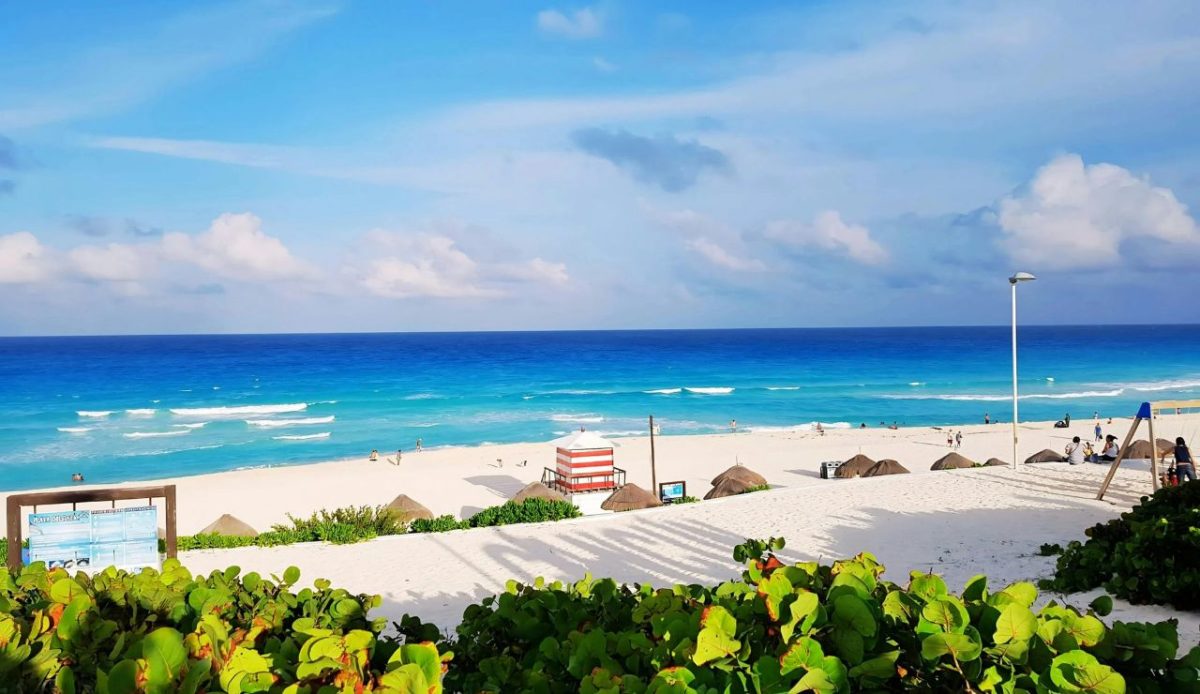
Playa Delfines in Cancún’s hotel zone goes viral for bright water, but sargassum season can flip the vibe overnight. When thick seaweed mats land and start decomposing, they trap sand and turn into brown sludge that leaks sulfur-like odors.
That rotting layer can irritate skin, and the muddy waterline hides sharp shells and trash tangled in the wrack. Even if the ocean looks blue from a distance, the first few meters can be a murky soup.
If you see bulldozers pushing seaweed, pick a cleaned section or swap to a west-facing beach day. Don’t walk barefoot through wet piles, and keep kids away from stagnant puddles forming behind the seaweed berm.
5. Playa del Carmen, Riviera Maya
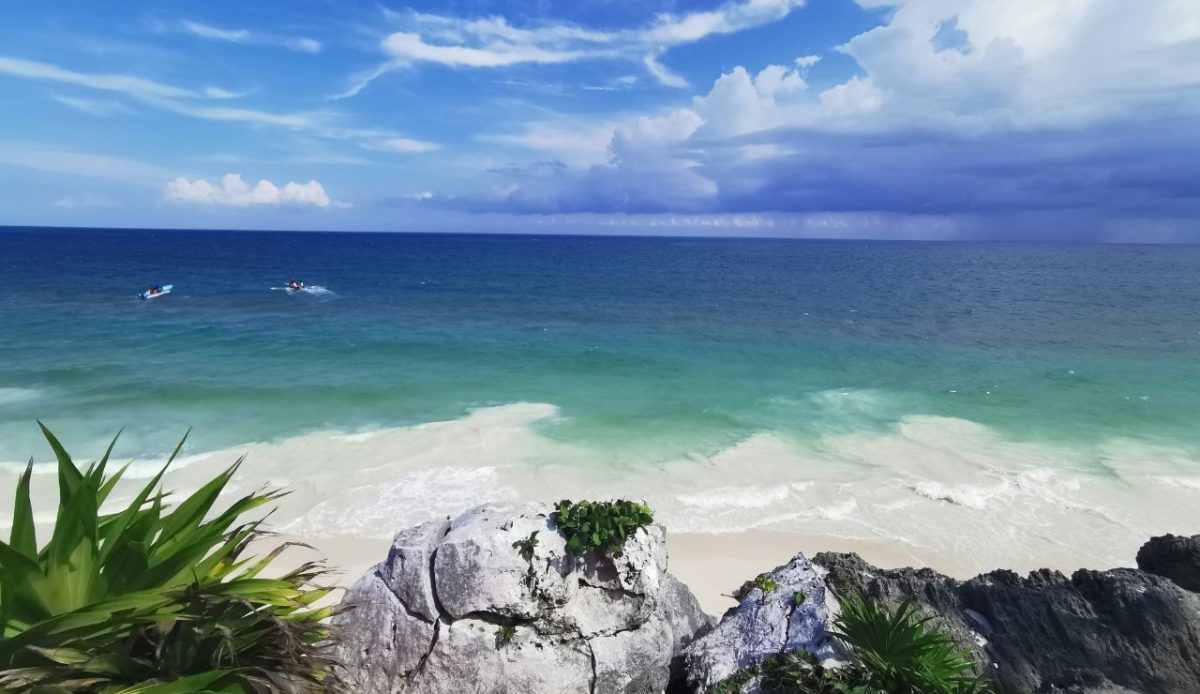
Playa del Carmen’s central beaches are famous for easy swim water, but they’re also on the front line for recurring sargassum landings. Once the seaweed sits, it breaks down into a heavy, muddy layer that can stain swimsuits and make the shoreline smell like rotten eggs.
The “toxic” part is less about one villain and more about the combo: decaying biomass, low oxygen water, and microbes flourishing in warm shallows. Small cuts and sensitive skin are where people feel it first.
Choose days with strong surf and visible cleanup, and avoid snorkeling right along the wrack line. If the water at ankle depth is opaque brown, don’t push through hoping it clears, walk a kilometer or reschedule for after tides and removal.
6. Tulum Beach, Quintana Roo
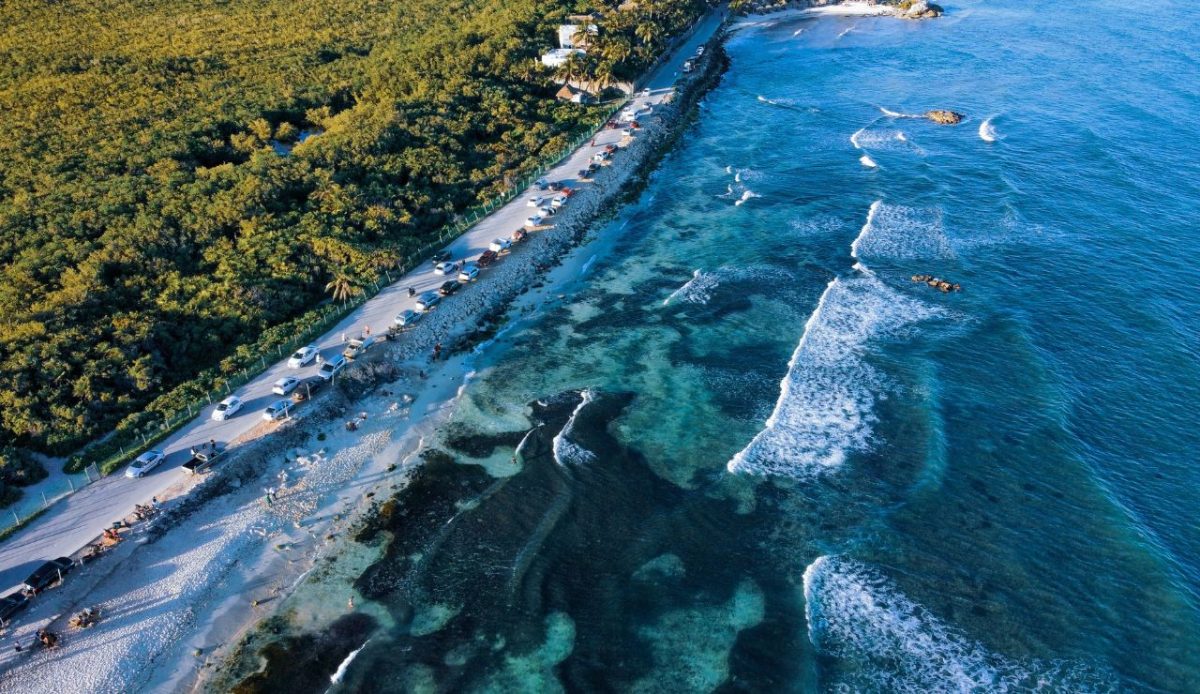
Tulum’s postcard shoreline can turn into a muddy mess when seaweed and fine sediment collect in calm coves. During heavy sargassum periods, piles compress into a wet mat that oozes dark water back into the surf, making the edge look tea-colored.
As it decomposes, it attracts insects and can cause rashes for people who lounge right on the damp line. The mud can also make entry slippery, and visibility drops fast, increasing the chance of stepping on hidden debris.
Stay on dry sand, use water shoes, and rinse off quickly after walking the shoreline. If the beach posts a seaweed advisory or you notice strong sulfur odor, treat it like a sightseeing day, not a “let’s swim for hours” day.
7. Bávaro Beach, Punta Cana
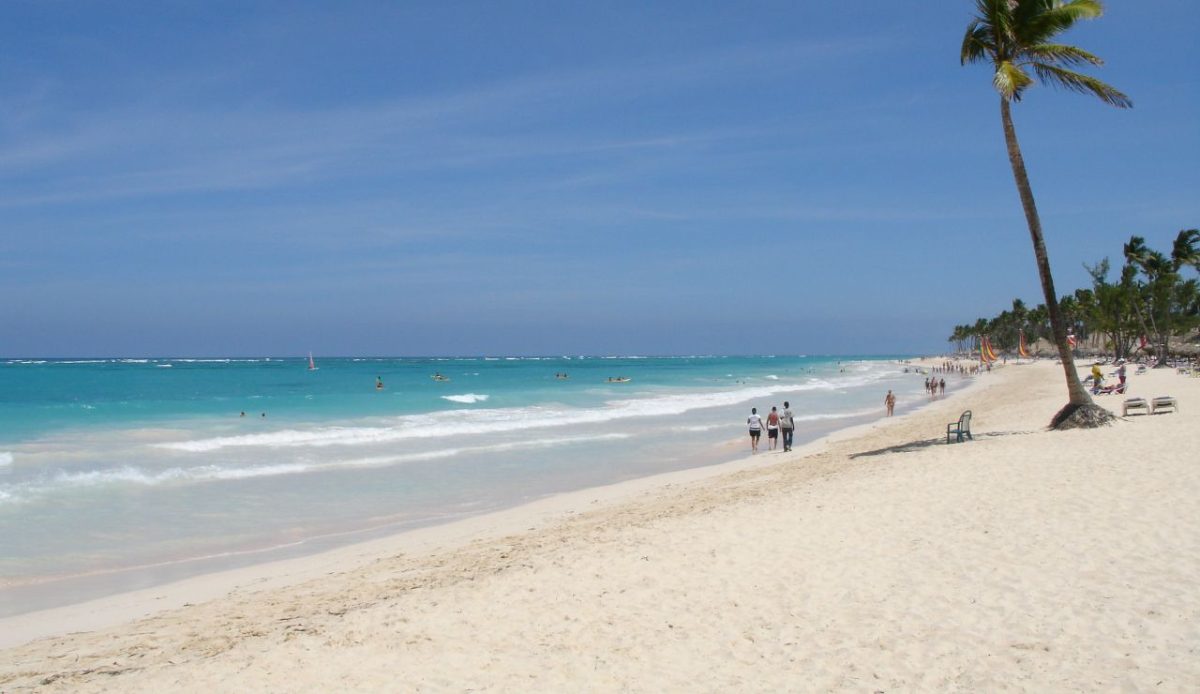
Bávaro Beach in Punta Cana is built for resort swimming, but the wider Caribbean has been dealing with massive sargassum waves that can swamp calm beaches. When currents push it into bays, the shoreline can turn from sand to brown, semi-liquid muck within a day.
Resorts may clear the top layer, yet leftover fragments keep fermenting in shallow water, especially after hot, windless nights. That’s when the smell spikes and the waterline feels sticky rather than salty.
Before booking excursions, check local beach-condition updates and ask the hotel which stretches are being cleared daily. If you see kids coming out itchy or the water looks like weak coffee at knee depth, skip the swim and pick a pool day.
8. Panama City Beach, Florida
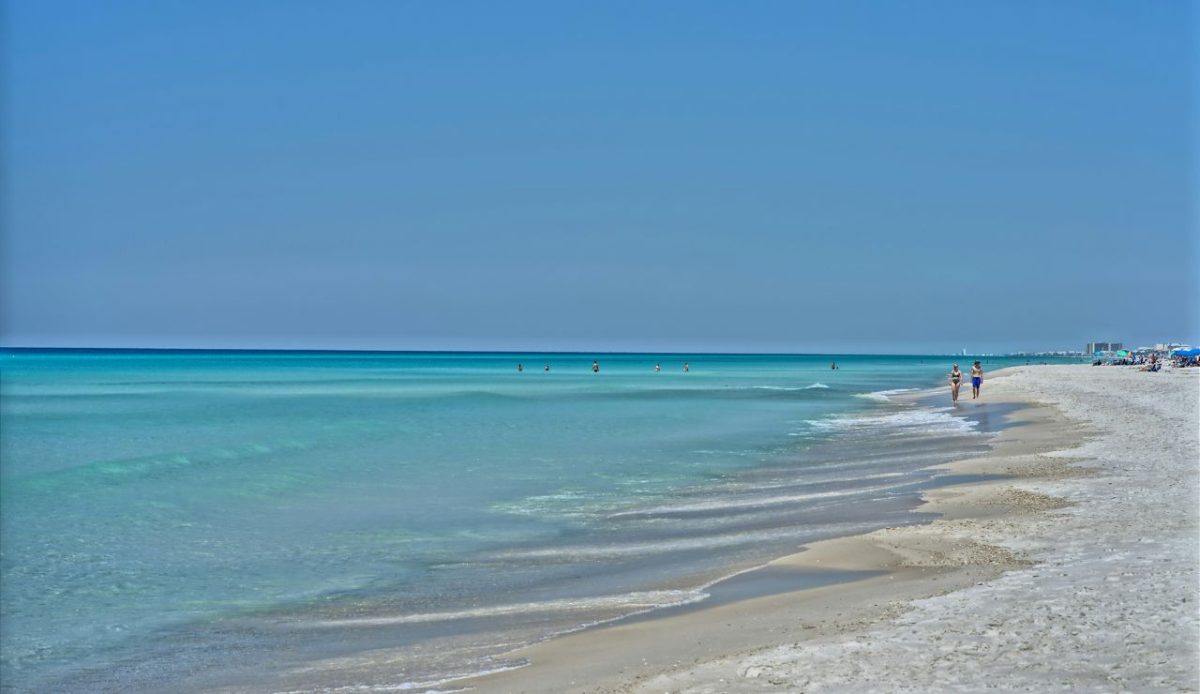
Panama City Beach can go from clear to cough-inducing when red tide impacts the Gulf. Blooms can leave brownish foam and dead fish, and when surf churns the mix with sand and decaying organic matter, the shoreline can feel slimy like mud.
On windy days, toxins can aerosolize near breaking waves, so people notice burning eyes or scratchy throats even without touching the water. The wet sand can also pick up a funky, fishy film.
If there’s a health alert, avoid the waterline entirely, not just swimming. Choose inland activities, and don’t let pets sniff or lick the foam. Once currents shift and cleanup happens, conditions can improve quickly, but don’t gamble.
9. Fort Myers Beach, Florida
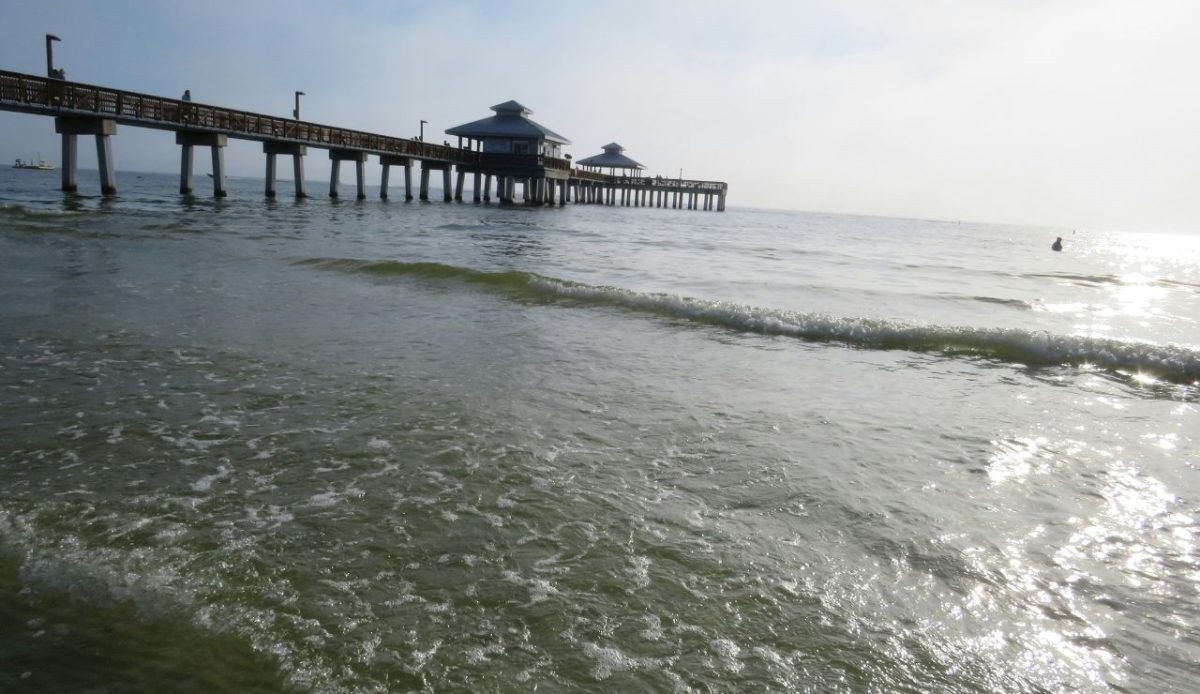
Fort Myers Beach is another Gulf favorite that can get hammered by red tide conditions at times. When blooms and fish kills coincide with warm shallows, the surf can deposit a messy blend of foam, decaying matter, and fine sediment that looks like brown sludge.
Even if you don’t see bright color, the clues are strong odor, irritated breathing near the surf, and a greasy feel on the wet sand. Tourists often underestimate it because the water can look “normal” farther out.
Follow county updates and lifeguard flags, and don’t assume a morning looks safe if conditions changed overnight. If you’re set on the beach, stay upwind on dry sand and wash hands before eating; the shoreline gunk is the part you don’t want on you.
10. Baldwin Beach, Lake Tahoe
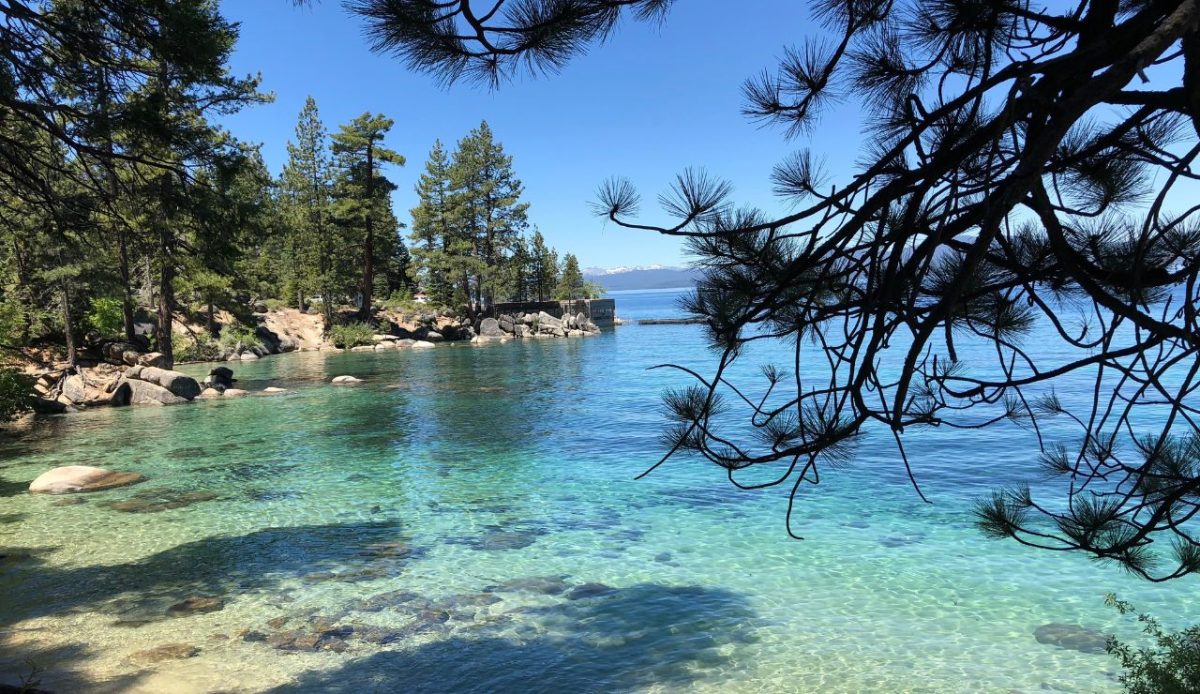
Baldwin Beach at Lake Tahoe is famous for clear water, which is why closures hit hard when a sewage leak spikes bacteria levels. After an incident, the nearshore can turn cloudy and the sand at the edge can feel slimy as contaminated water mixes with fine lake sediment.
The danger isn’t dramatic color; it’s microbes. Swallowing a little water or getting it into eyes, ears, or cuts is where illness risk climbs. Because testing takes time, advisories may lag the day conditions changed.
If you see “stay out of the water” notices, treat it as non-negotiable. Keep kids from splash play, don’t let dogs drink, and wait for officials to lift the warning before you assume the shoreline is back to normal.
11. Carnelian West Beach, Lake Tahoe
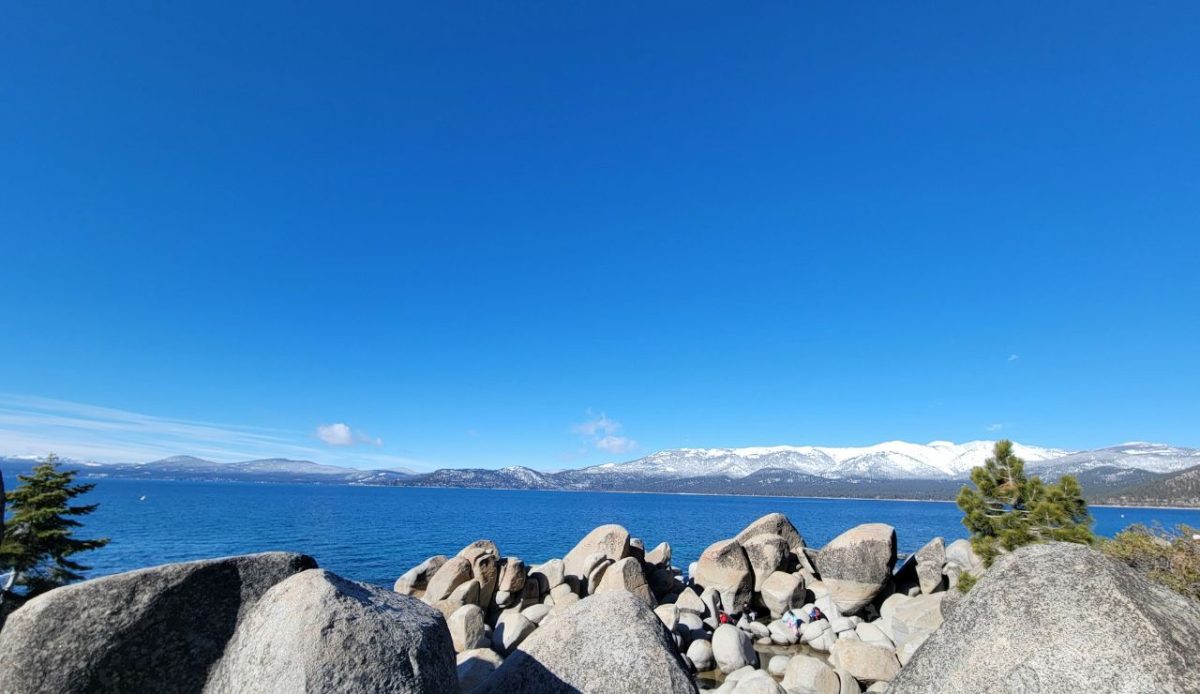
Carnelian West Beach on Lake Tahoe’s north shore got a harsh reminder that even alpine water can be vulnerable when sewage spills happen nearby. When contamination enters the lake, shallow edges can develop a murky, muddy look as disturbed sediment and bacteria concentrate close to shore.
People often focus on whether the water looks gross, but pathogens don’t need dramatic visuals. The risky zone is the warm, ankle-deep area where kids play and where dogs churn up silt, turning it into a milky sludge.
If a spill is reported, avoid the whole cove until it’s cleared, not just one sign-posted spot. Rinse gear, don’t picnic on damp sand, and choose a different beach on a different part of the lake where water circulation is stronger.
12. Benone Strand, Northern Ireland
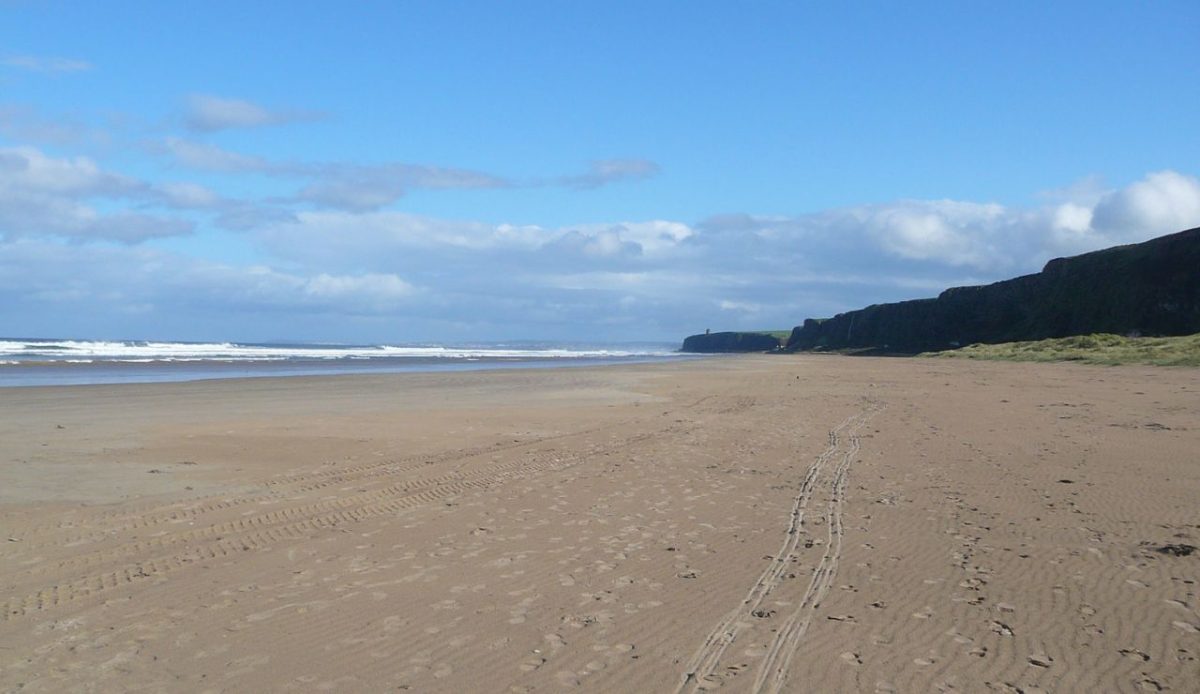
Benone Strand in Northern Ireland has faced closures tied to blue-green algae concerns in nearby connected waters. When algae accumulates and then breaks down, it can leave scummy patches that stain the shoreline and mix with sand into slick, dark mud near streams and outflows.
The problem is contact risk: skin, eye, and stomach issues can follow if people swim through scum or let kids splash in shallow pools. Pets are especially at risk if they drink from calm, discolored edges.
Pay attention to bathing advisories and avoid areas where freshwater meets the sea, because that’s where blooms and runoff concentrate. If the water has a paint-like film or thick mats, don’t “test it” with a quick dip, walk away and pick a different stretch.
13. Venice Beach, Los Angeles
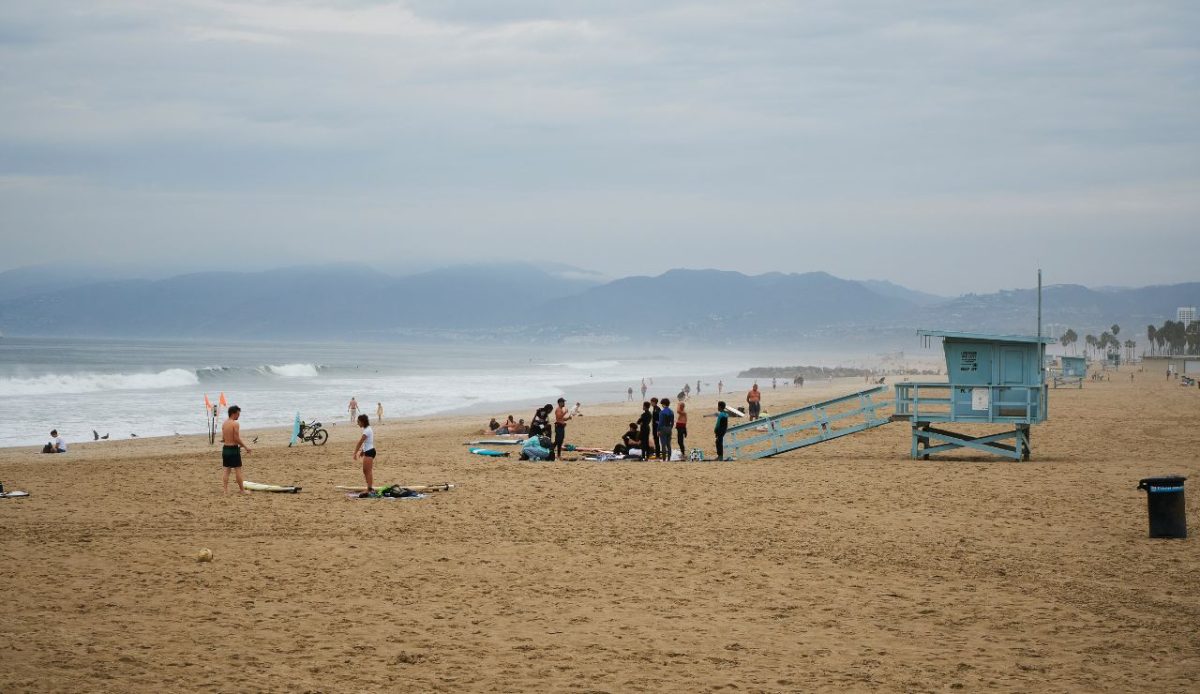
Venice Beach can turn ugly fast after rain because storm drains and creeks carry street runoff into the surf. When a sewage spill or heavy runoff hits Ballona Creek, officials have closed nearby waters, and the shoreline can get coated in murky, bacteria-laced slurry.
The “mud” shows up as cloudy brown water at the edge, dirty foam, and puddles that smell off. Even if the ocean looks fine a few meters out, the nearshore mix is where exposure happens.
Respect rain advisories and spill closures, and avoid the ocean for the recommended window after storms. Stay away from outfalls and runoff puddles on the sand, because that’s where contamination concentrates and where kids are most likely to play.
14. Kuta Beach, Bali
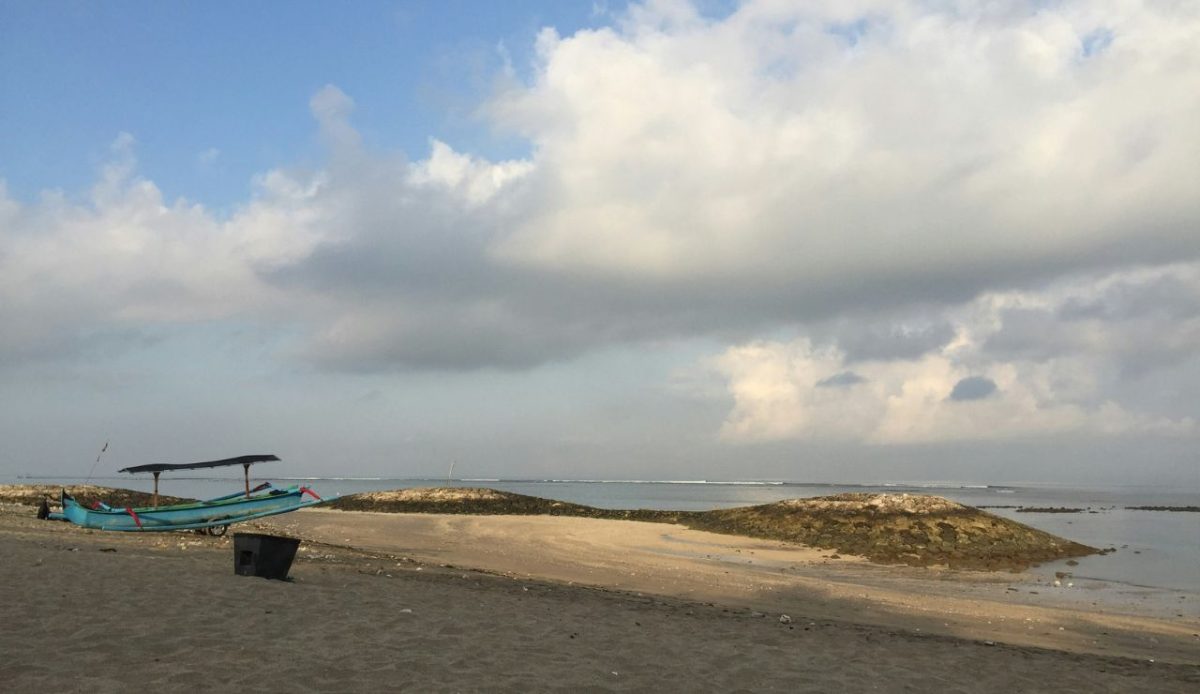
Kuta Beach in Bali goes viral for sunsets, but the rainy season can dump river-borne trash, organic waste, and wastewater issues onto the shoreline. When that material breaks down in warm shallows, it mixes with fine sand into dark, slippery muck that smells sour and lingers in calm pockets.
This isn’t only aesthetic. The blend can raise bacteria exposure, hide sharp debris, and make the waterline risky for kids splashing at ankle depth. Cleanup can be intense, but conditions can flip overnight.
If you see thick debris lines, brown foam, or cloudy runoff plumes, switch beaches or time your visit for a tide that’s pulling water out. Keep cuts covered, rinse after contact, and follow local advisories during heavy rain.
