
Public anger in parts of Europe is sometimes aimed at the United States rather than at tourists in general. That shows up most clearly in scheduled demonstrations near U.S. embassies, consulates, and military-linked sites.
These events are usually tied to foreign policy disputes, wars, or base agreements. The risk for U.S. travelers is less about random hostility and more about being near a crowd that is moving, loud, and politically charged.
The cities below are selected because official travel guidance or mission alerts describe recurring protest activity tied to U.S. facilities or anti-U.S. sentiment. Each section explains the mechanism that makes the city sensitive at certain times.
1. Rome, Italy
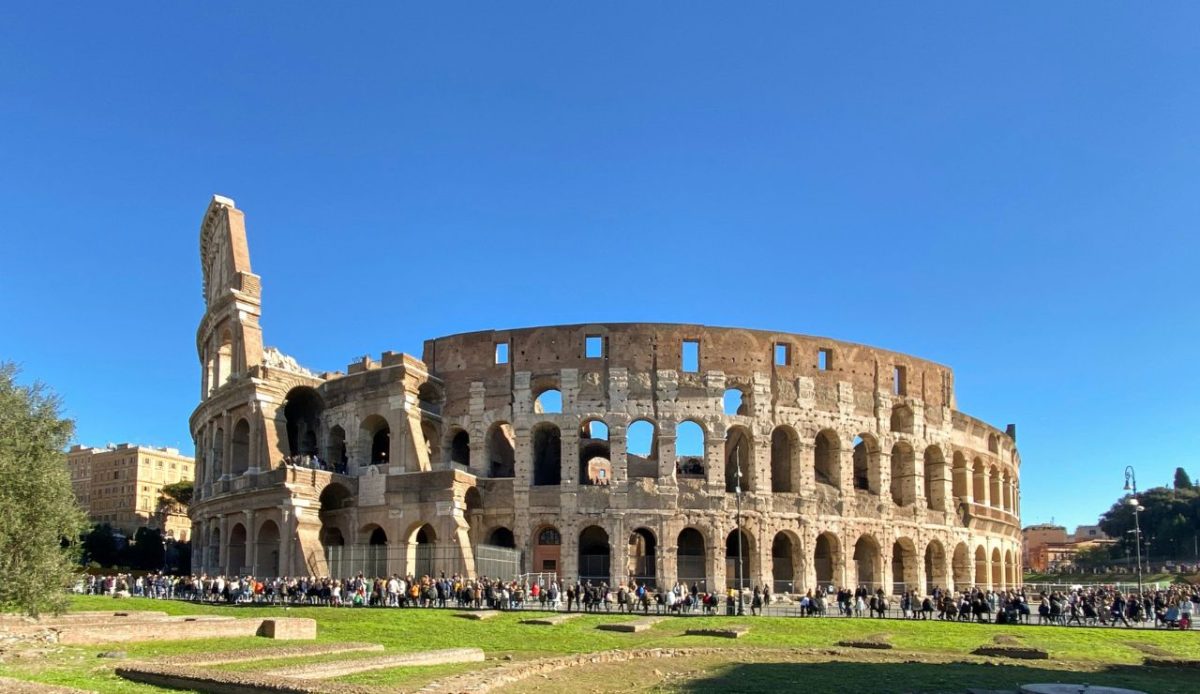
Rome concentrates U.S. diplomatic offices and is a frequent stage for permitted marches through central neighborhoods. When organizers route a demonstration past U.S. sites, the message can be aimed at America itself, not local tourism.
State Department guidance for Italy warns that demonstrations can be anti-American in nature, with added concern near U.S. military activity. Embassy demonstration alerts in Rome have described events promoted as anti-American.
For visitors, the practical issue is proximity. Transit lines, roads, and sidewalks can be blocked with little notice, and police may redirect foot traffic. Avoiding planned rally corridors reduces exposure to aggressive chanting and sudden crowd movement.
2. Milan, Italy
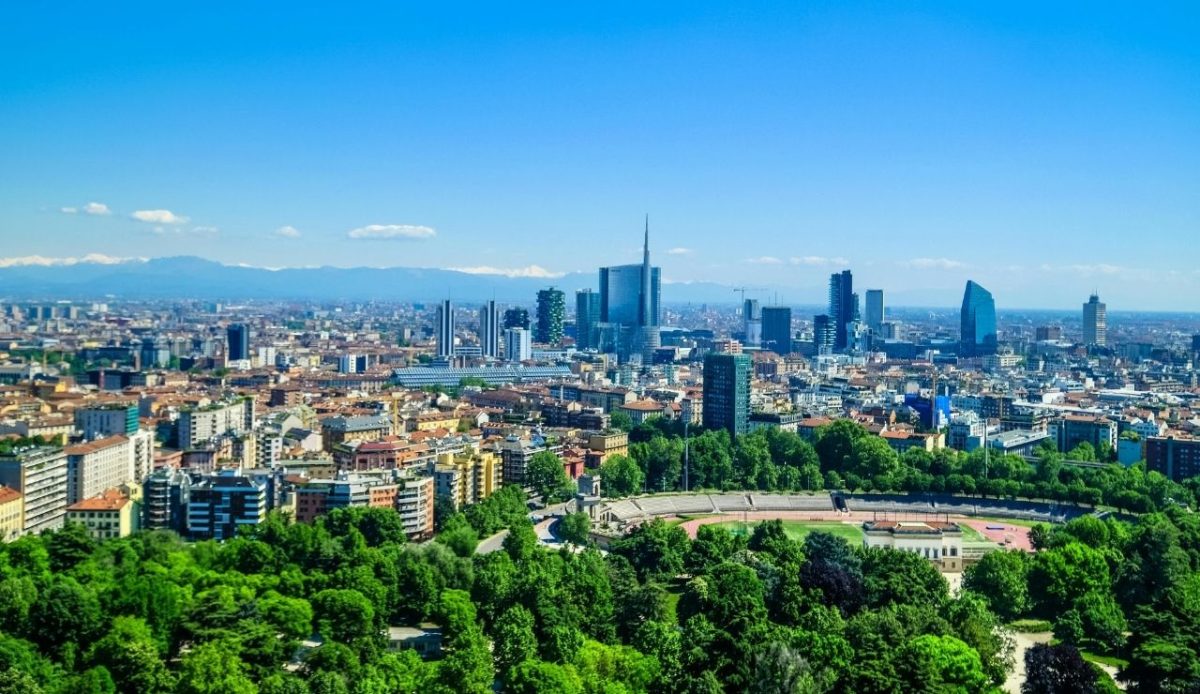
Milan hosts a U.S. consulate and regularly sees issue-driven protests that concentrate in predictable civic spaces. When a rally is scheduled near the consulate, security perimeters can compress sidewalks and create friction at entry points.
U.S. mission notices for Milan have warned of anti-war demonstrations and advised citizens to avoid the area. While the target is often a policy, slogans can shift from government criticism to anti-U.S. themes, especially during regional crises.
The main risk is being mistaken for a participant or being trapped by moving lines of people. Plan routes that do not rely on the immediate consulate district, and expect last-minute changes to tram and bus detours.
3. Naples, Italy
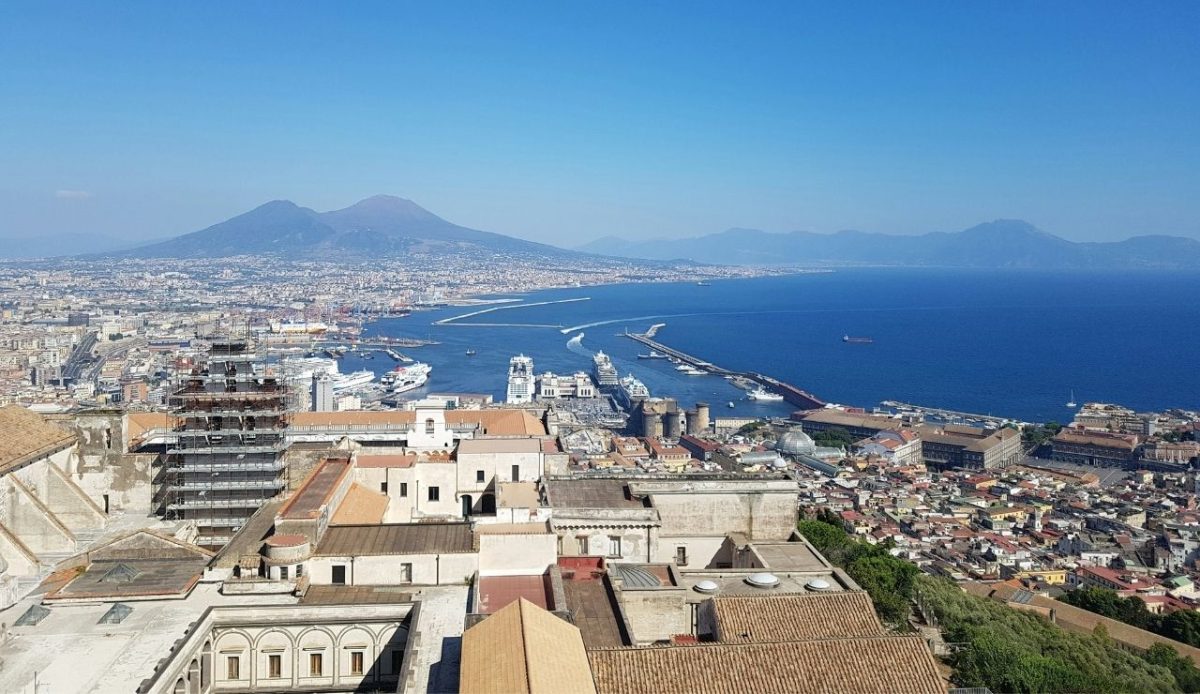
Naples sits beside major U.S. military commands, so protests connected to defense policy often reference the United States directly. Demonstrations can form quickly near the waterfront and consulate area when a triggering event occurs.
Mission alerts for Naples have described planned gatherings in the vicinity of the U.S. Consulate General. In this setting, the crowd is shaped by local views on bases, deployments, and Middle East or NATO-related decisions.
Travel impacts are usually logistical. Streets can be closed, taxi access can be restricted, and police may establish checks around diplomatic blocks. Visitors should avoid following chants or signage and instead move away early when a crowd begins to build.
4. Ljubljana, Slovenia
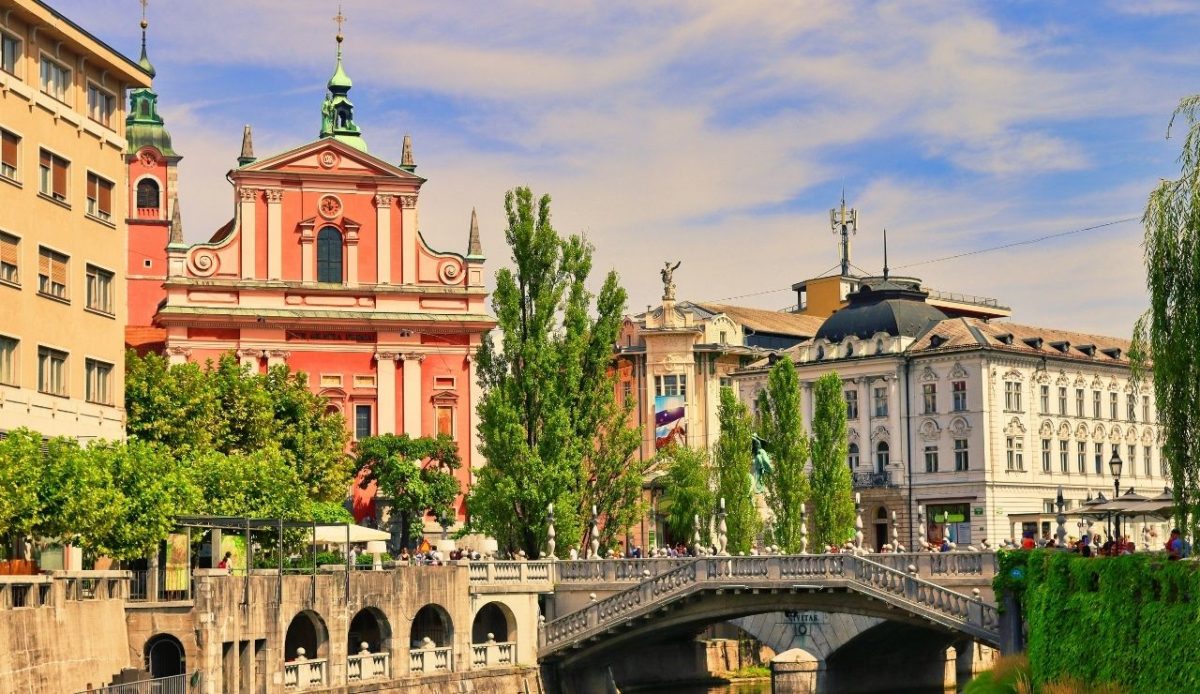
Ljubljana is small enough that protests in the center can affect daily movement quickly. Rallies are often held around Congress Square and near parliament, and they sometimes extend toward the U.S. Embassy area.
Country travel information for Slovenia states that some demonstration participants have occasionally expressed anti-U.S. sentiments. That wording matters because it links the protest message to the United States, not only to domestic politics.
The exposure risk is timing. A peaceful rally can still become confrontational if counter groups arrive or police lines shift. U.S. travelers should check local notices, stay out of the core protest zone, and avoid filming close to speakers or flags.
5. Podgorica, Montenegro
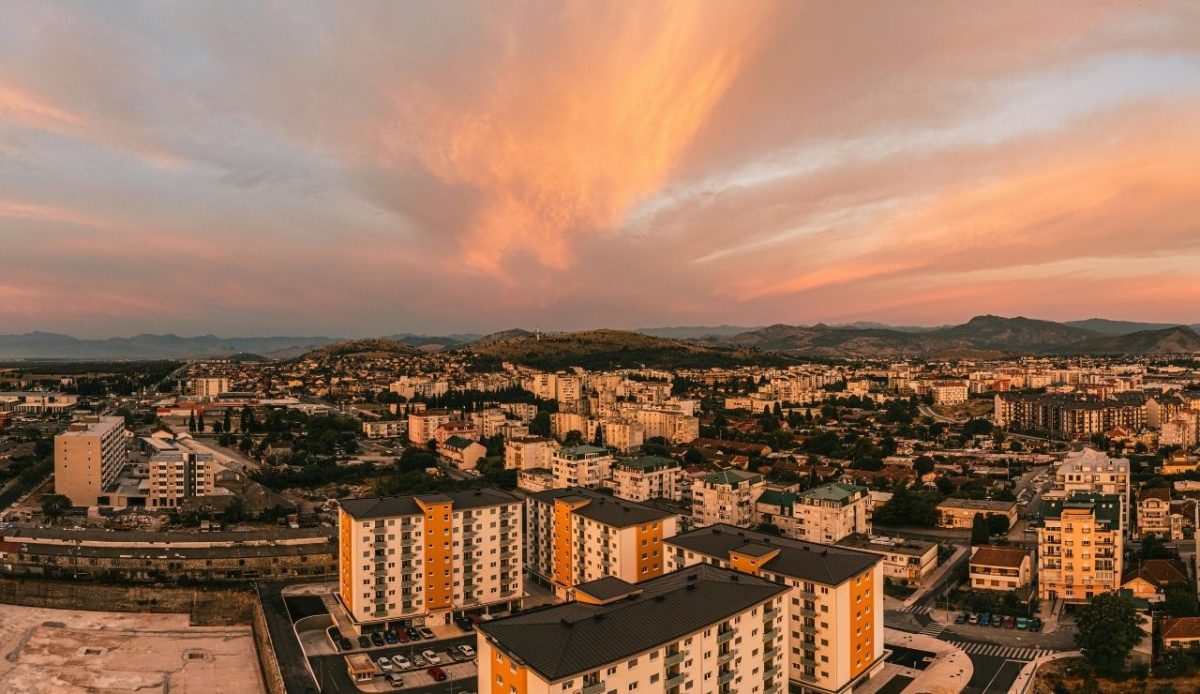
Podgorica concentrates most national institutions and is where many public demonstrations in Montenegro are staged. When regional tensions rise, rallies can take on an anti-American tone, even if the original demand is local.
U.S. country travel information for Montenegro states that demonstrations occur often and that some can be anti-American. That guidance reflects a pattern where international events and politically significant dates can draw crowds.
For visitors, the key issue is predictability. Protests may be announced late, and downtown traffic can be disrupted fast. Keeping lodging away from government blocks and using flexible transport plans helps avoid being funneled into a rally route.
6. Brussels, Belgium
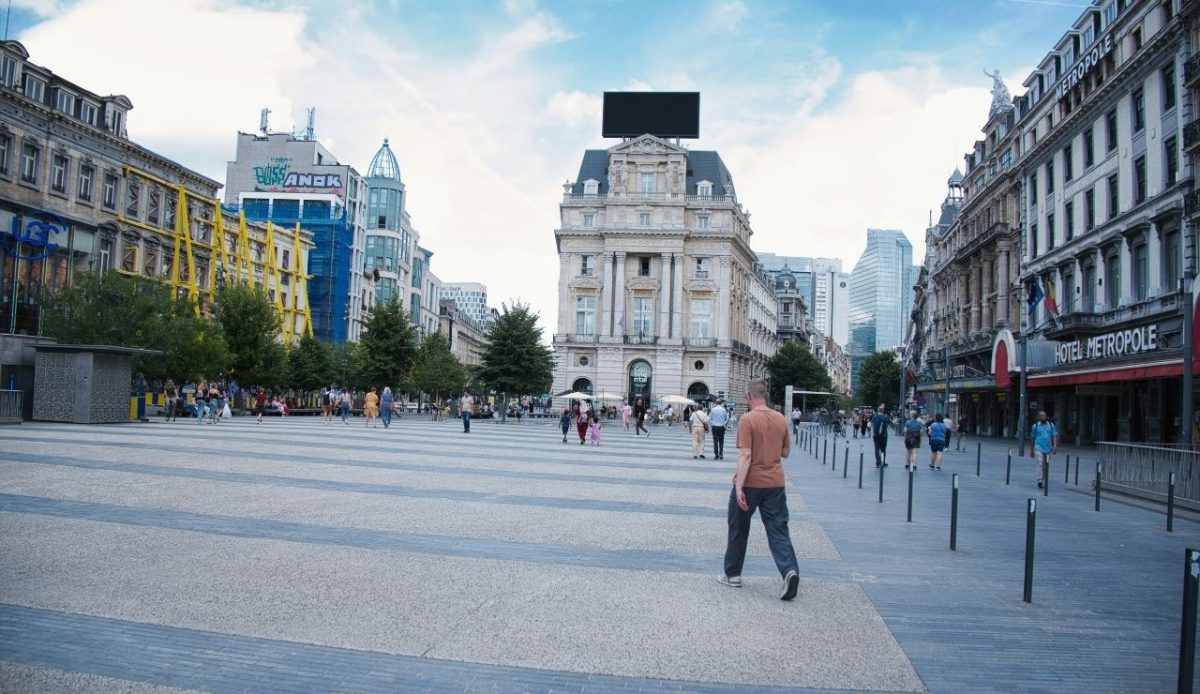
Brussels is a hub for international politics, so U.S. policy disputes often produce demonstrations aimed at American institutions. Protests are frequently staged near the U.S. Embassy area because visibility is high and access control is established.
U.S. Embassy Brussels has issued demonstration alerts about protests across from the embassy compound. These events can be tied to war, sanctions, or diplomatic decisions, which raises the chance of anti-U.S. rhetoric in signs and speeches.
The main travel risk is disruption in the European Quarter. Street closures can block taxis and transit stops, and large crowds can slow exit routes. Reroute early and avoid engaging with demonstrators or police lines.
7. Vienna, Austria
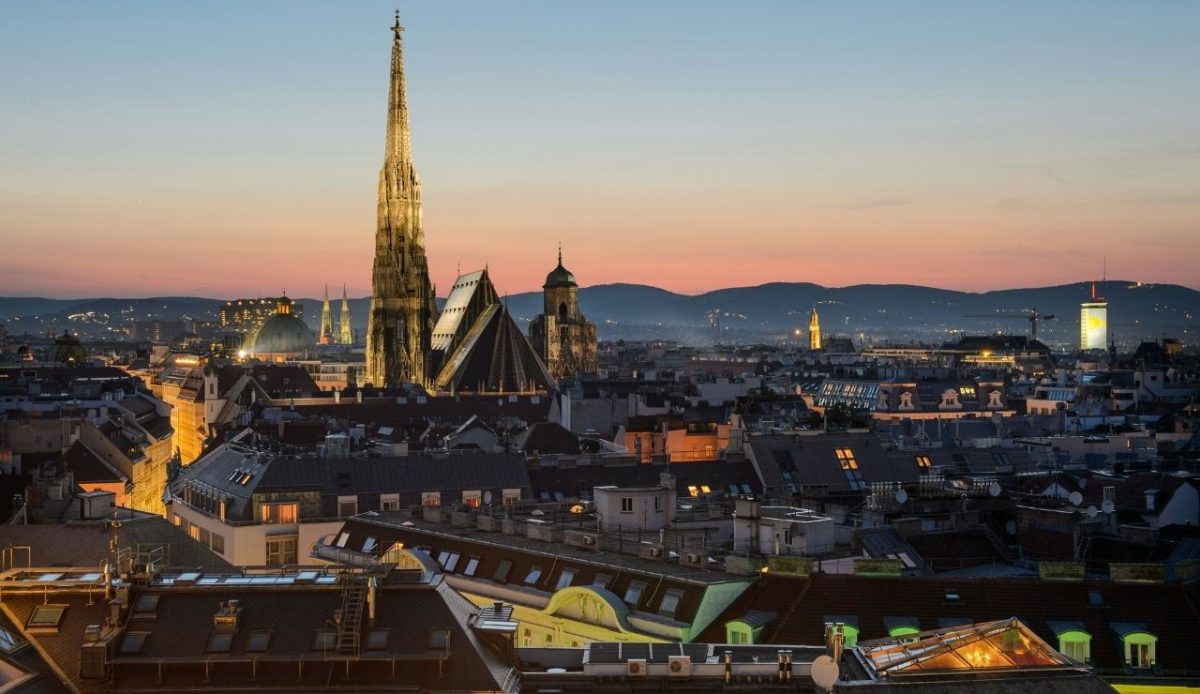
Vienna hosts major international organizations and draws demonstrations tied to conflicts where the United States is a visible actor. Protest permits often place groups near central squares, and then routes can shift toward diplomatic areas.
The U.S. Embassy in Austria publishes security and emergency messages that include demonstration alerts for Vienna. These notices reflect a pattern of planned rallies where crowd size and counteractivity can change quickly.
The local issue for travelers is crowd density and screening. Police cordons can force long walks around blocked streets, and public transport stops can be skipped. Staying clear of announced rally locations and avoiding confrontation keeps the visit routine.
8. Belgrade, Serbia
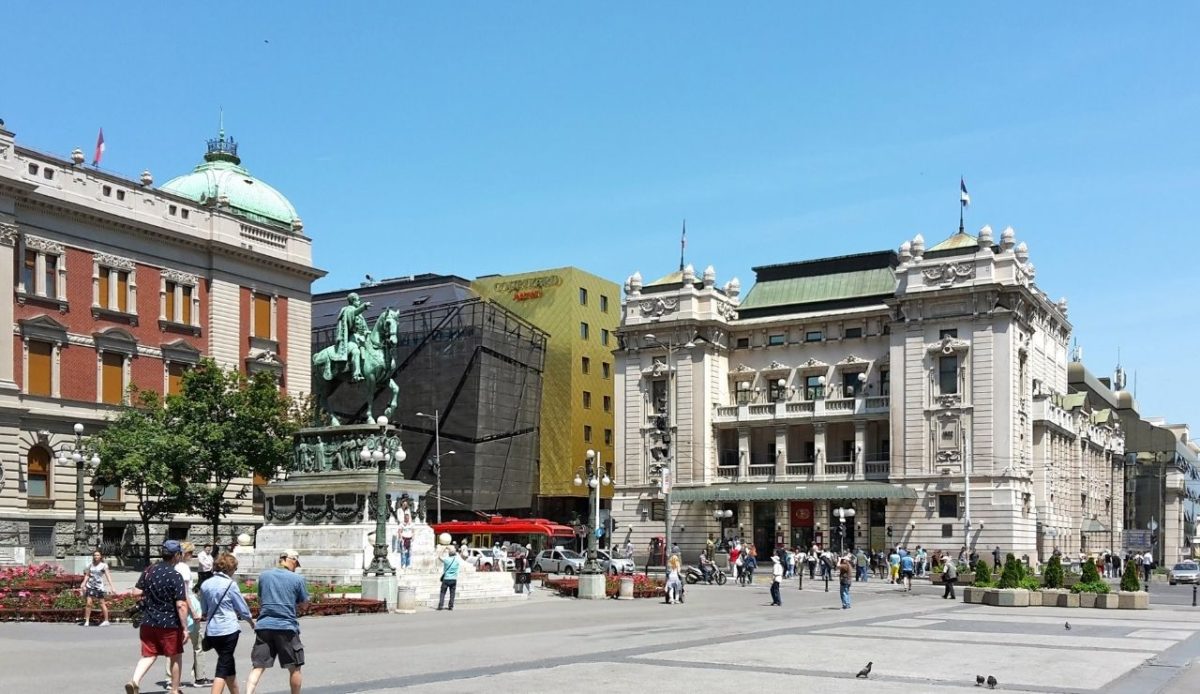
Belgrade has a long tradition of large street gatherings, and foreign policy issues can trigger rallies near government buildings. When a protest theme involves NATO or regional security, the United States can become a direct target in slogans.
The State Department country page for Serbia links to demonstration alerts from the U.S. Embassy in Belgrade. Such alerts indicate planned events that may disrupt traffic and create unpredictable crowd movement in central districts.
For U.S. travelers, the practical concern is being close to a surge in the crowd or a police push. Choose routes that avoid the main squares during announced gatherings, and do not engage with chanting groups even if approached.
9. Sarajevo, Bosnia and Herzegovina
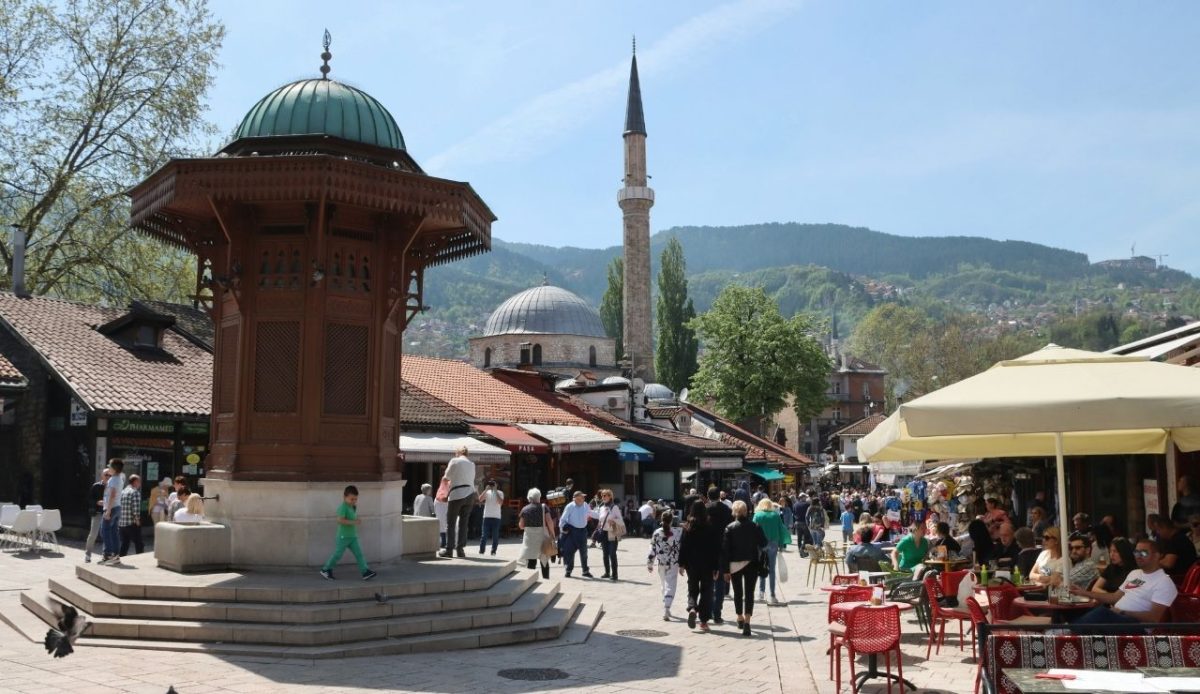
Sarajevo can see protests tied to domestic politics, labor disputes, or regional events, and central streets are narrow in the historic core. That layout can turn a medium crowd into a full blockage of key walking and driving routes.
The State Department country information for Bosnia and Herzegovina lists recent demonstration alerts from the U.S. Embassy in Sarajevo. Even when the message is not aimed at Americans, embassy guidance treats crowd volatility as a realistic risk.
Visitors face a mobility problem more than a personal threat. Tram lines can be interrupted, and police barriers may appear without much lead time. Avoid gatherings near government blocks, keep plans flexible, and leave early if chanting grows or objects are thrown.
10. Pristina, Kosovo
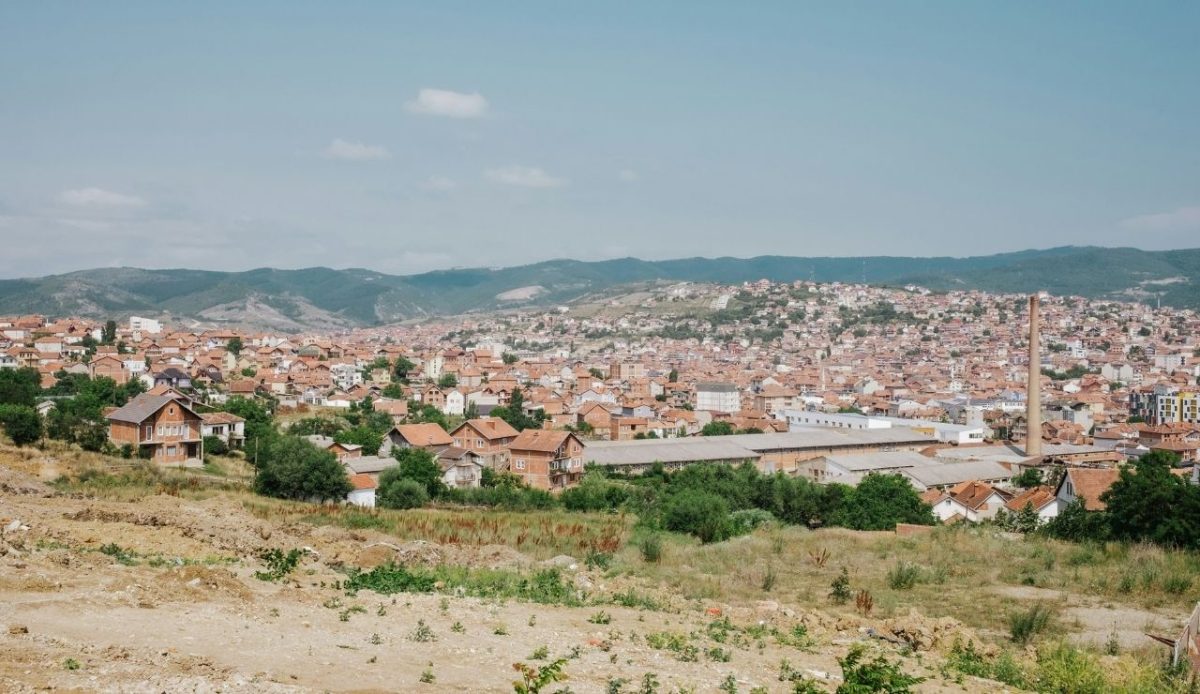
Pristina experiences frequent demonstrations and political rallies, sometimes with little notice because the city center concentrates ministries and major roads, and even a short protest can cause wide traffic disruption.
U.S. travel information for Kosovo warns that demonstrations occur frequently, particularly in Pristina, and that they can cause serious disruptions or violent incidents. The guidance also advises U.S. citizens to avoid protests and large gatherings.
For travelers, the mechanism is exposure to crowd dynamics, not everyday hostility. Stay away from rally areas, do not linger near police lines, and keep a backup route to lodging or the airport if streets are closed.
