
Cruise ports are access systems with fixed berths, tender lanes, customs halls, and local streets that cannot scale when two or three ships stack on the same morning.
Many sit beside protected waterfronts or old town buffers where road widening is blocked, so a surge funnels through one station area or a single quay and triggers policing and traffic controls, especially in summer schedules.
Once a call injects several thousand visitors into a compact center, bus bays fill, air quality complaints rise near idling zones, and water and waste loads spike, so residents press councils for passenger caps, routing bans, or slot rules that push ships away.
1. Venice, Italy
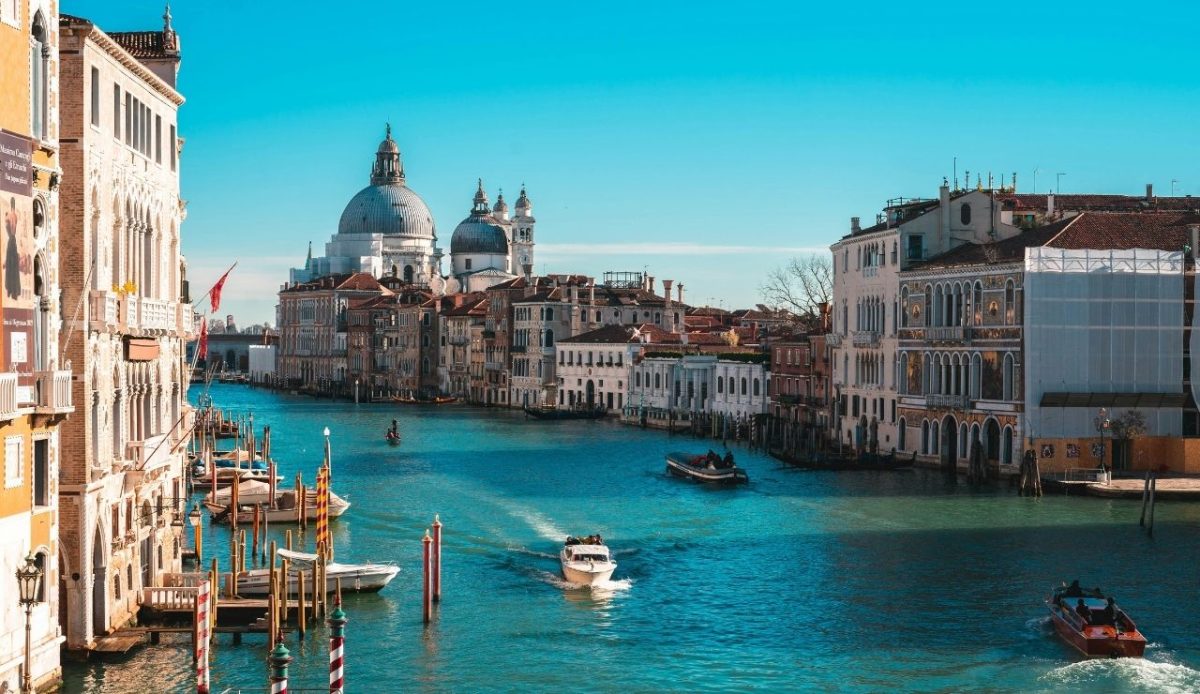
Venice is reached through a shallow lagoon with dredged channels, turning basins, and speed controls, and the historic center sits on fragile foundations beside protected waterfront zones.
Local campaigns tied large cruise transits to wake energy and visual intrusion along the Giudecca route, and after preservation warnings, Italy adopted rules that prevent large ships from using lagoon access for central stops.
With lagoon entry blocked for big vessels, most calls moved to ports outside the old city, and passenger arrivals were redistributed to buses and rail links on the mainland, reducing direct ship to center flow and limiting peak day crowd pulses.
2. Amsterdam, Netherlands
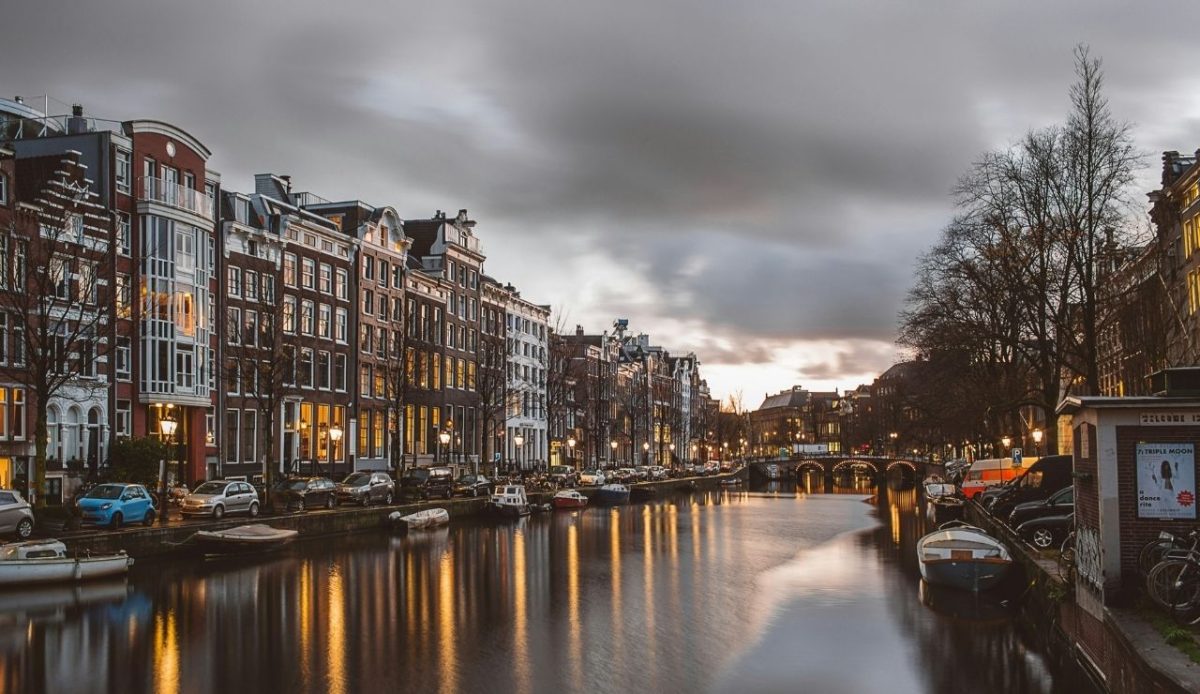
Amsterdam’s sea cruise terminal sits near the central station area, where tram lines, bike lanes, and apartment blocks share constrained right of way, and curb space is already rationed.
Residents and city leaders linked ship calls to local air pollution near berths and to day-trip crowding in the canal ring, so the municipality stated a goal to end sea cruises by 2035 instead of relocating the terminal.
By signaling withdrawal, the city reduces long term certainty for cruise itineraries and limits incentives to add shore-side facilities, and berth permits become harder to justify, pushing operators toward ports beyond the inner city network.
3. Barcelona, Spain
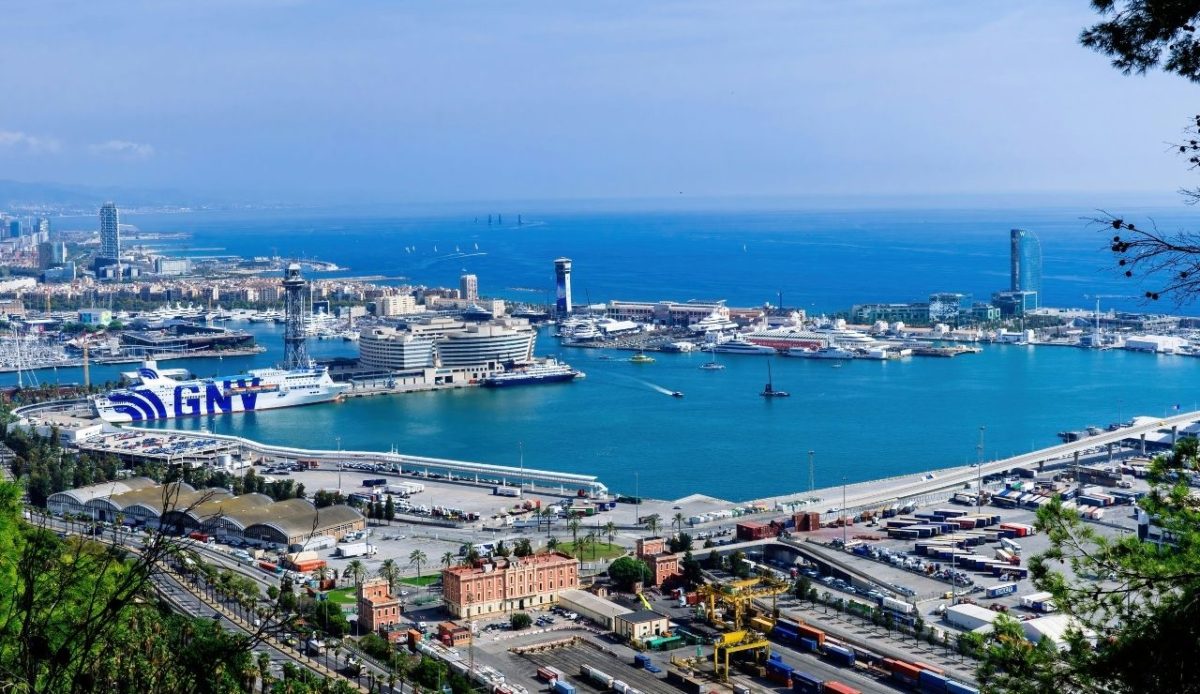
Barcelona concentrates cruise terminals beside Port Vell, close to the old city and major transit corridors that already carry daily commuter loads from the metro and regional rail.
Resident protests connected ship days to street saturation in Ciutat Vella and to emissions near the waterfront, and the city and port authority agreed to reduce terminal capacity by cutting the number of terminals by 2030.
Fewer terminals limit simultaneous berth availability, so cruise lines must spread arrivals, swap ship sizes, or drop calls on peak dates, which lowers the hourly passenger surge that can overwhelm bus staging areas and core pedestrian routes.
4. Dubrovnik, Croatia
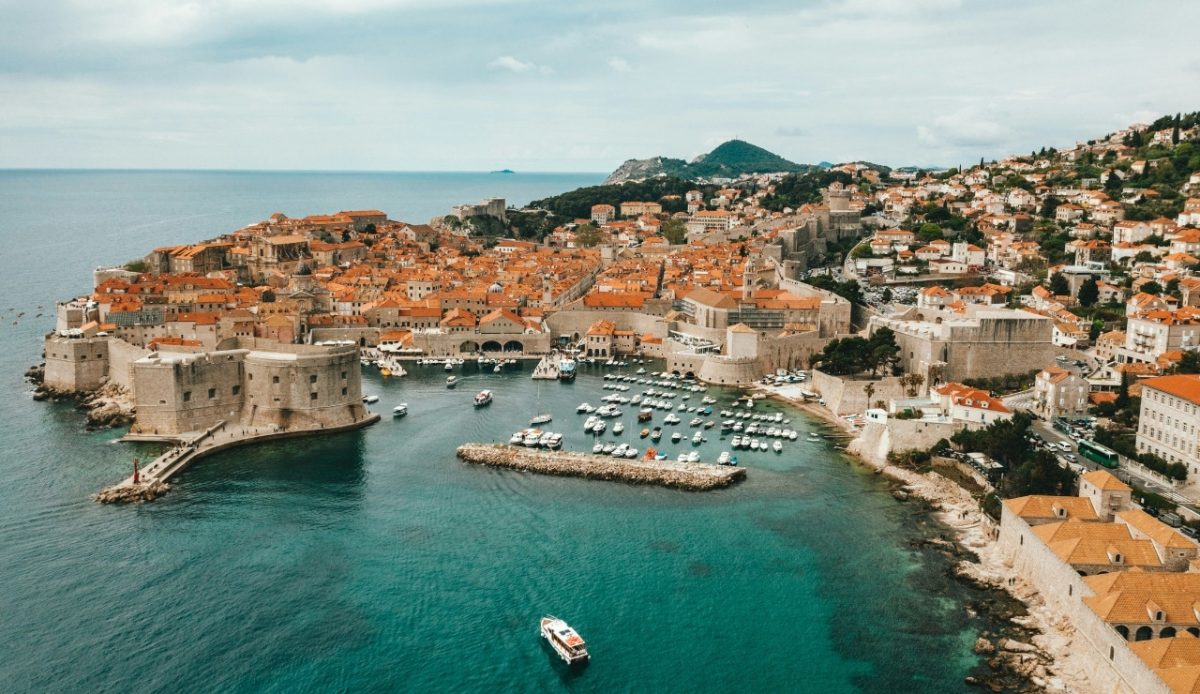
Dubrovnik’s port access funnels visitors from Gruz toward a walled old town with limited gates and steep streets, so carrying capacity is set by geometry rather than demand.
After repeated peak season crowding and resident complaints about blocked lanes, local authorities adopted ship scheduling controls that cap daily cruise arrivals and coordinate time slots to avoid overlapping disembarkations.
Slot rationing reduces simultaneous passenger loads on Stradun and at the main bus staging areas, and the port timetable is enforced through berth allocation, so ships without an approved window are pushed to other Adriatic ports during summer peaks.
5. Cannes, France
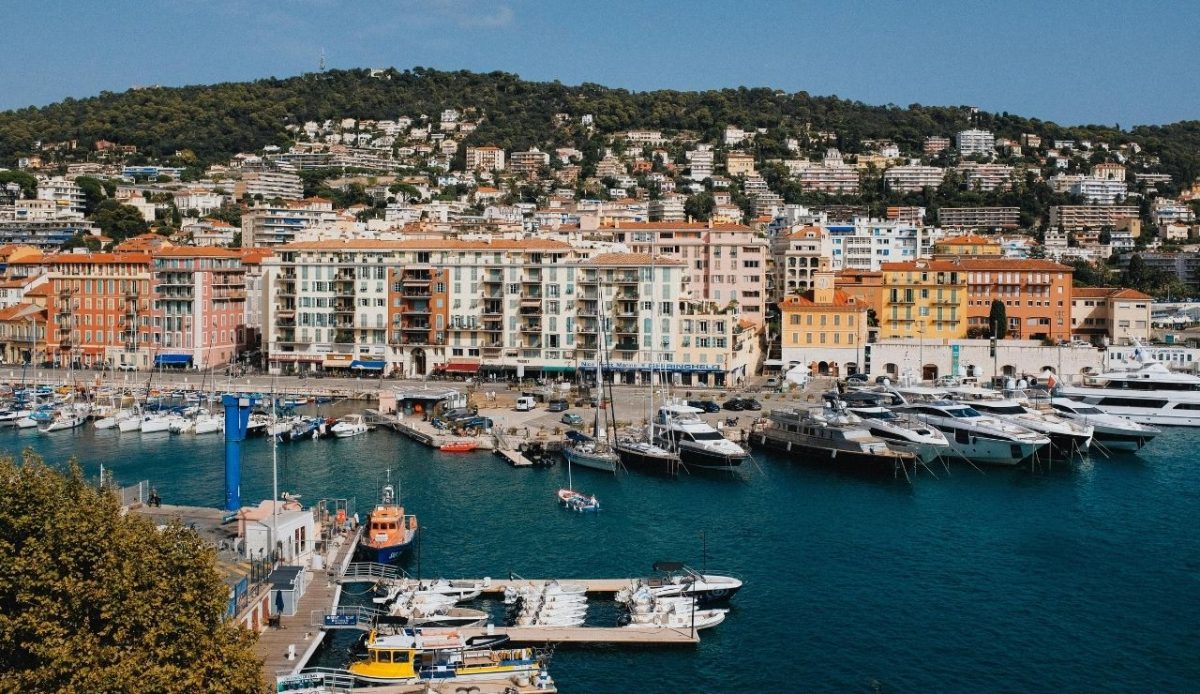
Cannes receives many cruise visitors by tender because large ships anchor in the bay, and the landing points compete with local ferry routes and recreational boating.
Residents and city officials argued that megaship calls create a safety risk and traffic concentration near the waterfront, leading to a municipal decision effective in 2026 to restrict large ships and limit daily passenger disembarkations.
By setting ship size and passenger thresholds, Cannes reduces the number of high-volume tender cycles per day, and operators using the largest vessels must reroute to ports with deep-water docks, which shifts visitor pressure away from the bay.
6. Palma de Mallorca, Spain
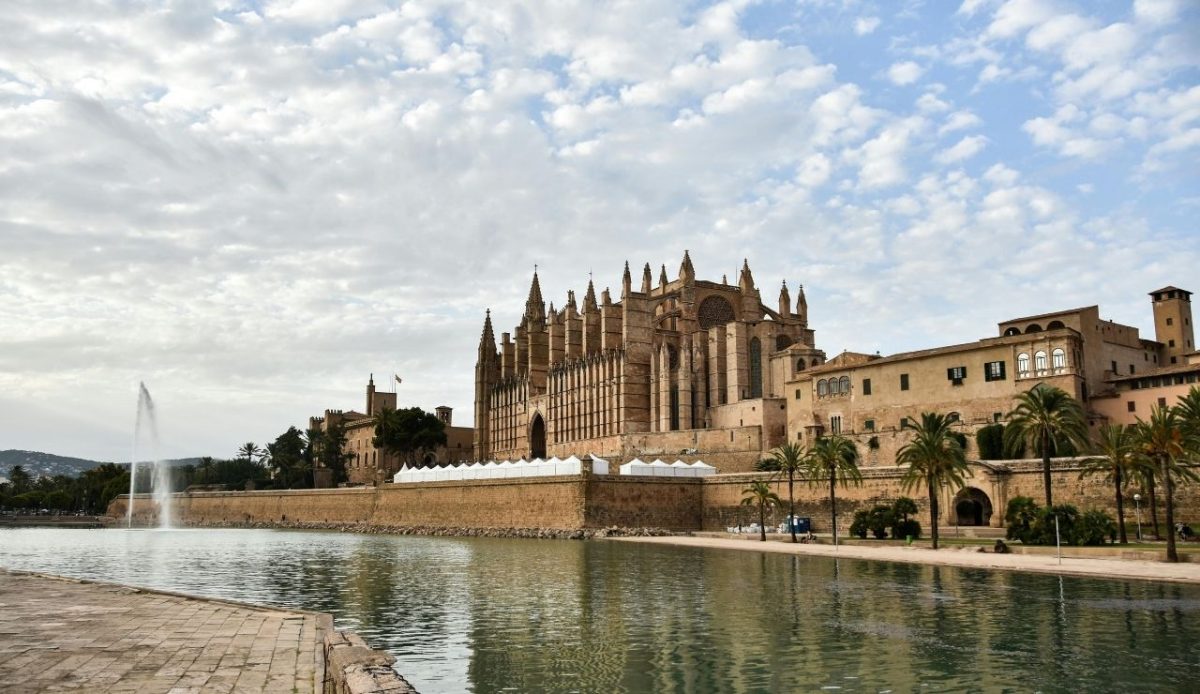
Palma’s cruise berths sit near urban beaches and arterial roads that also carry resident commuting traffic, so multiple ship days can lock up bus circulation and curb access around the port zone.
Local debate over congestion and emissions led the Balearic authorities and port managers to adopt an agreement that caps daily cruise calls and limits the largest class from stacking at the terminal.
Because the rule targets simultaneous arrivals, it cuts the peak hour passenger dump that drives old town saturation and taxi queues, and berth assignment enforces compliance, so cruise lines must adjust port rotation or ship size to stay within the daily ceiling.
7. Santorini, Greece
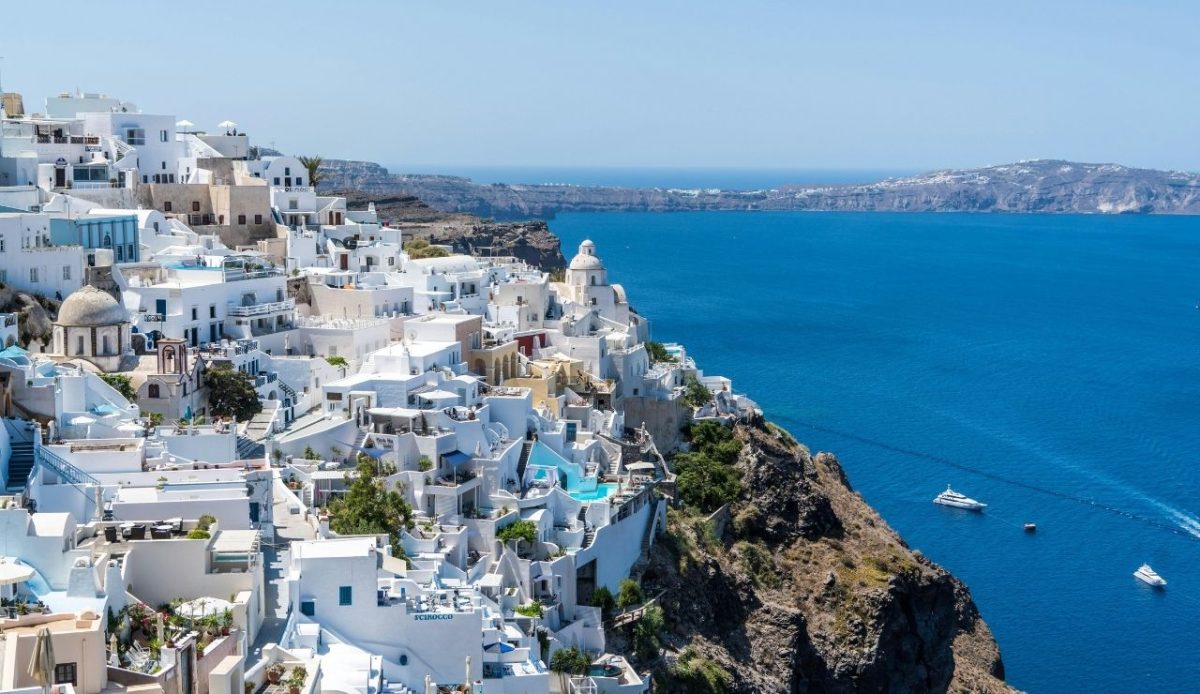
Santorini relies on tender landings at Skala and a single cable car link to Fira, so capacity is constrained by boat lanes, queue space, and steep road alternatives with limited bus turnarounds.
Residents and local officials cited chronic congestion and safety incidents during peak call days, leading port authorities to set a daily cruise visitor cap of 8,000 and assign arrival slots for tender operations in the 2025 to 2026 schedule.
Slotting reduces overlap between ships, and the passenger ceiling forces itinerary changes when demand exceeds supply, pushing some calls to other Aegean islands or shifting arrivals to dates with fewer port allocations.
8. Bar Harbor, Maine, United States

Bar Harbor receives cruise passengers by tender into a small downtown grid next to Acadia National Park access roads, where lane capacity, restroom supply, and parking inventory are fixed.
After peak days, crowded sidewalks, and overloaded shuttle stops, local voters approved a daily limit of 1,000 cruise visitors allowed ashore, and the town defended the rule through continued legal challenges.
Because the cap sits far below the capacity of mainstream cruise ships, lines either reduce calls, switch to smaller vessels, or reroute to other Maine ports, and the limit converted resident pressure into enforceable access reduction during high-season weeks.
9. Juneau, Alaska, United States

Juneau’s cruise docks sit close to residential neighborhoods and a compact street network, and the city has limited options to add new berths without major shoreline work and permitting.
After record visitor days created traffic and trail crowding, residents pressed officials for binding limits, and the city negotiated agreements that set daily cruise passenger caps starting in 2026, with tighter limits on certain days.
Daily caps constrain growth even when demand rises, so cruise lines must manage berth allocations and adjust itineraries, and the policy shifts pressure away from peak Saturdays toward days with available capacity and transit staffing.
10. Ísafjörður, Iceland
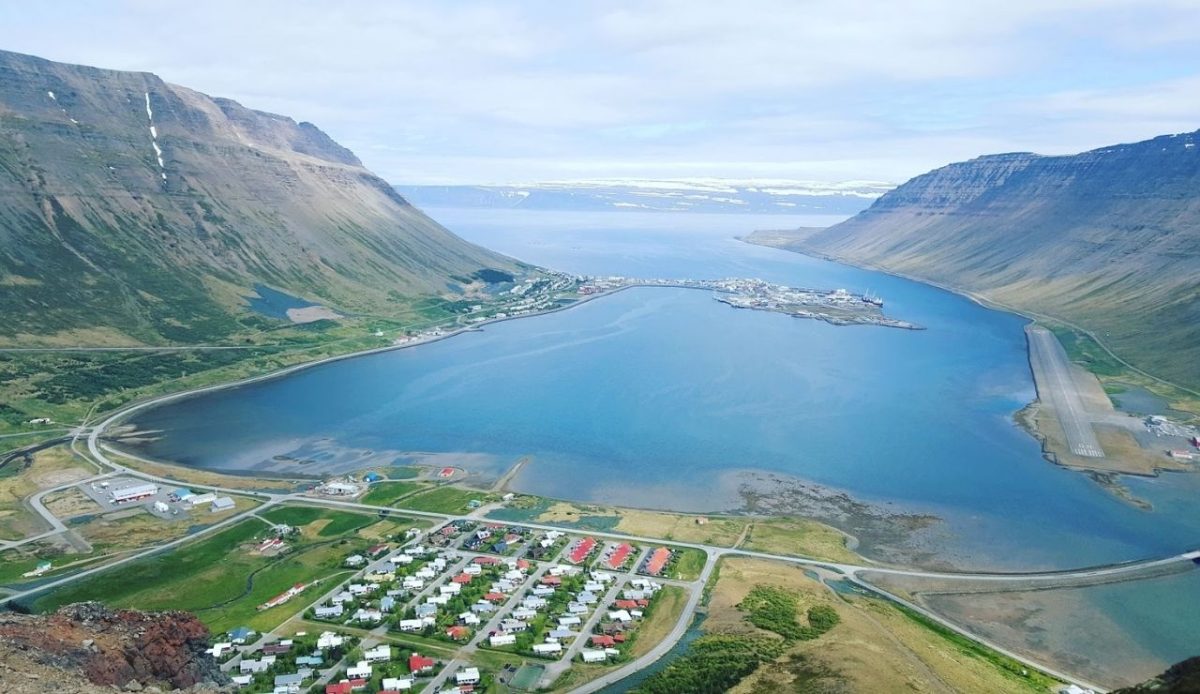
Ísafjörður is a small fjord town with a limited road spine, a short waterfront zone, and constrained coach parking, so cruise arrivals can outnumber residents within hours and stress basic services.
Local concern grew as scheduled calls increased, and the municipal council adopted a daily ceiling of 5,000 cruise passengers to align visitor volume with policing, sanitation, and narrow street capacity in the town center.
The cap forces operators to coordinate arrival days and adjust ship size, and when planned totals exceed the ceiling, some calls are shifted to other Westfjords ports, reducing peak pressure on waterfront access points and bus staging areas.
