
Colombia attracts travelers with its cities, regional culture, and expanding tourism infrastructure, yet safety conditions still vary widely by neighborhood, timing, and daily behavior. Most problems visitors encounter follow repeatable patterns connected to street crime, transport use, nightlife habits, and regional travel decisions. Understanding these patterns allows travelers to adjust routines without limiting movement or experience. The guidance below focuses on real situations reported by visitors and local advisories, offering practical steps that reduce exposure while moving through cities, transport systems, and less familiar areas.
1. Avoid Using Your Phone Near Busy Streets
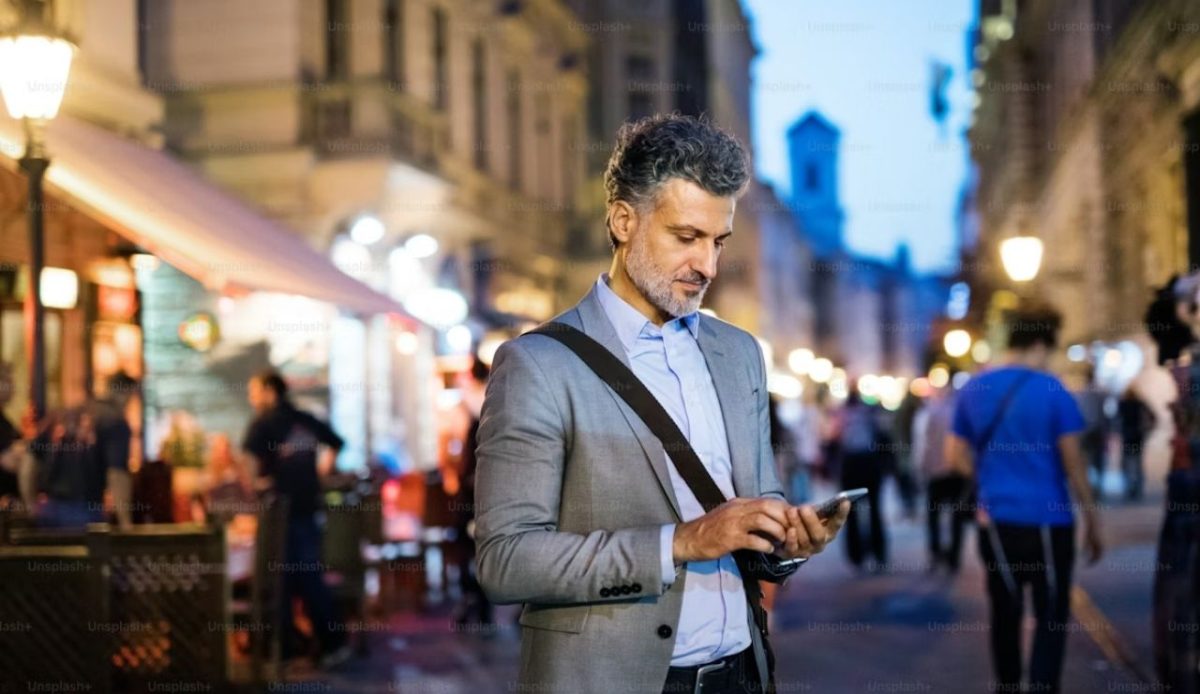
Phone snatching is common on busy streets in Bogotá, Medellín, and Cali, especially near intersections where traffic slows. Motorcycle riders often watch for travelers holding phones close to the curb or while crossing. Step into a shop, café, or building entrance before checking maps or messages. If you must stop outside, stand several feet from the roadway and keep the screen low. Use offline maps so you can check quickly, then put the phone away. Avoid scrolling while walking, waiting at lights, or standing beside parked cars. Less display time means fewer opportunities for a fast grab. It happens in seconds.
2. Never Accept Drinks From Strangers

Drink tampering remains a risk in nightlife areas with heavy visitor traffic. Only accept drinks handed to you by the bartender or server, and watch the preparation when you can. Do not take pre-poured shots, shared bottles from strangers, or “free” drinks offered at the table. Choose sealed bottles or cans when possible and open them yourself. Keep your glass in hand and order a fresh one if you lose sight of it, even briefly. Go out with trusted companions and leave together. If you feel sudden confusion, extreme drowsiness, or memory gaps, ask staff to call for help and get to a safe place right away.
3. Use Ride-Hailing Apps Instead of Street Taxis

Ride-hailing apps add accountability because they show the driver, plate number, and route history. Street taxis can be legitimate, but risk rises late at night or when a driver suggests a “better” route. Use app rides or have your hotel or restaurant call a trusted taxi. Before you get in, match the plate and driver name, and cancel if anything feels off. Confirm the destination on the driver’s screen and avoid extra stops or picking up unknown passengers. Sit in the back seat, keep windows up in traffic, and avoid displaying cash or your phone. Share your trip status with a friend and pay in-app when available to limit disputes.
4. Avoid Walking After Dark, Even Short Distances
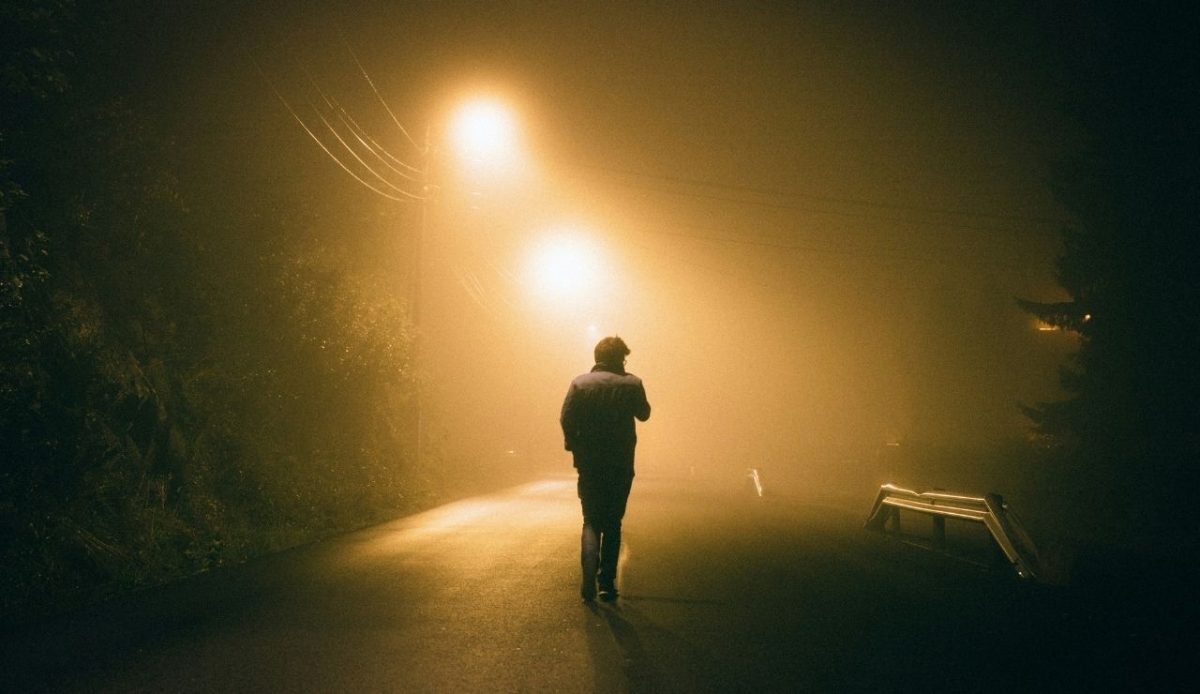
Many neighborhoods change quickly after sunset, even ones that feel fine in daylight. Foot traffic drops, lighting becomes uneven, and opportunistic theft becomes more likely. Avoid walking to dinner, bars, or your hotel at night, even for short distances that look simple on a map. Use a quick app ride instead and wait inside a lobby or storefront until it arrives. Plan evening routes before you go out so you are not checking your phone on the street. Travel with others when possible and avoid parks, footbridges, and steep side streets that empty. If you do walk, stay on well-lit main streets and move with purpose, not with headphones.
5. Carry Limited Valuables in Public

Carry only what you can afford to lose during the day. Bring one card, limited cash, and a copy of your ID, and keep your passport secured at your lodging unless you truly need it. Use a zippered crossbody bag worn in front rather than a loose backpack. Keep your wallet in a front pocket and separate a small amount of cash for quick purchases. Avoid showing a thick wad when paying, especially at markets or transit stops. Split backup cards and extra cash between a locked bag and a room safe, not in the same pocket. If you carry a laptop or camera, use a plain bag and take it out only when necessary. Less visible value reduces targeting.
6. Use ATMs Only in Secure Indoor Locations
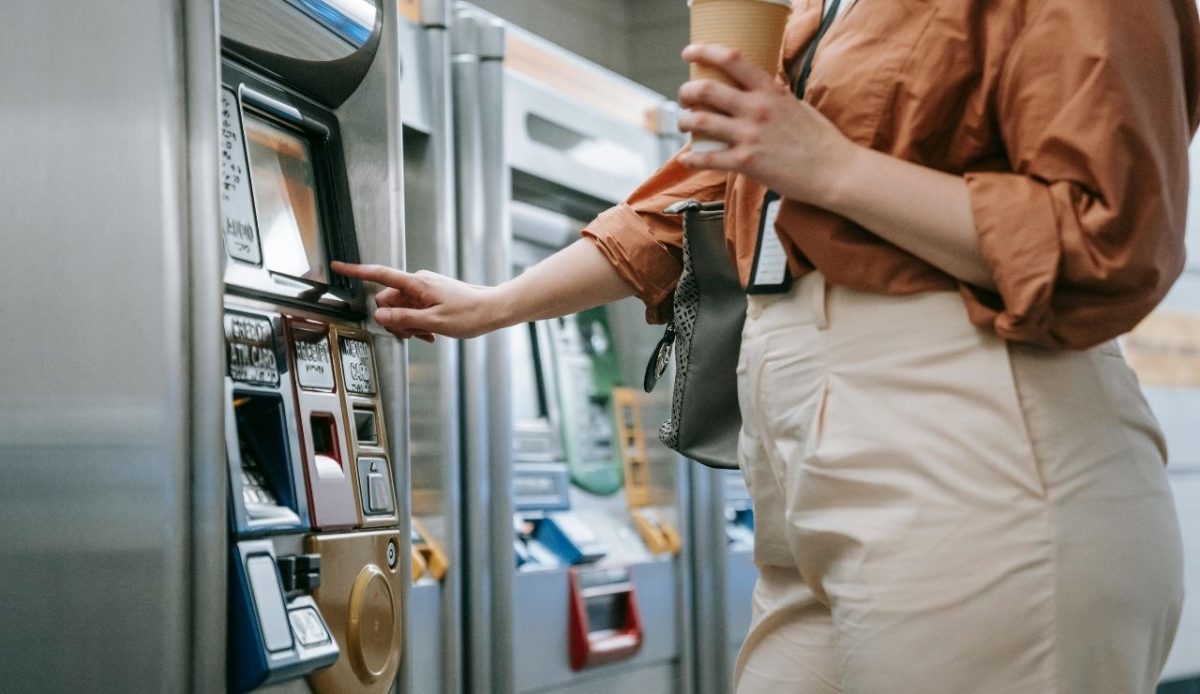
Use ATMs only in secure indoor locations such as banks, malls, or supermarkets. Street-side machines and late-night withdrawals increase the chance of robbery or card scams. Withdraw during daylight, look around before you start, and cancel the transaction if someone crowds you. Make smaller withdrawals more often instead of taking out a large amount at once. Cover the keypad while entering your PIN and put cash away before leaving the machine. Do not accept “help” from strangers who offer to guide you through the steps. If the machine looks altered or swallows your card, stop and report it to the bank immediately.
7. Dress Simply to Avoid Attention
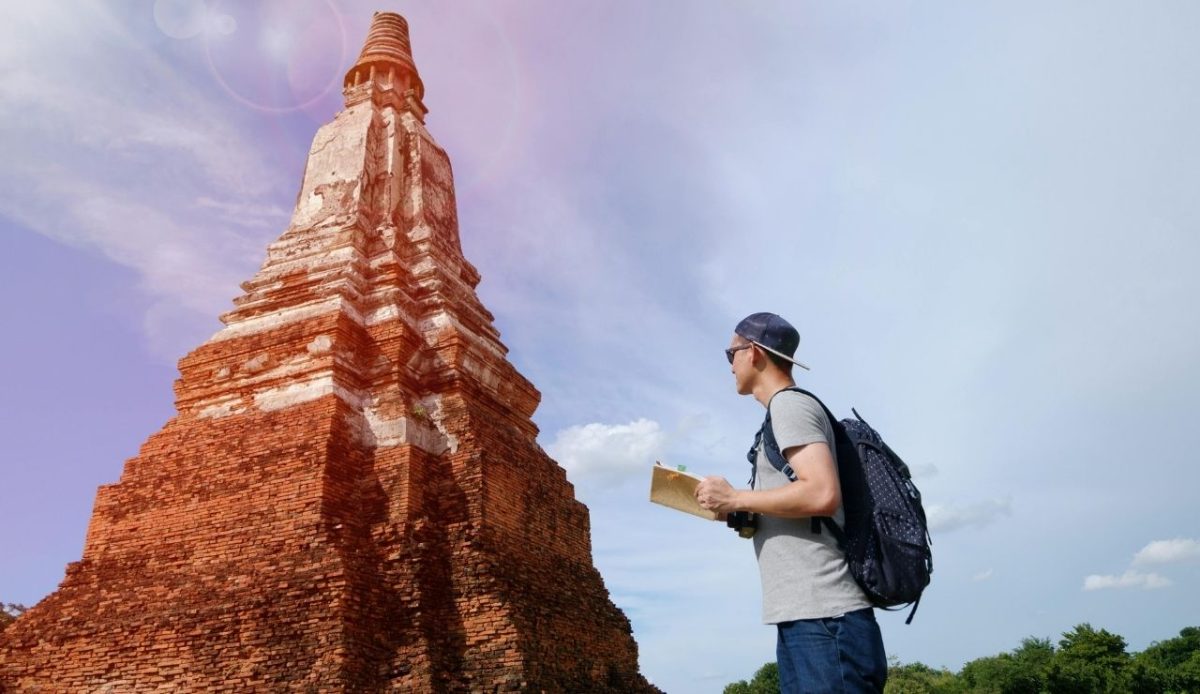
Blend in by dressing simply, especially in busy areas and on transit. Flashy jewelry, expensive watches, and designer logos can mark you as a target. Choose neutral clothing, keep accessories minimal, and avoid displaying high-end cameras on straps when you are not using them. A plain backpack or tote draws less attention than a travel-branded bag. Leave sentimental items and extra cards at your lodging, not in your day bag. If you carry electronics, keep them hidden until you are indoors and ready to use them. This approach is not about looking poor; it is about looking ordinary so you can move without extra scrutiny.
8. Research Specific Neighborhoods Before Arrival
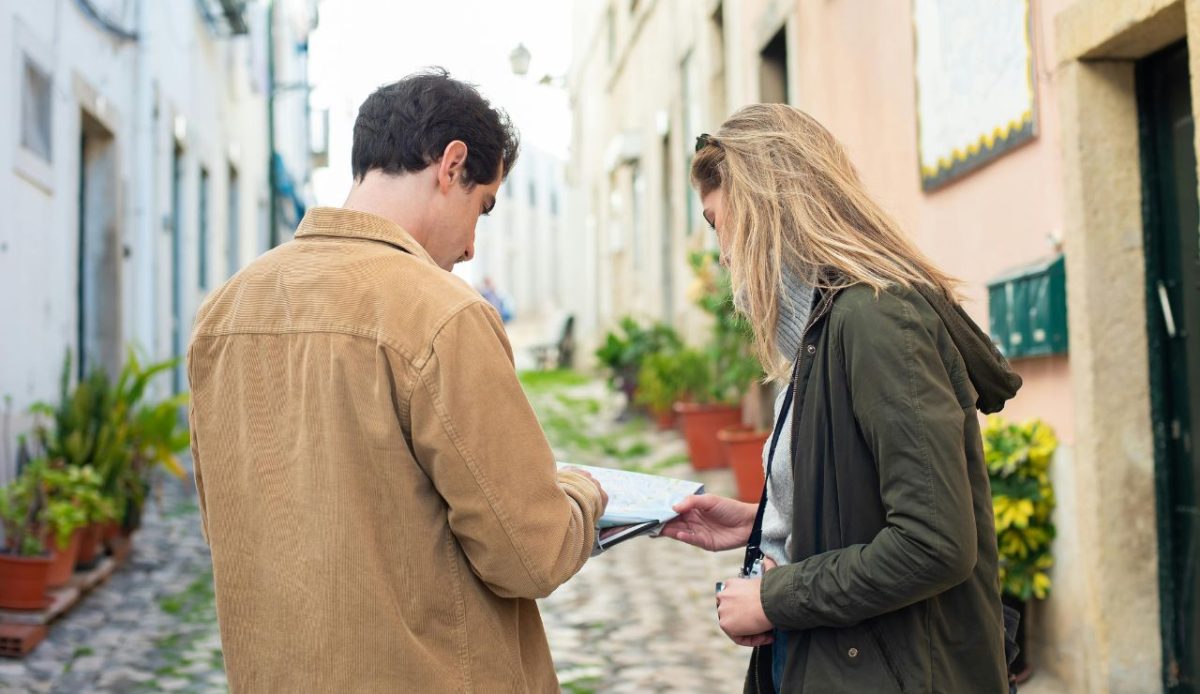
In Colombia, safety changes by neighborhood and even by a few blocks, so research specific areas before you book. Look up your hotel street, nearby transit stops, and the walking route to restaurants you plan to use. Ask your host or front desk which roads to avoid at night and where to wait for rides without standing on the curb. Do not assume a city is “safe” or “unsafe” as a whole. Use recent reports, not guidebooks, because conditions shift and construction can alter foot traffic. If a neighborhood requires repeated warnings from locals, choose a different base. Knowing boundaries helps you avoid accidental detours into higher-risk zones.
9. Do Not Resist During a Robbery
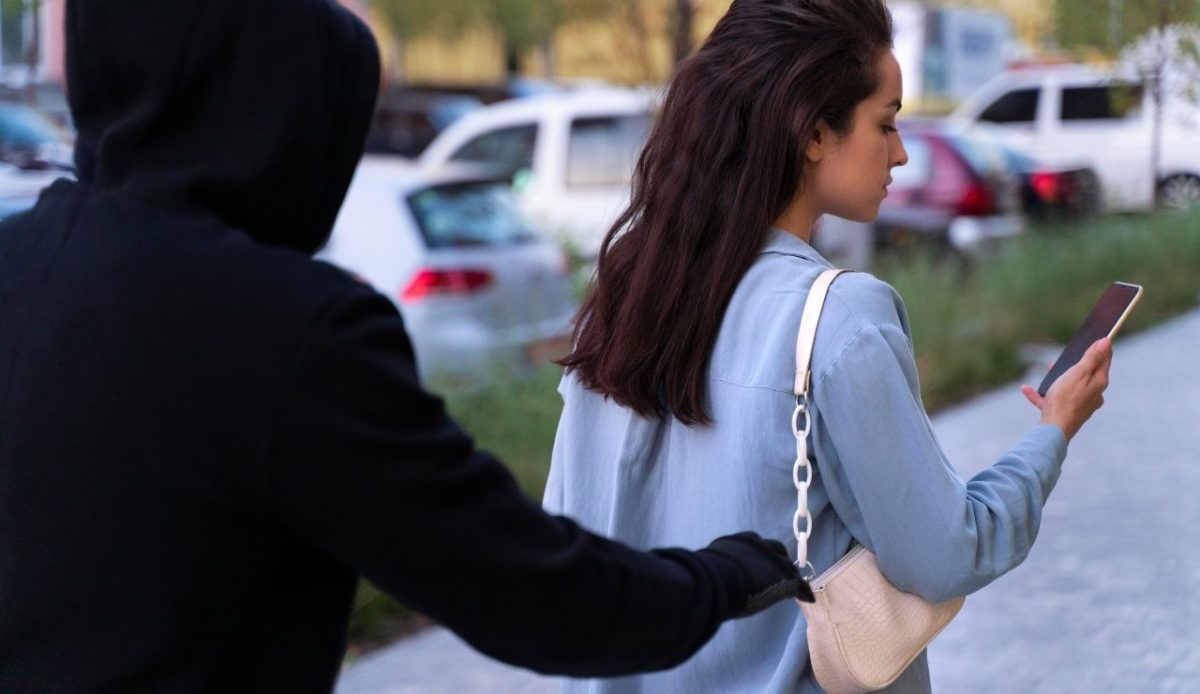
If you are robbed, prioritize safety and avoid resisting. Many street robberies in Colombia happen fast and can involve knives or the threat of force. Stay calm, keep your hands visible, and hand over the item requested without arguing. Do not chase the person or try to block their exit. If someone demands your phone unlock code or banking access, comply only as needed to stay safe, then act quickly afterward. Once you are away from danger, go into a well-lit business and ask for help contacting the police or your hotel. Cancel cards, change passwords, and record details while fresh, including direction of travel and clothing.
10. Stay Alert for Distraction Techniques
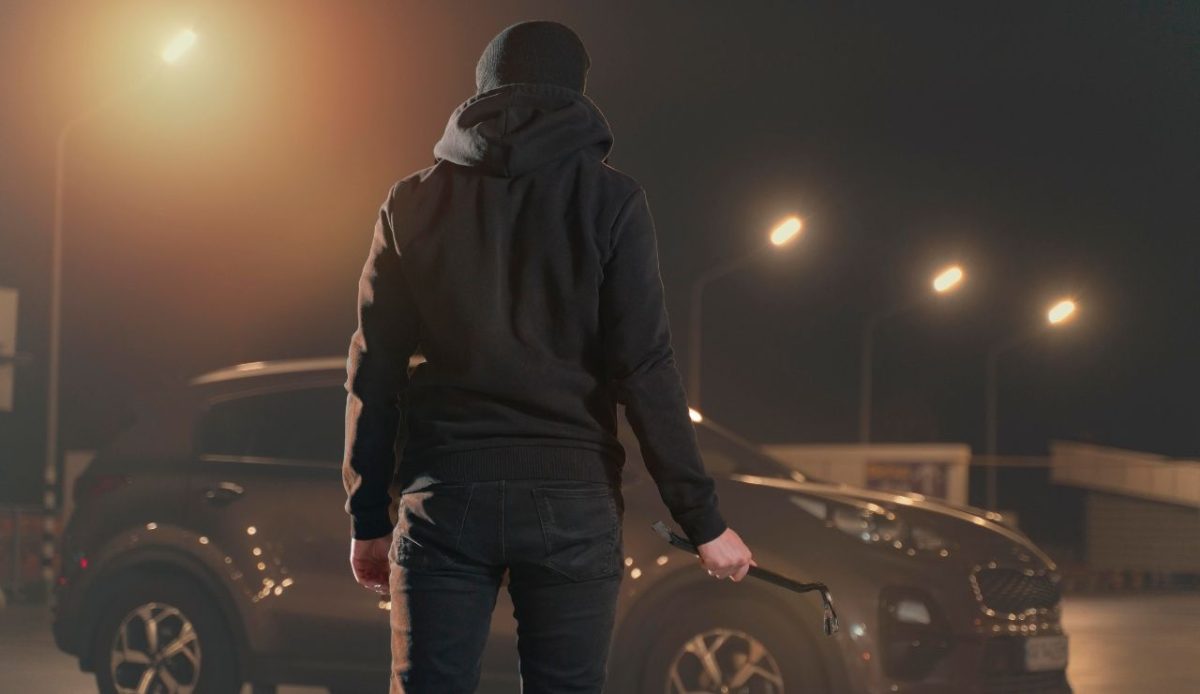
Distraction theft is common in markets, bus terminals, and crowded sidewalks. One person may ask a question, bump you, or spill something while another reaches for your pocket or bag. Treat sudden commotion as a cue to secure your belongings and step aside. Common setups include someone offering a “gift,” pushing a clipboard at you, or pointing at your shoes. Keep zippers closed, hold your phone with two hands when you must use it, and avoid placing bags on chair backs. If strangers crowd your space, move toward a shop entrance or a cashier line. Staying polite is fine, but leaving quickly is the safer choice.
11. Stay Alert When Using Public Transport
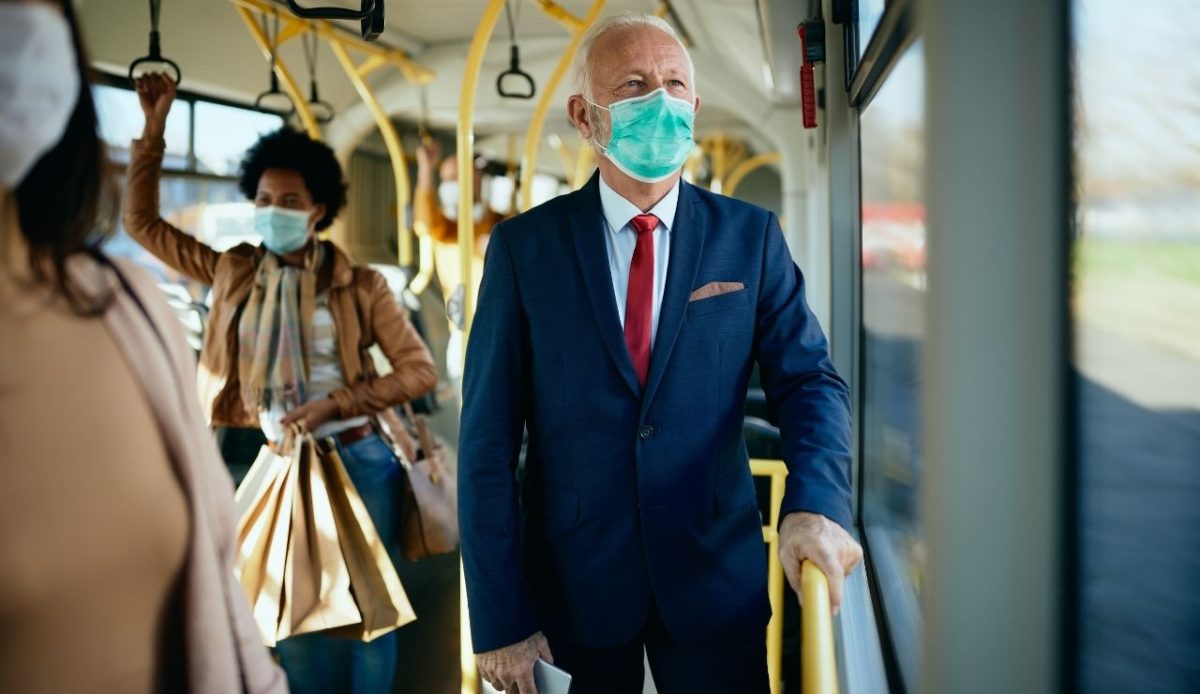
Public transport can be practical, but it is a common setting for pickpocketing. On buses, metro cars, and in stations, keep bags zipped and worn in front when standing. Avoid using your phone near doors or during stops where someone can snatch it and exit. Do not carry your wallet in a back pocket, and keep small items out of open jacket pockets. Hold the strap under your arm in tight crowds and watch for groups that board together and fan out. Choose a seat away from the door when possible and stay alert during crowd surges. If you feel someone pressing too close, change position or step off and wait for the next vehicle.
12. Avoid Isolated Viewpoints Without Reliable Local Guidance
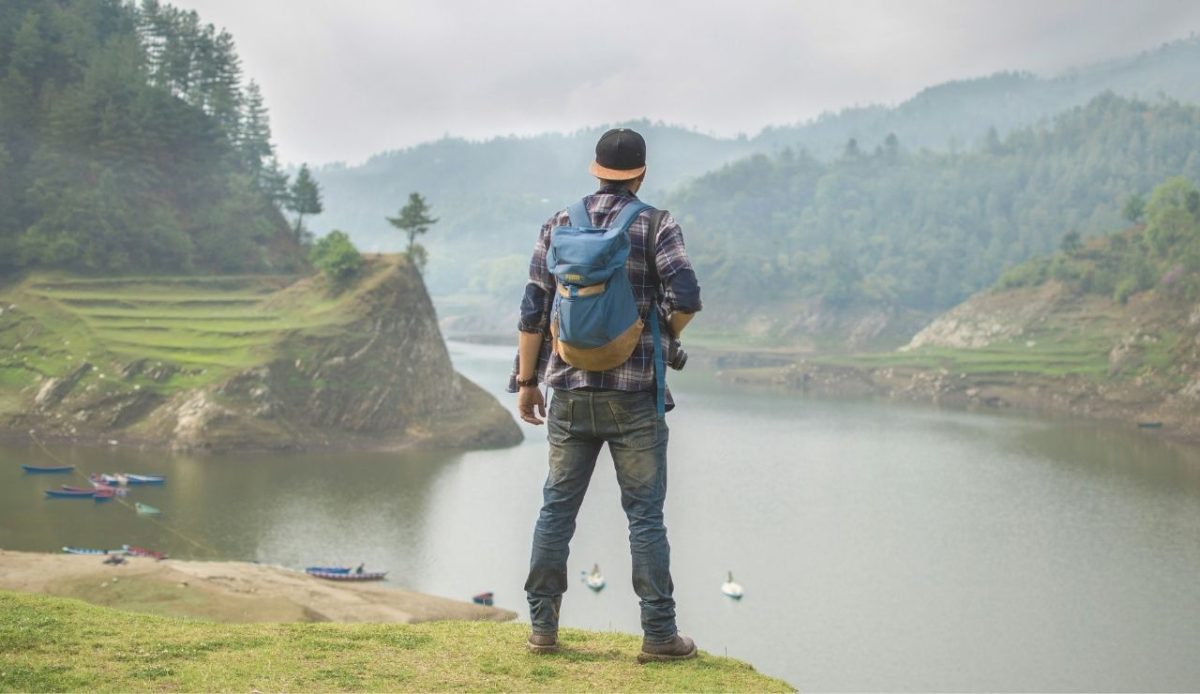
Some viewpoints and hillside paths near cities are poorly monitored and can become risky when they are quiet. Visit popular lookout points during daylight and avoid going alone on empty trails, stairways, or shortcuts shown on map apps. Choose guided visits or go with a group, and keep valuables out of sight while taking photos. Stay near visitors and do not stop on secluded steps to check messages or cash. If you arrive and the area feels empty or you see families and vendors, leave and pick a busier option. Use rides to the entrance rather than walking through isolated blocks. A small change in timing and route can reduce exposure a lot.
13. Monitor Protests and Transport Disruptions Daily
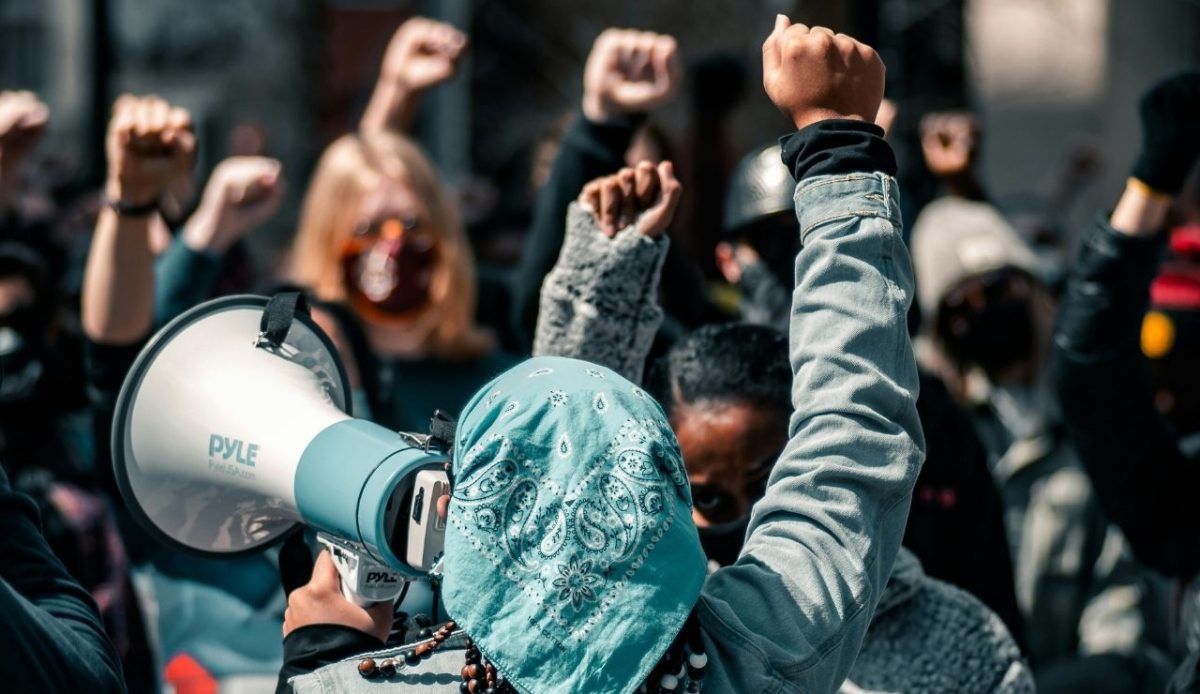
Protests and transport strikes can appear with little notice and disrupt roads, airports, and bus terminals. Check local news each morning and confirm schedules before moving between cities. Avoid demonstration areas because crowd movement and police response can change quickly. If you see road closures forming, reroute early rather than trying to push through. Keep extra water, snacks, and phone power for delays, and carry your hotel address offline in case data drops. Build time buffers into travel days so a delay does not force you to arrive late at night. Being informed and flexible helps you avoid getting stuck.
