
Many small towns across the United States preserve traditions that families have carried for generations. These places maintain food styles, customs, and neighborhood routines that reflect the origins of the people who settled there. Travelers notice how these communities rely on long-standing practices instead of fast changes. Local shops display crafts linked to early methods, while family events show how residents stay connected to their past. These towns also present learning opportunities for visitors because the stories, tools, and customs still used today give a direct look into the everyday lives of earlier generations.
1. Solvang, California
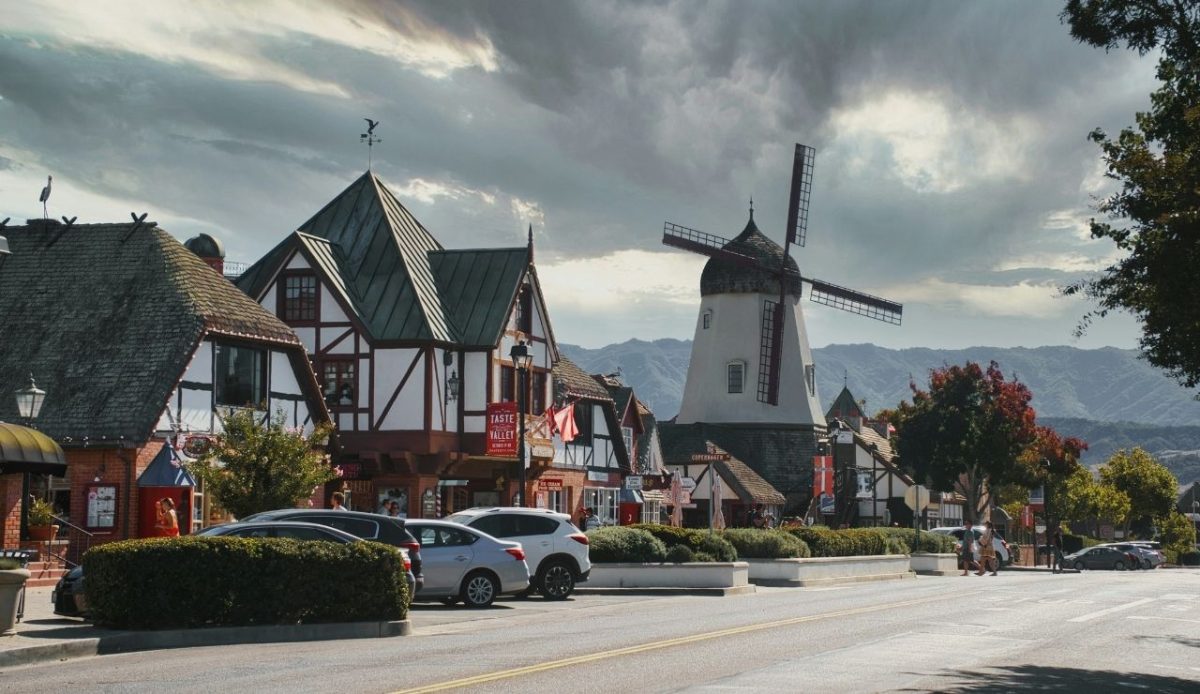
Solvang grew from Danish settlers who built a town that reflected their home culture while adjusting to California’s climate. Travelers see timber-style buildings, long-running bakeries, and shops that remain loyal to Danish methods. Cultural events give visitors a close look at traditional music, costumes, and dances that residents prepare during the year. Restaurants rely on recipes passed down within families, keeping the food style consistent with earlier generations. While tourism plays a major role in the local economy, the town’s routines stay tied to its early families, maintaining a clear sense of identity.
2. New Glarus, Wisconsin
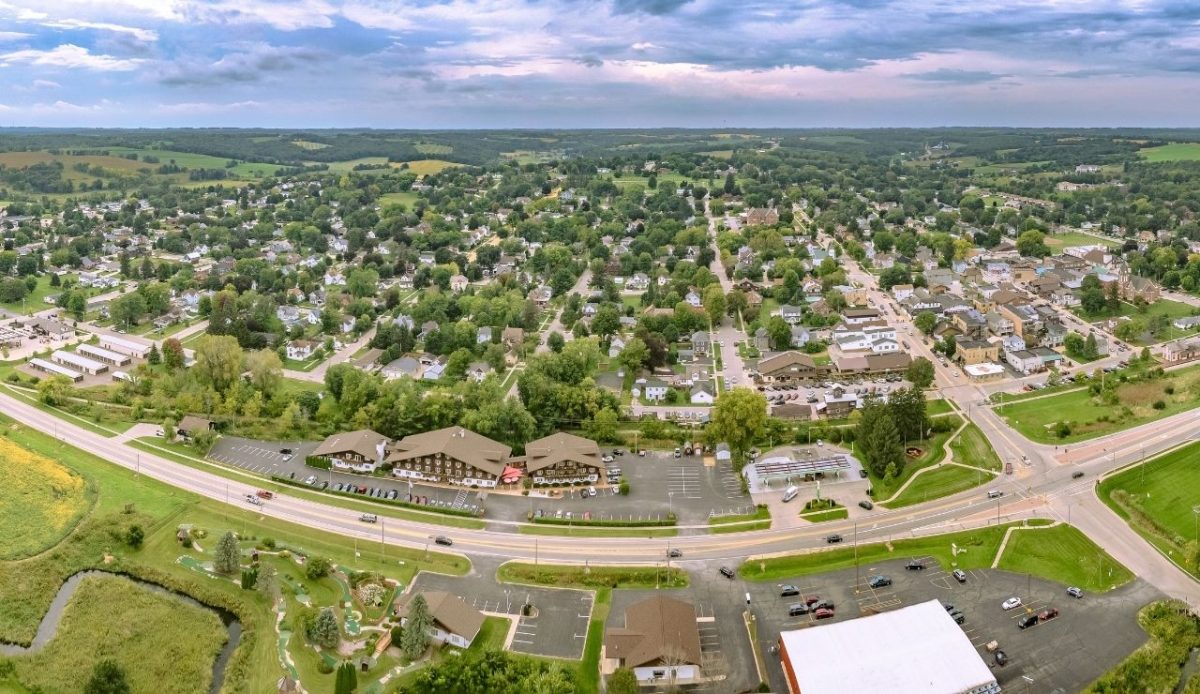
New Glarus began as a Swiss settlement in the 1800s and has kept strong links to its cultural base through food, architecture, and long-standing traditions. Bakers use early methods for breads and pastries, and shops continue to focus on Swiss products that families have produced for decades. Community groups organize events that teach visitors how the first settlers lived and worked. A number of families continue using the original dialect at home, which keeps the cultural connection strong. Travelers often appreciate the slower pace, which makes it easier to observe customs that remain part of daily routines.
3. Holland, Michigan
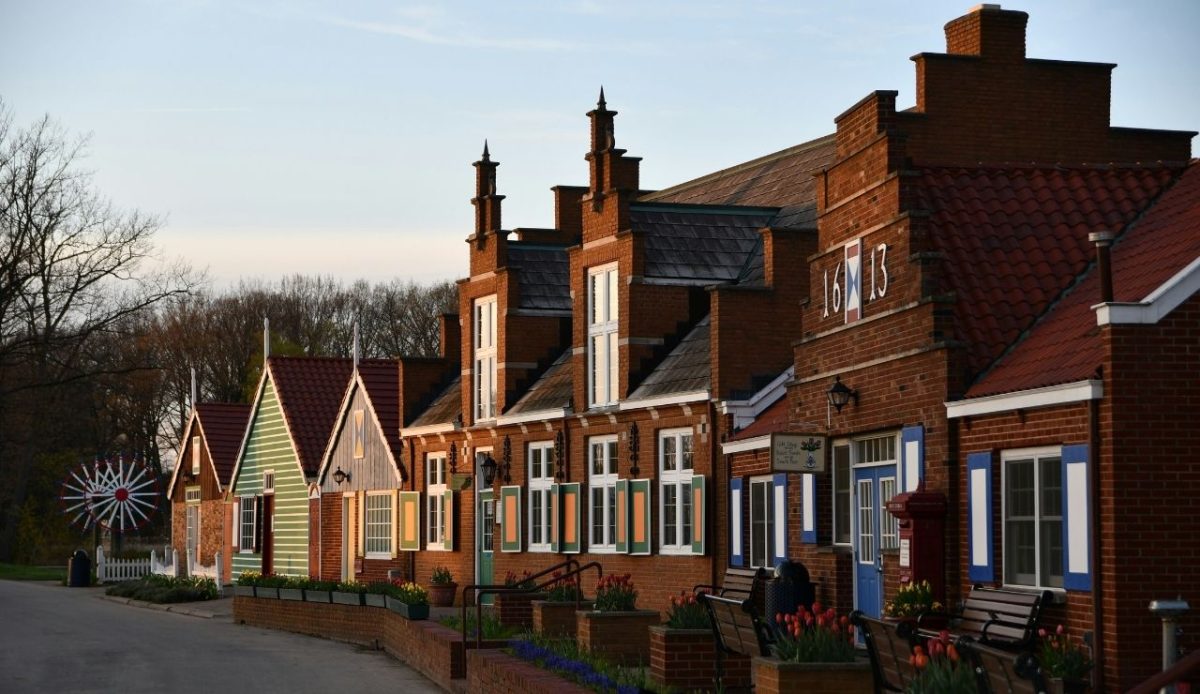
Holland reflects the Dutch roots of immigrants who arrived in the 1840s. The town’s windmill, older buildings, and community festivals show how early settlers shaped the region. Tulip season brings large crowds, but residents stay committed to maintaining flower displays through traditional methods. Bakeries and craft shops follow practices that have been used for generations. Many locals take part in dance programs and heritage workshops that explain the history of the town. Visitors often say the community’s appeal comes from its steady commitment to preserving practices that remain central to everyday life.
4. Lindsborg, Kansas
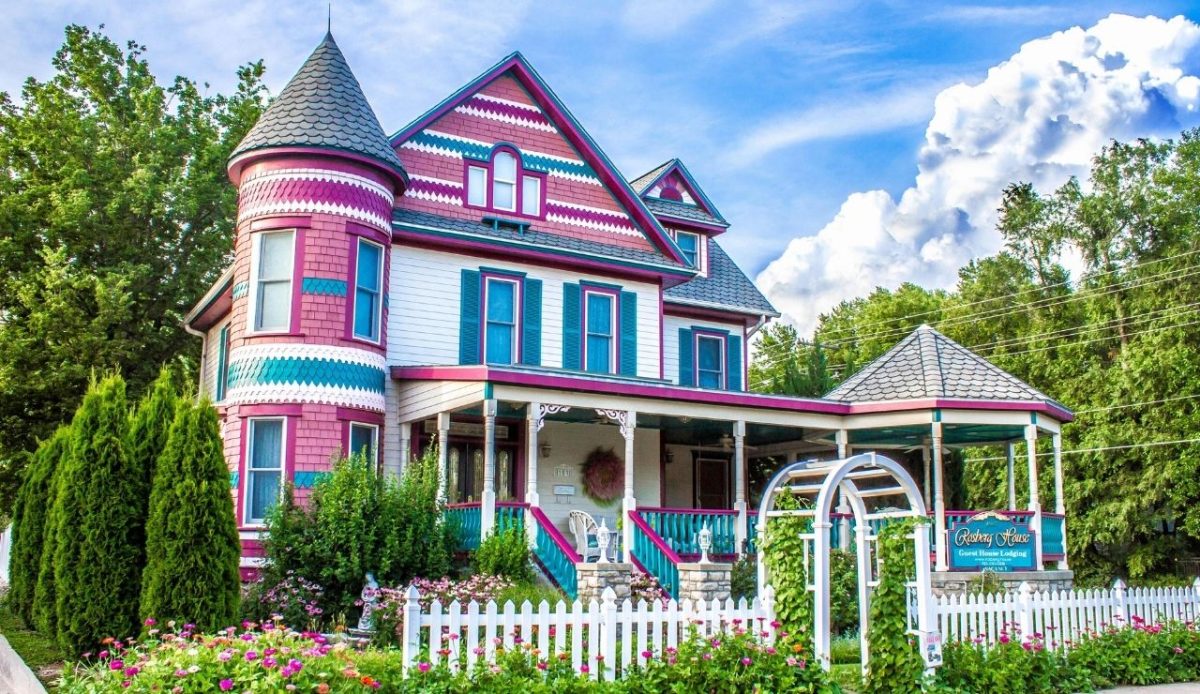
Lindsborg, often called “Little Sweden,” maintains its Swedish origins through food preparation, community events, and craft work. Local families continue skills passed down over generations, including woodworking, textile art, and baking. The town organizes educational programs where residents teach guests about early tools, household routines, and settlement patterns. Schools work with cultural groups to ensure younger generations understand the customs that shaped the town. Travelers value the chance to see how traditions remain an active part of daily life and how local families continue to support these practices year after year.
5. Tarpon Springs, Florida

Tarpon Springs shows strong Greek influence due to early sponge divers who established the community. Families keep long-standing cooking styles, and bakeries prepare items that reflect recipes carried from Greece. The sponge docks remain active, and travelers often watch boats return from routine trips. Local markets maintain goods tied to the town’s origins, including soaps, sponges, and handmade items. Residents continue to use Greek music, language, and customs during neighborhood events. These daily routines display how the community stays connected to its roots while welcoming visitors from across the country.
6. Hermann, Missouri
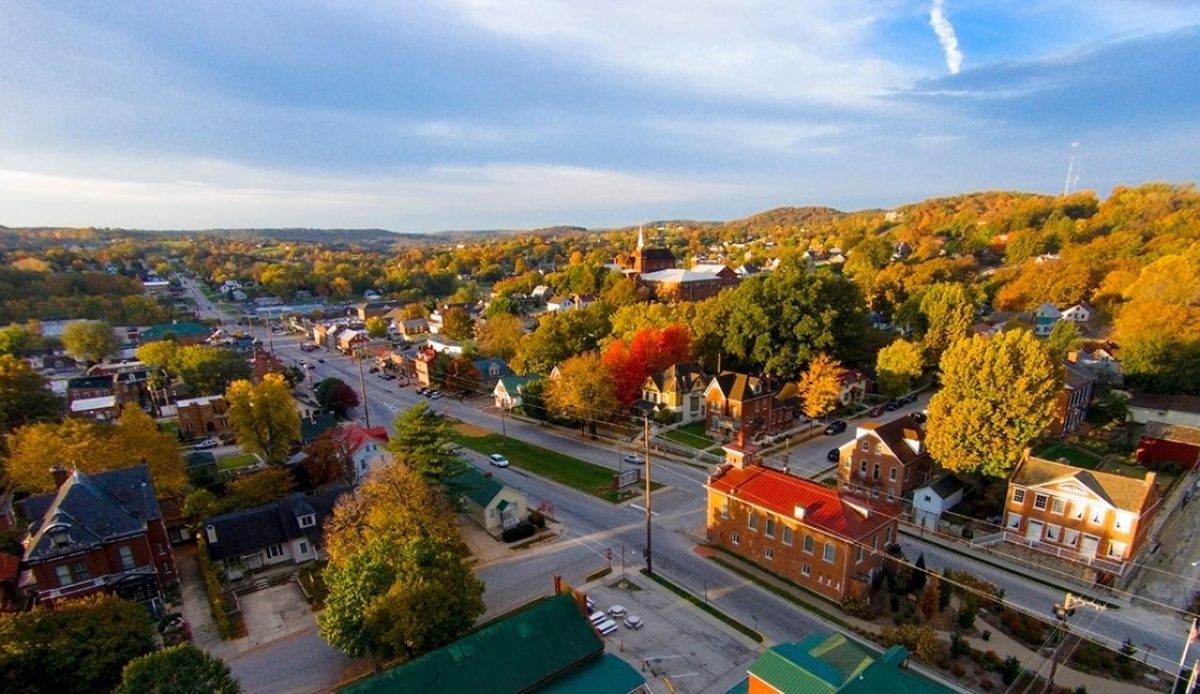
Hermann preserves German traditions introduced by settlers who arrived in the 1800s. The region’s wineries continue to operate with practices that have remained steady for generations, and many families stay involved in farming and craft work. Seasonal events highlight regional foods and music that reflect the town’s early heritage. Travelers walking through the historic district can observe buildings, tools, and patterns created by early residents. Community members work to maintain language programs and cultural workshops, helping younger generations understand the area’s foundation. These efforts give Hermann a reliable identity that travelers quickly recognize.
7. Leavenworth, Washington

Leavenworth adopted a Bavarian style to honor the German settlers who influenced the region. Local leaders redesigned the town to reflect older German architecture, drawing many visitors throughout the year. Shops maintain traditions through food preparation, craft items, and events featuring music and dance. Residents train younger people so customs continue. The careful attention to detail helps visitors understand the town’s early roots and the work involved in keeping these practices active. Many families return each year to learn more about the community’s heritage and long-term commitment to cultural preservation.
8. Chimayó, New Mexico
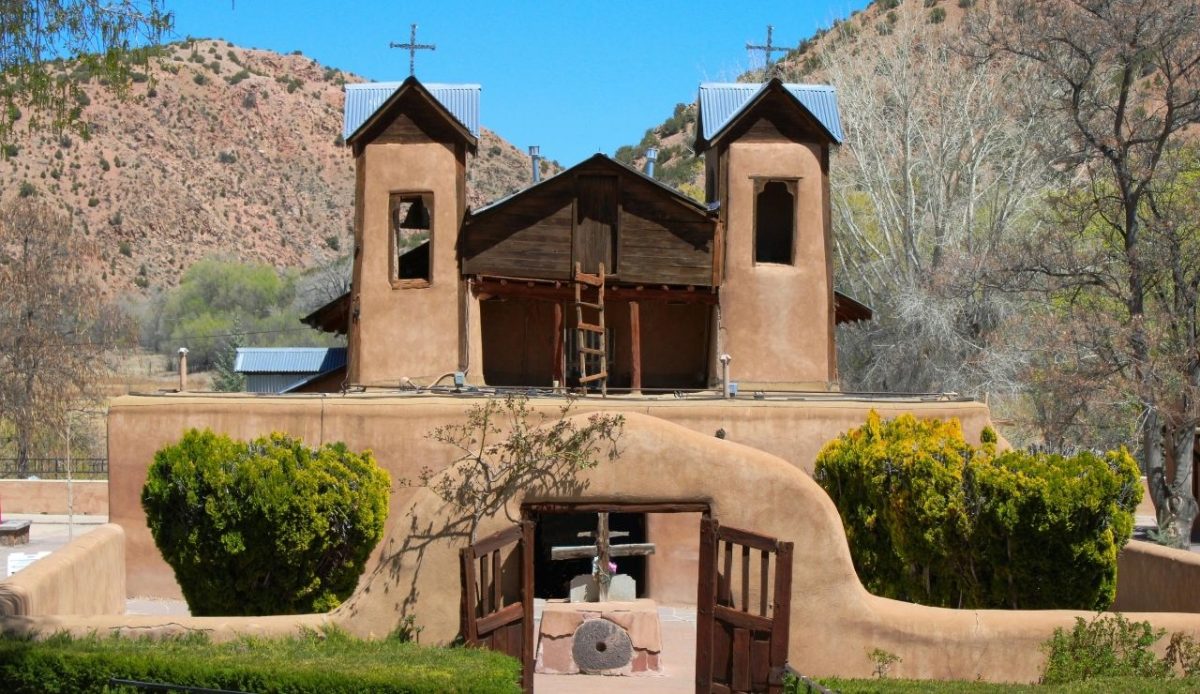
Chimayó presents deep Hispanic and Native traditions that stretch across many generations. Weavers and artisans continue methods taught within families, producing textiles and handmade goods that reflect centuries of practice. The local chapel attracts visitors who want to understand the community’s spiritual history. Food preparation also follows established routines, including regional dishes that families still make at home. Residents strongly value their heritage and teach younger generations through family instruction, school programs, and public demonstrations. Travelers often find Chimayó meaningful because customs remain active rather than displayed only for show.
9. St. Augustine, Florida
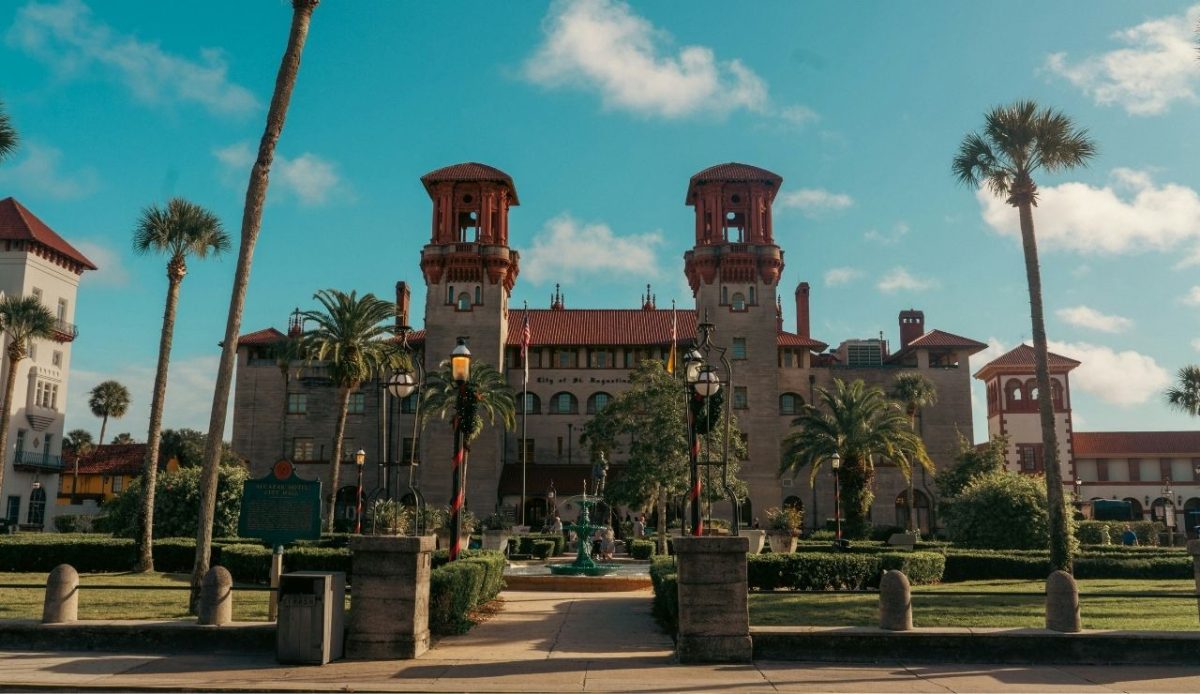
St. Augustine carries a long record of Spanish influence, beginning with settlers who arrived in the 1500s. The town continues to highlight this history through architecture, museums, and educational programs that explain early settlement patterns. Restaurants prepare dishes based on older cooking styles, and shops display handmade goods inspired by traditional methods. Many families share stories about their roots, helping visitors understand how the community developed over time. The historic district offers a clear view of how Spanish customs continue to shape local routines, drawing steady interest from travelers across the country.
10. Lahaina, Hawai‘i
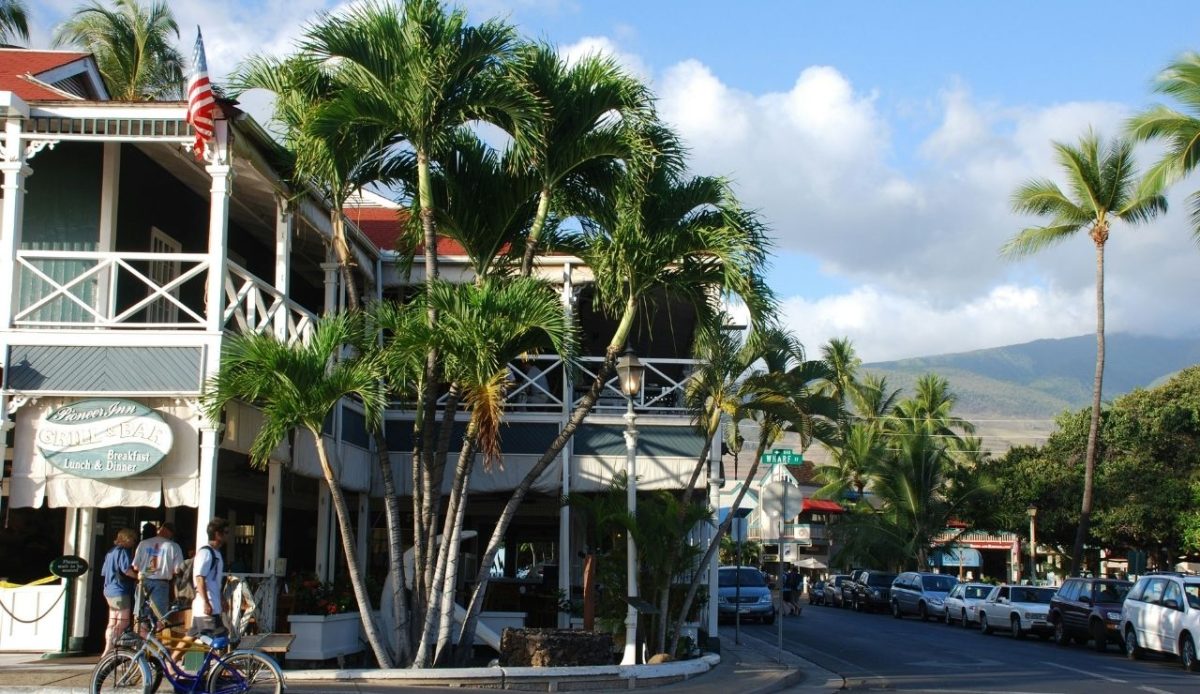
Before the wildfire damage, Lahaina held strong Hawaiian roots centered on fishing, carving, and community ceremonies. Families shared methods for gathering food, crafting tools, and preparing traditional dishes. Visitors learned about early Hawaiian settlements through museums, guided walks, and maritime exhibits. Festivals and school programs helped younger generations understand the significance of these customs. Although recovery continues, the cultural foundation still guides the community. Residents remain focused on restoring practices that shaped their daily routines, demonstrating how long-standing traditions can support stability during major challenges.
11. Fredericksburg, Texas
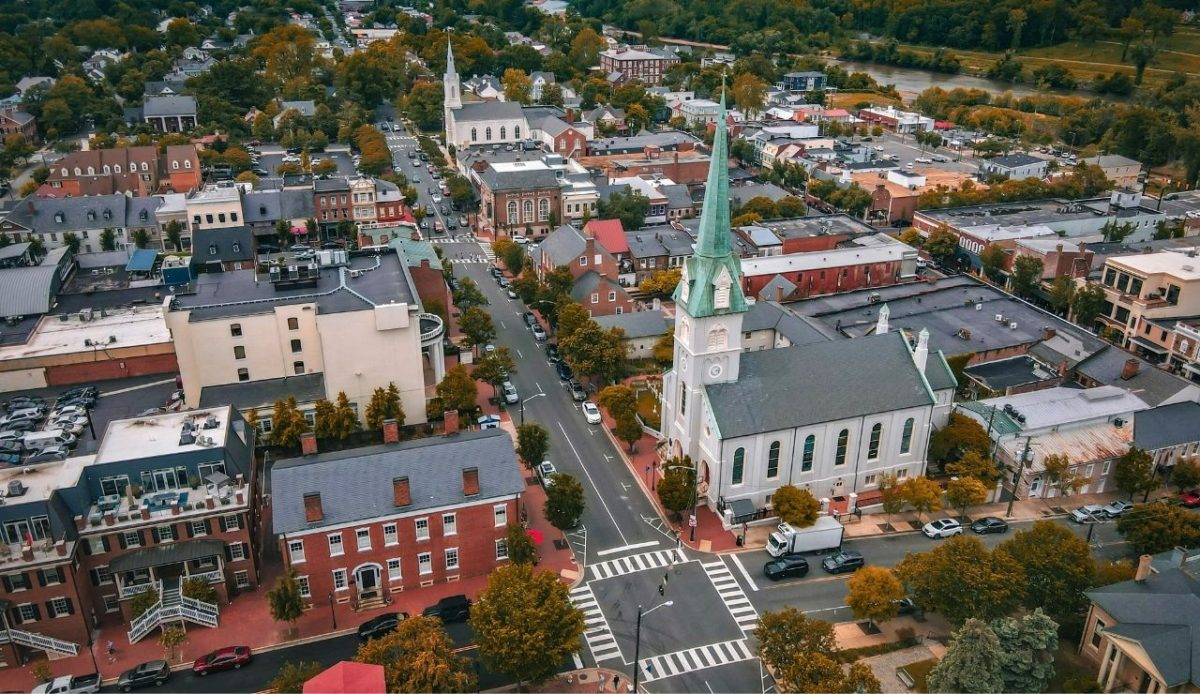
Fredericksburg reflects the work of German settlers who built farms, community halls, and cultural groups in the 1800s. Many residents continue cooking styles, music traditions, and craft work that link directly to their early families. The town hosts educational sessions, demonstrations, and seasonal events that highlight these customs for travelers. Local museums provide clear explanations of settlement history, tools, and daily routines that shaped the community. Visitors often say the appeal of Fredericksburg comes from its ability to maintain its heritage while supporting active, everyday life that families pass down through each generation.
