
Island surf travel appeals to people who want clean water, steady swell, and long routes that reward patience after many hours in the air. These islands stand out because reviews from surfers point to consistent patterns, quiet lineups during certain months, and scenery that adds purpose to the distance. Travelers heading to these islands often find a slower rhythm, warm tides or cool channels, and winds that help create clear waves. Each destination reflects years of shared surf experience that continue to guide visitors toward conditions worth the journey, especially for those seeking long rides in remote settings.
1. The Azores, Portugal
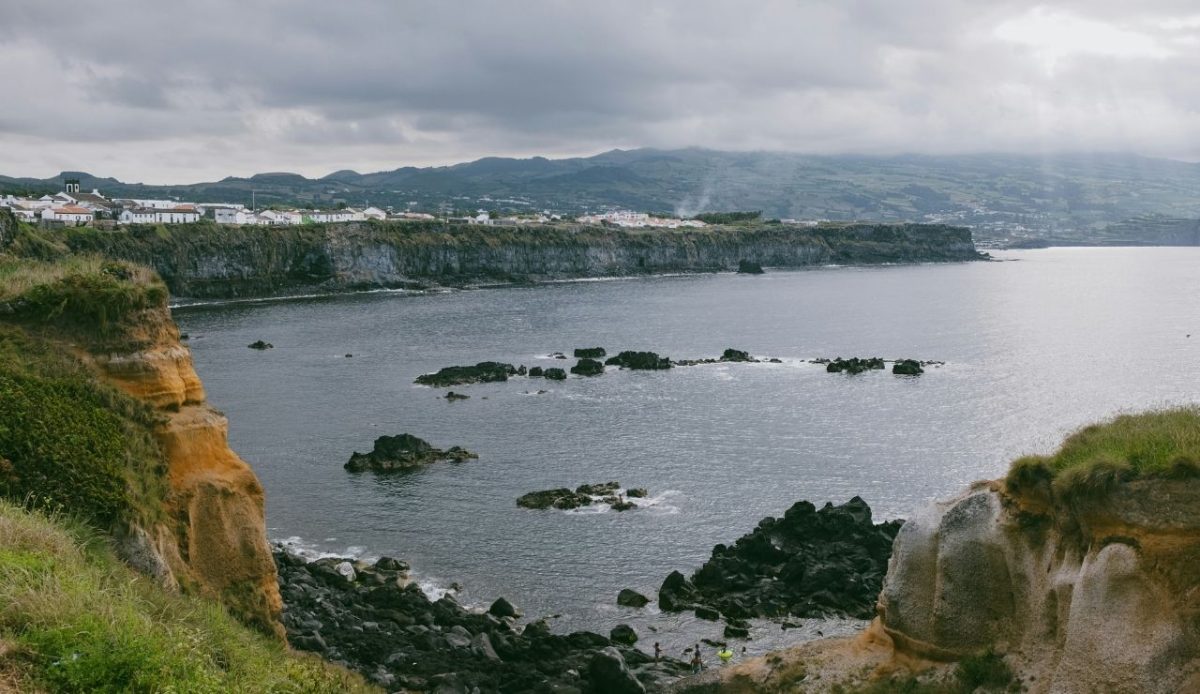
The Azores offer volcanic islands with open Atlantic exposure, giving surfers reliable groundswell during much of the year. Breaks range from reef sections to broad beaches where shifting sand alters takeoff points. Travelers note that the calm pace on the islands helps them settle in before exploring spots favored by local surfers. Roads often run close to the coast, allowing quick moves between locations when wind direction changes. While some breaks require solid skill, others suit travelers who want moderate waves with enough force to practice timing. The scenery and water clarity strengthen the island’s appeal.
2. Madagascar, East Africa
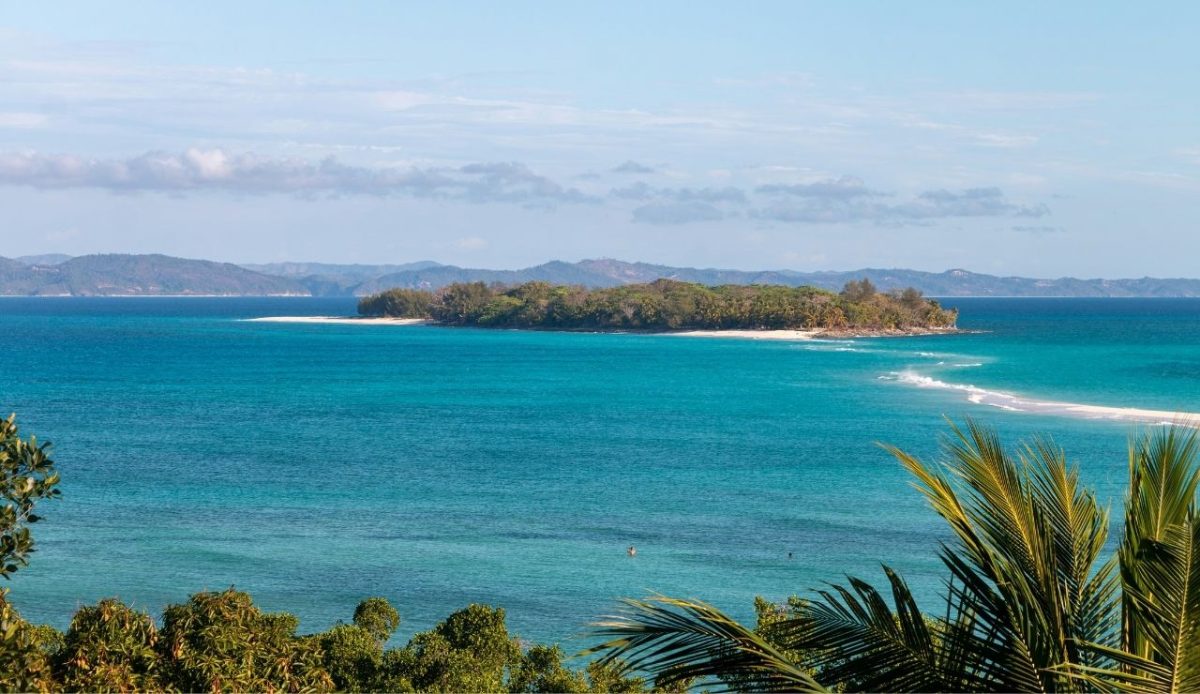
Madagascar provides wide reefs and quiet points along stretches of coast that receive steady Indian Ocean swell. Surfers mention long rides when conditions align and clear water that reveals detail beneath the surface. Reaching these areas takes commitment, yet visitors often say the effort feels worthwhile once they see channels and reef passes that respond well to seasonal currents. Fishing villages and undeveloped routes keep many breaks uncrowded, giving surfers time to study each takeoff zone. Local guides assist travelers with tide windows and entry points, making sessions smoother and easier to plan across shifting winds.
3. Fuerteventura, Canary Islands
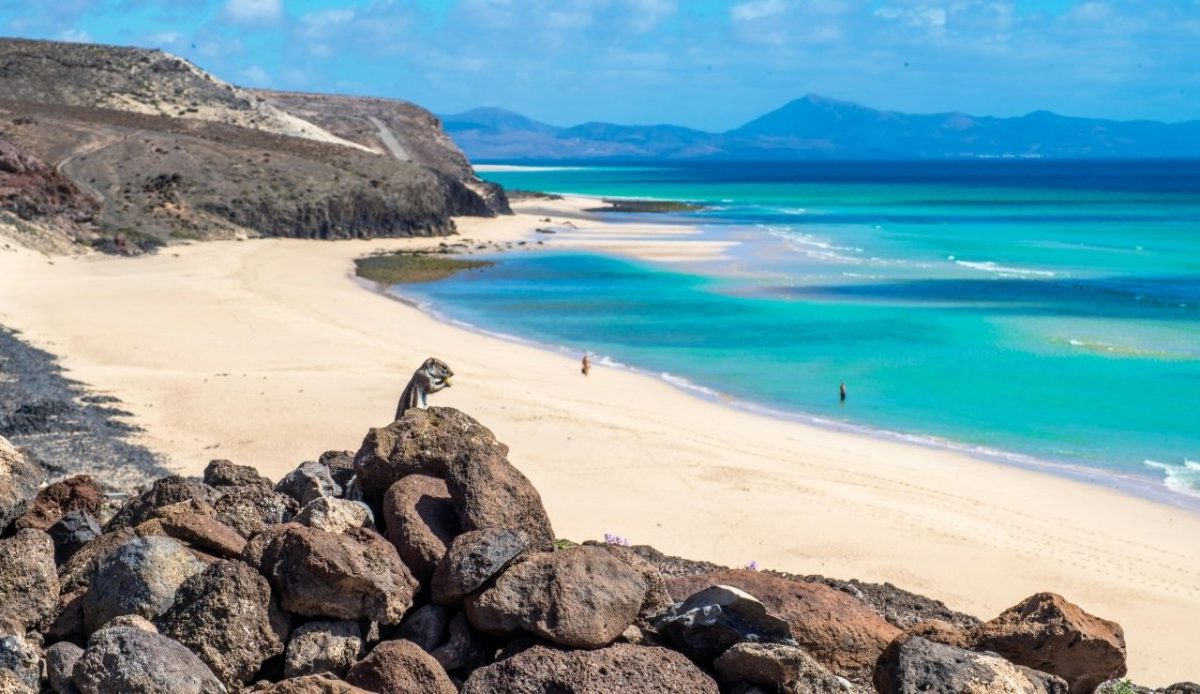
Fuerteventura draws surfers with its warm climate, strong winter swell, and a shoreline marked by reefs and open beaches. Many visitors start on the north side, where volcanic ledges create defined peaks that hold shape through long sets. Surf schools and rental shops help travelers explore different sections at a comfortable pace. The island’s roads link breaks that react differently to wind changes, allowing surfers to adjust plans throughout the day. Reviews often highlight how the island supports both skilled riders seeking steady challenge and travelers hoping for clear, manageable waves in predictable Atlantic conditions.
4. Maldives, South Asia
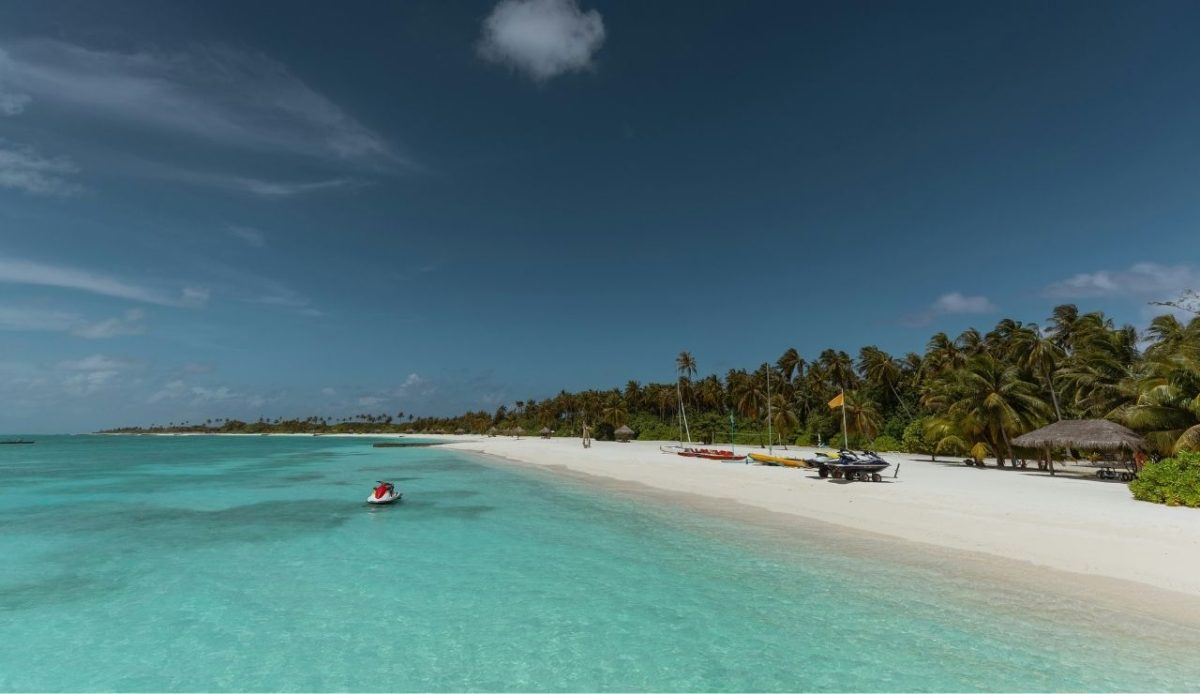
The Maldives offer long reef routes, clear water, and steady swells that travel across wide ocean distances before reaching each pass. Resort boats and guides move visitors between breaks, helping them take advantage of changing tides without losing time. Many surfers mention the smooth feel of waves formed along deep channels around the atolls. Even though some spots gather steady attention, quieter islands still provide sessions with open faces and reliable walls. Warm water, direct boat access, and calm surface conditions support an experience that pairs comfort with consistent surf during peak seasons.
5. Barbados, Caribbean
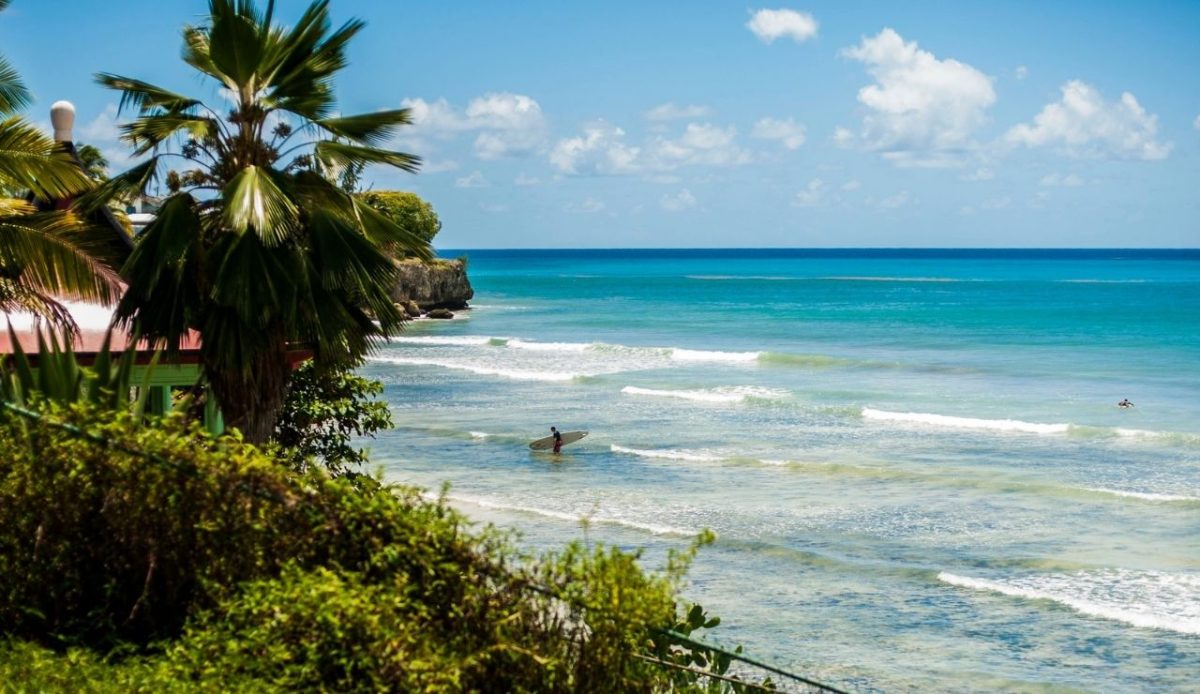
Barbados has reef breaks that react well to Atlantic swell, with Soup Bowl known for a strong push and clean lines during the winter months. The island’s eastern side sees the most action, while the south coast offers friendlier waves that suit travelers seeking moderate conditions. Surfers point out that winds shift during the day, making early sessions especially valuable. The paved roads near many breaks allow quick movement, and the friendly atmosphere helps visitors learn local patterns. Clear water, steady swell, and easy access between spots make Barbados a dependable choice for long-distance surf travel.
6. Tasmania, Australia
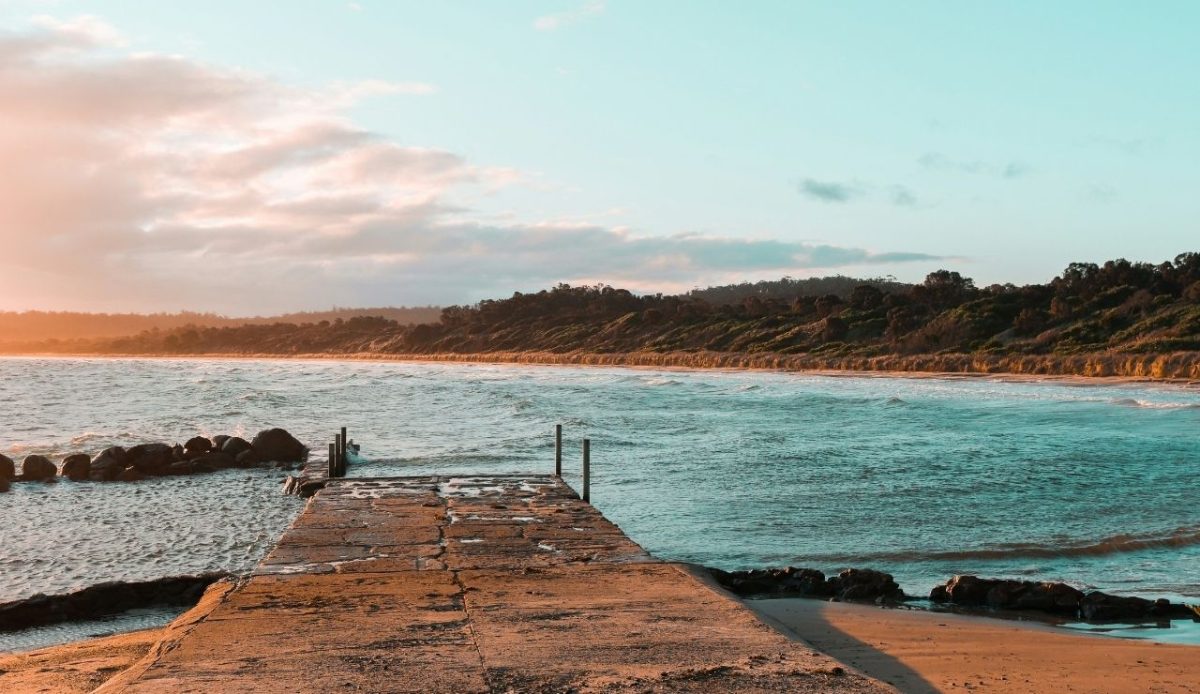
Tasmania offers cold-water surf supported by steady Southern Ocean swell that reaches the island with powerful force. Many breaks lie in quiet coves or along long headlands where wind direction can shift quickly, making timing important for travelers. Surfers who value remote shorelines and fewer crowds often choose this destination for its rugged character. Reports describe how the island rewards patience, since weather changes can create short windows when waves align cleanly across rocky points. Wetsuits are essential, yet visitors say the cool water adds clarity and a calm rhythm to sessions when conditions improve.
7. Tavarua, Fiji
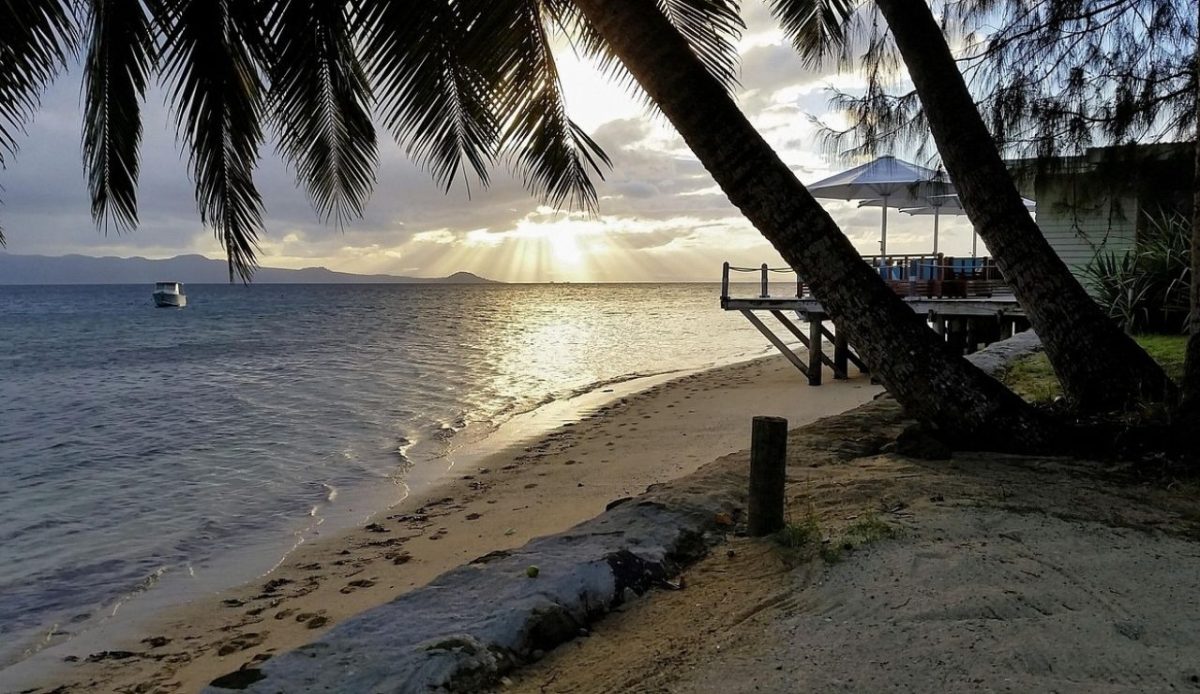
Tavarua draws surfers from around the world due to its access to Cloudbreak, a fast left reef wave known for long routes and steady shape during peak seasons. Boats take visitors to the break, allowing quick adjustments as wind or tide shifts. Reviews highlight the clear water, reliable walls, and the way sets built with enough power to challenge experienced riders. The island atmosphere adds calm evenings after long sessions. Although the area attracts skilled surfers, guides assist visitors with channels, currents, and safe entry points, making each session more predictable and supportive of steady improvement.
8. Mentawais, Indonesia
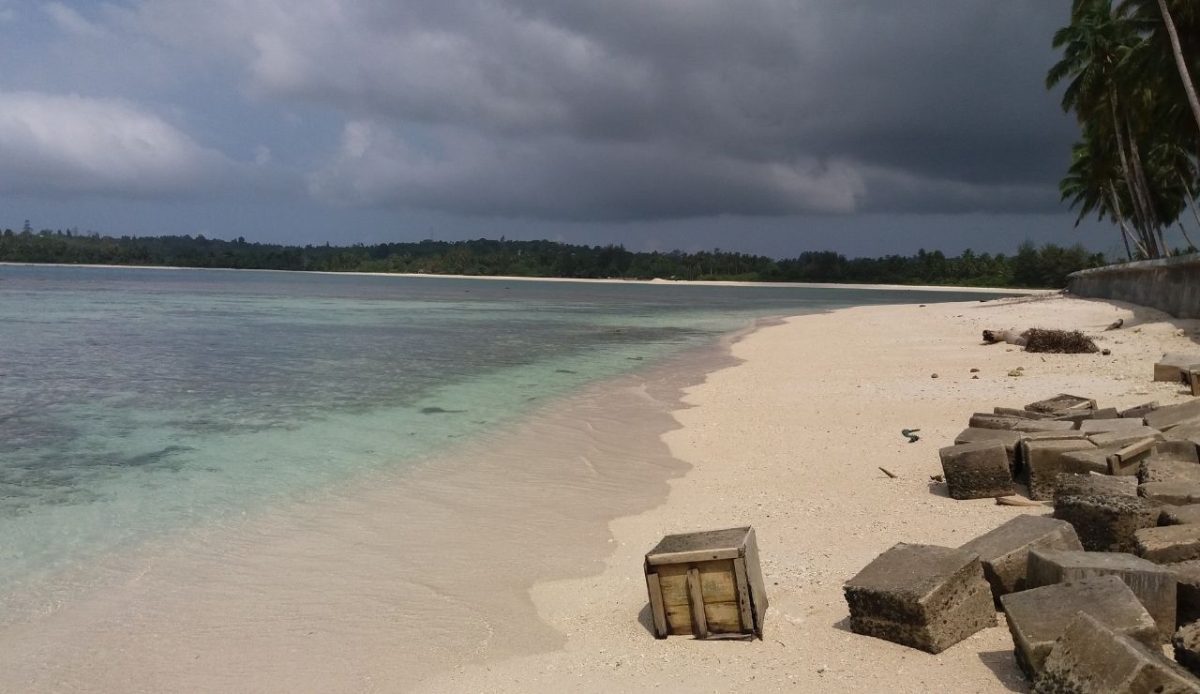
The Mentawais are known for long reef routes, warm water, and consistent ocean swell that reaches the islands through deep channels. Surf camps and boats help travelers reach breaks that react differently to wind and tide, offering flexibility throughout the day. Surfers often describe the steady sets and clear takeoff points that help them build confidence during extended stays. The islands remain quiet compared with more crowded regions, allowing visitors to practice without heavy competition for waves. Warm weather, bright water, and varied difficulty levels make the Mentawais a favorite for long surf trips.
9. Pohnpei, Micronesia
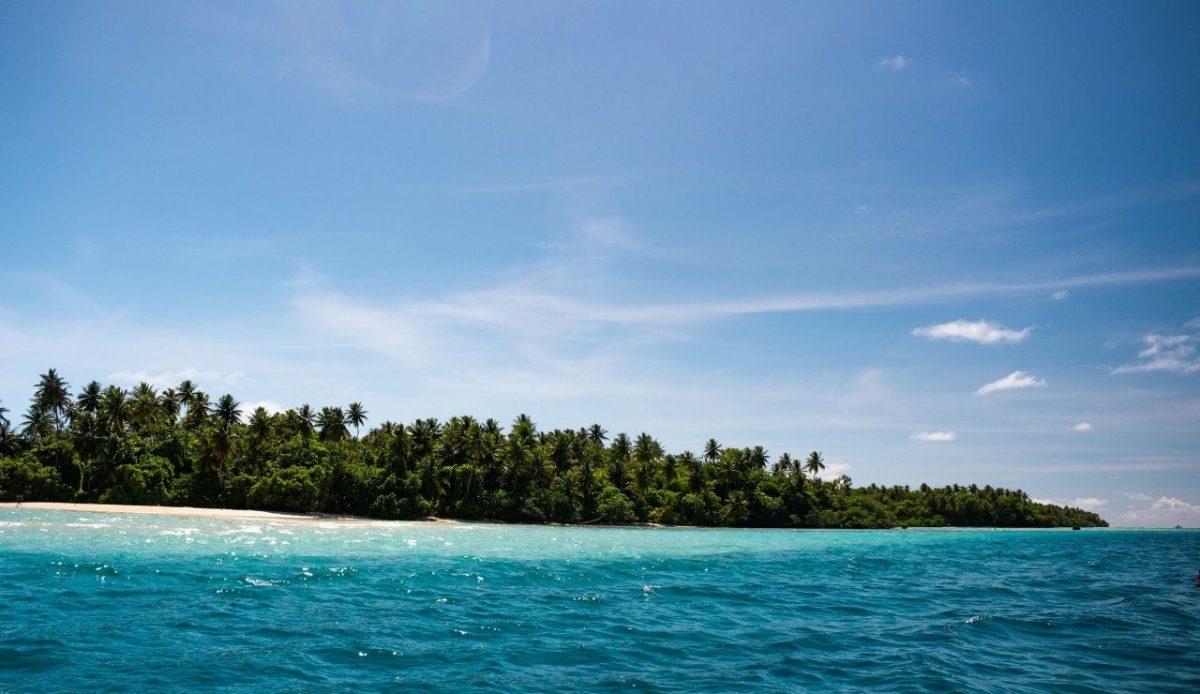
Pohnpei offers powerful reef waves produced by Pacific swell that arrives with strong energy during the main season. The most known break, reached by boat, features long walls suited for surfers with solid experience. Travelers note that timing, tide, and wind patterns matter greatly, yet guided access makes planning smoother. Clear water and calm channels between reefs create a striking setting even on days when waves demand caution. Pohnpei appeals to travelers who want quiet surroundings, steady challenge, and the sense of discovery that comes with remote island surf travel.
