
Slum tourism is often sold as cultural access, yet Fodor’s articles and forum threads caution readers to avoid certain informal settlements. The risks are direct. Street robbery, armed groups, and limited emergency access can turn a short visit into a crisis.
Ethics matter too. Photos and paid walk throughs can reduce residents to scenery while most money flows to outside operators. Even when guides mean well, privacy and consent problems remain in dense blocks where homes open onto public lanes.
The nine locations below are tied to cautionary coverage or user guidance on Fodor’s site. Each section focuses on a concrete mechanism, such as local control, infrastructure limits, or crime patterns, that makes casual entry a poor choice.
1. Dharavi, Mumbai
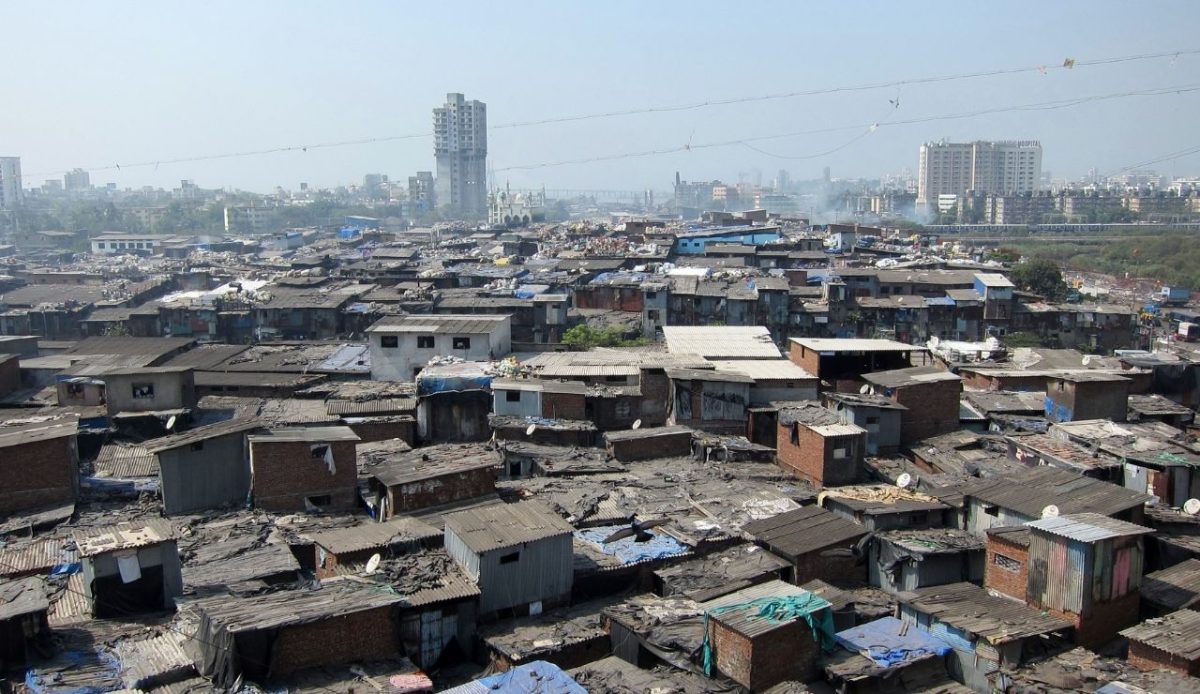
Dharavi sits near Mumbai’s commercial core, so it is easy to reach and heavily marketed. A Fodor’s news piece on Dharavi focused on backlash to influencer-style visits and highlighted how filming strangers in cramped alleys can cross basic privacy lines.
Physical layout is another limiter. Tight lanes, improvised wiring, and mixed workshops raise fire and injury risk. If a problem occurs, ambulances and police can struggle to enter the interior, which increases the cost of a mistake.
The practical advice is to skip casual entry. If a visit is still considered, it should be arranged through a community-based program with clear consent rules and transparent revenue sharing rather than a quick photo-driven walk.
2. Rocinha, Rio De Janeiro

Rocinha rises above Rio’s South Zone and is often packaged with viewpoints and street art. Fodor’s reporting on favela tours returning stressed that safety and ethics depend on who runs the visit and whether residents control the narrative and benefits.
Risk is driven by shifting territorial control and police operations. When enforcement surges, streets can close without notice, and gunfire can erupt. Visitors rarely have time to notice local signals that indicate when conditions are changing.
Skipping an unguided visit reduces exposure. If someone insists on going, the minimum standard is a vetted local group with current security checks, no forced photography, and a plan to leave quickly if movement becomes restricted.
3. Vidigal, Rio De Janeiro
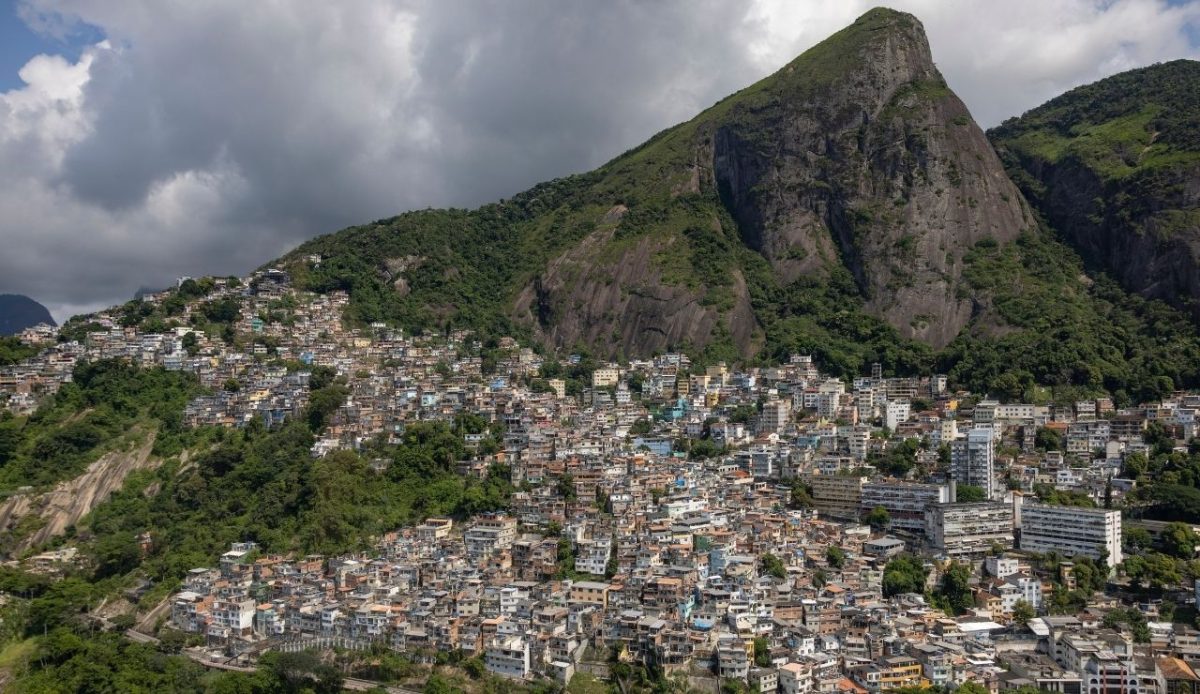
Vidigal sits on a ridge near São Conrado and is visible from tourist beaches, which can create false comfort. In a long-running Fodor forum thread, posters warned that visitors should not enter the area alone and linked muggings on nearby roads to favela turf.
The mechanism is street-level opportunistic crime plus uncertainty about who controls access on a given day. Night activity can draw outsiders, yet the same steep lanes limit escape routes and make it hard to spot trouble early.
Avoiding entry is the simplest safeguard. If a guide is used, choose one with community ties and clear rules on routes and timing. Treat it as a constrained visit, not a neighborhood to wander.
4. Kibera, Nairobi

Kibera is a vast informal settlement in Nairobi and is sometimes pitched to visitors as a reality check tour. On Fodor’s forums, travelers have plainly said they would not go into Kibera, even while noting other parts of Kenya can feel fine.
The core issue is that basic services and formal policing are uneven. Narrow paths, open drainage, and dense housing make navigation confusing for outsiders. Petty theft can escalate quickly when a visitor looks lost or is carrying a phone or camera.
Skipping the visit avoids safety risk and the ethical trap of treating hardship as an attraction. People who want to help can donate to vetted local groups or attend community-led events outside the settlement edge.
5. Khayelitsha, Cape Town
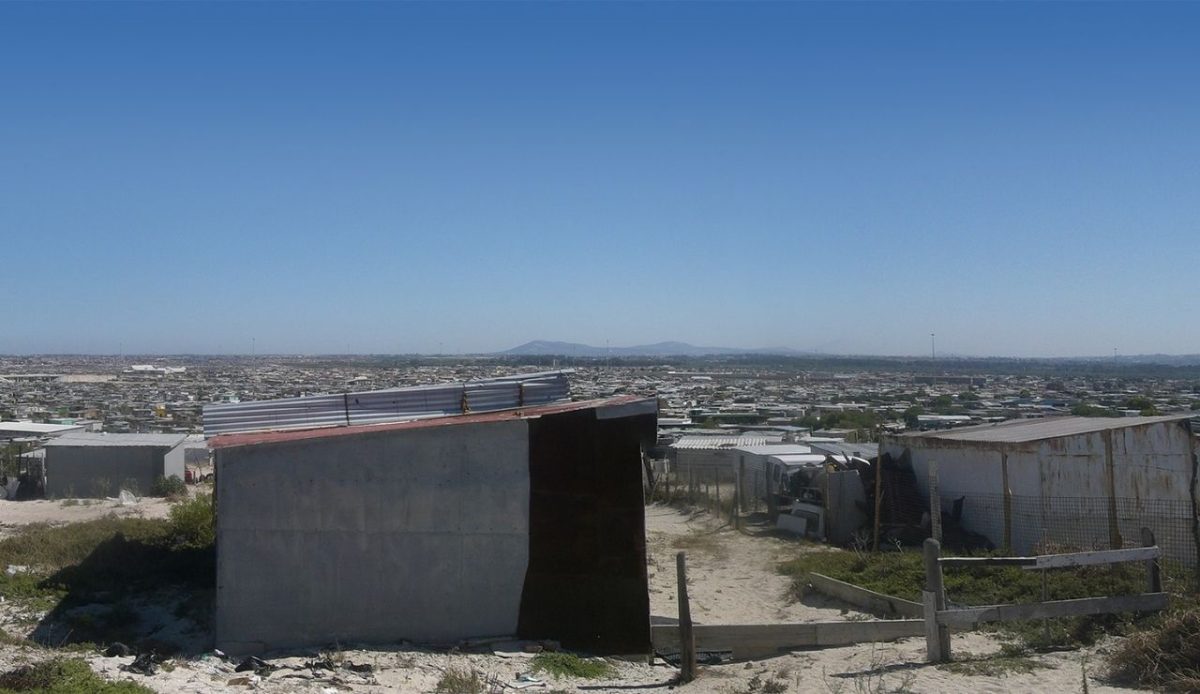
Khayelitsha is a large township in Cape Town’s Cape Flats with high violent crime in some precincts. A Fodor forum thread on township tours cited an event where armed men entered a tourist bus in Khayelitsha, showing why unscripted visits can turn dangerous fast.
The risk mechanism is exposure during transit and stopping points. Visitors rely on unfamiliar roads and may be identified as targets. Limited lighting and long distances from central areas can delay help if something goes wrong.
Skipping the independent entry is sensible. If a visit is chosen, use licensed operators, keep routes short, and avoid evenings. The goal should be learning and fair spending, not roaming for photos.
6. Masiphumelele, Cape Town Region
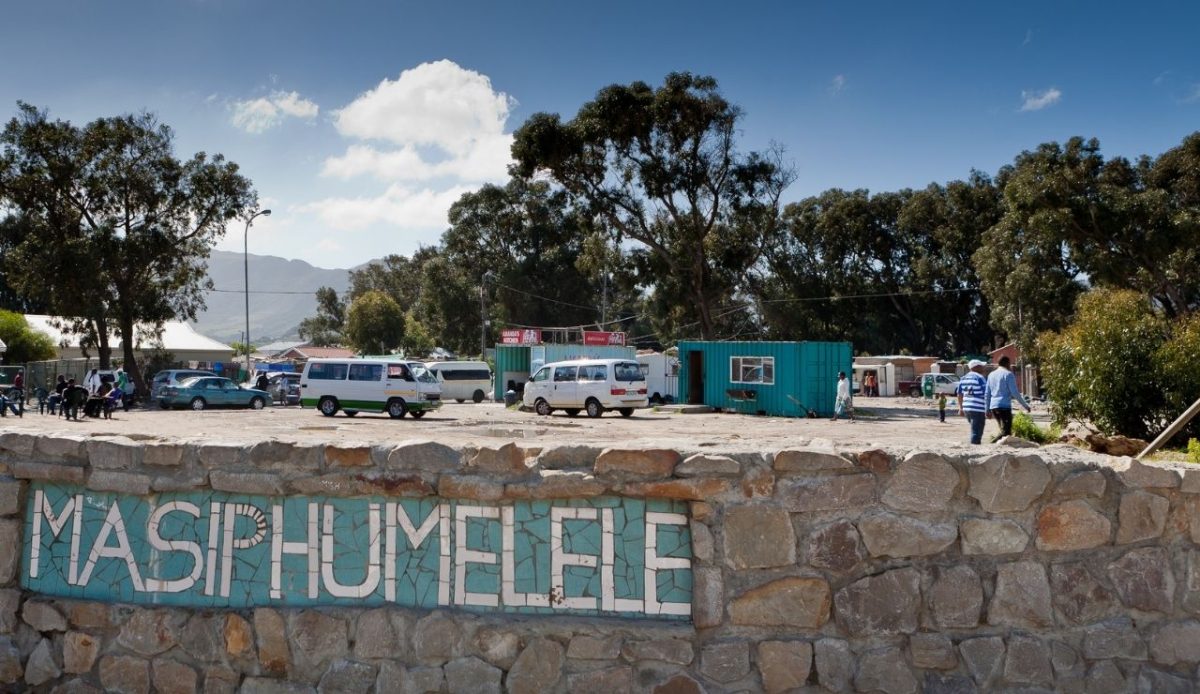
Masiphumelele near Fish Hoek is an informal settlement sometimes suggested for township walks. In a Fodor forum discussion, posters said it is not safe to roam townships alone and pointed to guided walking options in Masiphumelele through local contacts.
The limiting mechanism is weak wayfinding plus street dynamics unfamiliar to outsiders. Informal addresses, tight lanes, and crowding make it hard to describe a location during an emergency. Phones and cameras can also draw attention in close quarters.
Skipping a casual visit lowers risk and reduces intrusion. If a guided walk is chosen, keep group size small, follow a fixed route, and focus spending on community-run services rather than outside brokers.
7. Soweto, Johannesburg
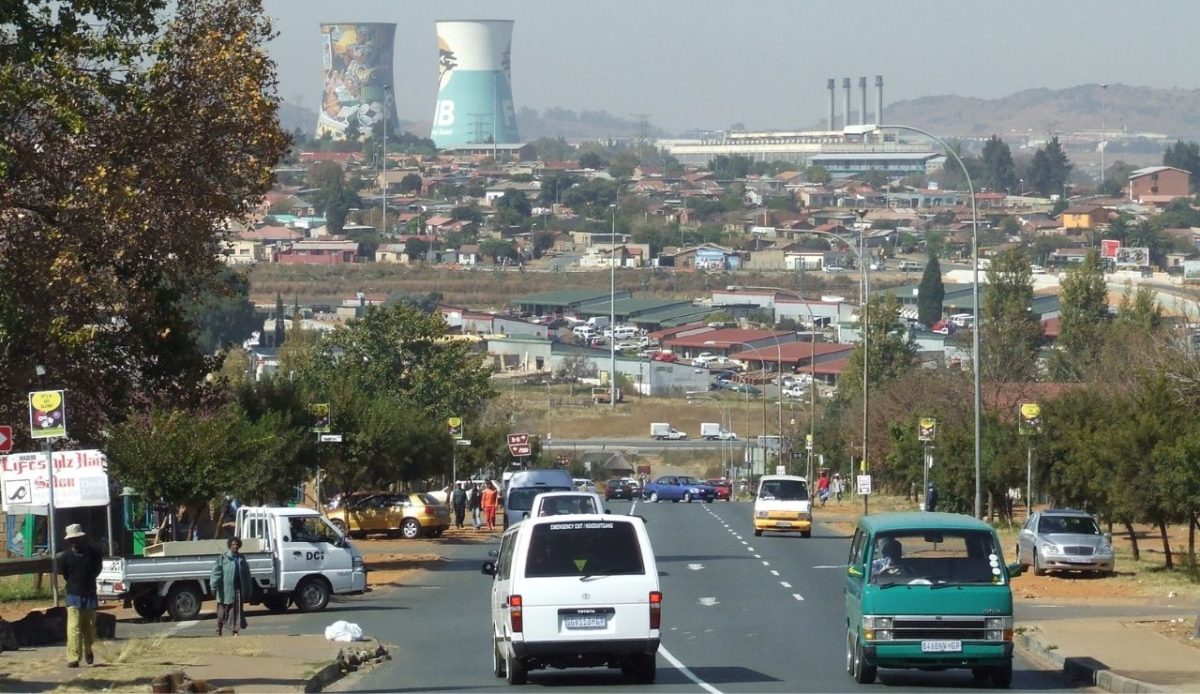
Soweto has a major history, yet safety varies by block, and a visitor may not read local signals. On Fodor’s forums, travelers often recommend seeing Soweto with guides or organized transport, especially for solo visitors, asking if it is safe.
The risk mechanism is that safer streets cluster around known stops while other areas can shift quickly. A visitor who turns down the wrong road may face robbery and may not find a consistent police presence.
Use structured visits centered on key sites, daytime timing, and direct transport. Skipping improvised wandering is the main safeguard. If plans feel uncertain, central museums can cover the same themes with less exposure.
8. Langa, Cape Town
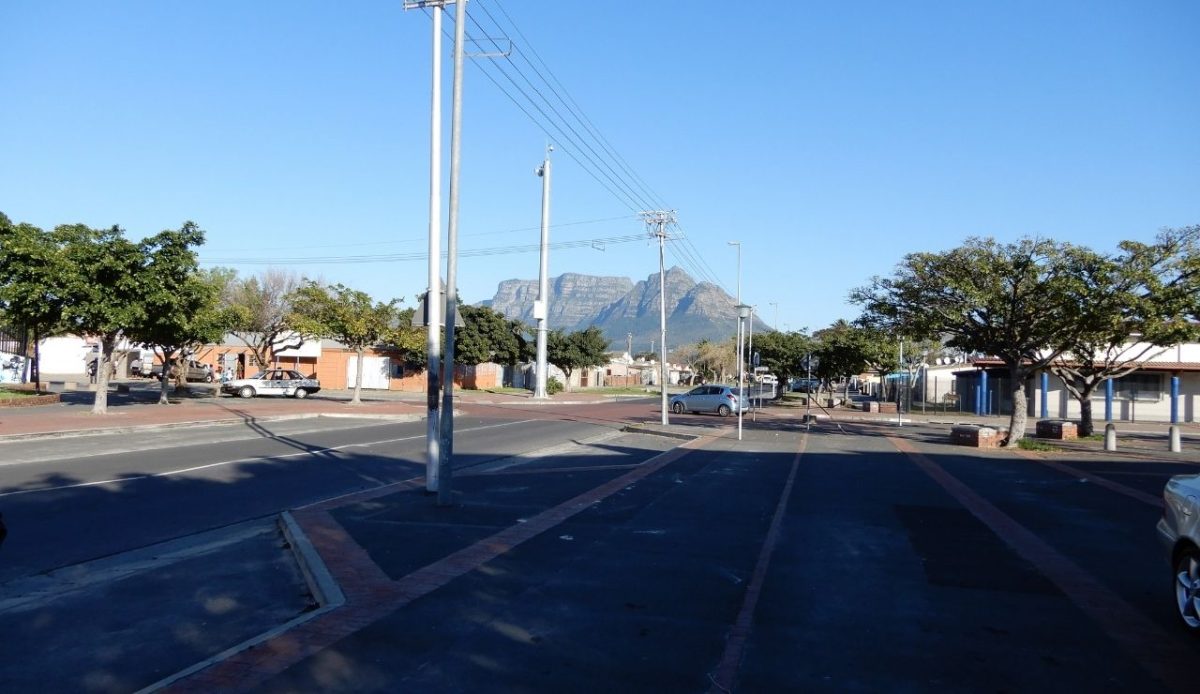
Langa is one of Cape Town’s oldest townships and is sometimes offered as a cultural visit. In a Fodor forum discussion about crime outside Johannesburg, a traveler described a Langa township tour as rewarding but added that it is not wise to go without a tour.
The mechanism is route dependence. A tour uses known safe corridors and community partners, while a self-directed visit can put a stranger in areas where theft risk is higher and help is farther away.
Skipping the independent entry keeps the safety profile predictable. If a tour is taken, pick a provider that pays local hosts, limits photography, and sets clear boundaries on where visitors walk. Treat the visit as curated, not open-ended.
9. Gugulethu, Cape Town
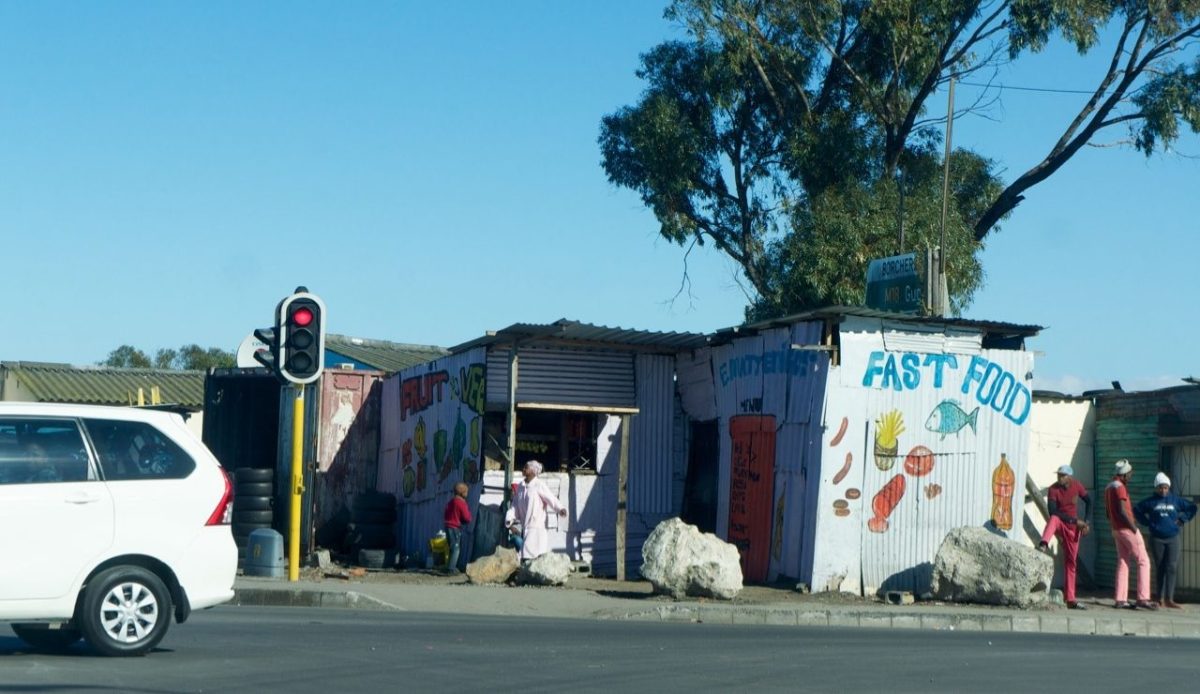
Gugulethu is a township east of central Cape Town that appears in tour itineraries discussed on Fodor’s forums. One thread noted tours that include Gugulethu, and another warned it is not safe to roam townships alone, which applies directly here.
The practical mechanism is that visitors stand out immediately, and the street map does not match what many travelers expect. Informal paths and unmarked stops make it easy to drift into higher-risk pockets without realizing it.
Skip a self-guided visit. If a tour is selected, keep it daytime, avoid displays of cash or phones, and prioritize stops where local guides control the setting. Spending should support community businesses rather than outside agencies.
