
Road trips promise discovery, freedom, and useful pauses between long stretches of highway. Some stops gain fame through history or marketing, so travelers shape routes around them. When a place is treated as iconic on signs and maps, expectations form long before arrival.
After arrival, some stops fail to match the mental picture. The gap shows up after parking, paying admission, or pushing through crowds, when visitors find a brief, limited activity. With driving hours still ahead, small hassles can outweigh the appeal.
This article covers eight US stops where the on-site experience clashes with expectations. Each section focuses on access effort, what visitors can do, and conditions that explain why many people wish they kept driving.
1. Times Square, New York City
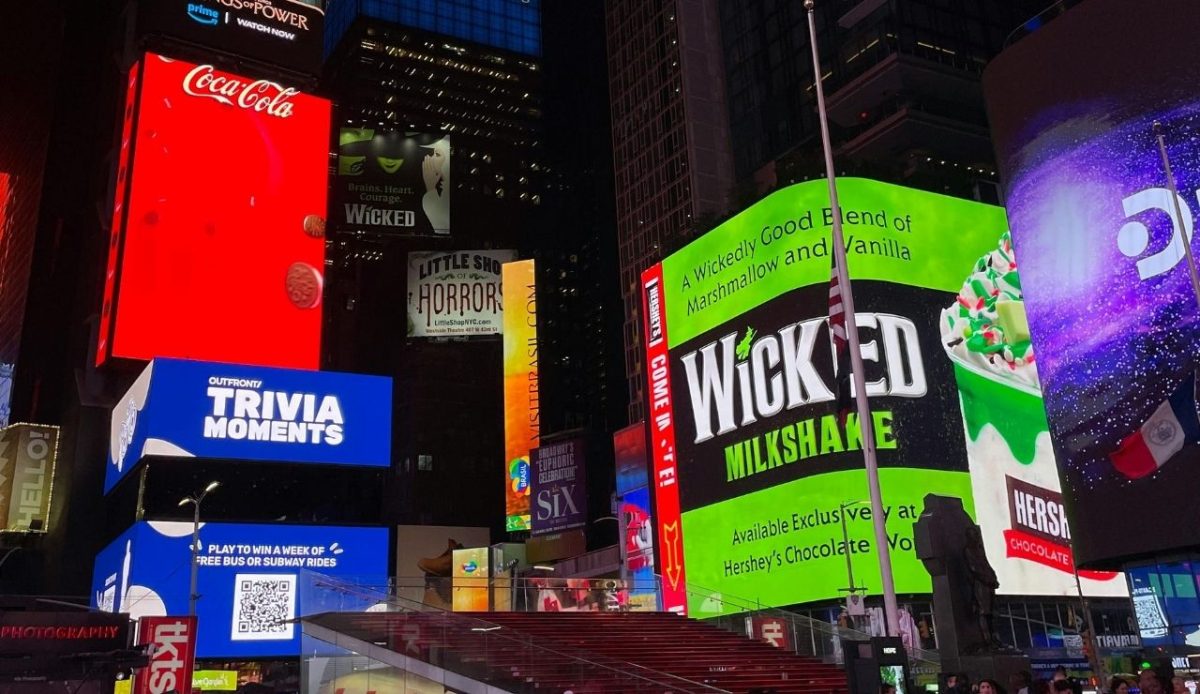
Times Square is sold as the heart of New York spectacle, so many drivers expect a highlight that feels cinematic. Once there, movement is slowed by dense foot traffic, bright screens, and constant noise bouncing off tall buildings.
A common complaint is that the visit becomes a loop of photos and people watching with few meaningful activities. Solicitation, costume tips, and crowd control barriers can make the stop feel more like a corridor than a plaza.
After searching for parking and paying premium rates, visitors often judge the value as poor. The regret language increases when the effort is compared with a brief look and a quick exit at any hour.
2. Hollywood Walk of Fame, Los Angeles
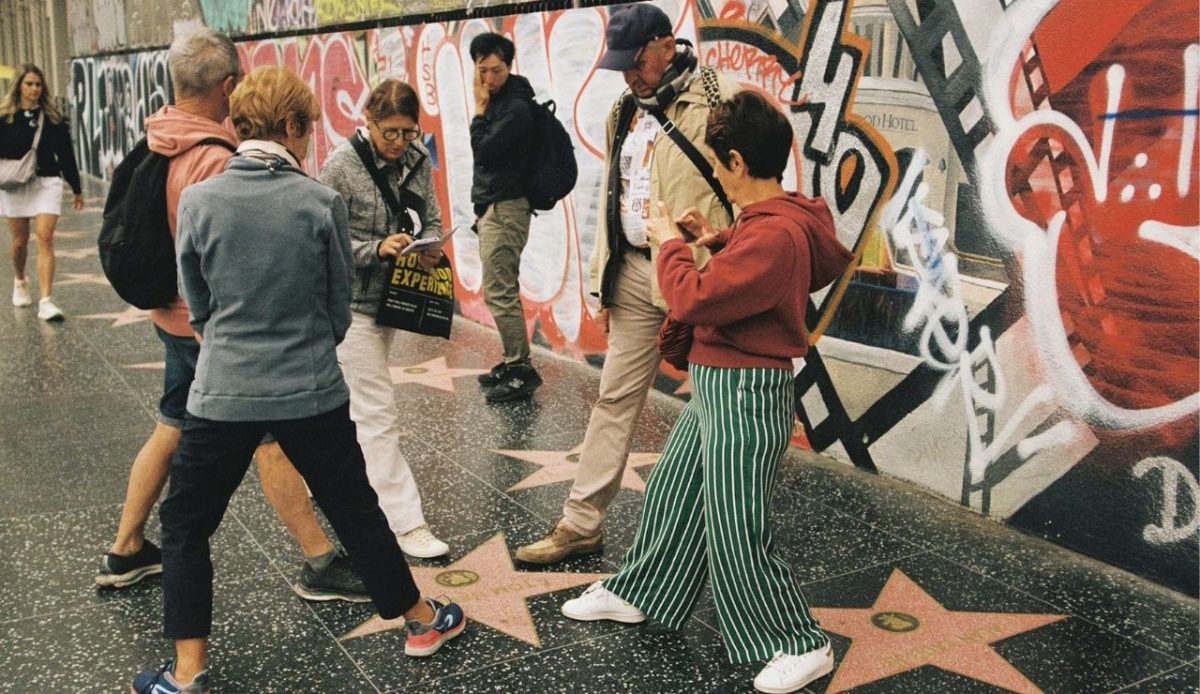
The Hollywood Walk of Fame carries a polished reputation, so road trippers expect a celebratory boulevard. Many arrive to a busy commercial strip where the stars appear among crowds, vendors, and cracked pavement.
Reviews often say the names lack context, so the visit turns into scanning the ground for a few familiar figures. Noise, litter, and persistent solicitation are described as distractions that drain the fun quickly.
Logistics add to the frustration. Parking is expensive, traffic is slow, and the area can feel uncomfortable for families. Travelers frequently conclude that the stop did not justify the detour from other nearby Los Angeles sights.
3. Wall Drug, South Dakota
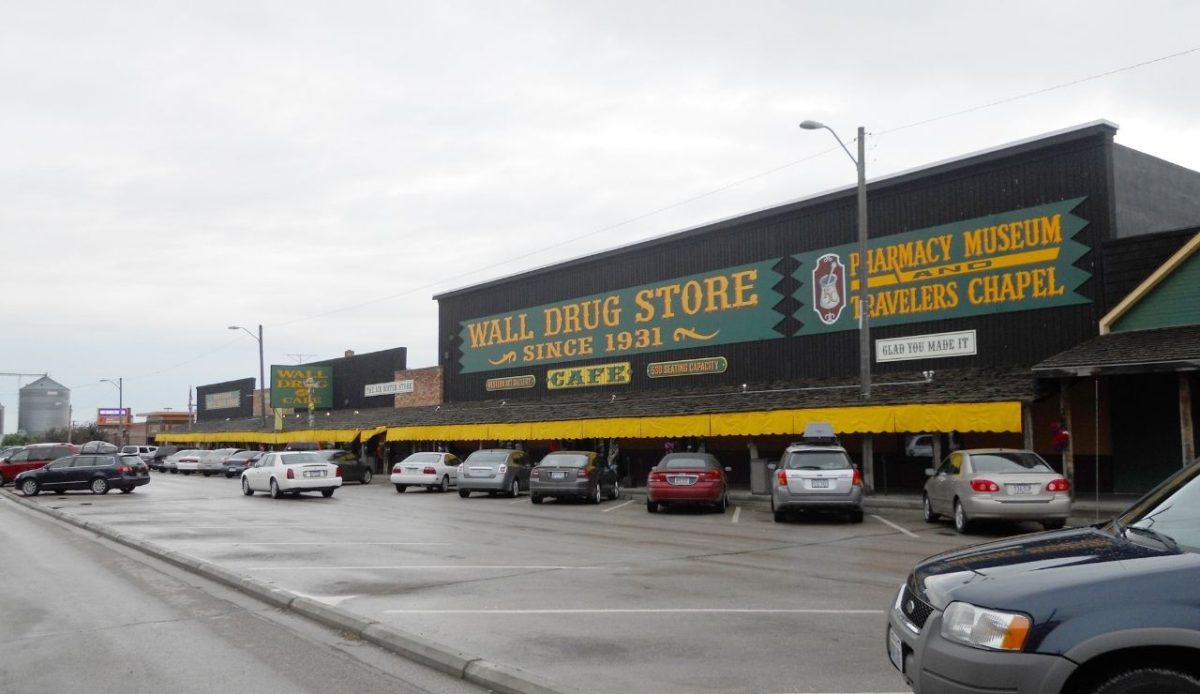
Wall Drug is preceded by miles of billboards, which build suspense for a singular roadside payoff in the Badlands region. Instead, visitors enter a sprawling retail maze focused on souvenirs, snacks, and themed photo props.
Many reviews describe a mismatch between hype and substance. The free ice water and quirky signs are noted, but the core experience is shopping. Crowded aisles and constant upsells are cited more than any standout exhibit.
Regret tends to be written as a value judgment. After a long approach, travelers feel they traded a real break for a commercial stop. People who stopped because of the signs often say they would keep driving next time.
4. Cadillac Ranch, Texas
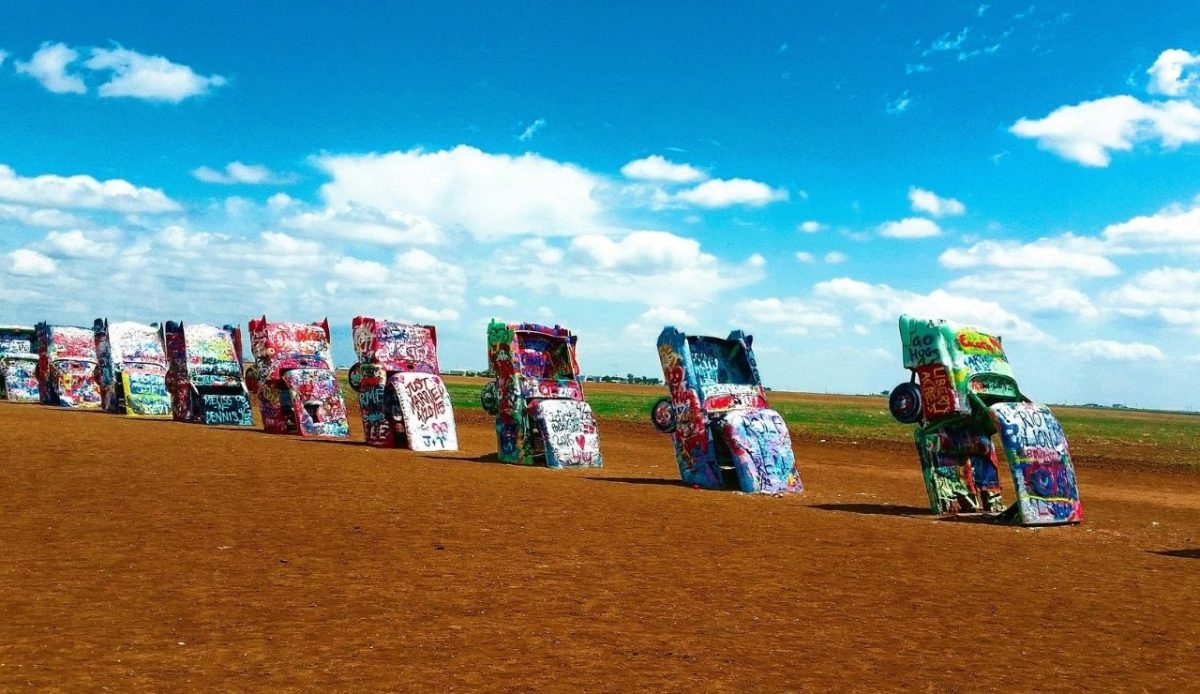
Cadillac Ranch looks iconic in photos, and it is widely treated as a Route 66 essential near Amarillo. On site, the installation is reached by a short walk, then the activity is largely pictures and adding paint.
Travelers often report that the novelty fades fast. Mud after rain, strong wind, and intense sun are mentioned as factors that shorten the stay. There are limited facilities, and the approach from the roadside can feel awkward with fast traffic nearby.
Regret is most often tied to route planning. If the stop adds meaningful miles or time, reviewers say the payoff is too brief. Many recommend it only as a quick add-on during a drive-through, not as a goal of its own.
5. Corn Palace, South Dakota
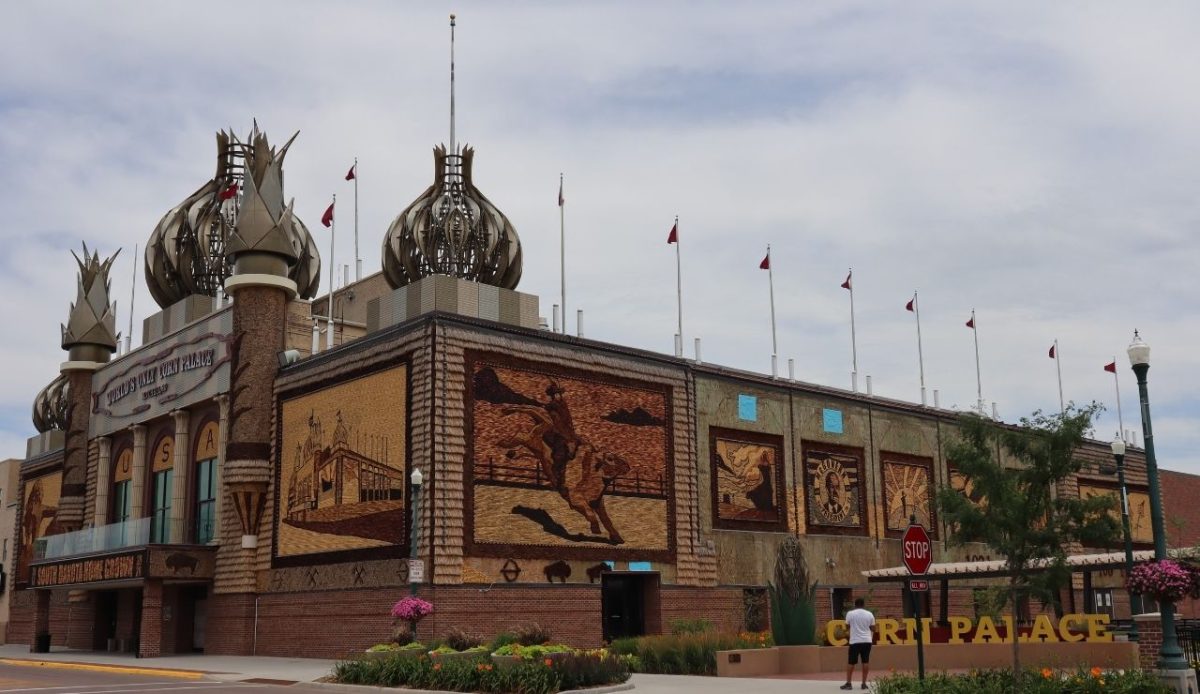
The Corn Palace draws travelers with its corn mural exterior and the promise of a distinctive local tradition. Inside, the experience varies, and disappointment is common when no concert or game is scheduled.
Reviews often mention a fast loop through halls with limited interpretation of the murals or the annual redesign. Gift areas and snack counters can feel larger than the educational content, which leaves visitors wanting more.
Regret is usually framed around opportunity cost. Road trippers say they burned a stop that could have been used for a longer meal or a scenic break. When time is tight, the brief engagement can feel like a misstep.
6. Four Corners Monument
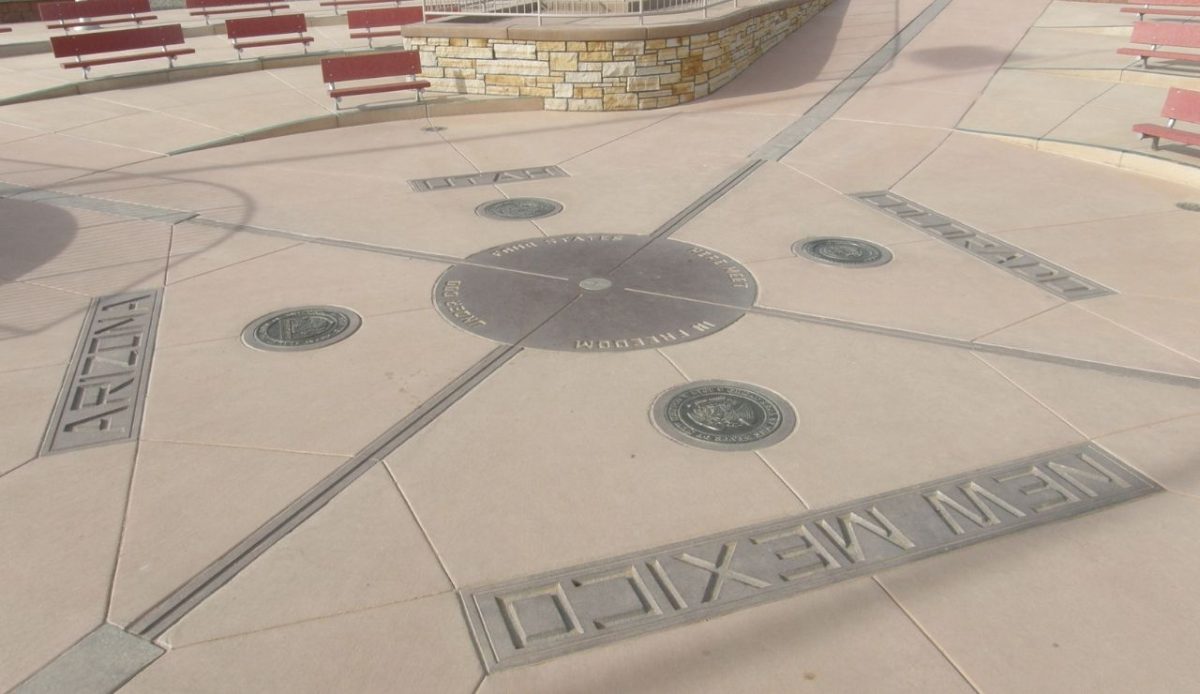
Four Corners Monument appeals through a simple novelty, standing in four states at the same time. Travelers confirm the marker exists, yet many say the experience ends almost as soon as the photo is taken.
Access effort shapes the reaction. The site is remote, lines can form at peak times, and an entry fee is charged before reaching the center. Amenities are limited, so the stop can feel exposed in the heat or the wind.
Regret is expressed as a value mismatch. After a long approach drive, visitors expect more interpretation or surrounding activities nearby. Reviewers often recommend skipping it unless it already falls directly on the planned route.
7. South of the Border, South Carolina
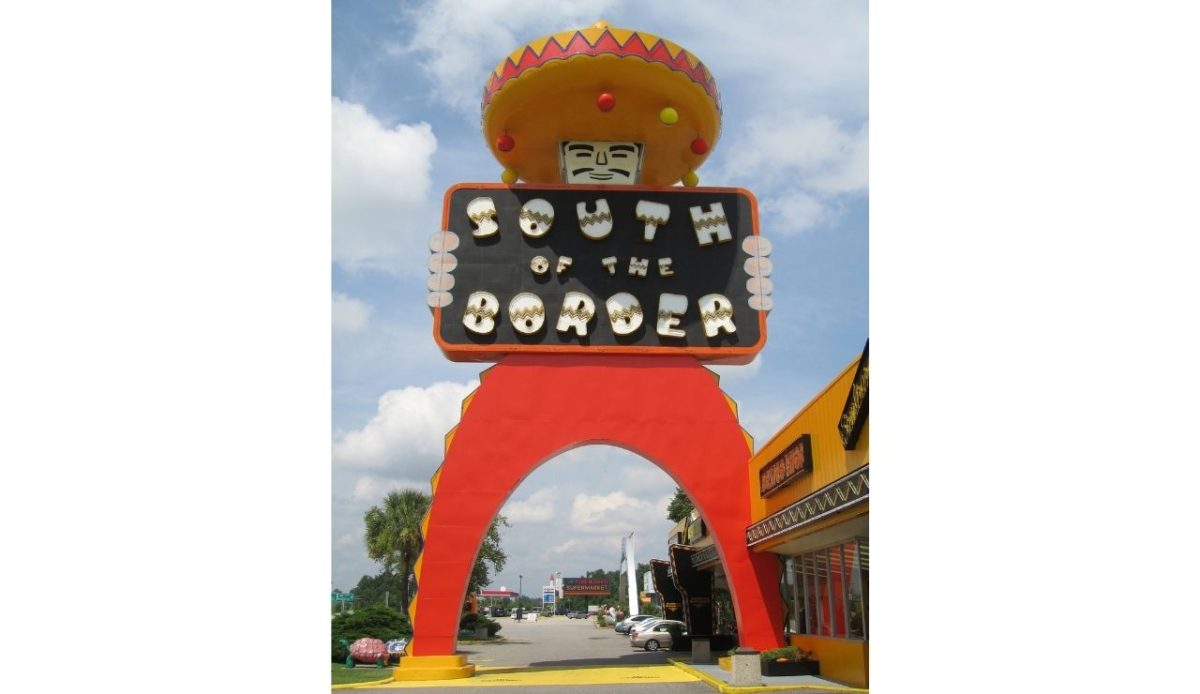
South of the Border is engineered to pull drivers off I-95 with bold billboards and a giant mascot tower. Many stop for a quirky break, yet reviews frequently report disappointment with upkeep and overall value.
Common complaints include dated shops, cluttered displays, and cleanliness issues in public areas. The site includes lodging and small amusements, but they are often described as tired rather than fun.
Regret is usually written in practical terms. Travelers say they lost time exploring an attraction that did not reward the stop. Because the complex is spread out, the visit can run longer than expected. A nearby town meal is often suggested instead.
8. Plymouth Rock, Massachusetts
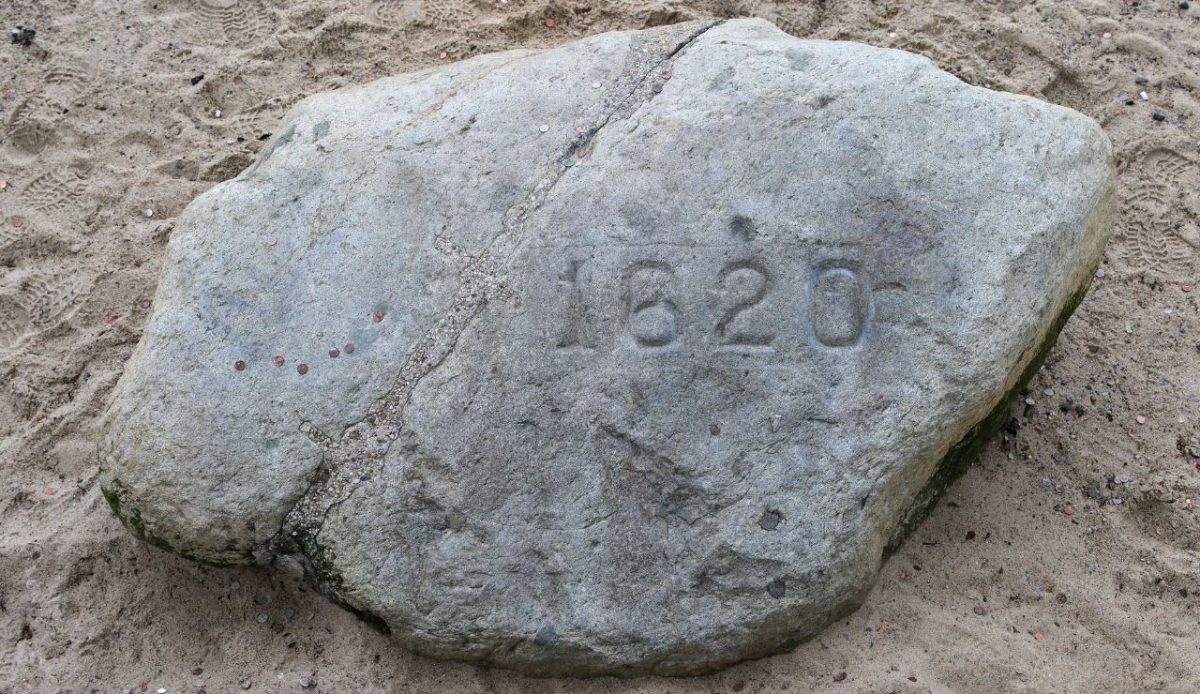
Plymouth Rock is treated as a key American history stop, so expectations can be high for first-time visitors. Many arrive to a small rock behind protective barriers with limited on-site explanation.
Reviews often describe the moment as anticlimactic. After a brief look and a photo, there is little to do unless other nearby museums are added. Crowds during summer can make the short viewing area feel cramped for families.
Regret is usually tied to travel time. Visitors who drove out of their way say the payoff was too small for the effort. Several recommend focusing on the broader waterfront history sites in Plymouth instead of the rock alone.
