
History lovers look for countries where ancient traditions remain part of daily life. Some preserve temples, walls, and ruins that show how rulers shaped their time. Others keep languages, art, and rituals alive, linking the present to centuries of heritage. Visiting these places offers travelers a chance to see history in living form rather than as a distant memory. The following countries reveal the past through culture, monuments, and communities that still carry their earliest stories. They also offer lessons about resilience and creativity that continue to influence the modern world.
1. Egypt
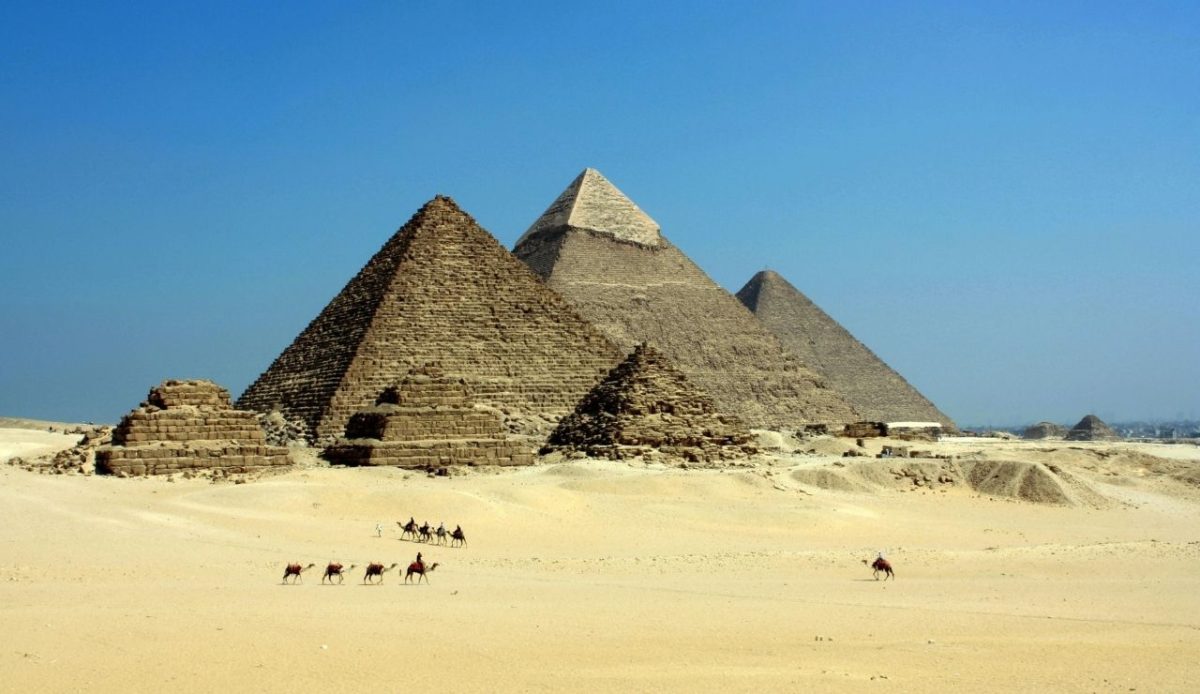
Egypt’s history goes back thousands of years, with pyramids and temples showing famous symbols of ancient civilization. Travelers walk through tombs in the Valley of the Kings, where pharaohs placed treasures beside themselves for the afterlife. The Sphinx and pyramids at Giza reveal building skills that inspire wonder. Along the Nile, temples like Karnak and Luxor display carved walls and inscriptions describing faith and power. Museums in Cairo hold artifacts such as golden masks, statues, and papyrus scrolls. Egypt remains central for travelers who want to understand the roots of organized society and culture.
2. Iran
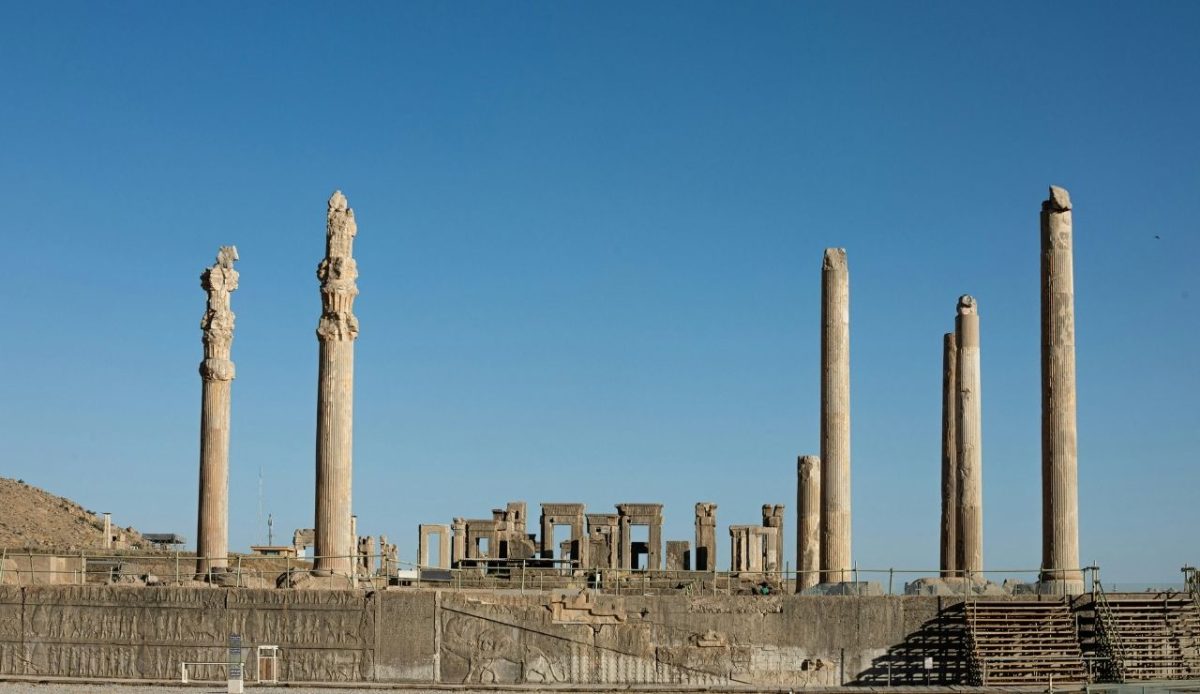
Iran carries the legacy of the Persian Empire, whose influence reached across Asia and beyond. Persepolis, once the empire’s capital, still shows reliefs of kings, warriors, and delegations carved in stone. Isfahan’s mosques and squares reflect later Islamic art and design. The country’s location on the Silk Road tied it to trade routes that spread goods and ideas between East and West. Travelers discover heritage not only in ruins but also in poetry, crafts, and music alive today. Iran’s past and present connect in ways that give visitors a sense of cultural continuity.
3. China
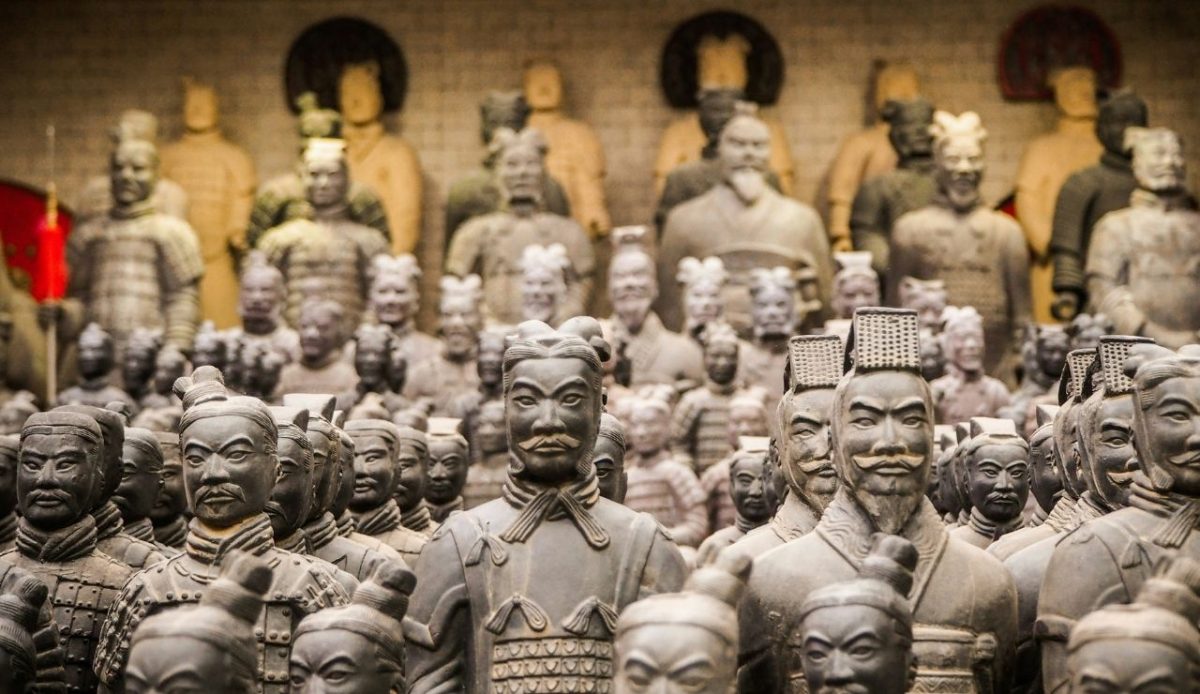
China’s story includes dynasties, inventions, and traditions that lasted thousands of years. Emperors built vast defenses like the Great Wall, which winds across mountains and plains. In Xi’an, the Terracotta Army guards the tomb of the first Qin emperor, while Beijing holds the Forbidden City, once home to rulers for centuries. Travelers also see heritage in tea ceremonies, calligraphy, and festivals passed down through generations. China’s literature and philosophy reveal ideas that shaped much of Asia. Visiting today allows travelers to see how old customs remain part of a living nation.
4. Greece
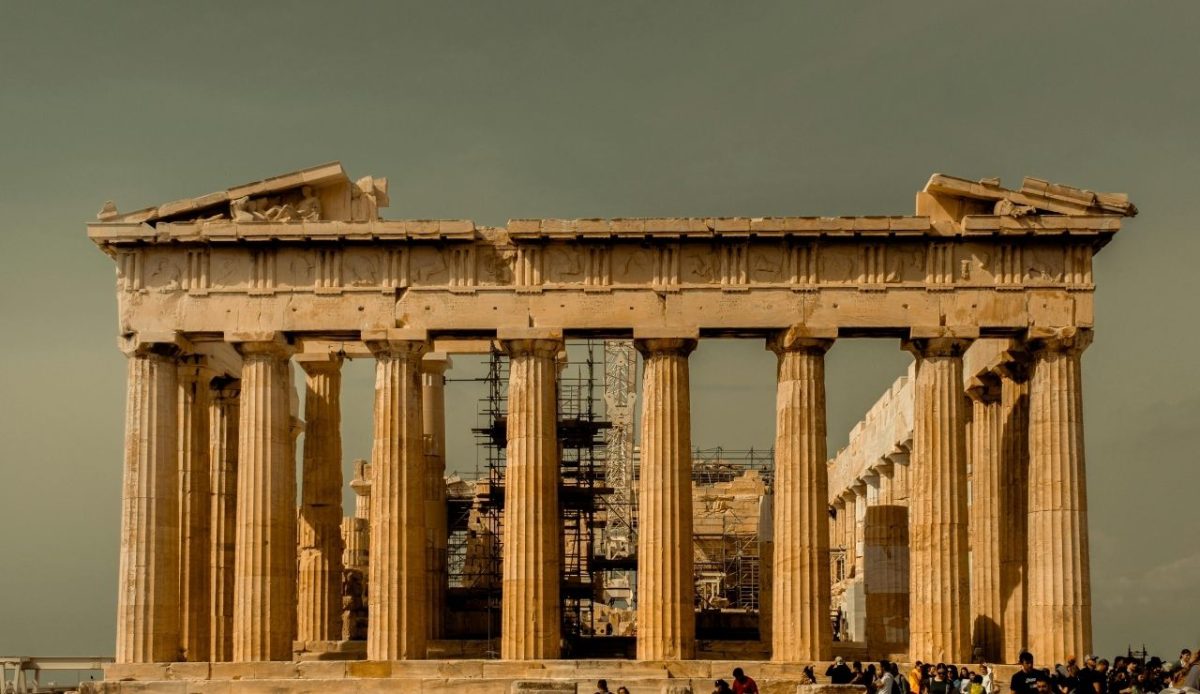
Greece shaped Western thought with achievements in philosophy, politics, and art that remain global in influence. In Athens, the Parthenon overlooks the city as a temple to Athena. Ancient Greeks regarded Delphi as the center of the world, where oracles advised leaders. Theaters such as Epidaurus show how drama became culture as well as entertainment. Travelers explore islands tied to myths of gods and heroes, while museums hold pottery, sculpture, and manuscripts. Food, music, and festivals continue traditions that connect modern Greece with its long heritage.
5. India
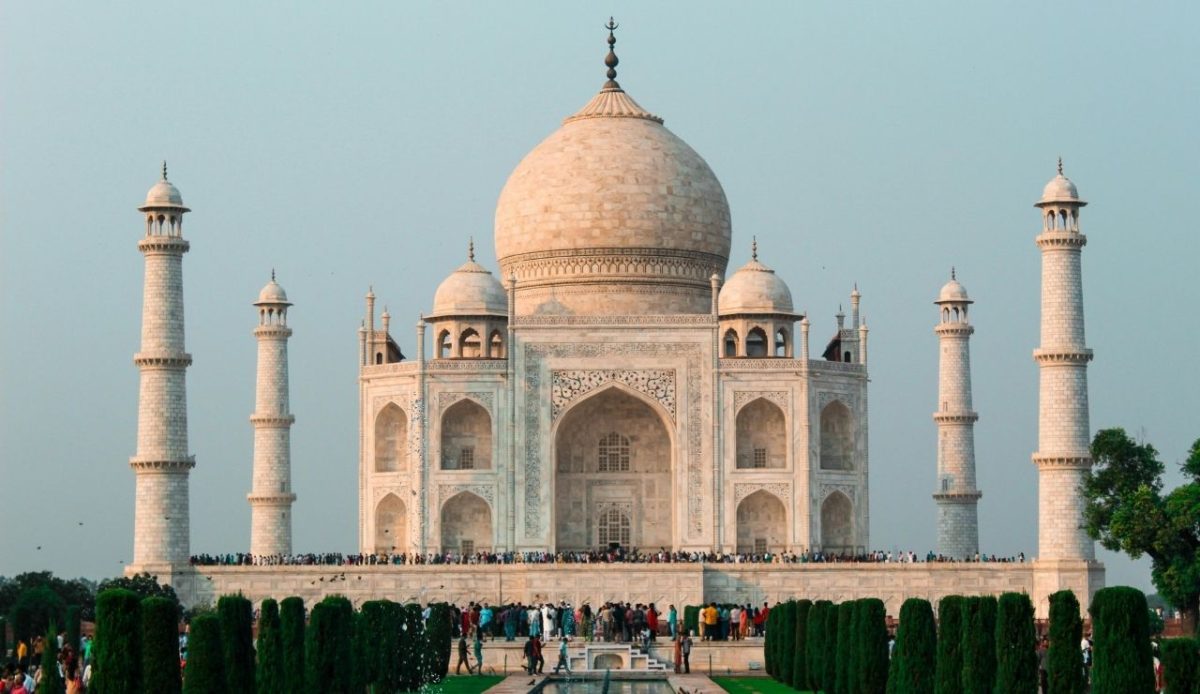
India reflects a mix of kingdoms, empires, and faiths that grew across centuries. In Varanasi, travelers see one of the world’s oldest cities alive with rituals along the Ganges River. The ruins of Nalanda University recall a time when scholars from Asia studied philosophy and science there. The Mughal era left landmarks such as the Red Fort and Taj Mahal, while earlier Hindu temples at Khajuraho and Konark display stone carvings with remarkable detail. Traditions of language, music, and storytelling carry ancient roots into today’s culture. India gives travelers countless layers of history across its many regions.
6. Ethiopia
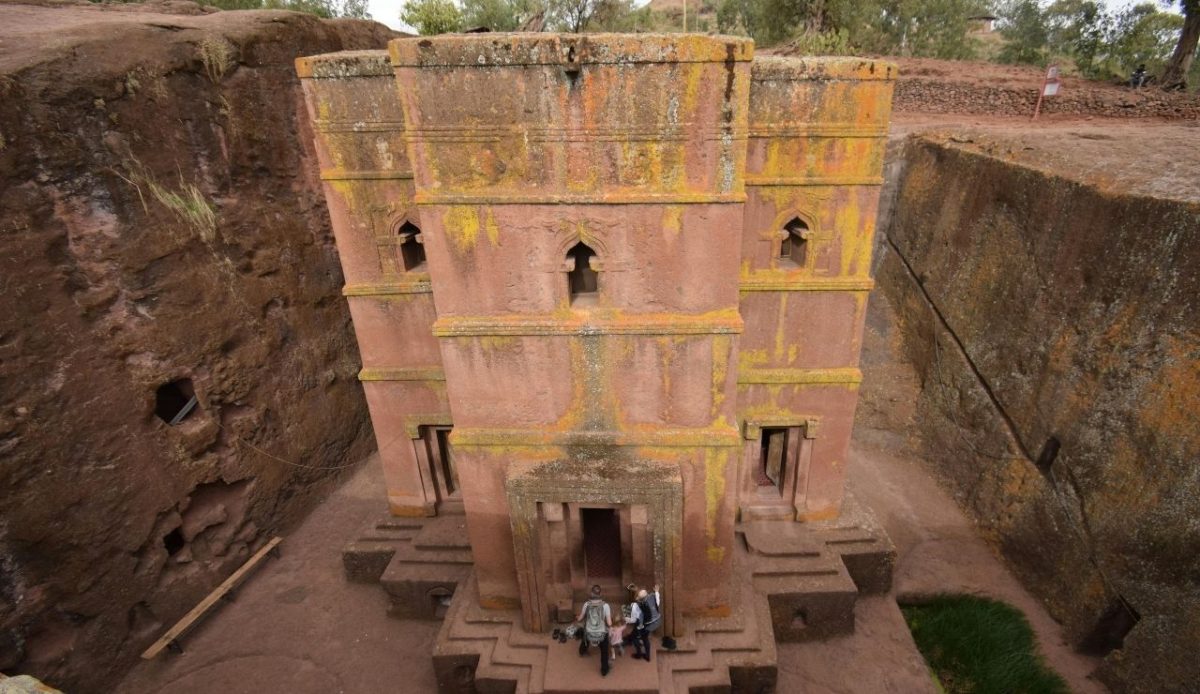
Ethiopia traces its history to some of the earliest human settlements, and its culture preserves stories of ancient kingdoms and religions. In Lalibela, travelers see rock-hewn churches carved directly into the ground, still active for worship. The ruins of Aksum recall a powerful empire that traded across Africa, Arabia, and Asia. Legends link Ethiopia to the Queen of Sheba and the Ark of the Covenant. Addis Ababa’s museums preserve artifacts showing the country’s long timeline, including “Lucy,” one of the oldest hominid fossils. Ethiopia gives travelers a rare look at early civilizations alive in traditions today.
7. Armenia
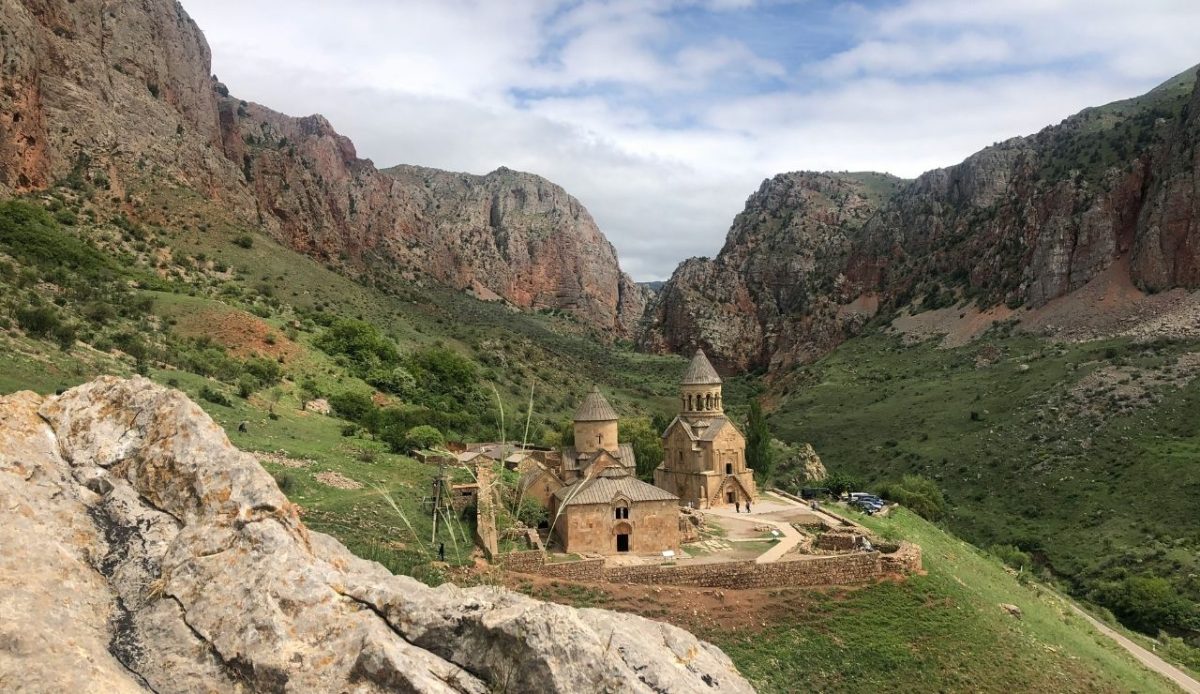
Armenia became one of the earliest nations to adopt Christianity in the 4th century. Its landscape features monasteries built on mountain cliffs and in valleys, many of which are still welcoming pilgrims. Etchmiadzin Cathedral is often referred to as the oldest state-built church in the world, showcasing early Christian architecture. Travelers also see fortresses, petroglyphs, and caravan routes that reveal Armenia’s role as a crossroads of culture. Yerevan, the capital, offers layers of history, from Republic Square’s Soviet architecture to ruins that reflect earlier traditions. Armenia connects travelers to a blend of early faith and lasting heritage.
8. Israel
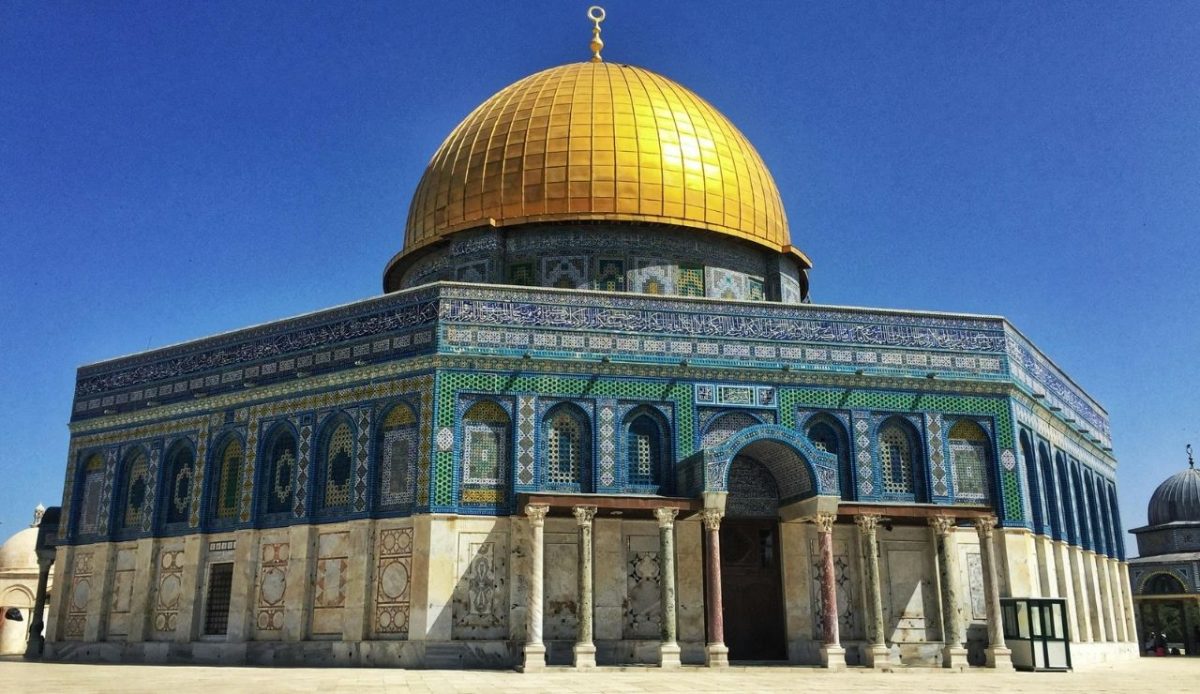
Israel holds importance for Jews, Christians, and Muslims, with sacred sites drawing pilgrims worldwide. In Jerusalem, travelers walk through the Old City to reach the Western Wall, the Church of the Holy Sepulchre, and the Dome of the Rock. Nazareth and Bethlehem show places tied to Christian tradition, while Galilee reveals ruins of synagogues and Roman towns. Masada’s desert fortress recalls the struggles of the ancient Jewish state. Active worship and festivals make faith part of daily life across the country. Israel gives history lovers a chance to see religion as both heritage and living practice.
