
The Oregon Trail carried families, traders, and wagon groups across land that felt immense to those leaving busy towns in the east. The route moved through plains, river valleys, and rising ground where timing, weather, and supplies shaped every choice. People followed natural landmarks, military posts, and advice from earlier travelers to guide progress. Many kept journals describing steady effort, uncertainty, and moments of hope as wagons rolled west. Today, key sites along the trail give visitors a clear sense of how travelers judged distance, searched for safe water, and gathered at important points before facing harder terrain.
1. Independence, Missouri
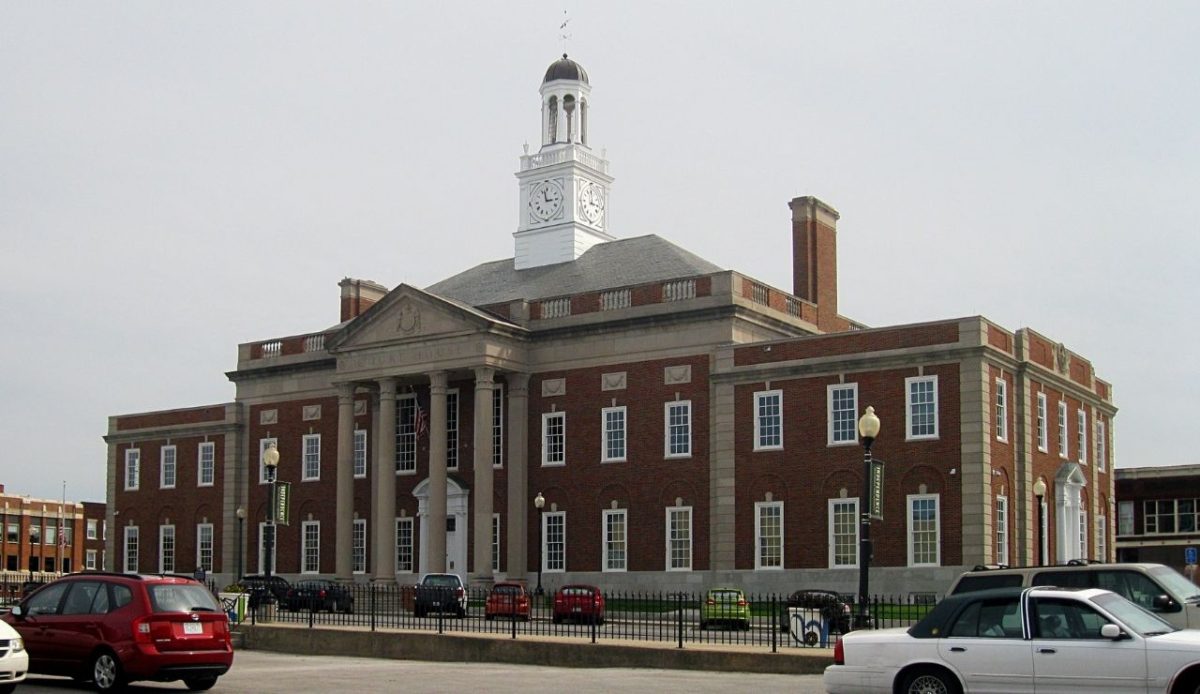
Independence served as the place where travelers gathered wagons, bought tools, and formed groups before crossing the Missouri River. The town carried a sense of urgency, since supplies had to be packed correctly and animals trained for long days ahead. Leaving too late in the season risked early snow in the mountains. Traders filled the streets with goods, and guides shared knowledge drawn from earlier trips. As wagons moved west, families felt both hope and pressure, aware that the first miles would test their planning and influence the pace of the months that followed.
2. Courthouse and Jailhouse Rocks, Nebraska
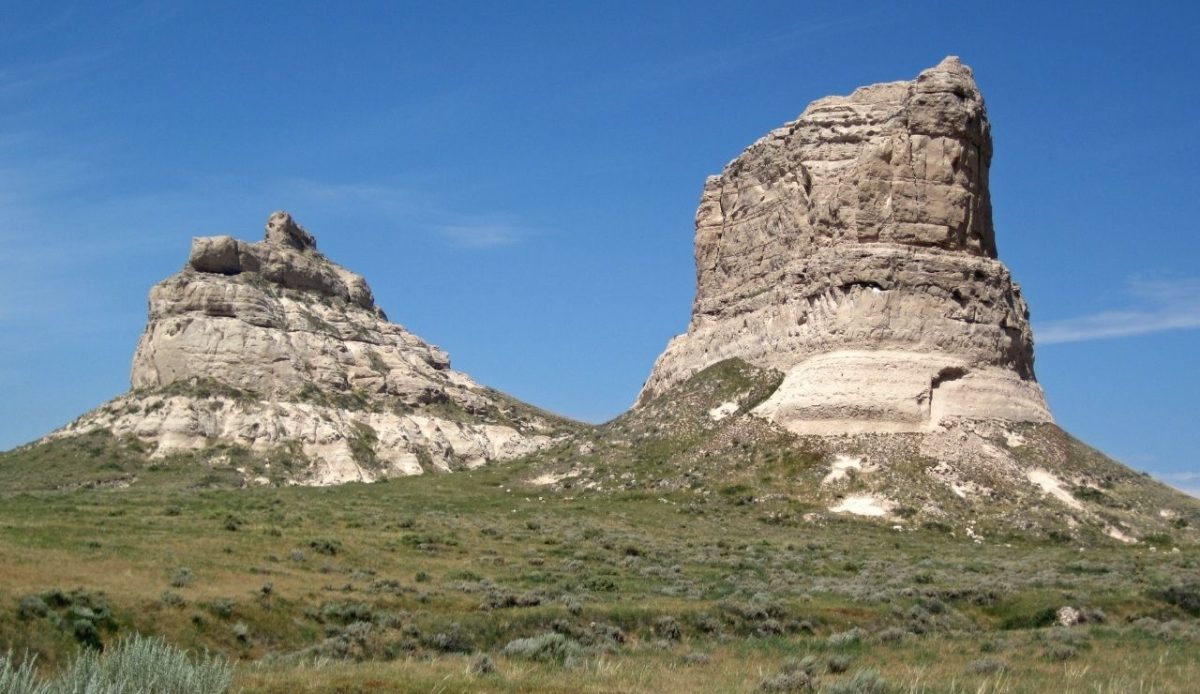
These tall formations signaled early progress across the plains. Their shapes caught the eye from far away, giving travelers a fixed point toward which they could move as grasses stretched across wide ground. Reaching them offered reassurance that the slow rhythm of the trail was leading somewhere measurable. Journals describe how wagon groups paused to study the rocks and rest animals before continuing to the next landmark. The formations helped travelers judge direction long before marked signs existed. Today, the area still gives visitors a sense of the distance and open space that defined the early part of the trail.
3. Chimney Rock, Nebraska
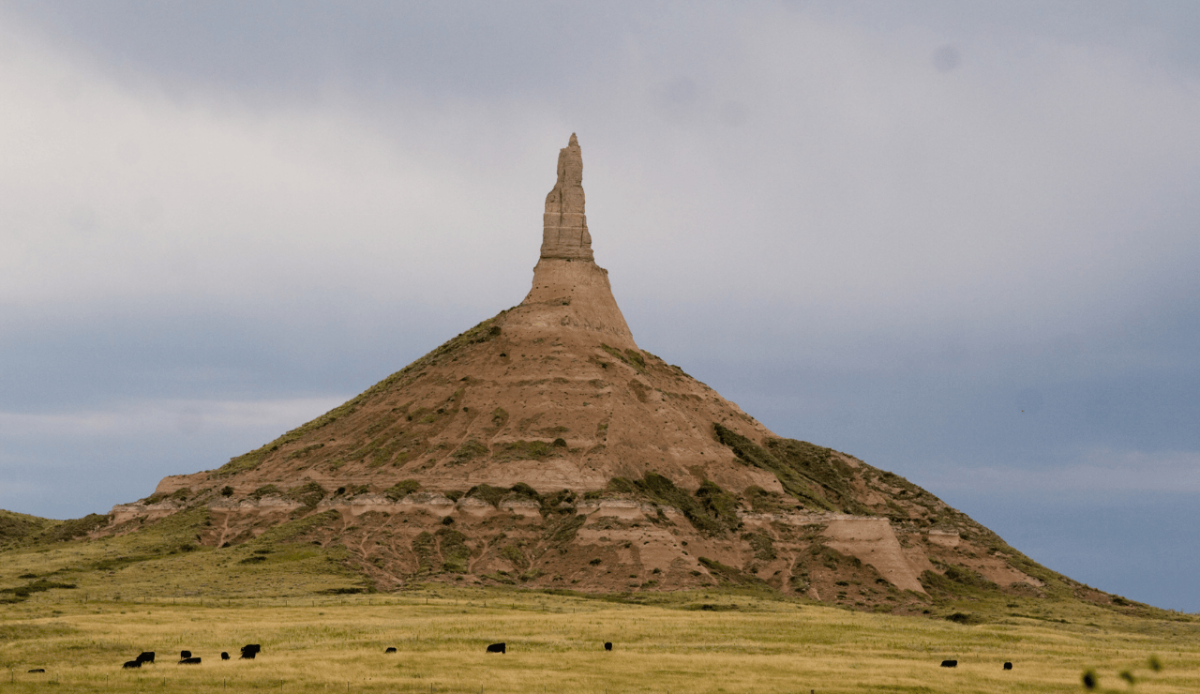
Chimney Rock rose sharply from the plains, becoming one of the most recognized markers of the entire route. Families wrote about the sight with relief, since it proved they were making steady progress despite long stretches without variation. The formation appeared in countless journals because it stood out against the sky and remained visible for miles. Some groups camped nearby, using the stop to check wagons and care for worn animals. The rock also marked a shift toward more rugged terrain, as flat plains gave way to rising ground. Its presence remains a powerful symbol of trail history.
4. Fort Laramie, Wyoming
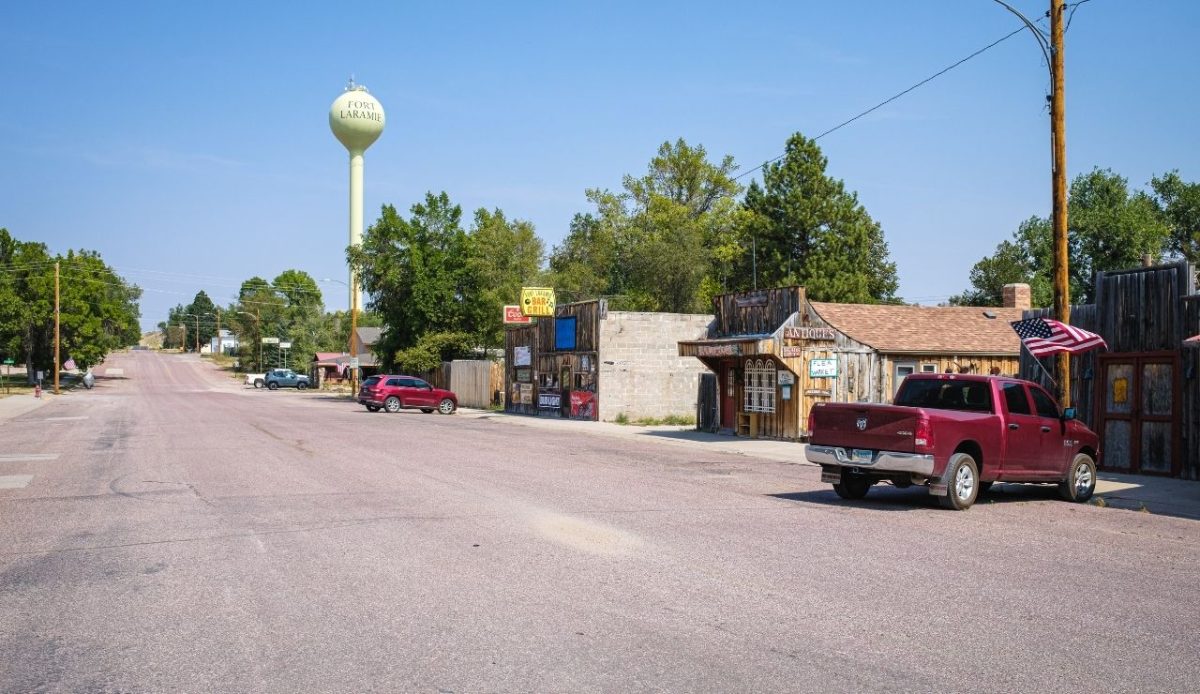
Fort Laramie served as a crucial stop where travelers repaired wagons, traded for supplies, and gathered news about weather, river levels, and distant passes. Soldiers, traders, and families crossed paths here, turning the fort into a center of activity before wagons entered more demanding regions. Many groups rested for several days, using the time to reorganize loads and prepare animals for long climbs. The fort also settled disputes, provided limited medical help, and offered a sense of security in unfamiliar territory. Its role in supporting movement west made it one of the most important points on the trail.
5. Independence Rock, Wyoming
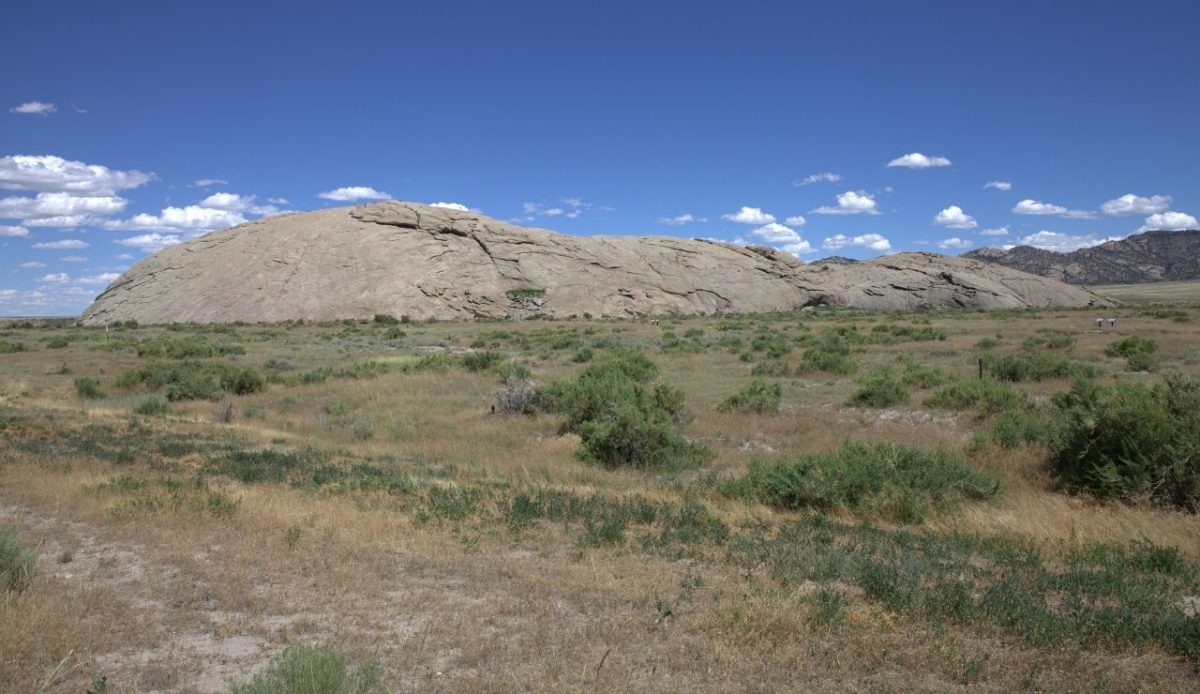
Independence Rock stood as a major checkpoint where travelers measured timing against the shifting season. Families carved names into the granite surface, leaving records that remain visible today. Reaching the rock by early July was considered essential, since this timing reduced the chance of reaching mountain passes under early snow. Many wagon groups camped nearby, using the stop to repair gear and reorganize supplies before continuing along the Sweetwater River. The rock offered a moment of relief, as its arrival showed that travelers were moving at a workable pace on their long path toward the west.
6. The Columbia River Route to Oregon City, Oregon
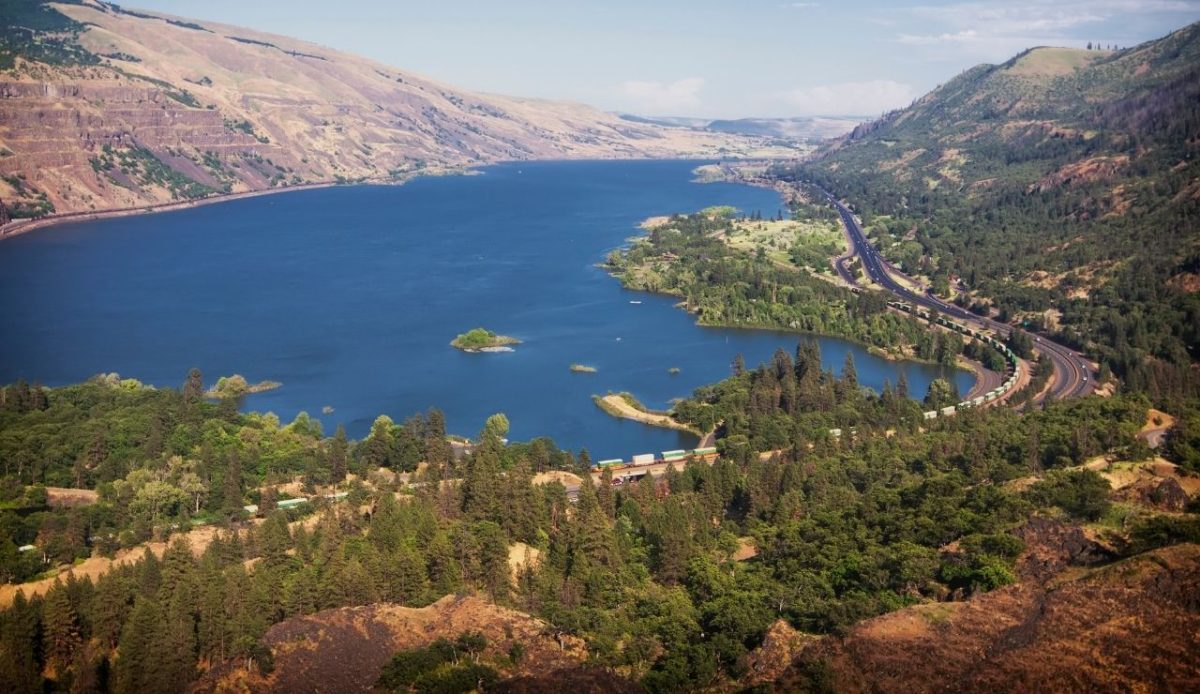
The Columbia River marked the final push toward the end of the trail, yet it carried some of the hardest choices. Families decided whether to float the river on wooden rafts or wait for the safer but slower Barlow Road when conditions allowed. The river carried strong currents, narrow passages, and steep banks that required great care. Many travelers described fear as they guided rafts loaded with supplies, children, and animals. Those who reached Oregon City found mills, stores, and land offices that signaled the close of their long journey. This final phase tested judgment and persistence.
7. Ash Hollow, Nebraska
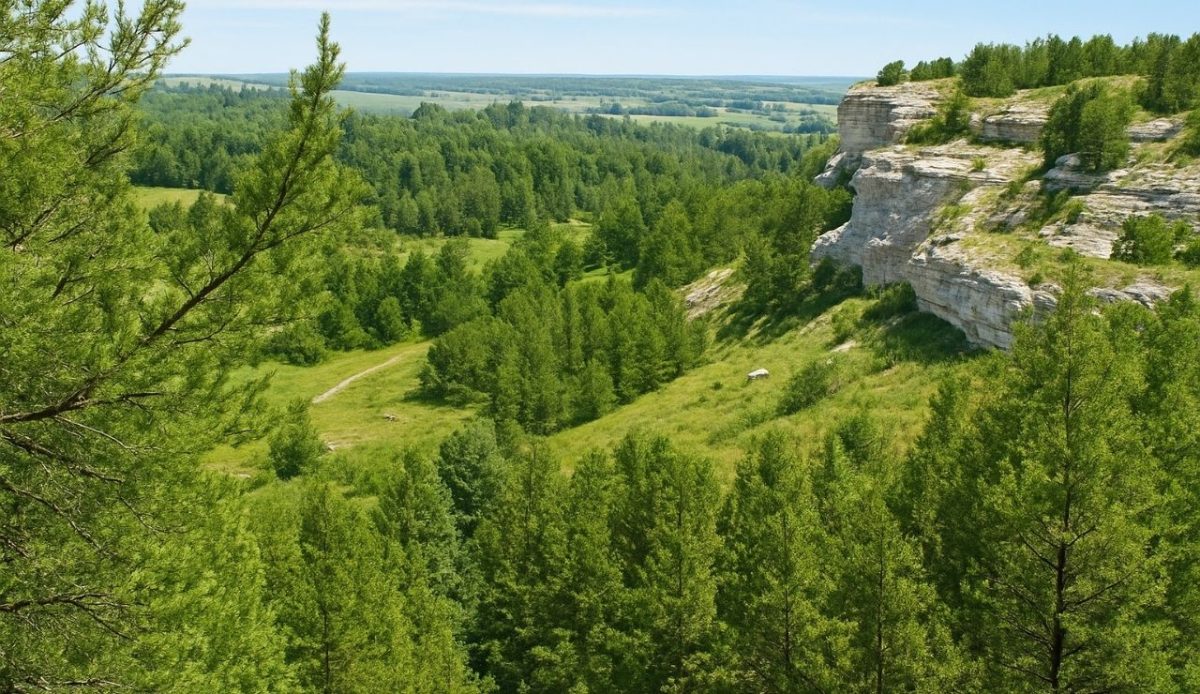
Ash Hollow offered one of the most welcome resting places along the trail. Travelers found water, grass, and shelter after long days across open plains. The descent into the hollow was steep and required careful control of wagons, often using chains or ropes to manage the slope. Families paused to recover from heat and dust while animals grazed near the spring-fed creek. Many journals describe the relief felt upon reaching this shaded valley after miles of dry terrain. The hollow marked a moment of renewed strength before travelers faced longer climbs toward the western edge of the plains.
8. Soda Springs, Idaho
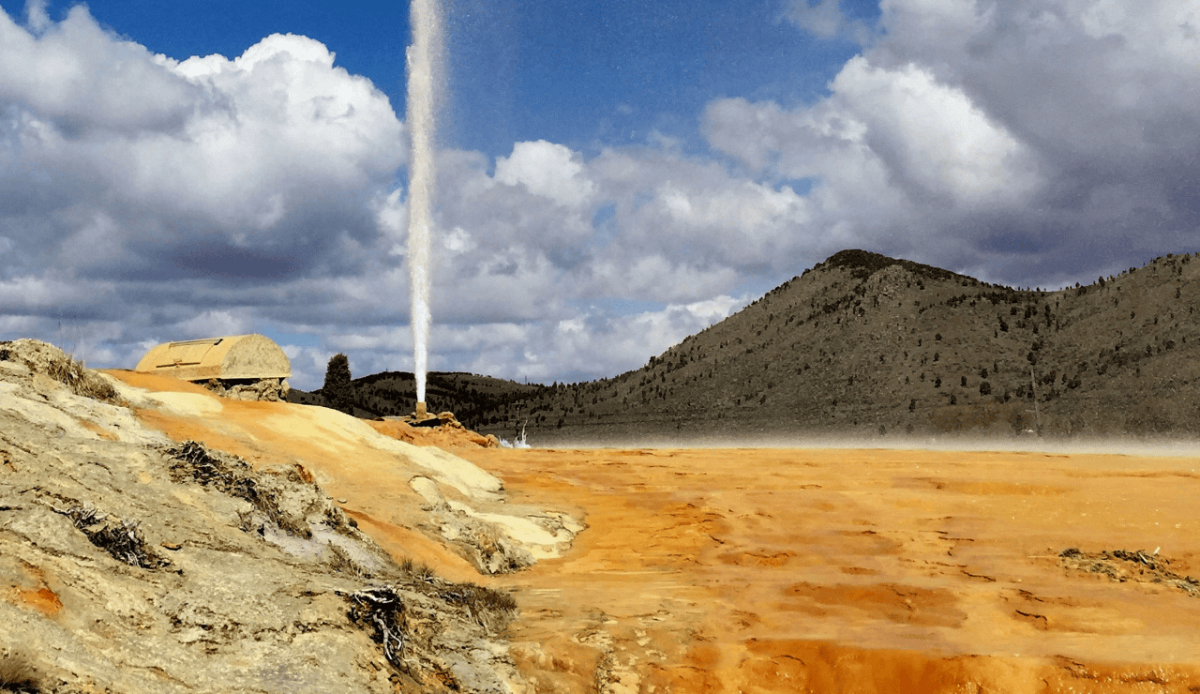
Soda Springs gained attention for its natural mineral waters that bubbled from the ground and offered a rare moment of comfort on a difficult route. Travelers stopped to rest animals, refill water barrels, and observe the unusual springs described in many journals. The area provided open camping space and access to fresh water before groups continued toward more demanding stretches near Fort Hall. Some travelers viewed the springs as a welcome break from dusty plains and long days marked by limited shade. Today, the site still reflects features that captured the curiosity of those moving west.
