
Montmartre draws heavy foot traffic because Sacré Cœur sits at the top of a steep approach and remains one of Paris’s biggest stops. In 2024, about 11 million entries were reported at the basilica, concentrating visitors into a few choke points.
At those pinch points, deceptive street tactics can shape the whole trip. If the first interaction is coercive, travelers carry that distrust into nearby shops and even other districts, lowering their willingness to spend.
This article isolates the mechanisms in Montmartre that depend on misrepresentation, forced consent, or fake authority. Each one drains trust fast and then echoes in reviews and word of mouth after travelers return home.
1. Bracelet Trap At Sacré-Cœur

On the steps and near the funicular exit, bracelet teams grab a wrist or finger and start tying colored string before consent is given. Once the knot is set, removal without scissors can be hard, which is used to justify payment demands.
The pressure works because the service was not requested, but is framed as already delivered. Refusal can be met with blocking or crowding, so many people pay quickly to end the contact. Reports note activity returned after heavy policing eased.
Because this sits on the main climb to Sacré Cœur, it becomes a gateway experience. Visitors arrive for a landmark and instead pick up defensive habits that change how they move and spend across Montmartre.
2. Bonneteau On The Climb Routes

Bonneteau, the three cup or three card game, is staged on the Montmartre approach streets like Rue de Steinkerque. A ball is shown, the cups move fast, and a planted winner demonstrates easy money to pull in new bets.
It is not a fair game. Shills and lookouts are used, and the table can vanish in seconds when police appear. People who only watch still become targets because the crowd provides cover for pickpocketing and pressure.
The damage goes beyond lost cash. When a scam operates in plain view on a tourist corridor, it signals that rules are optional. That perception can spill into how visitors judge pricing, safety, and honesty across Paris.
3. Fake Funicular Tickets
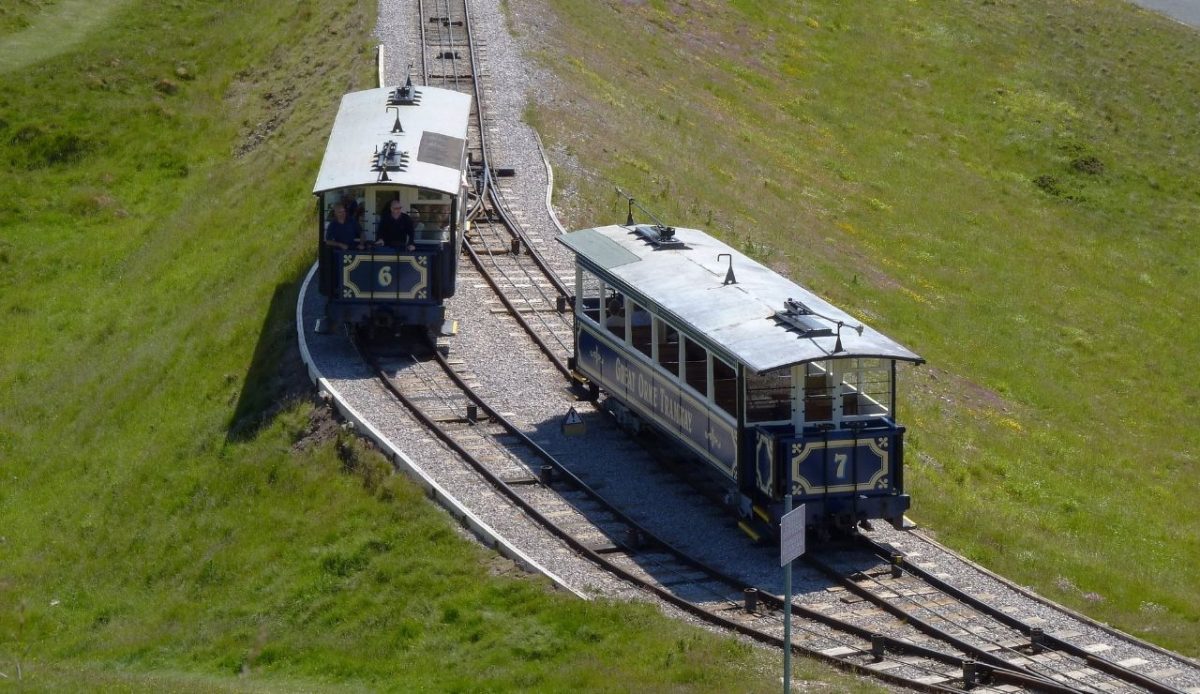
At the base of the Montmartre funicular, tourists have been targeted by fake ticket sellers who claim to offer access while pushing counterfeit or invalid passes. A TF1 report described fake ticket sales continuing near the funicular despite police patrols.
The mechanism exploits urgency. Visitors see the next departure timer and accept help to avoid missing the car. Once a fake or wrong ticket is used, the loss is locked in, and it can lead to confusion at the gates or later inspection.
Because the funicular is a convenience route, many first-time visitors pass through this exact point. A single fake ticket incident can redefine Montmartre from a scenic hill to a place where even transit access feels like a trap.
4. Double-Charging Portrait Tactics

At Place du Tertre, portrait commissions can be turned into a double charge by adding an unrequested second drawing or extra work mid-session. Reports describe tourists being billed twice after a second artist inserts themselves into the same interaction.
The scam hinges on ambiguity. The visitor assumes one contract, but the seller reframes it as two services delivered. Because the sketch is already on paper, the buyer is pressured to pay rather than argue in a crowded square.
Place du Tertre is marketed as an artists’ square, so visitors expect a straightforward craft exchange. When pricing becomes adversarial, the entire concept of Montmartre as an art district is weakened, and legitimate artists pay the cost.
5. Imported Canvases Sold As Montmartre Art

Consumer reporting has documented mass-produced paintings made in China being sold in Montmartre shops near Place du Tertre as if they were local originals. The same outlet noted prices up to 300 euros while similar canvases were offered online for far less.
The deception is not that a painting is affordable, but that origin and authorship are blurred. A tourist buys a story of Montmartre creation, yet the supply chain can be industrial and remote, with signatures used mainly as marketing.
When buyers later recognize repeated motifs or identical names, confidence collapses. The harm spreads beyond one purchase because it reframes the district as a retail stage set rather than a working art community.
6. Found Ring Pressure Routine

On routes around major monuments, a person may pretend to find a gold ring on the ground and insist it belongs to you, then offer it as luck in exchange for cash. It is widely described as a street con built on politeness and quick decision-making.
In Montmartre, the setup fits because crowds and uneven steps make dropped object stories plausible. The target is moved into a small conversation bubble, where attention shifts from the surroundings to the offered item and the demanded reward.
Even if the cash loss is small, the emotional effect is large. Visitors who feel tricked by a fake good deed begin treating all local interactions as suspect, which reduces normal spending and human warmth in the area.
7. Rose Gift Then Cash Demand

Another street tactic uses a rose offered as a gift, often to couples, then demands payment once the flower is accepted. The hook is the social discomfort of refusing a romantic gesture in a public setting.
Montmartre provides ideal conditions because photo stops near Sacré Cœur create stationary targets. If a visitor takes the rose, the seller uses proximity and persistence to frame payment as mandatory rather than optional.
This is a fake gift, not a real sale, and it changes visitor behavior. People stop engaging with street life, avoid lingering at viewpoints, and treat the hill as a corridor to escape rather than a neighborhood to experience.
8. Fake Transit Help At Montmartre Gateways
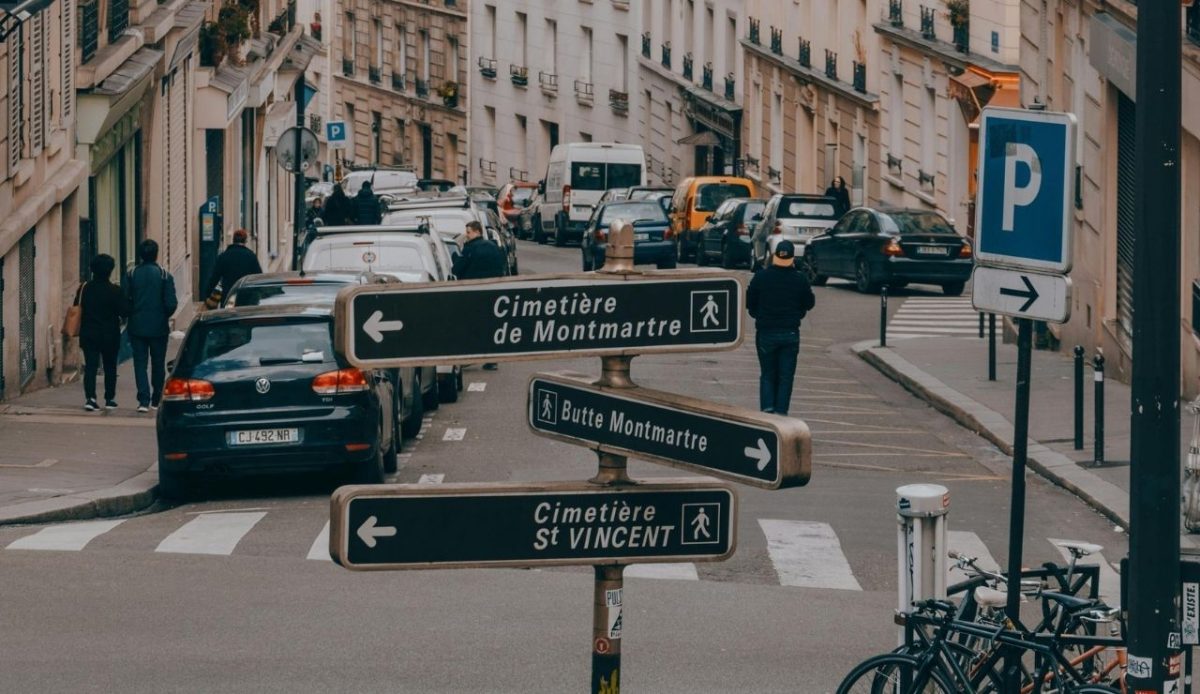
At entry nodes like the Anvers metro area that feeds the Montmartre climb, scammers can pose as transit helpers, offering to sell tickets or handle machines. The usual outcome is an overpriced, invalid, or child fare ticket sold as an adult ticket.
The harm can multiply if the wrong ticket leads to a fine during inspection, since tourists often cannot verify the rules quickly. Even when no fine occurs, the visitor learns that help in public space may be a fake authority.
Because Anvers is a common starting point for Sacré Cœur, this tactic can taint the entire visit before the hill begins. It turns basic mobility into a trust test, and that trust is hard to rebuild on the same day.
