
The Middle East holds a remarkable range of places shaped by ancient trade, faith, and desert landscapes. From carved stone cities to coral-fringed coasts, the region offers history, architecture, and natural beauty that continue to influence global culture. Each destination below represents a living record of adaptation and artistry, showing how communities have built, preserved, and protected their heritage across centuries. Together, they define one of the most diverse travel regions in the world.
1. Petra, Jordan: Nabataean Capital and Rock-Cut City
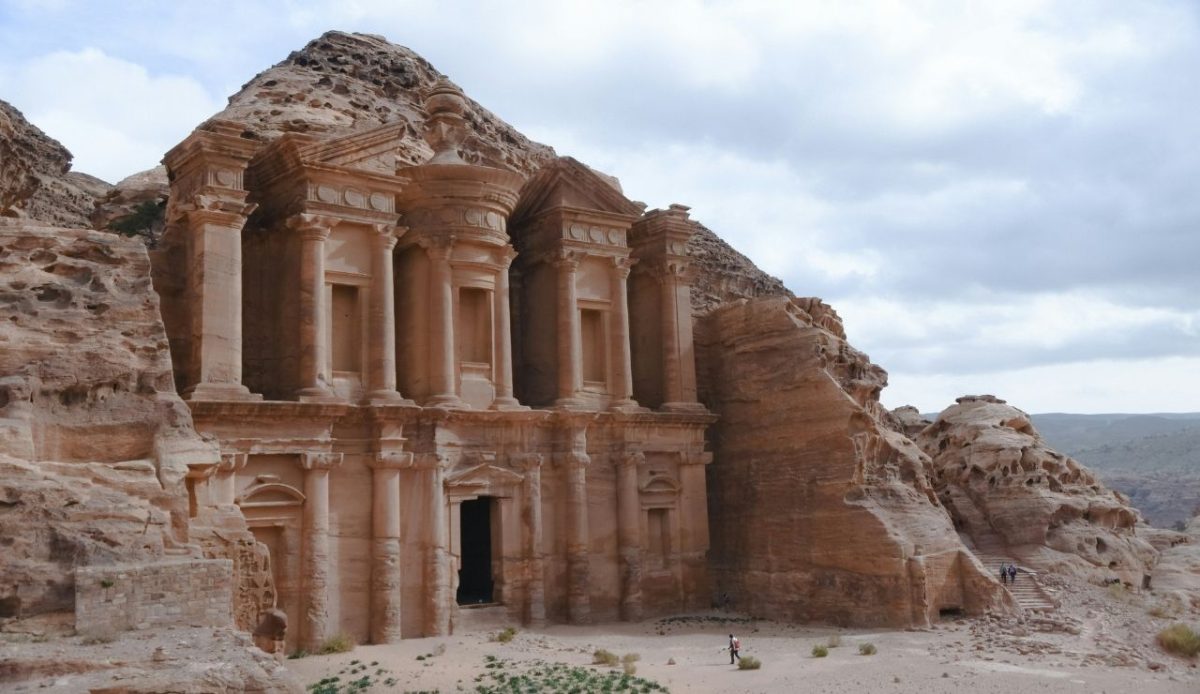
Petra served as the Nabataean capital and a major caravan hub linking Arabia, Egypt, and the Mediterranean. The city’s structures were carved into rose-colored sandstone cliffs, with Al-Khazneh, or the Treasury, as its most recognized façade. Beyond the main entrance known as the Siq, visitors find temples, tombs, and a Roman-style theater. Excavations reveal advanced water systems and trade infrastructure that sustained tens of thousands of residents. Preservation teams continue to stabilize cliff walls affected by erosion. Early morning visits show the most balanced light and cooler conditions for walking.
2. Wadi Rum, Jordan: Protected Valley of Sandstone and Dunes
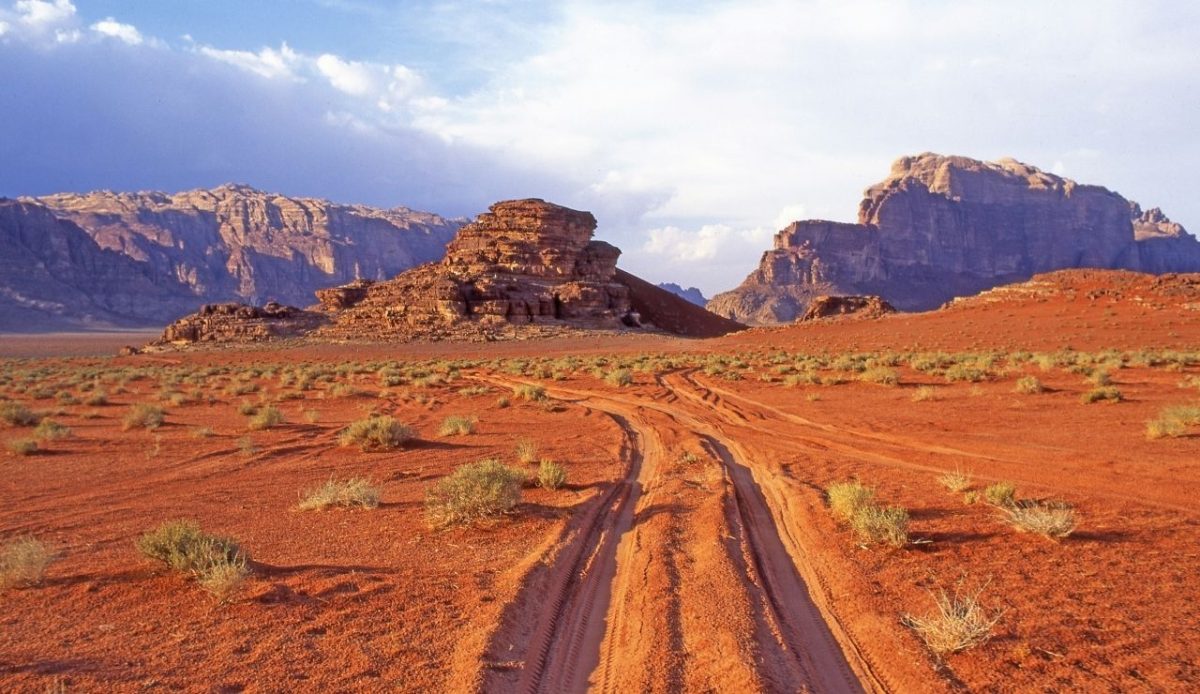
If wide horizons and silence appeal to you, Wadi Rum presents sandstone plateaus and dunes stretching over 280 square miles. The Bedouin communities living here manage eco-camps, camel rides, and guided vehicle routes. Petroglyphs on the cliffs record human activity dating back 12,000 years. The protected area includes peaks such as Jebel Umm Ad Dami, Jordan’s highest mountain, which climbers can reach with local guides. Clear night skies make it a popular astronomy location. Authorities monitor tourism through permits that support conservation and provide income for resident tribes.
3. Persepolis, Iran: Achaemenid Empire’s Ceremonial Capital
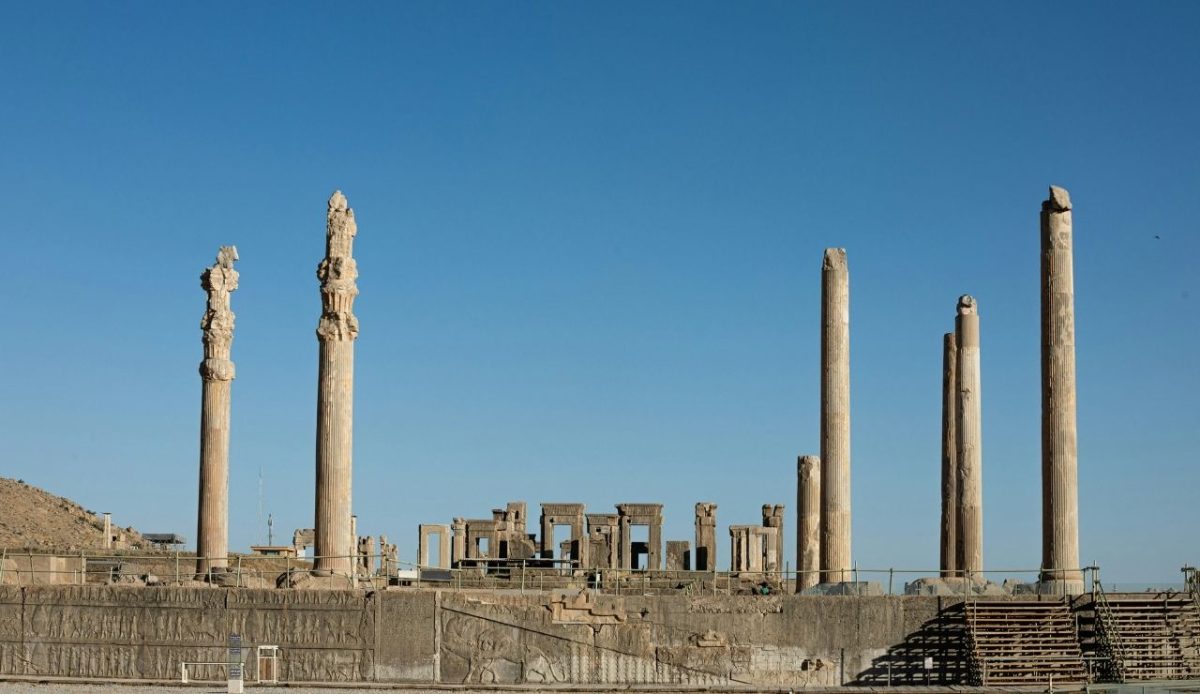
Persepolis near Shiraz served as the ceremonial seat of the Achaemenid Empire beginning in the sixth century BCE. Its monumental terrace holds columned halls, reliefs, and staircases depicting representatives from diverse provinces bearing tribute. Fire and later erosion damaged parts of the site, yet detailed carvings remain intact. Excavations uncovered administrative tablets that document labor payments in silver and grain. Visitors follow mapped routes with protective railings to limit surface wear. A nearby museum displays tools used by craftsmen who built the complex 2,500 years ago.
4. Cappadocia, Türkiye: Volcanic Formations and Underground Cities
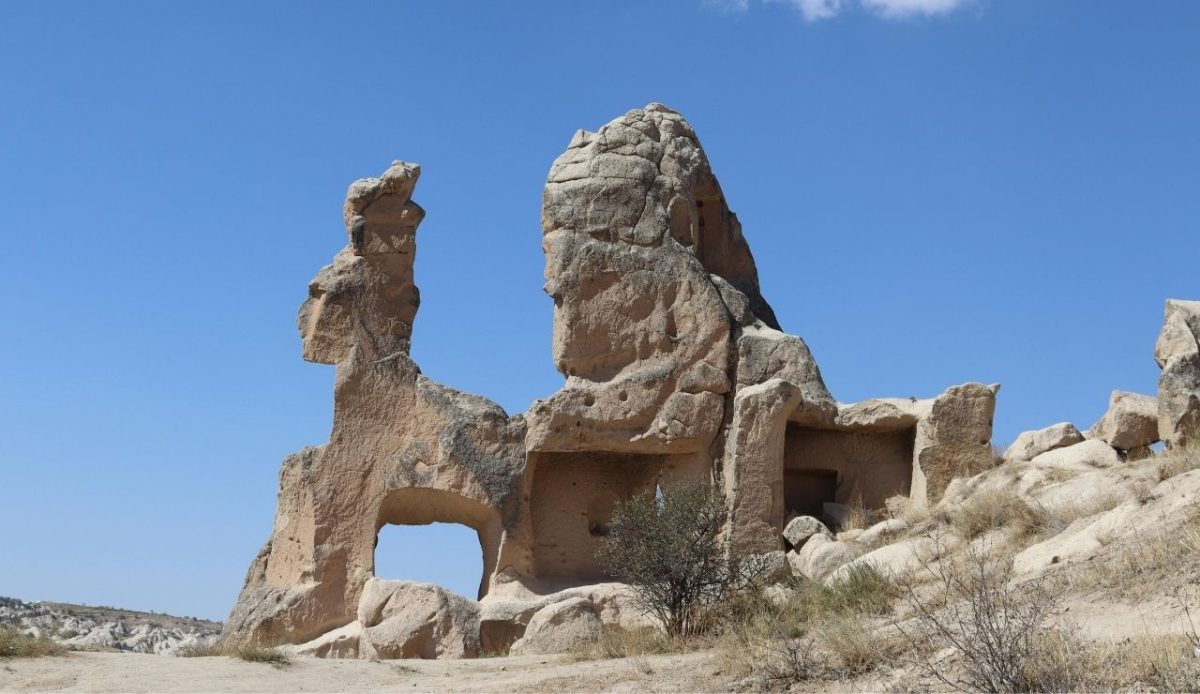
For travelers drawn to unusual geology, Cappadocia features volcanic tuff shaped by centuries of erosion into cone-like formations known as fairy chimneys. Early Christian settlers built cave churches and entire underground cities such as Derinkuyu and Kaymaklı to protect themselves from invasions. The Göreme region, part of a national park, offers walking routes through valleys lined with frescoed chapels. Hot-air balloons provide panoramic views at sunrise, while local cooperatives regulate flight schedules for safety. Guesthouses restored within old caves help sustain rural economies year-round.
5. Socotra Archipelago, Yemen: Endemic Life and Natural Isolation
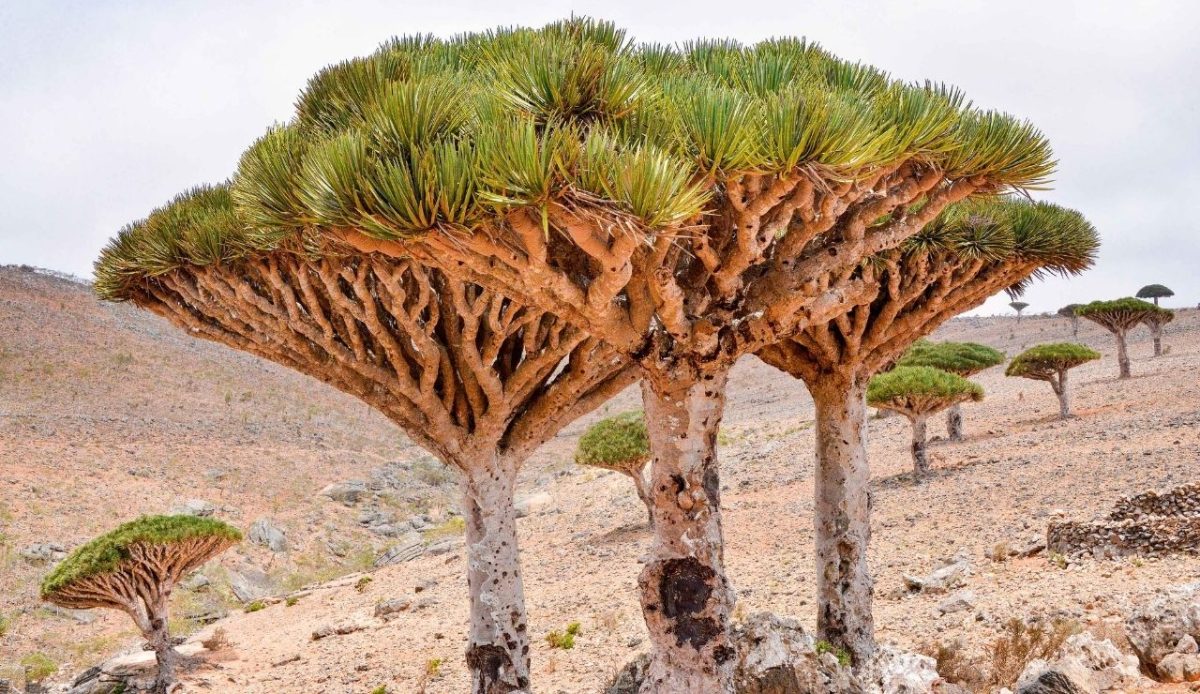
Socotra, located in the Arabian Sea, contains high endemism, with nearly one-third of plant species found nowhere else. The Dragon’s Blood tree and frankincense shrubs dominate its upland zones, while coastal plains support small fishing communities. UNESCO recognized the archipelago as a Natural World Heritage Site in 2008 for its biodiversity and isolation. Limited flights operate from Aden and Abu Dhabi under environmental guidelines that cap visitor numbers. Local projects promote solar power and habitat monitoring to reduce dependence on imported fuel and safeguard fragile ecosystems.
6. Naqsh-e Jahan Square, Iran: Safavid-Era Harmony in Isfahan
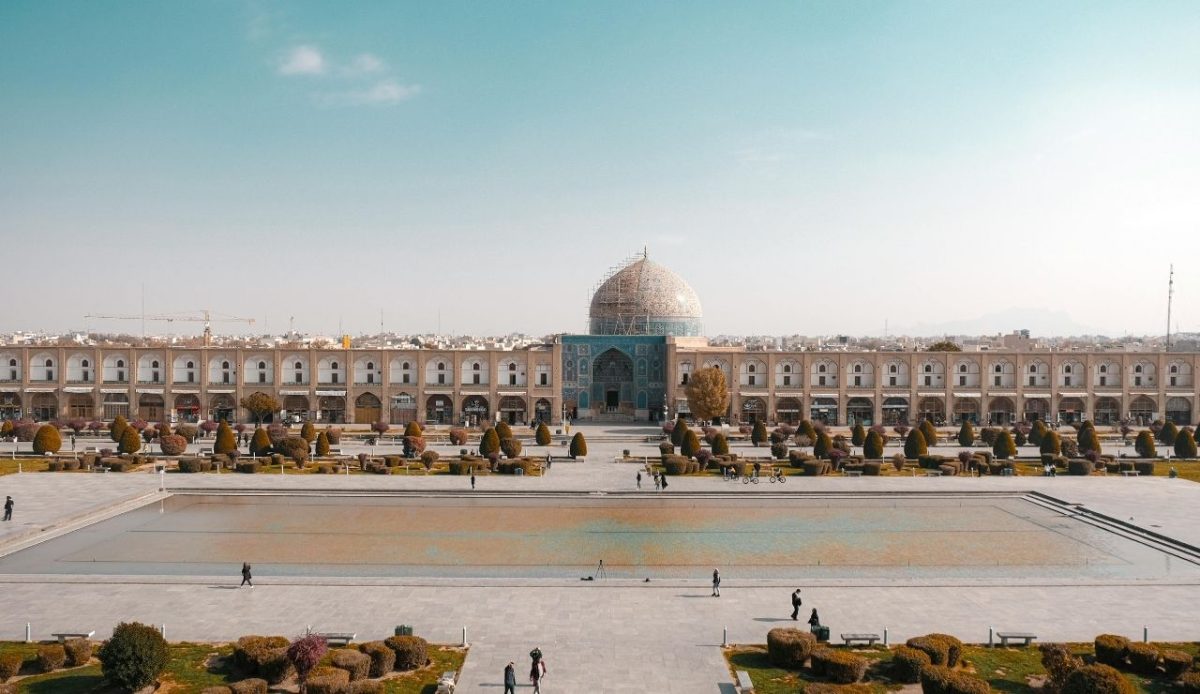
If architecture and symmetry attract you, Naqsh-e Jahan Square in Isfahan exemplifies Persian design from the Safavid era. Built in the early 1600s, it measures over 500 meters in length and integrates mosques, a palace, and arcaded bazaars around a landscaped courtyard. The Shah Mosque and Sheikh Lotfollah Mosque display blue-tile domes and calligraphic inscriptions. Artisans in nearby workshops produce ceramics and metalwork following traditional patterns. Preservation teams monitor tile stability and surface moisture, keeping the site active for daily gatherings and cultural events.
7. Baalbek, Lebanon: Roman Temples in the Bekaa Valley
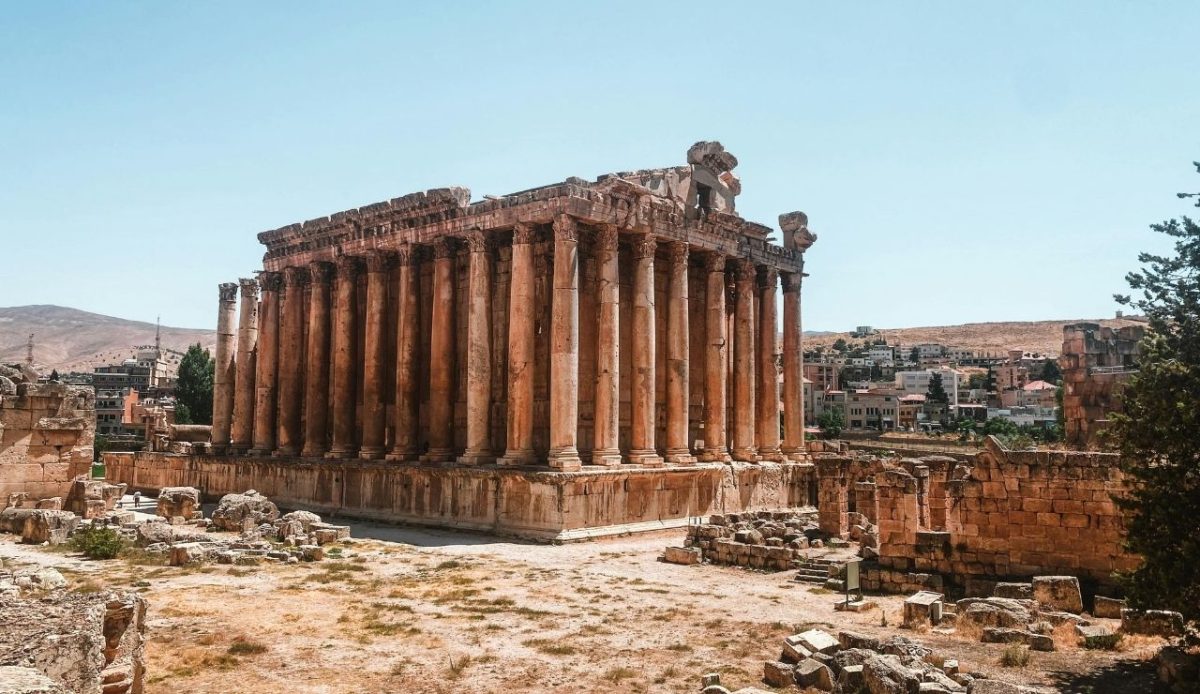
Baalbek in eastern Lebanon contains some of the most complete Roman temple ruins outside Italy. Dedicated to Jupiter, Bacchus, and Venus, the structures rest on massive stone platforms showing advanced engineering for the first century CE. Archaeologists continue restoring columns over 60 feet high while reinforcing foundations damaged by earthquakes. The on-site museum houses inscriptions, coins, and fragments found during excavations. Baalbek also hosts an annual cultural festival that draws orchestras and performers from across the Middle East, keeping the city’s heritage alive through public use.
8. Erbil Citadel, Iraq: Continuous Settlement Over Millennia
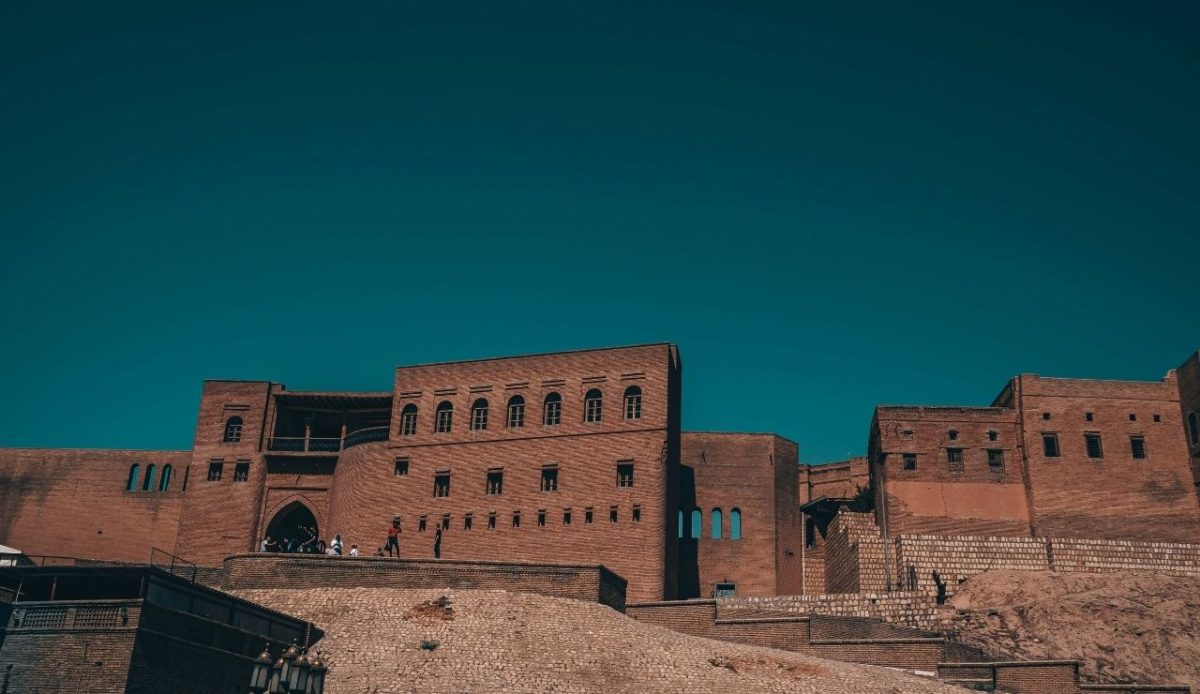
Erbil Citadel occupies a 100-foot-high mound at the center of Erbil and contains evidence of more than 6,000 years of habitation. The site includes restored houses, a mosque, and traditional gates under preservation programs led by UNESCO and the Kurdistan Regional Government. Archaeological layers reveal Assyrian, Abbasid, and Ottoman phases that define northern Iraq’s urban history. The surrounding city supports museums, markets, and cultural centers that explain ongoing research. Elevated pathways give panoramic views across modern Erbil, linking ancient continuity with current regional development.
