
Planning a ski trip often comes down to finding the right mix of snow, terrain, and atmosphere. Some travelers look for steep runs that test their skills, while others prefer wide groomers or family-friendly slopes. The U.S. offers mountains that deliver all of these, along with towns and villages that add their own character to the experience. From high-elevation peaks with long seasons to resorts known for culture and history, each one has something unique to offer. The sections below highlight destinations that stand out for skiers and riders during the winter months.
1. Jackson Hole Mountain Resort, Wyoming
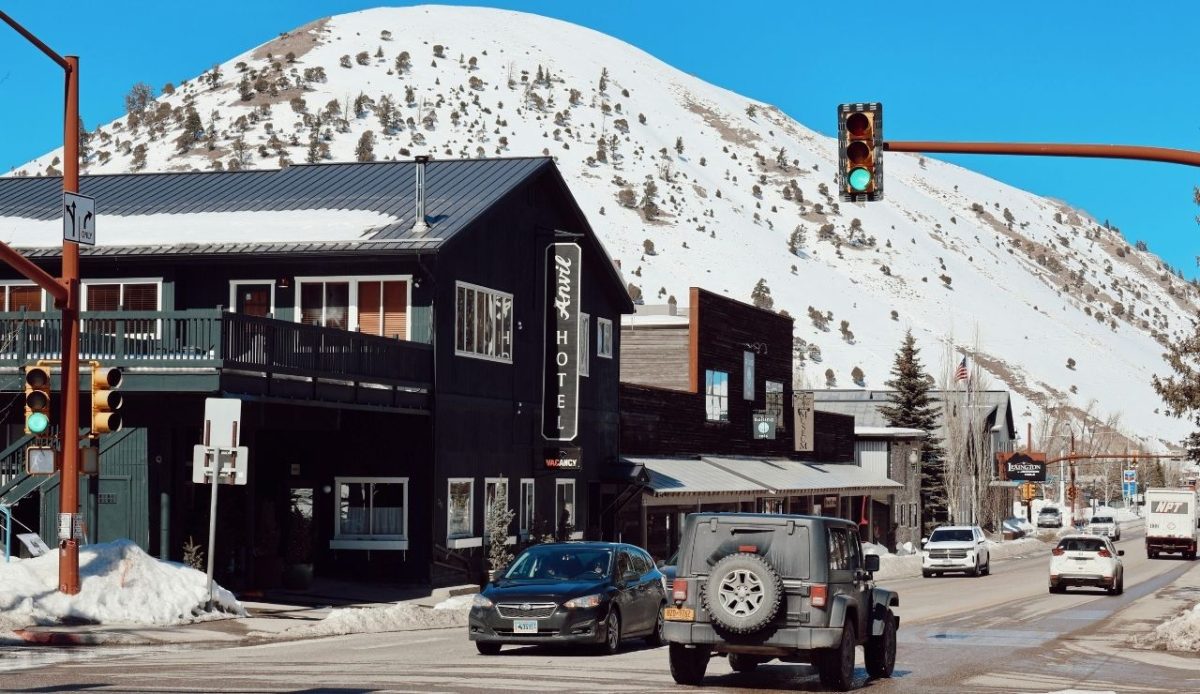
If you are planning to ski where steep terrain meets reliable powder, Jackson Hole is among the top choices. With vertical drops exceeding 4,000 feet and runs like Corbet’s Couloir, it challenges advanced skiers. Intermediates and beginners still find long, scenic trails across the Rendezvous and Après Vous mountains. The resort averages more than 450 inches of snow each year, giving steady conditions through winter. Beyond the slopes, Teton Village offers dining and après-ski options, while the nearby town of Jackson adds art, culture, and wildlife tours. Few U.S. ski areas combine serious terrain, deep snow, and local character as strongly as Jackson Hole.
2. Big Sky Resort, Montana
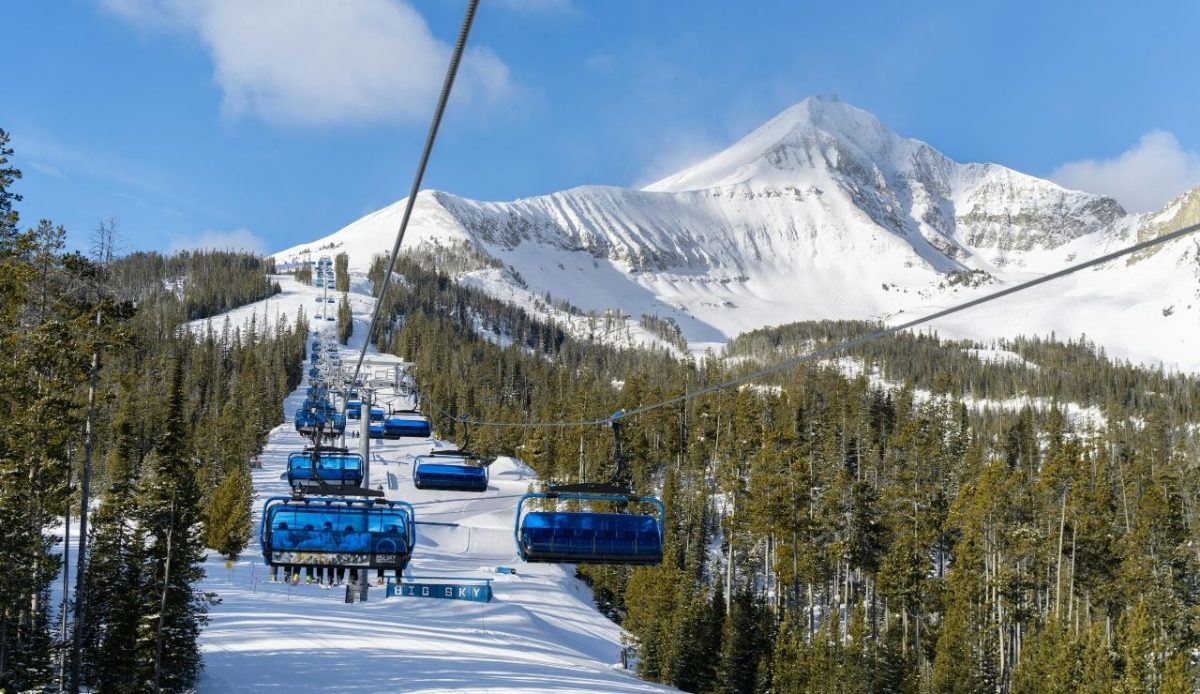
Travelers seeking wide-open space on the slopes often choose Big Sky. With more than 5,800 acres of skiable terrain and one of the country’s largest vertical drops, it provides room for every level of skier. The Lone Peak Tram carries riders to nearly 11,000 feet, where steep chutes and bowls test experienced athletes. Intermediates enjoy long groomed trails, while beginners stay near gentle base areas. Averaging over 400 inches of snow, the mountain maintains consistent conditions. Off the slopes, Big Sky’s village has a growing mix of restaurants and lodging, and Yellowstone National Park lies just an hour away for winter wildlife tours.
3. Snowbird, Utah
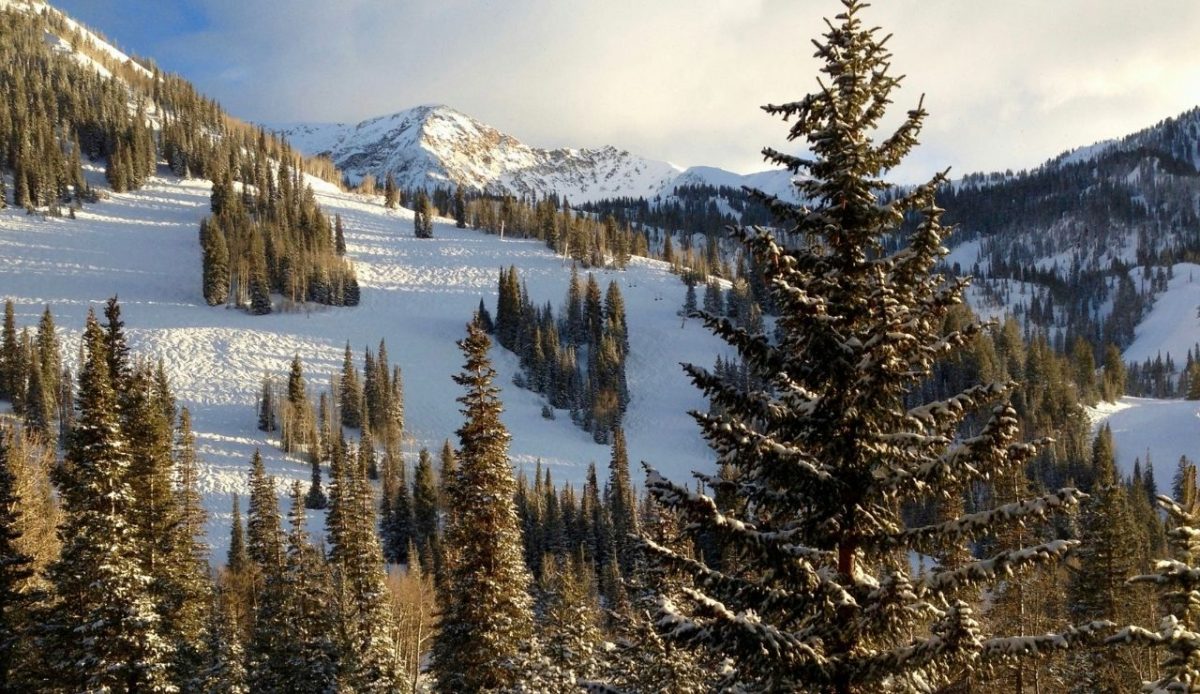
Those chasing deep powder and high alpine terrain find Snowbird a leading choice in Utah. It’s Aerial Tram gains over 3,000 vertical feet in a few minutes, opening bowls and chutes blanketed with more than 500 inches of snow annually. The terrain leans advanced, though intermediates have groomed runs across mid-mountain. For an even larger network, skiers can link to neighboring Alta with a combined pass. The resort’s base village provides modern lodging, dining, and spa services. With its high elevation and long season, Snowbird maintains solid conditions well into spring, making it one of the most reliable winter spots in the West.
4. Alta Ski Area, Utah
For skiers who prefer a mountain focused purely on the sport, Alta remains true to that tradition. Snowboarding is not allowed, and the focus is on alpine skiing across bowls, trees, and steep pitches. Averaging more than 500 inches of dry Utah powder each year, it produces conditions that few places can match. Advanced and intermediate skiers find endless terrain to explore, while beginners have gentler slopes at the base. Alta is smaller than nearby resorts, but its ski culture keeps loyal visitors returning. Its location just outside Salt Lake City also makes it one of the most accessible world-class ski areas.
5. Park City Mountain, Utah
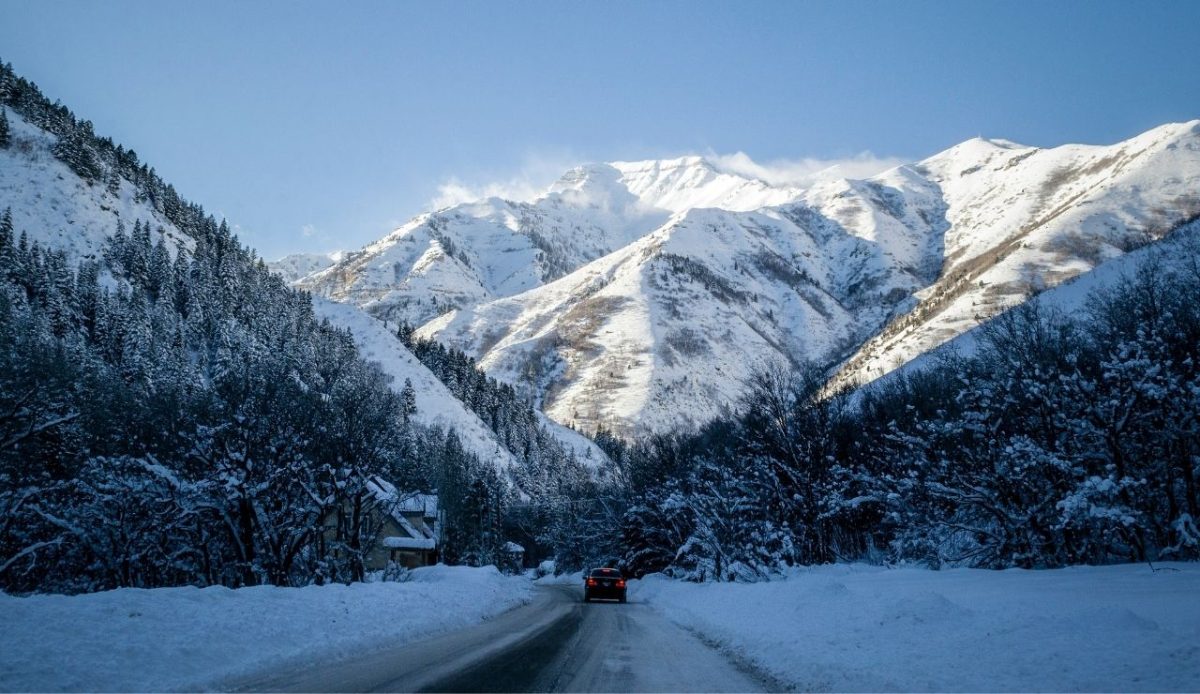
If variety is your goal, Park City Mountain offers more than 7,000 acres of terrain. It connects with Canyons Village, forming one of the largest ski areas in North America. Intermediates enjoy groomed runs, while advanced skiers find bowls, trees, and steeper sections higher up. Park City is also well known for its terrain parks, which attract freestyle riders. The town adds restaurants, shops, and cultural events, including the Sundance Film Festival in January. With reliable snow, wide-ranging trails, and an active base community, Park City is among Utah’s most versatile winter destinations.
6. Sun Valley, Idaho
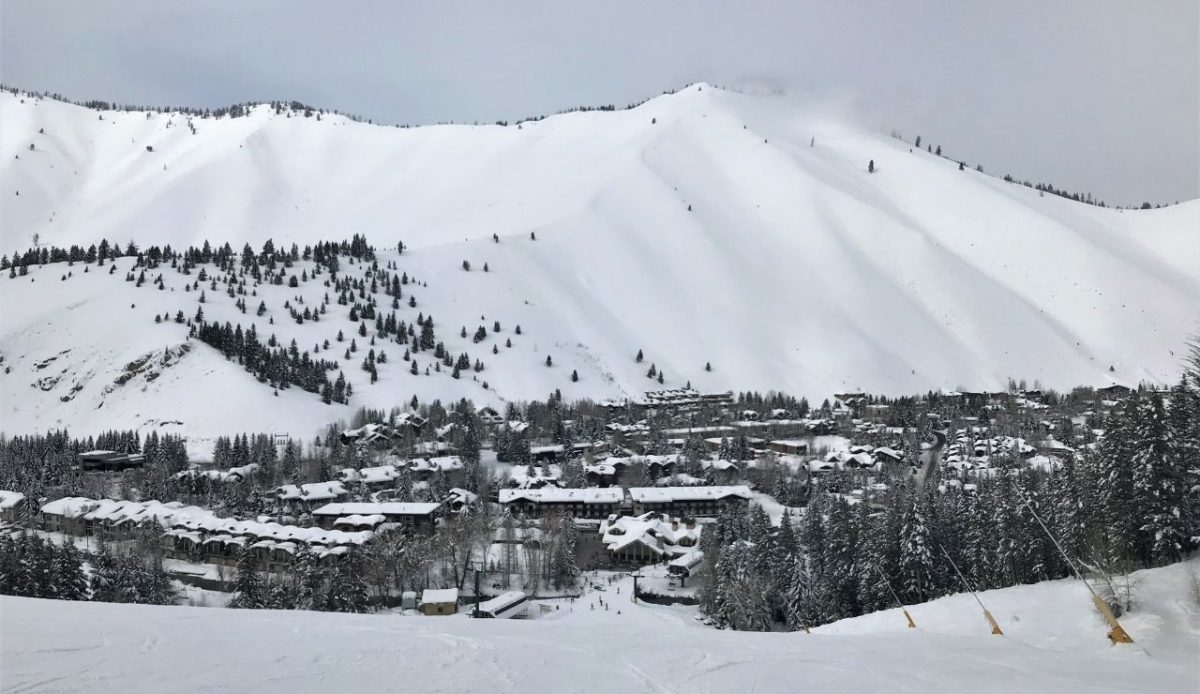
If you want both history and modern skiing, Sun Valley combines both. Known as America’s first destination resort, it set the standard in the 1930s. Today, Bald Mountain and Dollar Mountain provide more than 2,000 acres of trails. Bald offers long, steady pitches for advanced skiers, while Dollar suits beginners and families. Efficient lifts, including high-speed gondolas, keep lines short. The resort averages about 220 inches of snowfall, supported by snowmaking for consistent conditions. Nearby Ketchum adds restaurants and shops, giving visitors a relaxed base. Sun Valley balances heritage with quality skiing.
7. Telluride Ski Resort, Colorado
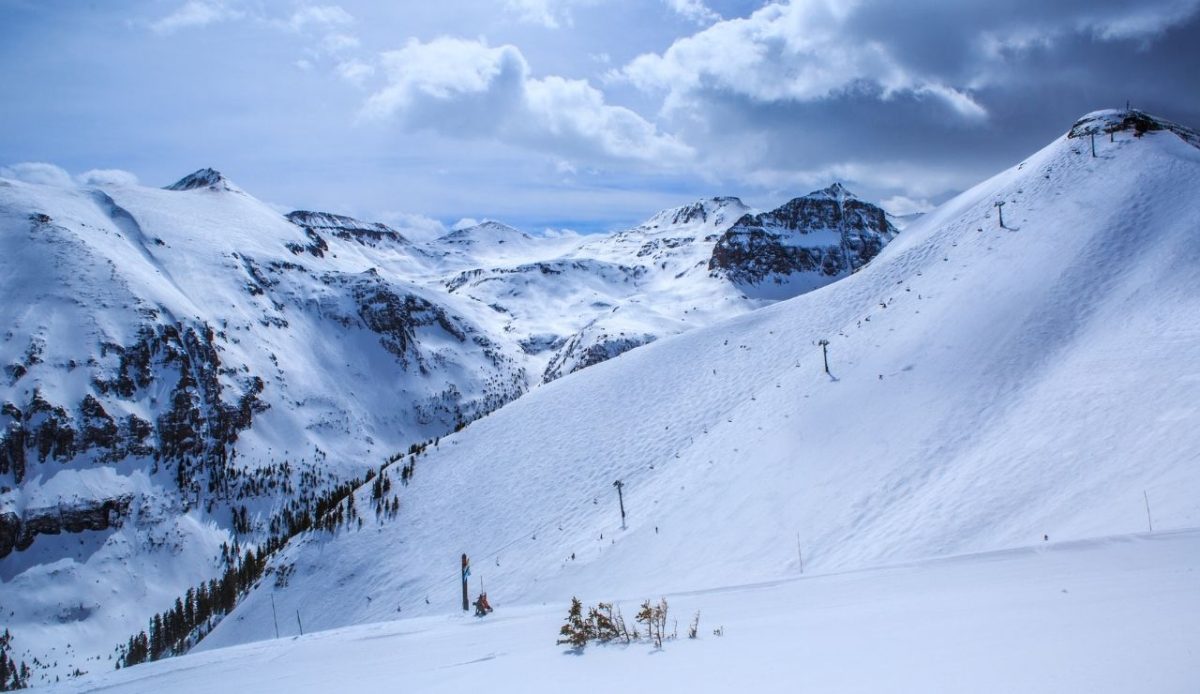
If you want a ski town and mountain closely connected, Telluride provides that link. A free gondola joins the historic town with the resort, creating simple access between both. On the slopes, skiers find over 2,000 acres of varied terrain, with chutes and groomed runs across its peaks. The vertical drop ranks among the highest in North America, drawing advanced skiers, while families and intermediates enjoy balanced trails. With snowfall averaging over 300 inches per year, conditions remain reliable. The surrounding peaks frame the setting, and the town culture makes Telluride one of Colorado’s most distinctive ski areas.
8. Palisades Tahoe, California
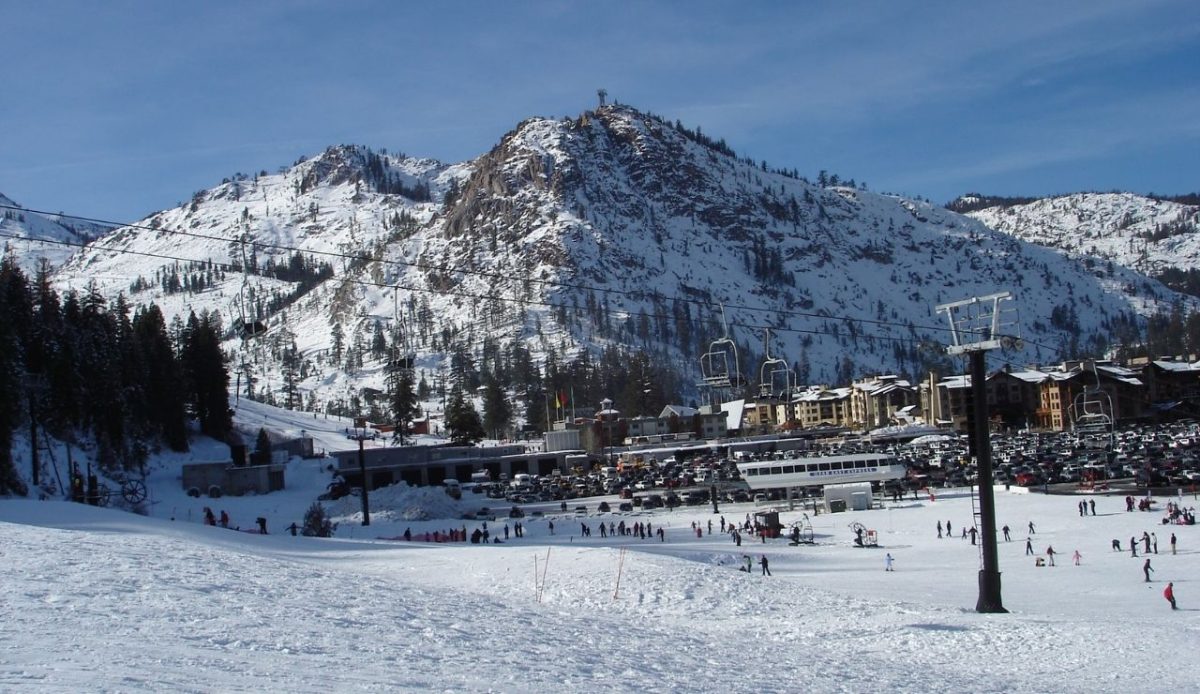
If history matters to your ski trip, Palisades Tahoe combines heritage and variety. It was the site of the 1960 Winter Olympics and now joins two large mountains under one pass. Skiers explore more than 6,000 acres of bowls, steeps, and terrain parks for all levels. Annual snowfall exceeds 400 inches, creating strong coverage through the season. Advanced skiers enjoy technical challenges, while beginners and intermediates use wide groomed runs on lower slopes. The base village has restaurants, shops, and lodging, while Lake Tahoe adds nearby recreation. Palisades Tahoe remains one of California’s most established ski resorts.
