
Buying a second seat can protect comfort and space, yet airlines describe it in scattered policy pages and agent notes. Systems treat the extra seat as blocked inventory, not another traveler, so a small name or ticketing mistake can cause it to be reassigned. Gate teams also verify safety basics like armrest position and belt use, and documentation is expected. It also covers what changes when flights are swapped or oversold, plus how to keep both boarding passes available on a phone or printout during airport checks and boarding scans, especially when kiosks fail, or agents must reissue passes at the counter quickly.
1. Book It As An Extra Seat Record, Not A Second Person
Many carriers require the second seat to be booked as an extra seat record, often with an EXST-style name, rather than as a separate person. When it is entered as a normal passenger, the reservation can be split, the seat map can refresh, and the empty seat may be released during schedule updates. Call or chat after purchase to confirm the extra seat is linked to your main ticket and that two boarding passes will be issued for the traveler. Ask that both seats share the same record locator, include your loyalty number, and show adjacent seat assignments. Save screenshots of the seat map in case the app redraws it on travel day.
2. Safety Language Controls How Staff Handle It
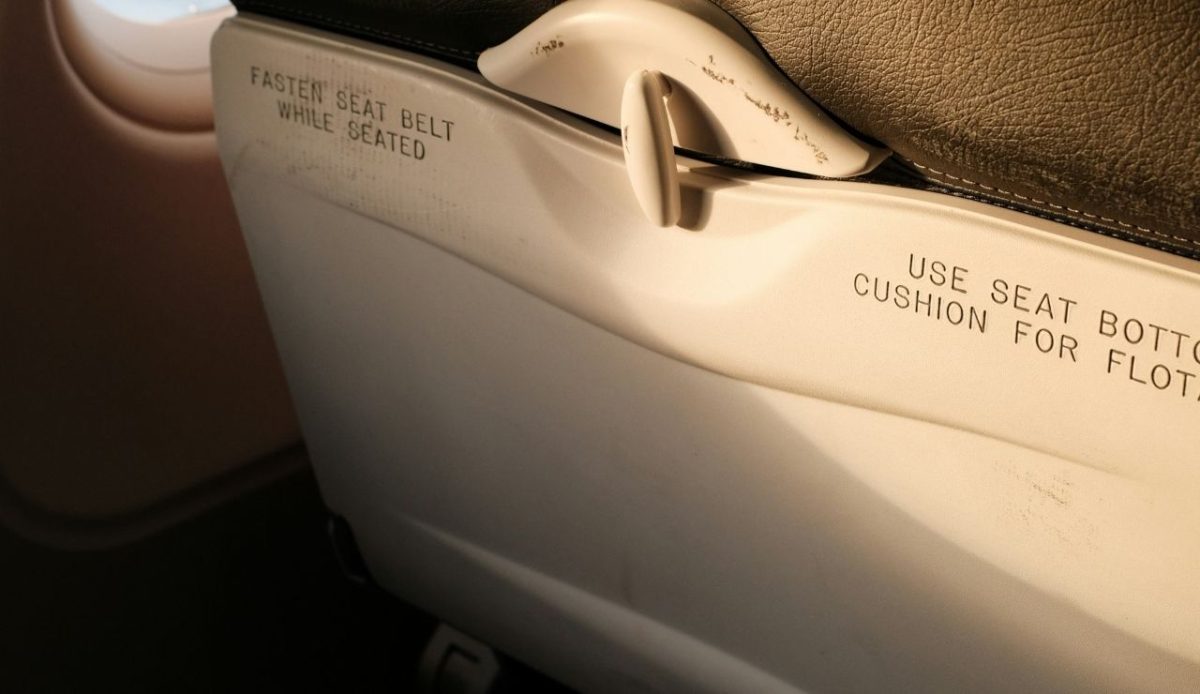
Airline policies tend to be written around safety checks, so staff may confirm that the belt can be fastened and that armrests can be lowered. Even with two seats paid, these points can be noted because evacuation standards must be met, and aisle access must remain clear. If an extender is needed, request an airline-provided one on board, since personal extenders are often refused. Some carriers add a service remark so the crew and gate team see the setup. Arrive early so questions are handled quietly before boarding. Keep both seat numbers handy, and avoid shifting seats during taxi or takeoff if the crew asks you to stay put.
3. Refunds Depend On Code, Fare Rules, And Channel
Refund expectations are where travelers get burned. Some airlines treat the second seat as a purchase that is refundable only after travel, and only if the ticket was issued under the correct extra seat code. Others treat it like any regular fare, meaning change fees, credits, or no refund rules can apply. Before paying, read the carrier page for extra seats and the fare rules for both tickets. Keep receipts and request any refund through the airline channel listed for refunds, not the airport desk. If a segment is operated by a partner or booked through a third party, limits may apply, so confirm who controls the refund.
4. Seat Fees And Aircraft Swaps Can Split The Pair
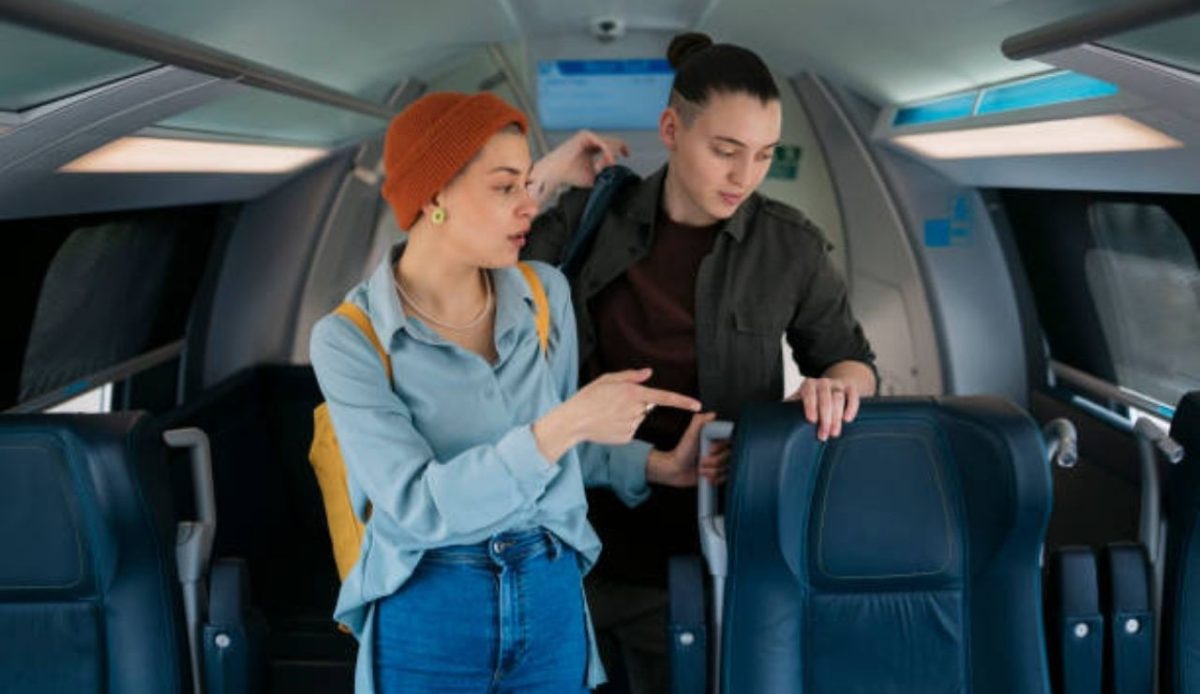
Seat selection can quietly break the plan. If you pay for preferred seats, each seat may carry its own fee, and those add-ons are often tied to a specific flight. When an aircraft swap happens, assignments can be shifted, and the extra seat may land apart from you unless an agent reconnects them. Choose two adjacent seats that do not include an exit row unless you meet all requirements, and avoid bulkheads where fixed armrests reduce width. After any schedule change notice, recheck the seat map that day. Save the confirmation email that lists both seats, since it can be shown if the airport system shows one seat at the counter.
5. Check In Tools May Fail, So Get Two Passes Printed
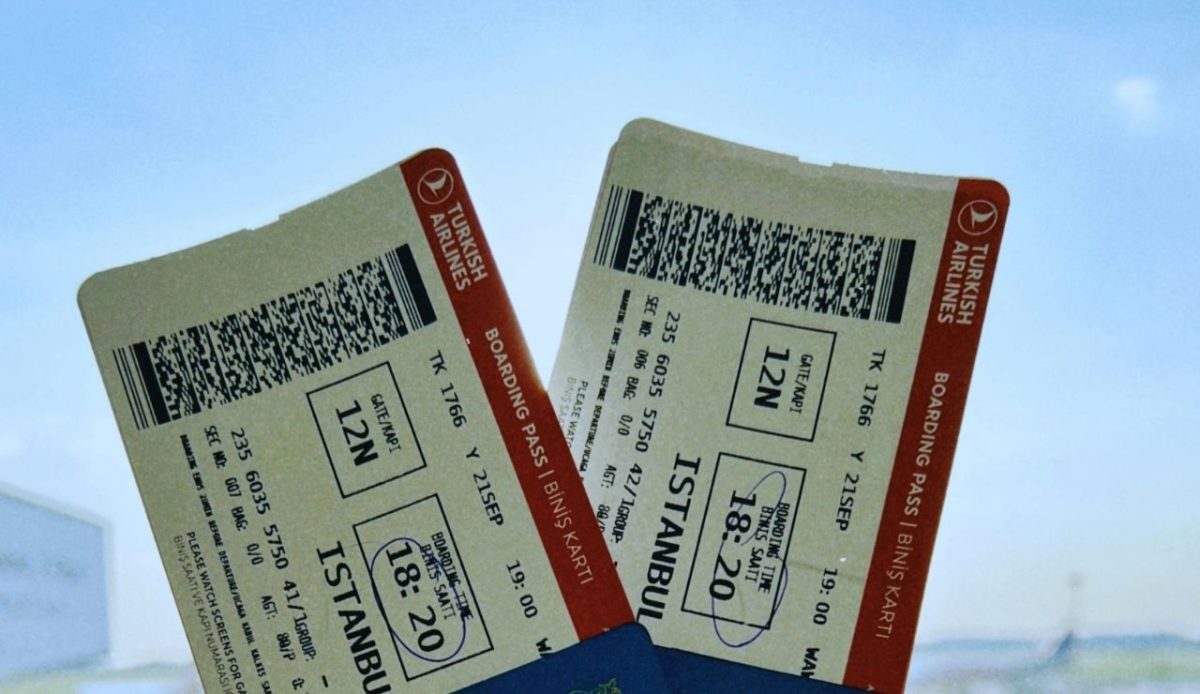
Online check-in may not recognize an extra seat the same way it recognizes a person, so a kiosk or app can show an error for one of the passes. If that happens, do not cancel and rebook on your own, since the seat block can be lost. Instead, check in at the counter and ask that both boarding passes be printed. Carry both passes to the gate and scan them in the order the agent requests. Once onboard, place a small item on the extra seat only if the crew agrees, since rules on occupied seats vary by carrier. If you preboard, note the extra seat briefly and move aside to let the line flow, so the scan does not stall during a rush.
6. Rebooking And Upgrades Can Drop The Extra Seat
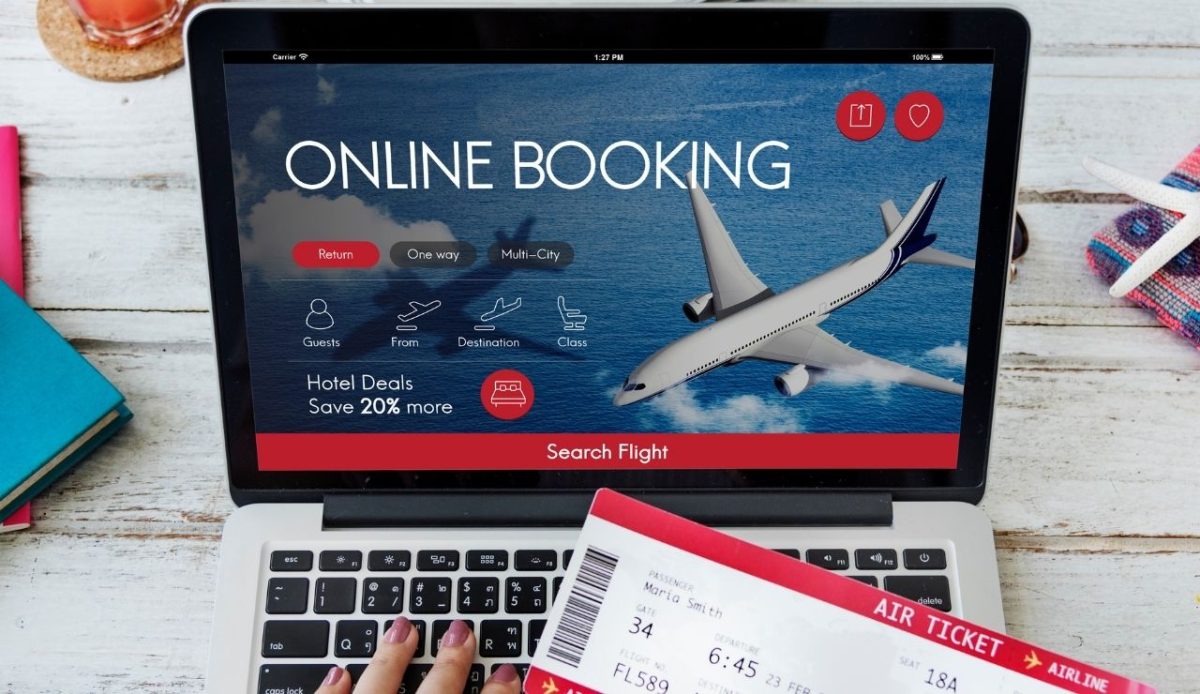
Disruptions are when a second seat is most likely to be challenged. During oversales, an empty seat can look available if the extra seat code is missing. If you are rebooked, confirm that both seats are moved to the flight before you leave the desk, since one ticket can transfer while the other is left behind. Avoid standby unless an agent confirms the extra seat will stay paired with you. If an upgrade is offered, ask whether the extra seat can be added or whether it will be refunded and released. Save a chat transcript so the record can be rebuilt fast. At boarding, check that both passes show seat numbers before scanning.
7. Seat Location Choices: Decide How Useful It Feels
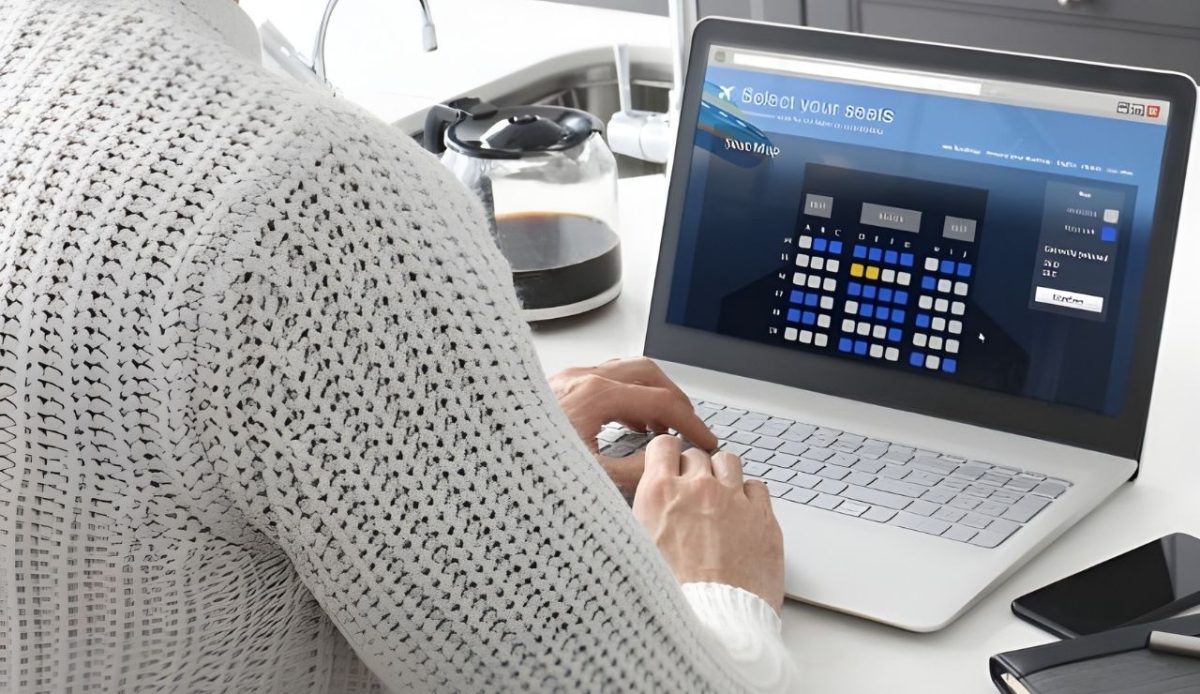
A second seat works best when it is placed where movement is easier. A window and middle pairing can widen personal space without blocking aisle access for others. On narrow jets, pick rows with movable armrests between the seats, since some planes have solid armrests that limit width. If traveling with medical gear or bulky winter coats, mention the extra seat at the gate so questions are settled once. After takeoff, keep the extra seat clear during turbulence, since loose bags can be treated as hazards. Booking direct and avoiding restrictive fares can help keep both seats together when changes are made.
