
Chinese neighborhoods across the United States grew from early merchant districts and labor settlements during railroad construction and mining periods. Families built stores, schools, and cultural groups that helped new arrivals adjust, learn English, and stay connected to shared customs. These districts later gained restaurants, grocery markets, and community associations that still operate today. Visitors can walk through historic streets, visit temples and cultural centers, and try regional food styles that represent Cantonese, Sichuan, Taiwanese, and northern cooking. Each area offers a practical look at everyday life, business traditions, and long-standing community support systems.
1. San Francisco, California
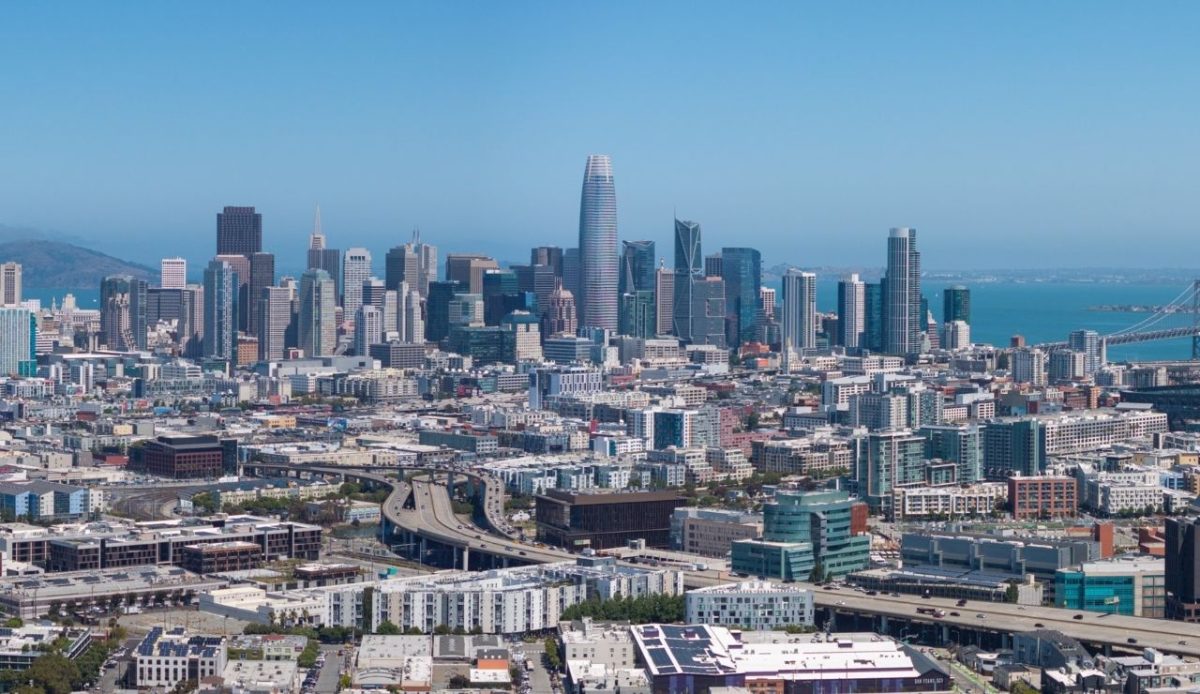
San Francisco has the oldest established Chinatown in the country. It started during the Gold Rush era and later grew through railroad labor networks and community associations. Visitors today can see the Dragon Gate and enter streets lined with dim sum places, herbal shops, and grocery markets. Restaurants prepare roasted duck, steamed buns, and noodle dishes familiar across Cantonese cooking. The Chinese Historical Society Museum explains immigration history and local advocacy efforts. Public squares host language lessons and senior activities, while gift shops and bakeries support steady foot traffic from families, office workers, and weekend tourists.
2. Manhattan, New York
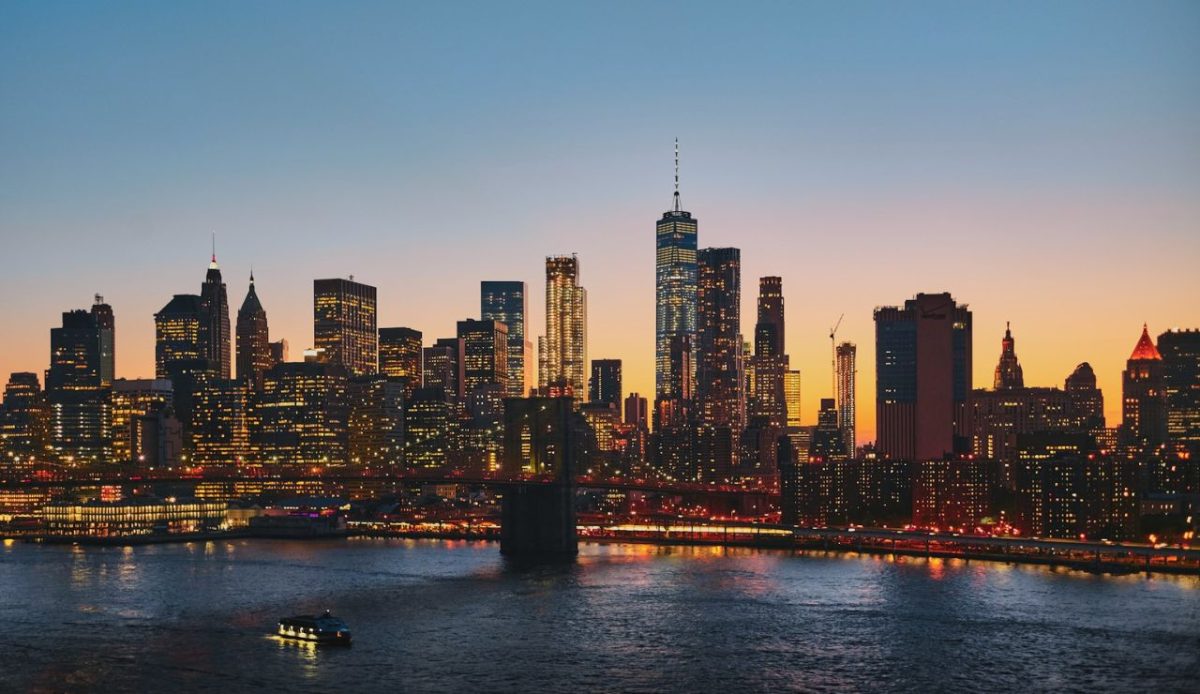
This Chinatown sits around Mott, Bayard, and Canal Streets and functions as a busy residential and commercial area. Stores sell produce, dried seafood, teas, and bakery items such as sponge cakes and buns. Roast meat shops display whole ducks and pork, and small noodle houses serve bowls with greens, beef, or wontons. Seniors meet in parks for cards and morning exercises, and cultural centers organize festivals and public programs. Supermarkets carry imported sauces, tofu, and fresh noodles that supply both restaurants and home cooks. Foot traffic stays heavy, and the neighborhood remains important to immigrant families and local workers.
3. Flushing, Queens, New York
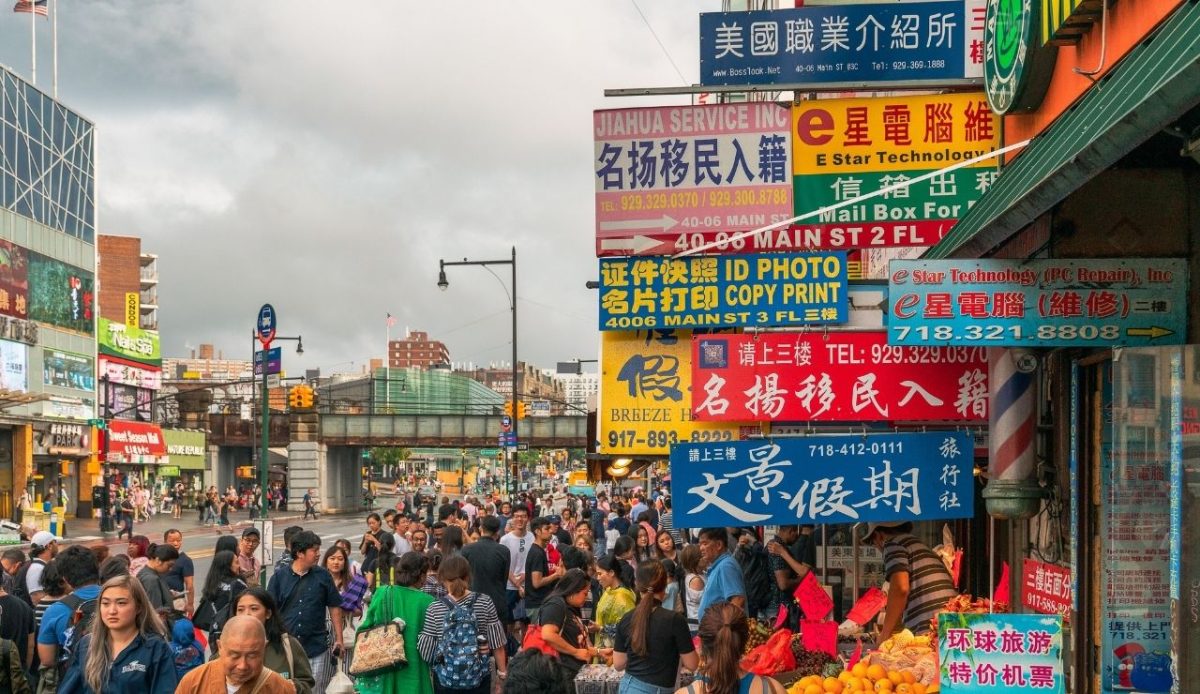
Flushing serves as a major center for Chinese and broader Asian communities in New York. Crowded food courts offer dumplings, hand-pulled noodles, rice plates, and Taiwanese snacks. Bubble tea shops, bakeries, and hot pot restaurants fill main avenues and side streets. Grocery stores stock leafy greens, spices, soy products, and frozen dumplings that support home cooking. The neighborhood includes language schools, medical clinics, and banks that cater to immigrant needs. Subway and bus routes bring steady traffic from students, office workers, and families. Cultural groups host holiday events, while small businesses help keep regional food traditions active.
4. San Diego, California
San Diego’s historic Chinatown reached its height during the late nineteenth and early twentieth centuries. The area now forms part of the Asian Pacific neighborhood and includes restored buildings, cultural markers, and museum exhibits. The San Diego Chinese Historical Museum presents information about sailors, rail workers, and early shop owners. Nearby streets hold cafes, gift stores, and markets that carry sauces, teas, snacks, and produce for home cooking. Lantern decor and community events appear during major holidays. Student groups, tourists, and local families visit for history tours and small dining spots that reflect long-standing heritage.
5. Los Angeles, California
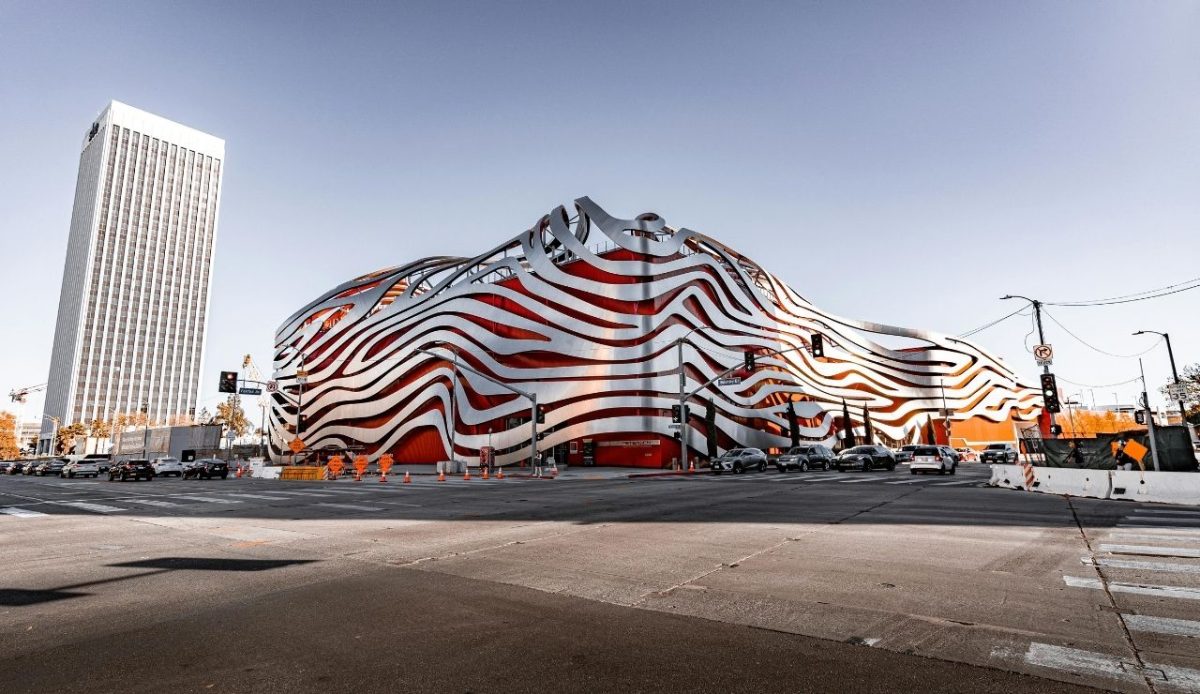
Los Angeles Chinatown combines historic storefronts with newer restaurants and grocery markets. Central Plaza includes statues, shops, and cultural displays, while nearby streets offer dim sum, noodles, and Cantonese barbecue. The Chinese American Museum presents information about early arrivals and local civic efforts. Art galleries and small cafes appeal to younger residents, and traditional herbal shops remain part of the retail mix. Families visit weekend markets for greens, fruit, and buns. Older associations based on hometown ties still operate meeting rooms and support services. The area continues to serve both long-term residents and new business owners.
6. Monterey Park, California
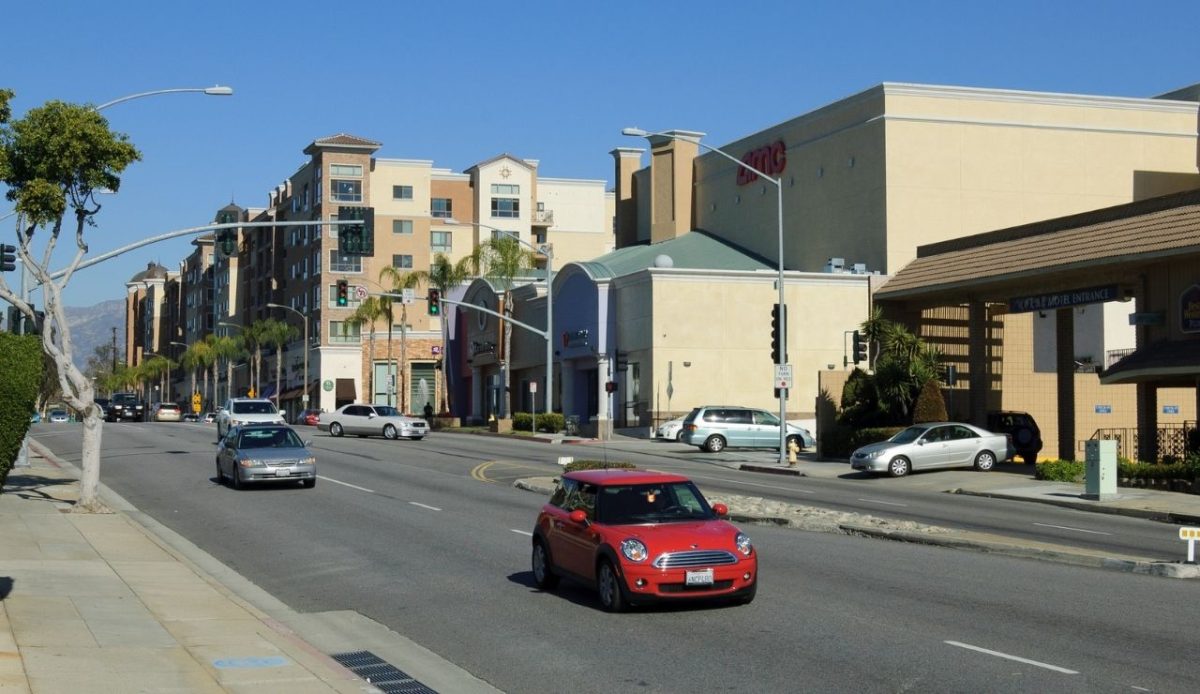
Monterey Park gained attention as one of the first suburban areas in the United States where Chinese families built a strong community outside a traditional urban core. Restaurants serve Cantonese seafood meals, Taiwanese breakfast plates, and family-style dinners that draw steady local crowds. Grocery stores carry sauces, tofu, rice noodles, bakery bread, and fresh greens that supply home cooks. The neighborhood includes medical offices, banks, schools, and civic groups that provide language support and business services. Parks host senior exercise groups and weekend family meetups, and community centers organize holiday programs and business workshops that help new owners get started.
7. Boston, Massachusetts

Boston’s Chinatown is compact but active, located near the downtown area and surrounded by transit access, housing, and office buildings. Dim sum restaurants, noodle spots, and bakeries serve regular foot traffic from students, nearby workers, and longtime residents. Grocers stock leafy greens, seafood, tofu, and pantry staples used in daily cooking. Health clinics, social service groups, and cultural programs help support immigrant families and seniors. Gateways mark key entrances, and street murals share family and labor history. New housing pressures remain a concern, so neighborhood groups hold meetings and events to maintain cultural programs and protect community space.
8. Philadelphia, Pennsylvania
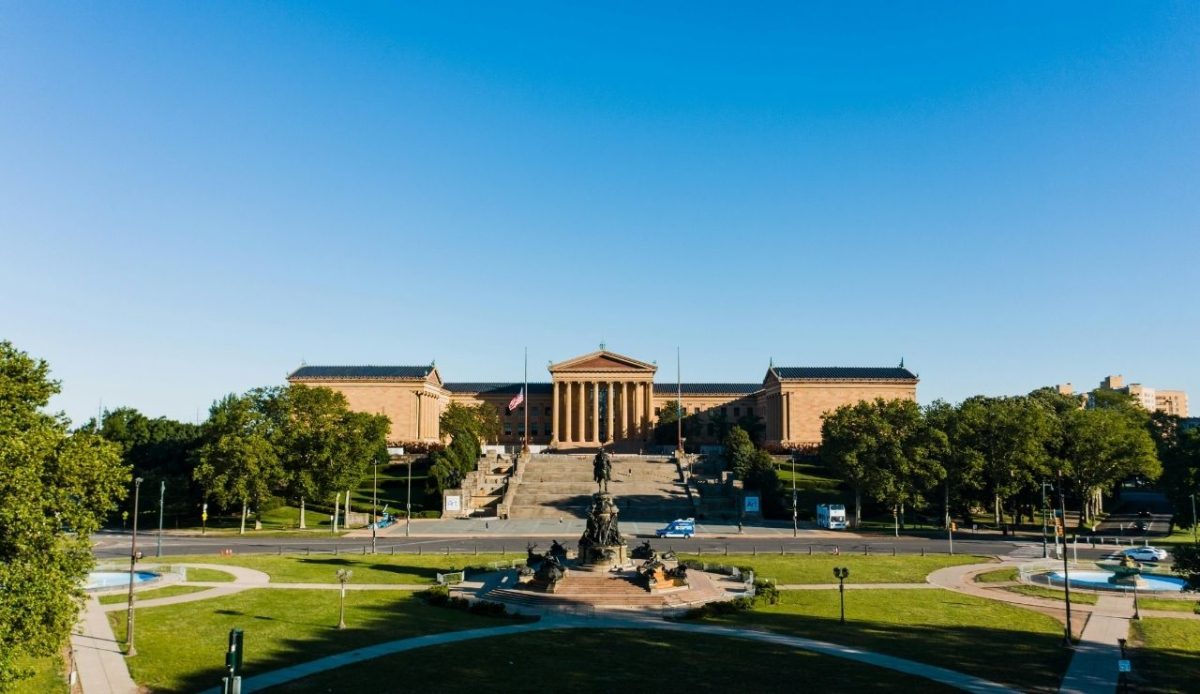
Philadelphia’s Chinatown stretches around Vine Street and Market Street with grocery stores, barbecue counters, bakeries, and bubble tea shops. Restaurants prepare dumplings, hot soups, and stir-fried noodles that serve both residents and visitors. Community groups played a large part in preventing highway construction that would have cut through the neighborhood decades ago, and local advocates continue to monitor city planning. Cultural centers host dance classes, youth tutoring programs, and holiday festivals. Markets sell fresh produce, herbs, and pantry items that support daily cooking. The district remains important for immigrant families, small businesses, and cultural preservation.
9. Chicago, Illinois
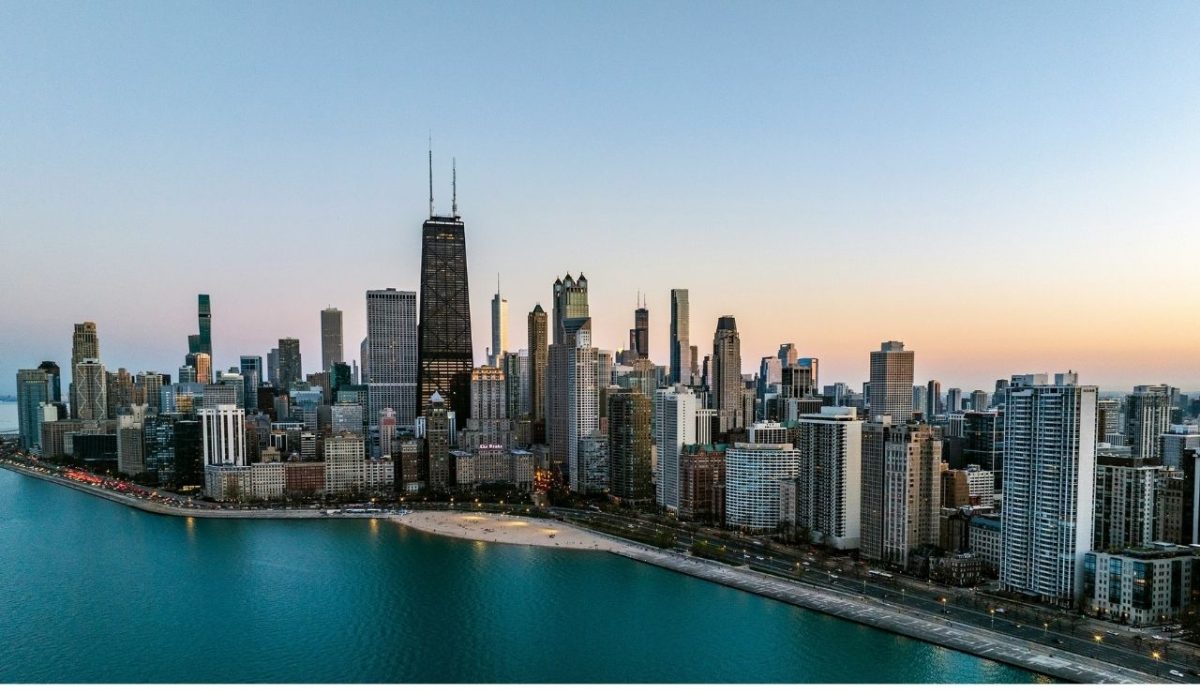
Chicago Chinatown sits along Wentworth Avenue and features a large entry gate, grocery markets, herbal shops, and restaurants offering dumplings, rice dishes, and Cantonese barbecue. Public plazas host seniors playing games and families gathering after school. Tourists often walk the main streets, but the area remains a residential hub with banks, clinics, and language schools that serve local needs. Murals and statues share community history, and parks nearby give space for youth sports and school groups. Newer development continues south of the main commercial strip, expanding housing and retail while keeping cultural centers active.
10. Seattle, Washington
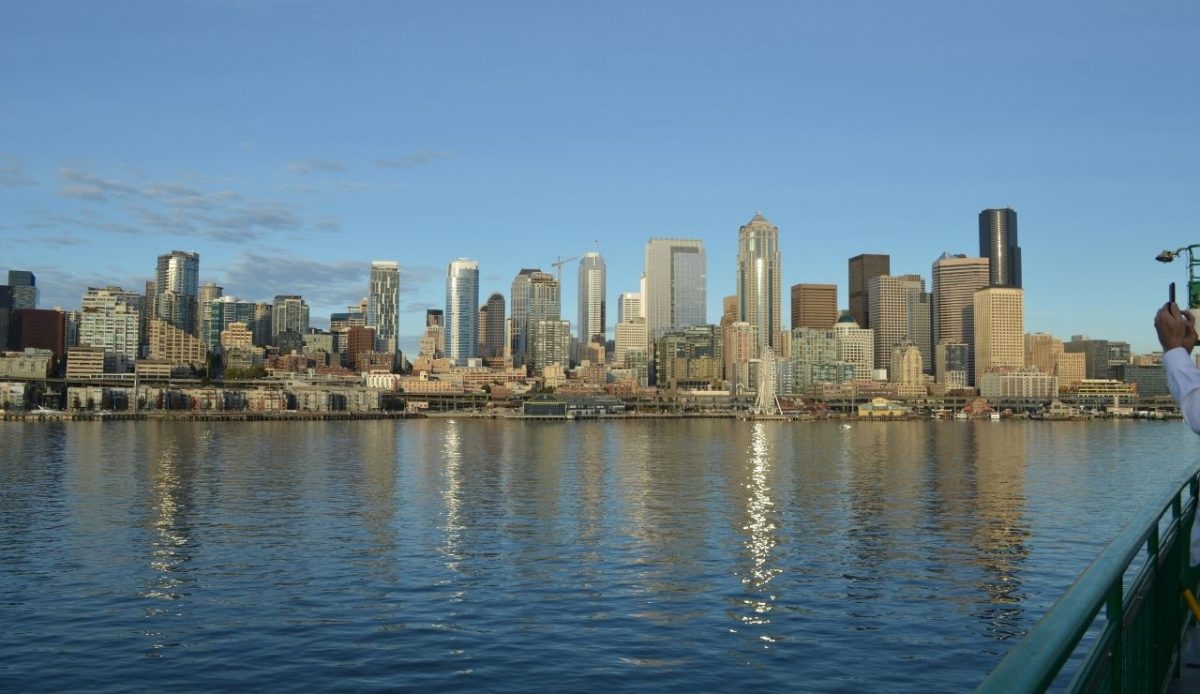
Seattle’s Chinatown sits within the city’s International District alongside Japanese and Filipino heritage sites. Dim sum halls, bakeries, and barbecue counters stay active during lunch hours, and small grocery stores sell dried noodles, sauces, and produce for home cooking. The Wing Luke Museum provides historical exhibits about immigration, work in canneries and rail yards, and local activism. Community organizations offer senior services, youth programs, and language classes. Transit stations keep the district busy, and parks host tai chi groups and weekend events. The neighborhood plays a central role in preserving Asian American history in the Pacific Northwest.
11. Portland, Oregon
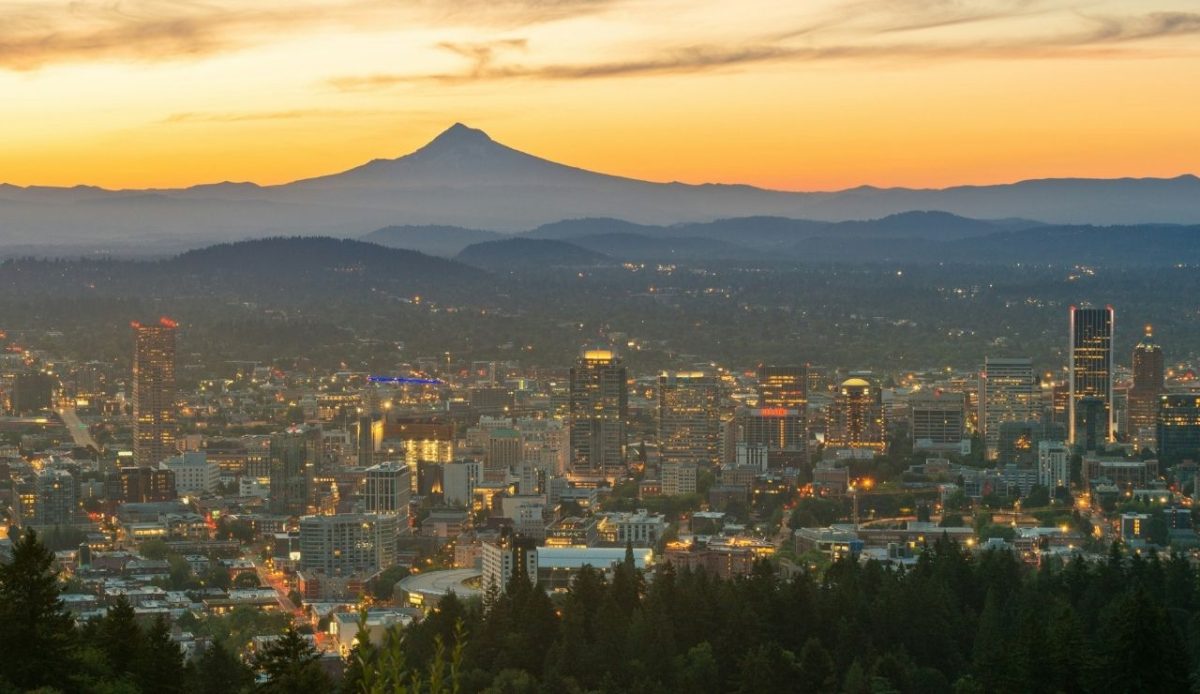
Portland’s Chinatown began as a center for laborers and merchants in the late nineteenth century. While the district is smaller today than in its peak years, it remains important for heritage events and community history. The Lan Su Chinese Garden gives visitors a quiet setting to learn about architecture and traditional garden design supported by Portland’s sister city in China. Streets around the garden carry murals and plaques that outline early settlement and business life. Community groups host seasonal celebrations, language activities, and cultural workshops. Restaurants and small shops serve noodles, buns, teas, and pantry supplies that support daily routines and tourism.
12. Honolulu, Hawaii
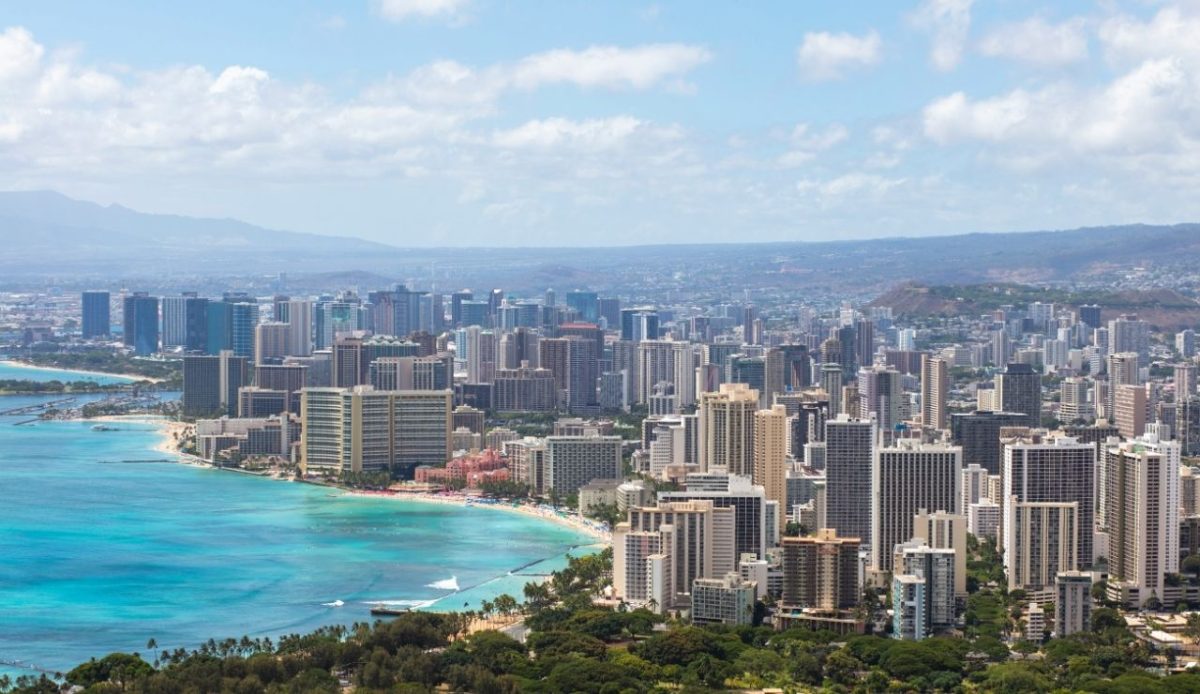
Honolulu’s Chinatown sits near downtown and blends Chinese heritage with island influences. Open markets sell local produce, seafood, tofu, noodles, and bakery items that reflect both Cantonese cooking and Hawaiian ingredients. Temples and historic buildings stand close to grocery stores, lei shops, and family-run cafes. Lunch counters offer rice plates, roast meats, and stir fry dishes at a steady pace for workers and residents. Murals and plaques highlight early immigration tied to sugar plantations and business hubs. Cultural programs include music, history tours, and Lunar New Year celebrations that draw large family crowds and student groups.
13. Oakland, California
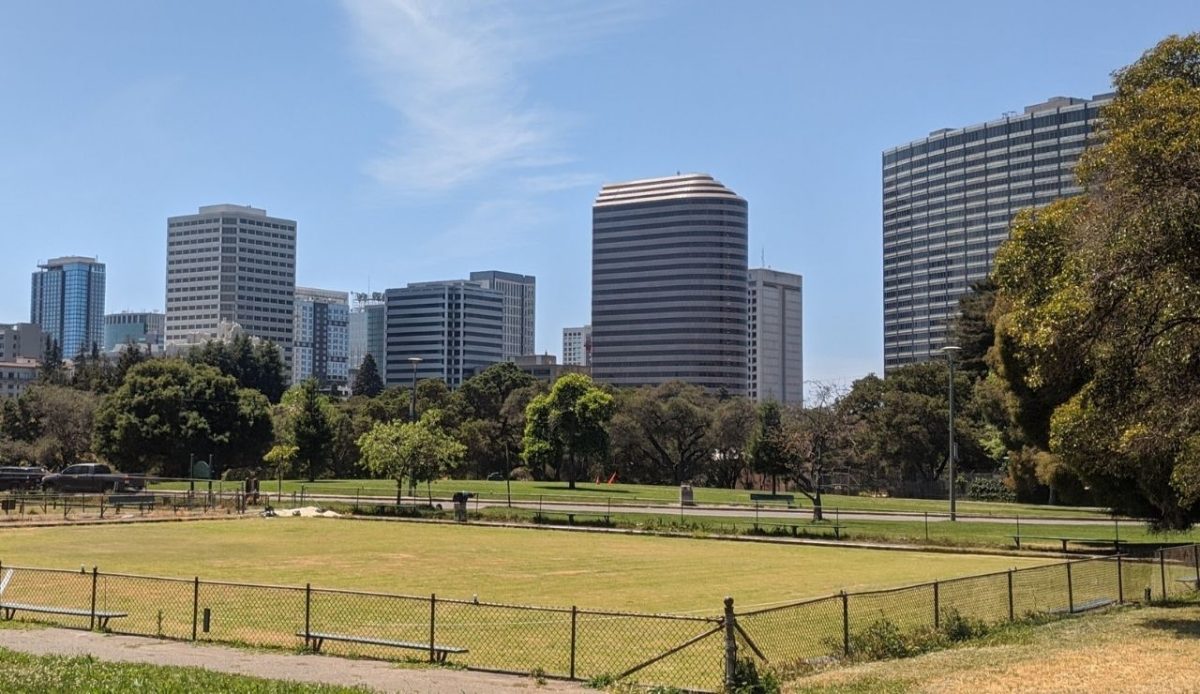
Oakland’s Chinatown formed during railroad and shipping expansion, giving early arrivals access to work, trade networks, and family support. Today, the district includes grocery stores with greens, tofu, and pantry sauces, plus bakeries and noodle houses that serve takeout lines throughout the week. Clinics, banks, and community centers operate in the area, offering services in multiple languages. Senior activity rooms help older residents stay connected through games and social gatherings. Youth groups and school programs highlight cultural education, dance classes, and tutoring support. Weekend markets bring foot traffic, and murals share worker history and civic contributions.
14. San Jose, California
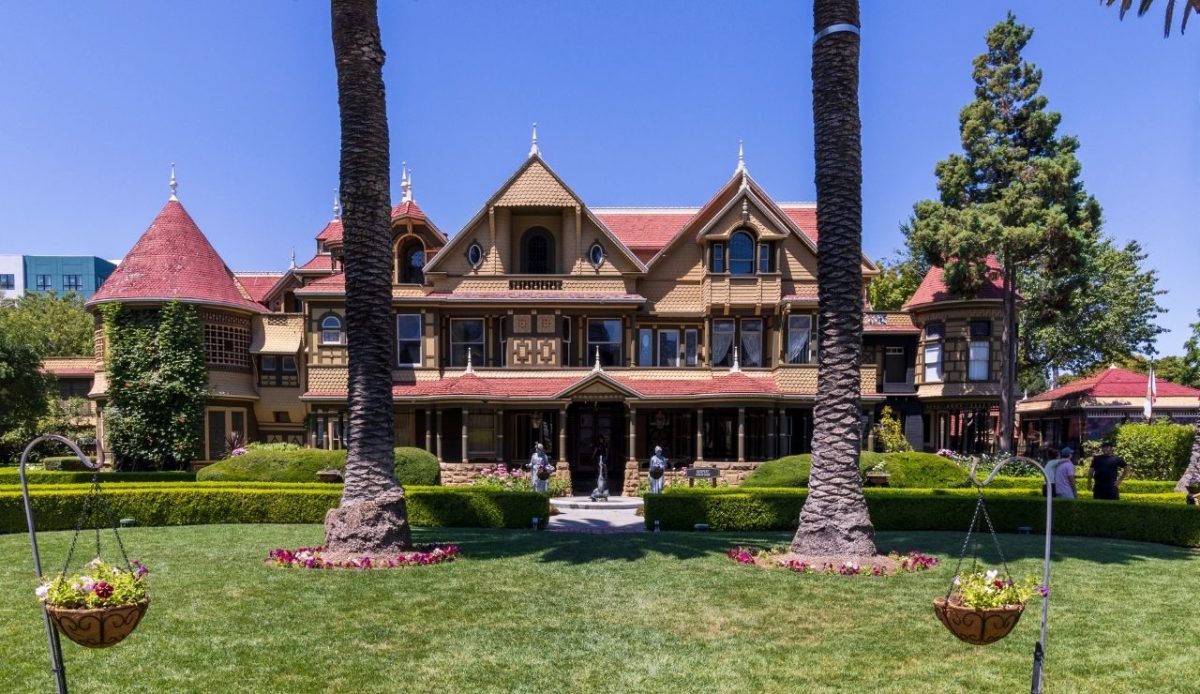
San Jose’s early Chinatown community centered around Heinlenville, an area built after previous neighborhoods faced fires and relocation pressures. Today, the site is remembered through the Chinese American Historical Museum and nearby cultural landmarks. Residential streets and community buildings serve families who maintain language learning, senior support programs, and weekend activities. Restaurants and bakeries in the region offer noodle soups, rice dishes, pastries, and boba drinks. Historical plaques and guided tours explain early business life and civic advocacy. Youth volunteers assist at cultural events, while libraries and schools host seasonal programs and educational displays.
15. Houston, Texas
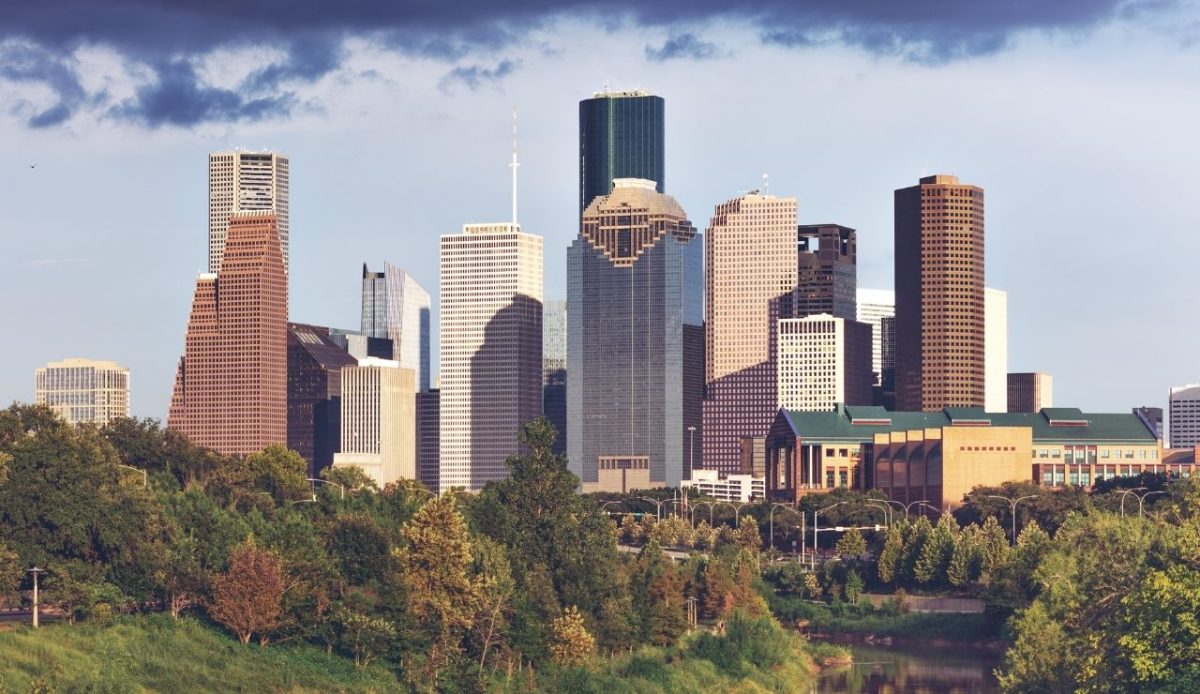
Houston’s Chinese community expanded along Bellaire Boulevard, forming a large district often called Asiatown. The area includes supermarkets with produce, seafood, sauces, tofu, and snacks used in home cooking. Restaurants serve noodle soups, dumplings, Cantonese barbecue, and regional plates that stay busy throughout the week. Clinics, banks, language schools, and cultural associations provide services that support community needs. Tea shops and bakeries bring steady foot traffic, and weekend dining crowds remain high. Public festivals and business fairs take place during major holidays, drawing families and students interested in cultural programs and food traditions.
