
Eastern Ohio is home to many towns that remain apart from larger growth. Most trace their roots to farming, coal mining, or river trade during the 1800s. These places are small in scale, with churches, schools, and community events providing structure. Winding roads, wooded hills, and deep valleys keep them apart from faster travel. Families often remain in the same area for generations, keeping traditions steady. For visitors who look beyond main highways, these towns show how rural Ohio still holds a slower pace of life.
1. Graysville
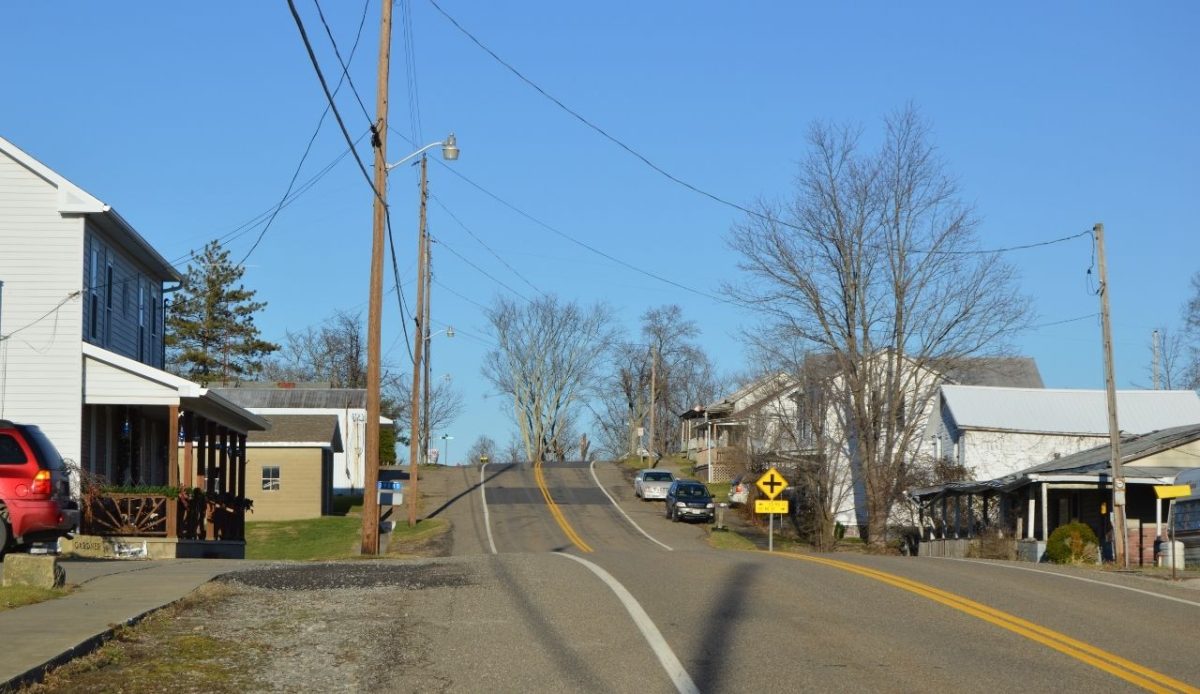
Graysville in Monroe County grew from early farming and coal activity in the 19th century. It remains one of the smallest communities in the region, with only a few homes, churches, and local roads forming its base. Residents often travel to larger towns for daily needs, while Wayne National Forest provides nearby access to trails, campsites, and wildlife areas. Its position far from highways keeps it quiet and little visited. Families who remain value its simple routines. Graysville stands as an example of Ohio’s more hidden rural towns.
2. Jerusalem
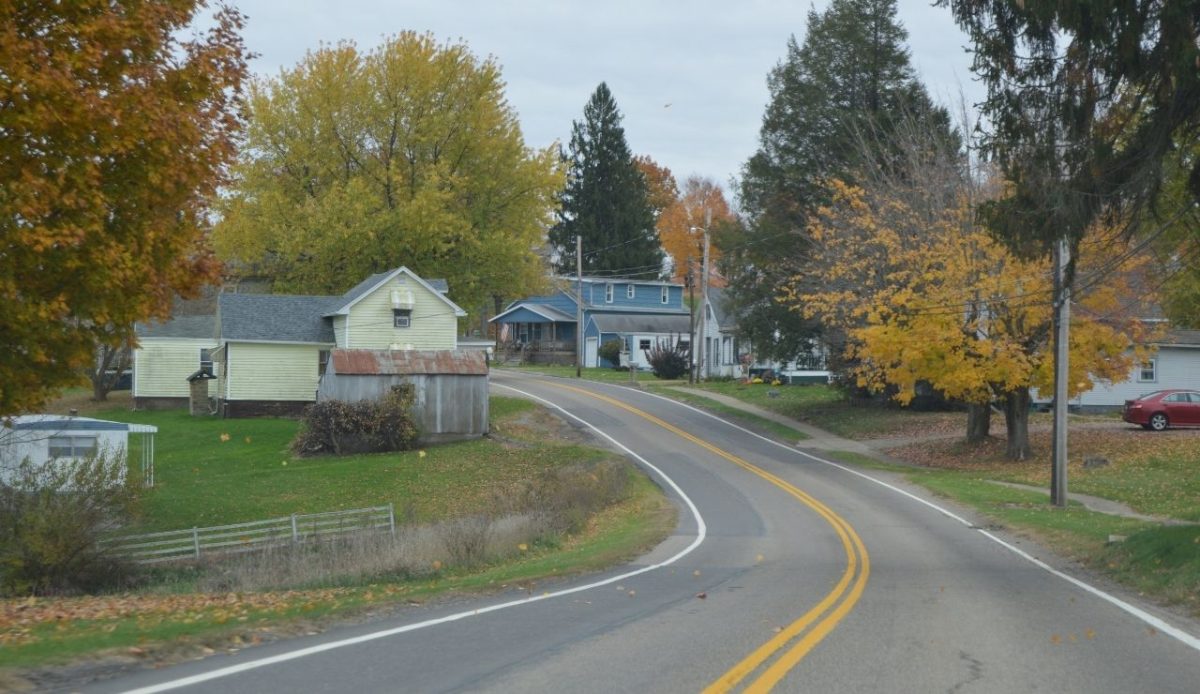
Jerusalem, also in Monroe County, was founded in the early 1800s by settlers who cleared land for farms and built churches. The village today is compact, with modest streets, small services, and places of worship shaping daily life. Farmland and wooded ridges surround the community, creating a quiet setting away from larger development. Lightly traveled roads connect it to nearby towns, yet the pace stays slow. Families with deep roots continue to support the town. Jerusalem remains a reminder of the rural settlements that define this part of Ohio.
3. Beallsville
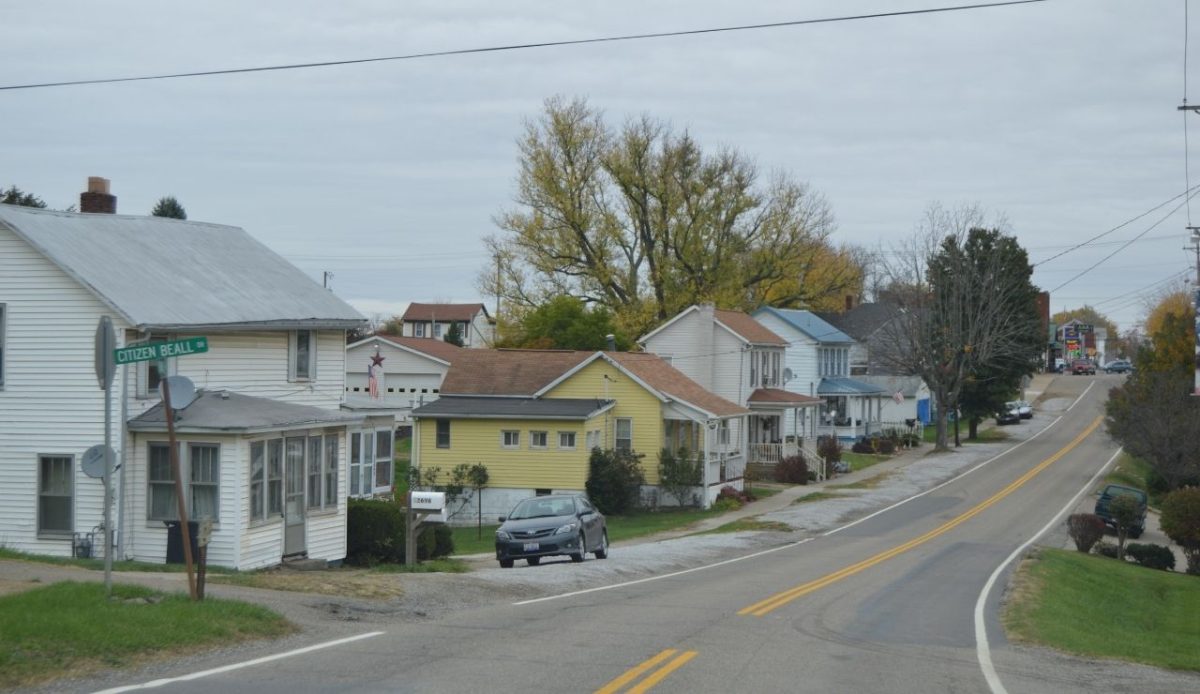
Beallsville, located in Monroe County, has long ties to both farming and coal mining. The village has remained modest in size, with schools, churches, and older homes lining its streets. Ridges and valleys frame the town, keeping it apart from busier areas. Even as industries shifted, Beallsville has held onto its rural identity and traditions. Many families still live here after generations, maintaining strong local connections. Farming and outdoor activity remain part of daily life. Beallsville continues to reflect the steady rhythm of Ohio’s small towns.
4. Stafford
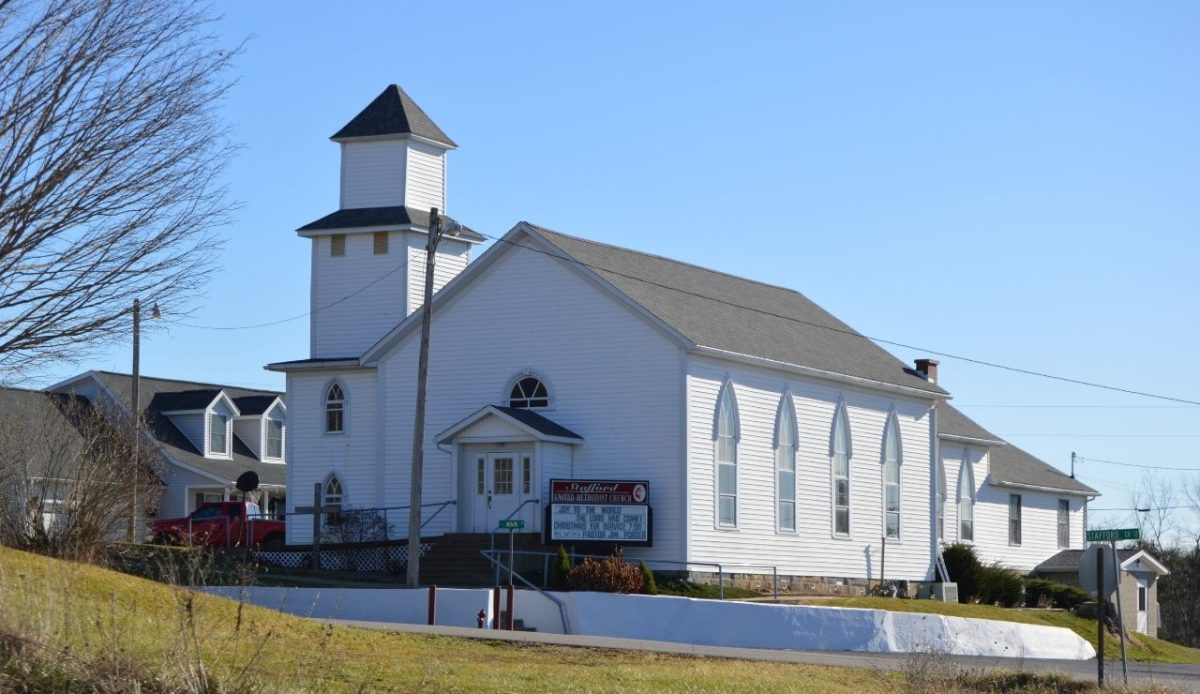
Stafford is a Monroe County village founded in the early 19th century. It gained a place in history for its role in the Underground Railroad, where residents helped people traveling north. The town remains very small, with homes, churches, and a few services making up its center. Surrounding hills and winding country roads add to its separation from larger towns. Families who live here value traditions that connect them to both community and history. Stafford reflects the enduring presence of small Ohio villages where daily life remains steady and quiet.
5. Powhatan Point
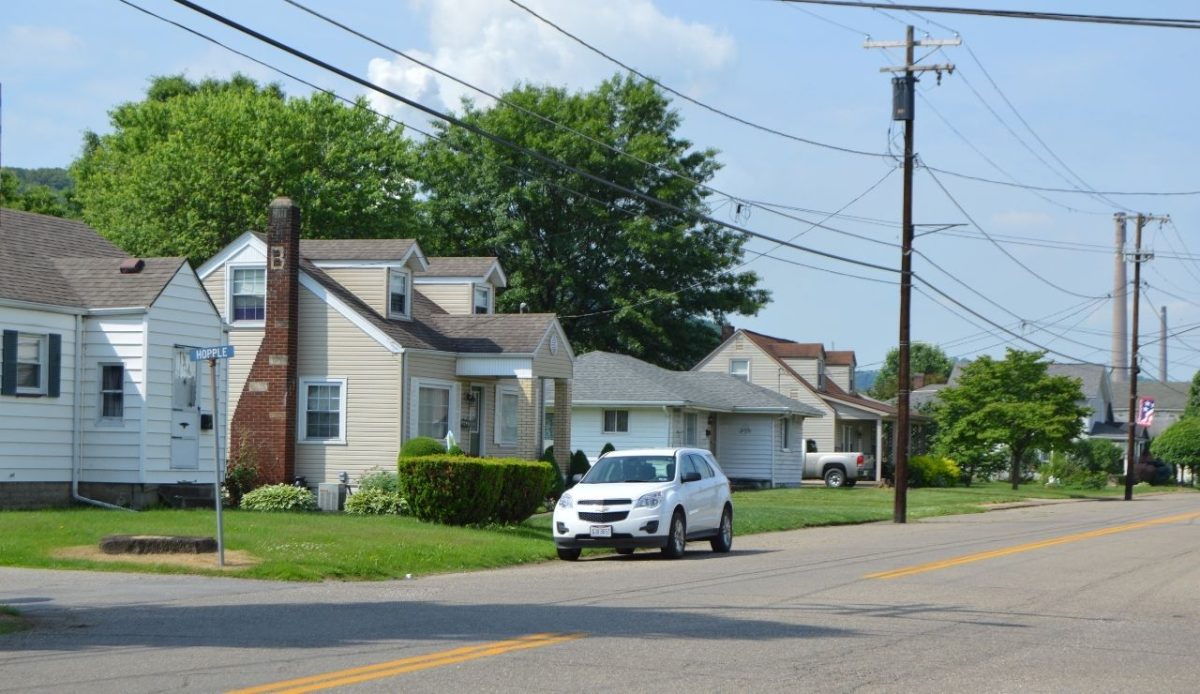
Powhatan Point in Belmont County stands where Captina Creek joins the Ohio River. The town developed with coal mining and river shipping but is now more residential in character. Schools, churches, and small businesses provide local services, while fishing and boating remain common along the water. Hills around the community add to its sense of separation from nearby cities. Its position on the county’s edge has kept growth limited. Powhatan Point continues to reflect the steady life of Ohio’s river communities shaped by industry and water.
6. Bethesda
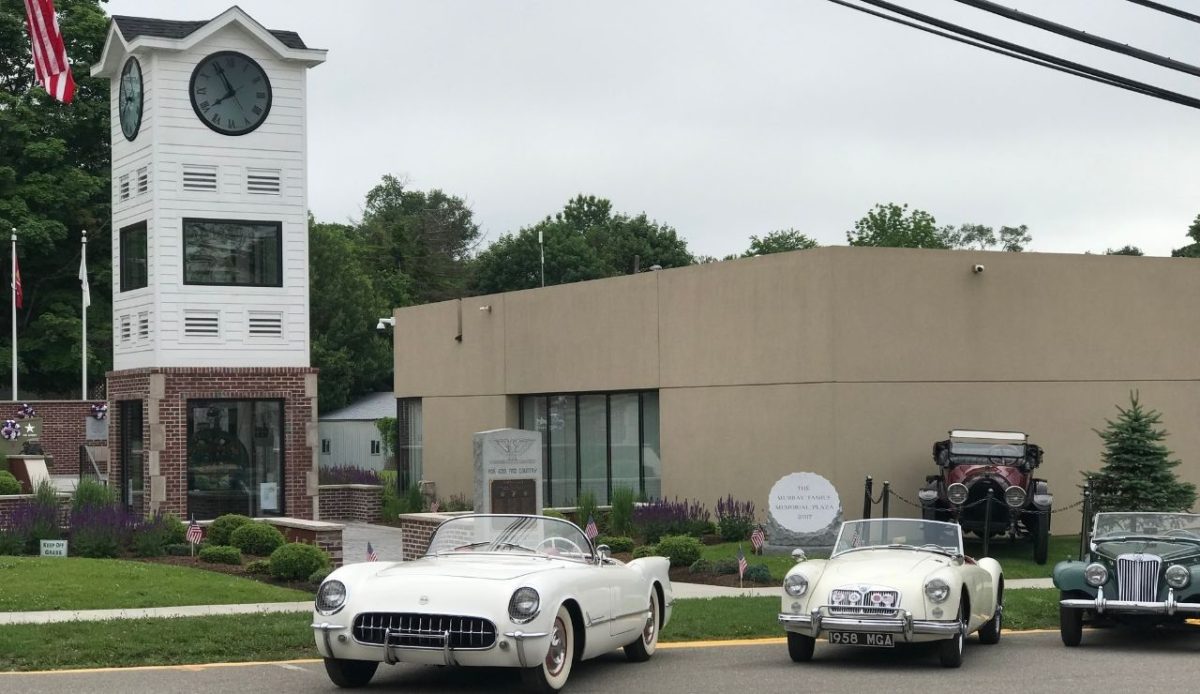
Bethesda in Belmont County began during the mid-1800s as a small farming settlement and has stayed modest in size. Its center includes quiet streets, churches, a school, and community parks that serve local families. Surrounding farmland and ridges maintain its rural character. Each summer, the fireman’s festival provides a gathering point that highlights community ties. Although larger towns sit within driving distance, Bethesda feels removed from fast traffic. The village reflects the slower pace still found in parts of Ohio where family life remains central.
7. Holloway
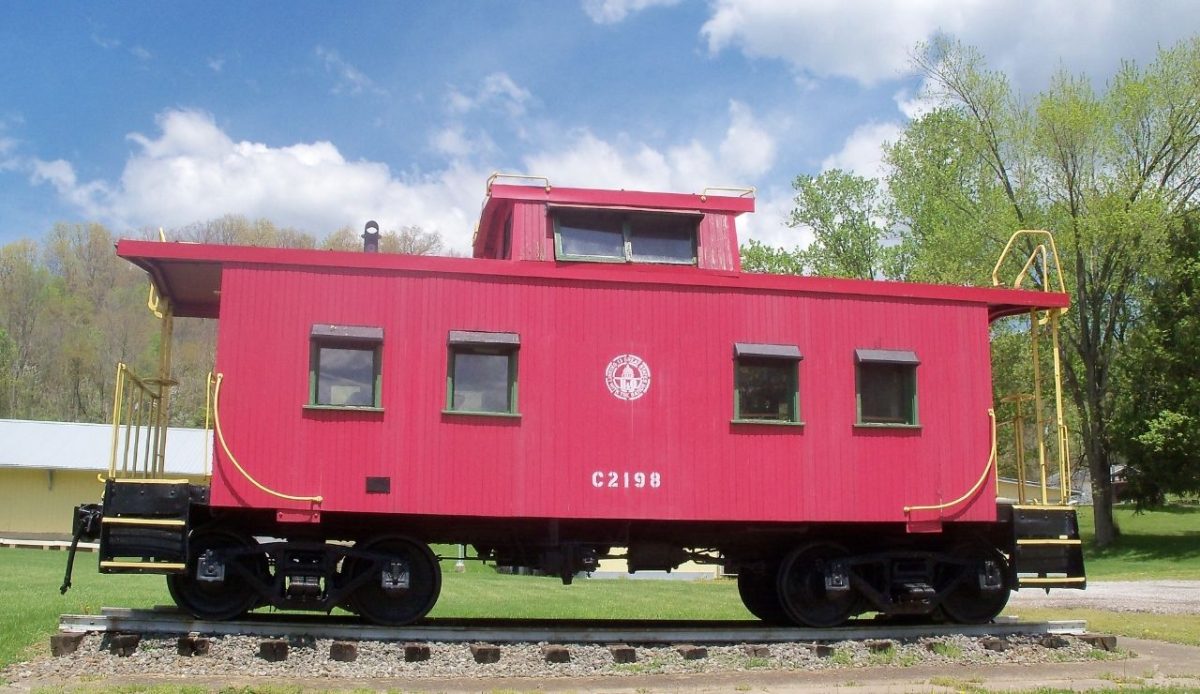
Holloway formed in Belmont County during the coal mining period of the 1800s. While mining has faded, the town has remained close-knit and small. Modest homes, local churches, and a few services make up the main streets. Events such as the Fall Festival give residents a chance to gather and celebrate traditions. The village sits near wooded valleys and low hills that keep it away from heavy development. Holloway’s quiet scale and history allow it to remain one of the less recognized but steady rural communities in eastern Ohio.
8. Flushing
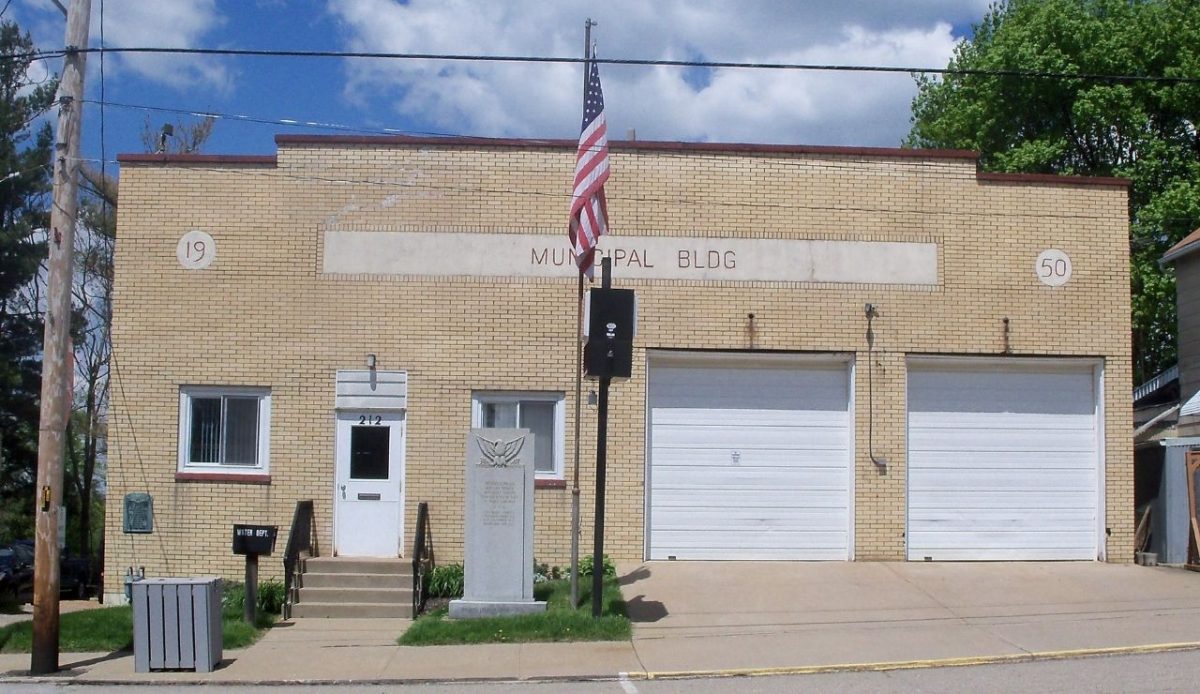
Flushing, also in Belmont County, was settled early in the 19th century and built its identity on farming and small trade. The village retains older buildings alongside churches, schools, and local businesses that support residents today. Surrounding farmland and wooded areas reinforce its steady rural setting. Though Interstate 70 is not far, the community feels separate once you arrive. Families who remain have long ties to the region, giving it a strong sense of continuity. Flushing continues to stand as a clear example of an eastern Ohio village shaped by history and steady traditions.
9. Freeport
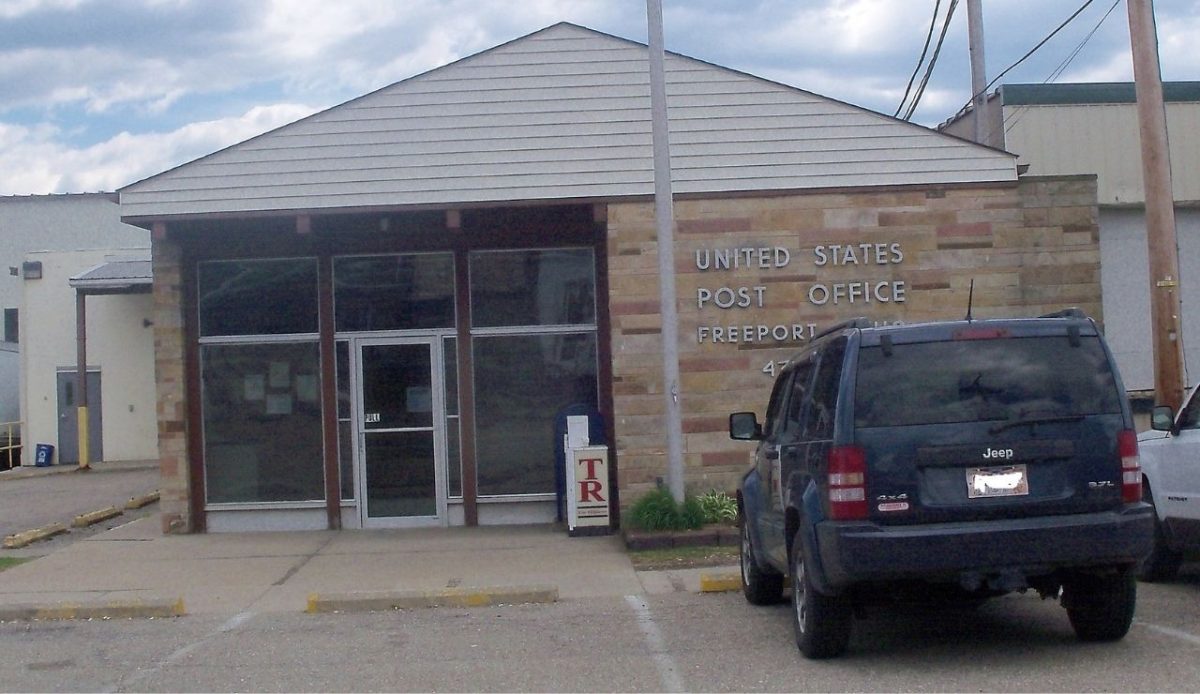
Freeport in Harrison County traces its roots to the early 1800s, when farming and mining shaped local life. Its small center includes schools, churches, and a few shops that serve the community. Rolling hills and farmland surround the village, giving it a quiet character. Seasonal colors in fall and spring make the area especially scenic. The population remains modest, which has allowed Freeport to keep its slower rhythm. Residents continue to rely on traditional gathering places, making Freeport a steady and reliable example of rural life in Ohio.
10. Batesville
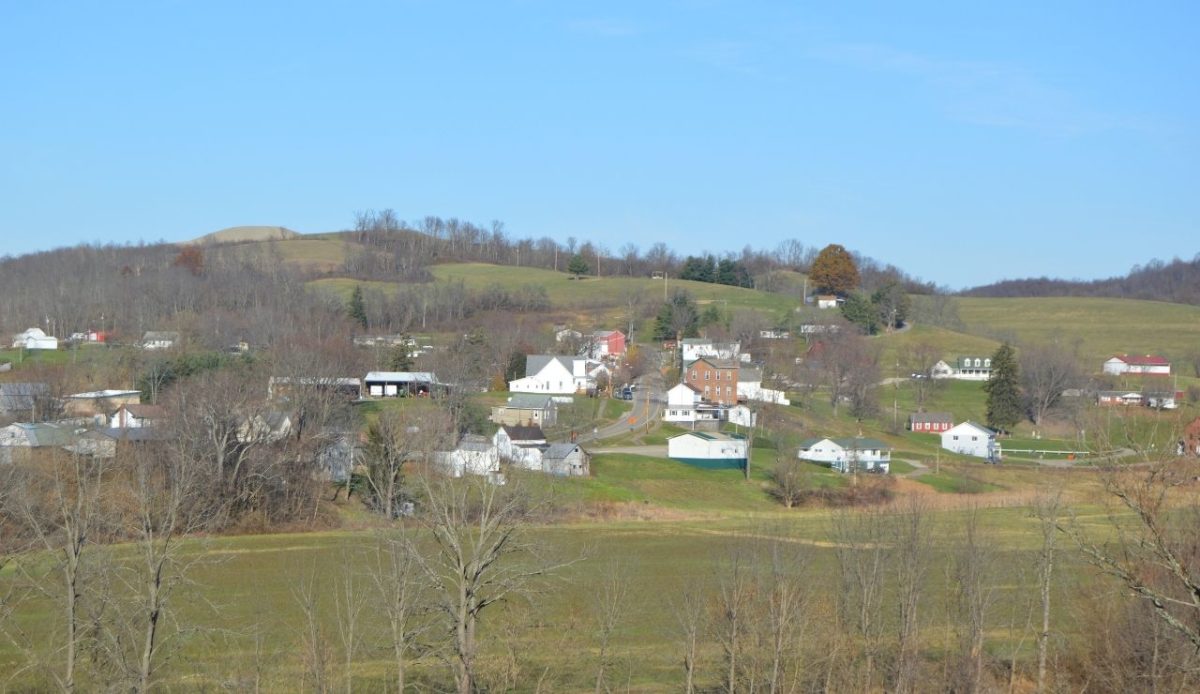
Batesville is in Noble County and dates back to the early 1800s, when farming shaped its beginnings. The town has never grown beyond a modest size, with churches, homes, and a few gathering places forming its base. Fields and wooded ridges frame the area, giving it a quiet setting away from heavier travel. Residents continue to rely on nearby towns for larger needs, but local traditions keep Batesville rooted. The village remains a clear example of how farming communities in eastern Ohio have maintained their character over time.
11. Senecaville
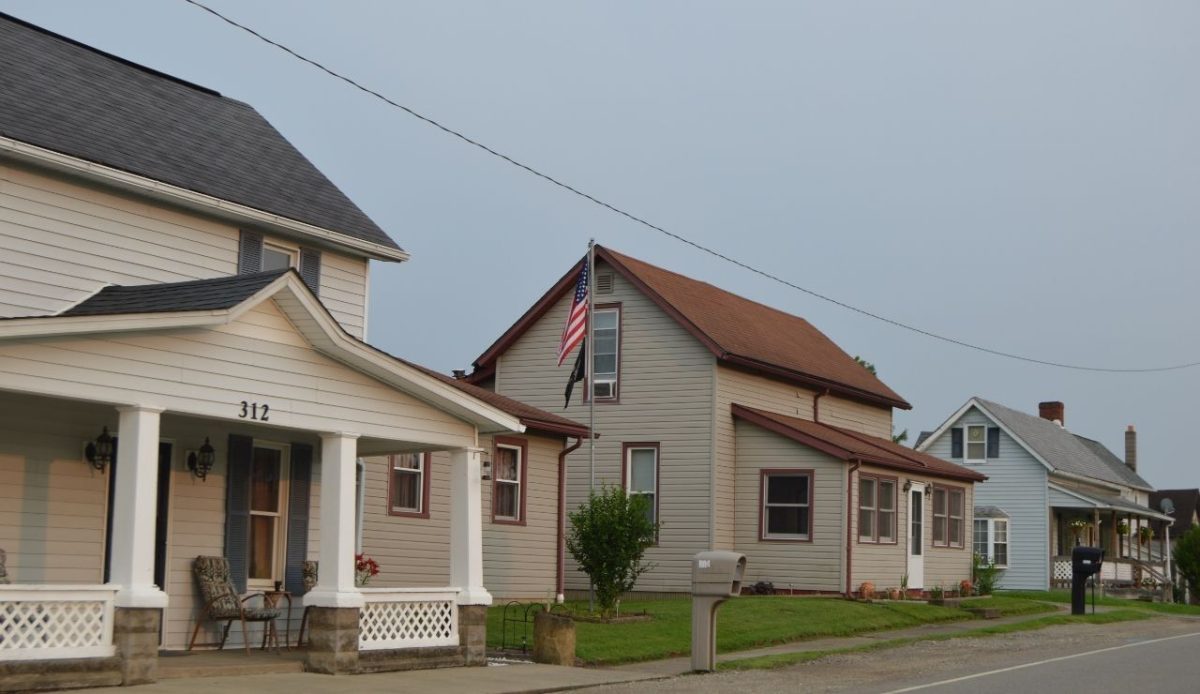
Senecaville in Guernsey County is closely linked to Seneca Lake, one of Ohio’s largest inland lakes. The village itself is modest, with a small collection of homes, churches, and services forming its center. Early settlers farmed the surrounding land and later found work related to the lake and its recreation. Today, fishing, boating, and camping remain common activities, yet the town itself feels calm and lightly traveled. Its position away from major roads helps preserve that quiet setting. Senecaville stands as both a small village and a gateway to one of Ohio’s important recreational areas.
12. Wilson
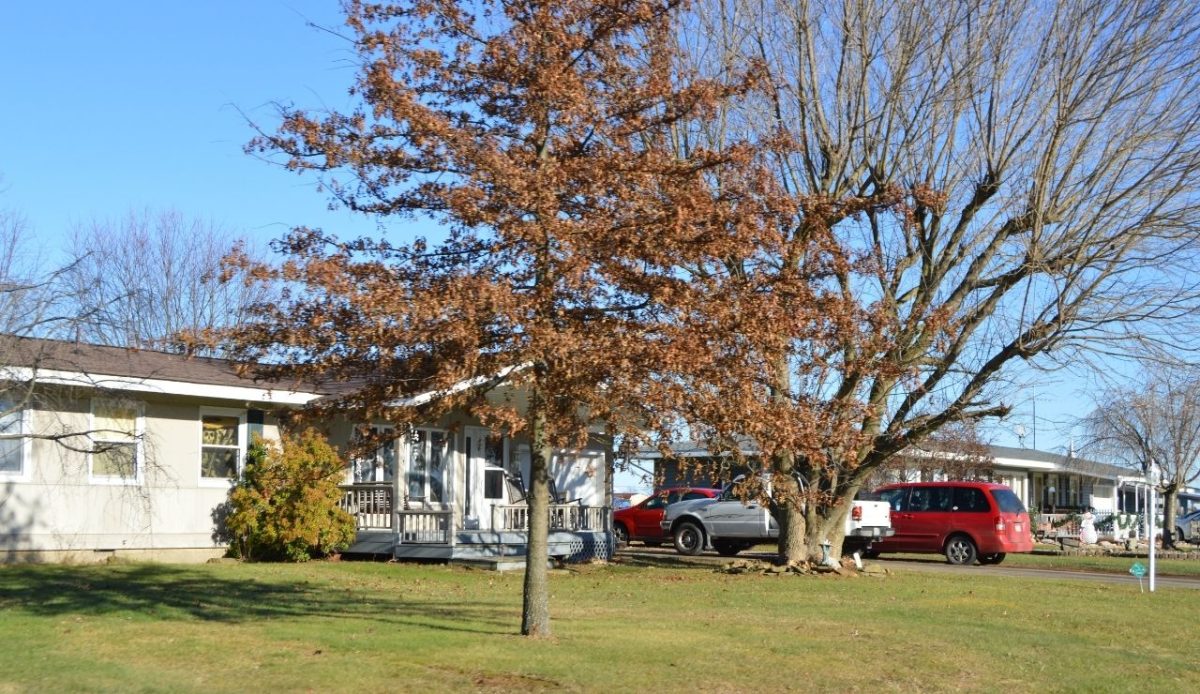
Wilson is a small unincorporated village in Monroe County with origins tied to coal mining. It developed in the late 1800s and declined as the industry faded. Today, only a few homes and older structures remain, surrounded by backroads and wooded hills. Residents often travel to nearby towns for work and schools, yet Wilson still keeps a local identity. Its size and history give it a quiet role in the county. Wilson illustrates how small mining villages across Ohio shifted into residential communities while holding onto their past.
13. Summerfield
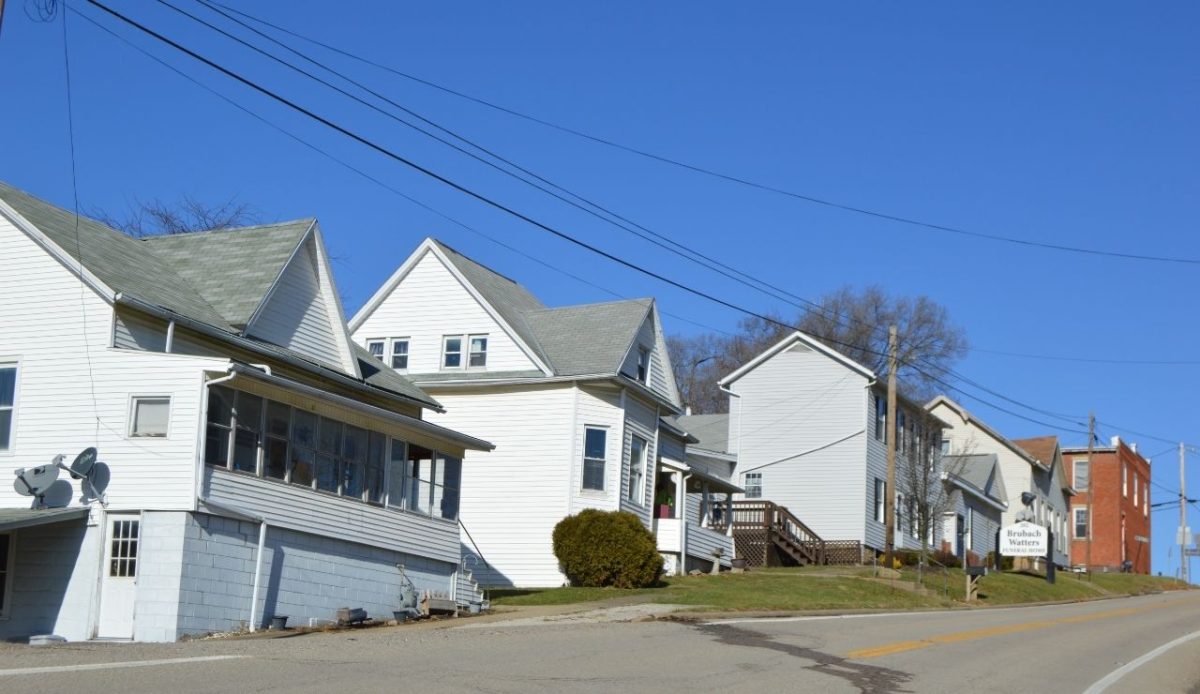
Summerfield is a Noble County village dating back to the early 19th century. The community was shaped by farming families and small merchants who supported local trade. It has remained modest in size, with churches, schools, and small shops still active. Surrounded by farmland and wooded ridges, the town maintains a quiet presence apart from larger development. Residents often gather around community events, reinforcing local ties. Summerfield offers a steady look at rural life in Ohio, showing how smaller towns continue to preserve the traditions that defined their early growth.
14. Malaga
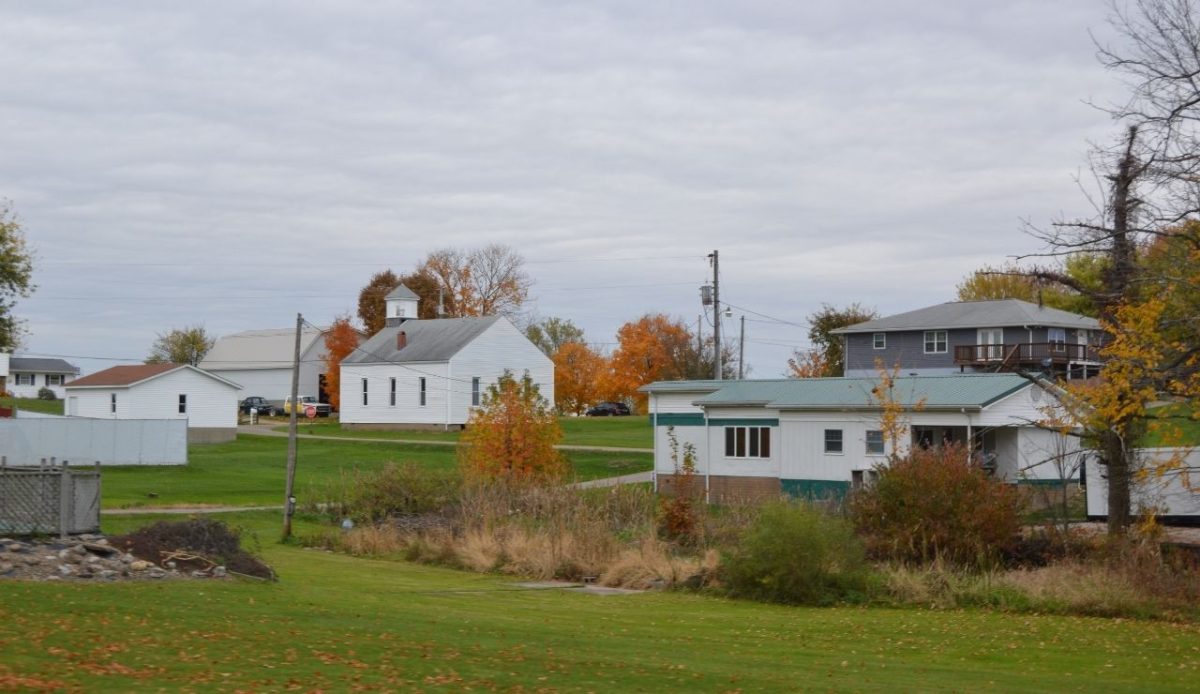
Malaga in Monroe County was founded in the early 19th century, largely by settlers of German descent. The town is known for its historic churches, which remain important landmarks. Homes and farmland make up much of the surrounding area, giving Malaga a quiet character. Valleys and ridges frame the community and keep it distant from larger towns. Families with long ties continue to live here, reflecting stability across generations. Malaga remains a rural village where early traditions and present life connect in a modest but lasting way.
15. Quaker City
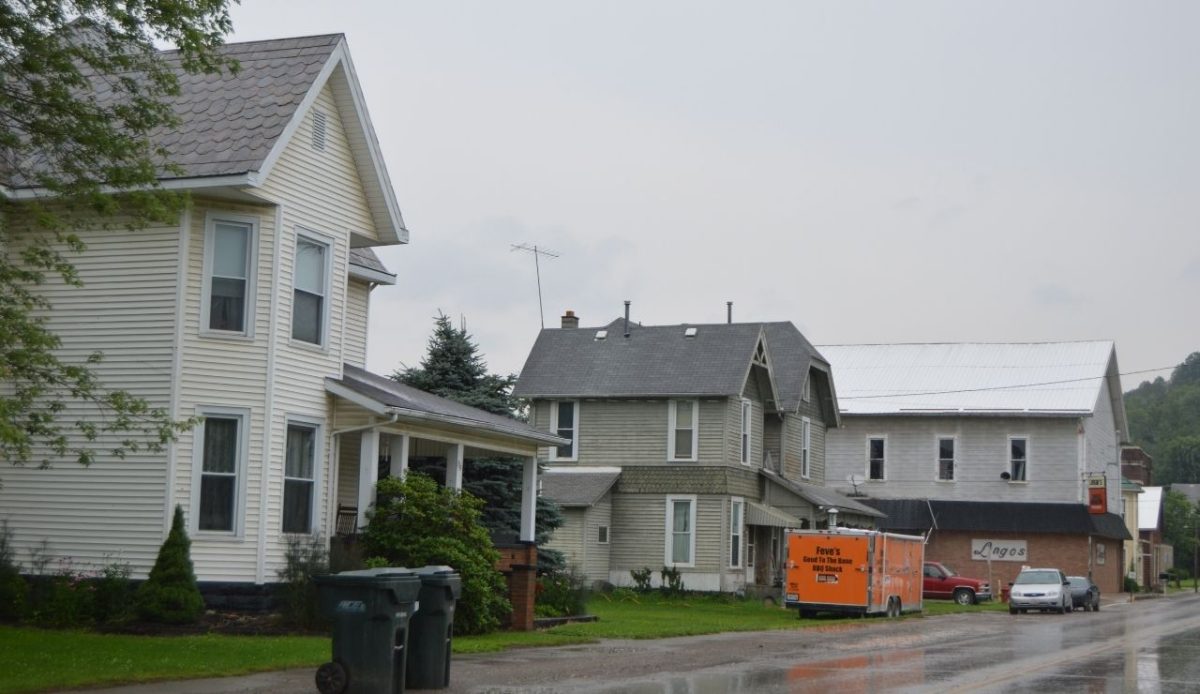
Quaker City in Guernsey County grew in the 1800s, shaped by early Quaker settlers who gave the town its name. The village includes a small business area, a school, and several churches. Historic buildings remain, reflecting its development during the 19th century. Farmland and hills surround the community, which has helped it maintain a steady pace of life. While larger towns are within driving distance, Quaker City feels apart from heavier growth. The village reflects both its early heritage and its role as a quiet community in eastern Ohio.
