
Religious landmarks and faith charities draw travelers who assume robes, relics, and seals signal legitimacy and shared values. In crowded visitor zones, quick transactions feel normal, and questions feel rude. That holds for many visitors.
That assumption is exploited through forged papers, unlicensed holy year goods, street solicitation in costume, and cloned pilgrimage booking pages. Each scheme uses a sacred cue to speed consent and reduce scrutiny.
Americans are targeted because they travel widely, buy keepsakes, and donate quickly, while verification often comes after money moves. Cash, wire apps, and prepaid cards are favored because refunds are rare.
1. Rome Fake Papal Blessing Parchments
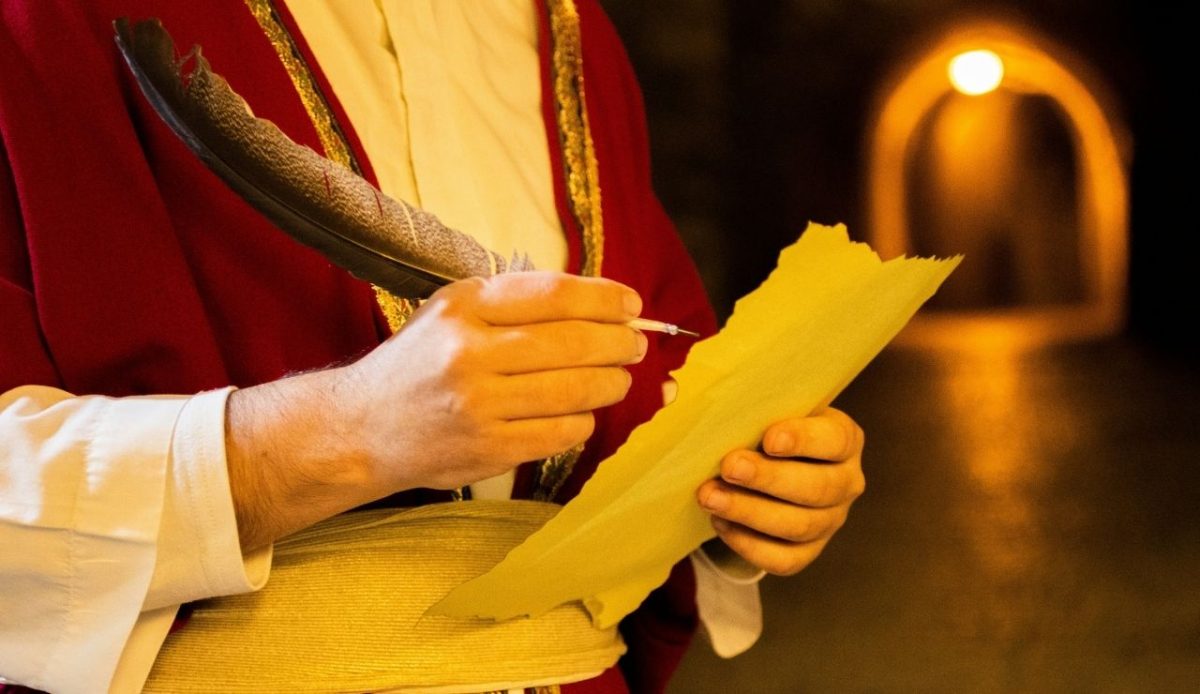
Near St Peter’s, forged papal blessing parchments were offered as if they were issued through Vatican channels, complete with ornate print, pseudo seals, and names added on the spot. Complaints led to raids.
The pitch links the paper to weddings or baptisms, so buyers pay fast and skip checks. In one operation, thousands of counterfeit parchments were seized. Street sales are often cash-only with no receipt, which helps sellers vanish once doubts appear.
U.S. pilgrims often buy several copies for family gifts or parish raffles. Losses include the price and the awkward moment when a parish office explains the document has no record or standing in Church files.
2. Jubilee Counterfeit Religious Souvenirs
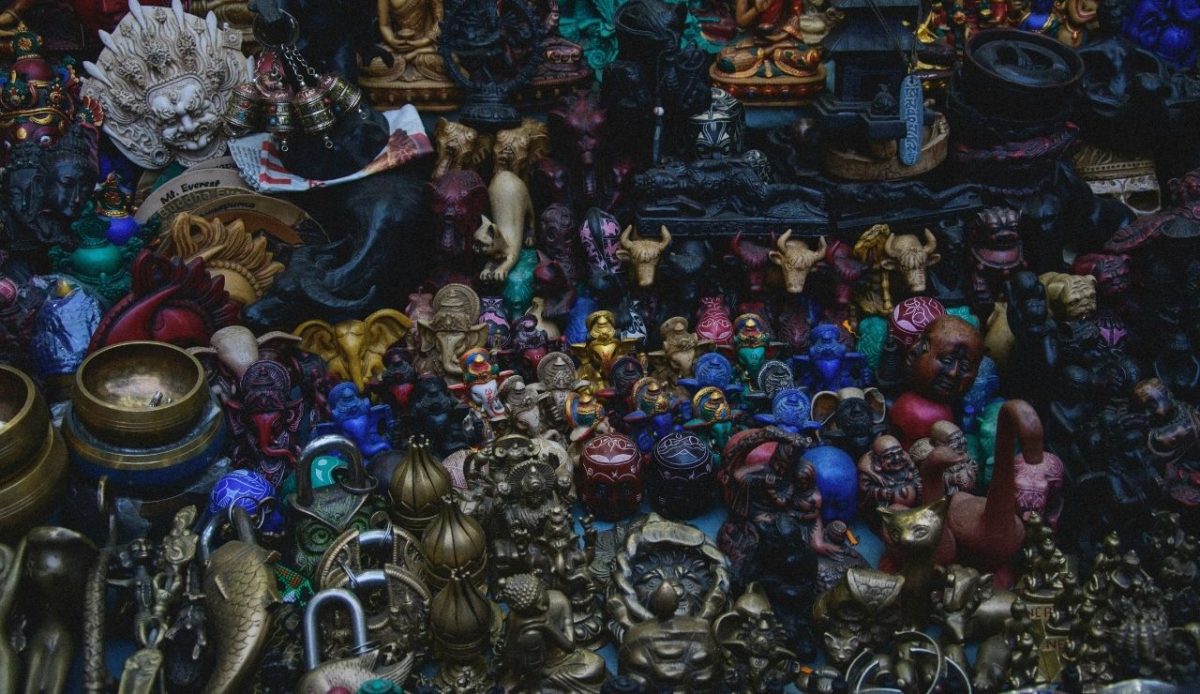
During Jubilee seasons in Rome, unlicensed rosaries, medals, and crosses have been sold with official-looking Holy Year logos to pilgrims moving between transit stops and basilica gates. Vendors blend into normal souvenir lines.
Financial police have reported mass seizures of illegal branded items, showing a supply chain built for volume rather than devotion. Packaging and hang tags mimic approved merchandise so buyers assume church authorization, then pay in cash in seconds.
Americans visiting for Jubilee routes often purchase bundles for friends and parish groups, especially when crowds make comparison shopping hard. The harm includes cost and confusion when buyers later learn the marks were used without permission.
3. Counterfeit Jubilee Logo Sales Near The Vatican

Rome has also seen smaller but targeted hauls of counterfeit Jubilee logo goods sold on streets leading straight to the Vatican, including Via della Conciliazione. Sellers choose choke points where crowds slow, and wallets come out.
These batches are marketed as limited-run souvenirs, which pushes urgency and blocks second thoughts. Police reports describe specific seizures and suspects, confirming the items were not harmless trinkets but commercial counterfeits using protected marks. Returns are rarely offered.
American tourists are drawn by the idea of an official keepsake from a once-in-a-lifetime trip. If the souvenir is counterfeit, it can be refused by charities or parish events that try to resell it for fundraising or raffles.
4. Vatican Impersonation Requests Online

Online impersonation has used papal names and Vatican imagery to solicit money, with fake social profiles messaging followers and asking for donations or help. Some accounts copy recent news posts to make them look current.
Warnings have been issued that such accounts are not official. The fraud works because a familiar photo, a title, and religious language reduce skepticism, while payment links move funds instantly to accounts outside normal charity oversight.
Americans active in parish groups can receive the request through shares or direct messages. Once a transfer is sent, there is no sacramental purpose to confirm, only a platform report and a hard-to-reverse payment trail.
5. New York Fake Monk Donation Pressure

In New York City, tourists have been approached by people dressed as monks who place a bracelet or medallion in a hand, then demand a cash donation right then. Some display a card with suggested amounts.
Buddhist leaders have warned that real monks do not run this kind of street collection. The trick uses politeness pressure, since refusing after taking an item feels disrespectful, especially in a busy park or elevated path. Victims are sometimes guided toward an ATM.
Americans from other states are hit along with international visitors. The usual loss is modest but repeated, and the tactic thrives because the objects are cheap while the cash ask is high. Many walk away before calling the police.
6. San Francisco Petition And Robe Scams
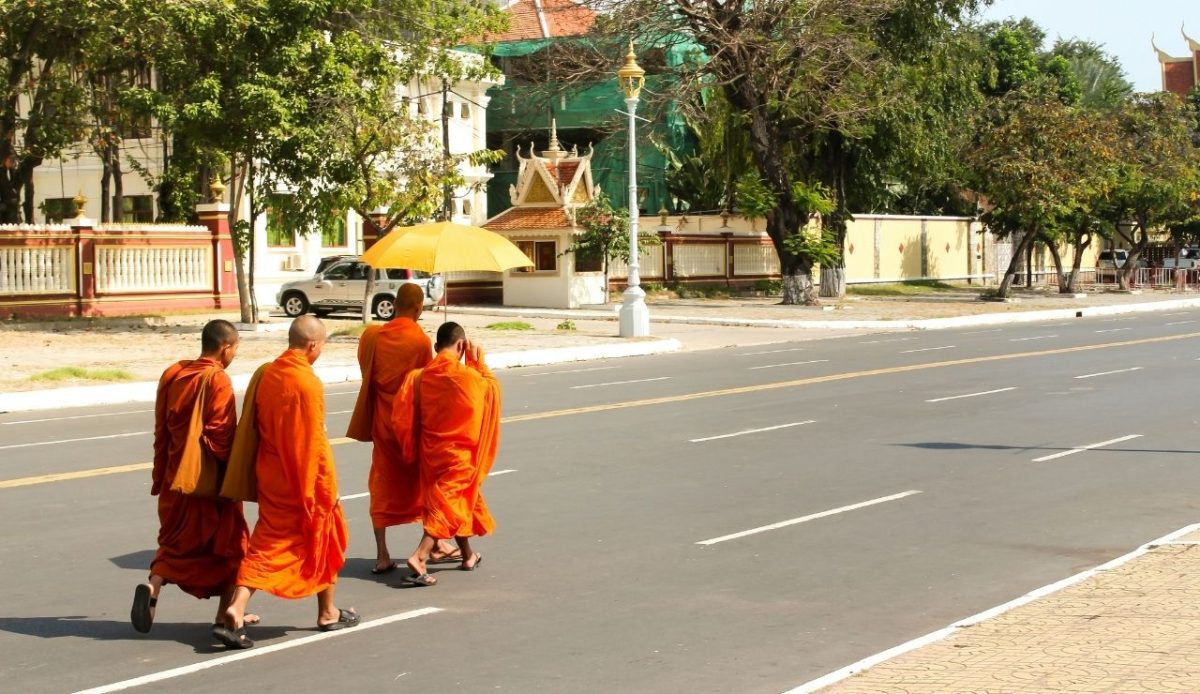
San Francisco has reported similar robe-based solicitation near shopping and transit zones, where fake monks use clipboards or petitions before asking for cash. They shift corners when security appears.
The petition creates a sense of legitimacy, as if a temple program is being supported. After a signature, a donation is requested, often with a fixed minimum, and some accept phone payments. Because the interaction is brief, victims realize too late that no temple name can be verified.
American travelers may comply to avoid confrontation or to seem respectful. The loss is not only cash, but also the data on a sign-up sheet, which can be reused for follow-up pitches or other low-level fraud aimed at kindness.
7. Prayagraj Fake Maha Kumbh Booking Pages

Before major Kumbh gatherings in Prayagraj, cloned booking sites have offered tents, cottages, and hotels, taking payment with no real reservation created for pilgrims.
Police actions have described arrests tied to fake portals that copied names and layouts of legitimate services. Victims received confirmation messages that looked real, yet on arrival, the property had no booking, and the contact number went silent.
Americans planning from abroad face a higher risk because they cannot inspect vendors in person. When funds move through transfers or wallet apps, chargebacks are uncommon, and travel dates may be missed while alternatives get more expensive.
8. Kumbh Helicopter Ticket Fraud

During Kumbh seasons, bogus sites have sold helicopter or aerial tour tickets, promising fast entry and crowd-free views tied to pilgrimage schedules.
Reports describe arrests after devotees paid for rides that never existed. The offer feels plausible because temporary services do operate at large events, and premium pricing signals exclusivity. Fake receipts then delay complaints until the travel window closes.
Americans seeking structured itineraries can be pulled in by English-language pages and time zone-friendly support chats. When the booking fails, the loss includes the fee and the sunk cost of planning around a ride that was never scheduled.
9. Char Dham Helicopter Booking Traps
In Uttarakhand, Char Dham helicopter seats have been targeted by fake booking websites and phone numbers that take deposits while claiming limited daily capacity.
Officials have announced blocks on many fraudulent sites and numbers, and have stated the authorized booking channel. The scam works by copying official wording, using urgent language about quota, and pushing payment before the victim can confirm with the real operator.
American pilgrims often coordinate tight schedules across multiple shrines. When a booking is fake, the trip can collapse because road travel is slower and weather windows are narrow. Money recovery is difficult once it passes through layered accounts.
10. East Jerusalem Counterfeit Coin Sales
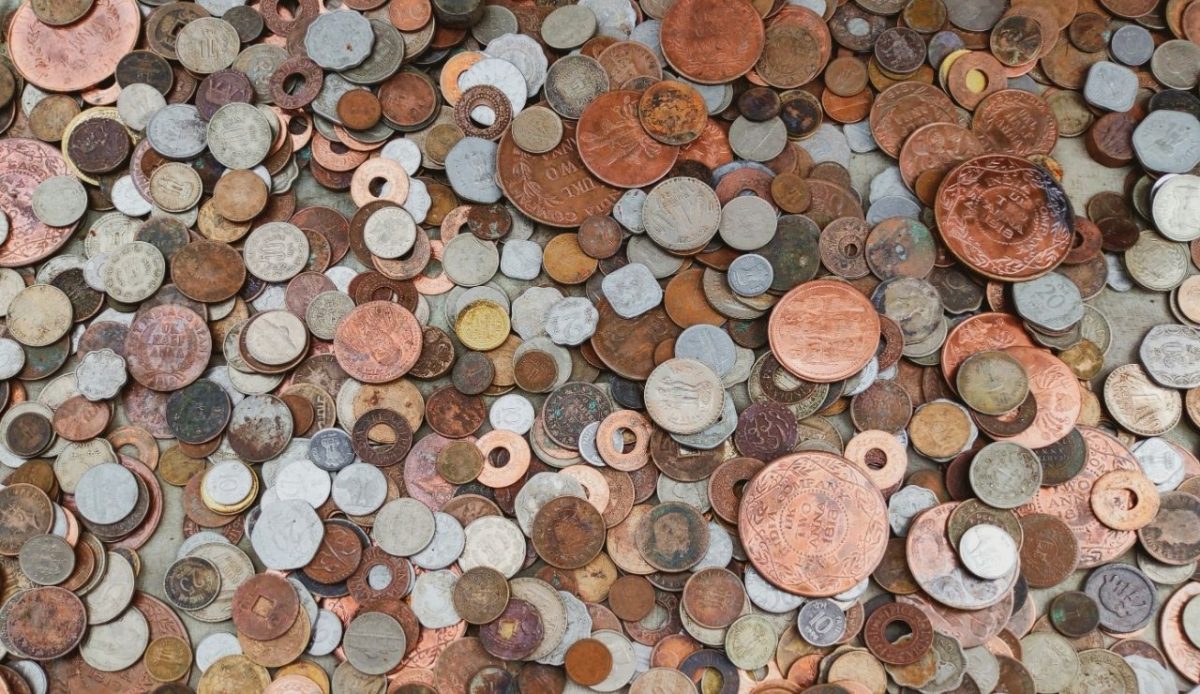
In East Jerusalem, raids on illegal antiquities sales have included seizures of ancient items and counterfeit coins presented as Holy Land era relics to visitors.
The con depends on the spiritual meaning attached to objects linked to scripture and pilgrimage. Sellers offer a story, a patina, and a certificate, then price the coin far above souvenir value. Counterfeits can be mixed with genuine low-value pieces to muddy doubts.
Americans are a key market for biblical memorabilia, both as tourists and collectors. When a piece is fake, it cannot be resold through reputable dealers, and bringing it home can create legal risk if it is treated as an illicit antiquity.
11. Biblical Artifact Forgery Rings
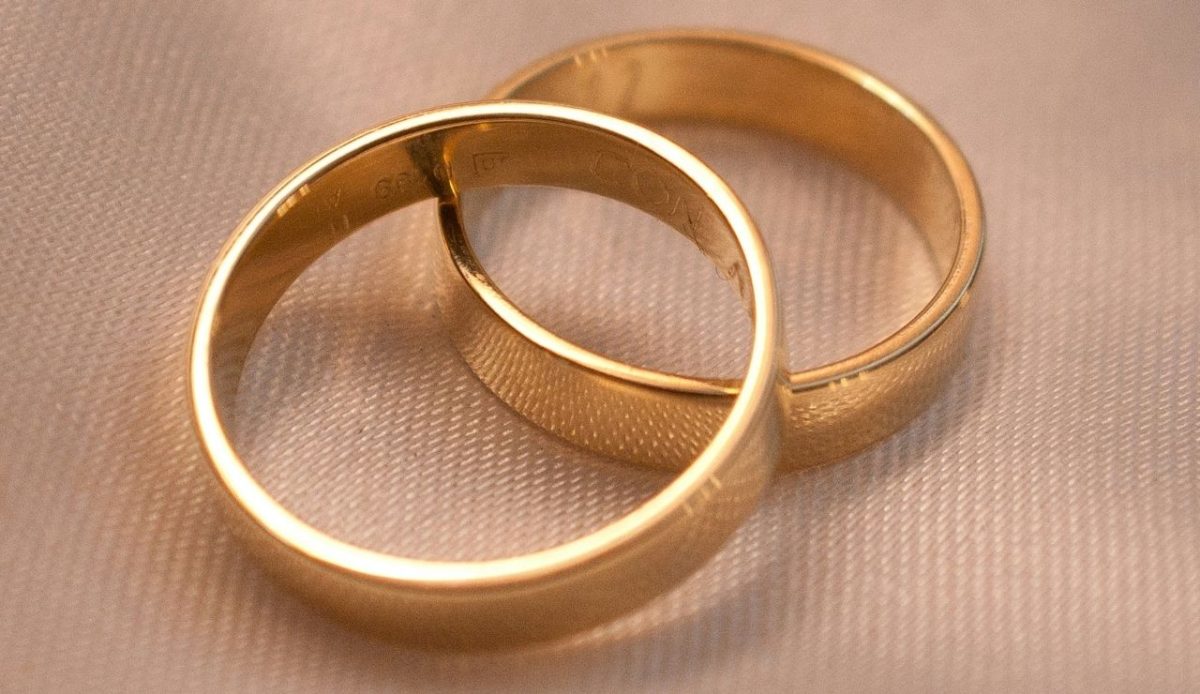
Israel has seen organized forgery cases where inscriptions and artifacts were fabricated and sold as biblical era finds with invented provenance.
Such rings rely on skilled aging techniques and paperwork that looks scholarly. Buyers are guided toward faith-confirming narratives, then asked to pay large sums quickly to secure a rare object before a museum or another collector does. Later, lab testing may reveal modern tool marks.
American institutions and private collectors have been among international purchasers in this market. When a piece is exposed, value drops to near zero, and donations tied to the acquisition can be questioned, creating long-term reputational harm.
12. Dead Sea Scroll Fragment Forgeries
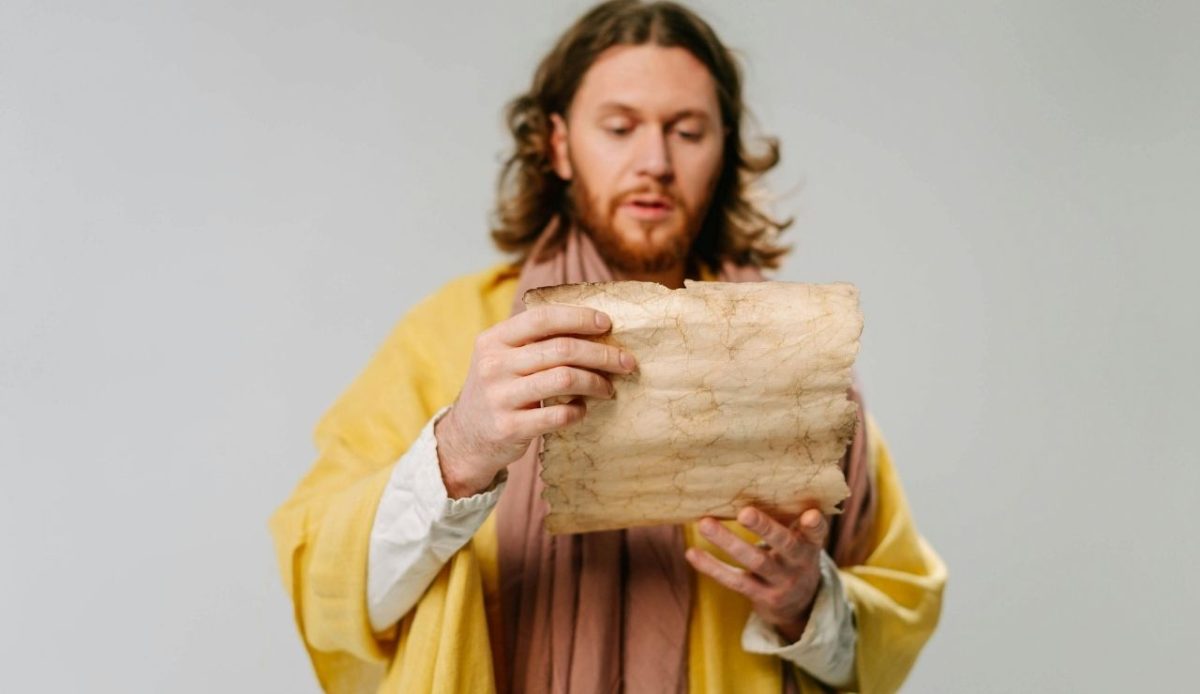
Dead Sea Scroll fragment sales have shown how sacred text commerce can be manipulated, including fragments once displayed in Washington that were later identified as modern forgeries.
Scientific examinations found inconsistencies that failed to match ancient production, undermining claims made during acquisition. The scheme succeeds because small fragments are hard to date, and collectors trust curated display settings and expert-sounding descriptions.
American donors and visitors often assume that a museum case implies certainty. When the fragments were judged inauthentic, money spent on purchase, study, and security could not be recovered, and public trust in religious artifacts took another hit.
13. Fake Umrah And Hajj Visa Offers

Police in Dubai have arrested groups accused of promoting fake Umrah and Hajj visa services through social media, taking fees while providing no valid travel permission.
The scheme uses copied document templates, official-sounding agency names, and urgent messages about limited slots. Victims are pushed to pay quickly for processing, then receive either nothing or a non-useable file that fails airline or border checks.
American Muslims planning pilgrimage travel can be caught when seeking help from intermediaries abroad. Beyond the lost fee, travelers may miss fixed dates and incur new airfare costs. Reporting is complicated by cross-border accounts and deleted profiles.
