
National parks are built to conserve land and wildlife under heavy public use. Yet many impacts come from ordinary choices, not rare accidents. A few steps off the trail, a snack left out, or a close photo can start damage that outlasts the visit.
Soil gets compacted, fragile plants get crushed, and animals learn to seek human food. In water, prop scars and anchors can break the habitat that grows slowly. Managers track these effects through closures, citations, and restoration work.
This list focuses on clear cause and effect. Each park below has a specific visitor action that is known to harm a defined resource. The fix is practical and personal, because the trigger is personal too.
1. Arches National Park
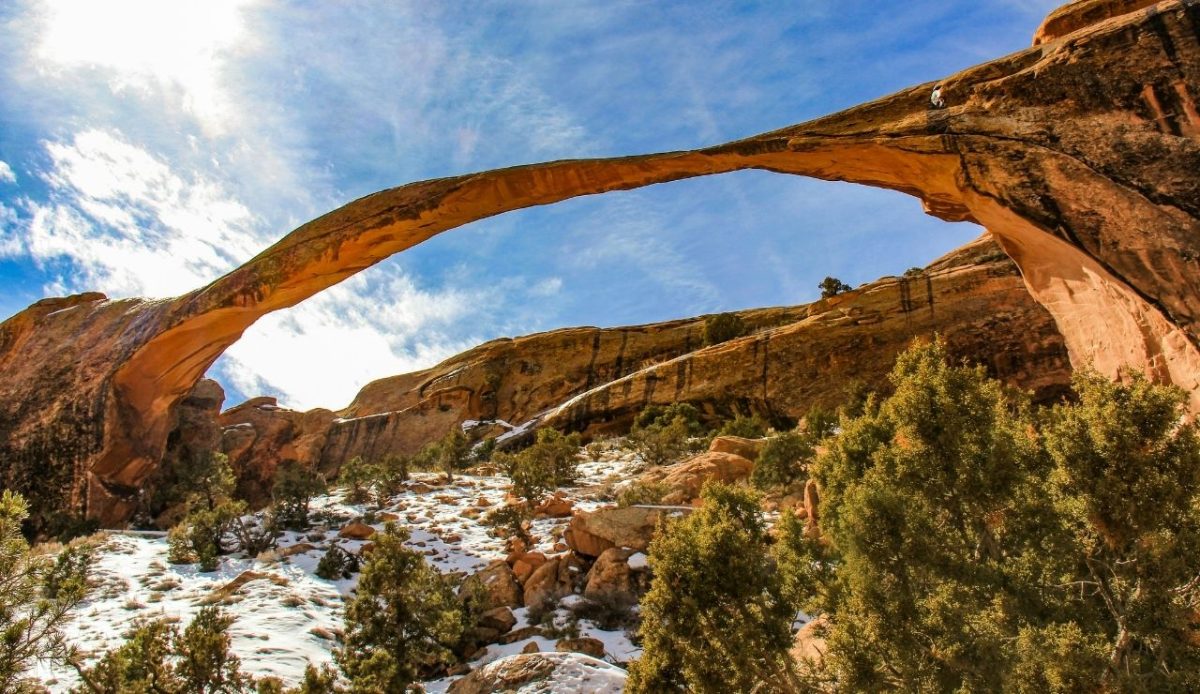
In Arches, the dark, knobby ground between rocks is living soil crust, often called cryptobiotic crust. It is made of microbes, moss, and lichen, and it holds moisture and nutrients near the surface. It also locks loose sand so plants can root in a harsh desert.
One footprint can break the crust even when it feels firm. Once broken, regrowth is slow in dry climates, and damaged patches can last for decades. Fine sediment lifts more easily, runoff cuts rills, and invasive seeds settle in.
Shortcuts between trail markers turn into social trails that keep expanding. Walk on rock, on marked tread, or in permitted sandy washes, and keep kids and pets on the same line. If you need a photo angle, move the camera, not your feet.
2. Death Valley National Park Eureka Dunes
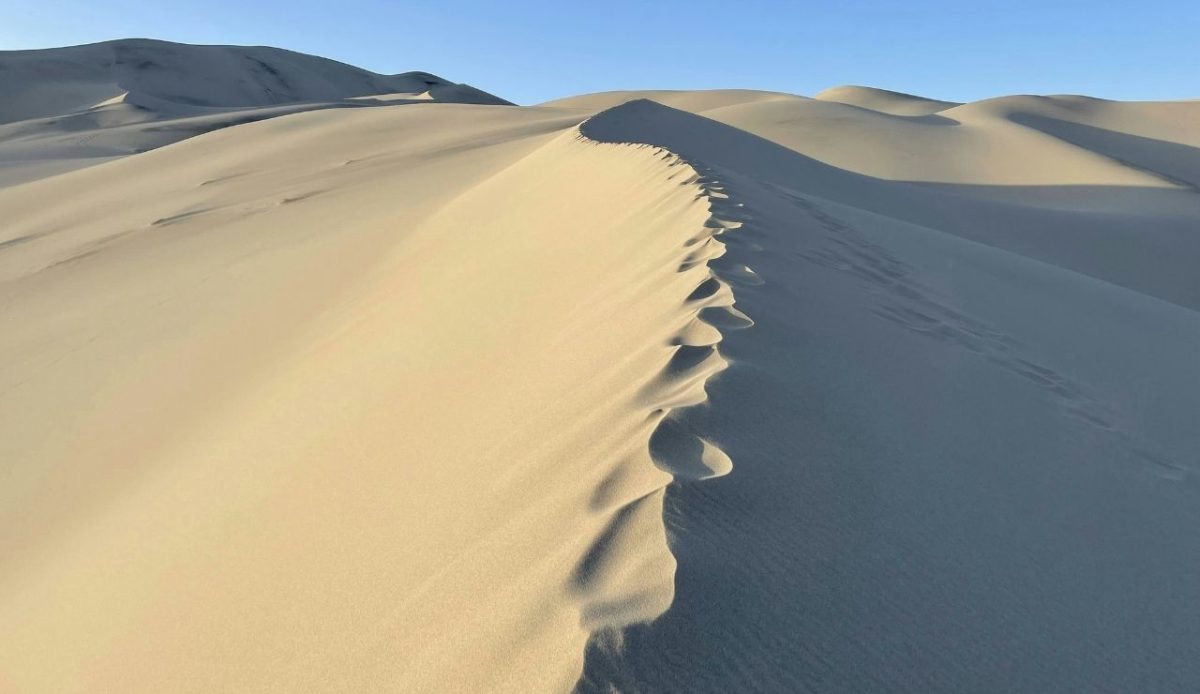
Eureka Dunes in Death Valley hold rare plants that live only on a few dune systems. When vehicles enter closed sand, tire tracks compact the surface and break the wind-formed patterns. Because the dunes are isolated, losses cannot be offset by nearby populations.
Compaction changes how sand moves and how moisture stays near roots. Plants that tolerate shifting dunes can be buried, exposed, or crushed, and some grow slowly in small clusters. Track scars can remain visible for years in dry conditions and often trigger enforcement and repair work.
Use only designated roads and park in signed areas. If you want to hike dunes, go on foot and avoid vegetation patches. A single illegal drive can damage miles of habitat in minutes.
3. Biscayne National Park
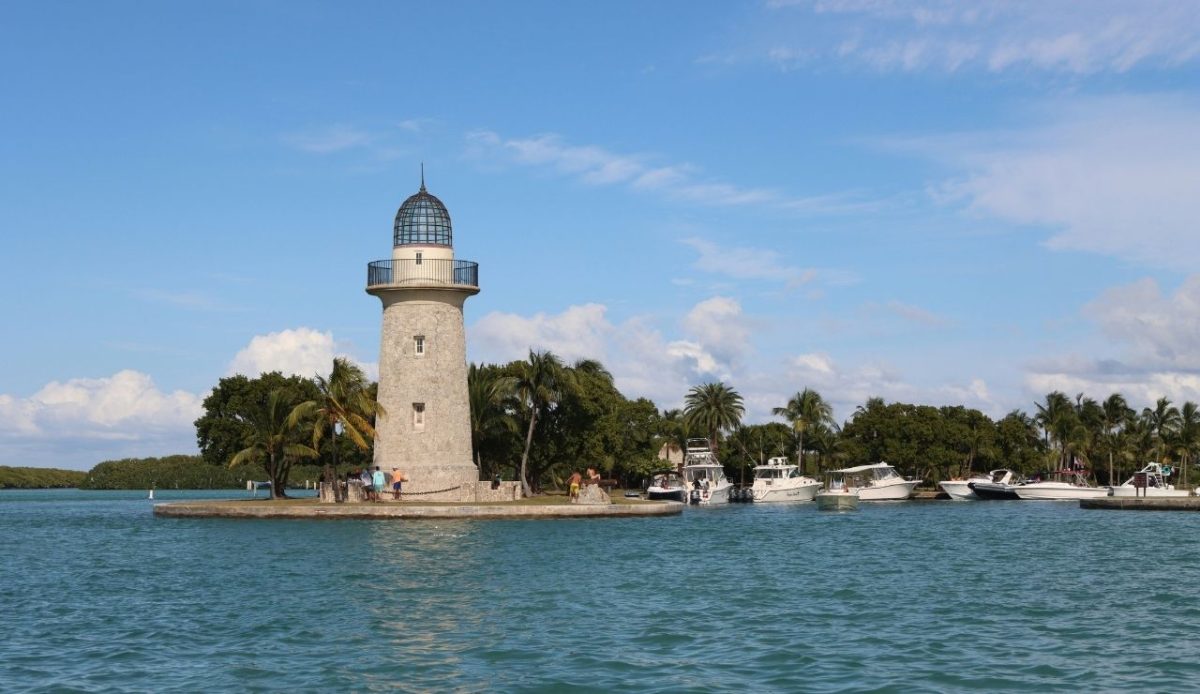
Biscayne protects shallow seagrass flats and patch reefs that sit close to the surface. When boats leave marked channels, hulls can ground, and propellers can cut long scars through grass beds.
Seagrass stabilizes sediment and supports juvenile fish and invertebrates. Prop scars create trenches that widen with waves, and regrowth can take years if the bottom stays unstable. Groundings also break corals that grow slowly and do not repair like plants.
Run with updated charts, watch tide depth, and idle in skinny water. Use mooring buoys where provided and anchor only on sand in approved zones. Careful navigation prevents damage that staff must later map and restore.
4. Rocky Mountain National Park
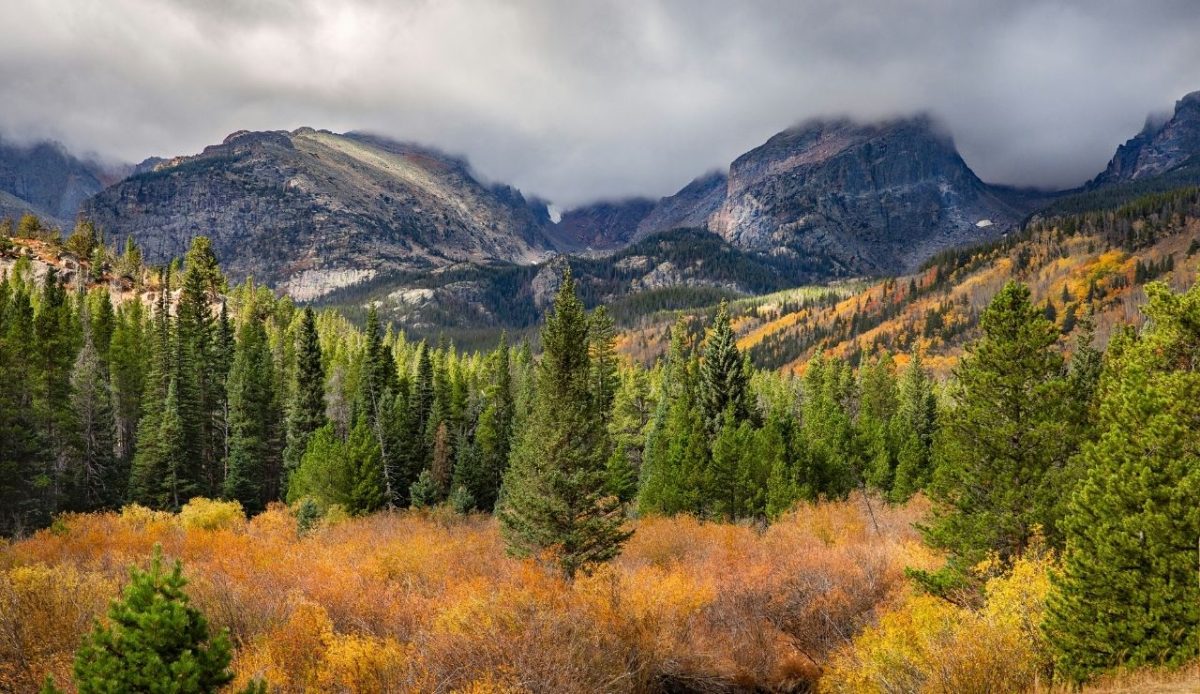
Above treeline in the Rocky Mountains, alpine tundra plants grow low to the ground and spread slowly. Soils can be only a few inches deep over rock, so there is little buffer against trampling. When hikers step off the trail, stems break, and the soil layer gets compacted almost at once.
Because the growing season is short, damaged tundra can take many decades to recover, and some scars persist far longer. Once vegetation cover is lost, wind and runoff remove soil, which makes regrowth even harder.
Stay on trail, use boardwalks, and do not cut switchbacks. If a viewpoint is crowded, wait rather than stepping onto vegetation. One detour can start a social path that others follow all season.
5. Yellowstone National Park
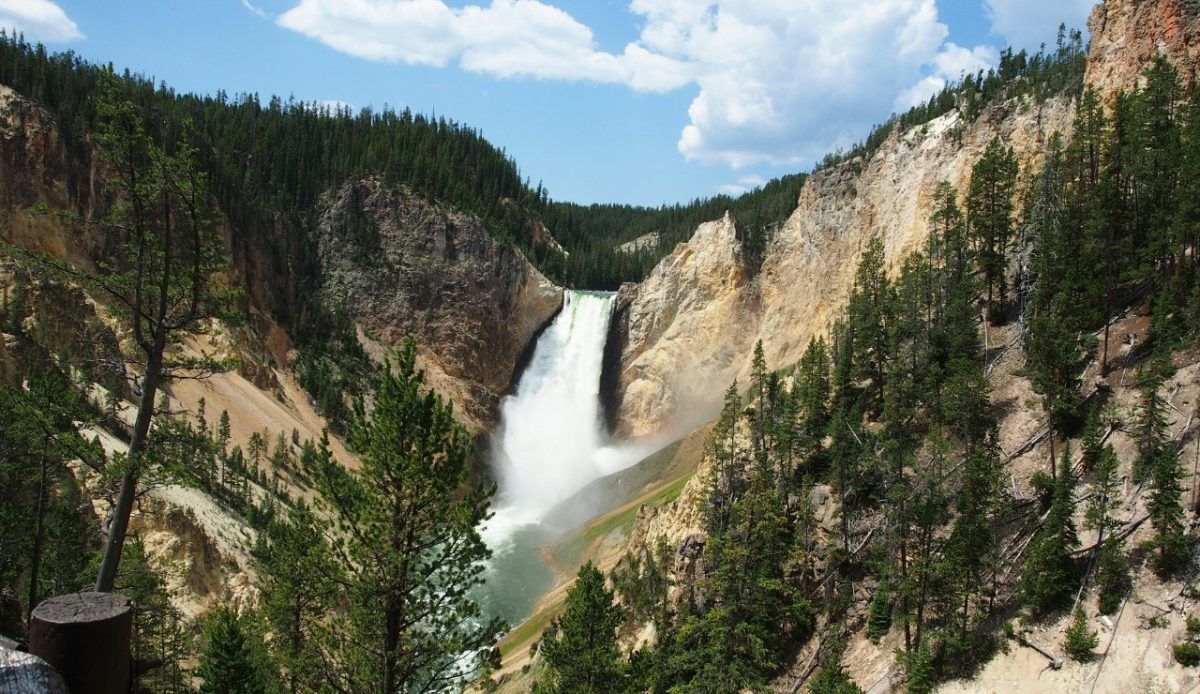
In Yellowstone, bison injuries happen when visitors move in for close photos or try to pass animals on trails. Bison are fast, can weigh nearly a ton, and react when their space is reduced.
Close approaches also stress wildlife and can shift grazing and resting patterns near roads and boardwalks. When animals get used to people at short range, they may hold ground longer, which increases conflict and staff response.
Keep the recommended distance, use a zoom lens, and never surround an animal for a shot. If bison block a path, turn back and wait for a ranger cue or a clear opening. Your best photo is the one taken without changing the animal’s behavior.
6. Joshua Tree National Park
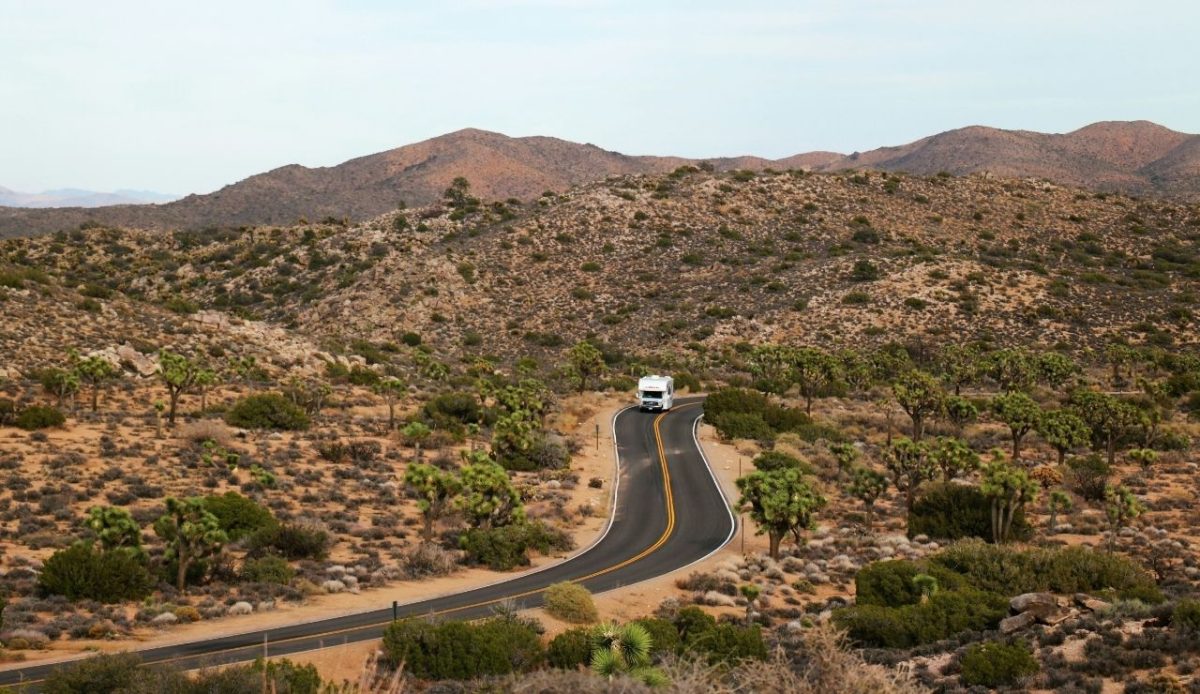
Joshua Tree’s boulders and historic sites weather slowly, so graffiti and carving last a very long time. Many rocks have desert varnish that forms over centuries and is not replaced on a human timeline. Paint, scratched names, and chipped faces require cleanup that can further scar the surface.
Removing graffiti often needs solvents, pressure, or abrasion, and that can change the texture and color. On cultural sites, damage can also erase marks that help interpret past use of the area.
Do not stack rocks on living soil, do not scratch initials, and keep markers off the stone. Report fresh vandalism to staff so evidence can be documented. Leave rocks as you found them, because repair is rarely invisible.
7. Yosemite National Park
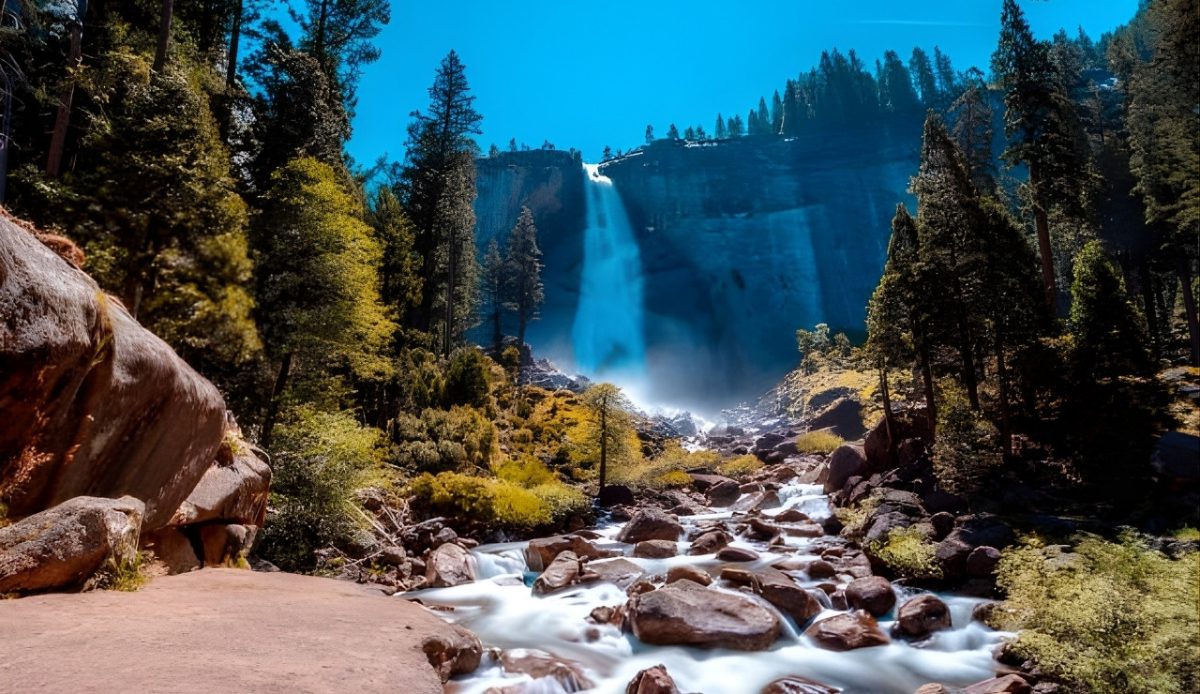
In Yosemite, a bear that gets human food learns that campgrounds and cars are reliable feeding spots. Bears track odors over long distances, so even sealed snacks can draw attention. One careless cooler or scented bag can reward the behavior, and repeated returns will follow.
Food-conditioned bears may damage vehicles, break into cabins, and approach people more boldly. When conditioning becomes severe, management options narrow, and the outcome can be harmful for the animal.
Store all food and toiletries in approved lockers or bear-resistant canisters where required. Never leave items unattended at a picnic table, even for a short walk. Clean grills and pack trash, because smells are enough to train a bear.
8. Grand Canyon National Park
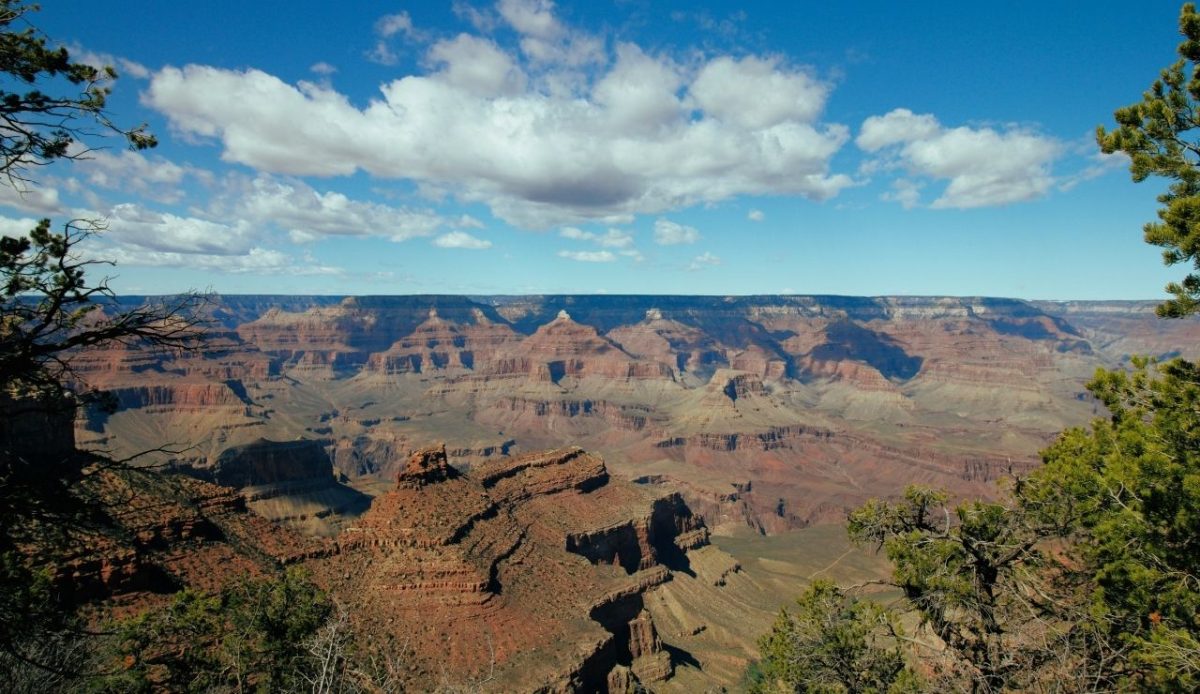
In the Grand Canyon backcountry, toilet paper and waste left near trails do not disappear quickly. Dry air and thin soils slow down breakdown, so buried waste can resurface after storms. High-use corridors make the problem visible within a single season.
Improper disposal can contaminate seeps and small water sources used by hikers and wildlife. It can introduce bacteria and parasites, and it creates cleanup work in terrain that is hard to reach.
Use toilets where provided and carry a waste bag where rules require it. Pack out used toilet paper rather than hiding it behind rocks. If you must bury waste, pick durable soil far from water, trails, and camp.
9. Great Smoky Mountains National Park
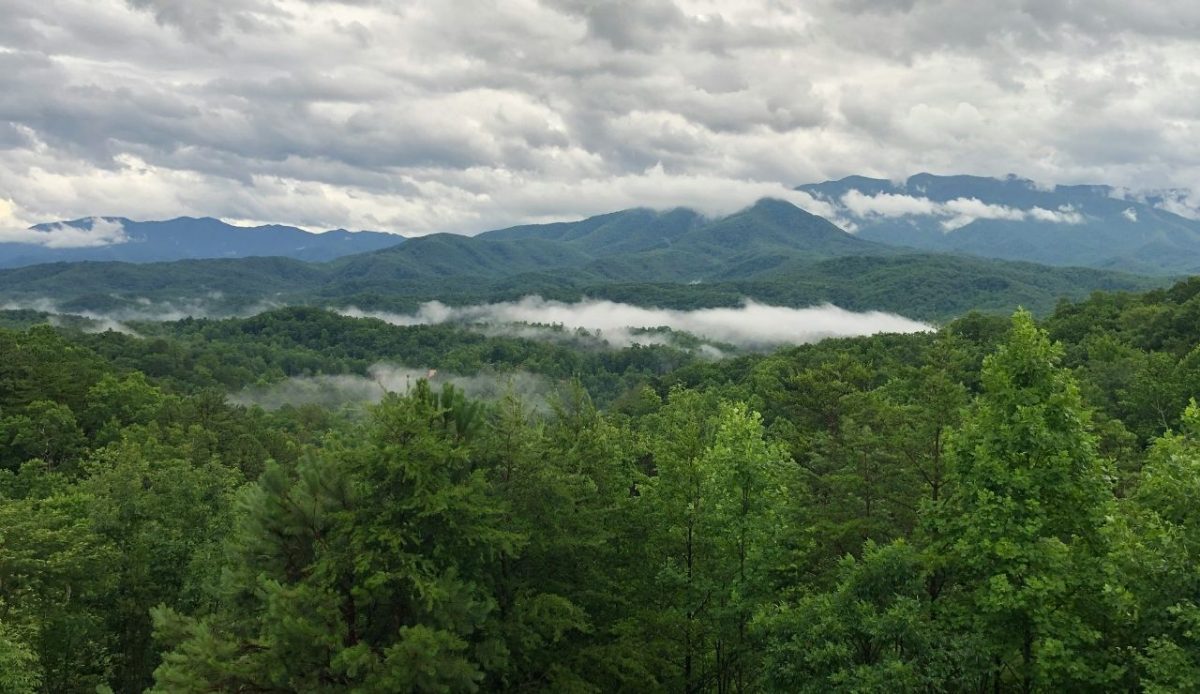
In the Great Smoky Mountains, feeding bears and leaving trash accessible changes natural foraging patterns fast. Animals that learn to get food from people spend more time near roads, campgrounds, and rental cabins. Cubs can copy the pattern and carry it for life.
That behavior raises the odds of vehicle strikes and aggressive encounters. It also leads to citations, and repeated problems can force actions that remove a bear from the area.
Keep a clean site, lock food in your vehicle or a hard-sided container, and never toss scraps to wildlife. Use bear-proof dumpsters and close lids fully. If you see a bear, back away and give it space instead of offering bait for photos.
10. Dry Tortugas National Park
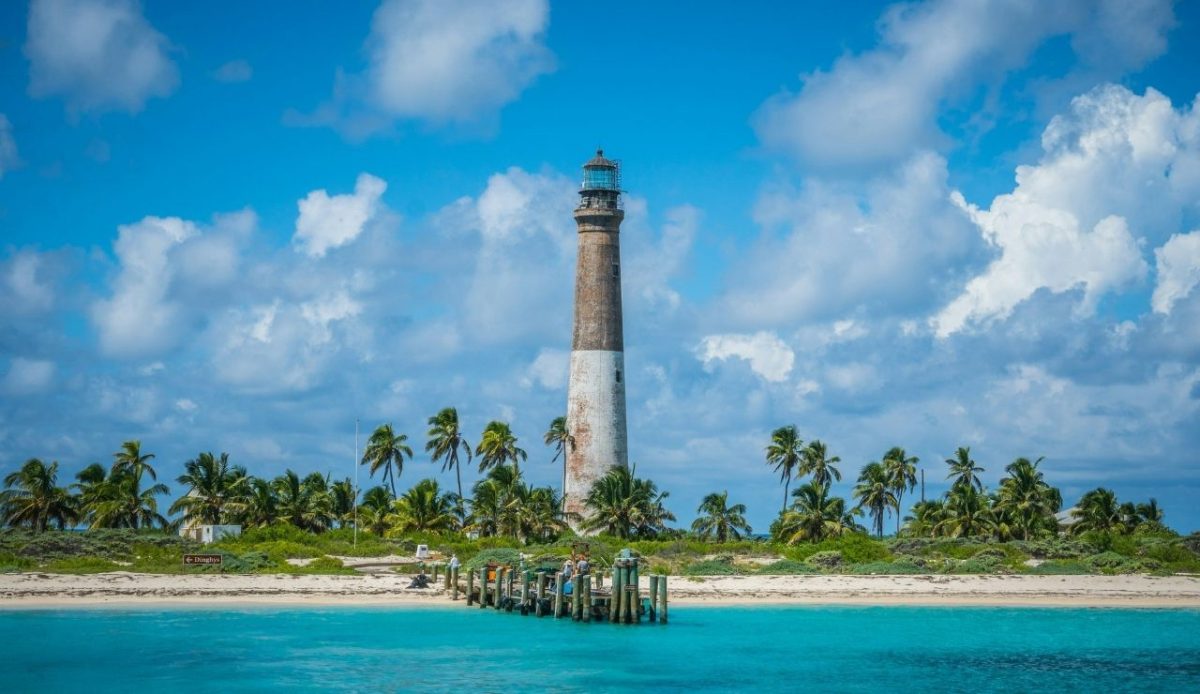
Dry Tortugas is built on coral reefs that take decades to add inches of growth. Reefs lie in shallow water where a small navigation mistake can lead to grounding. When anchors land on living coral or chains drag, the structure breaks, and the reef loses complexity.
Broken coral is not like a snapped branch. Many fragments die, and the bare spot can be colonized by algae. Anchor damage can also tear nearby seagrass that stabilizes sand around reef edges. Even where coral survives, scars can remain as weak points during storms.
Use mooring buoys when available and anchor only in approved sand areas. Check swing radius so the rod does not sweep across the reef. Good anchoring habits protect habitats that support fish, turtles, and seabirds.
11. Guadalupe Mountains National Park
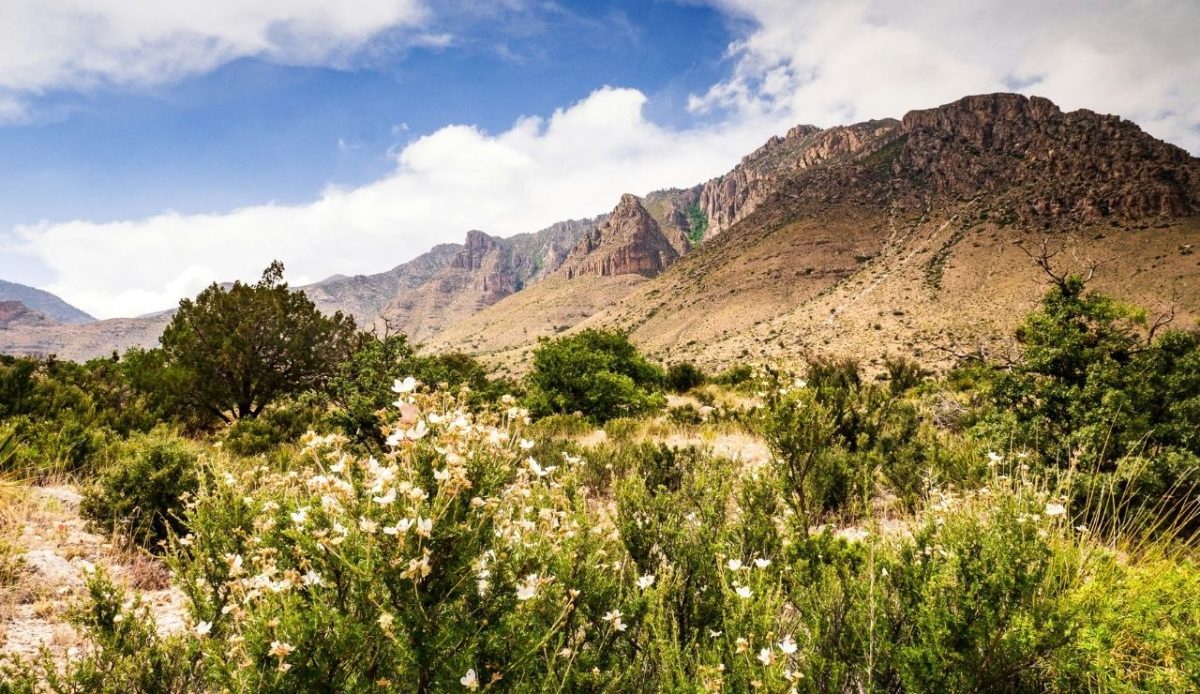
In the Guadalupe Mountains, many backcountry routes cross dry terrain with limited soil microbes and scarce water. Human waste and toilet paper left near camps persist and can be spread by wind and animals.
Besides visual impact, waste can contaminate small springs and tinajas that wildlife depend on. In narrow canyons, repeated use concentrates waste in a small area and increases health risk for other hikers.
Follow park guidance for catholes or carry out systems where required, and pack out toilet paper. Choose sites far from water, trails, and camp, and cover the spot well. Clean practices keep remote routes usable without added restrictions and protect scarce desert water sources.
12. Mount Rainier National Park
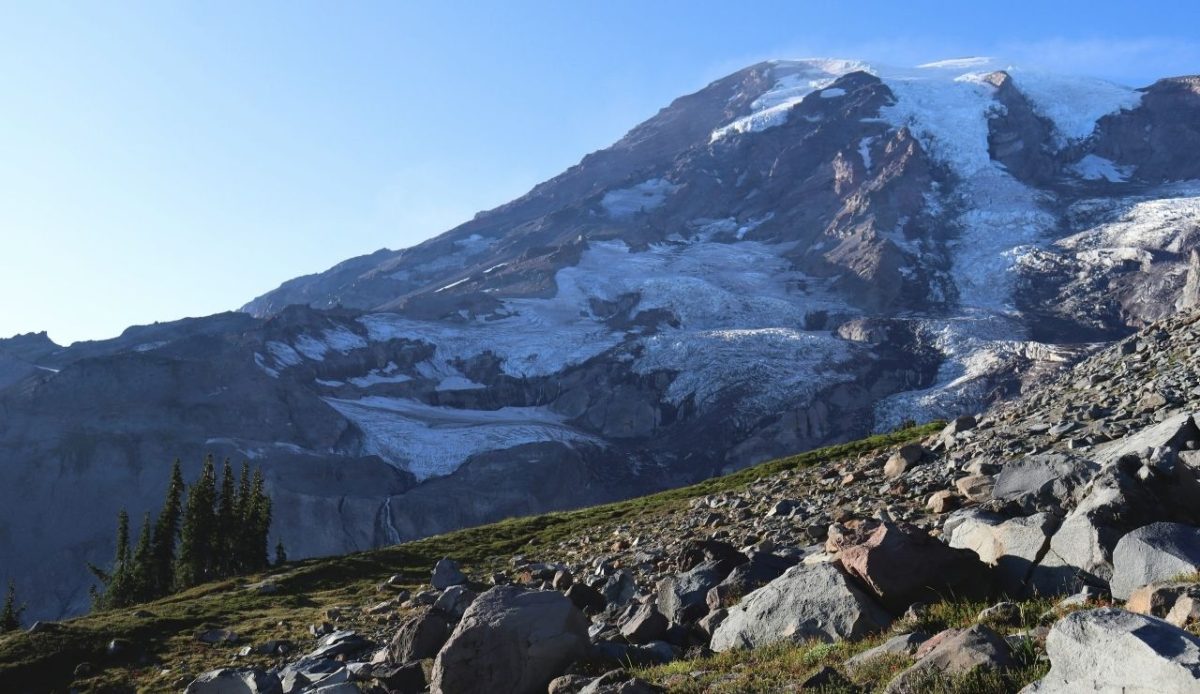
At Mount Rainier, subalpine meadows at Paradise and Sunrise bloom for a short summer window. Meadow plants are adapted to snowpack, not repeated foot pressure. When visitors leave trails for photos, stems get crushed, and roots are exposed in thin soils.
Trampling also compacts the ground, reducing air and water flow around roots. Once a bare patch forms, runoff cuts through it and widens the scar, especially on slopes. Because snow covers the ground much of the year, recovery time is long.
Use walkways and step only on rock or hardened surfaces when crowds tighten the trail. Keep group photos on designated overlooks and avoid shortcuts across flowers. A few feet of restraint protects years of slow growth.
