
Instagrammable “animal parks” sell quick photo moments, but the behind-the-scenes reality can be chronic stress, injury, and preventable deaths. This piece uses “Insta parks” as shorthand for attractions built around close contact, selfies, and performances with captive or restrained wildlife.
Animal welfare groups link photo-prop tourism to chaining, rough handling, sleep disruption, and sometimes sedation. Research on sloth selfie tourism, for example, documents frequent handling and physical manipulation during tours.
Not every zoo or sanctuary fits this pattern. Red flags include contact-first marketing, constant animal availability, and “no rules” interactions. Use the sections below as a checklist before you pay for a viral shot.
1. Tiger Cub Selfie Parks
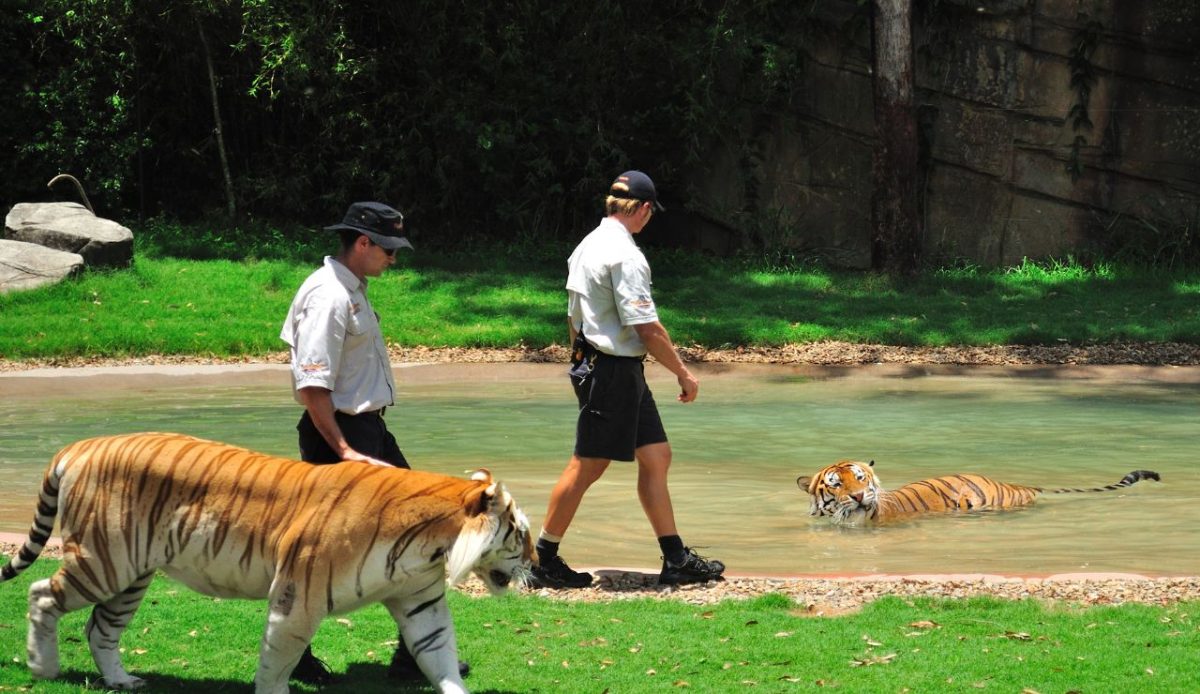
Venues that let visitors hug, bottle-feed, or pose with tiger cubs rely on nonstop handling. Cubs are taken from mothers early, rotated for photos, and kept on schedules that ignore rest and natural behavior.
Animal welfare groups describe cub-petting as a pipeline: once animals grow too big to cuddle, they are traded, confined, or used for breeding and performances. The social-media moment lasts seconds; the captivity can last decades, often in small enclosures.
If staff promise a “calm” cub all day, ask how it stays calm. Avoid any place that offers direct contact with big cats or lets people crowd them for shots.
2. Elephant Ride and Bathing “Rescue” Camps
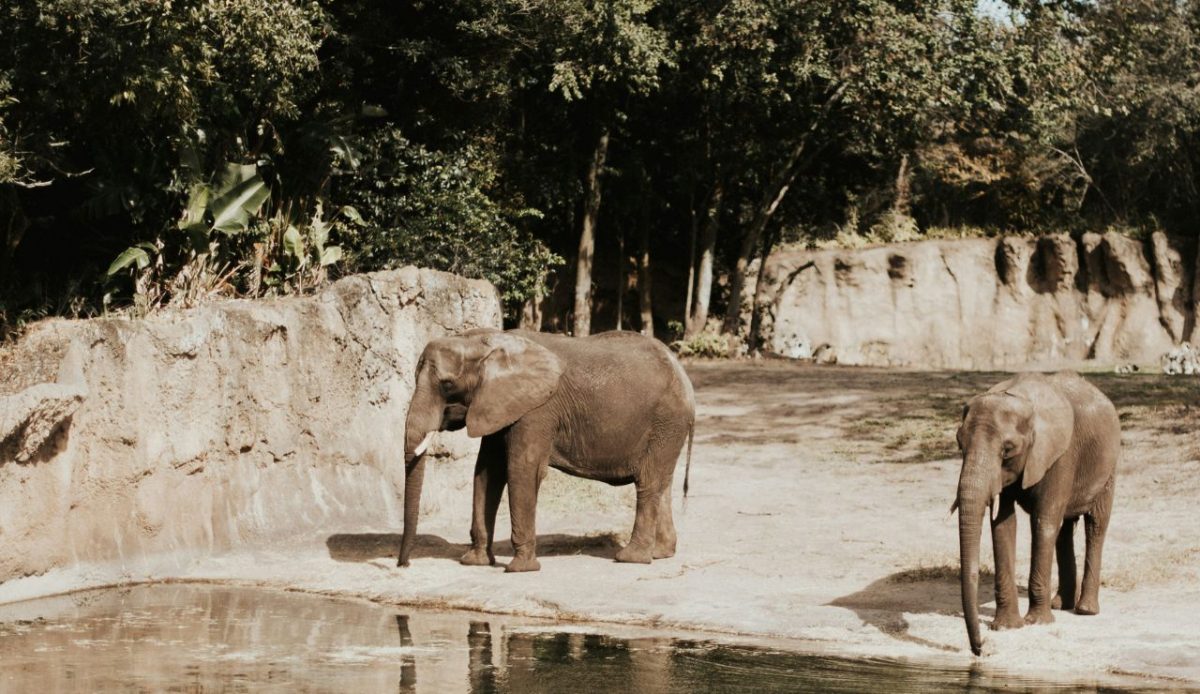
Elephant rides, paint shows, and tourist bathing look gentle on camera, but they depend on control tools and intensive training. Even at places branded as “rescues,” constant guest contact can keep elephants working through heat, noise, and crowds.
Welfare risks include foot problems from hard ground, restricted movement, and stress from repeated handling. Some camps rotate elephants for selfies and water play all day because it sells better than watching an elephant be an elephant.
Better options focus on distance: observation, large natural spaces, and no riding or forced bathing. If the experience centers your touch, it is rarely centered on welfare.
3. Sloth Selfie Stops Disguised as “Nature Parks”
Sloths are slow, quiet, and easy to pass from person to person, which is exactly why selfie tourism targets them. Handlers often keep them available during peak hours, even though sloths naturally rest and avoid constant contact.
A peer-reviewed study observing sloths used for selfies found each animal was held by multiple people per session and was frequently manipulated by head or limbs. Stress may not look dramatic, but chronic stress can undermine immune function and overall survival.
If a venue allows holding, hugging, or posing with a sloth, treat it as a warning sign. Choose wildlife viewing that keeps animals in control of the distance.
4. Swim-With Dolphin Parks and Dolphinariums
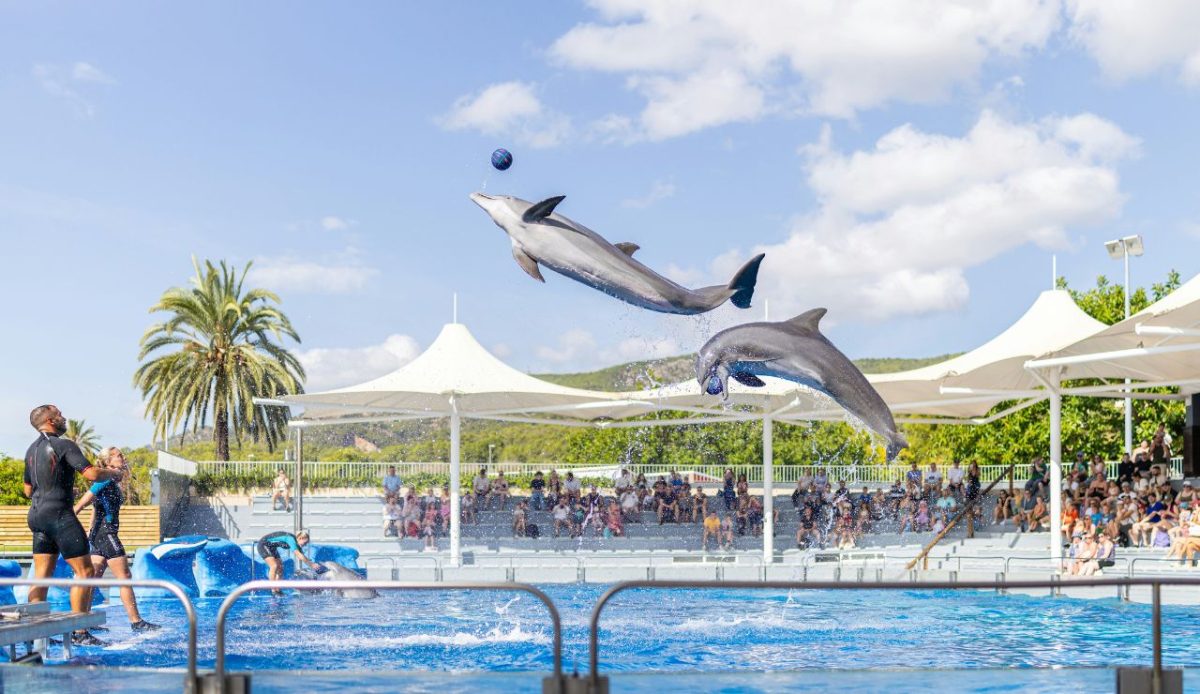
Swim programs and dolphin shows compress wide-ranging animals into tanks and rigid schedules. Even when trainers look skilled, captivity changes movement, social grouping, and the ability to avoid conflict.
Recent welfare reviews highlight health and stress concerns in captive dolphins, including disease risks and higher vulnerability for young animals in some facilities. Interactions that require dolphins to approach strangers on cue can add another layer of pressure.
If you want a dolphin experience, prioritize boat-based watching with licensed operators and rules that keep distance. A good sign is a hard “no” on touching or feeding.
5. Lion “Walking” Parks and Big-Cat Playgrounds
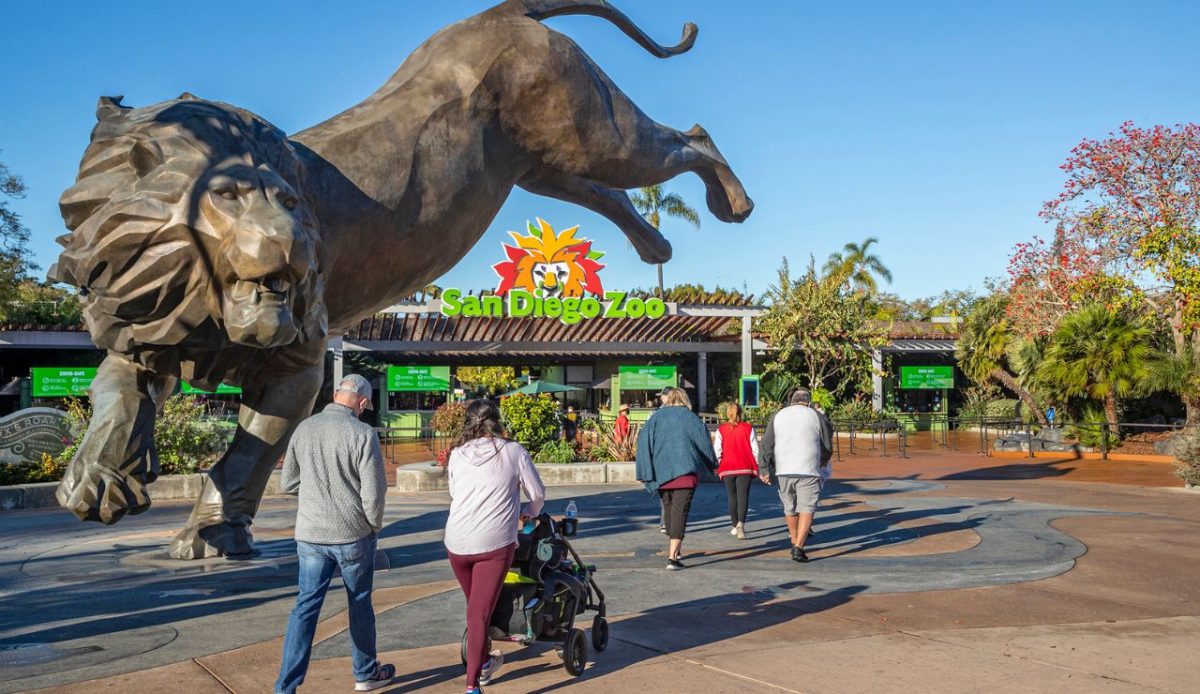
Walking with lions or posing with “friendly” big cats is marketed as conservation, but it often depends on hand-raised animals habituated to people. That habituation removes natural fear and can lead to stress, conflict, and dangerous handling for both animal and visitor.
When big cats mature, the photo-op phase ends and costs rise. Facilities may then trade animals, breed more cubs, or shift adults into shows to keep revenue flowing, while public messaging stays upbeat.
A simple rule: real sanctuaries do not sell contact with predators. If the headline attraction is your proximity to teeth and claws, welfare is not the product.
6. Monkey Selfie Parks and “Feeding Forests”
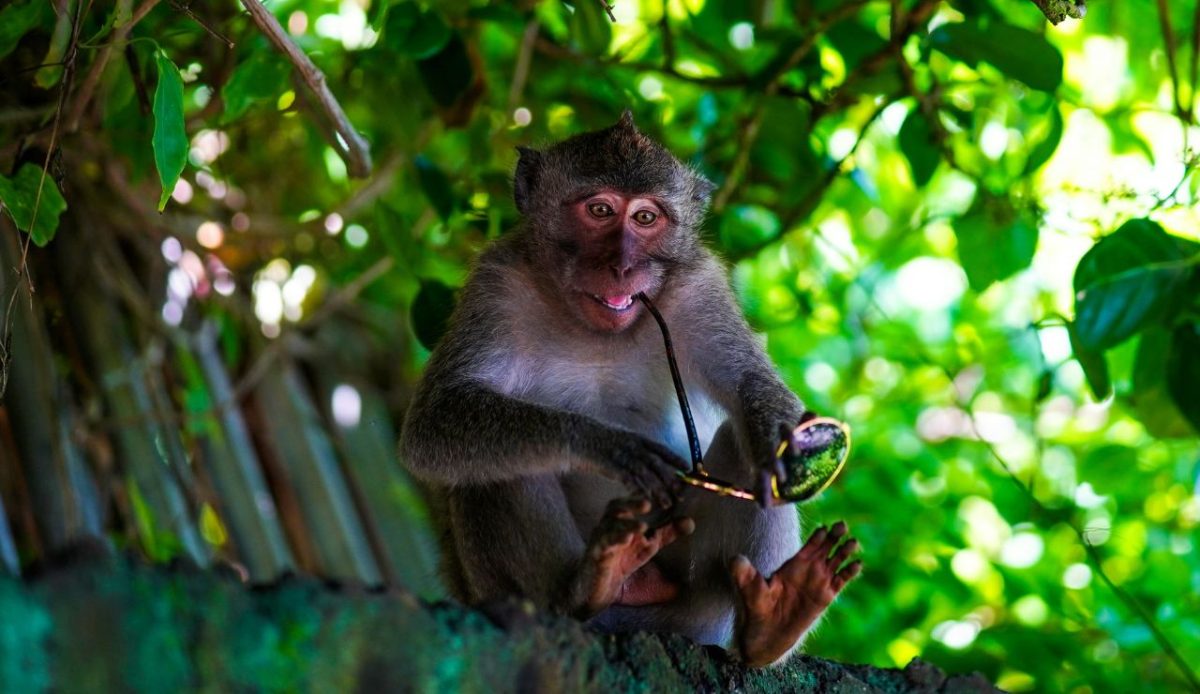
Parks that promise shoulder-sitting monkeys and easy selfies usually rely on feeding to keep animals close. That changes natural foraging, increases aggression, and pushes monkeys into constant competition around humans.
Over time, food-conditioning can lead to malnutrition, dental problems, and more injuries from fights. It also raises bite risks, which can trigger culling or removal when animals become “problematic,” even though the behavior was trained by tourism.
If a site sells bags of food, encourages close contact, or tolerates crowding, step back. Observe from a distance and pick tours that ban feeding and touching.
7. Snake-Handling Photo Booths and Reptile “Touch Zones”
Snake selfies and handling stations look harmless because reptiles do not show stress like mammals. But repeated grabbing, posing, and bright lights can cause chronic stress responses and raise the chance of injury.
Many setups keep animals in small tubs between sessions, then pull them out for constant contact. Stress can reduce appetite, weaken immunity, and increase disease risk, while visitors often miss the warning signs.
If you see neck gripping, forced wrapping, or staff encouraging long poses, skip it. Ethical reptile exhibits emphasize viewing, not holding, and limit handling to essential care.
8. Owl and Raptor “Perch for Pics” Parks
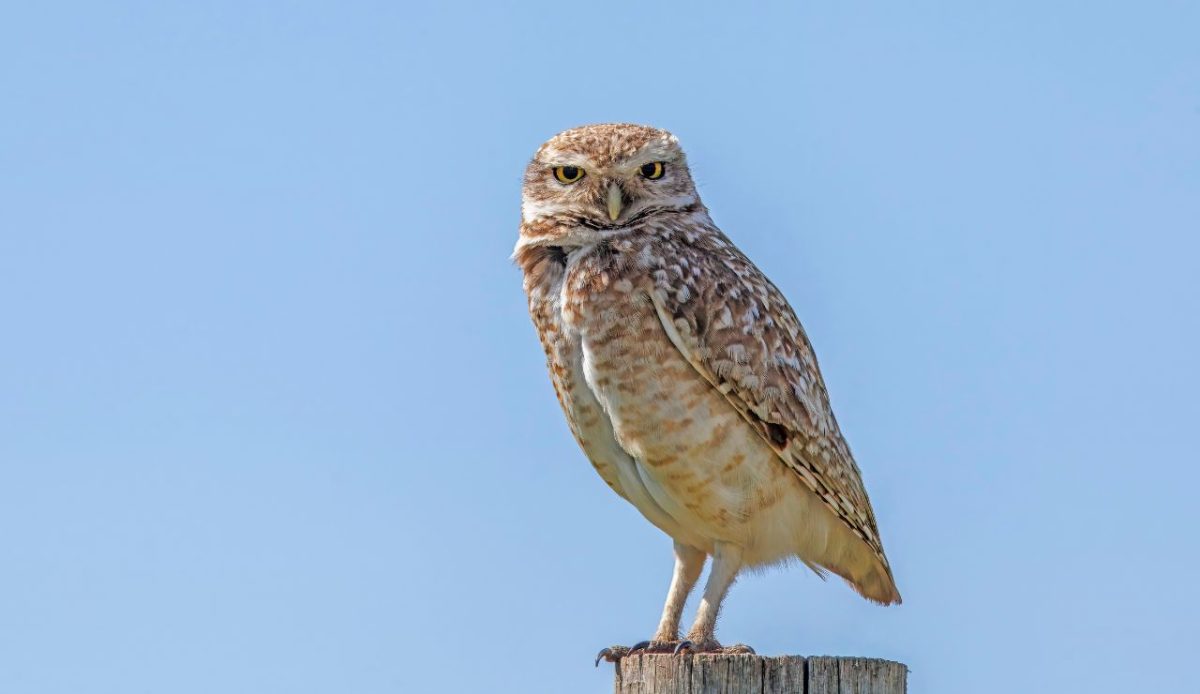
Owls, hawks, and eagles are built for flight and distance, not for sitting still under phone flashes. In selfie-perch venues, birds may be tethered, pinioned, or kept in dim spaces so they stay manageable around crowds all day, too.
Bright light, noise, and frequent handling can disrupt feeding and resting patterns. Feather damage, stress behaviors, and injuries from restraint are risks that rarely show up in the final photo.
Look for raptor centers that focus on rehabilitation, education, and flight conditioning, with strict no-touch rules. If the main offer is a perched bird on your arm, keep walking.
9. Civet “Coffee Experience” Parks

Kopi luwak tours can look like harmless tastings, but many operations keep civets in cages and feed them restrictive diets to produce beans. The photo set often includes caged animals as props to prove “authenticity.”
Civets are nocturnal and solitary, so daytime display and crowd noise can be stressful. Poor housing and diet issues can lead to illness, injuries, and early death, while visitors only see the souvenir cup and the Instagram shot.
If civets are visible in small cages, skip the venue and buy coffee with transparent sourcing instead. Ethical producers do not need captive wildlife to sell a story.
10. Otter Cafés and “Cute Carnivore” Play Parks
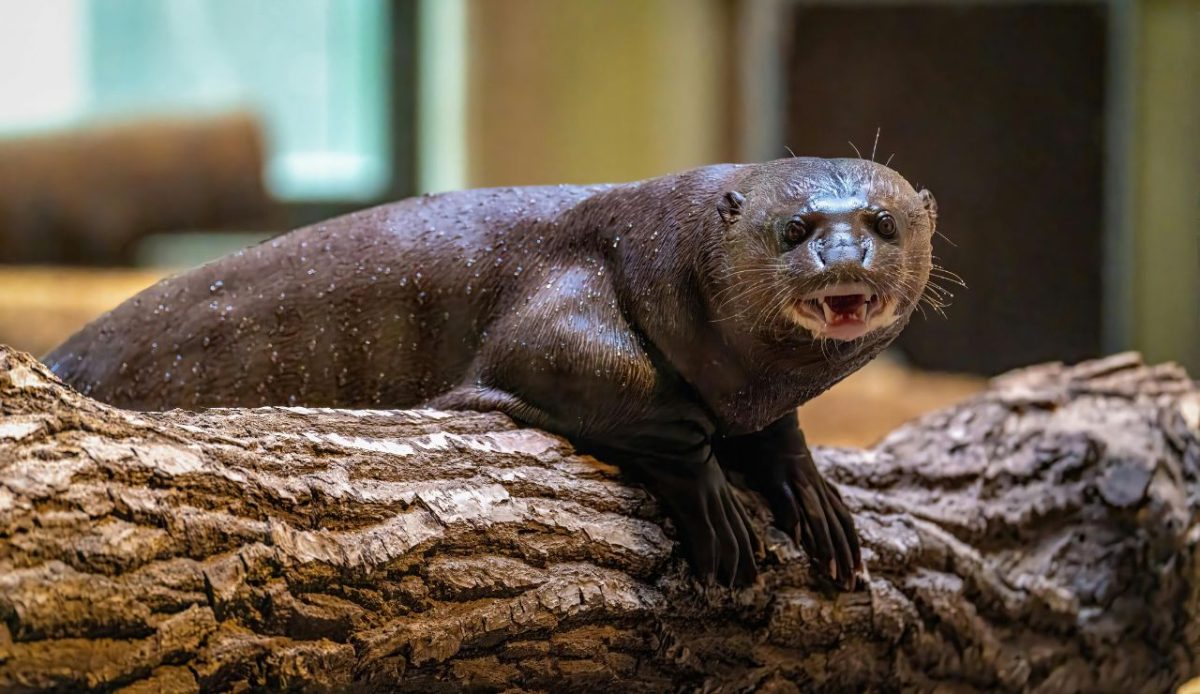
Otters, raccoon dogs, and other small carnivores are trending in cafés and indoor parks where guests pay to pet, feed, and pose. These animals have strong needs for space, water access, and predictable routines that café settings rarely provide.
Crowds, handling, and noise can trigger biting, pacing, and stress behaviors. When animals become “difficult,” they can be isolated, rehomed, or replaced, keeping the business model running while welfare stays off camera.
A welfare-focused facility sets barriers, limits contact, and prioritizes enrichment over selfies. If you are promised guaranteed cuddles on a schedule, treat it as a red flag.
11. Penguin Encounter Parks and Indoor “Ice Worlds.”
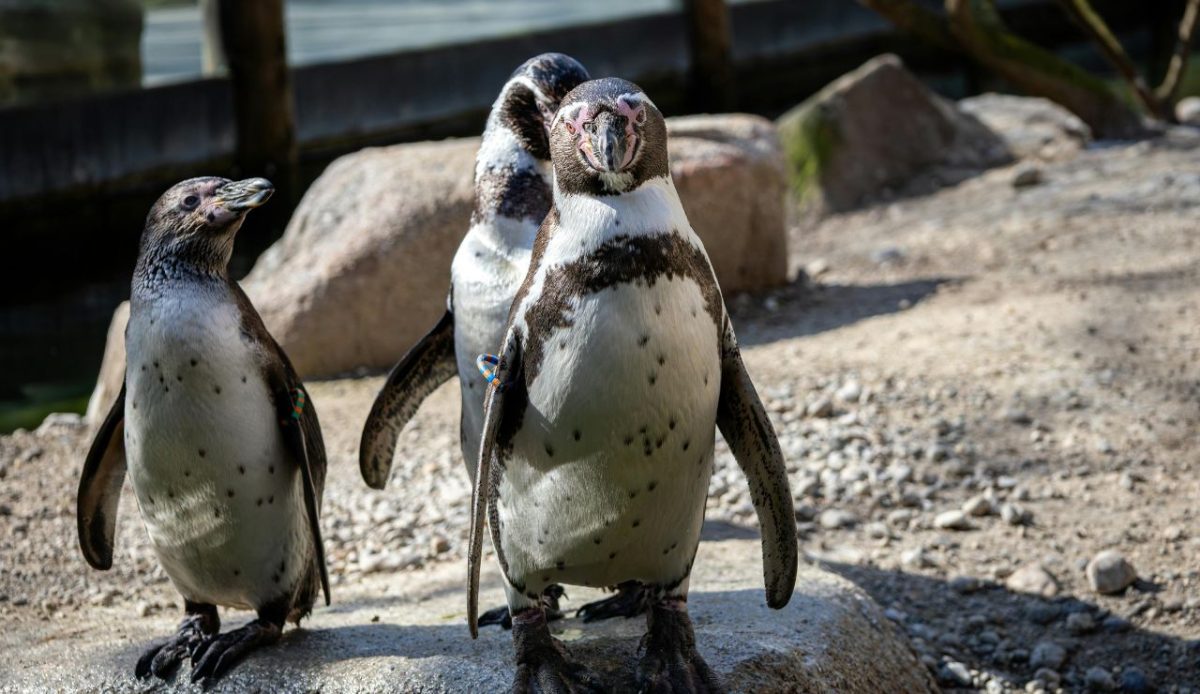
Penguin encounters often sell close-up photos in chilled rooms that mimic polar vibes, but the animals still live in artificial conditions with limited choice. Crowds and timed “meet” sessions can force proximity when penguins would normally move away.
Temperature control is only one part of welfare. Light cycles, water quality, space to swim, and the ability to avoid people matter just as much, and shortcomings can show up as illness, feather issues, or stress.
If a venue allows touching, cornering, or flash photography, skip it. Responsible facilities keep guests behind barriers and focus on observing natural behaviors, not handling.
12. Turtle Touch Pools and “Swim With” Sea-Life Lagoons
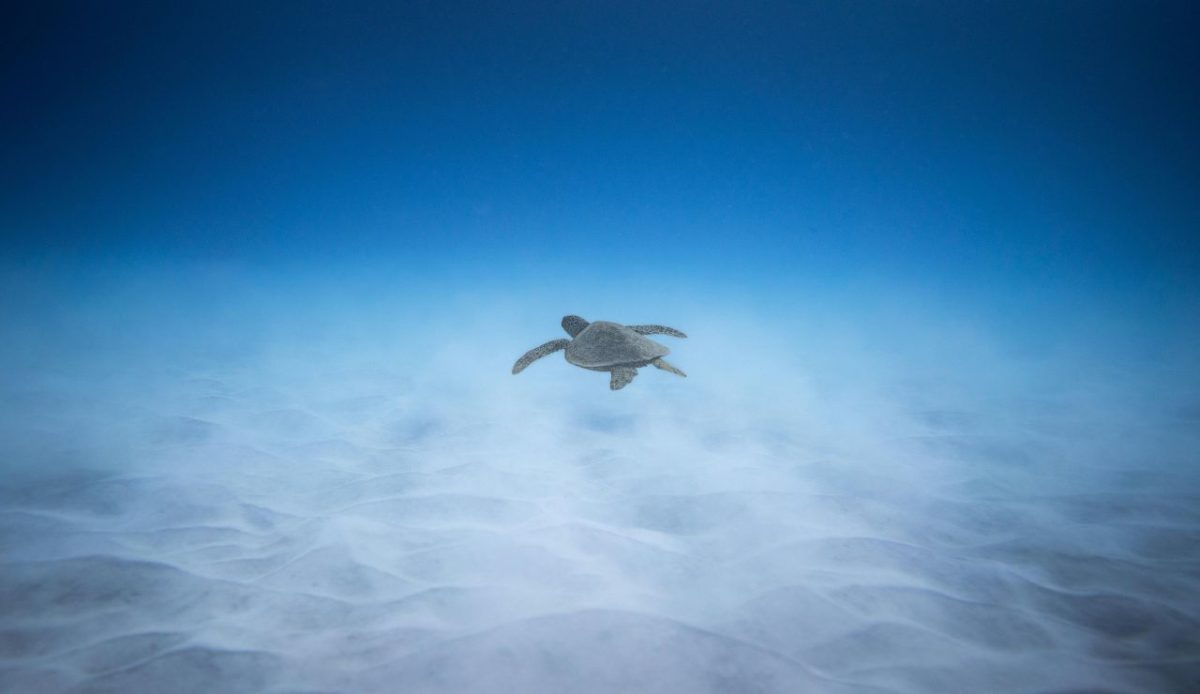
Touch pools and shallow lagoons that promise turtle selfies or close “swims” often keep animals in small, highly managed spaces. Frequent grabbing, chasing, and lifting for photos can cause injury and exhaustion, even when staff say it is supervised.
Marine animals face added risks from sunscreen chemicals, poor water quality, and constant disturbance. Stress can reduce feeding and healing, and injured animals may be quietly removed so the attraction looks unchanged to the next group.
Choose experiences that keep wildlife wild: viewing platforms, snorkeling with strict no-touch rules, and operators who end a session when animals show avoidance. Your camera works from a distance.
