
Railroads once carried the nation forward, linking small towns and large cities in ways highways never matched. Remote places rose around depots, alive with smoke, whistles, and the steady beat of engines. When lines shut down or routes shifted, many of these towns faded almost as quickly. Today, they stand quiet, marked by crumbling storefronts, boarded stations, and tracks lost in weeds. Teens chasing adventure and nostalgic adults still find these places worth the drive.
1. Thurmond, West Virginia
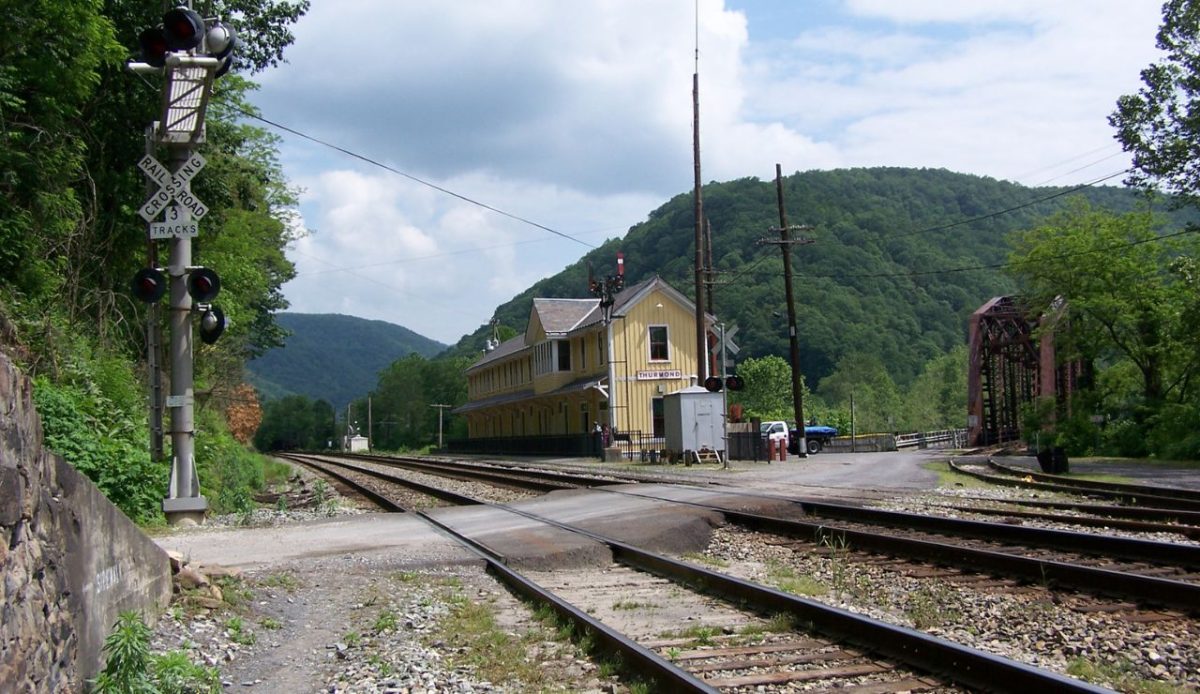
Thurmond ranked among the busiest coal towns in Appalachia, sending endless tons of fuel by rail. Its depot still stands above the New River Gorge, while streets feel fixed in another century. Only a few residents remain, and vacant brick hotels hint at past wealth. Walk the main street and you hear only wind, yet the scene suggests hard days and late trains. The restored depot now serves visitors with exhibits that tell how rail traffic shaped the valley. River views, iron bridges, and track beds covered in grass make each corner feel like a living set piece from rail days.
2. Bodie, California
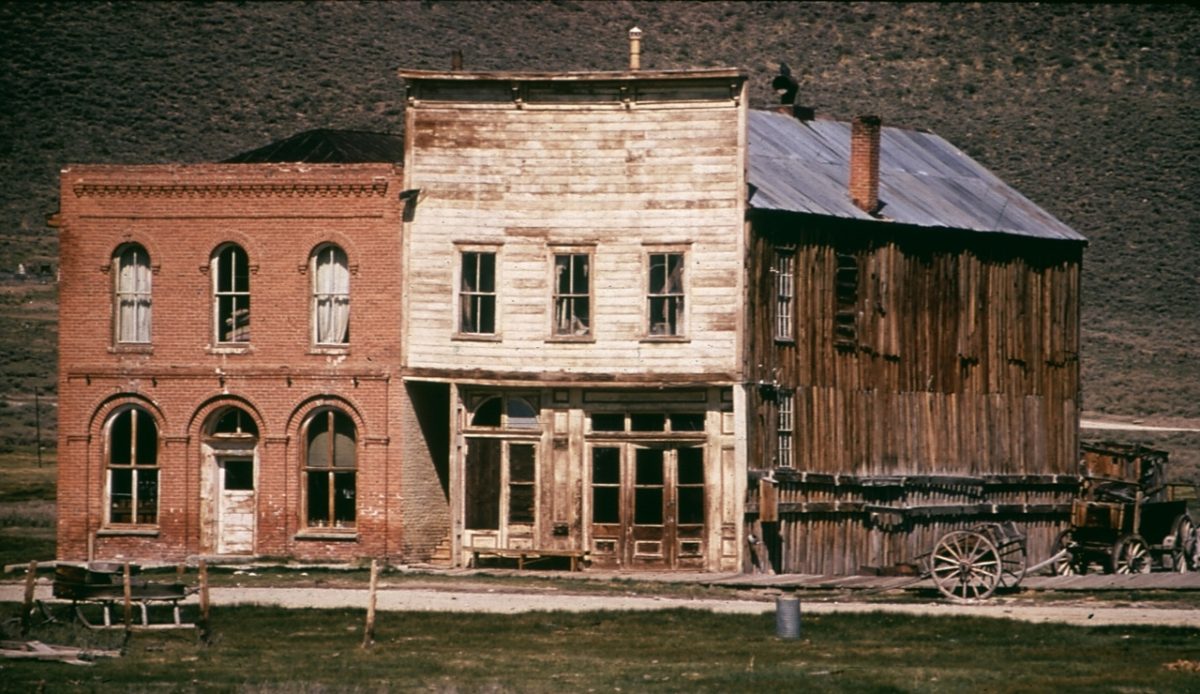
Bodie is known for gold, yet the railroad kept it supplied with timber and carried ore from the hills. The Bodie Railway and Lumber Company worked into the early 1900s, keeping stores stocked and mills running. Now preserved in “arrested decay,” Bodie shows leaning homes, a weathered depot, and broken ties along dusty roads. Boardwalks creak under slow steps as dry winds sweep the high valley. Every corner reminds guests how hard life felt in this remote mining town. Rangers share quick stories, and the thin air adds a chill that makes the empty rooms and tool sheds feel even more immediate.
3. Caliente, Nevada
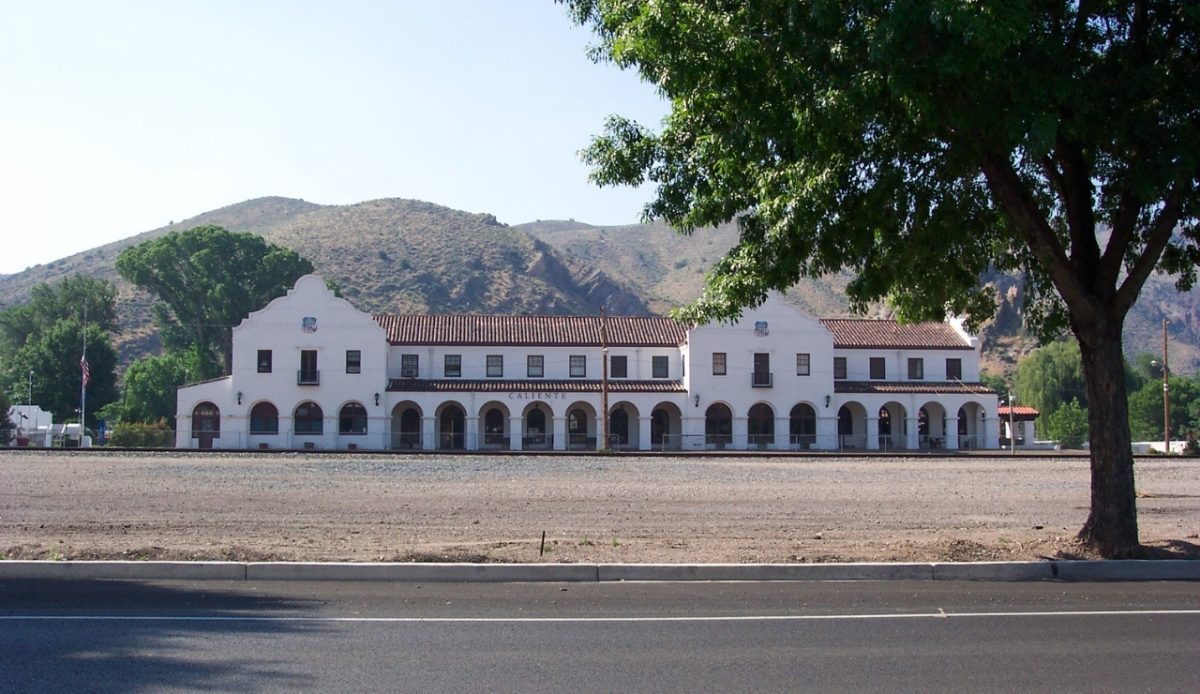
Caliente rose around a Spanish-style depot built for Union Pacific trains crossing Nevada’s desert. Arched halls welcomed travelers who filled nearby hotels, cafés, and shops along a lively main street. For years the town served as a division point, until service slowed and its role faded. Today the depot still anchors the skyline, one of the state’s most striking rail landmarks. Stand beneath its curved façade and picture passengers stepping into the sharp heat of the sun. Tile work, shade trees, and echoing corridors frame photos that feel timeless, even as freight rumbles far beyond town.
4. Glenrio, Texas/New Mexico
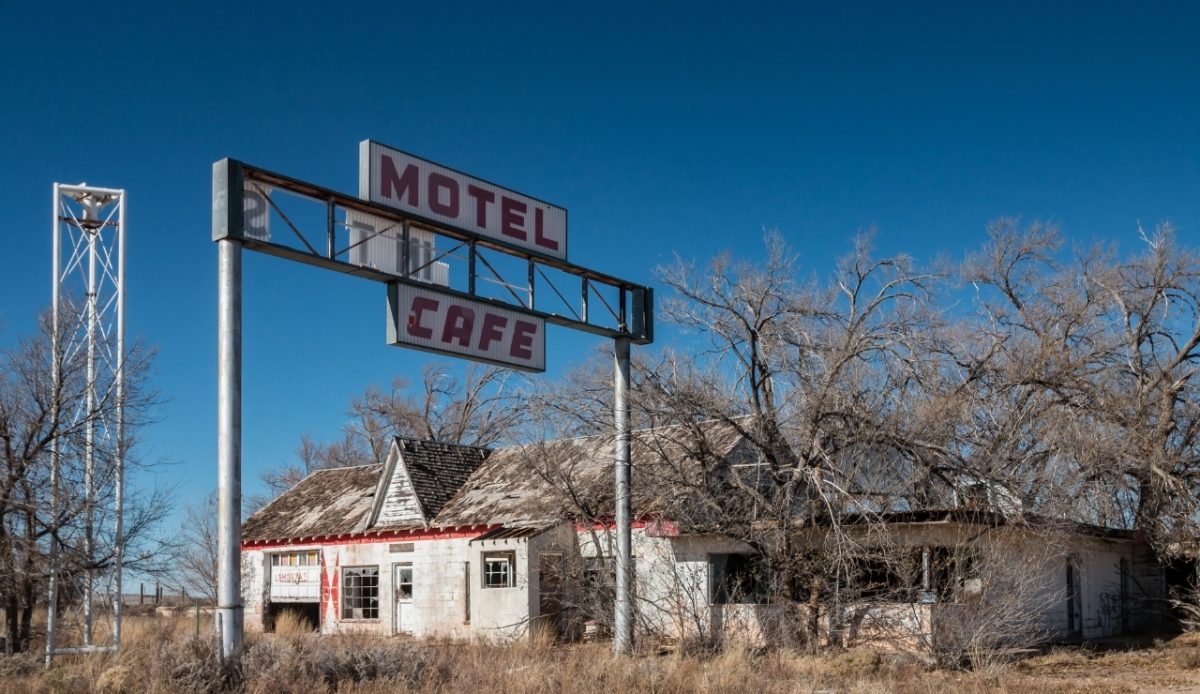
Glenrio straddles the Texas–New Mexico line and once drew steady traffic from Route 66 and the Rock Island Railroad. The small depot tied two states together with daily freight and passenger runs. When highways took over, the town emptied fast. Now still streets host photographers who frame silent motels, diners, and filling stations. Rusted rails nearby trace the link that once pulled this border stop into the stream of distant markets. Faded neon tubes, cracked pump islands, and sun-bleached billboards form a roadside stage where quiet speaks louder than engines.
5. Ludlow, California
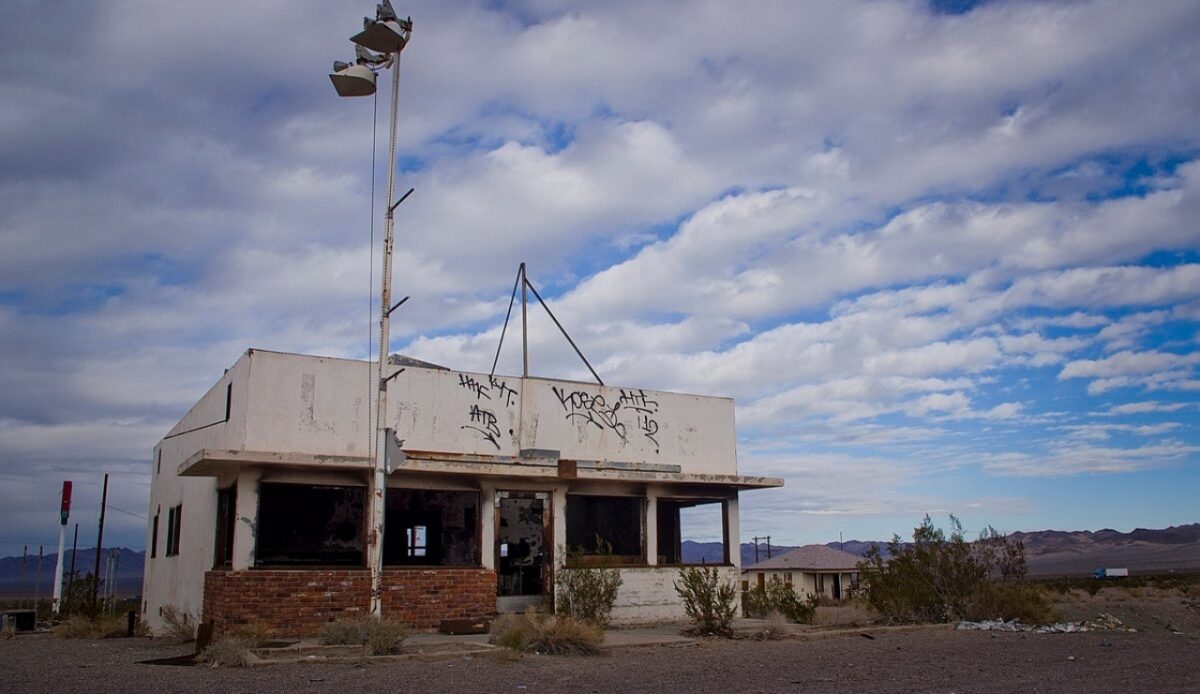
Ludlow rose in the Mojave as a supply stop for the Santa Fe. Freight trains hauled ore, water, and fuel across dry flats while families built lives near the sidings. When routes changed, the town thinned, leaving diners, garages, and shuttered stores to the sun. Travelers meet a wide silence broken by wind and crumbling walls. In that quiet, it is easy to picture steam rolling across the basin and lanterns swinging beside the track. Heat haze blurs the horizon, and the clink of gravel under boots becomes the only sound most days. Old mileposts still lean beside the right-of-way.
6. Cairo, Illinois
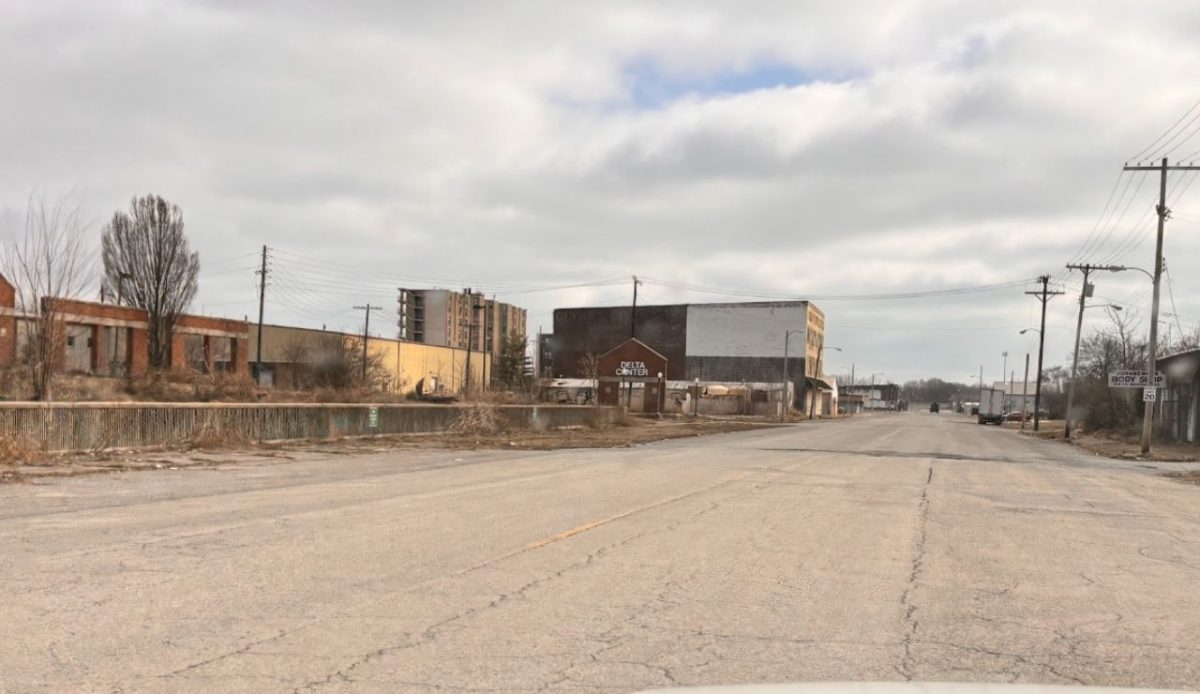
Cairo grew at the meeting of the Ohio and Mississippi, where steamboats met trains and freight moved in every direction. The city once buzzed with switching yards, river crews, and hotel porters. As industries declined, its rail strength slipped away. Brick blocks now stand worn and hushed, while the old lines and bridges remain. Walking these streets feels like reading a half-forgotten chapter of American travel, with echoes of whistles over the water. Historic markers fill in the names and dates, while river breezes cool corners where ticket windows once stayed busy.
7. Ely, Nevada
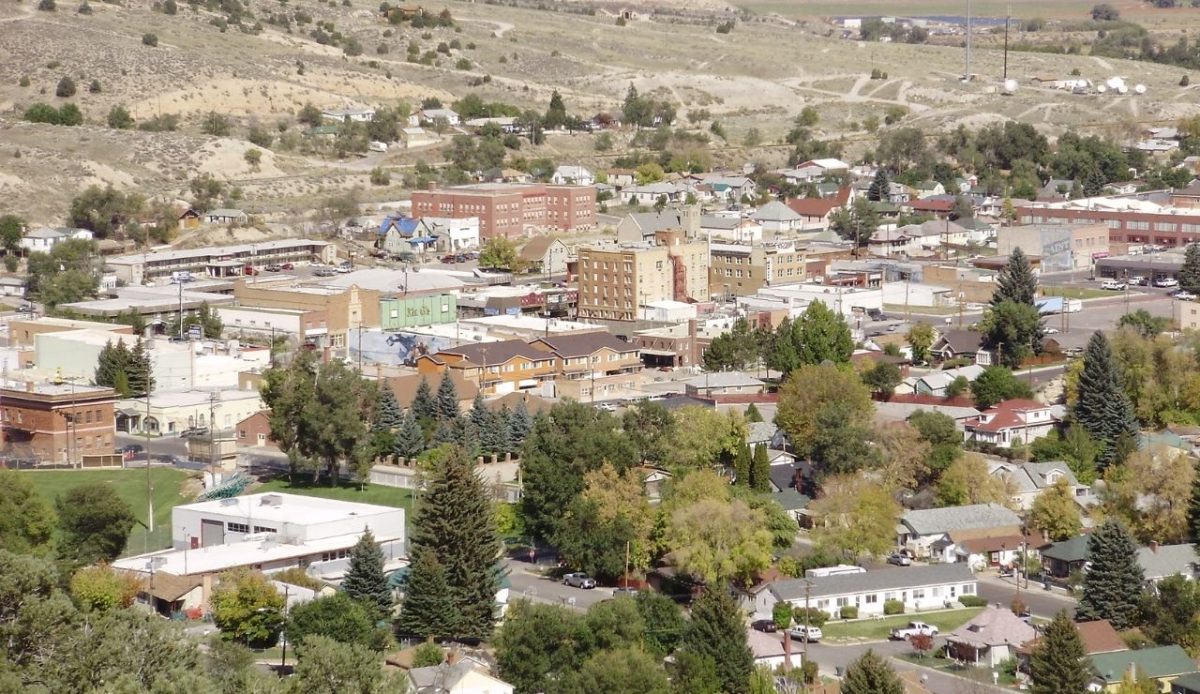
Ely leaned on the Nevada Northern, which hauled copper from nearby mines through high desert passes. Yards once rang with clanging steel, smoky stacks, and long strings of ore cars. Today the complex runs as a museum where restored steam engines still work short runs. Families ride through open valleys while the roundhouse and depot frame the scene. The town’s rail story lives on in careful tours, oil-scented shops, and the steady chuff of pistons. Night photo shoots and cab rides add hands-on moments that help teens grasp how crews kept heavy machines moving on schedule.
8. Sharon Springs, Kansas
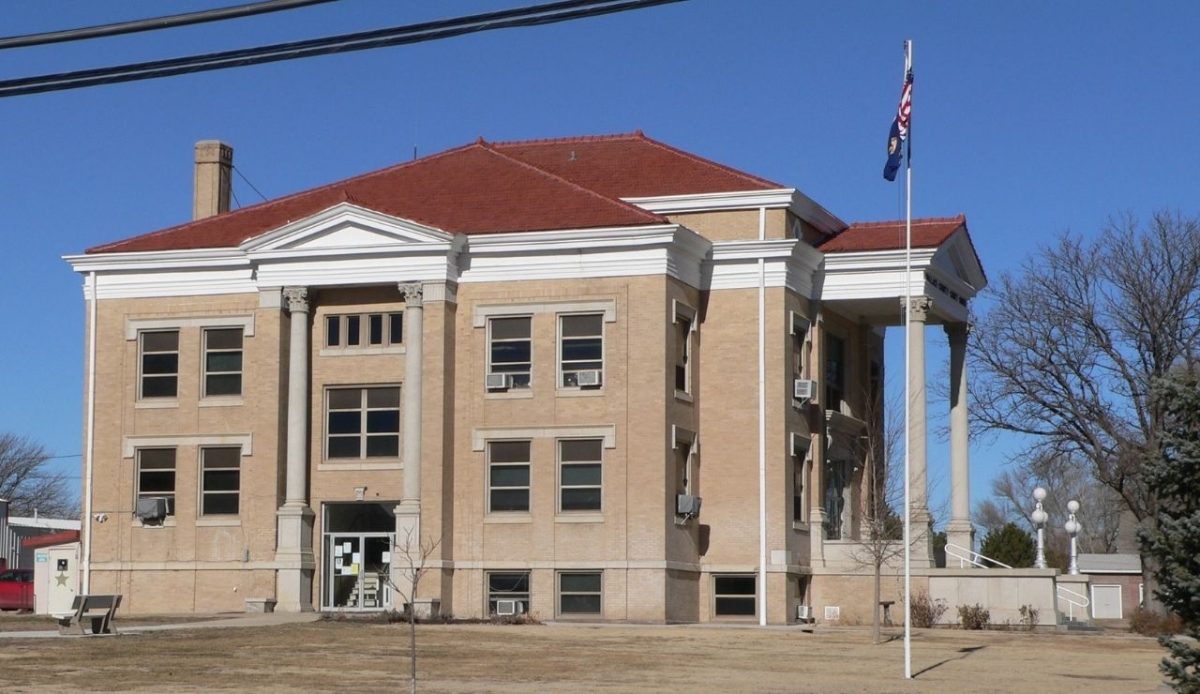
Sharon Springs grew when the Union Pacific pushed west, moving wheat and cattle toward larger markets. Farmers timed their days by the depot’s clock, and shipments kept the cafés and stores busy. As service dropped, the town’s role faded and windows went dark. Yet the old station, worn but steady, shows how trains once held rural towns together. Visitors find quiet streets, grain elevators, and rails that no longer follow the town’s path. Harvest trucks still pass through, and the smell of cut hay mixes with dust that swirls along the siding on dry afternoons.
9. Centralia, Pennsylvania
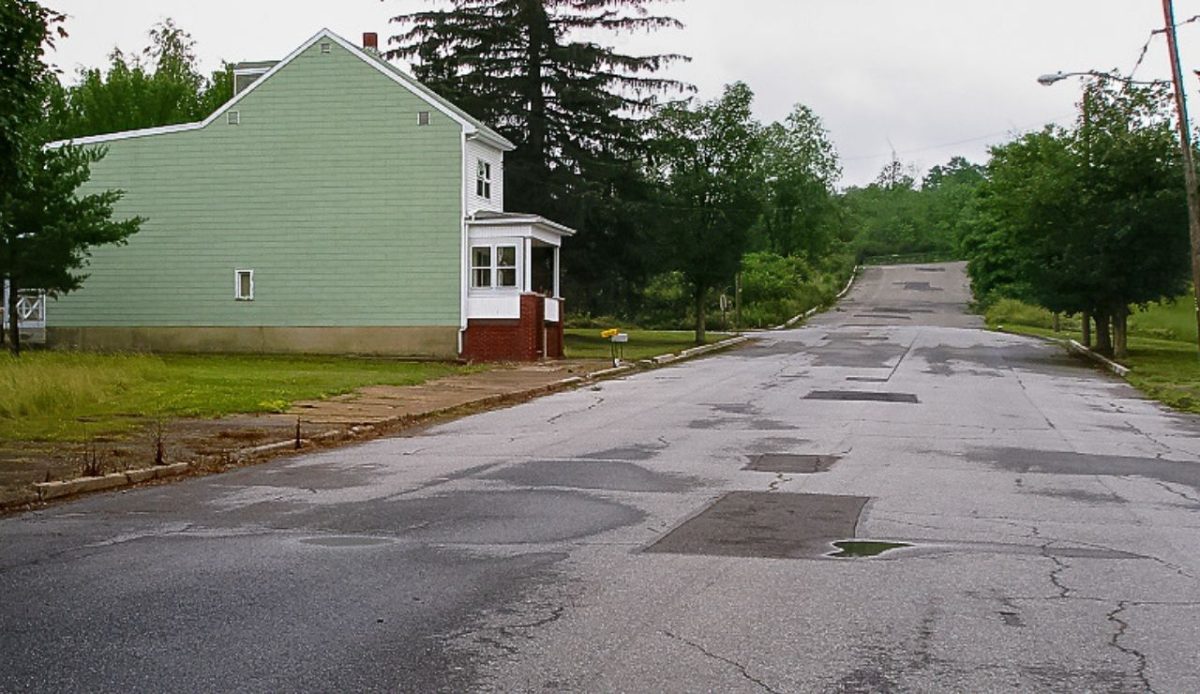
Centralia is tied to the mine fire that still burns below, but the railroad once carried its hope. Coal cars rolled east from busy yards, and whistles cut the air from dawn to dark. When families left, the trains did too. Now streets end in brush, and bright paint covers cracked pavement. Centralia stands as a stark reminder of how industry and rail once lifted a community before disaster turned it into near memory. Visitors walk old routes with care, feeling warm ground in places and reading signs that warn against unsafe cellars and slopes. The quiet feels uneasy, even at noon.
10. Jerome, Arizona
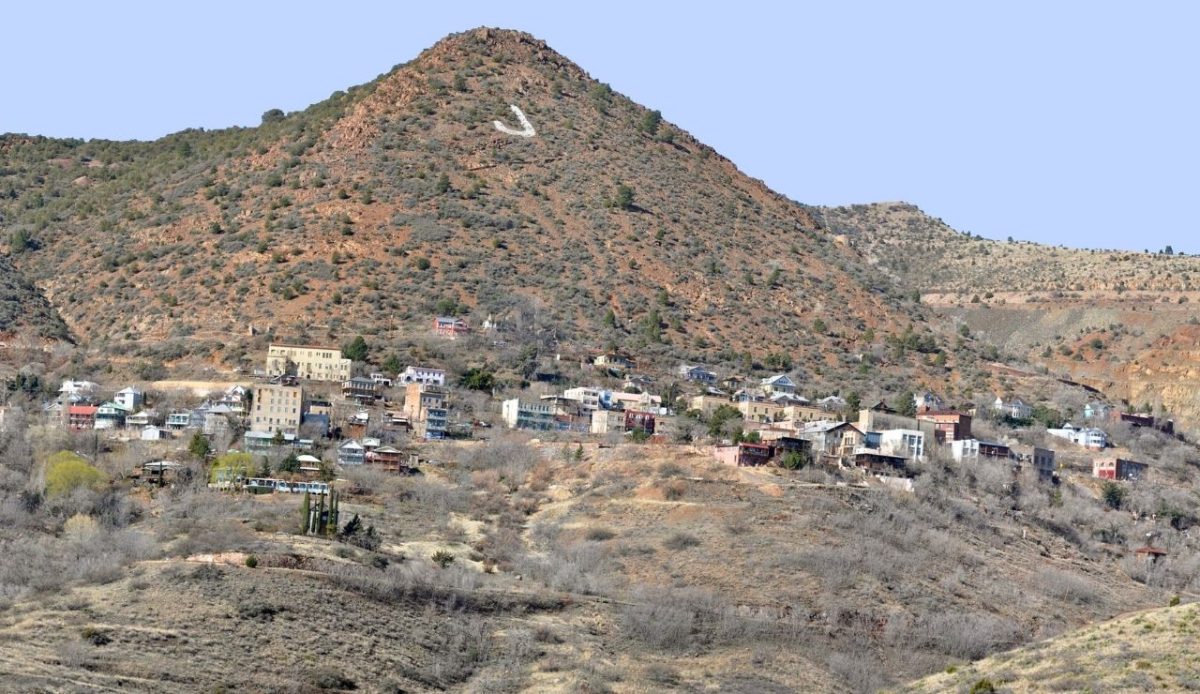
Jerome clung to Cleopatra Hill and shipped copper down canyons by rail while freight hauled supplies back up. When the mines closed, trains stopped, and streets went quiet. Artists later returned, opening studios and small inns, yet rail roots still show. Old beds and ore cars dot the slopes, and grades cut the hills like scars. Stand at a lookout and picture switchbacks where short trains inched toward the valley floor. Historic plaques, narrow stairs, and brick arches lead visitors past shoots and winches that once linked the town to the rails.
11. Kingman, Arizona
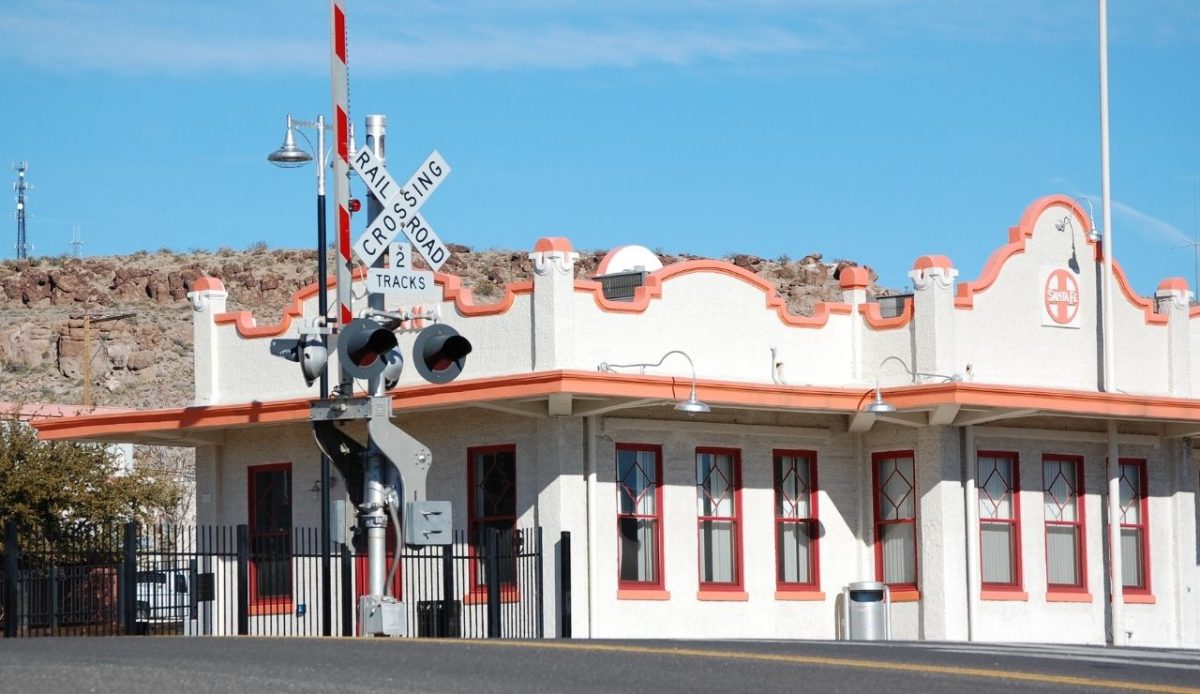
Kingman grew when the Atchison, Topeka and Santa Fe made it a key desert stop. Passengers, ore, and supplies passed through, feeding hotels, cafés, and warehouses near the tracks. Over time, cars and planes drew away travelers, and trains slowed. The depot survives as a museum and landmark along the old route. Stand on the platform and picture dusty riders stepping down, grateful for shade and cold water. Route 66 signs, classic diners, and a polished Pullman coach help link the station platform to road trips families still take today. Heat shimmers at noon across the tracks.
12. Havre, Montana
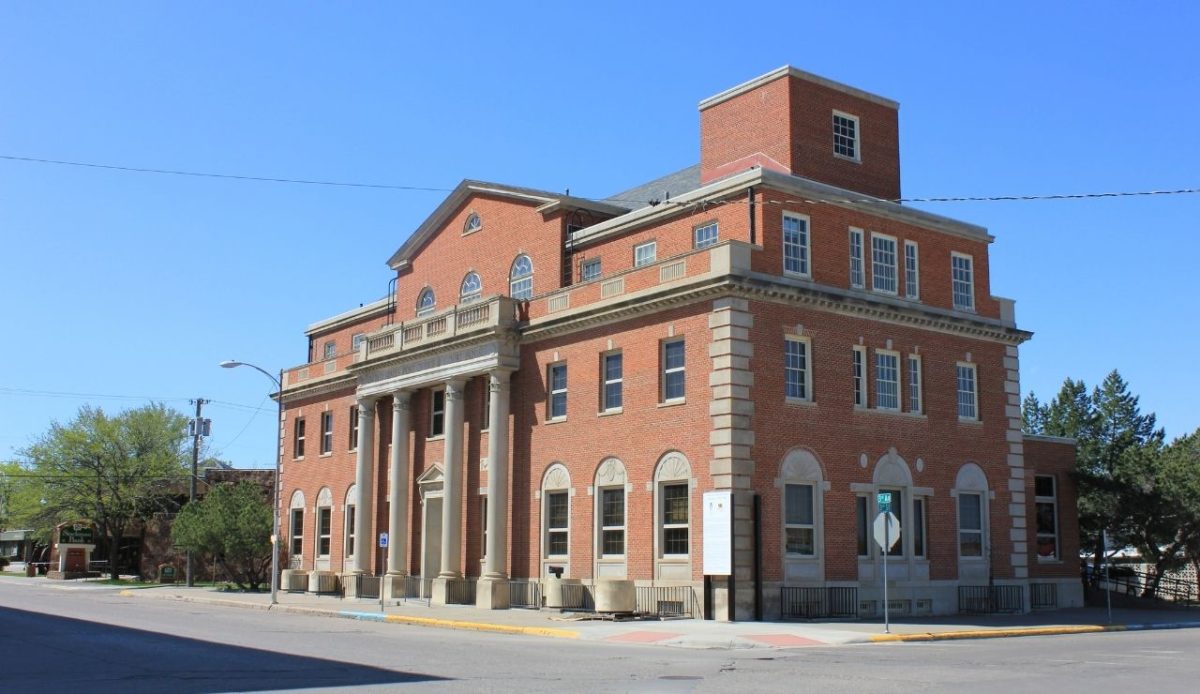
Havre became a major stop for the Great Northern, a rail town with shops, a roundhouse, and long strings of cars. Crews repaired engines, swapped mail, and pushed west across the Hi-Line. As patterns changed, many buildings grew quiet. The depot still anchors the center and keeps the story in view with exhibits. Main streets carry hints of the days when schedules ruled meals, sleep, and pay for nearly everyone. Underground tours and a small model layout help visitors picture packed yards and hear stories that once filled lunch counters. Amtrak still pauses under the same wide sky.
